Now then, I understand that any literary project (!) needs a theme, or a focus. Well, the theme and focus of this posting is, it’s the bits which interrupted the flow of the narrative in the previous articles. Those are the bits we haven’t photos of – the extensive, super-low-density cities, where scarcely a human is seen, outside an A/C building or an A/C car. Frustrating on a motorcycle, one’s ears might be worn away pulling the helmet on and off – not that said item is compulsory in the mid-west, and one can understand why in this heat. It’s not at all about the very unfriendly Reno Sprouts supermarket whose security ejected us from the car park when we tried to eat the food we’d just bought there, oh no. Well, we are, I suppose, vagrants.
At the time of starting this post, we’ve taken a slice through the mid-west from border state Montana down to Flagstaff in Arizona. Then we’ve turned around and made our we northwest to Reno, Nevada, en-route to picking up the Pacific coast for our run down to Mexico. So it’s a good time to review our mid-west.
The national parks, wilderness and wildlife have been spectacular. But there’s also loads of interest in the not-famous bits: The highways, the quiet towns, the ranges of hills. And, it’s a motorcycle trip, so every so often someone will have to get all anal about bikes. Well, you can guess who writes now, fingers still black from oil changes.
These inland states, abutting the Rockies, are all pretty high. Large parts of Montana, Wyoming, Utah are over 1,000 metres above sea level, if not 2,000 metres. The lowest points in those three are 557m, 945m, 664m – we didn’t visit Colorado, which floats entirely above 1000m. Passes in the mountains routinely exceed 3,000 metres. To think that our travel insurance company’s first policy offer had an altitude limit of 1,000 metres! That would have given us a very odd, frustrating, maybe impossible route, certainly not this inland one. As it is, Highway 89, and our diversions, have been splendid. Most of the roads are lightly trafficked. There are long, long, straight, flat sections, as per the classic photos, but also interesting little towns, hamlets along the way, and every so often, it goes all wiggly to get through a range of hills or mountains. Highway 50, east to Reno, is bleakly spectacular. We nearly had to resort to the fuel cans, it was so empty. Clare’s Garmin – I have no idea why it was even turned on – produced gems like “Turn left in 150 miles”. But such long runs make the stops more interesting.
And being summer, far from the sea, it’s hot in the daytime. Very hot, although locals say it gets a lot hotter. Clare forked out for some basic mesh riding trousers, her posh Staedler suit getting too hot. I was in mesh from the start, but was latterly in not a lot underneath (sorry). As soon as the bikes halted, we made a rush for shade, ripping off gloves and helmets as we scuttled. It was often much cooler overnight, so camping was still ok, especially if there was shade for us after getting up. And from Montana, onwards, increasing as we prairie’d south it was prone to very wet thunderstorms in the afternoon or overnight.
At some of the stops, time itself seemed to be running a bit slow. Some of route 50 follows the old Pony Express route, and at Middlegate, an old Pony Express stop and the only gas for miles, no, leagues, four generations of the road house’s family were in the bar, albeit only the latest was working (and was she busy!). What was it like in great grandma’s day? We were too tired and thirsty to ask her.
The bikes have been struggling a bit. Let’s hope we get the math right here. A rough rule of thumb, apparently, is that an unsupercharged piston engine, like our Himalayans’, loses 3% of its power for every 1,000 feet of altitude. So over 6,000 feet or 2,000 metres, we’re down from 24hp, to 20hp. Quite a difference, and we’ve been well over that at times.
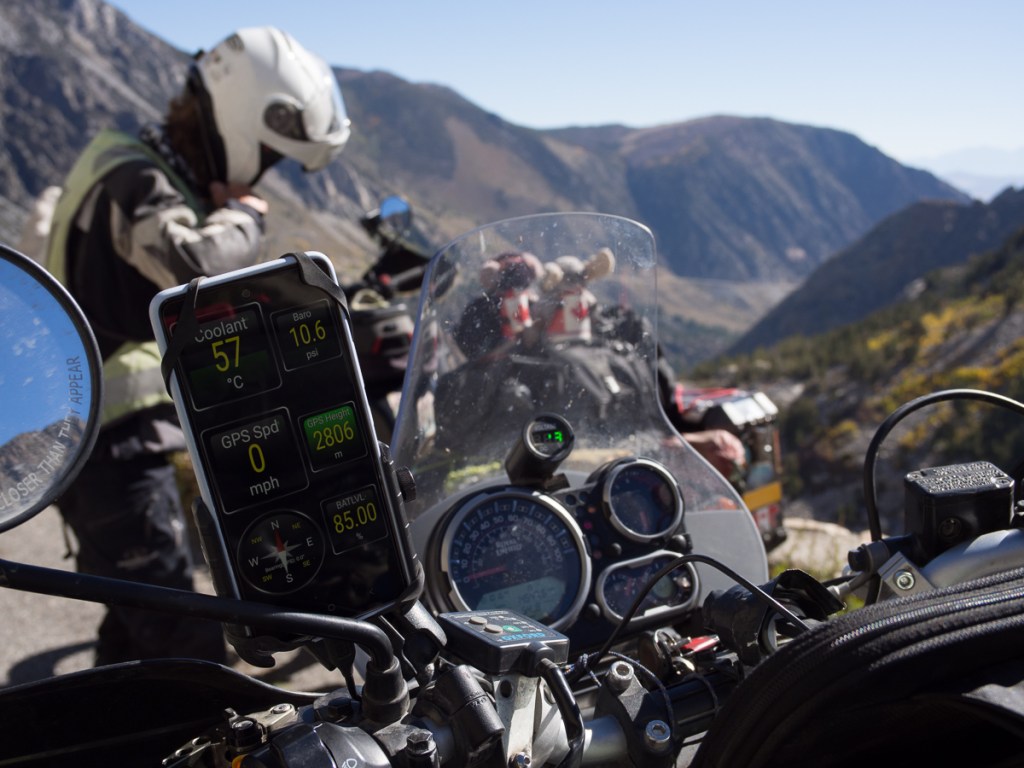
And – thanks to the wonders of our Bluetooth diagnostic connectors, we can see our engine (oil) temperature go up and up, in the thin, hot, air. Some advice is that engine oil will start to deteriorate over 150C, and trying to keep it under that, at 2,000metres, in 37C air, often keeps us down to 40mph on climbs, even though the bike will manage a lot more. Descending to the northern California coast (cool and foggy), the bikes recovered a hearty spring in their step, and would again cruise at 60mph – although that’s rather noisy in our helmets, 55mph is a lot better. It’s a good job we’re mostly on quiet roads. In rural areas, as anywhere, the drivers are fine, but standards, courtesy, and personal space concepts are much eroded in cities. Only one guy tried to give us an earful: wheel in one hand, gesticulating wildly at us with his phone in the other, it’s most likely he’d looked up from his texting, and seen us at the last minute. I’m not sure that’d been our fault.
We’ve been trying to keep fit, despite leaving behind all our swimming and cycling and tennis. Clare’s got a skipping rope, and I (Gid) try to go for a run every so often. “Swimmers lungs” Clare rarely notices the altitude, but I was thinking I’d got really unfit, until I twigged I was running uphill at over 2,000 metres. Some of these runs feel quite exotic – out the back of the campsite, there’s often a trail. Deserted. Nobody visible, not even a plane in the sky. No sound except wind and birds and squirrels scuttling away. Well, and me puffing if it’s uphill. Another new running experience was Lake Lahontan, where I managed maybe 5Km barefoot on the firm sand beach.
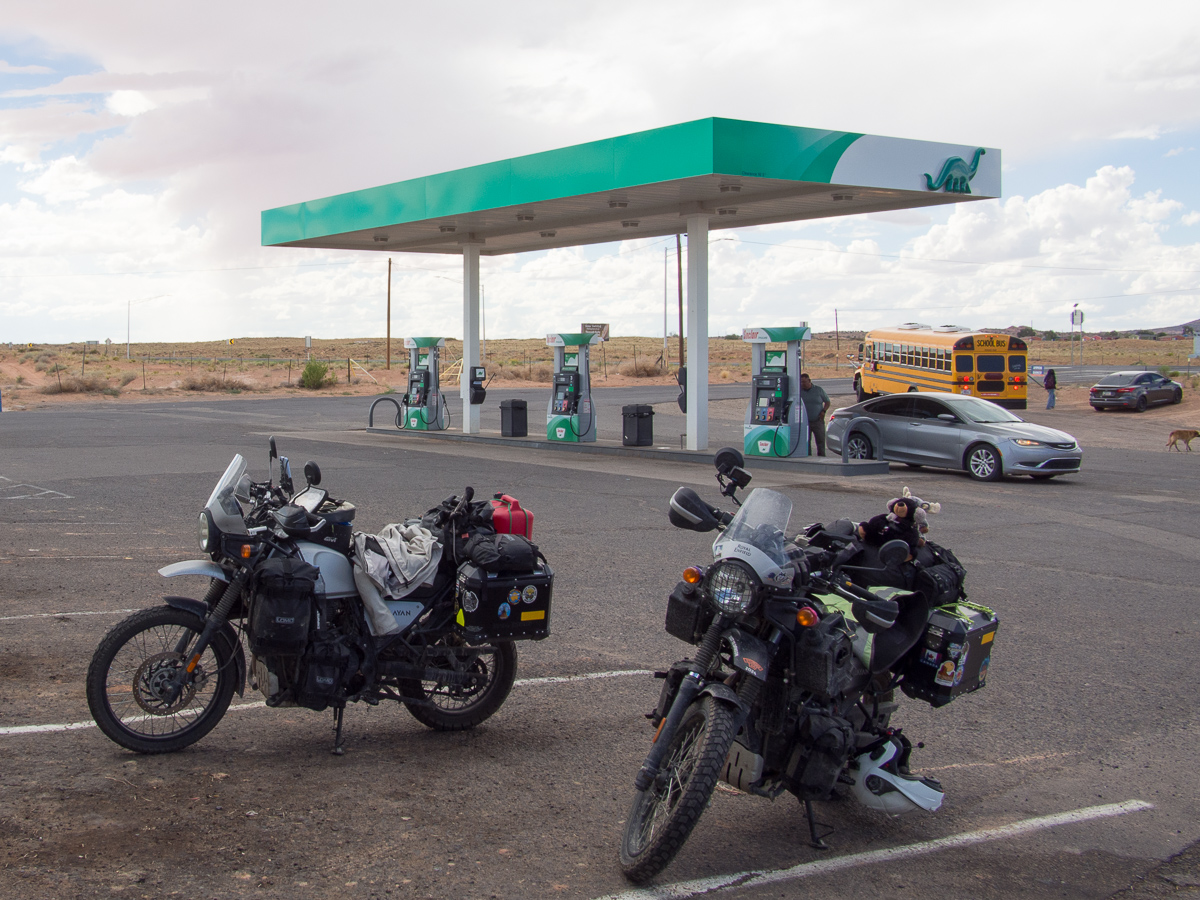
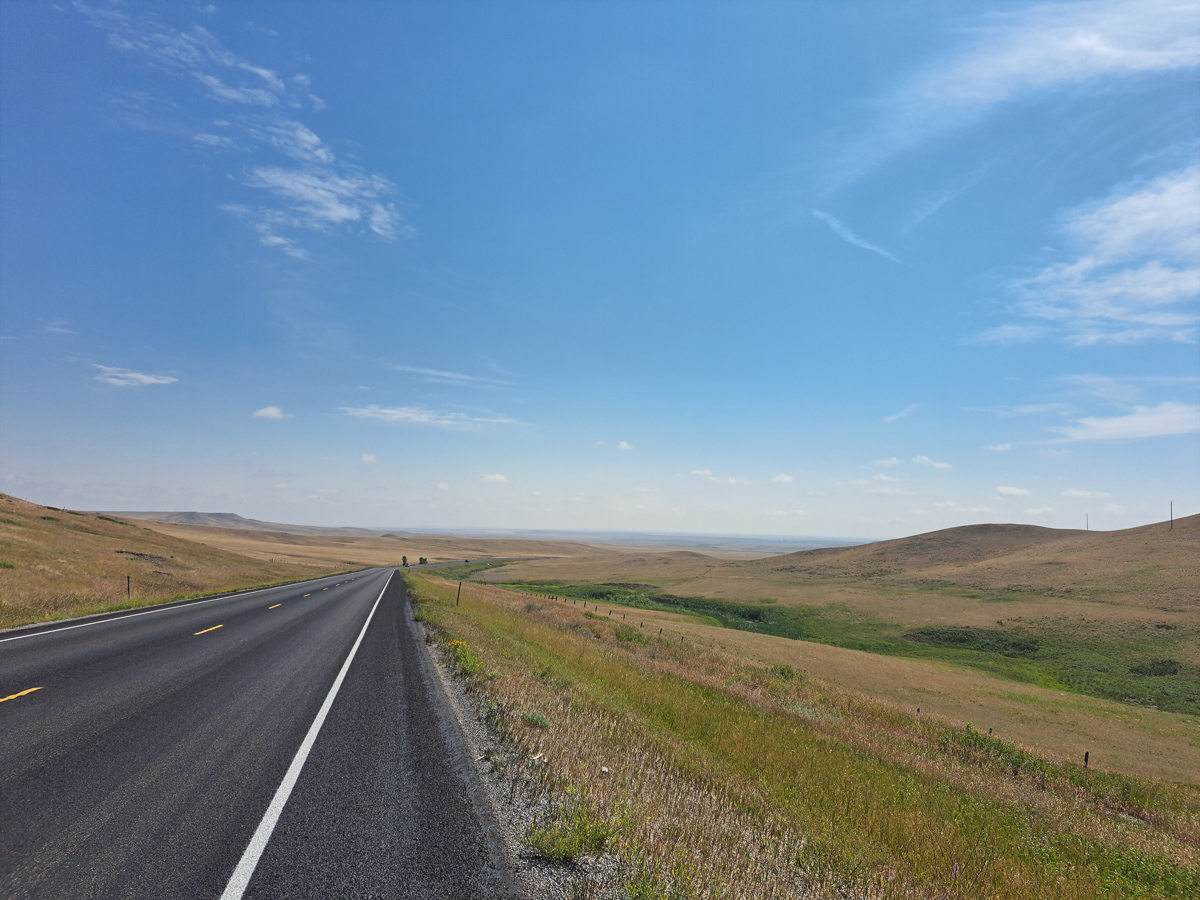
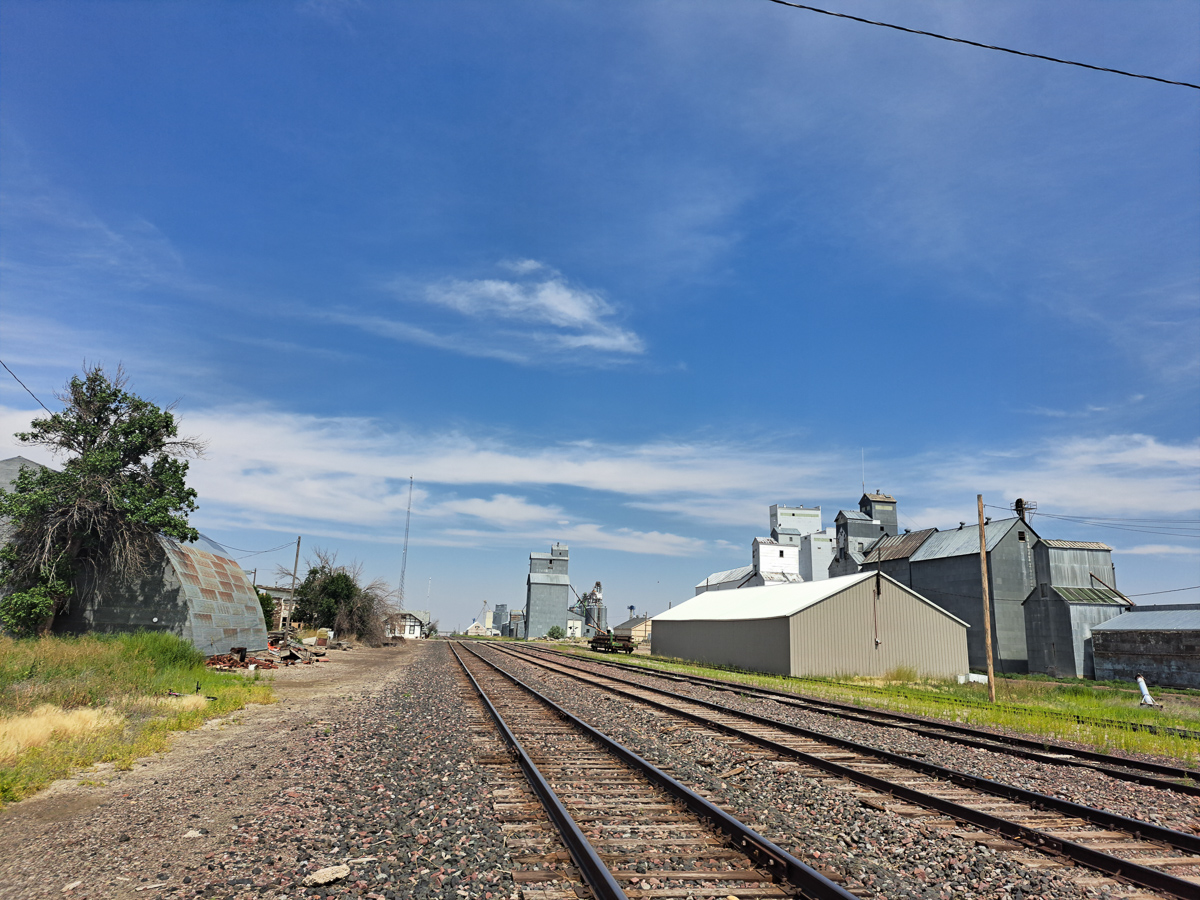
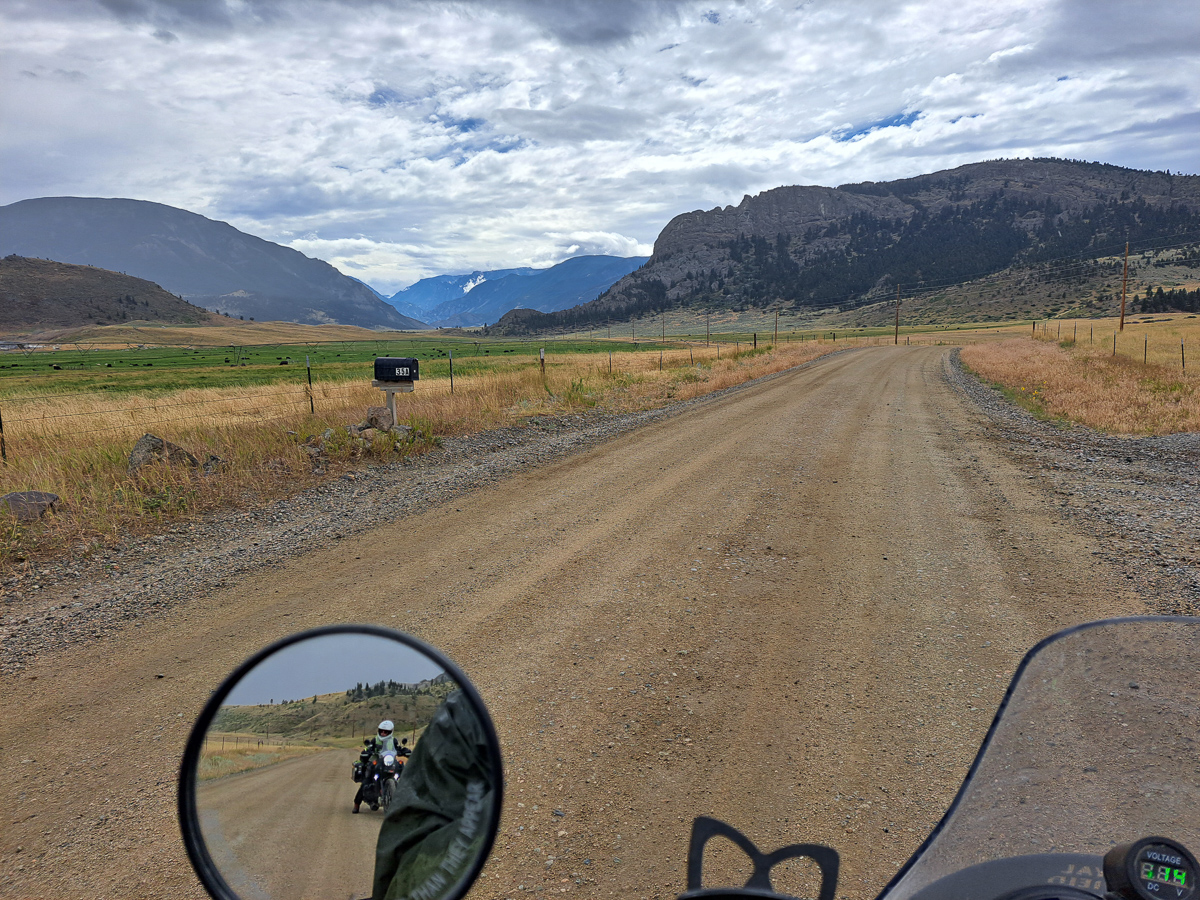
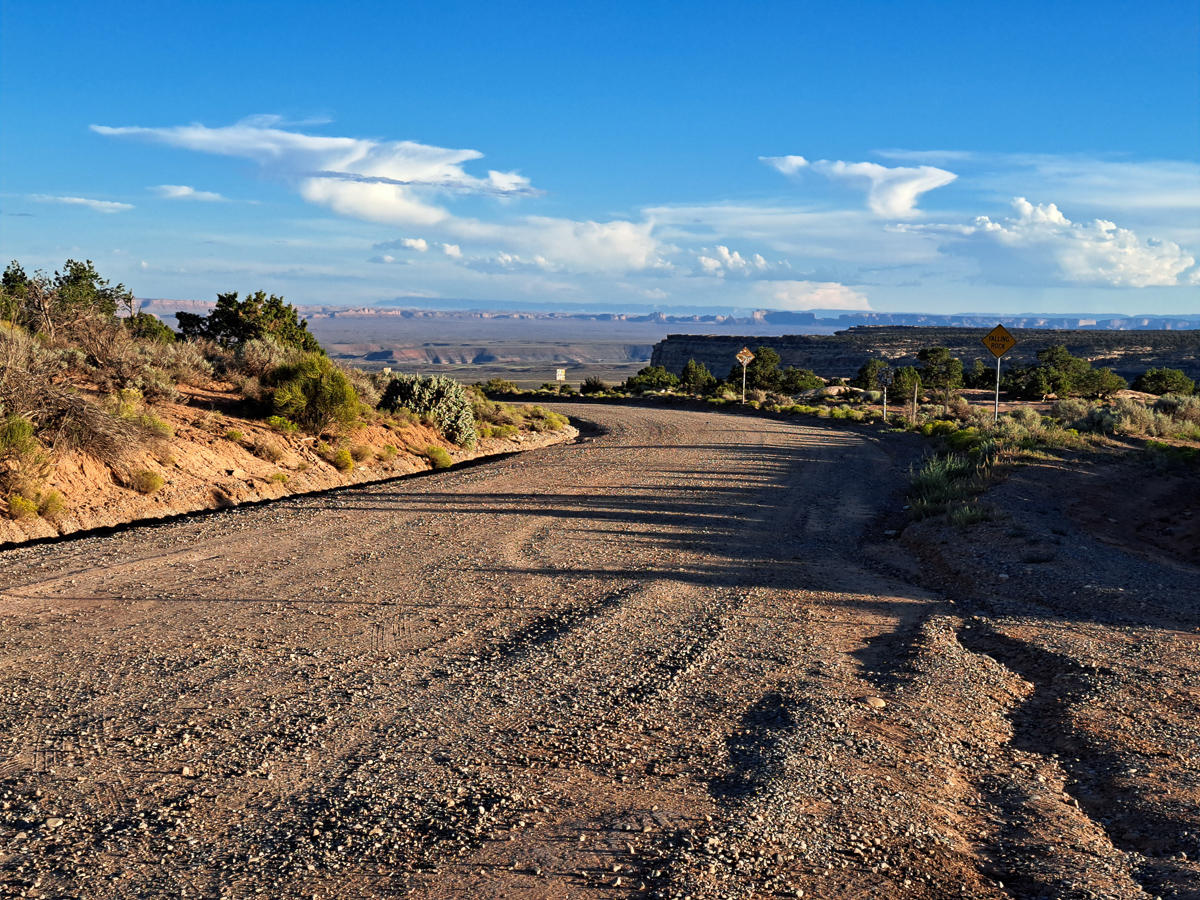
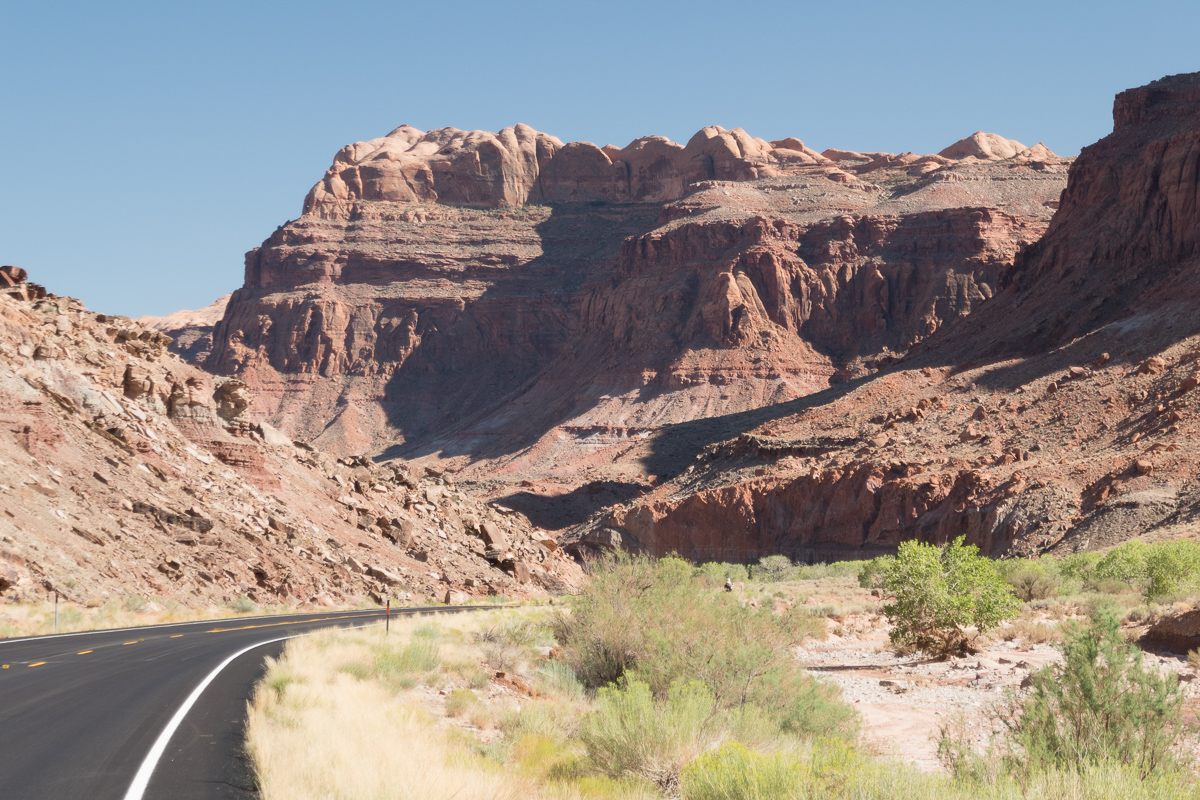
Let’s finish with some random mid-west Americana and highways.


 2silvercyclistsdotnet