Mexico had such impressive pre-hispanic ruins that we gave them their own post. So what else did we do in Mexico? We certainly zigged and zagged. North and east of Mexico City to start with, then south to the Pacific coast, then north east again to Yucatan. Cheap, basic hotels are readily found in most small towns, but we generally pre-booked to stop in tourist hotspots.
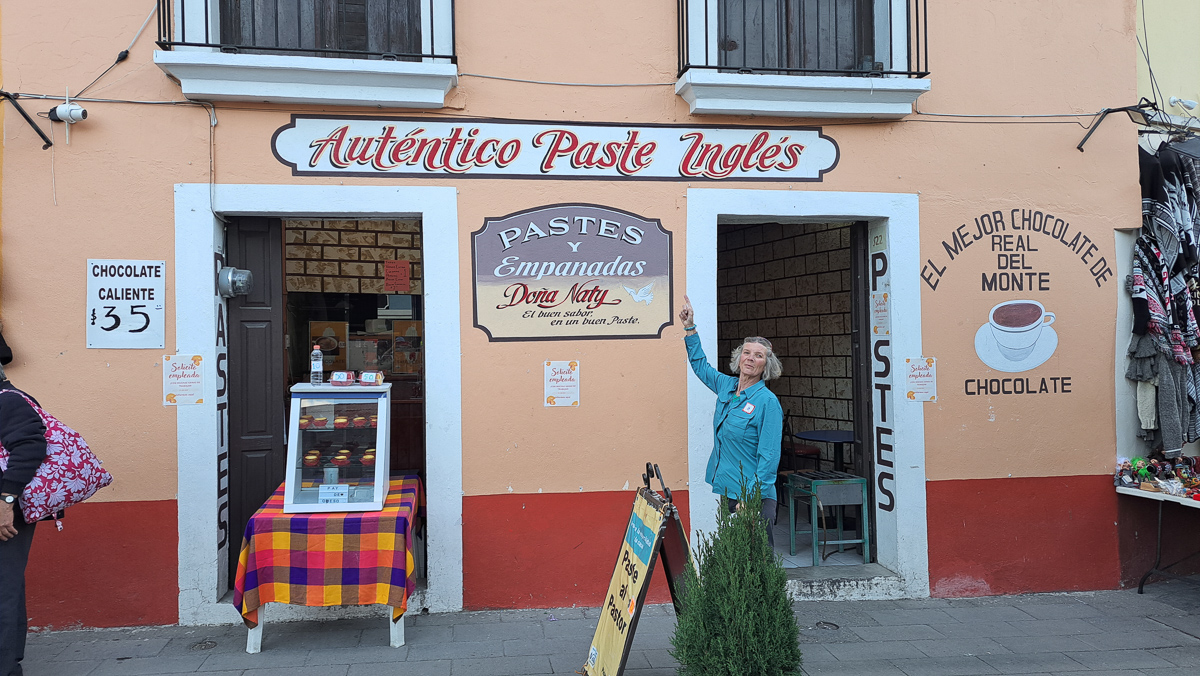
After Mexico City and Teotihuacan, we travelled a short day’s ride to Real de Monte the Mexican home of Cornish Pasties and a British style graveyard dating back to the 1880s. Cornish miners were encouraged to travel the world to find work back in 1880s when Cornwall’s mining industry was collapsing. One intrepid group had arrived in Real de Monte. Families had packed up shipping everything from personal possessions to heavy mining equipment, and not forgetting the recipe for their prized pasties, to their new homes. The streets were littered with signs for Traditional Pasties, and we’d arrived amidst some kind of fiesta. It had to be done. We tried a few. My first mouthful almost reduced me to tears as the chilli, not a modest amount, scorched my mouth. I courageously swallowed it washed down with copious amounts of cold drink. Now my whole throat was on fire. ‘No chilli / Sin picante!’ became a new phrase in my Spanish vocabulary. Our Cornish friend, Tony, complained that they weren’t properly crimped. Neither were they limited to swede, tatties and mince. An interesting take was the rice pudding version. We tried a few others over the next few days.


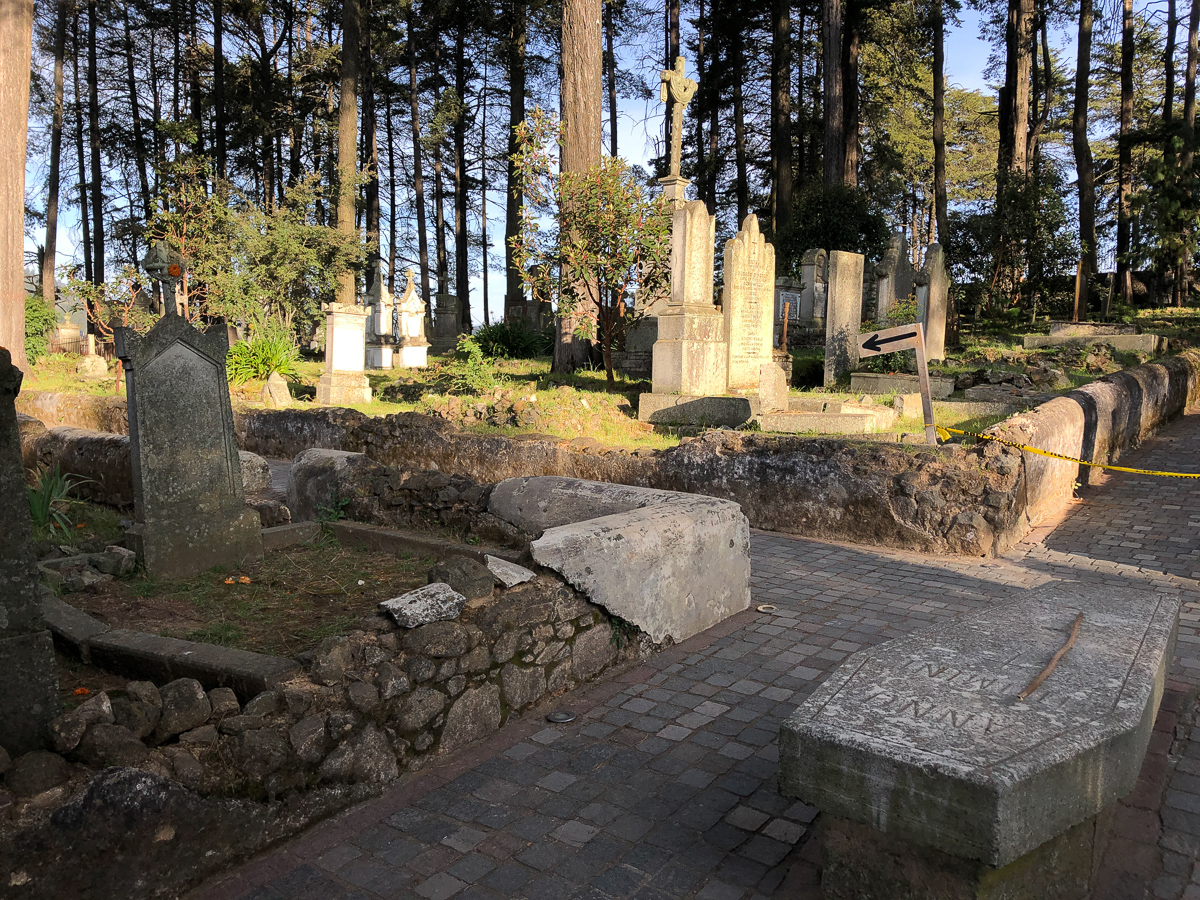
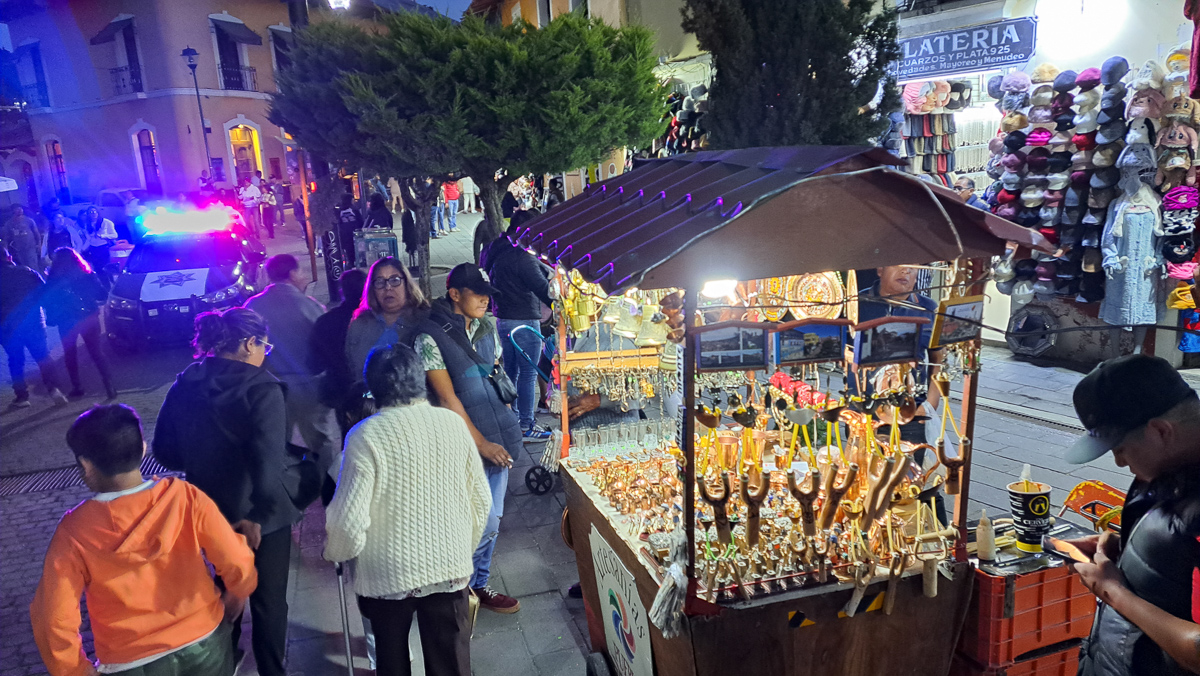
Arriving in the town had been an interesting experience. Once off the main intertown route the streets were pretty much all cobbled. Garmin was navigating us to hotel accommodation which Gid often sorts out on-line, but had not this time. We would stop, he’d speak to the receptionist and a decision was made – yes or no. On this occasion, complicated by it being a bank holiday weekend, the first nice looking accommodation was deemed too expensive. We tried a couple of others which were full and ended up heading off out of the city centre. It was, naturally, rather warm, and compounded by the steep 45 degree cobbled lanes – a number of them being blocked by bollards necessitating a u-turn, or festivities linked to the bank holiday, I was getting rather fraught. Across the valley we’d seen an orange hotel halfway up the hill and headed for that.
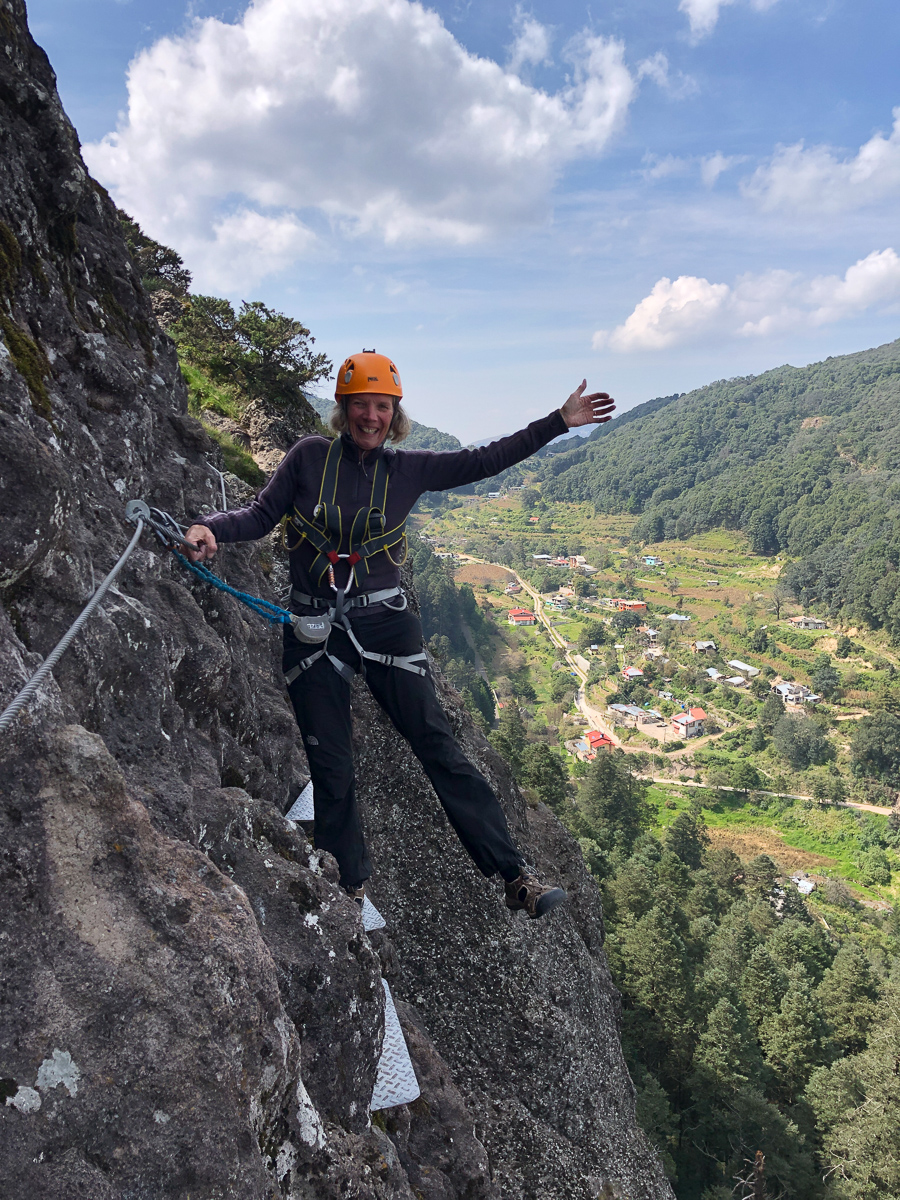
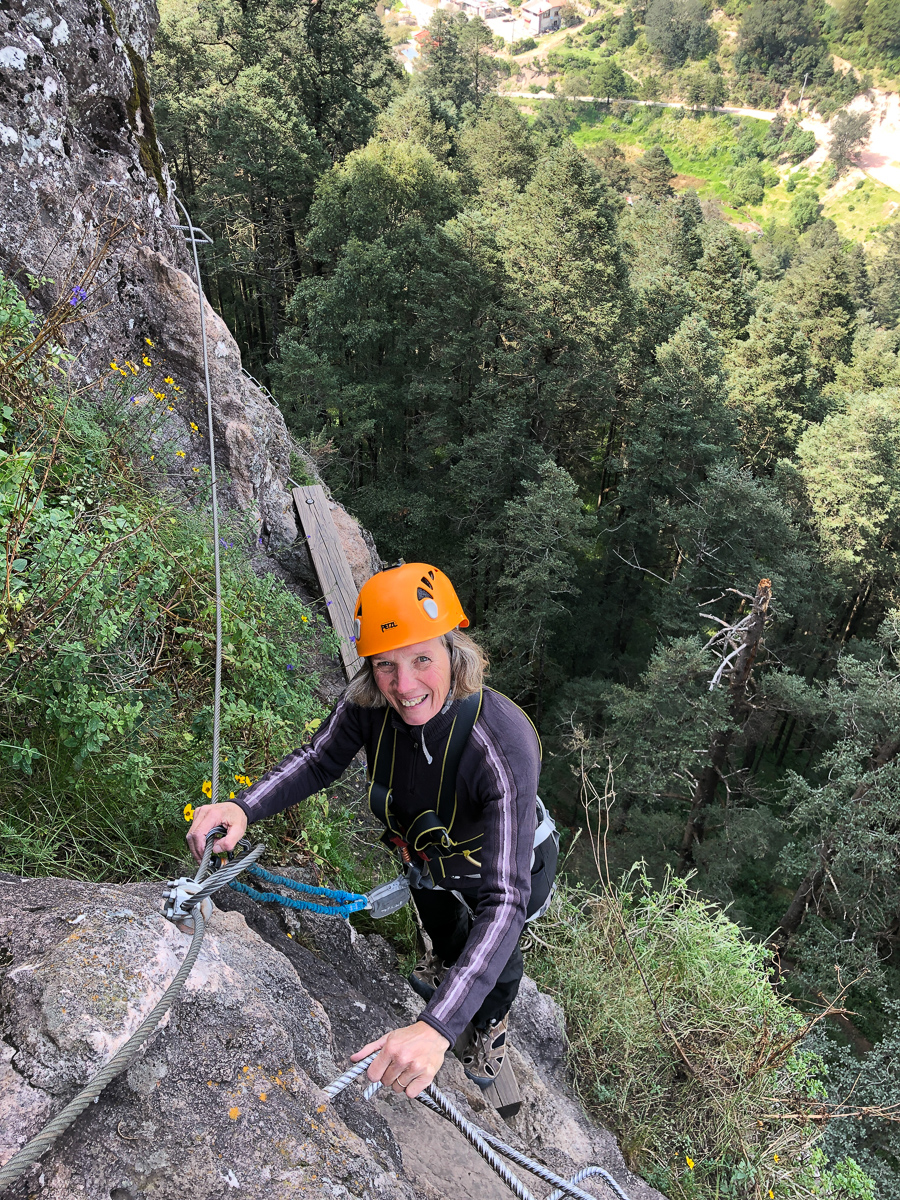
Not so simple. The sinuous narrow roads were blocked by delivery trucks, the street names weren’t visible and who knows whether this road would actually go somewhere. The sat nav didn’t distinguish between the tiny streets and twittens with staircases. We ended up going far too high up the hill and clearly needed to head back down to find the orange hotel. Gid was leading. The road got quite narrow heading steeply downwards. I refused to go. Very quickly Gid realised it wasn’t such a great idea (steps, bollard) and was trying to u-turn. Nope that wasn’t going to work either. He accelerated at the grassy bank thinking that he might progress a little bit up it and then be able to roll back. Wrong! The front wheel went down not up, now he was stuck in the hole. I had to get off and help but was on quite a slope myself. I managed to turn my bike around by going into an entrance to my side. “Reception”, it said on the side of a rather grand looking building. Staff rushed out. They were keen to check my non-existent booking. I needed to help Gid. ‘Esposo stuck’, I repeatedly said pointing over my shoulder in a down the lane direction. Communication established two guys rushed off to pull Gid backwards. Minutes later he arrived by my side. After thanking the staff he asked me if we were going to continue looking for cheap accommodation. He must have seen the glare on my face as he conceded we were staying here, in possibly the most expensive boutique hotel in town. While there, Clare found that nearby was a rather exciting via ferrata course. She did (Clue: Photos not taken by Gid!).

Another box to tick was ‘the best roads in Mexico’. The Mex-175 was regularly near the top of the lists especially the section from Oaxaca down to the coast. Gid wasn’t that fussed about going to the coast but I was keen to ride one of Mexico’s top roads. Alex, in Mexico City, had told us it was through jungle which added to the intrigue. The road itself was a delightful mountain road, full of twisties some of them very tight. A little unsettling was the contrast between the bright sunlight which was at times dazzling and being plunged into darkness as we cornered round the base of another ravine especially as the road surfaces are very unpredictable with ruts & ridges, gravel & gullies, pot holes and generally broken surfaces in the mix. Not to mention topes (speed bumps), which vary considerably from signed, smooth sloped, rising mounds to severe unmarked, abrupt, high lumps.
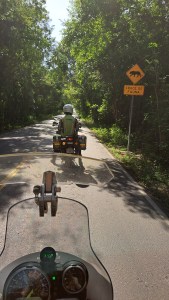
Later we were on the Mex-190 which I think I preferred. The road surface was generally a lot better and the bends were more sweeping meaning we could maintain a higher speed throughout the twisties. The, at times, frequent cow on a yellow warning sign had vanished with a slinky big cat replacing it. Later came an explanation – you might see one of Central America’s last remaining big cats but it is illegal to purchase a jaguar the signage declared. Sadly we didn’t see one.
Pot holes which locals sometimes very kindly fill with anything from leaves and sticks and more usefully small rocks are everywhere. Cones are not unknown in Mexico, but absent officialdom, locals put rocks out, sometimes even painting them, usefully marking subsidence at the edge of the road. The lack of any such notification on a section of subsidence caused Gid a flutter or two when he nearly took the nearside round one “pothole” only to discover that the road was completely missing. The road had subsided down a small cliff. We’d just passed subsidence on the opposite side of the road with an approaching car not far from it. The height difference was about a foot which would have hit the undercarriage of most cars angled between the two. I wondered how the approaching car was going to handle it and had luckily taken the higher section when we hit the same problem going round a mountain bend. In quite a few places, the villagers seem to dirt-fill potholes in the village, then stand in the middle waving a hat for change. This also happens by a tope, or, they put cones out to bring the traffic to a near halt. Unfortunately, a motorcycle doesn’t have a change pocket (HD or BMW might, electric of course), so we don’t contribute. Similarly we leave unremunerated the occasional jugglers, snack sellers and screen wash merchants at traffic lights.
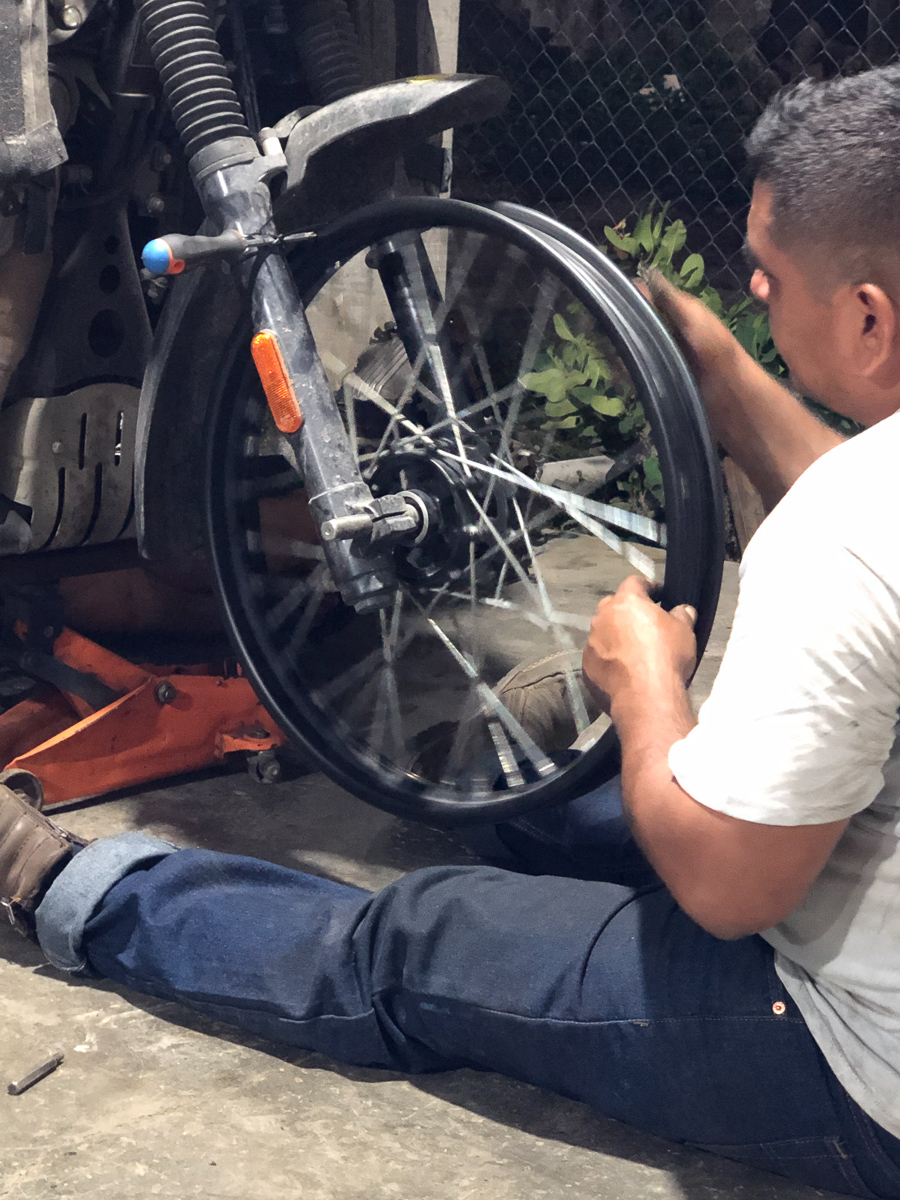
It can be tricky to get the correct balance between making progress and going slowly enough to avoid all the pot holes, especially when dappled shade makes the surface hard to see. It’s far better to be some way behind the vehicle in front especially through towns but not always possible because, inevitably, as a gap appears someone will overtake and fill it. Among days of biking we’re going to get it wrong somewhere. On one such occasion Gid hit a large hole at speed, the front suspension and tyre both bottoming out. He yelped! The bike felt ok but he could see the fork legs vibrating from 50mph – the cruising speed for these roads & bikes. At an approaching village we stopped for lunch and to asses the damage. Yep, he’d flattened a section of his rim, with four loose spokes. The massive front tyre* looked unscathed, and the tube obviously hadn’t split. We decided we could limp on but Gid was obviously disappointed and concerned. He explained that there was a problem with his bike to the waitress who cheerfully said the mecanico de motocicletas was across the road 10 metres down a dirt lane.
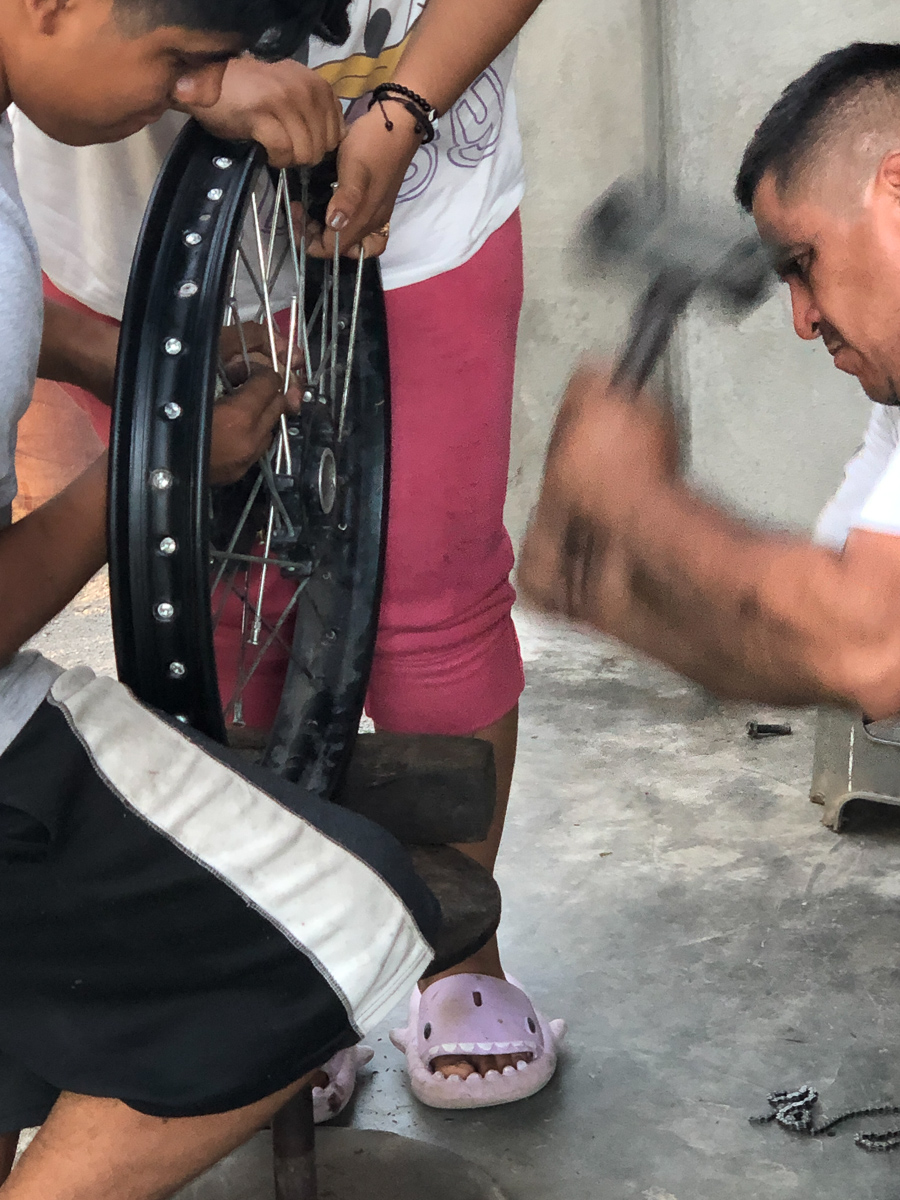
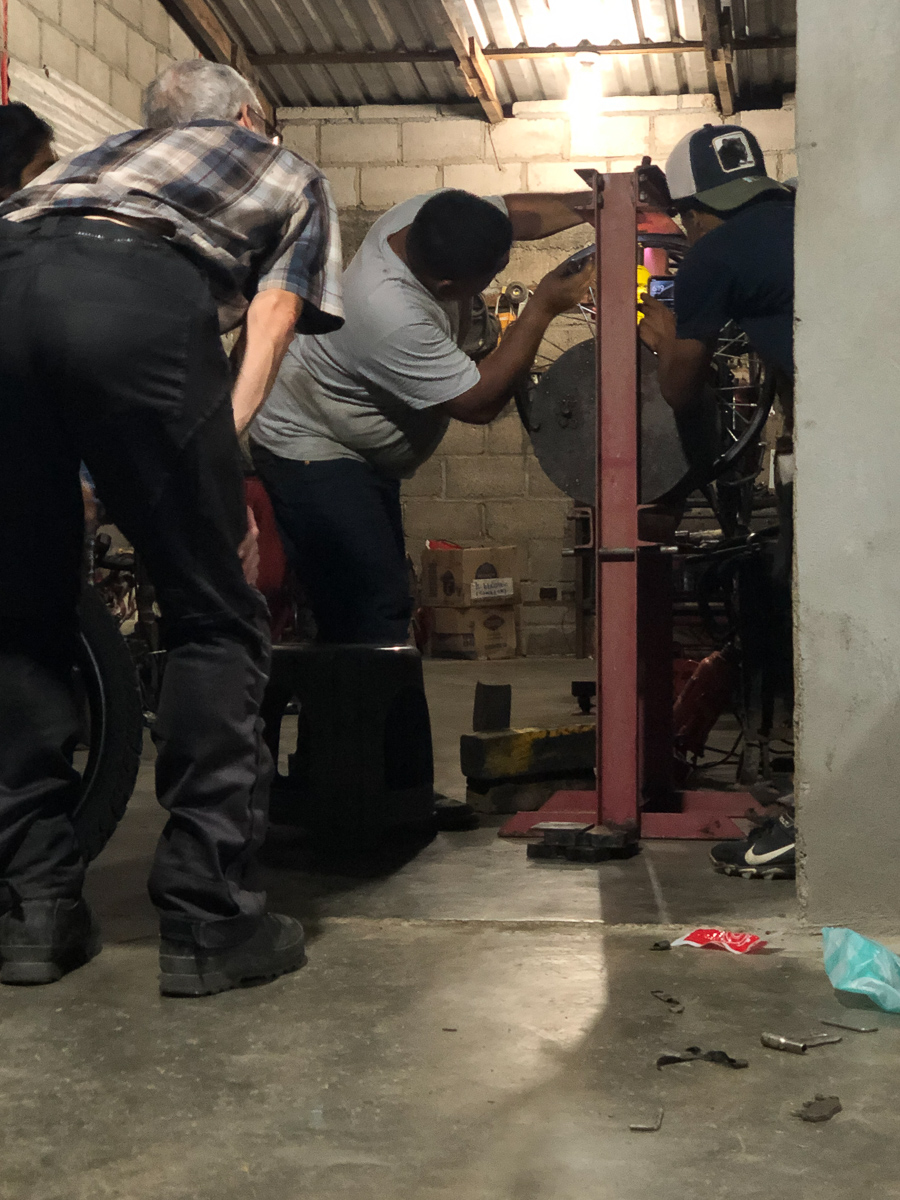
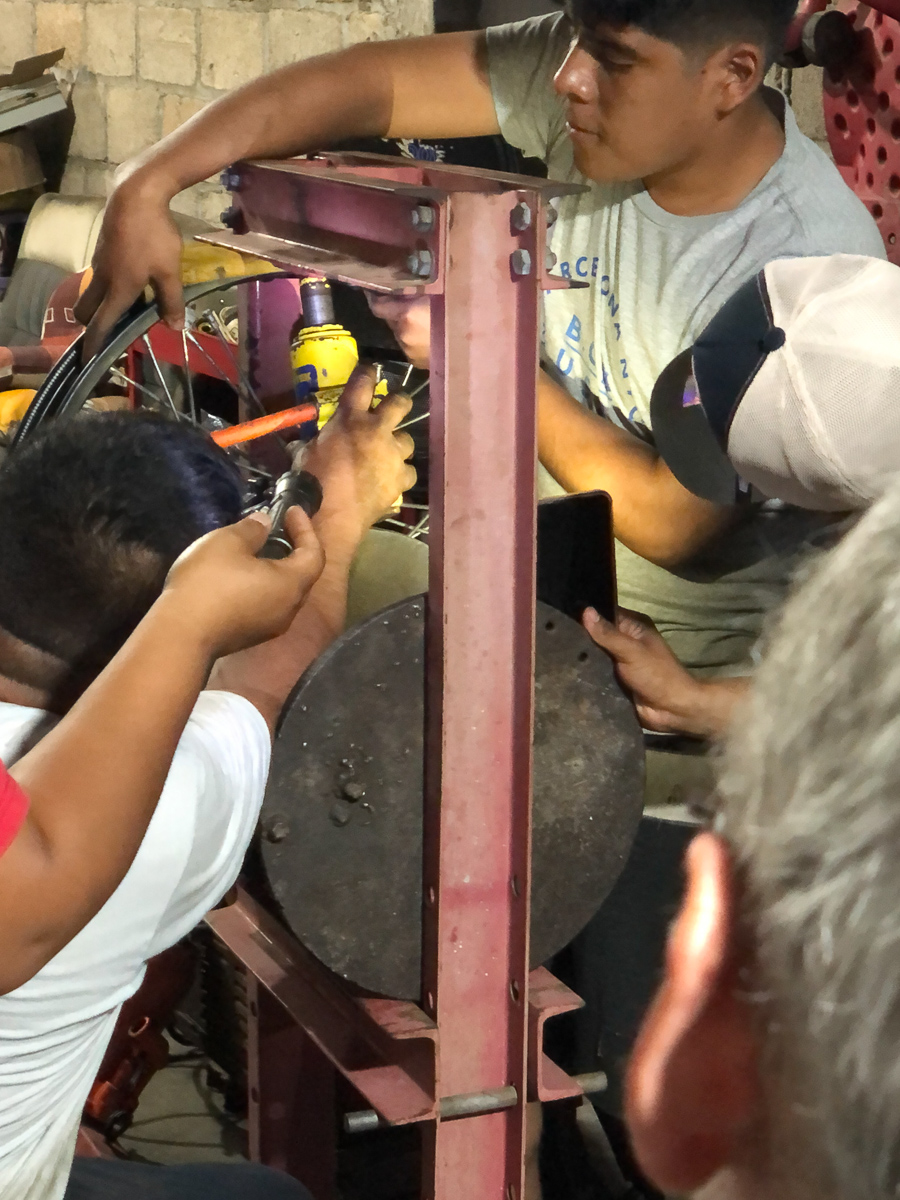
Moments later we were in his yard amongst an assortment of relics and a jumble of tools straining our Spanish to explain the problem. “Si, ahora”. He could fix it, right now. Verily he did. Off came the wheel, then the tyre. Out came the dead-blow hammer. Bing, bang, bong. Fixed. Well almost. Gid tried to explain about the wheel balancing and the need to mark where the tyre was situated to be balanced on the rim. Such interference was politely resisted, but our man – Tito – was very careful to line up the bolts to show the order of reassembling. That worked well until one of his offspring, keen to be a part of the intrepid fixing of the European’s bike picked up Gid’s disc that had been carefully placed on a seat, bolts all in place and put it upside down on the ground. That part was reassembled but back to front. To be fair, it was very much a family affair as one person held this or that while dad walloped it.
This process got the rim all but circular. Unfortunately Gid had hit close to the balance weights, which Tito couldn’t replace, so didn’t take off, so that bit wasn’t hit and was still a little flat. Tito was sure that he could do a better job so into the workshop they went. The wheel was placed on a big bearing press and a jack wedged in to try to press the last flattened part into shape. The result was pretty good so the bike was reassembled. Tito took a considerable time, with the traditional screwdriver fixed onto the forks as a guide, to tighten the spokes so that the wheel ran true. And it did. It must’ve taken 2 hours, albeit interrupted by other things. We guess that straightening moto wheels must be pretty common on that road, and fortunately the Him’s are steel rims with spokes. The charge was very modest indeed, we tipped a bit, and later added him to Google maps and Open Street Map – his business was undetectable to the phone generation, which clearly included his daughter, who was inseparable from her device.
*Tyres: Dunlop Trailmax Mission, 21″. It has huge knobbles for highway and dirt, deep tread, and weighs about twice the stock tyre, or indeed most front tyres. We both commented on the bike’s loss of steering response when we put them on. But they’re versatile, tough (fingers crossed) and long-lasting.

At the coast we stopped at Zippolite, a wonderful Pacific beach resort. It’s also Mexico’s only legal nudist beach, and a dangerous one. No, no – it’s because of the rip currents, it’s not a place for much swimming or beach toys. The beach boys, on the other hand, were out in force (did you see that!?). We did a tiny swim – there sure were strong rips- but it was nearly sunset. Gid’s still wondering if he should have done his morning run along the beach starkers – but none of the other runners did.
Although Mexico has around twice the UK’s population, it is much bigger – each Mexican has, nominally, over 4 times as much space as a Brit. So there’s a lot of wild country and wildlife. From the Pacific we headed north to Frontera on the opposite, Caribbean Sea, coastline, and took a river trip into the Pantanos de Centia nature reserve. Our hotelier had a mate, that old chestnut, who appeared very promptly at our hotel door, introduced himself as Negro Chon, and outlined the deal. It sounded fine, just exactly what we were looking for and he could pick us up from the hotel. All of this was agreed from our hotel room.
At 9:30am promptly Chon was there. And so was his car! It hadn’t passed an MOT in the last 30 years. No self respecting scrappy would touch it! Gid, who’s normally quite particular about working seat belts, got in the front, relieved, I think, that the door did actually shut (allowing for a certain amount of visible daylight around the edges). I climbed in the back. The door almost shut. Thankfully it wasn’t likely to rain. I needn’t worry about seat belts – the attachment point didn’t exist nor was the seat actually attached. In fact the whole car, inside and out, was totally rusty, wrecked or ripped. Off we went. It did seem to work. Around town Chon was perfectly cautious but once on his local road he changed up a gear. Chicane Chon would have left any grand-prix driver in his wake the way he spun the wheel weaving left and right avoiding the pots holes, using the dust along the tree lined edge and back to the other side. The boat trip with his son-in-law was tame by comparison, but we did glimpse a croc – eeek! – and a multitude of diverse herons as well as other birds.
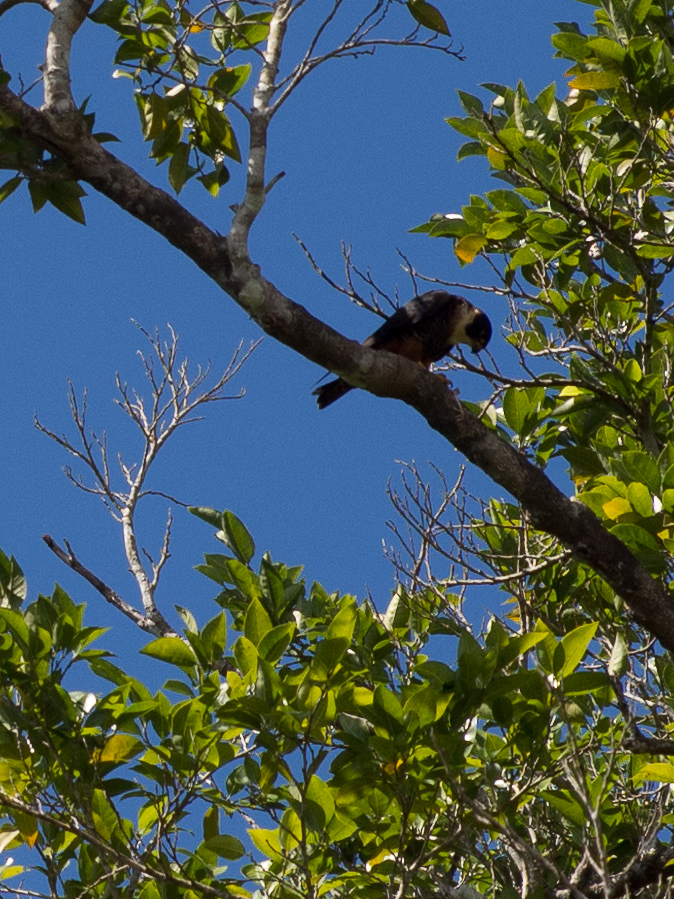
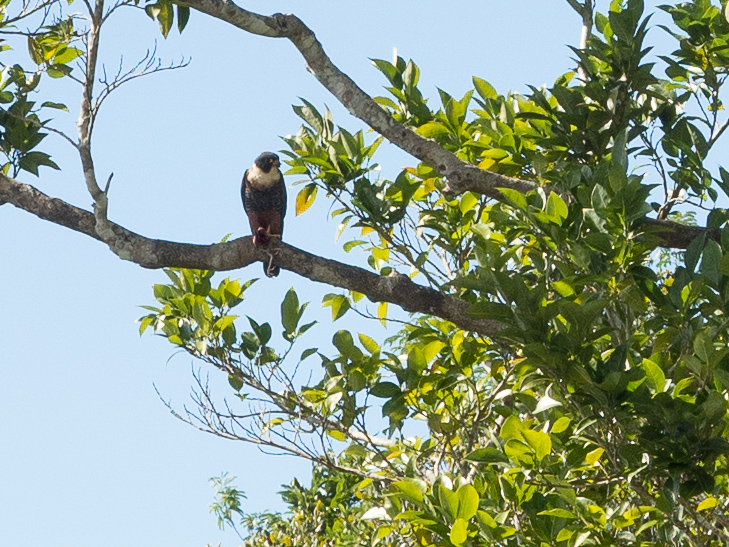
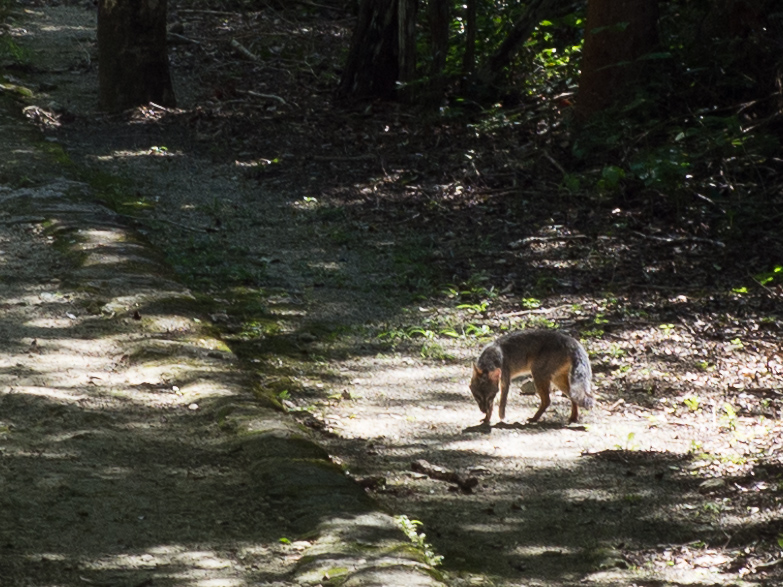
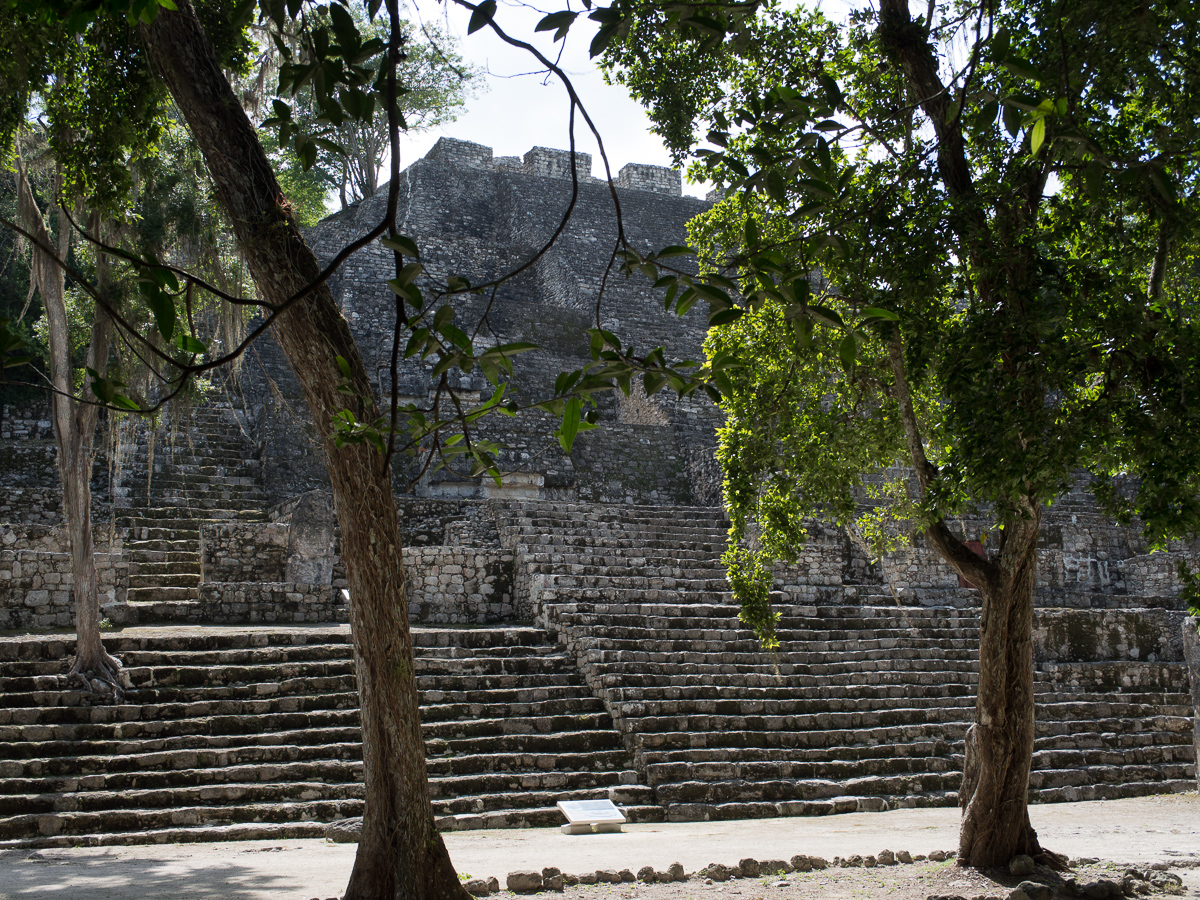
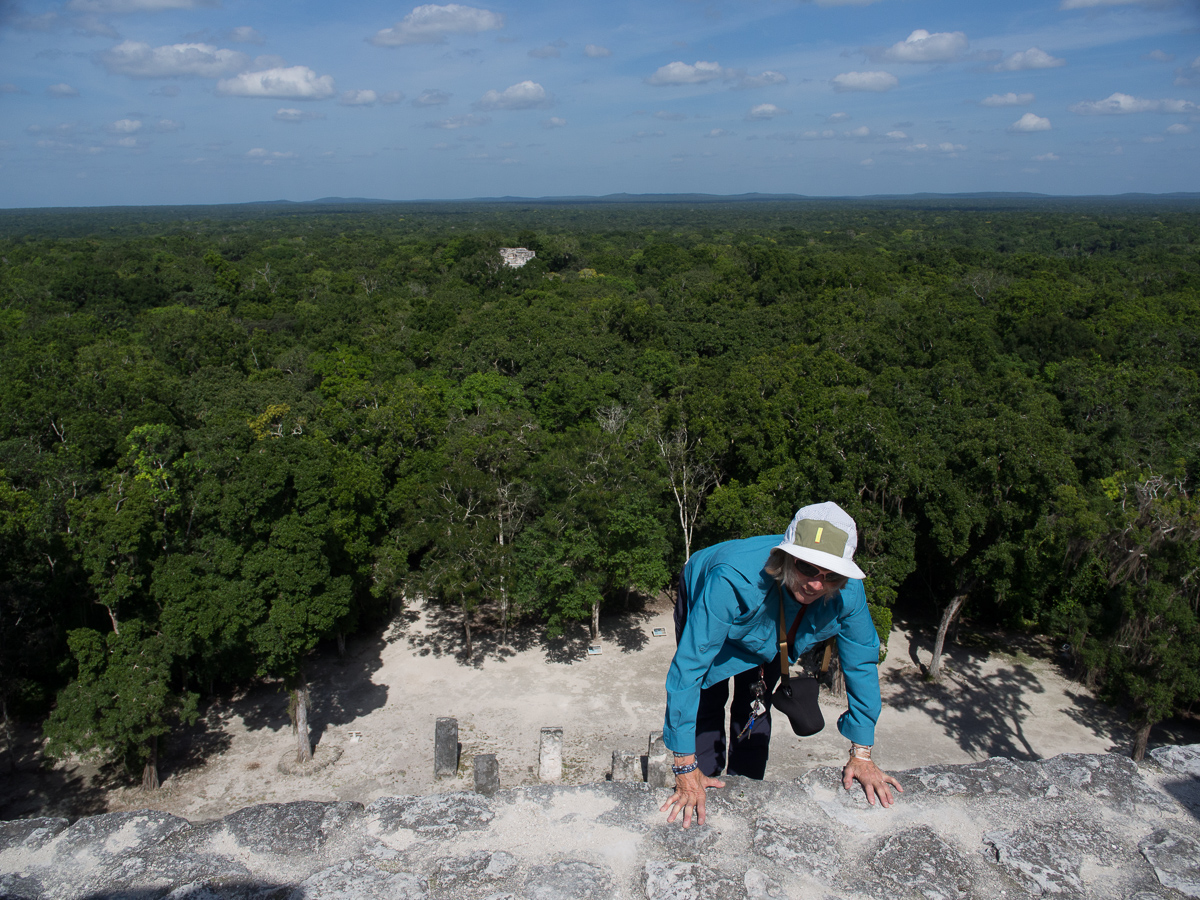
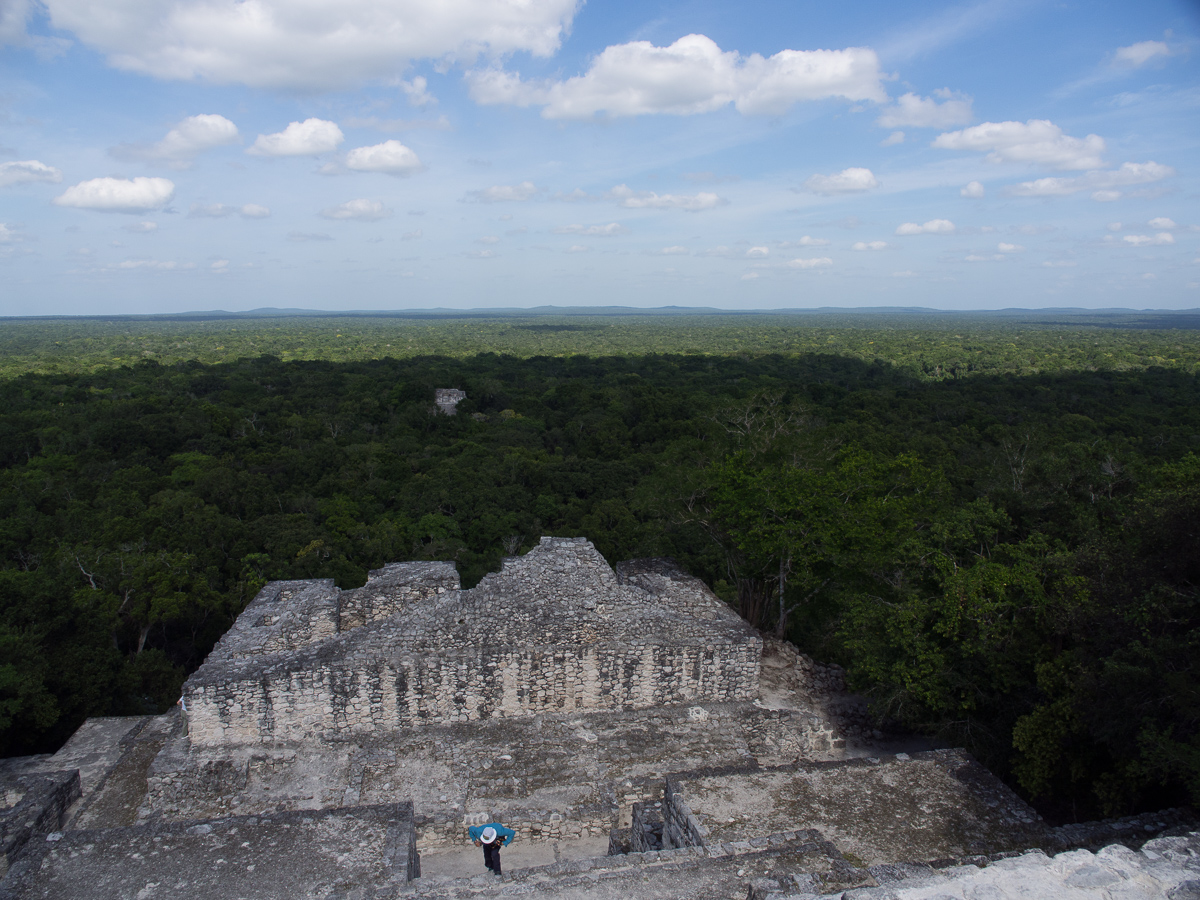
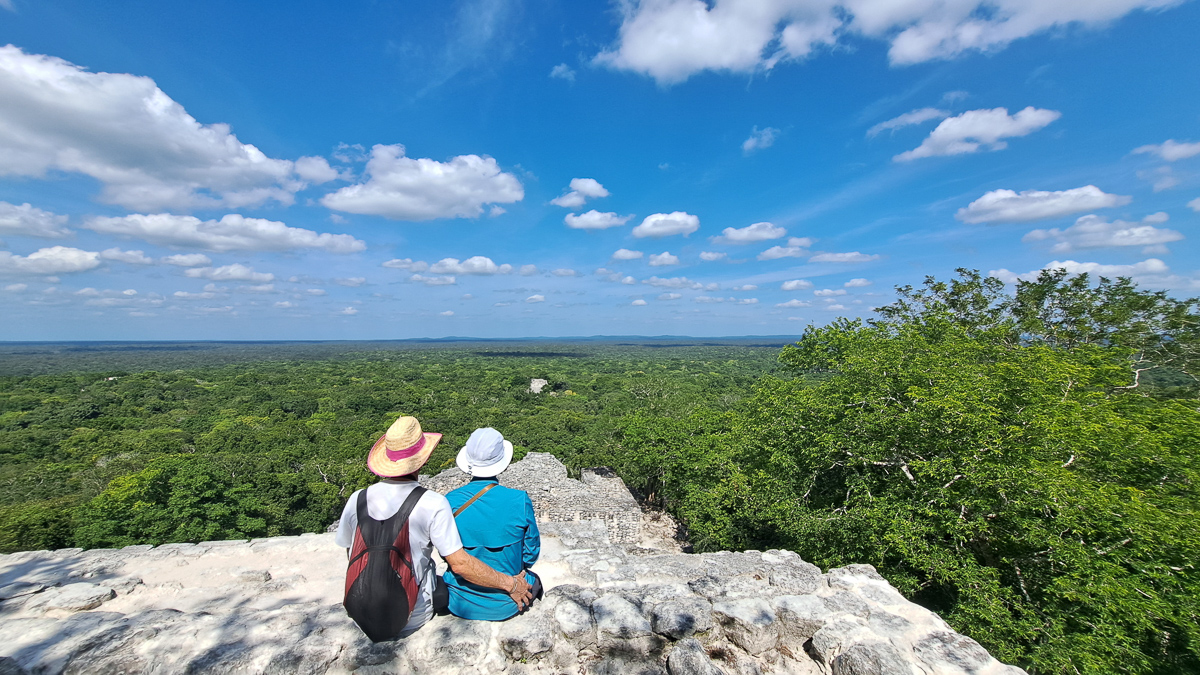
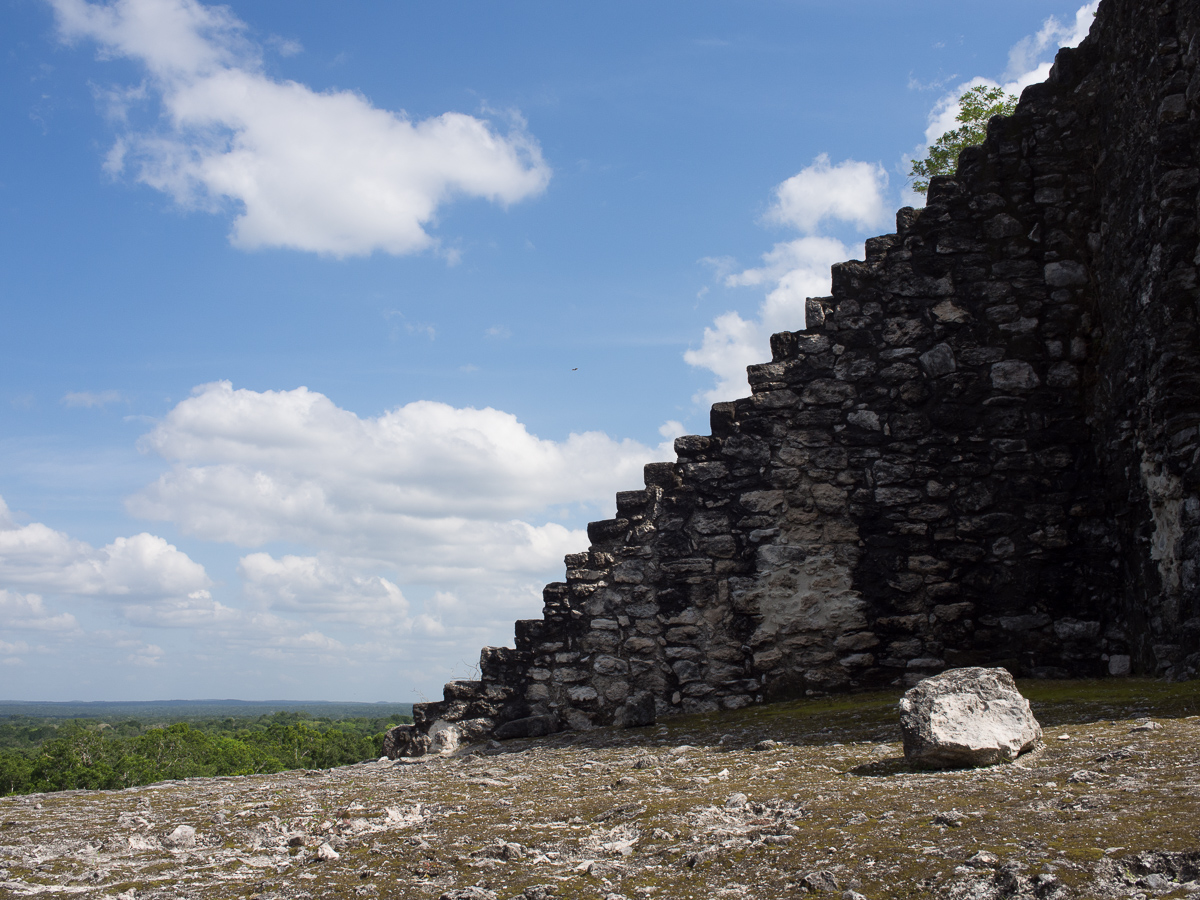
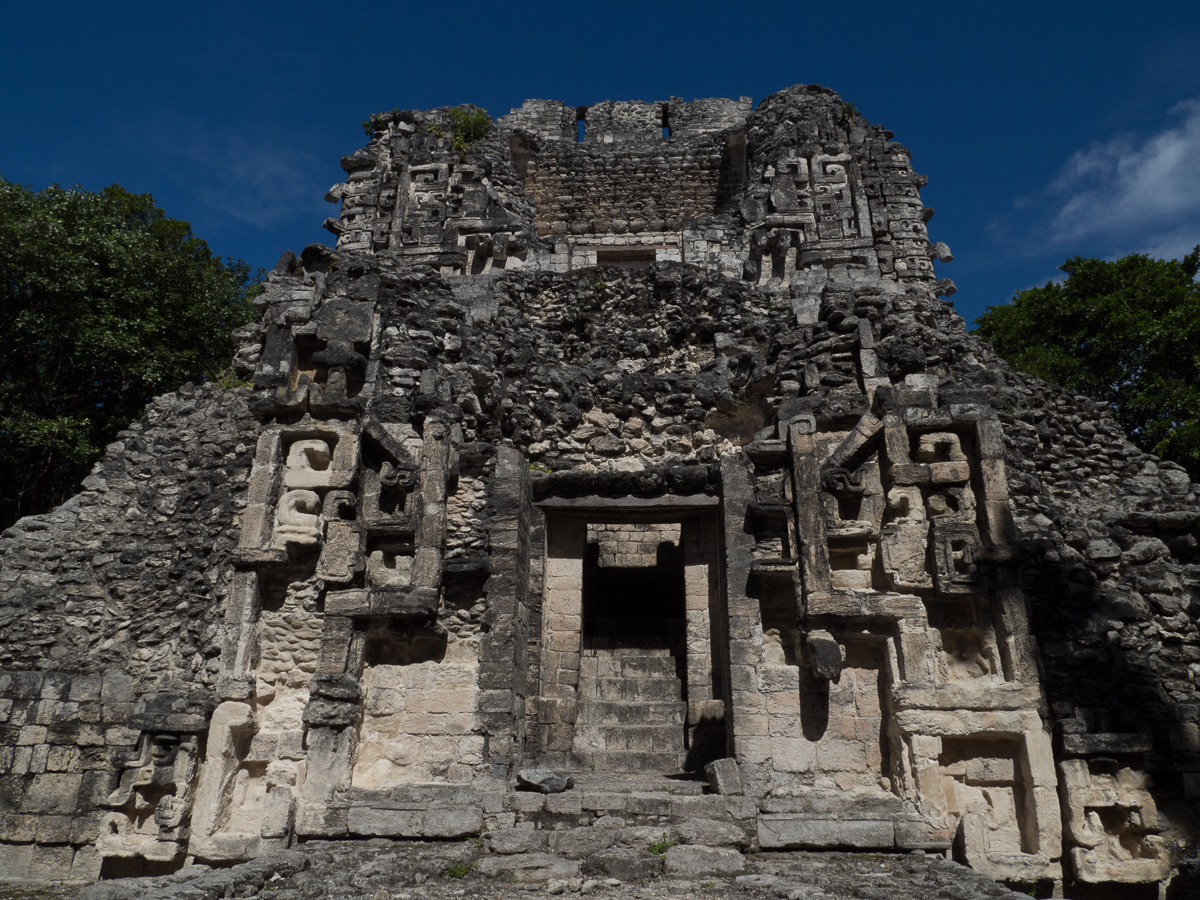
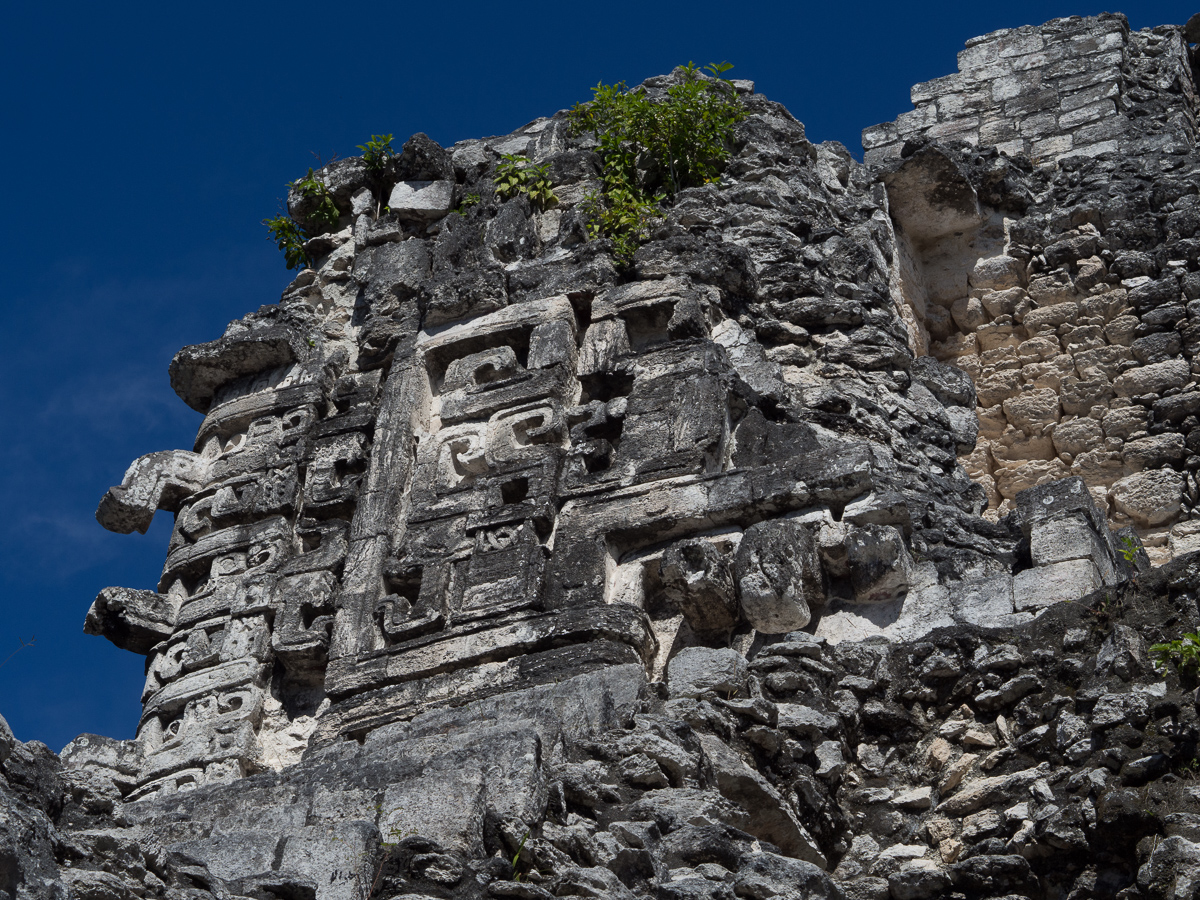
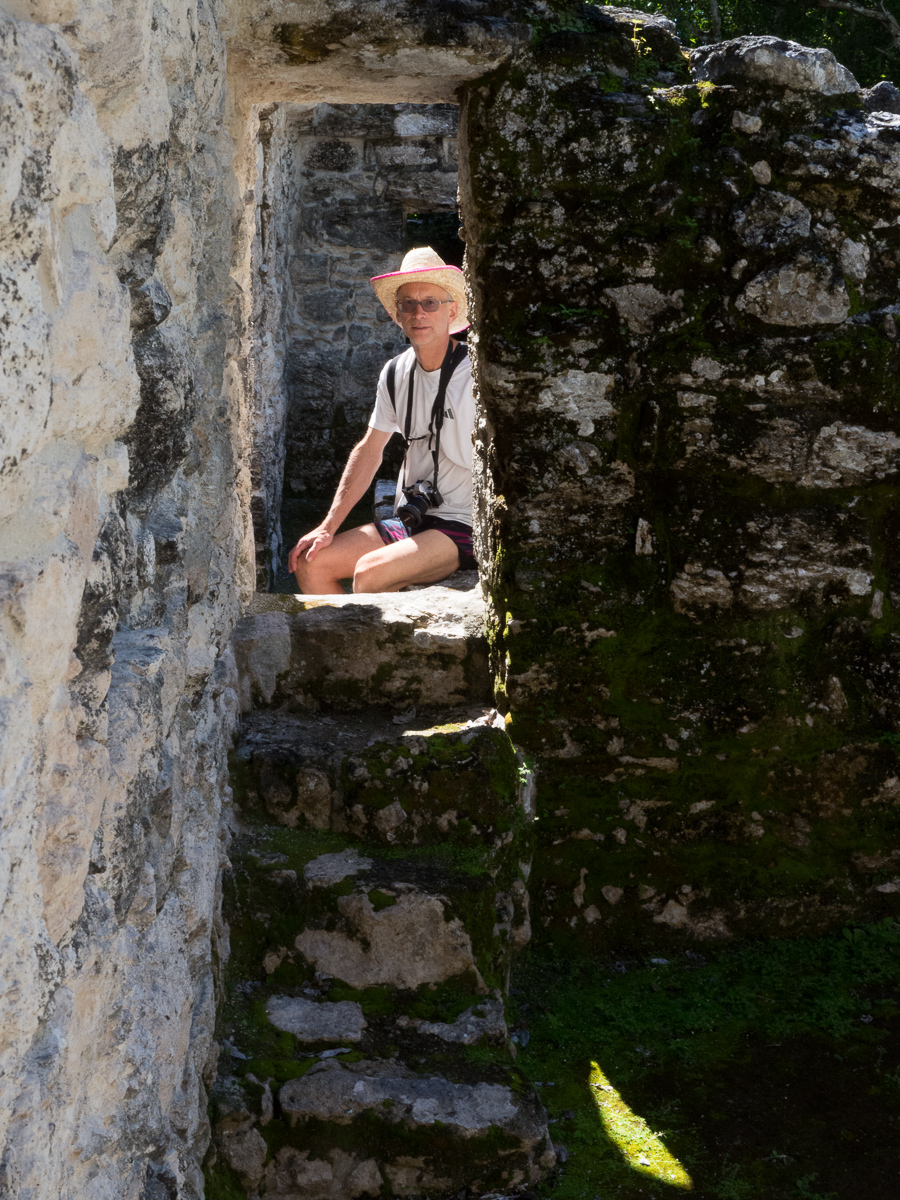
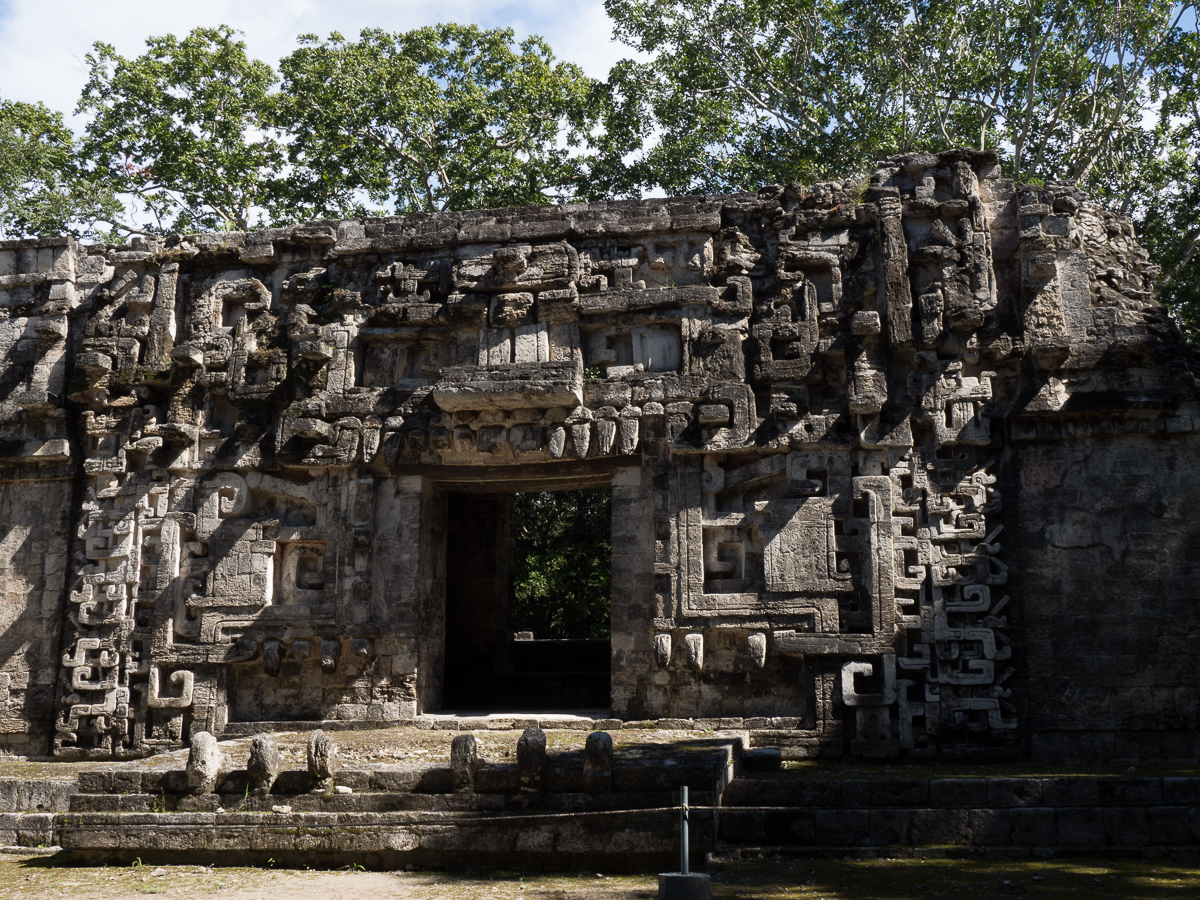
The next mission was another set of ruins, Calakmul, but this time in the jungle that covers the south eastern part of Mexico. The site is quite large, but isolated with a slow, narrow, jungle access road. Pootling along it, ocellated turkeys were little concerned about our bikes, and Gid glimpsed silhouettes streaking across the road, one probably a marmol or ocelot, and later we saw a grey fox. A day later, still based in the town of Xpujil, we visited some much smaller, quieter ruins. For 30 minutes we sat quietly on top of a small structure, at treetop height. To our right, a bat falcon polished off something more like a small chicken than a bat, and on a path ahead of us a grey fox lounged in the sun. Perfecto.
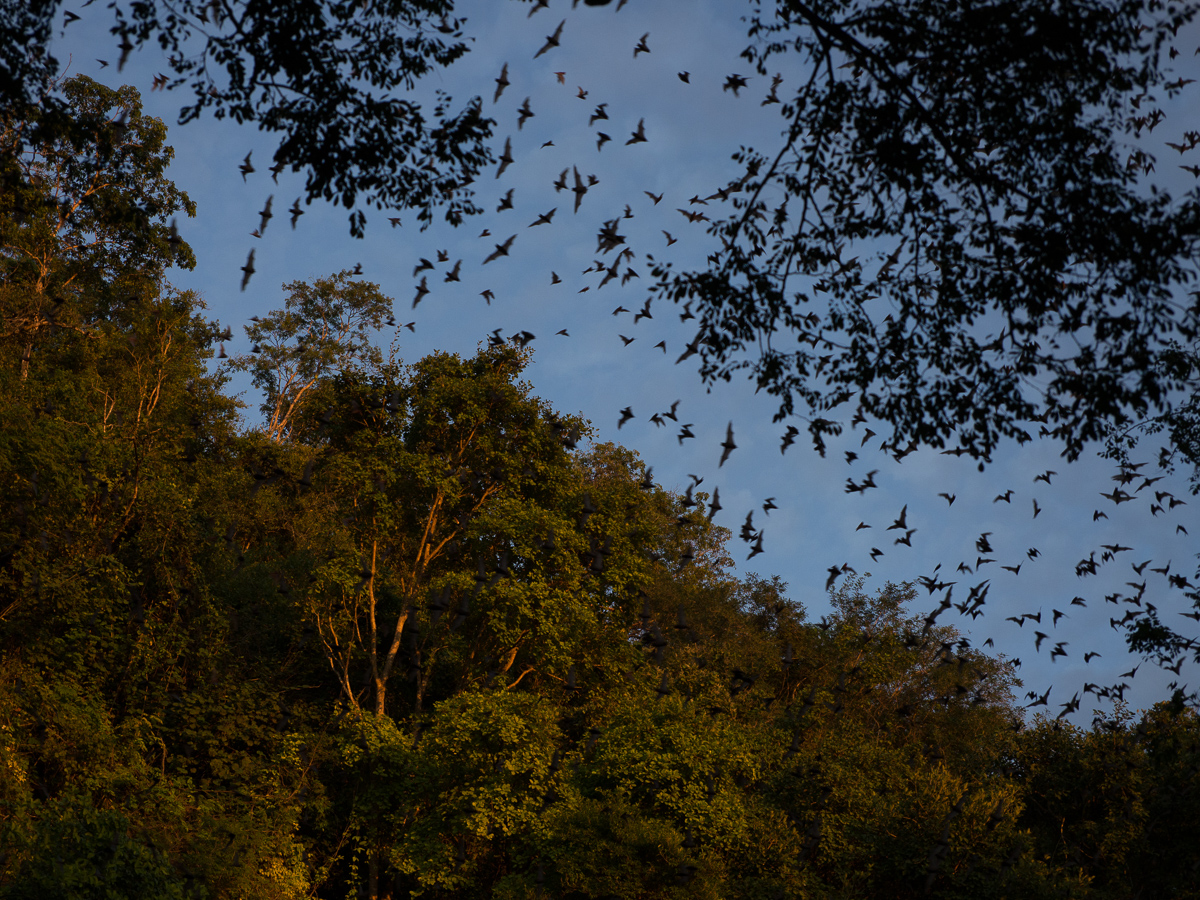
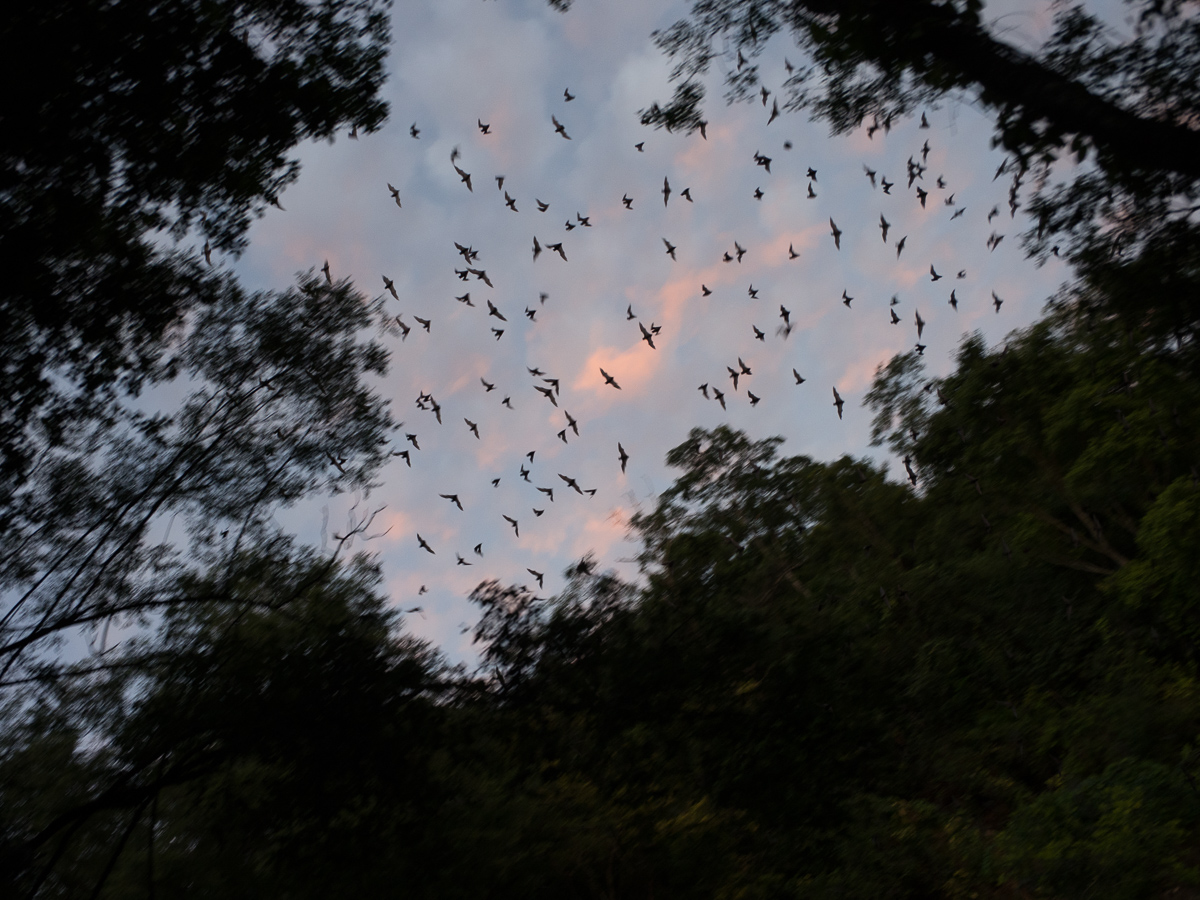
That evening we rode back down the road to the “bat volcano” and watched 3 million bats stream out of a cave at sunset. The second largest bat cave in the world. Talking to a Scottish couple at the event they exuded excitement about the cenotes they had been to. It had become a theme in their holiday to explore as many as possible. They were telling us the merits of this cenote over another. We’d not even heard of these sinks holes / caves, many open to the public to swim in, which are abundant in this area of Mexico. Yucatan is dry on top, but made of limestone, it’s riddled with underground watercourses, many quite near the surface. Cenotes are formed when the roof collapses. Many are connected, and scuba diving them is popular. Our new Scottish friends had said that they were often warmer than their hotel swimming pool. Our posada (inn) in Xpujil barely had a shower.
But first, we had to return the maybe 40Km to Xpujil. In the dark. We knew there were a few big dangerous potholes on this stretch, but at least we had ample time and knew where to go. It was still terrifying at times. In daylight, we observed that Mexican vehicle lights are quite random – all sorts of flashing colours, indicators/hazards used according to all sorts of strange thought processes, none of them in the UK highway code, brake lights left broken. At night – well, Mexicans driving at night either have very little or total trust to the gods, or fit huge LED lamps that only half of drivers dip. Even though traffic was light, it was scarey – statistics confirm that it’s a massacre. Our worst moment on this ride was when truck B decided to overtake truck A with us oncoming. The road there was actually quite wide enough to do this, but the b*st*rd didn’t dip his huge LED floods and didn’t indicate that it intended to pass (they never do). We were completely blinded as it pulled out into our lane and couldn’t see the road 2 metres in front. It had taken us a while to realise what was going on, because most truck drivers did dip, and the relative positions weren’t clear in the dark. We pretty much came to a scrambly halt, unsure if in front of us was ditch, pothole, or road. It confirmed that riding at night in these parts was a very bad plan.
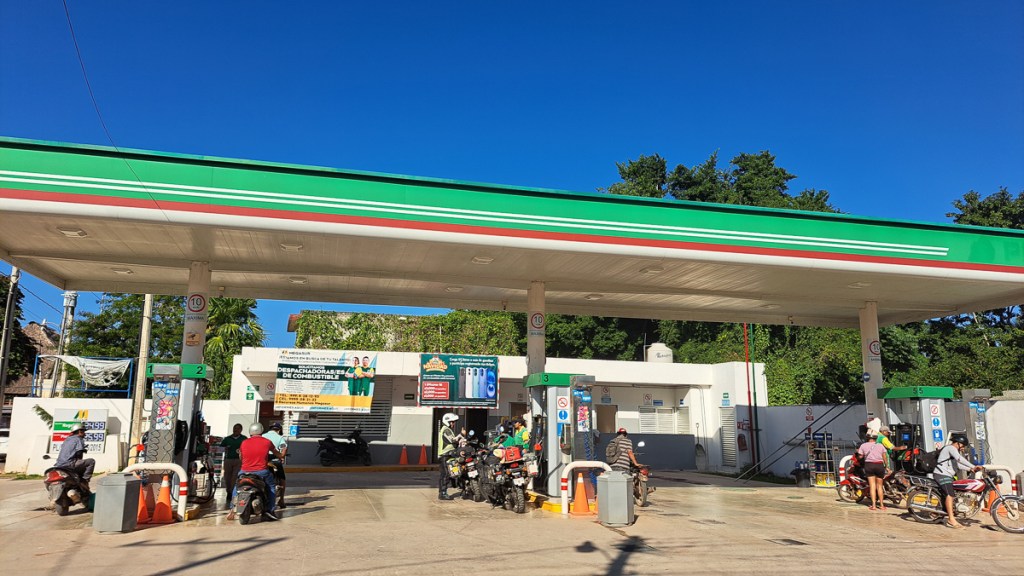
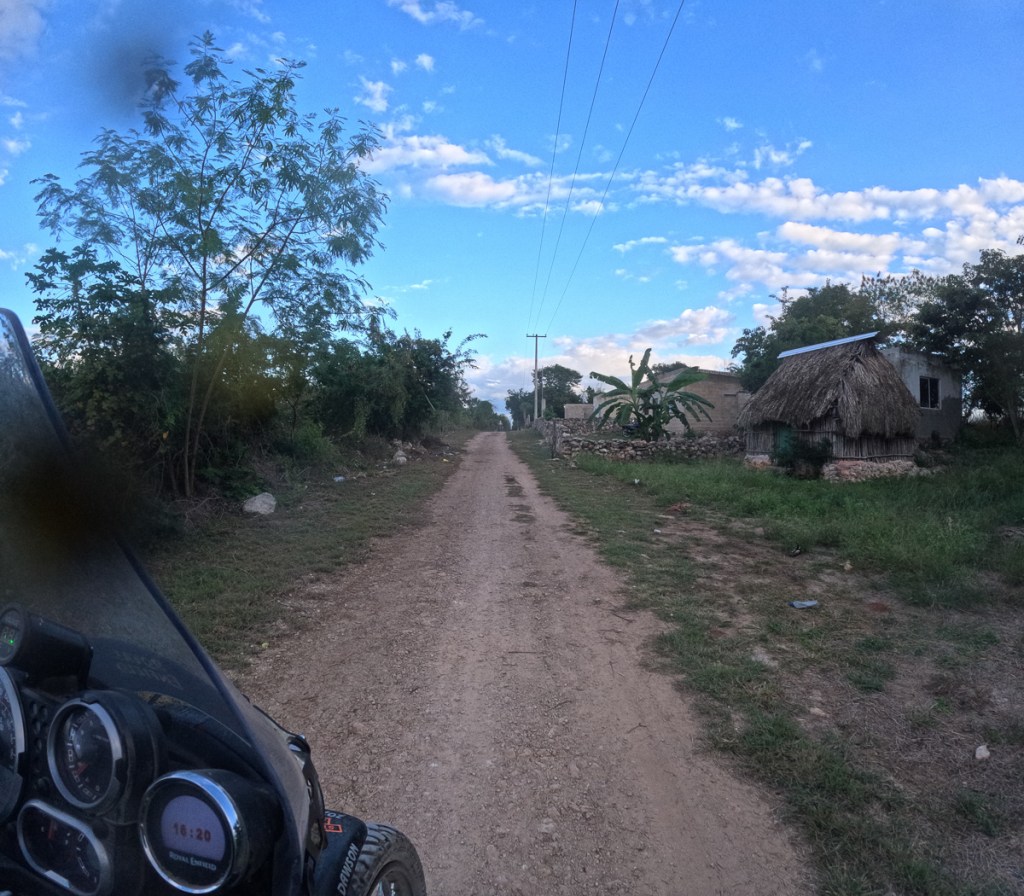
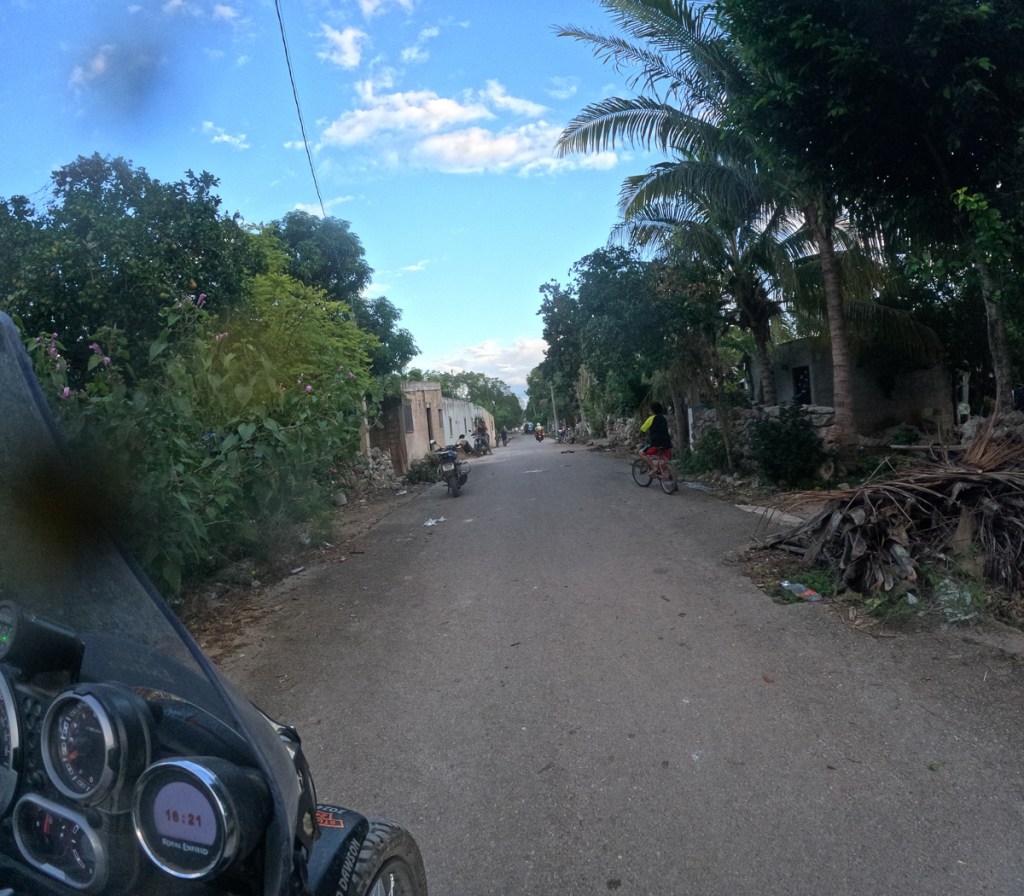
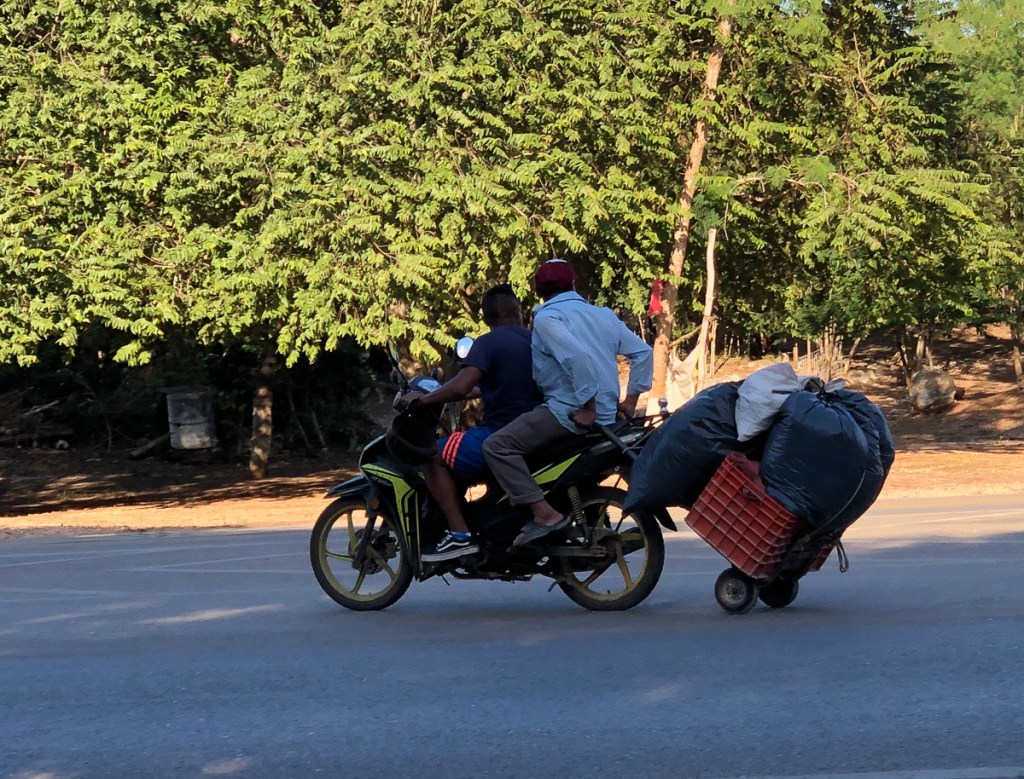
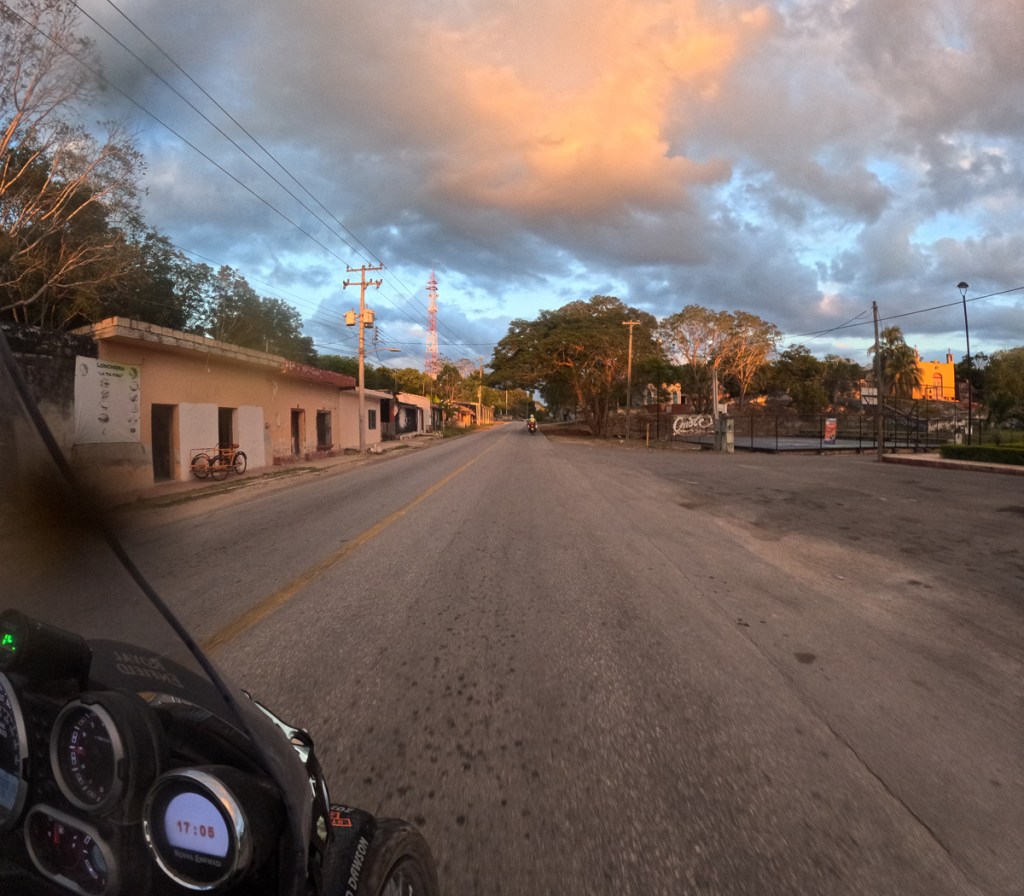
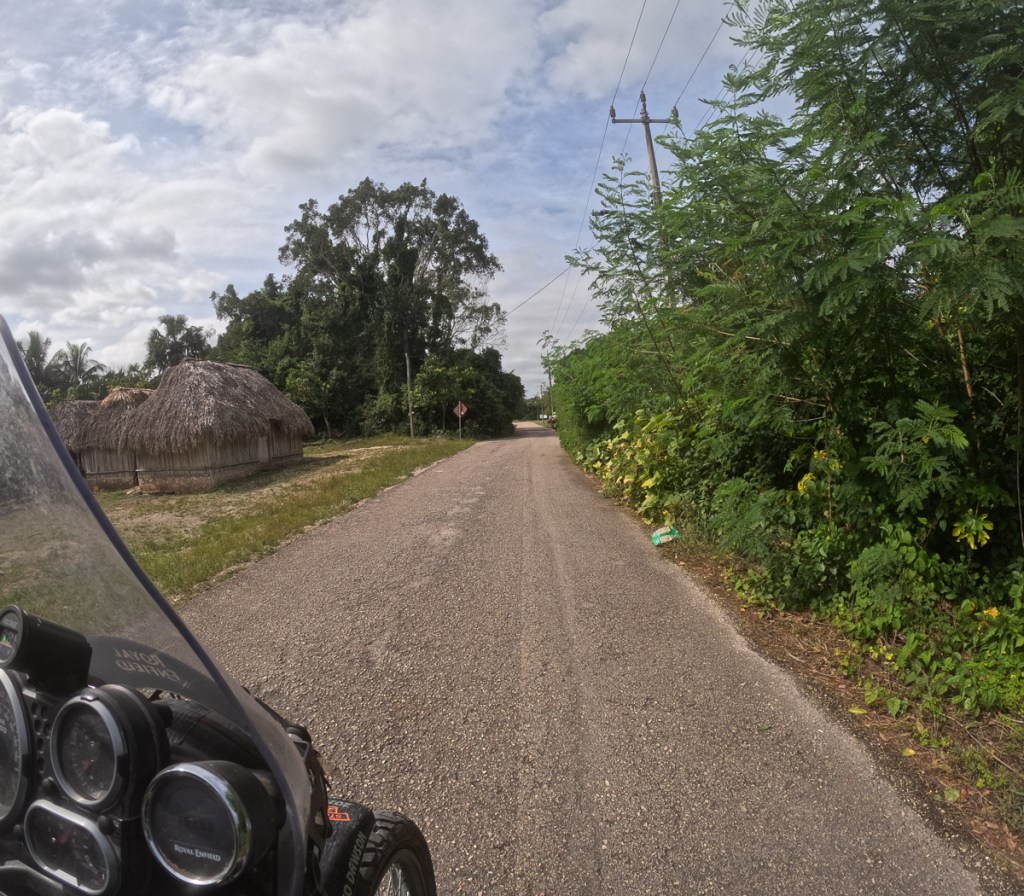
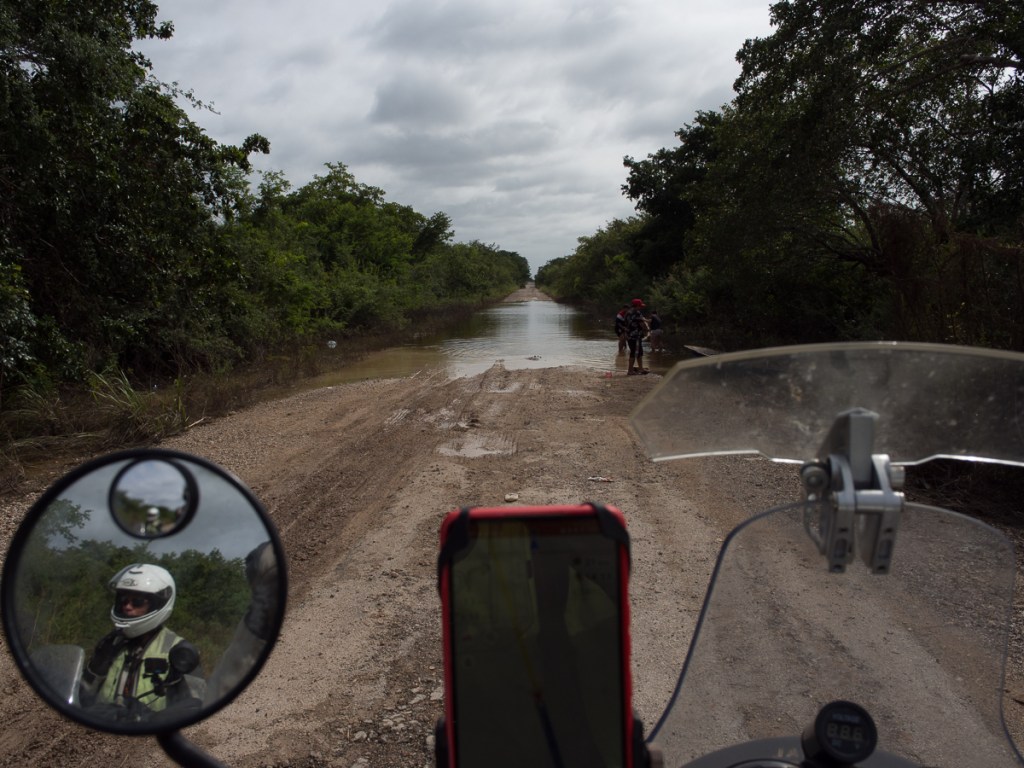
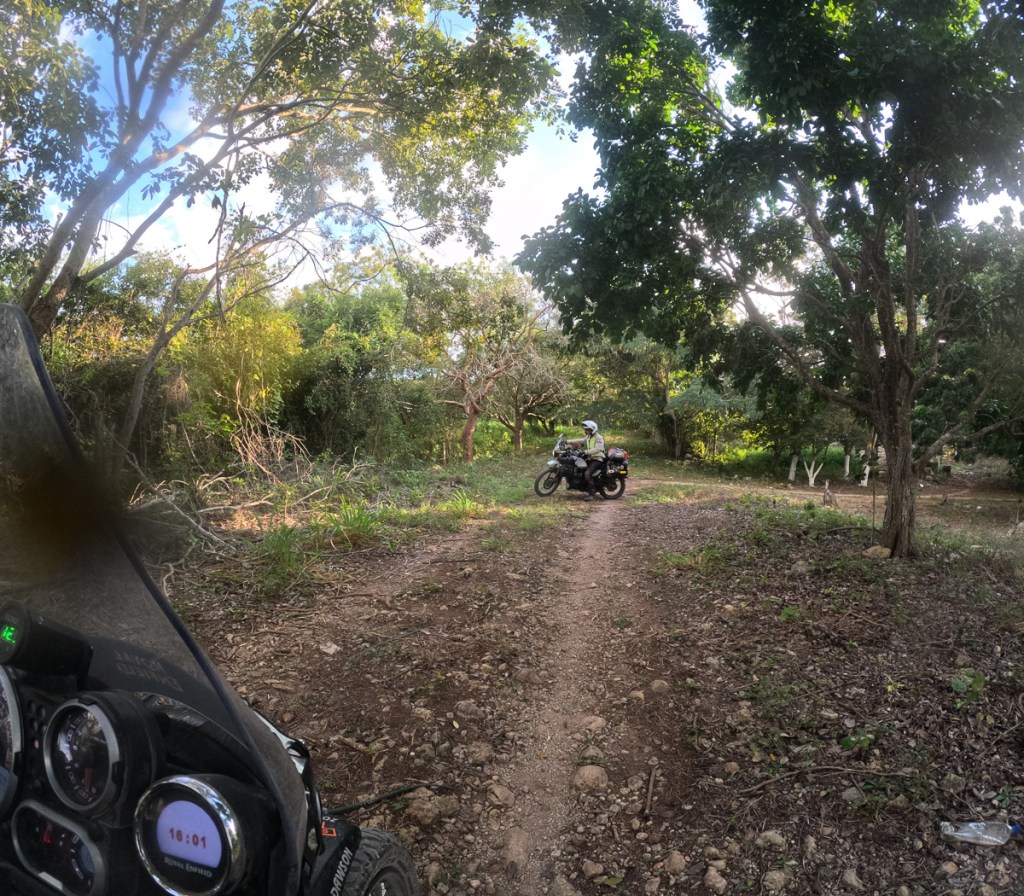
On a brighter note we spent much more time on larger single-carriageway roads, but the excursions were more interesting. Two of the pictures are points where we gave up and backtracked: One road shown clearly on the sat nav shrank and shrank until it completely ended in a logging camp. Another road was flooded out for maybe 50 metres.

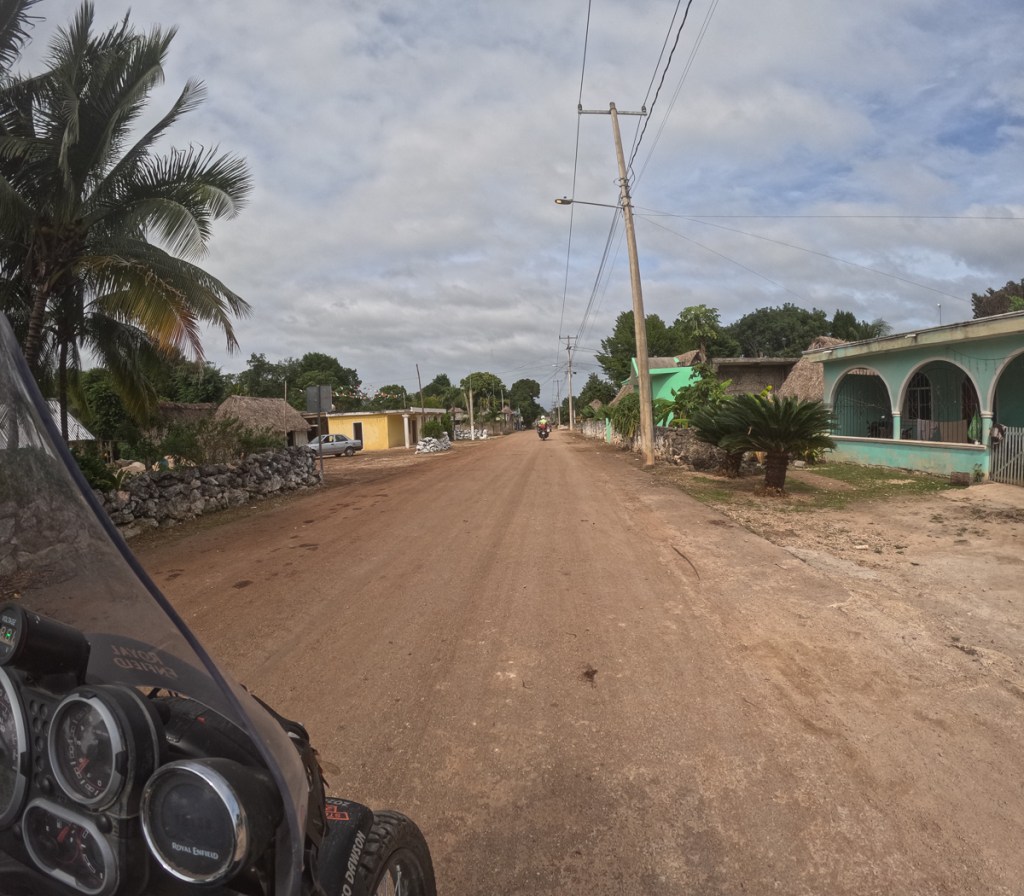
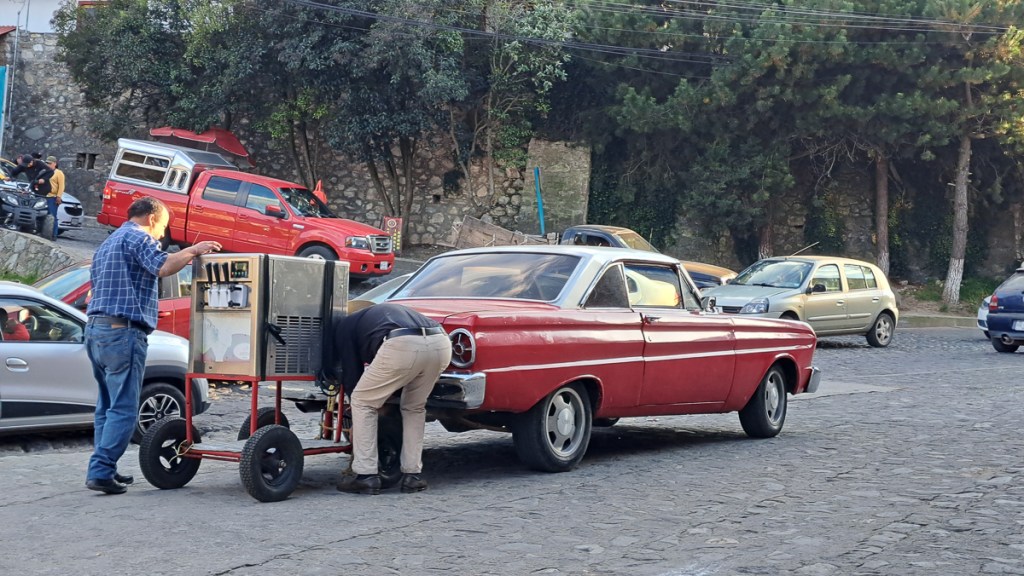
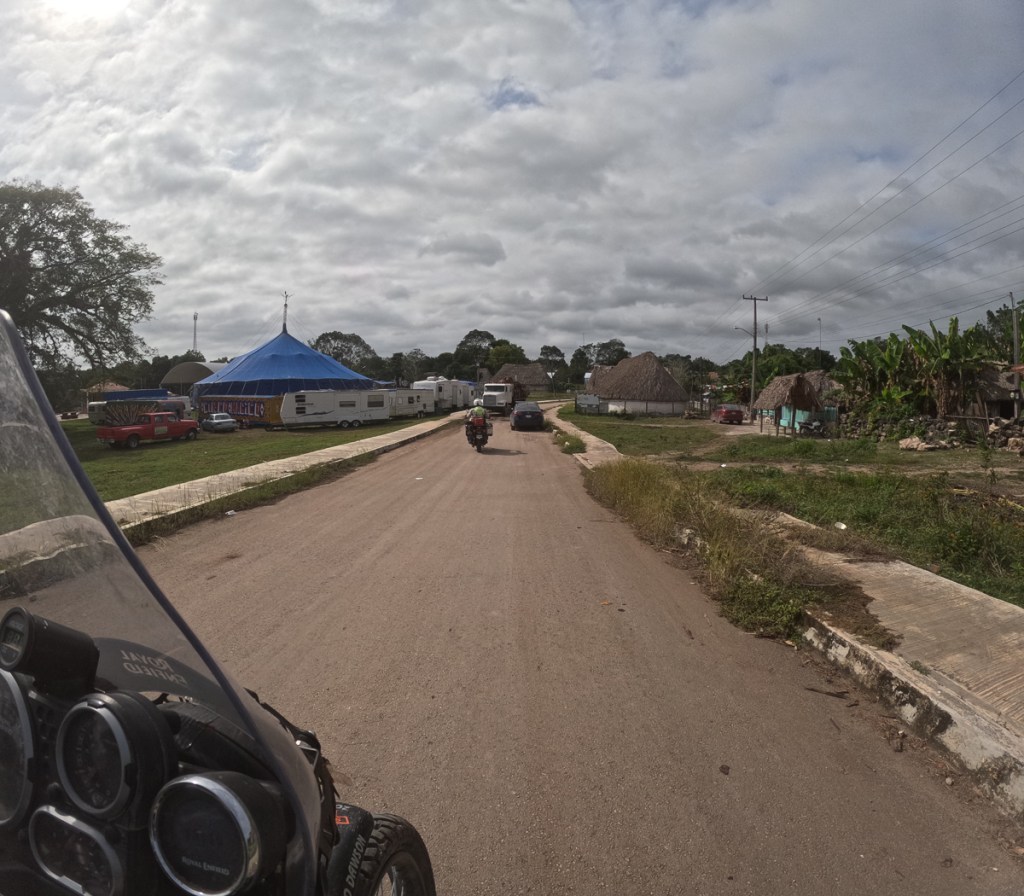



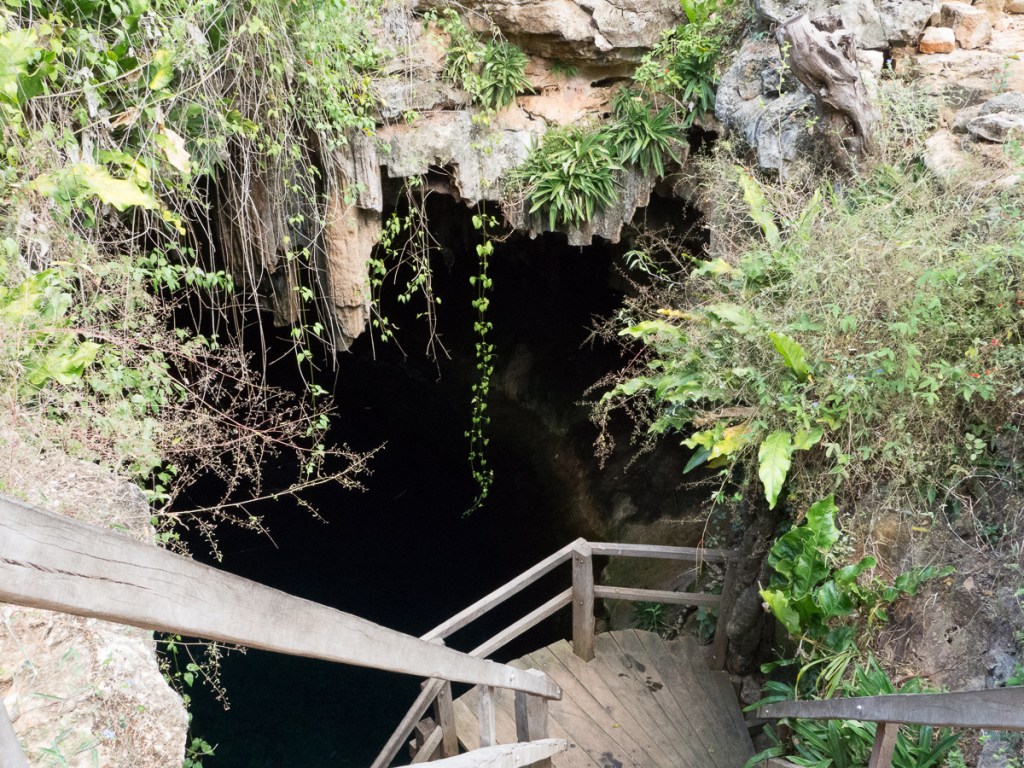
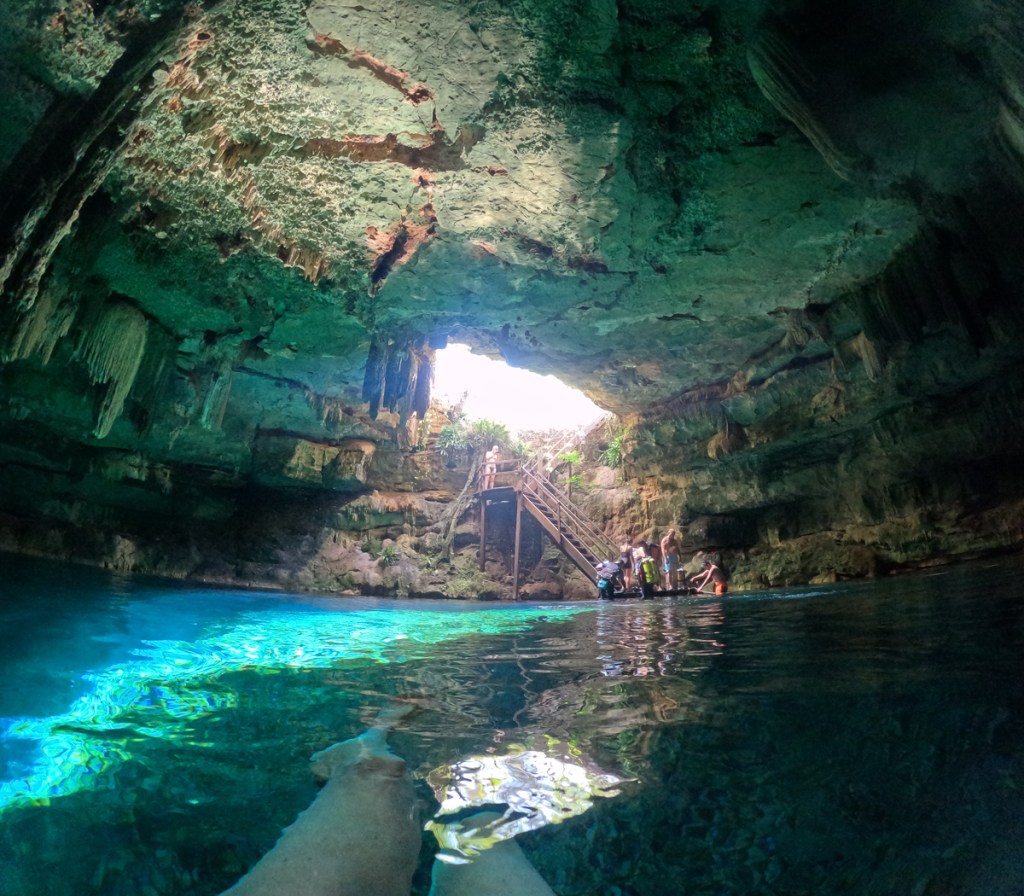
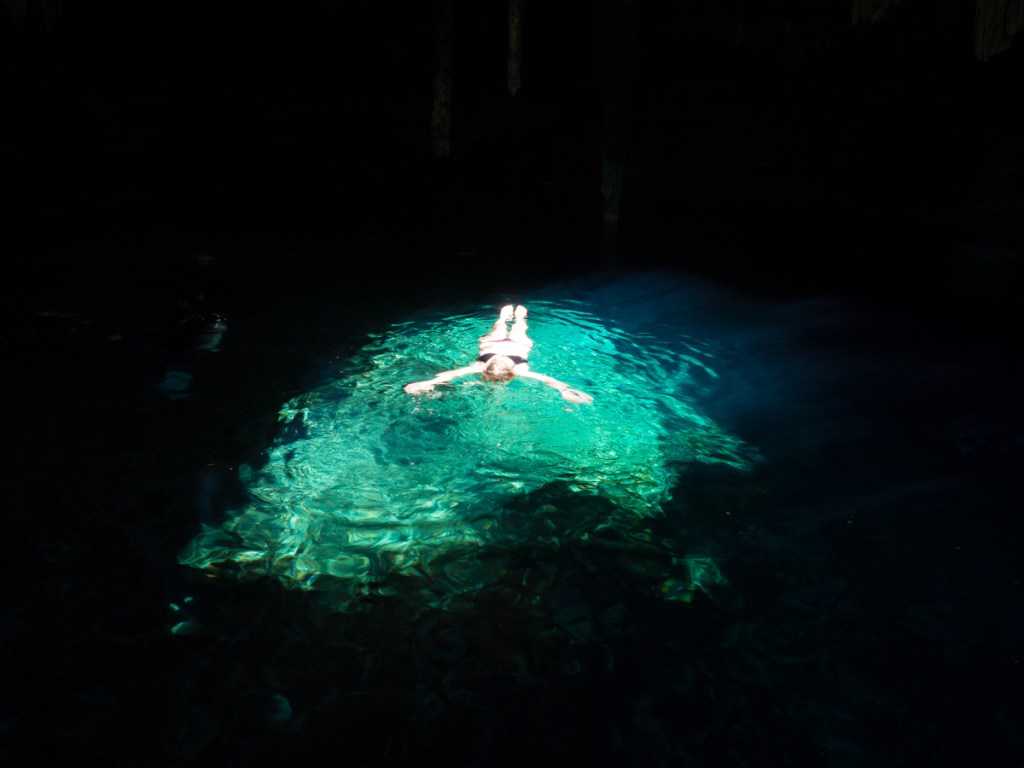
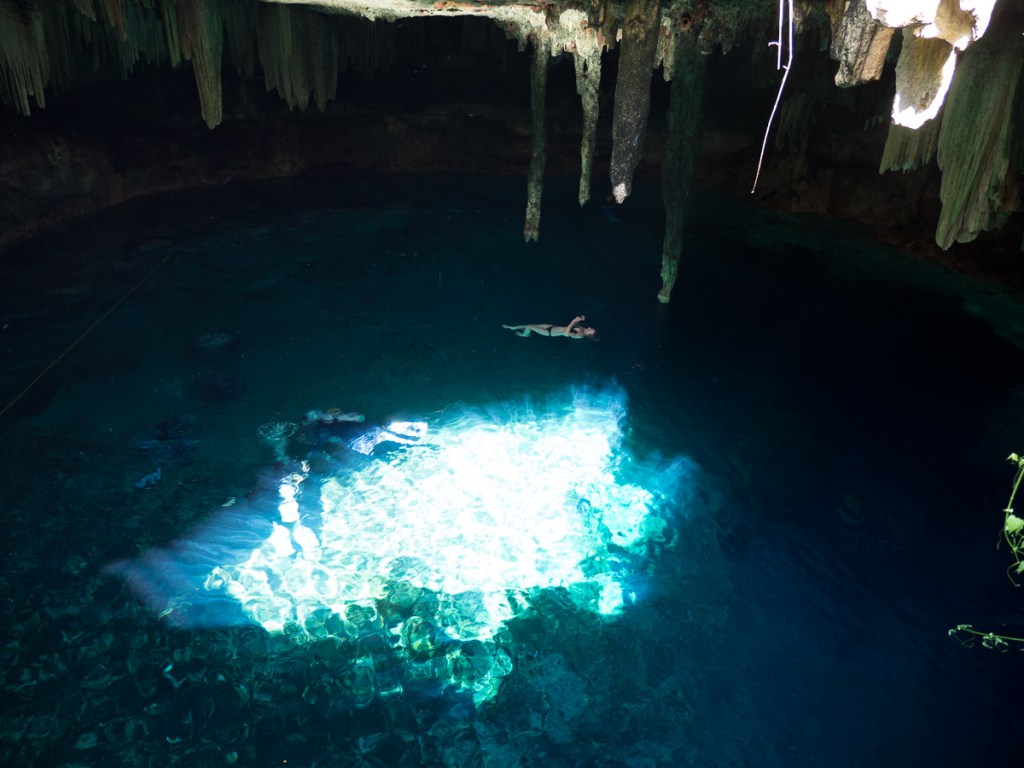
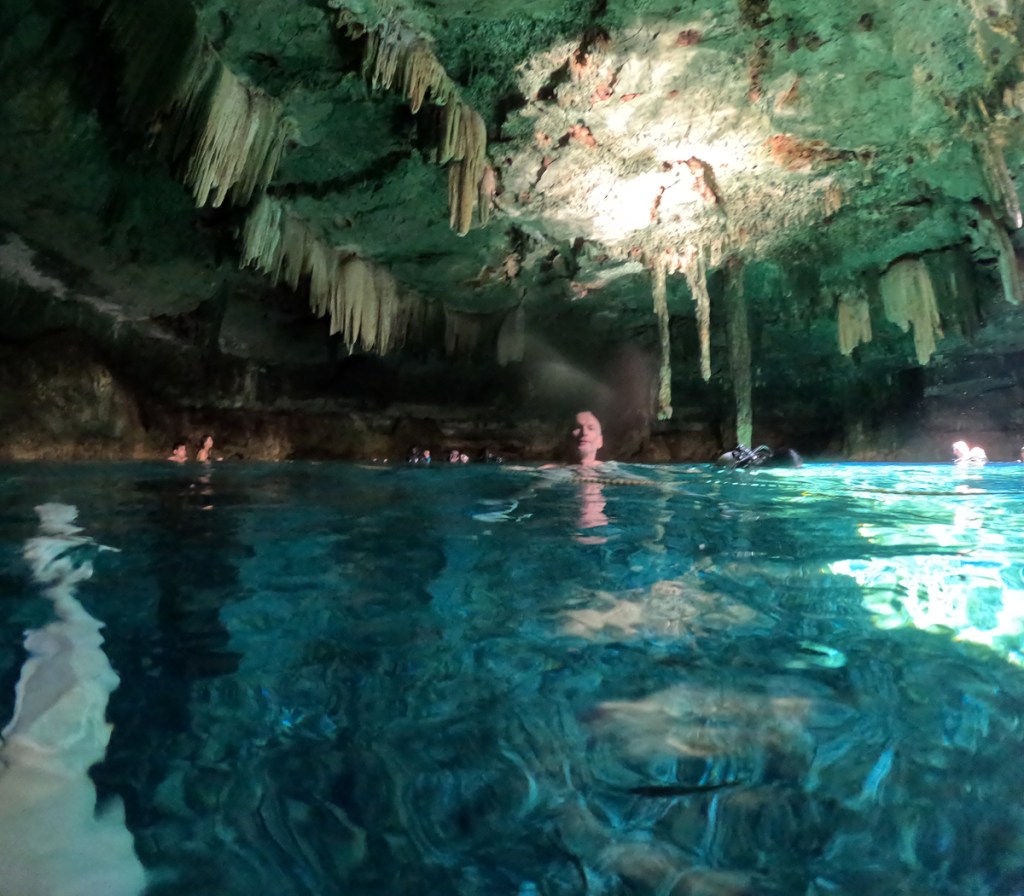
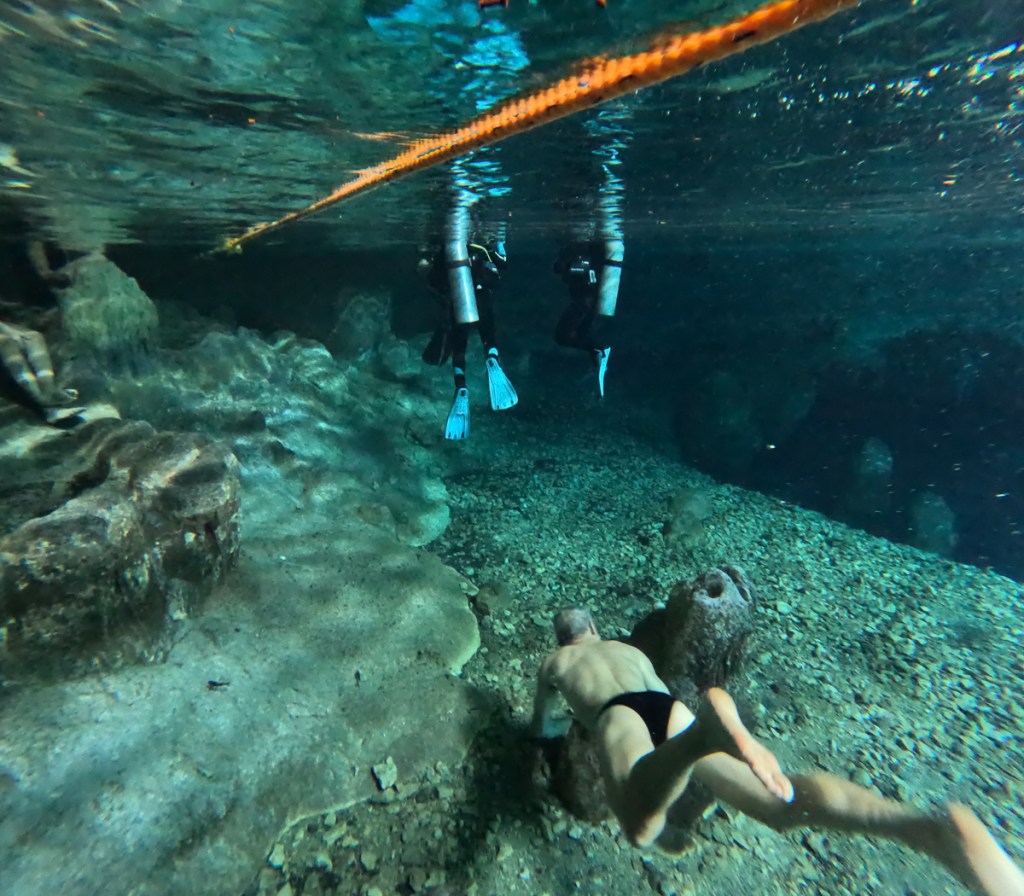
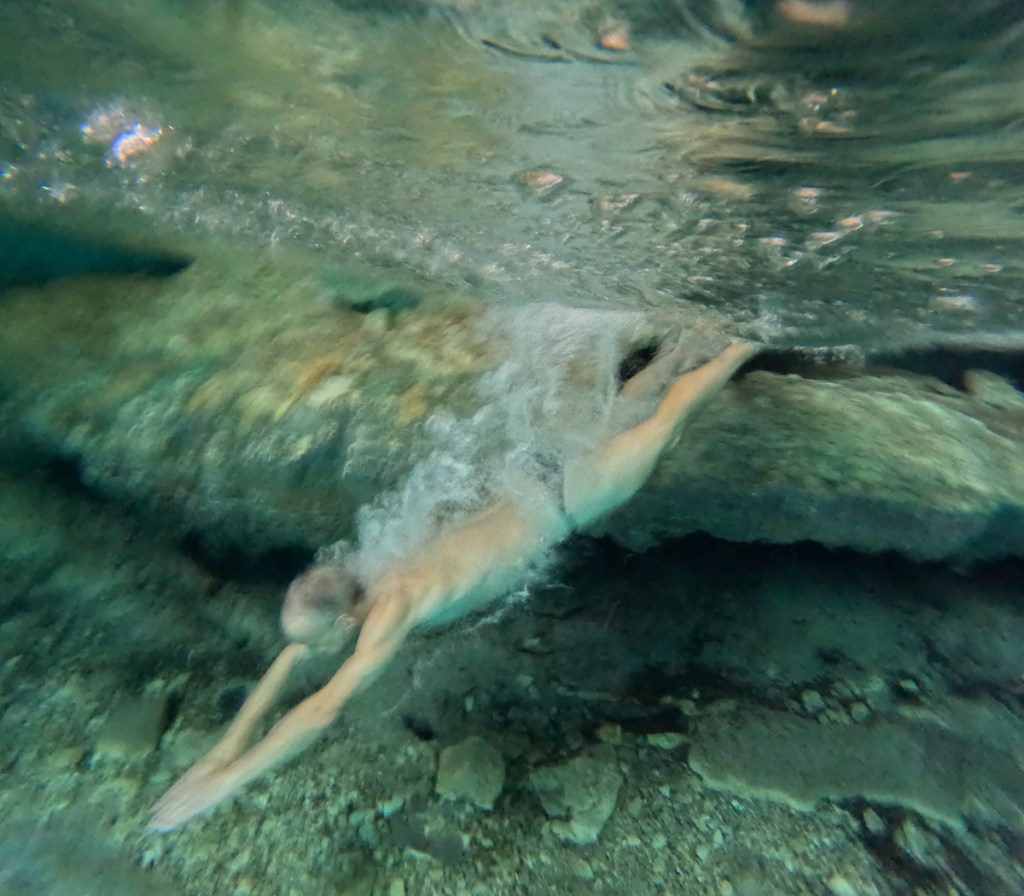
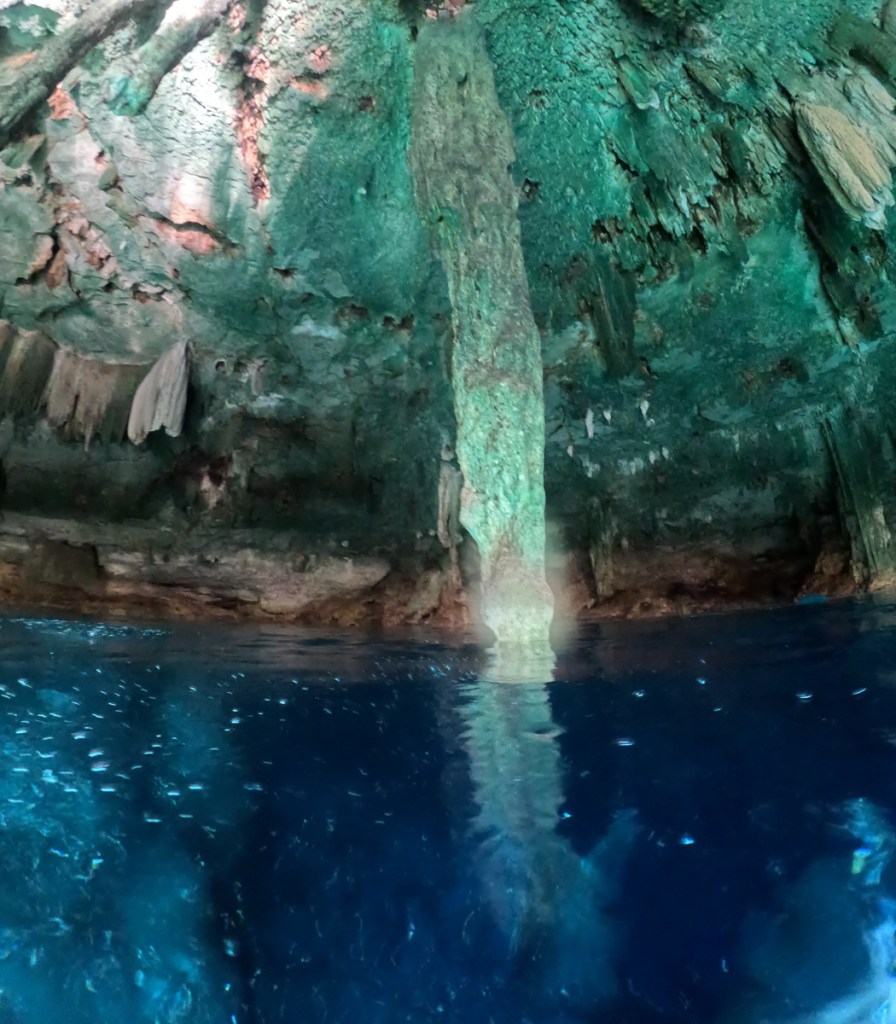
A bit of research had us concerned at the cost of entry to some of the cenotes. Undeterred Gid came up with an area close by that had a few. He picked one that we visited enroute the following morning. It was fabulous! We’d become a bit wary as two of our selected underground attractions in the area had been closed since Covid. One was a cave system with paintings the other was an underground water system. Both shut. The chosen cenote was open, cheap and not highly populated. We descended about 5m down a wooden stair, to water level. There were two small diving groups who disappeared downwards to explore the cave system joining it to other cenotes in the area but the surface space was pretty much clear, except for their bubbles. The natural lighting was beautiful clearly lighting the stalactites and different colours around the cave. A guy who seemed experienced at the qualities of different cenotes told me that this one was one of the best because it had crystal clear water and you, together with the fish, could swim about in it. He commented that some of them are rather pokey holes with murky water. ‘The ones nearer ground level can be cold’, he added.
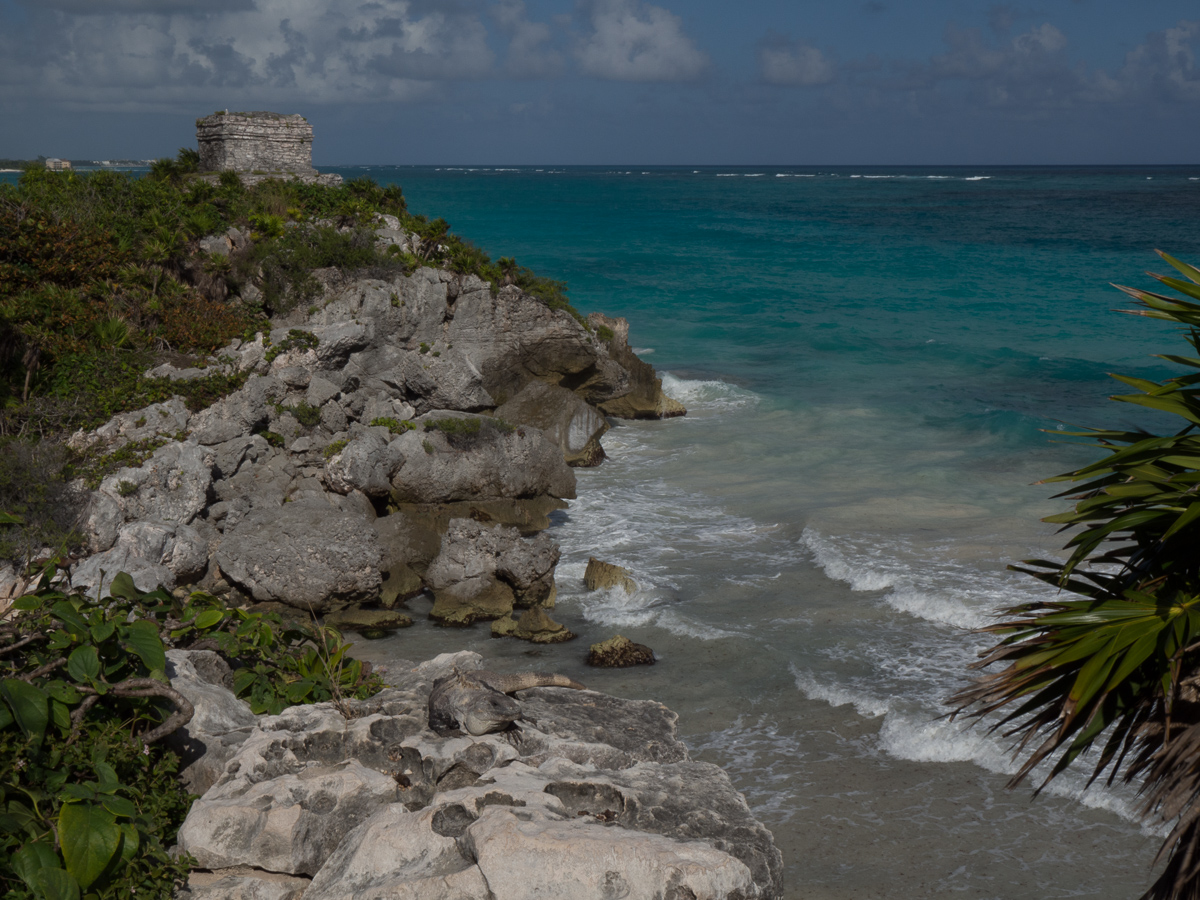
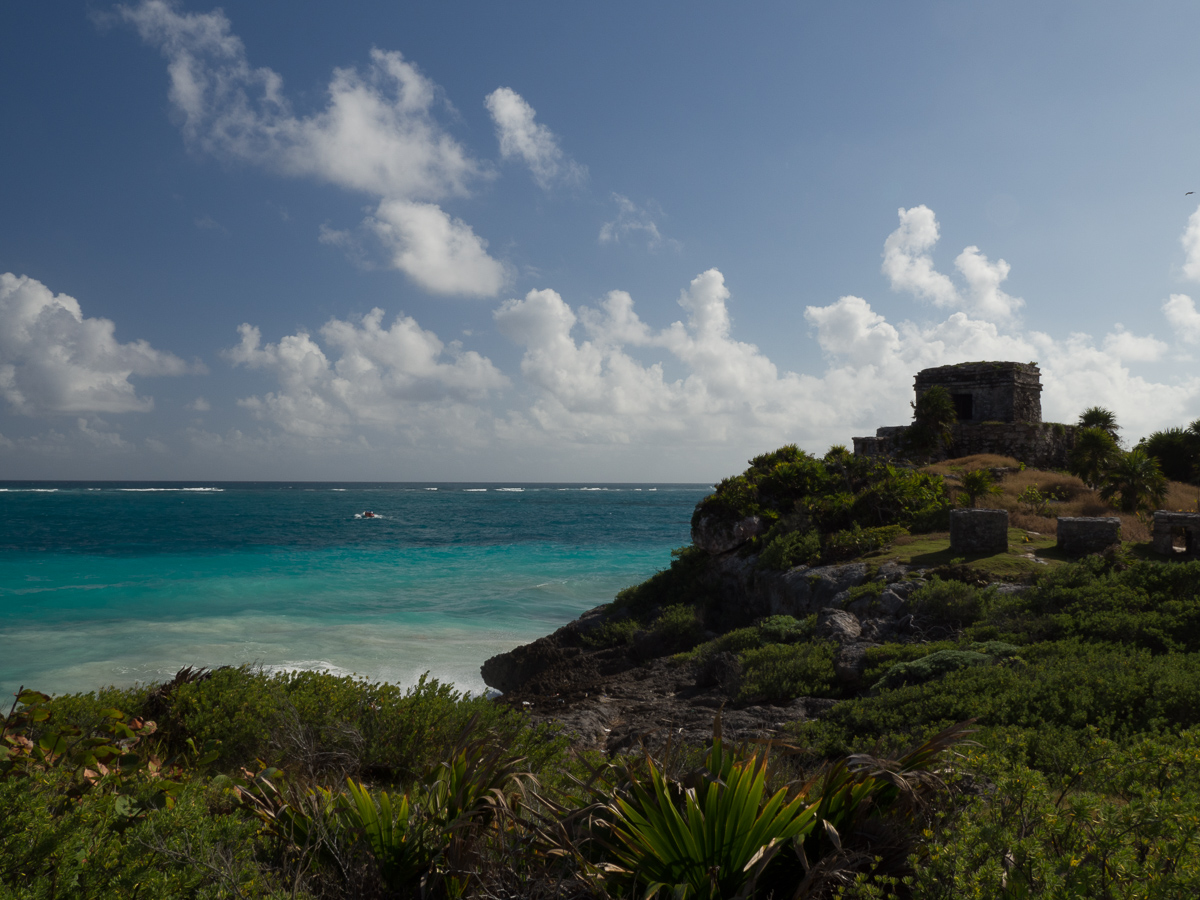
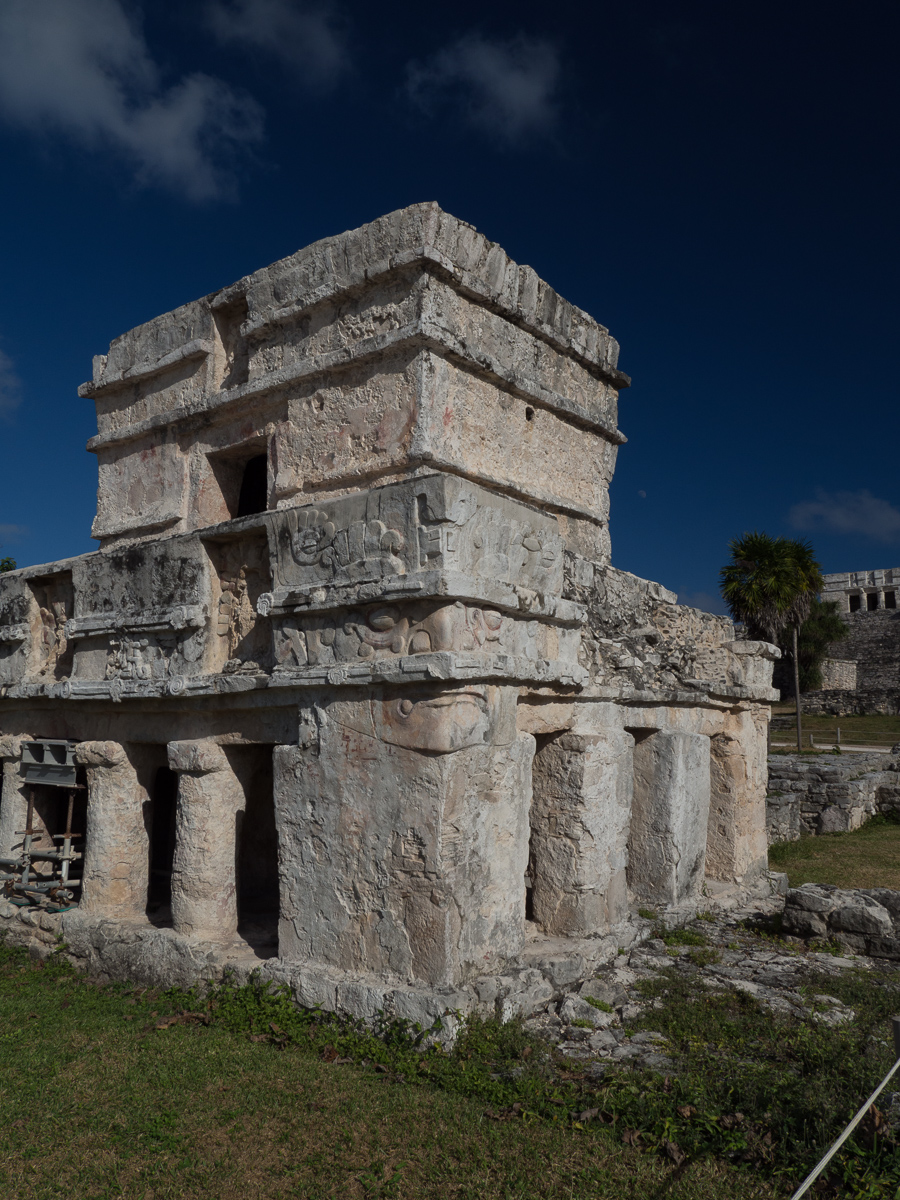
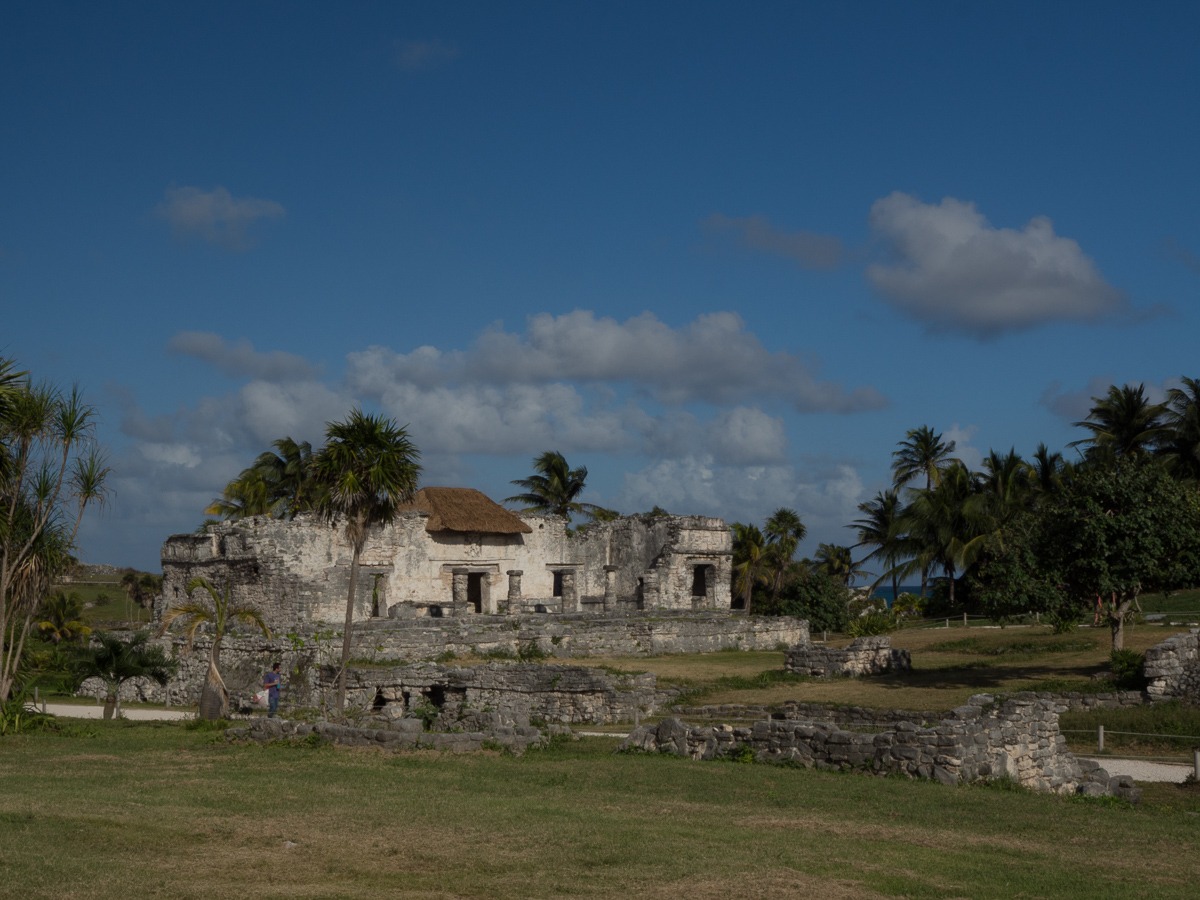
Looking at our Mexican travels on the map, there’s quite a zig-zag, but now we were getting to the end of the road Mexico. We decided to stop for a couple of days to catch up the blog and plan next steps. The east coast of the Yucatan peninsular is more beach resort than history, scenery and nature. We chose Tulum. Tulum the town had every tourist facility at a US price, but we found somewhere cheapish. After a stroll around Tulum’s small, but very scenic ruin, one of the few in Mexico to have been walled, we wondered down to the beach. But the sun went on strike at the sight of Gid’s bethong’d behind. Overnight it poured down with warm rain and into the next gloomy day which didn’t clear until the following afternoon making it perfect for updating the blog.

Wanting to finish this leg of our trip with something more Mexican we set off along the back roads and were rewarded with many rural villages. We had hoped to stay in an isolated nature reserve at Noh-Bec where we might see the elusive jaguar but the rain thwarted us.
Not able to make it to Noh-Bec, Bacalar, a low budget traveller town on a big freshwater lagoon, became our final Mexican stop. The signage on the board walk notified everyone that swimming was fine but stay 3m away from crocodiles and not to feed them. At the other end of the town the fort, Spanish built back in 1729 now a museum, was very informative. It outlined the succession of invaders from the Spanish perspective. In the mix was Sir Frances Drake. Whilst the text acknowledged that Queen Elizabeth 1 had given him a knighthood, to the Spaniards he was no more than a bandit.
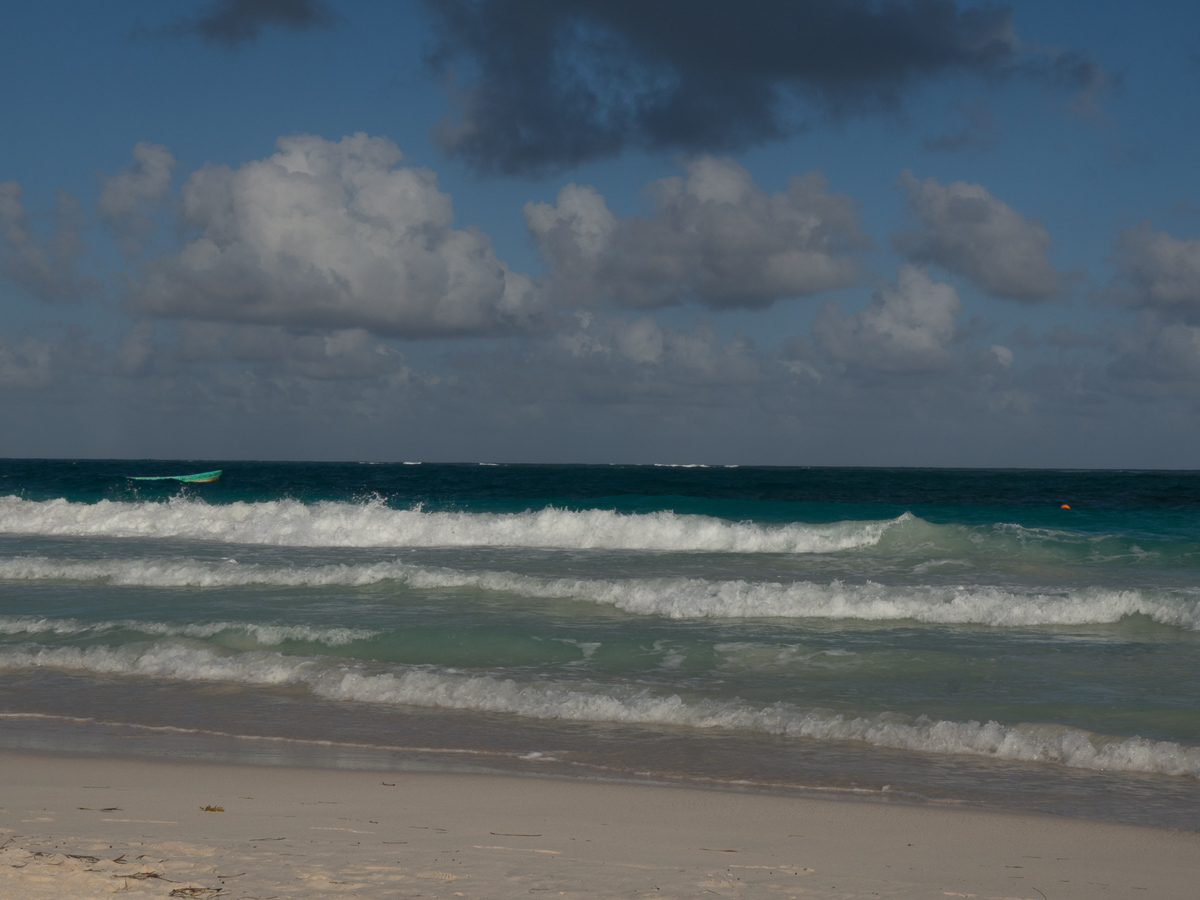
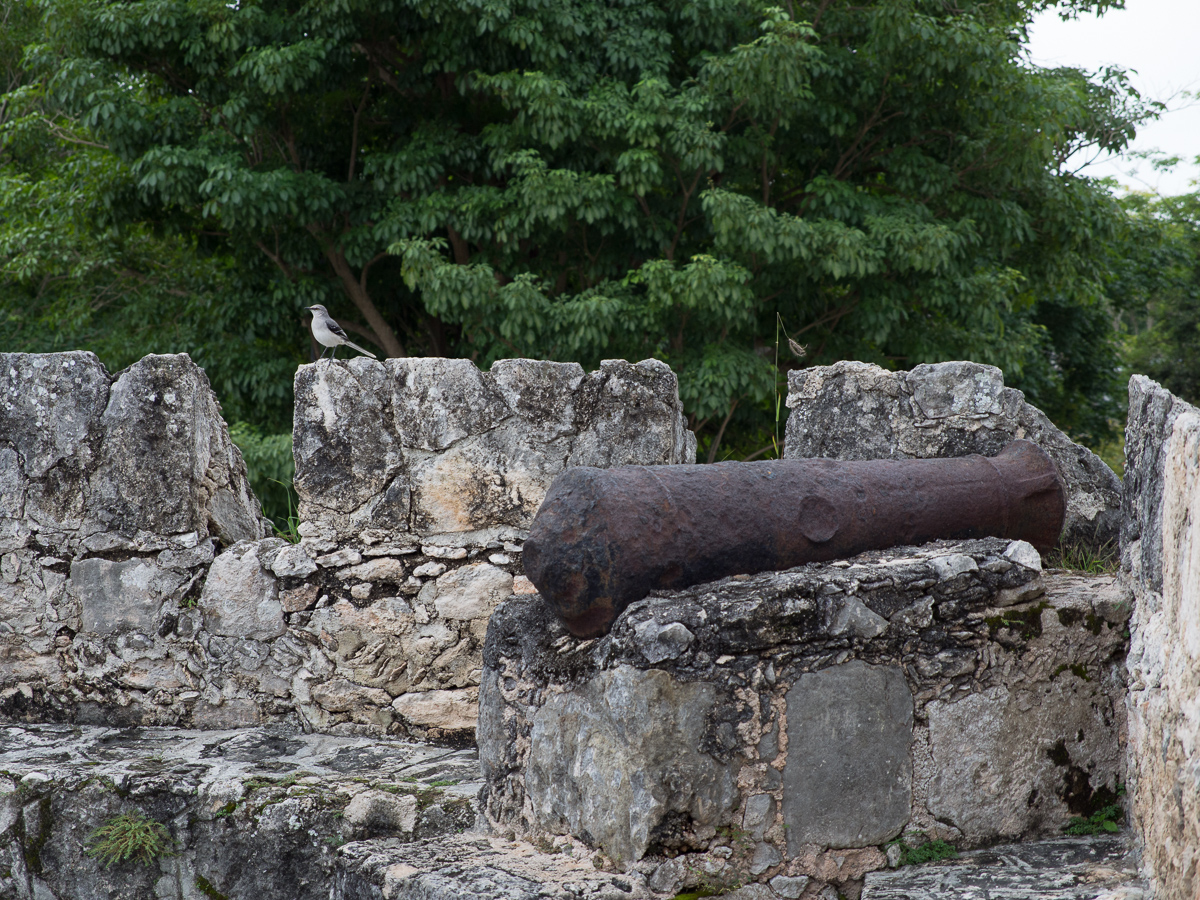
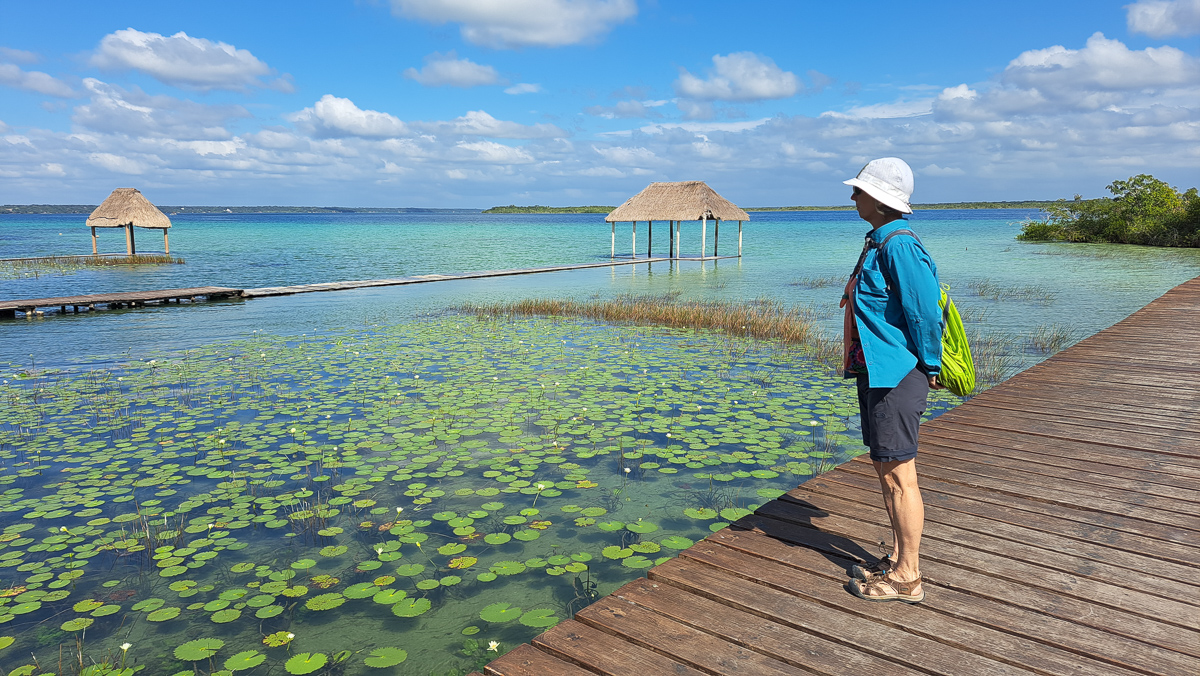
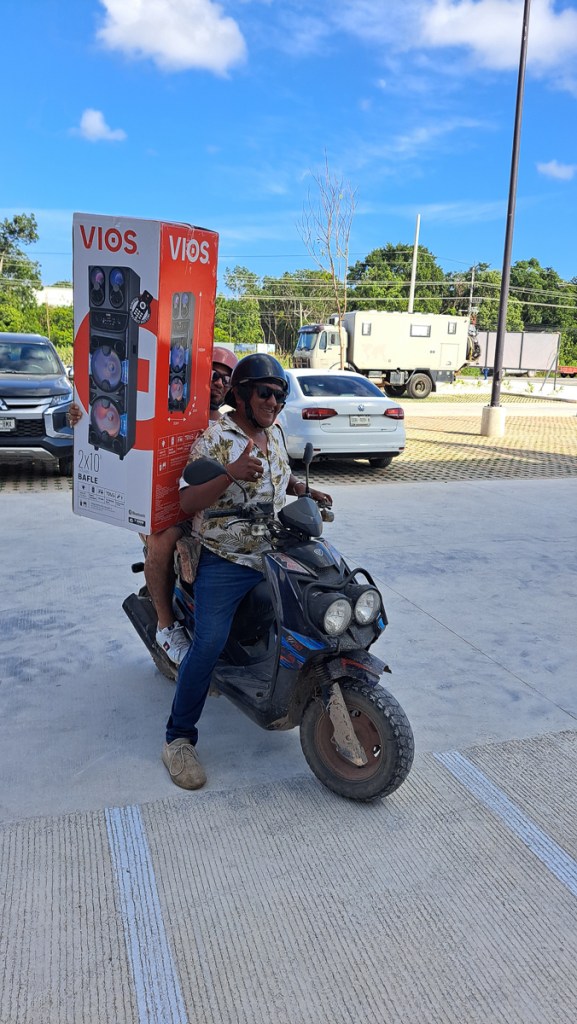
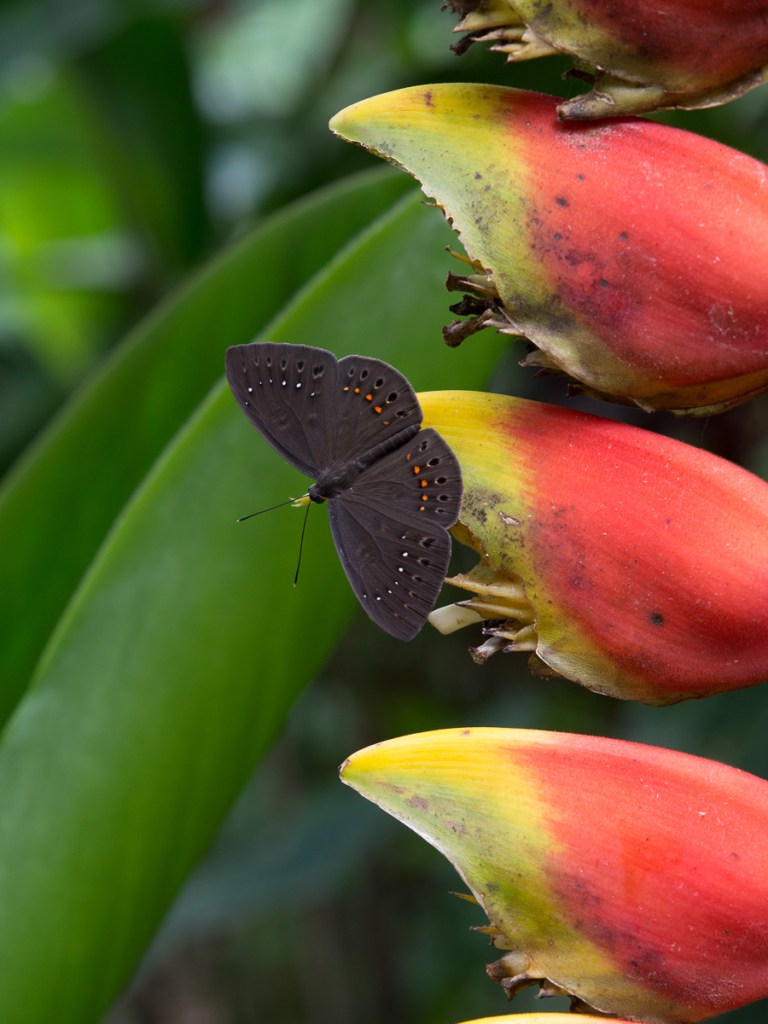
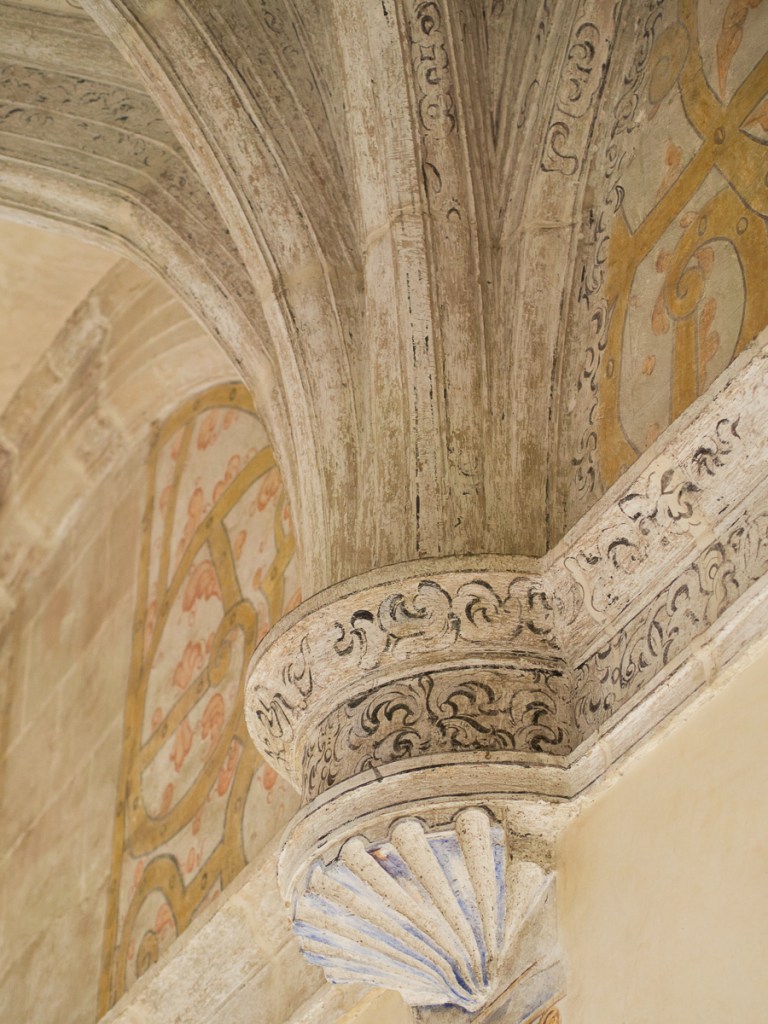
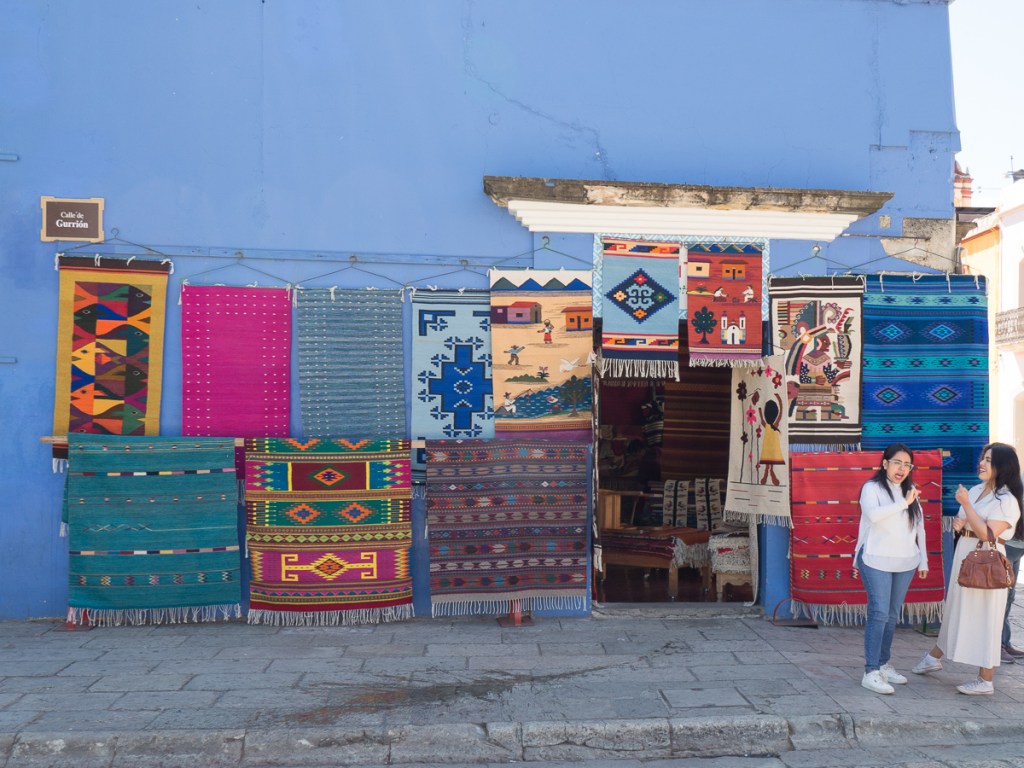
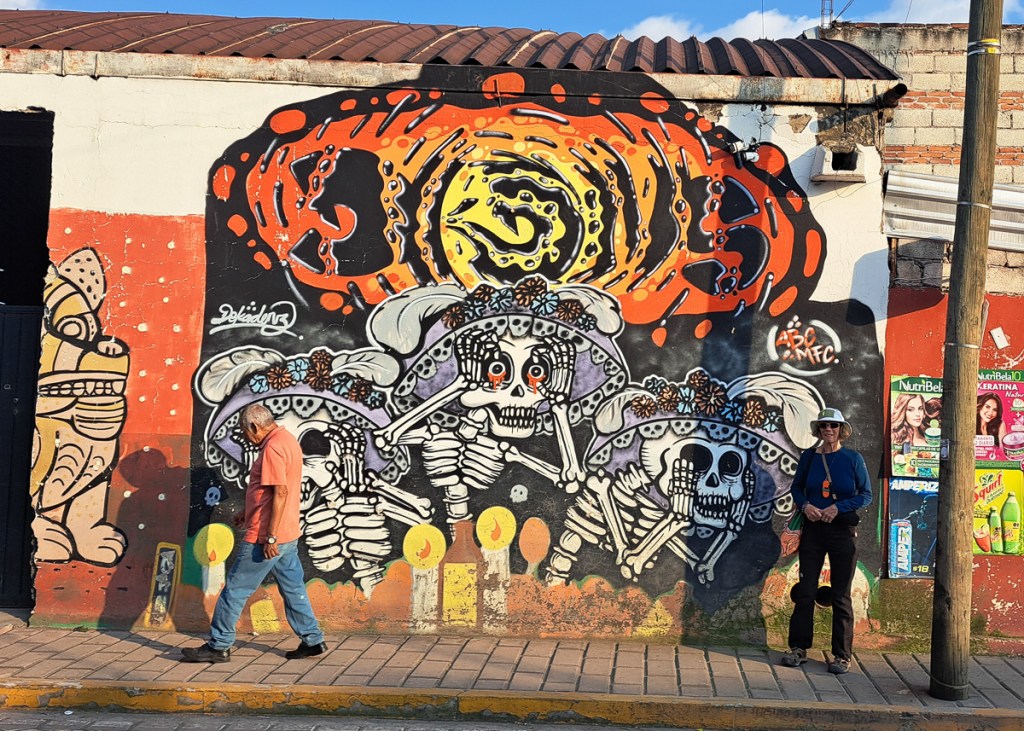
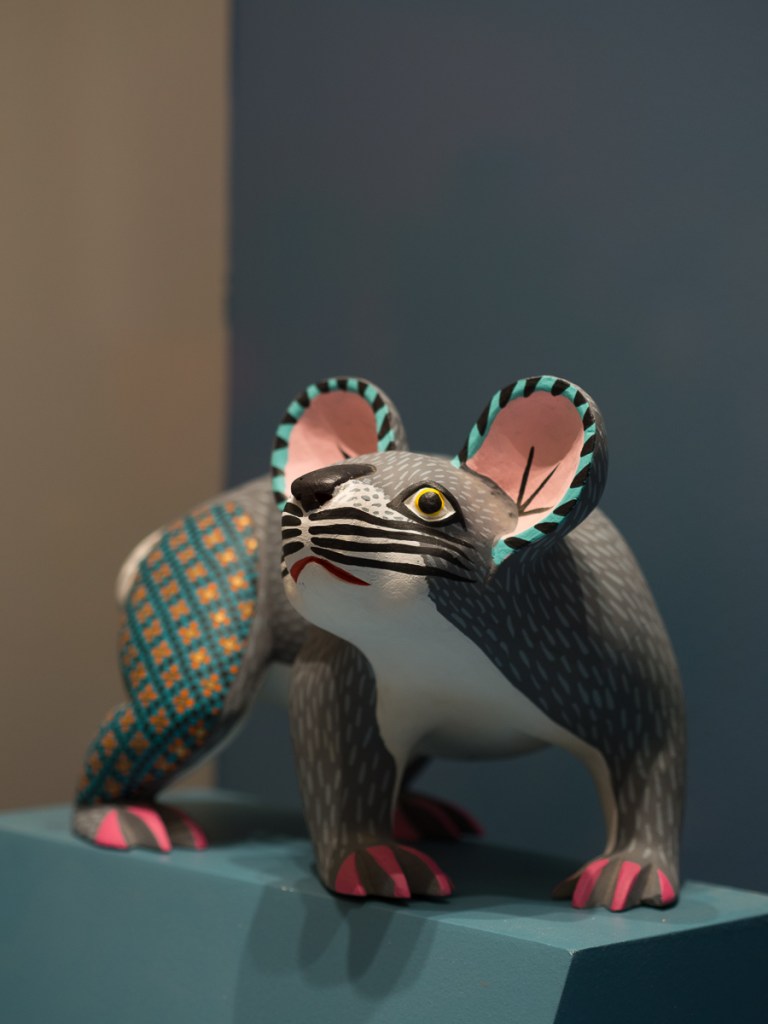
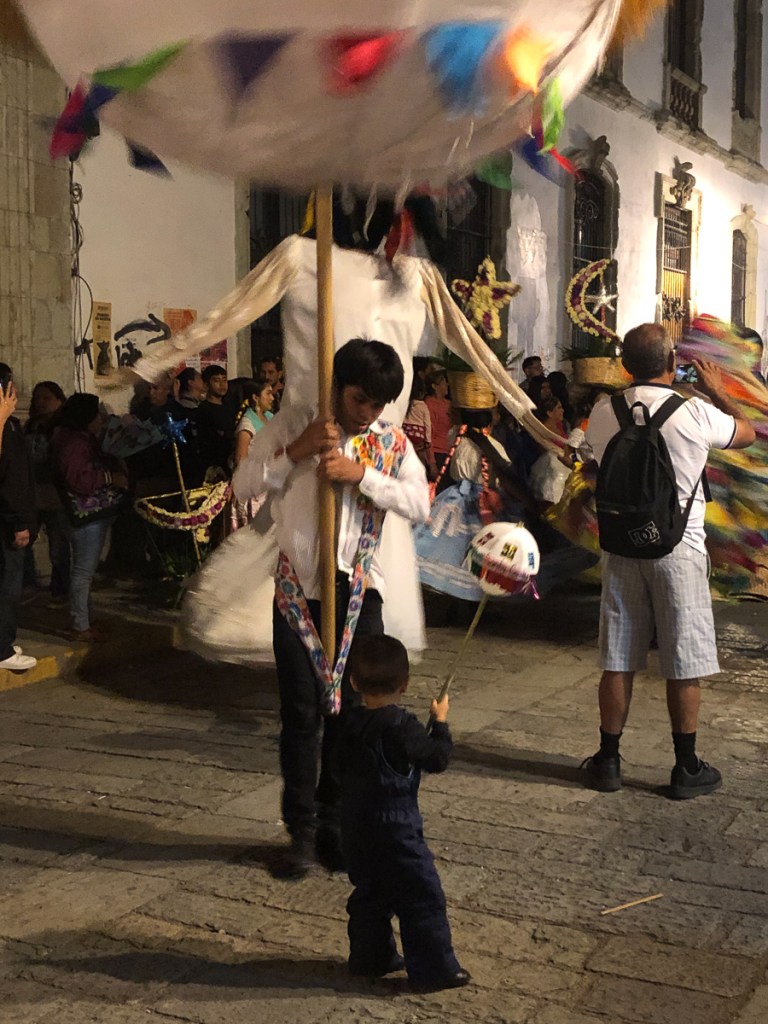
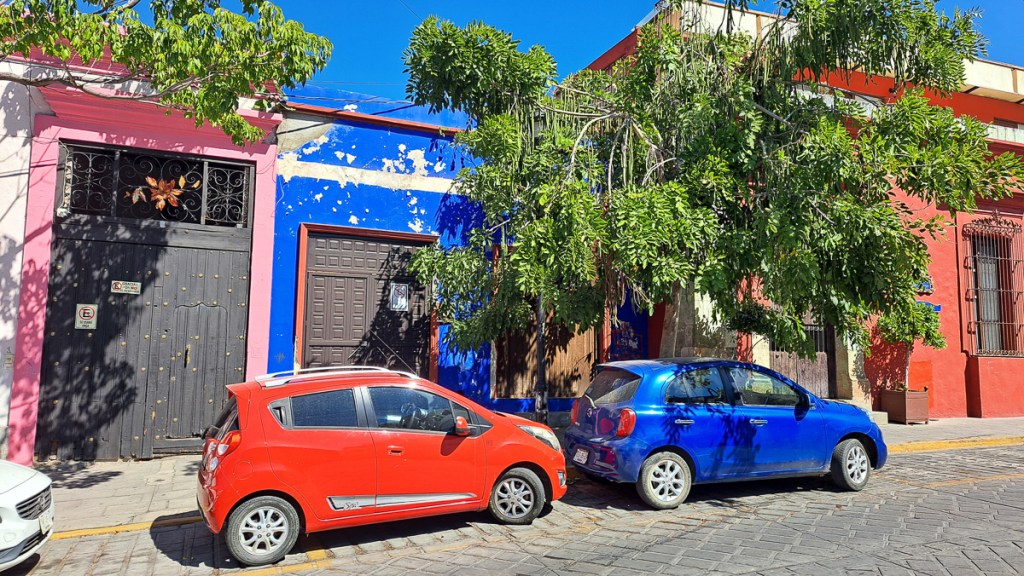
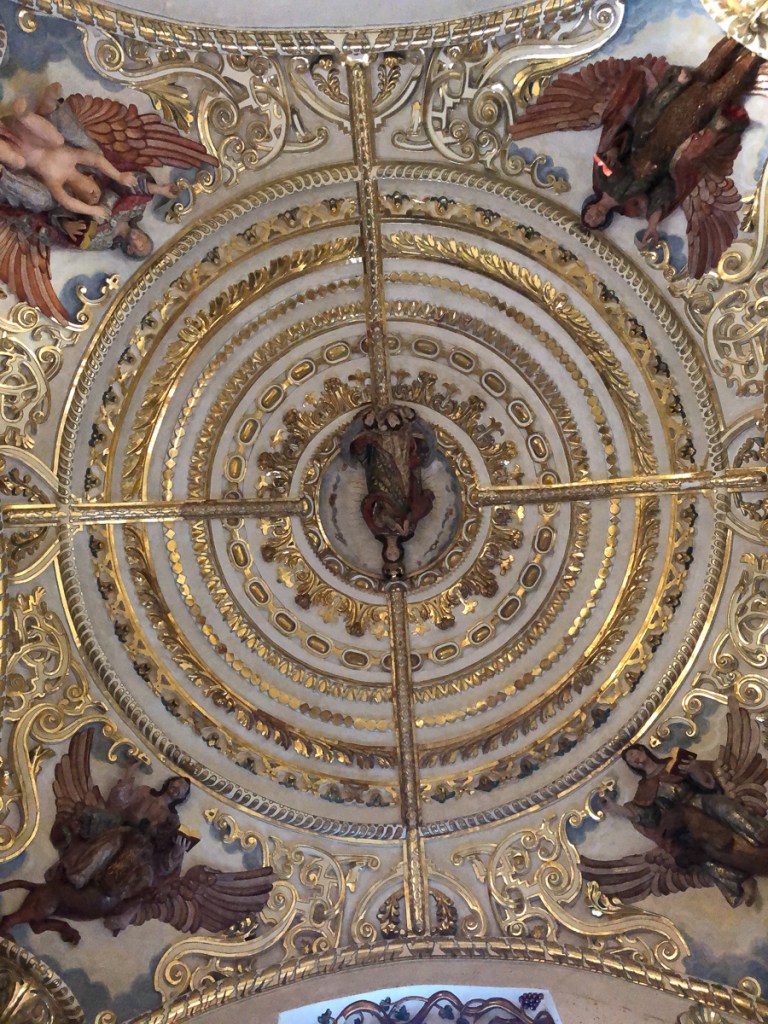
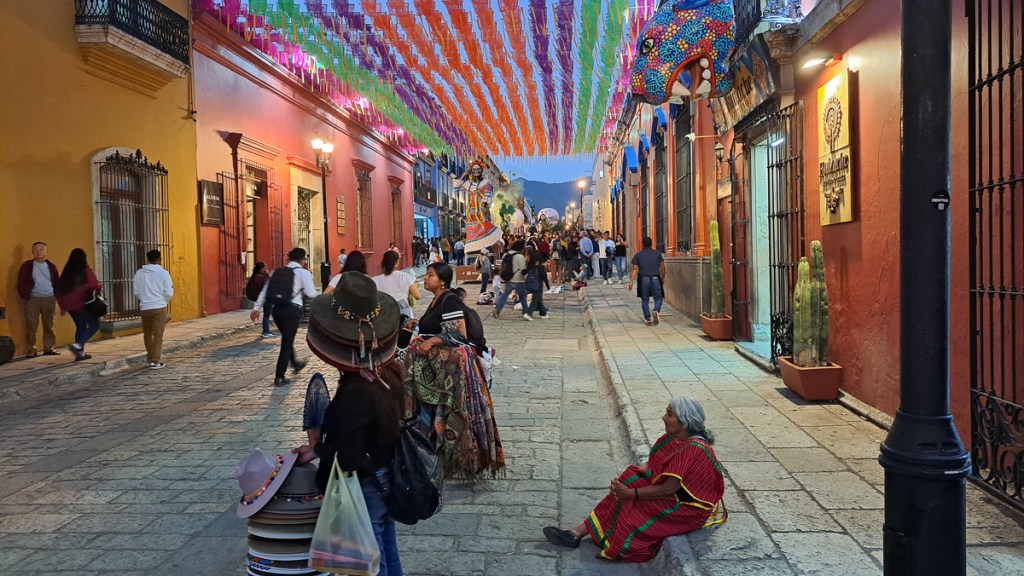
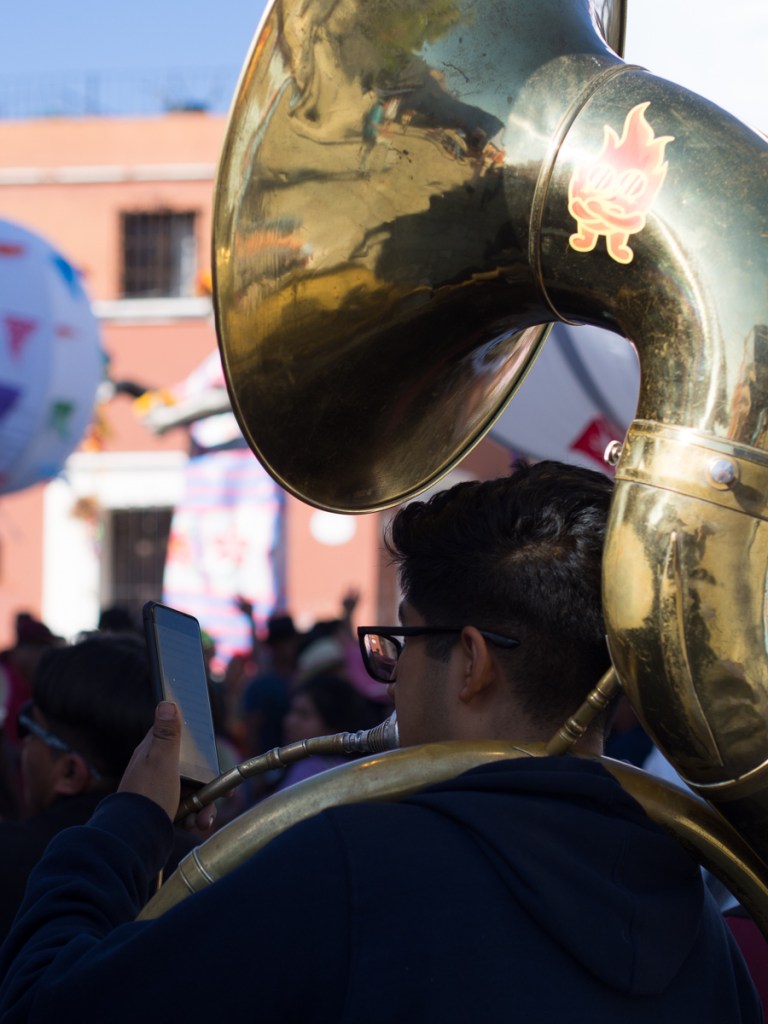
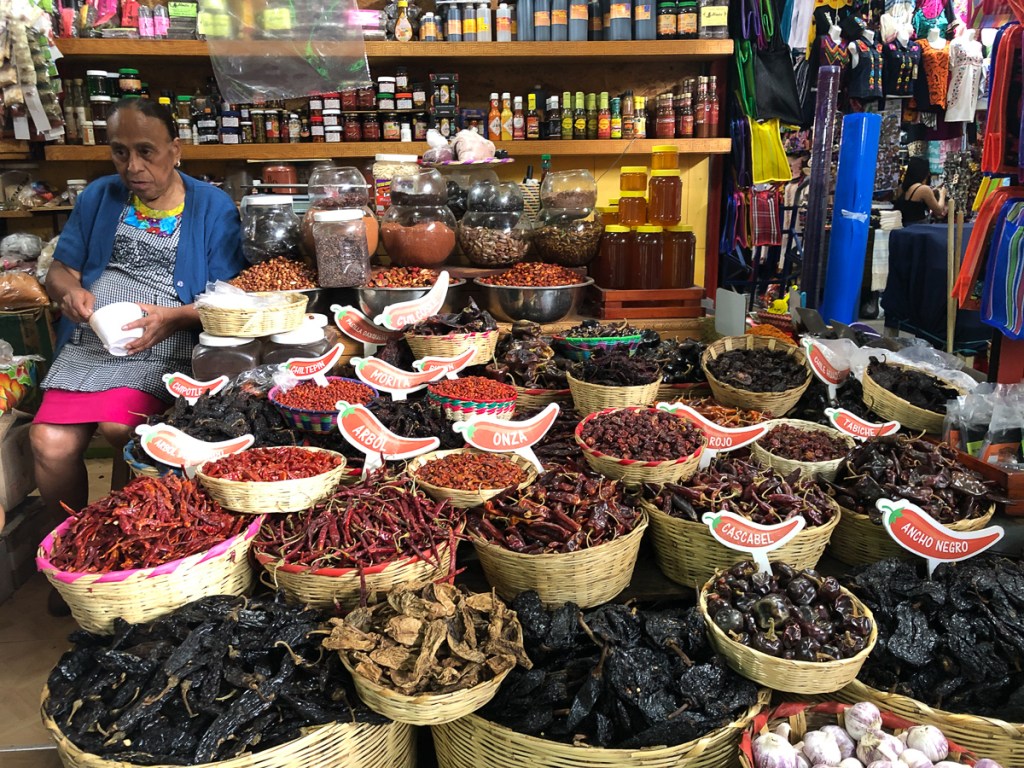
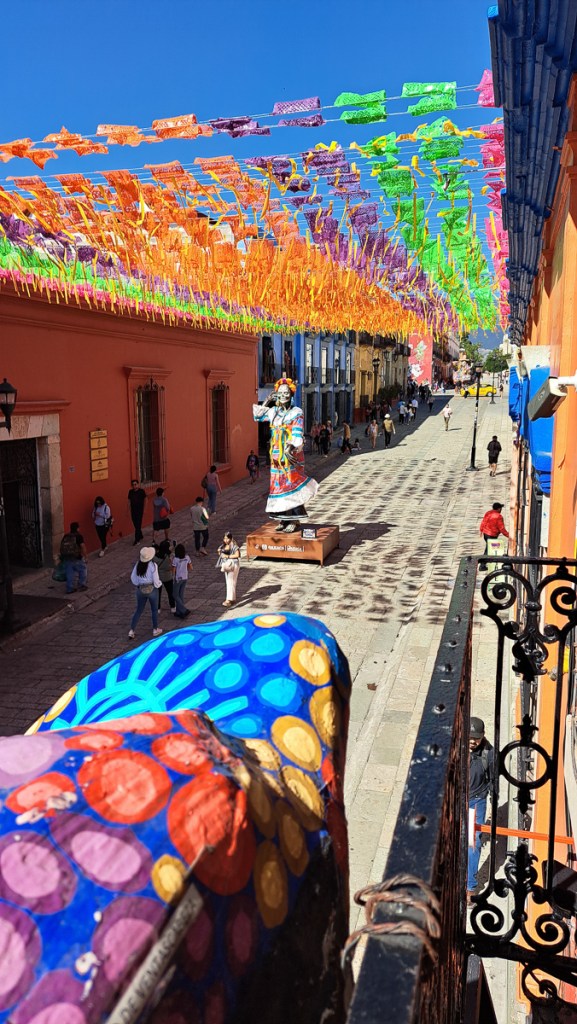
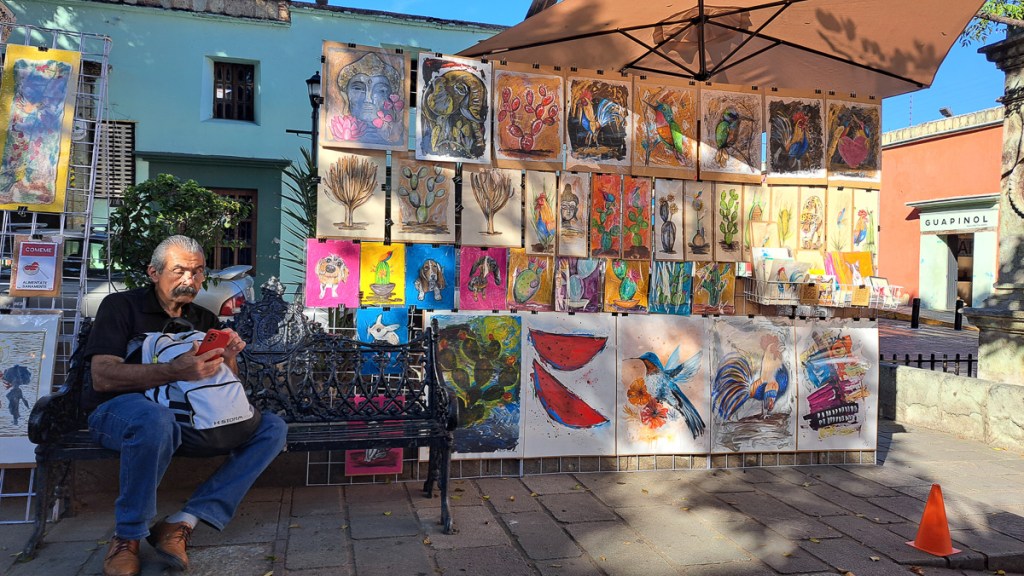
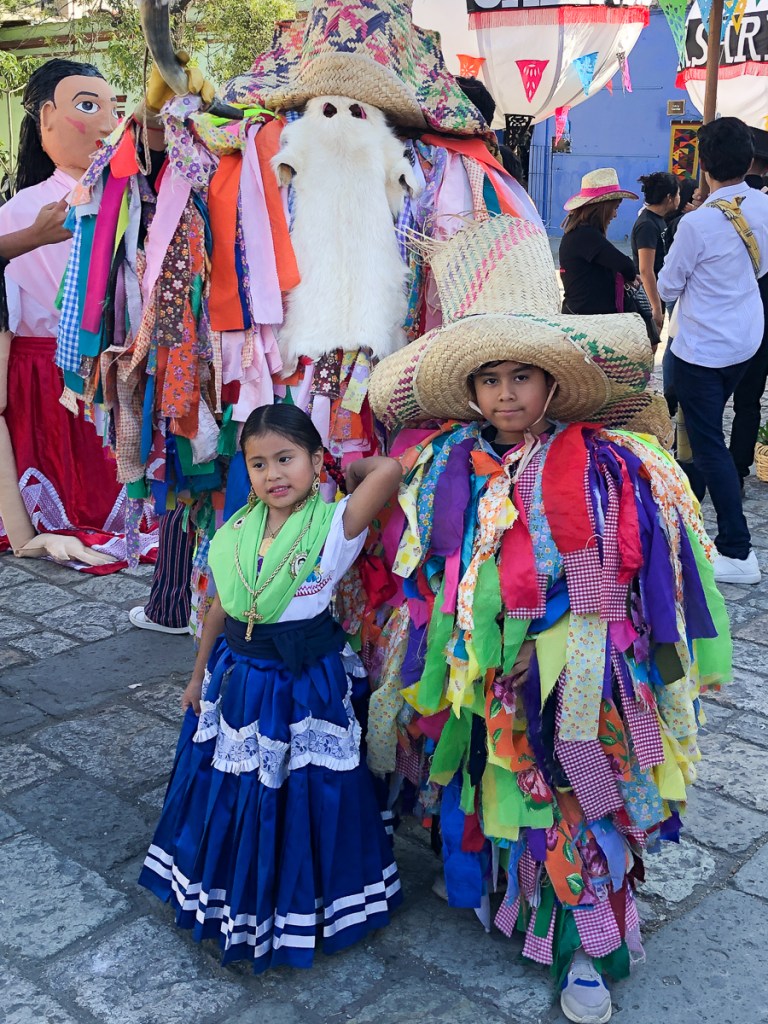
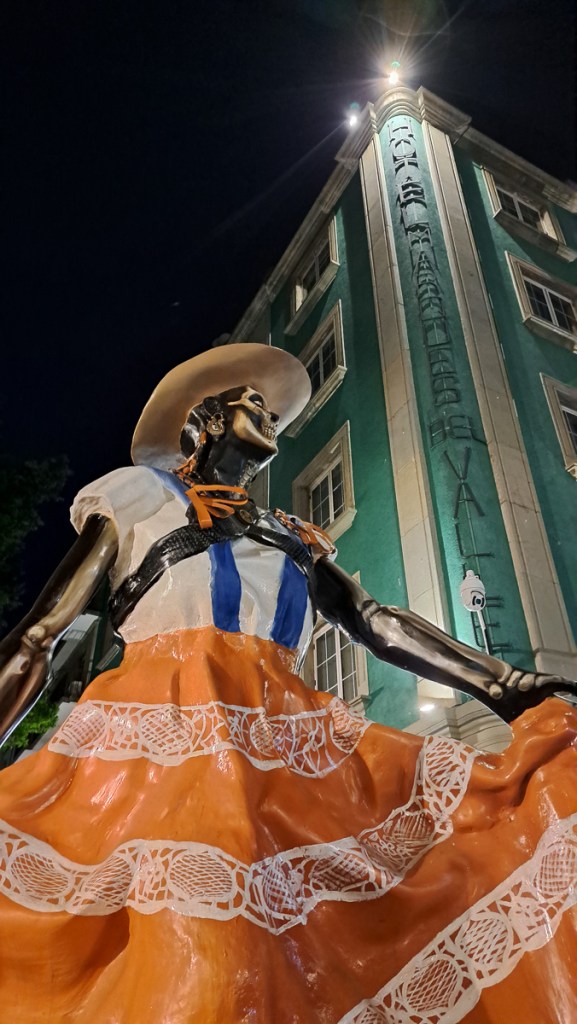
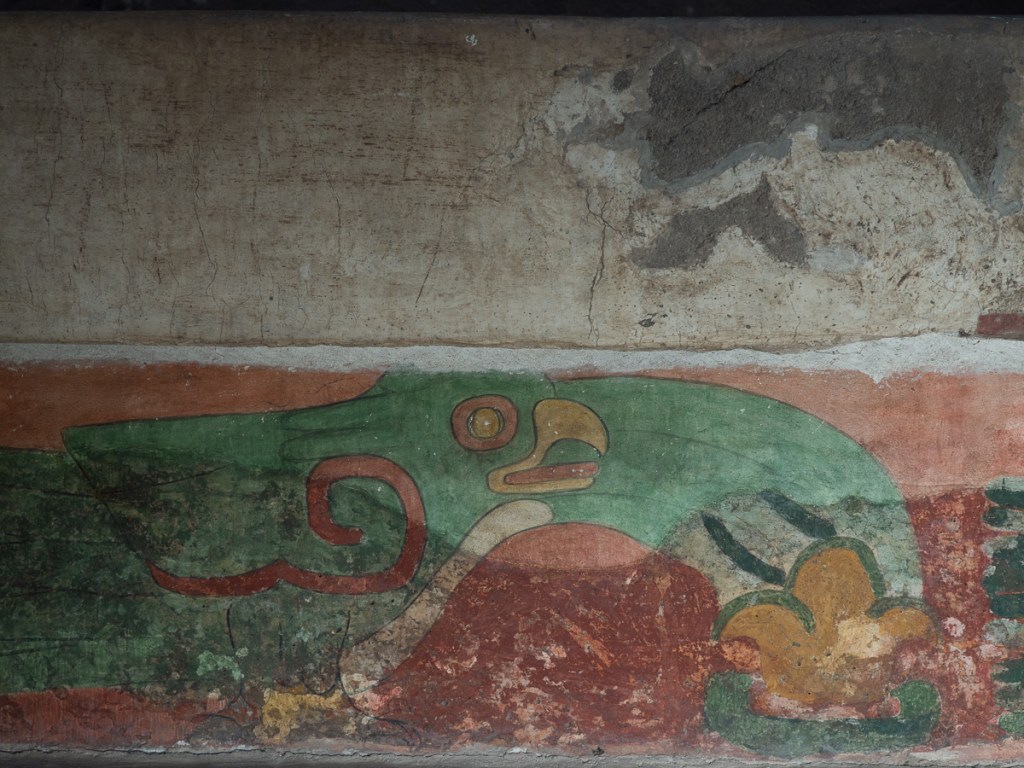
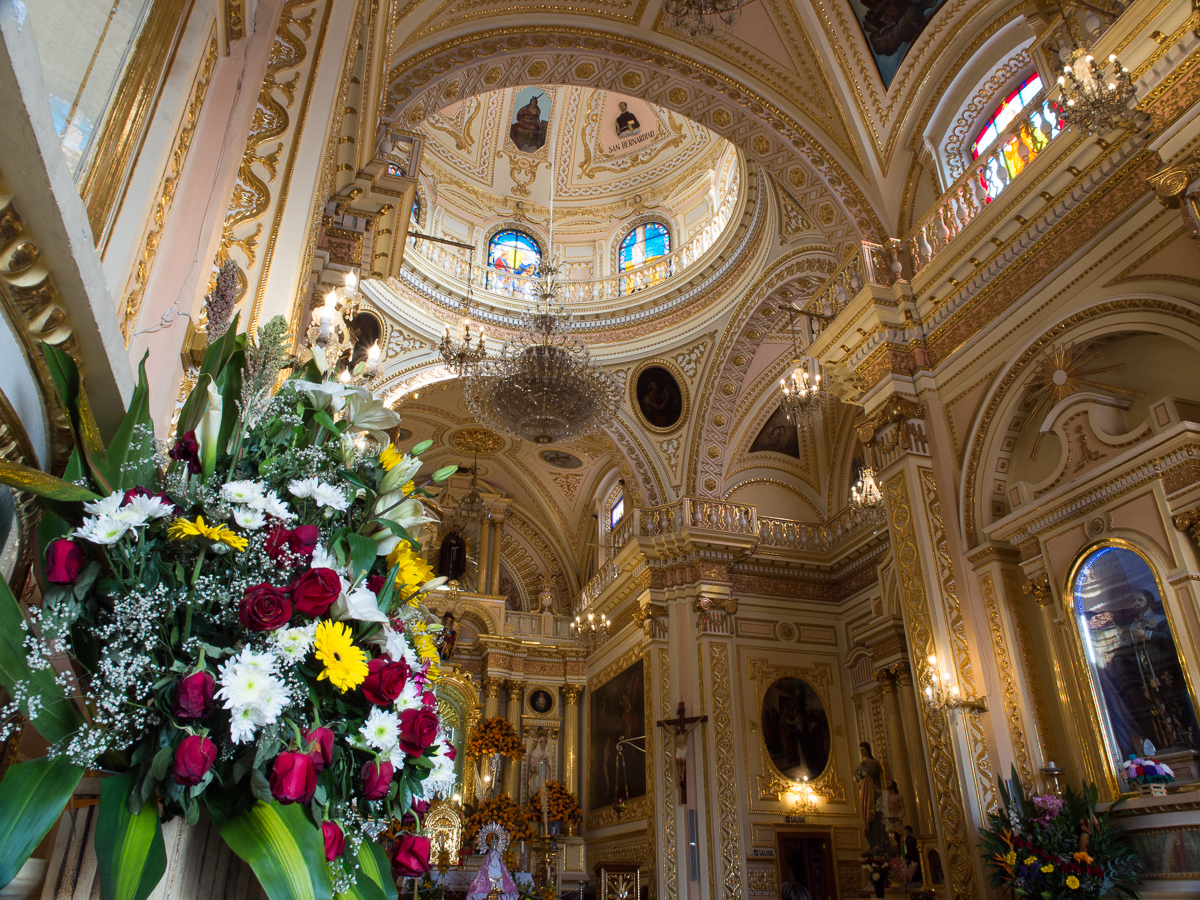
Let’s sign off the Mexico blog posts with a reminder of Mexico’s colours.


And so to Belize…




 2silvercyclistsdotnet