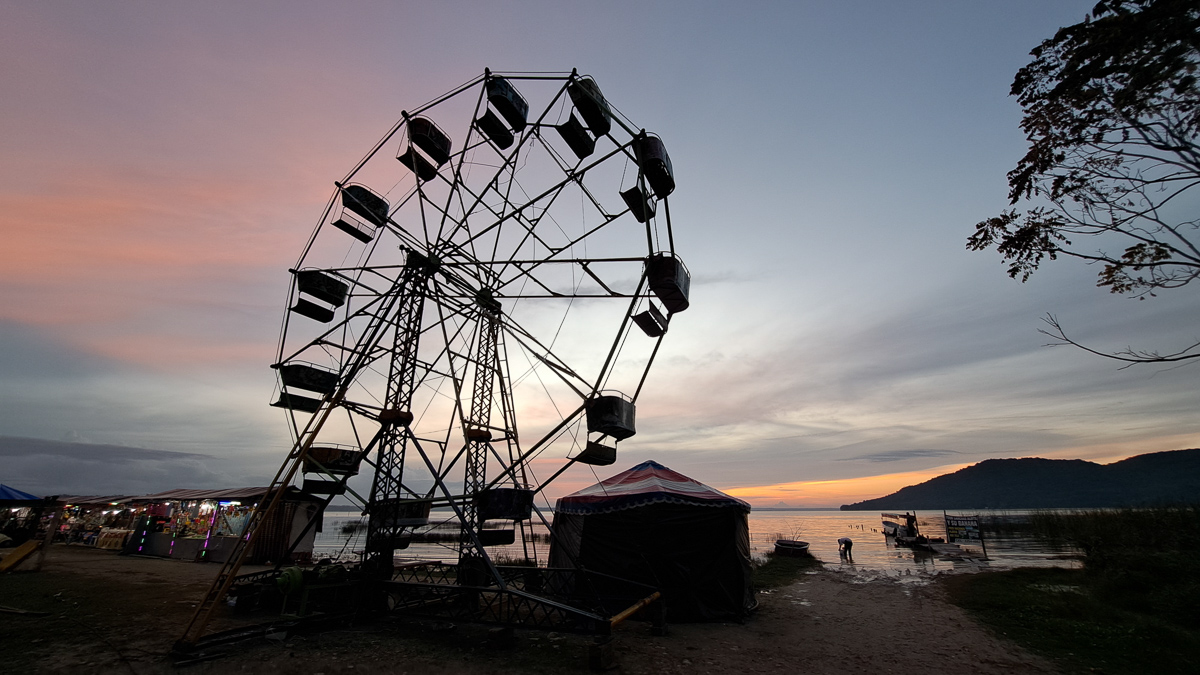
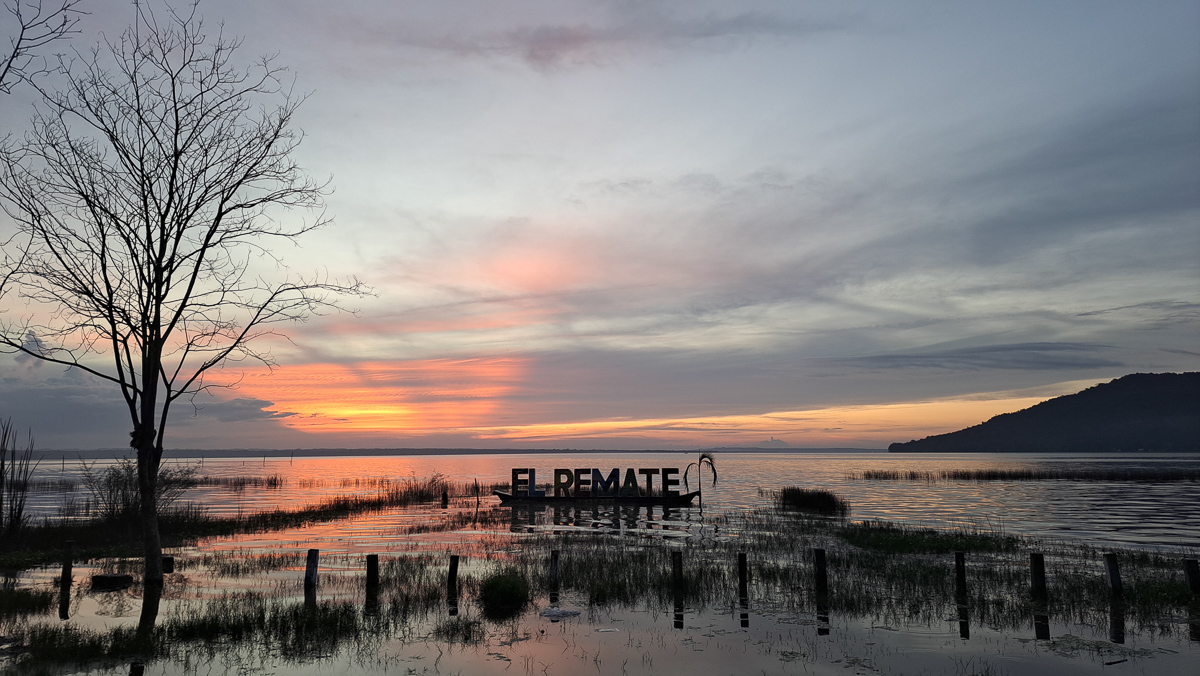
Clare: The first tourist spot heading into Guatemala from Belize is the Mayan site of Tikal. We were both feeling rather pyramid puffed and ruins’ed out but it had to be done. Tikal itself has just a few expensive holiday apartments, way above our budget, so we cruised up and down for accommodation in the nearest village of El Remate. Bingo! A nice little local non-internet hotel. Even a swimming pool it boasted. Pool there was but rather small and murky so neither of us jumped in. As accommodation goes it was fine by our modest standards, friendly staff, bikes parked right by our window, and the gate closed overnight, a roof terrace for a bit of gym. It was new year’s eve, and a fair was in town – Gid took a few sunset pictures, but we both conked out before midnight.

Being on the bus route to Tikal was what really mattered and we duly caught a collectivo the following morning. The driver and conductor were flexible. The sign in the windscreen suggested this route normally finished in a hamlet some way short of Tikal but us and another “wealthy” tourists were too much of a temptation and they diverted for Q50 (£5) each, which initially struck us as extortionate. We weren’t sure if they would take us the whole way to the ruins or just to the ticket office on its outer perimeter. We hoped for the former, but it didn’t matter. ‘It’s only one kilometre down the road to the actual ruins,’ Gid said. The crew started to earn their Q50s as they sorted out our tickets in the queue of “tour” tourists. Thankfully they did deliver us to the ruins as 5 kilometres after the tickets, we still hadn’t reached the site!
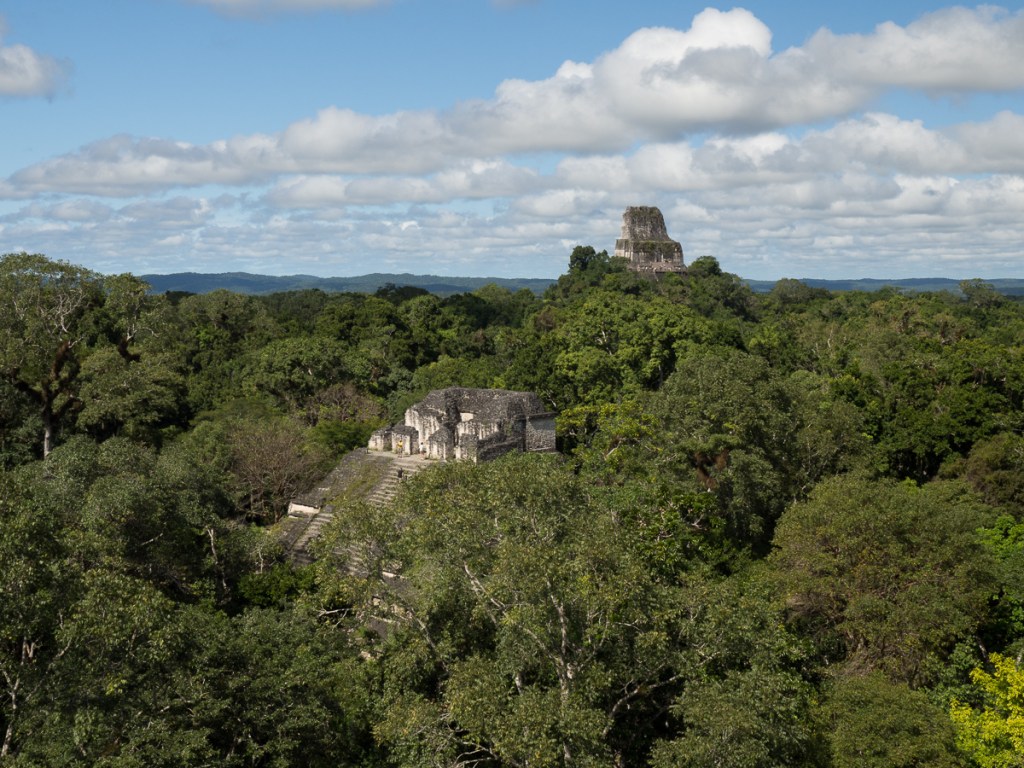
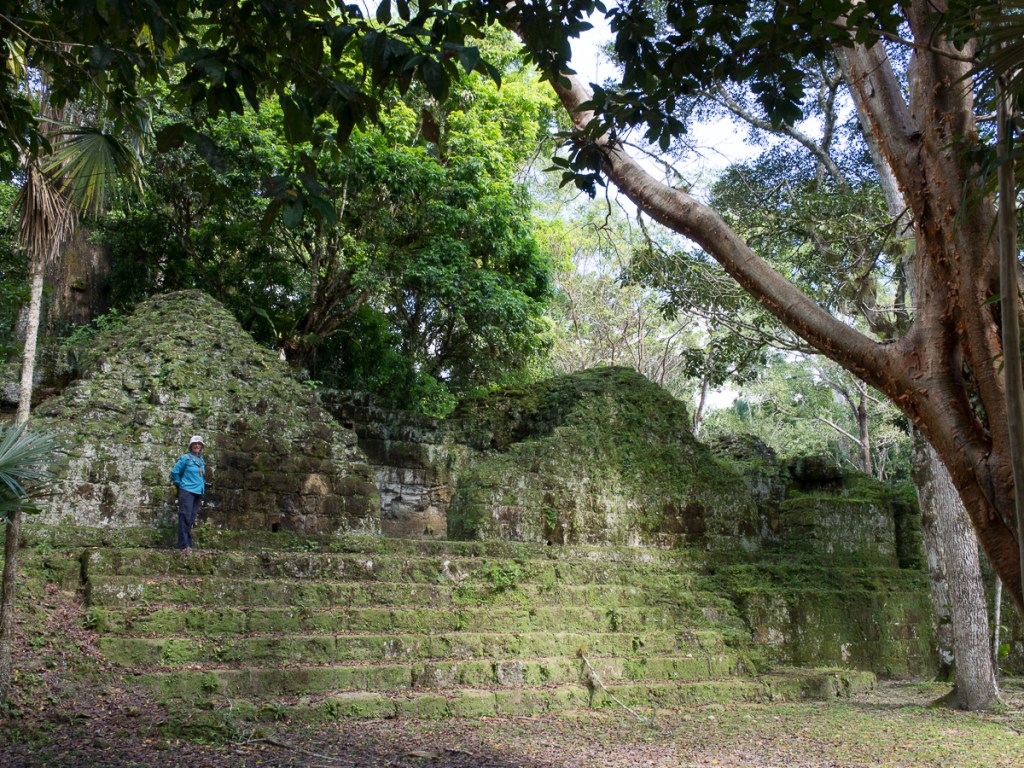
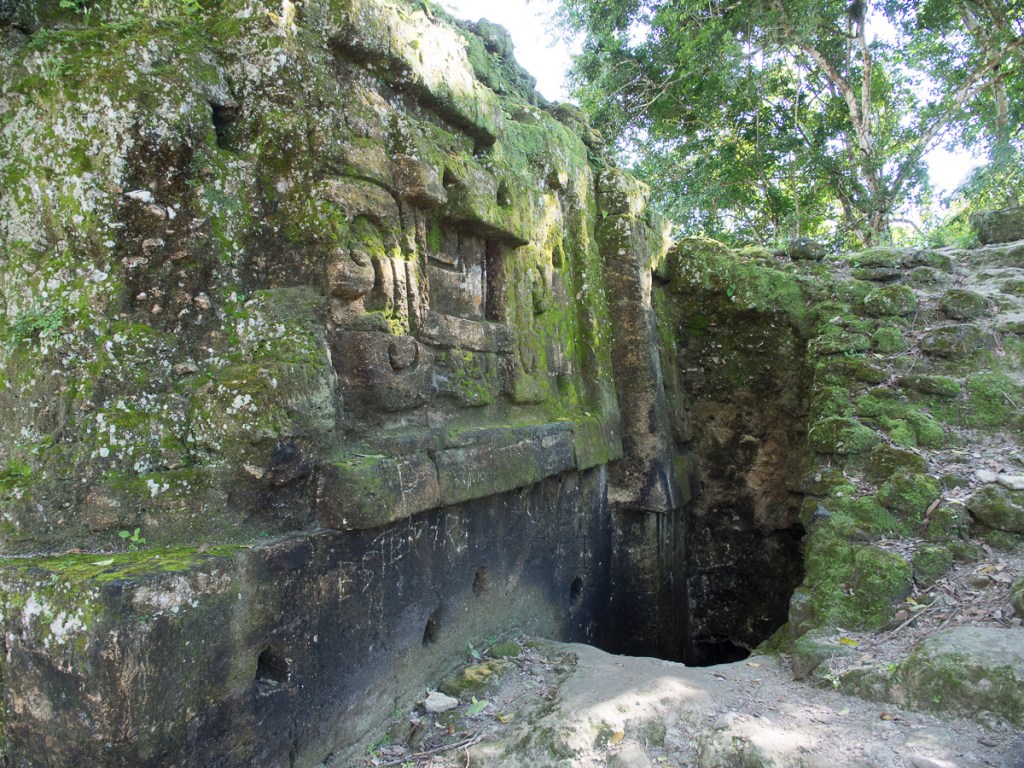
Tikal was unique. The extensive site was spread out amongst the jungle with small tracks joining the buildings (there are still hundreds that haven’t been excavated). We choose from the map which we wanted to visit leaving the central plaza until last. The outer edifices were fairly quiet with a feel of having been recently discovered and left in a more rural state which added to the attraction. Plus, we could clamber all over them. A few which were more delicate – or dangerously steep – had steps up the side with a ledge leading back onto the pyramid near the top which seemed a good compromise. From the top, we had a view over the jungle treetops, with the odd pyramid protruding.
The stepped pyramids are so called because they’re built as layers of successively smaller squares, often with tapering sides. We’ve all seen the great flights of stairs up the front. Except… those stairs are very awkwardly tall and narrow, hard to get up, and ruinous to fall down. It’s all the more curious as the modern Maya, and presumably their ancestors, definitely tend to be short-legged folk, even allowing for them being shortish as well. It would be wonderful to understand why the ancient Maya built them just so.
The central plaza was awesome. It had a large pyramid at each end and a maze of buildings/dwellings on each side. The plaza itself had a line of standing stones to one side from which one could readily envisage edged the market place. We clambered all over, taking time out to observe the howler monkeys in the trees overhead and a coatimundi that was snuffling around looking for scraps amongst the ‘Don’t feed the wildlife’ signs.
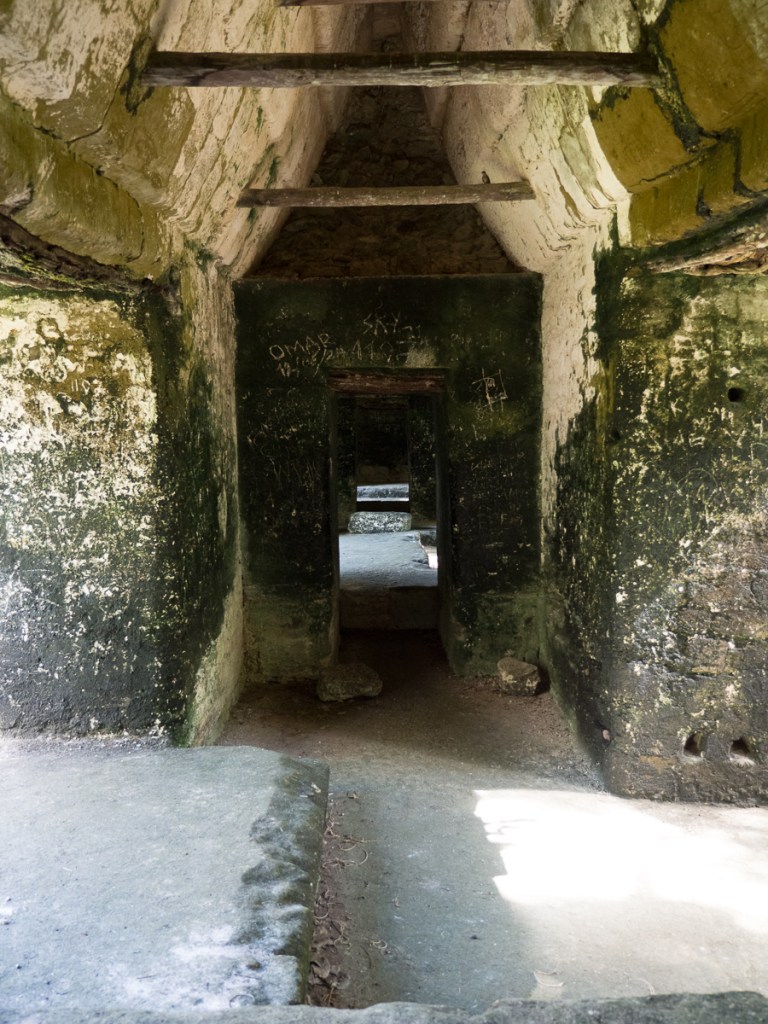
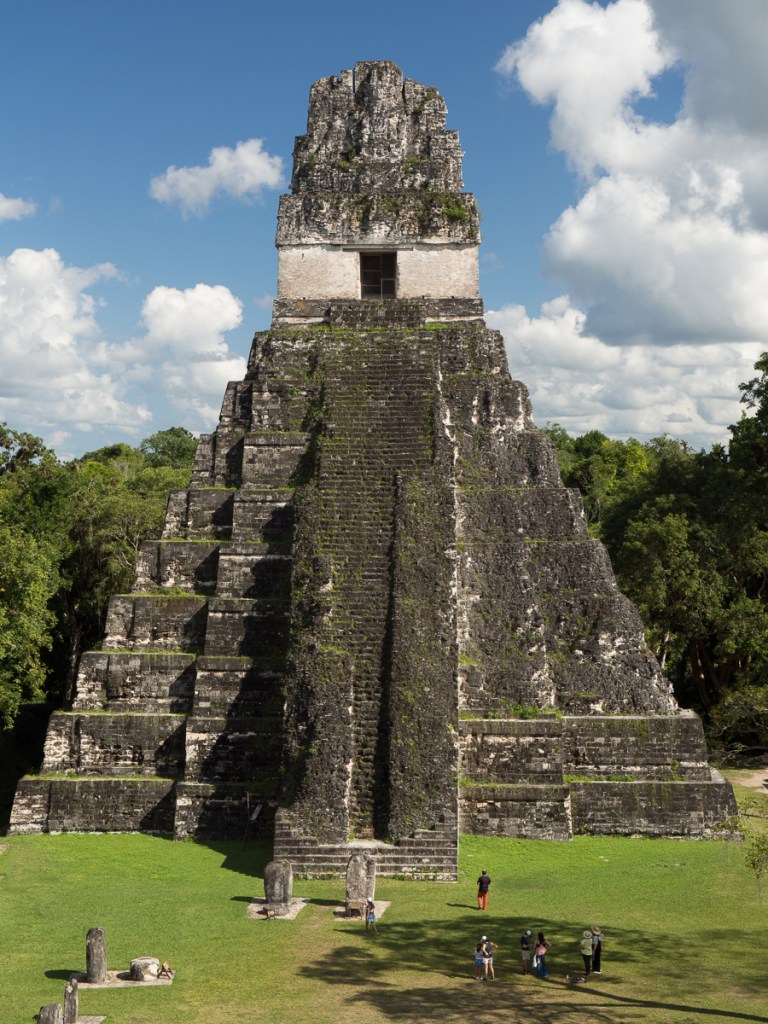
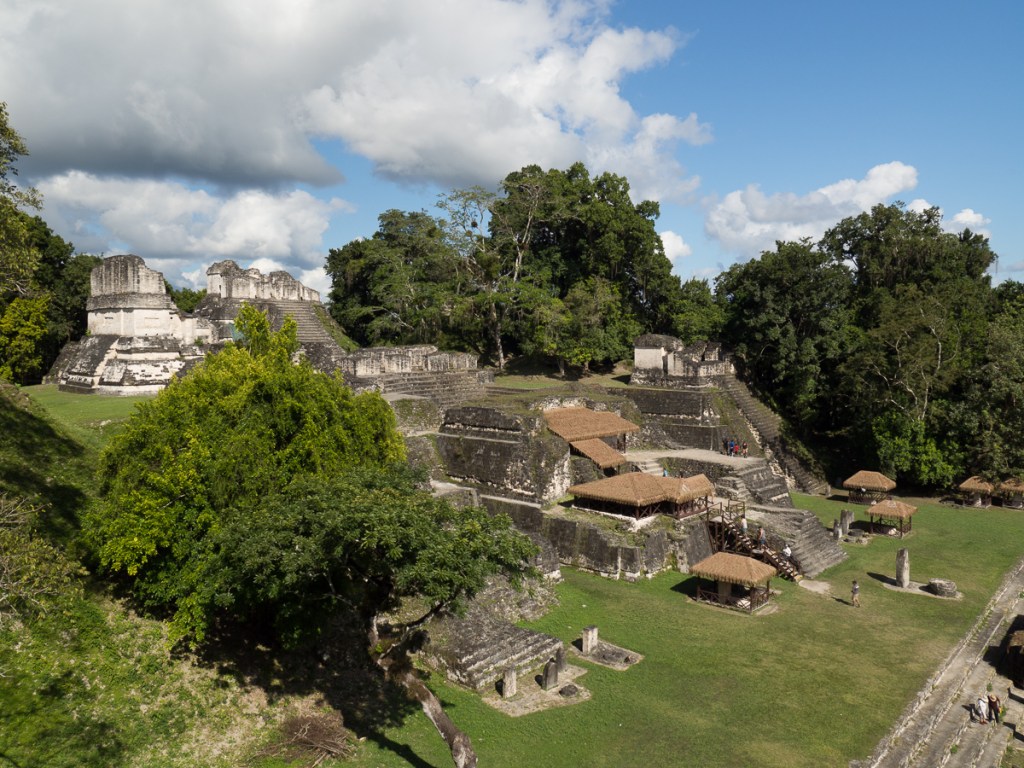
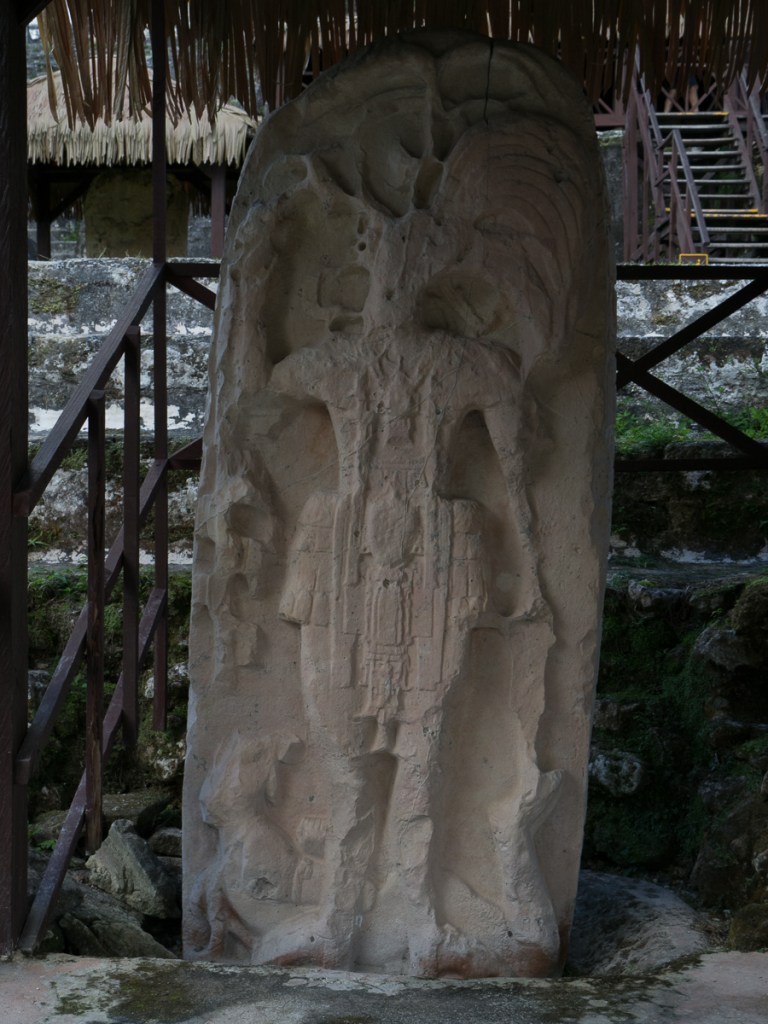
The island of Flores was next on the tourist trail but didn’t appeal to us. It seemed to be an overcrowded little island joined to the mainland by a causeway.
Gid: Clare didn’t even go to see it, but stayed in bed nursing a cold. I ran around the periphery, once – it was a bit like a miniature St Malo made of coloured cottages, sans croissants. The main drag, on the mainland, was much more interesting – full of motorcycle shops & workshops and hardware shops. My souvenirs from Flores included a SIM card and a useful selection of washers. As in El Remate, a “local” hotel found by cruising around was comfy and a lot cheaper and less touristy than the online offers.
Semuc Champrey was another of the Lonely Planets recommendations and one we plotted into our itinerary. That failed due to us grossly underestimating the time it took us to travel on the northern Guatemalan roads. We finally gave up on swimming in the picturesque limestone pools when we were still 50km away riding in rain with soon to be fading late afternoon light. Enroute our tarmacked surface finished abruptly. Faced with a steep stony but wide track sweeping sharply up a hillside round a corner to err, where? That was the problem. What was round the corner? How far did this gravel with fist /palm/head sized rocks continue for? Ominously, there wasn’t any traffic whatsoever on this stretch whereas we had been accompanied through all the small villages along the way. With a blackening sky overhead we turned back scurrying downhill (video here) into the first hotel we found and just about got inside before the heavens opened. Anyway, it wasn’t going to be much fun in tomorrow’s drizzle scrambling around the rock pools in our swimmers. As it happened it was a stroke of luck, as it really did take us three, not two, days to Quetzaltenango (Xela), and we had not only accommodation booked, but Spanish lessons too!
While idling in Flores (Clare had a grotty cold), we’d realised that we’d dropped into a rather tiring pattern of riding for a day or three, arriving at some tourist site and “doing” it, then moving on. Although it broke up the riding, it was pretty remorseless. Whereas when we cycled 2016-2018, we’d ride for several days, with odd rest days, then stop for a few days in an interesting place. That gave a time for a real break. When cycling, the physical break was more appreciated, as churning out the miles, if not too gruelling, is mentally relaxing, but the legs, shoulders, bum suffer. Whereas on the motos, usually the riding isn’t physically demanding (no iron-butt rides for us), but the constant enhanced alertness is very taxing. We decided to change. Lonely Planet suggested Xela was a great place to sign up for Spanish lessons with an immersive homestay. At the last minute, over the weekend, we booked with El Quetzal Escuela de Español!
Arriving in Xela mid afternoon, we found our way to El Quetzal. Proprietor Glenda and husband, Daniel, bade us welcome, refined the week’s plan, and posted us to our homestay for the week, where Fabiola and Jenny made us very welcome.
The arrangement was, we had a week of one-to-one Spanish lessons from 2pm to 6pm, and four mornings of outings in Spanish. Spanish was the language with Jenny and Fabiola (actually Jenny’s English was pretty good, but she was very tolerant of our garbled espanol). Claudia was assigned to wear out Clare, and Fernando was to exhaust me. So much for our mental rest!
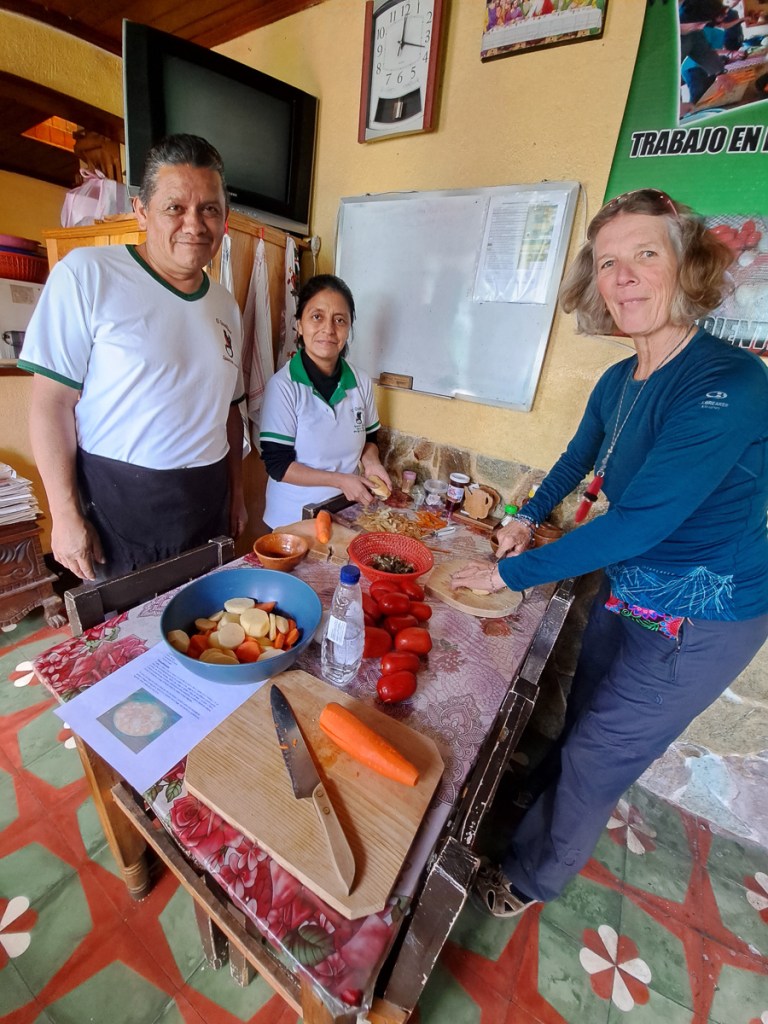
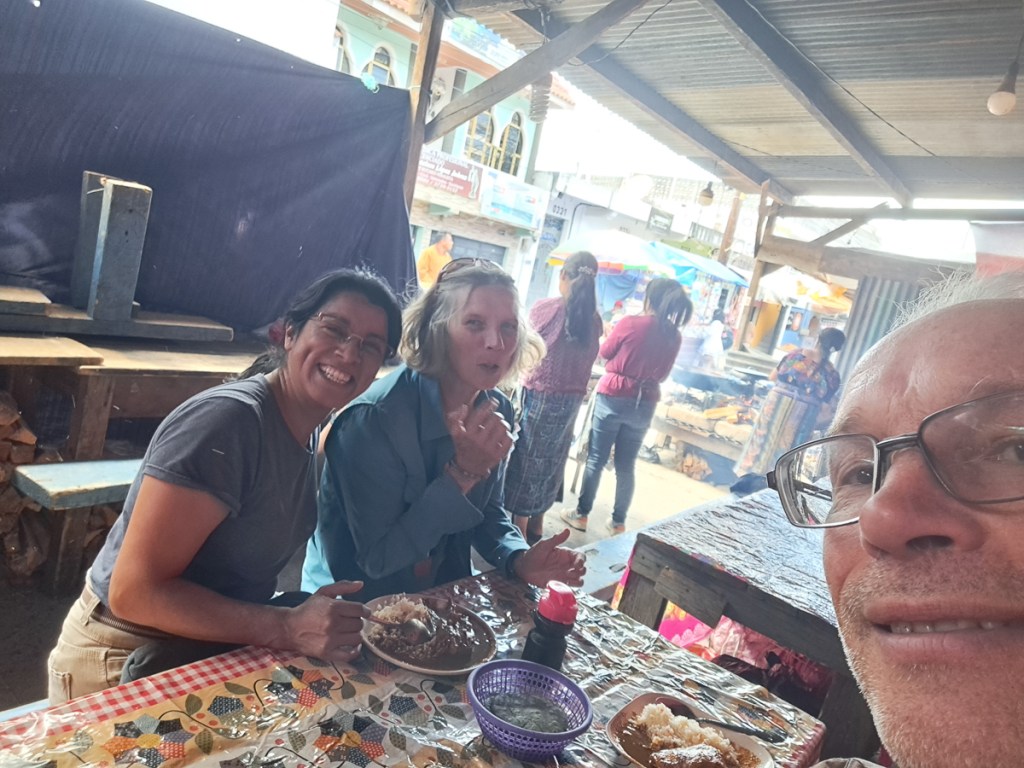
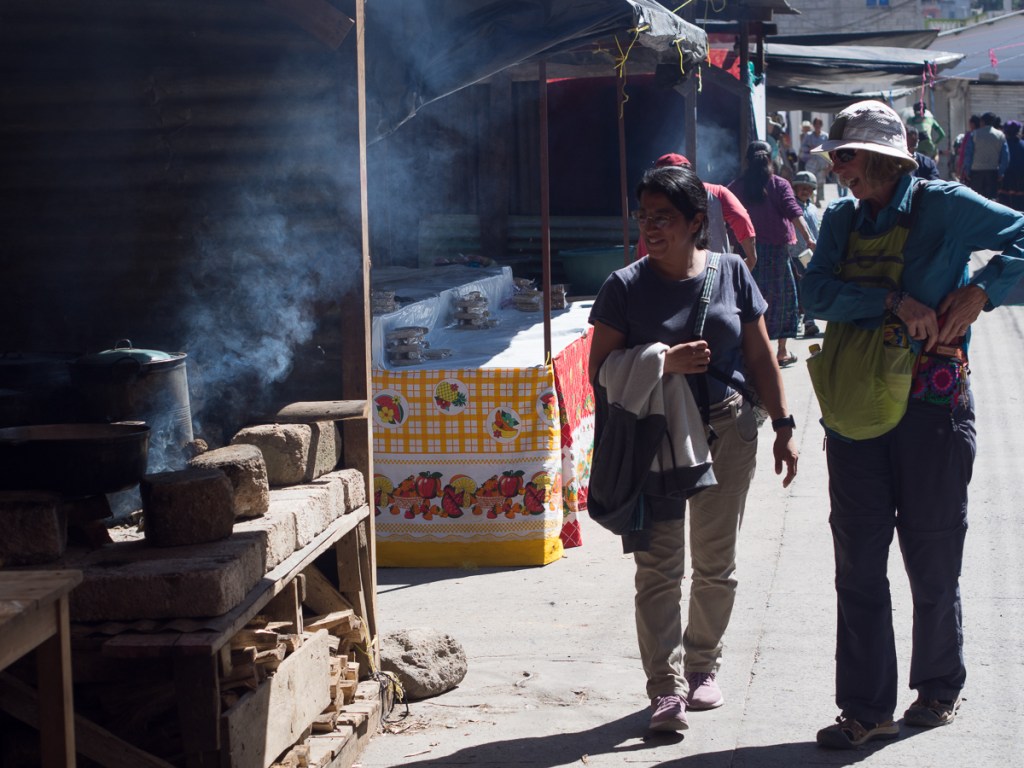
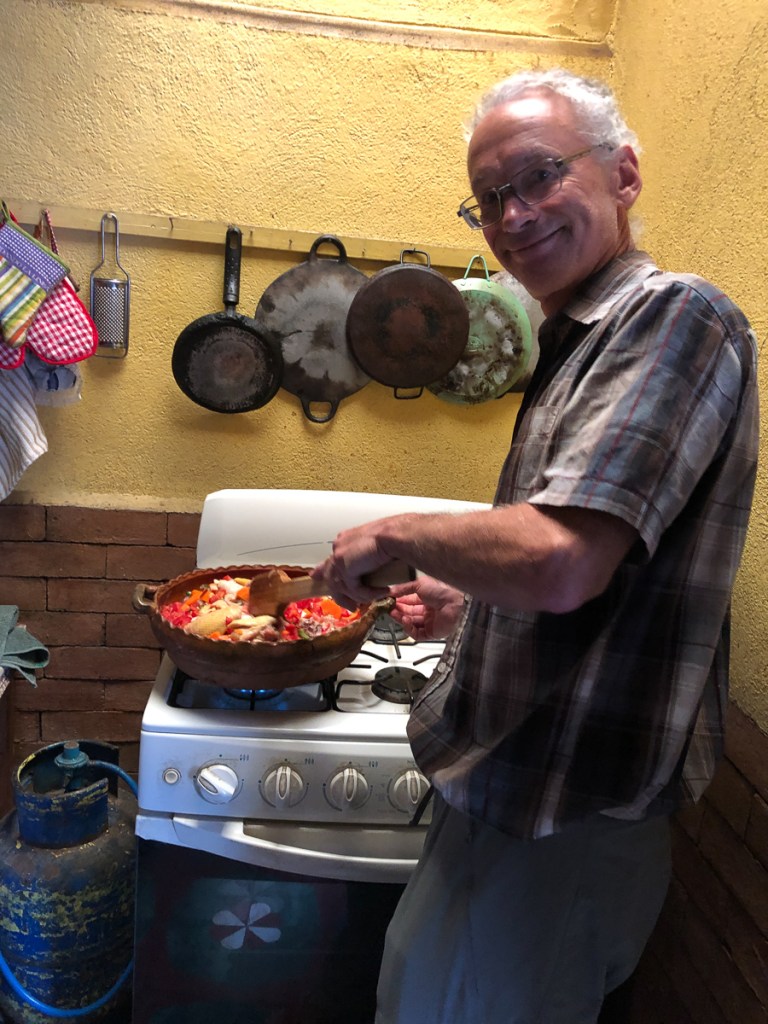
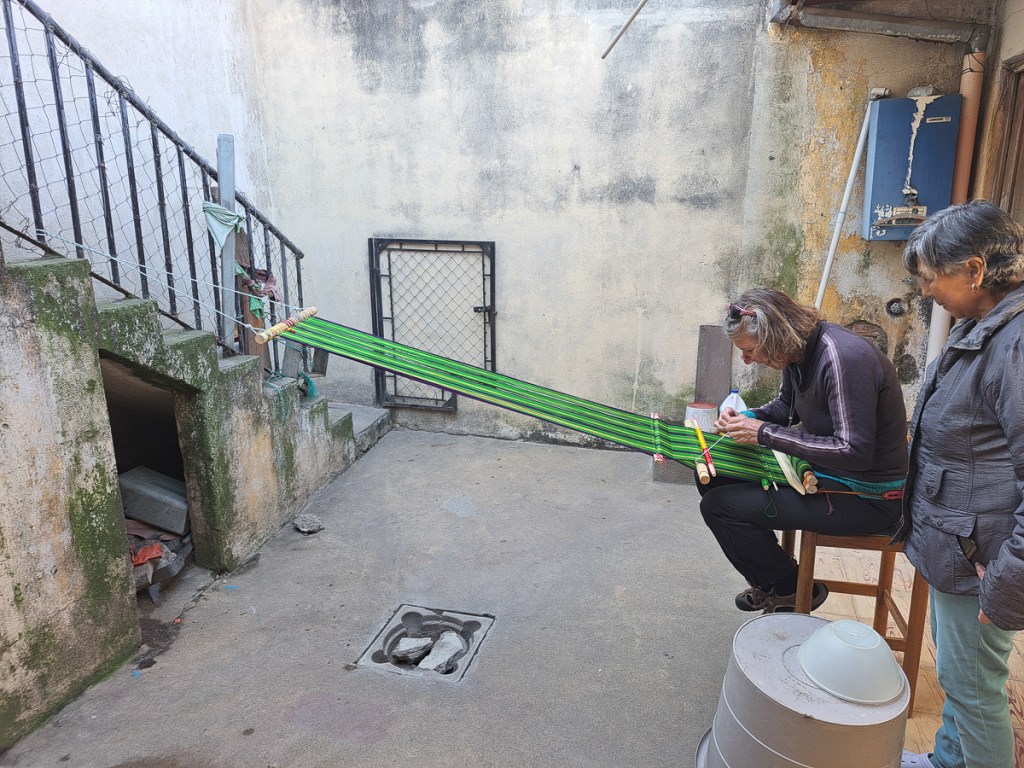
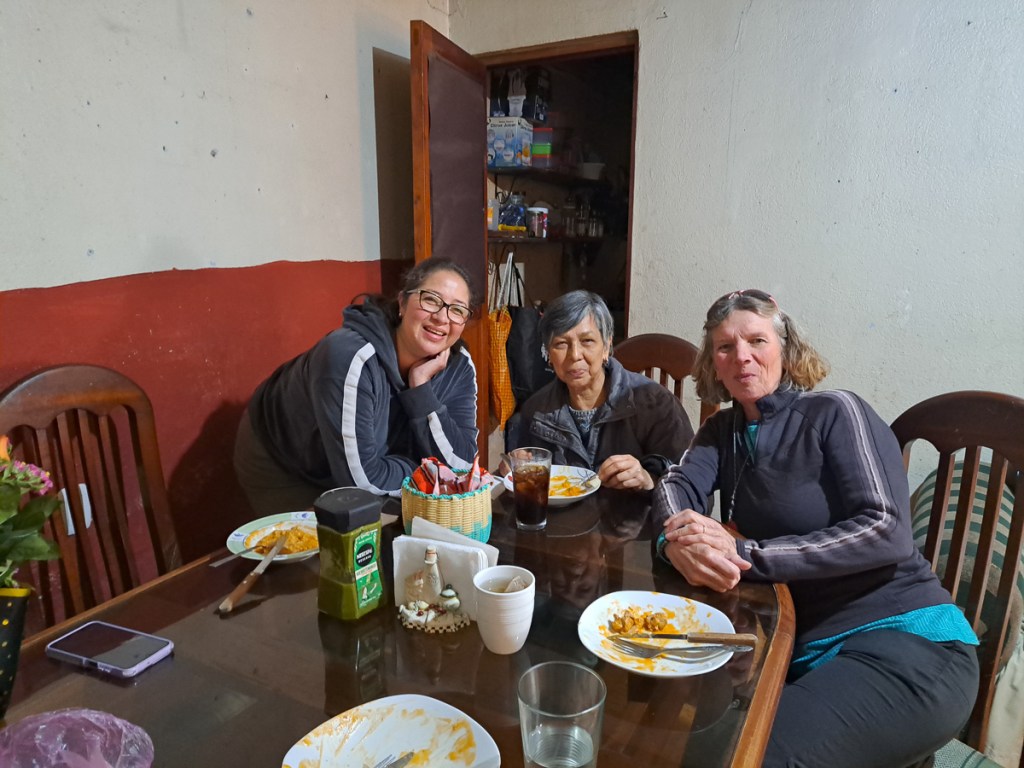
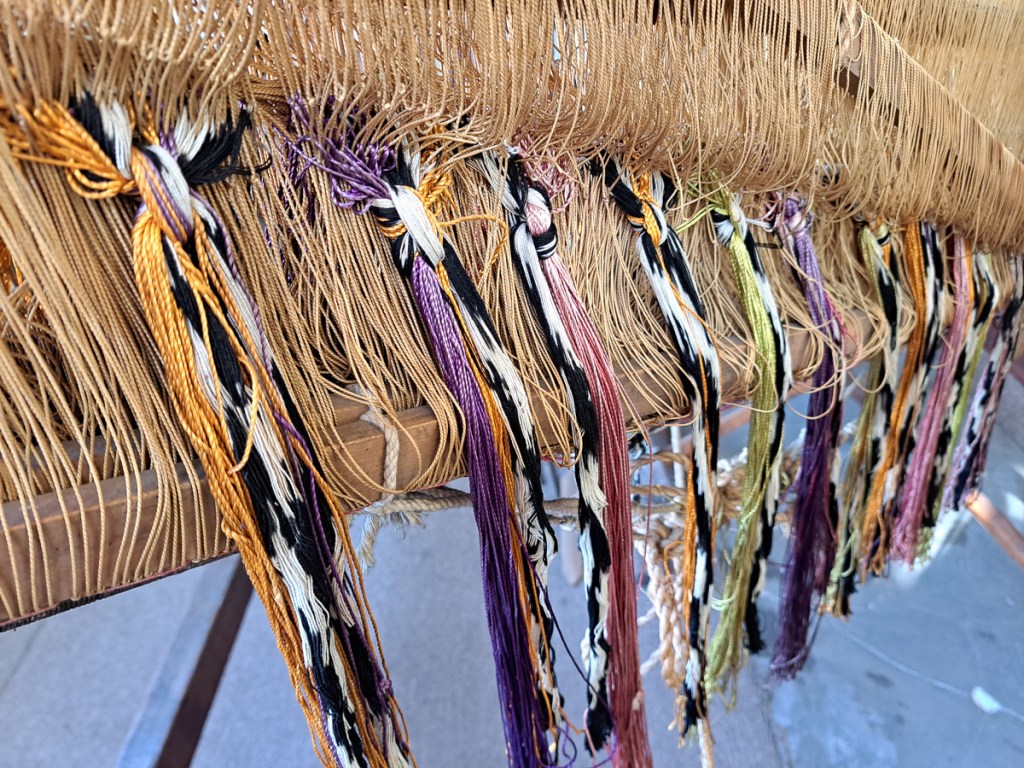
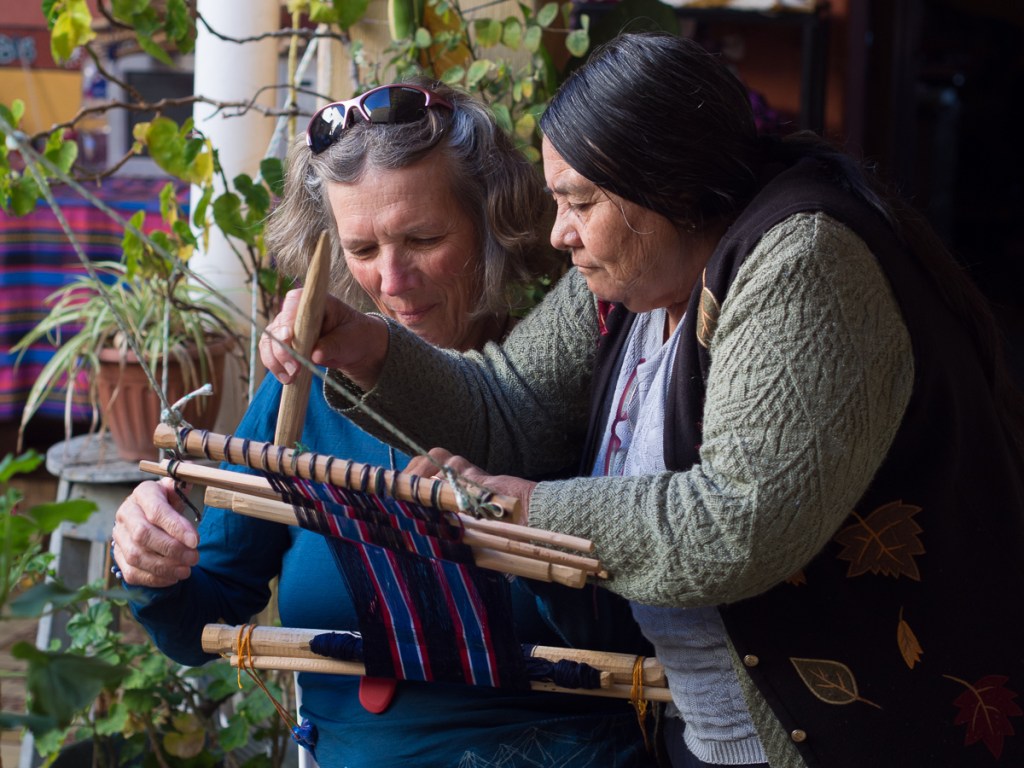
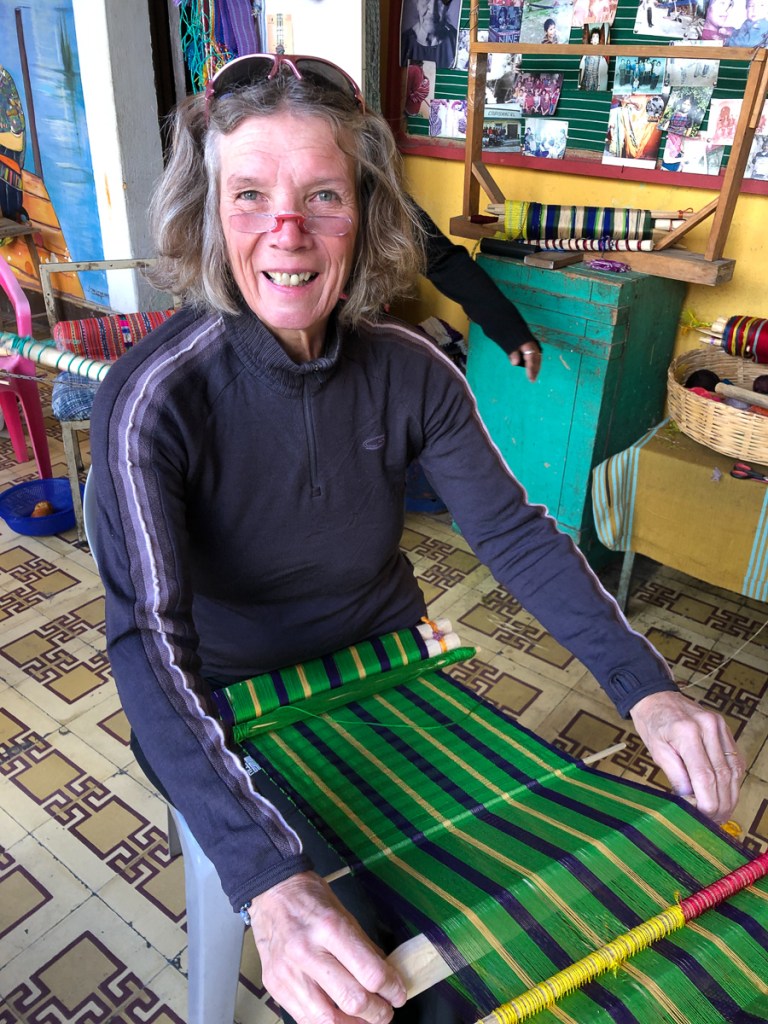
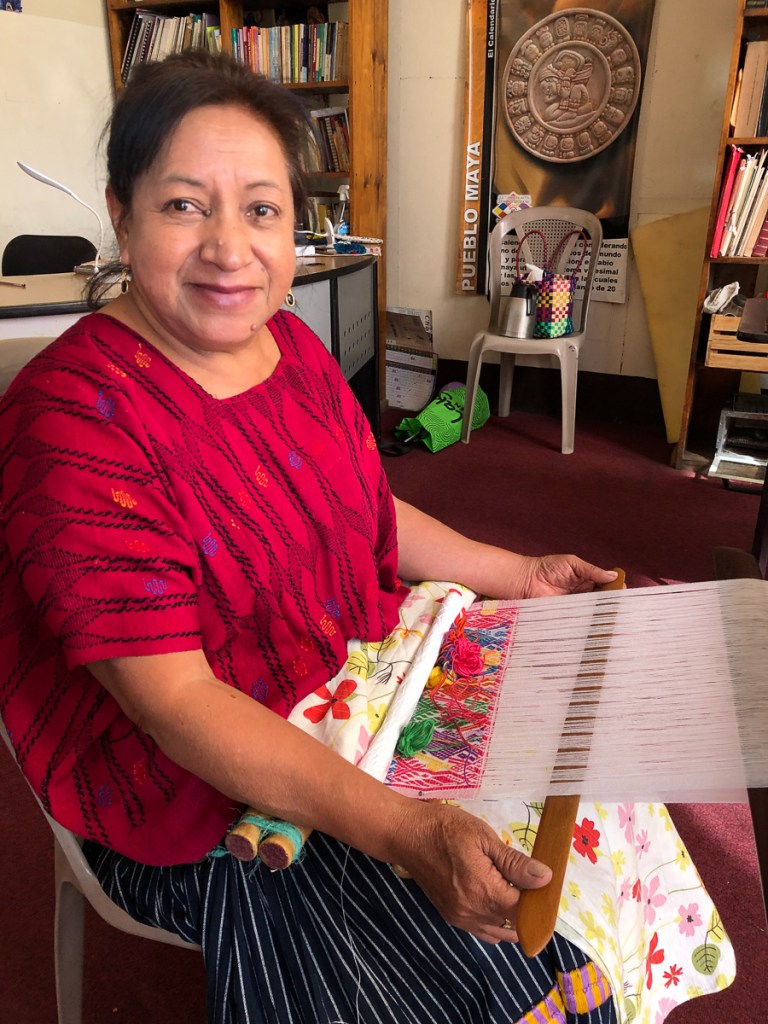
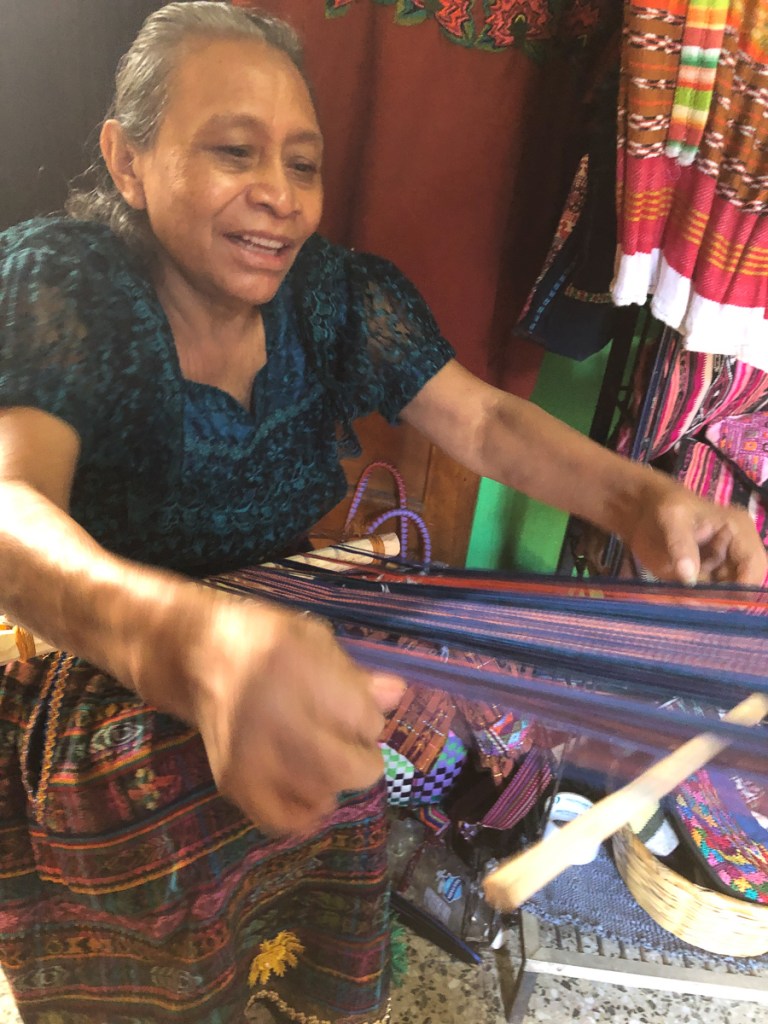
Another attraction of Xela was the presence of schools of traditional backstrap weaving. A taster session as a part of our language course was all it took – Clare was going back for more. Another week in Xela. I continued with 4 hour Spanish lessons, Clare cut down to two, and spent long mornings and late afternoons in the weaving school. By the time we left Xela, we were loaded down with:
- Two tablemats from the taster session (one each).
- One table runner
- Scarf #1
- Scarf #2 on its portable loom of sticks and string.
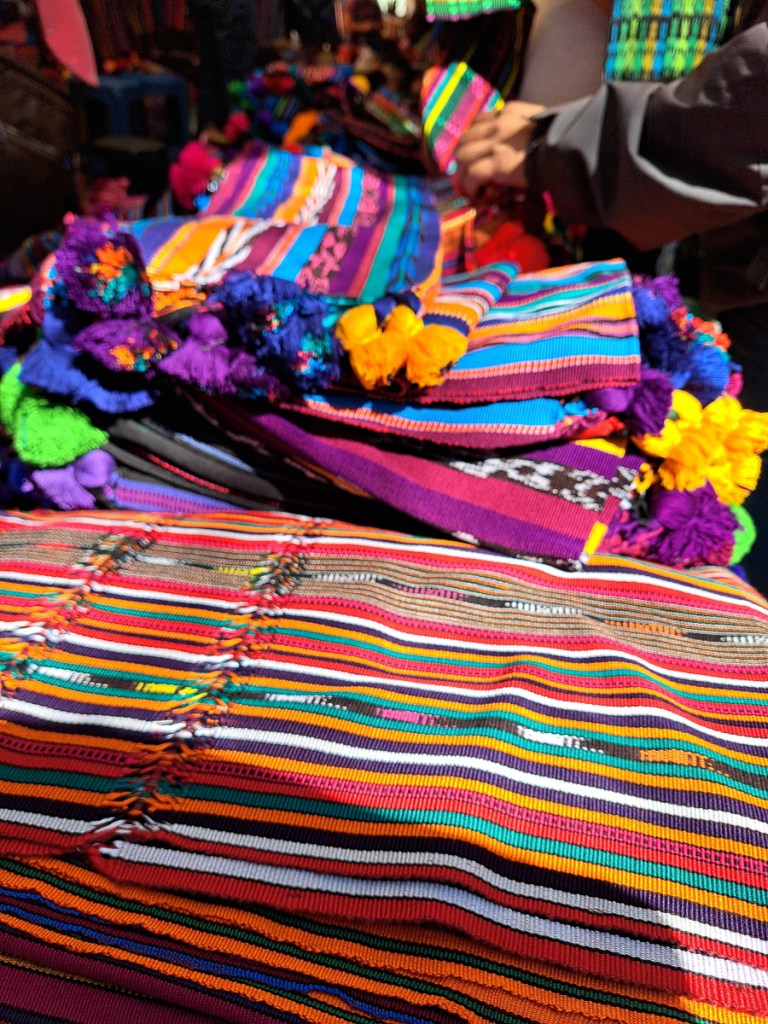
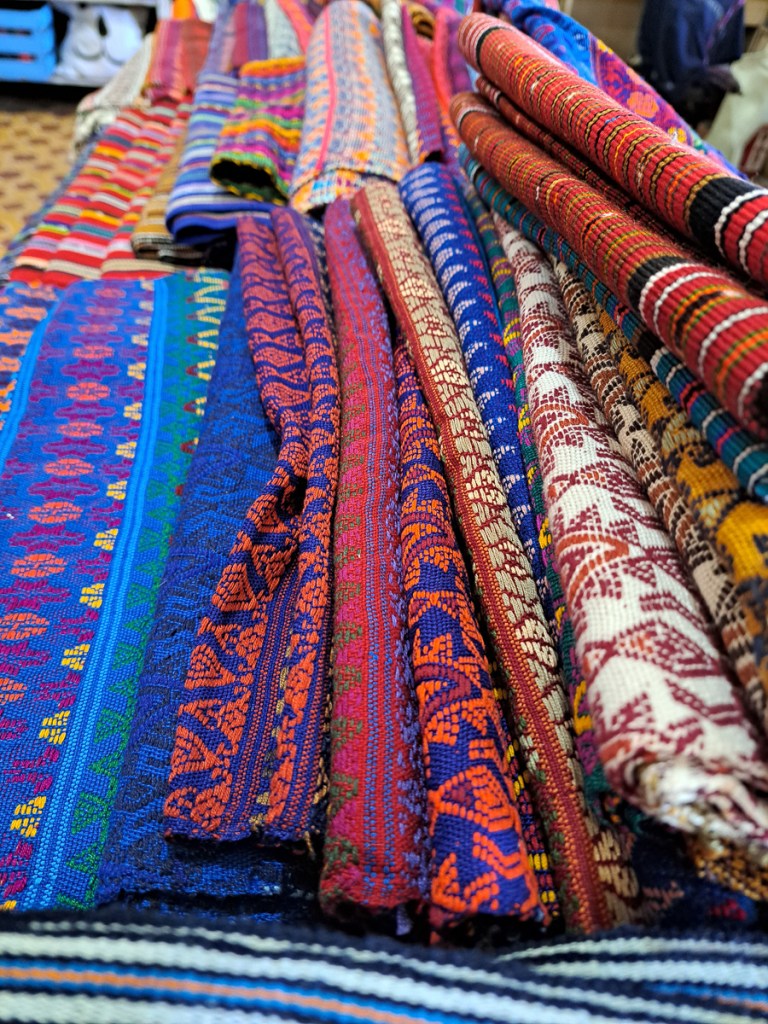
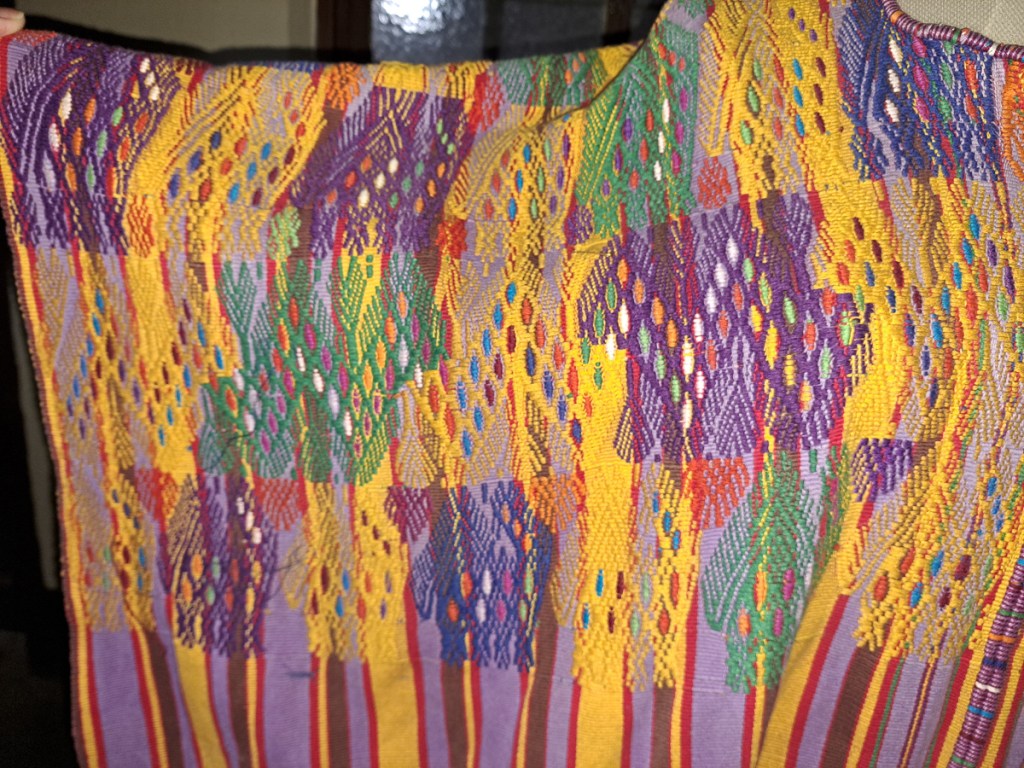
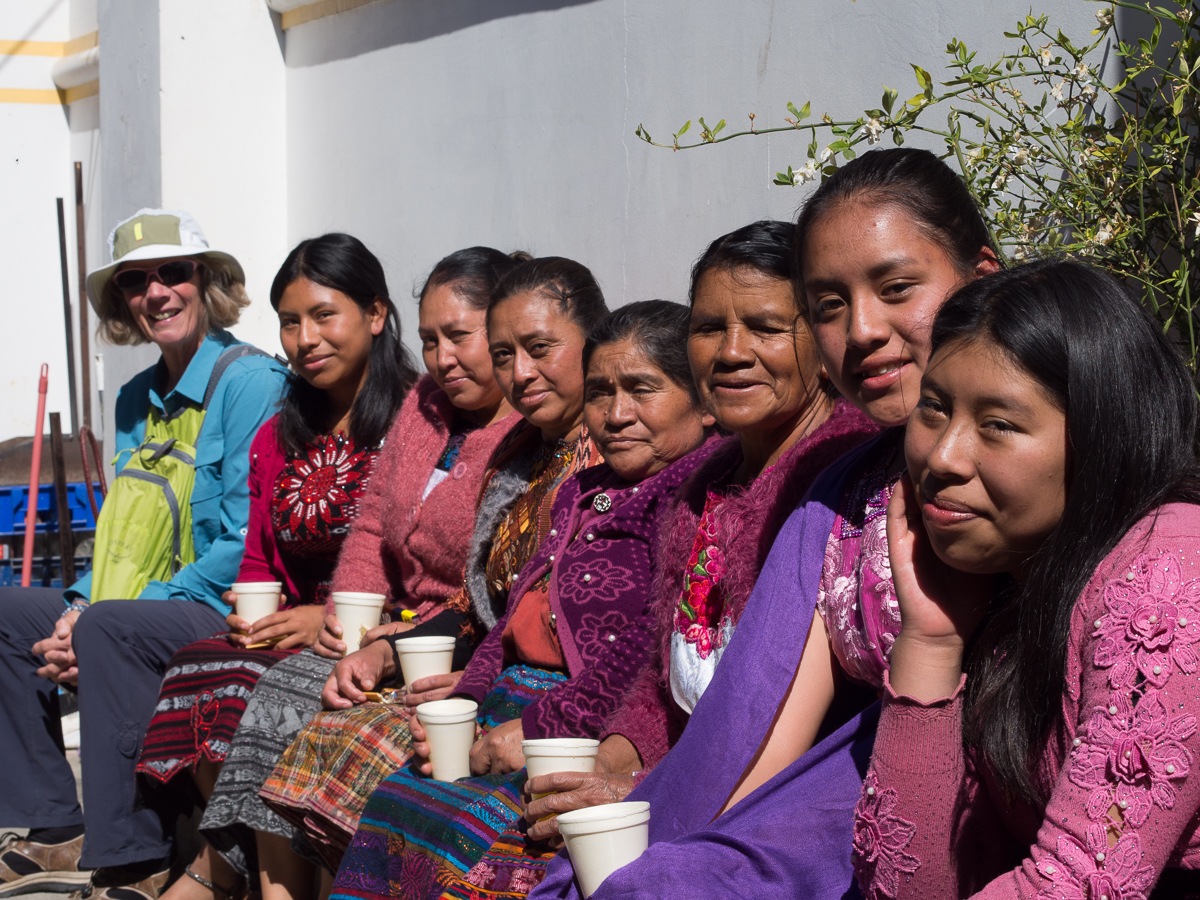
One thing that has been remarkable in Guatemala is the amount of traditional fabric actually worn by the ladies. According to Clare’s spanish teacher Claudia, it’s not cheap, and it’s blooming heavy – multiple layers of heavily woven cotton. But a large proportion of ladies – rural and urban – especially those maybe 35-plus – wear the skirts and blouses every day. It was very notable that as soon as we crossed into El Salvador, this traditional dress vanished.


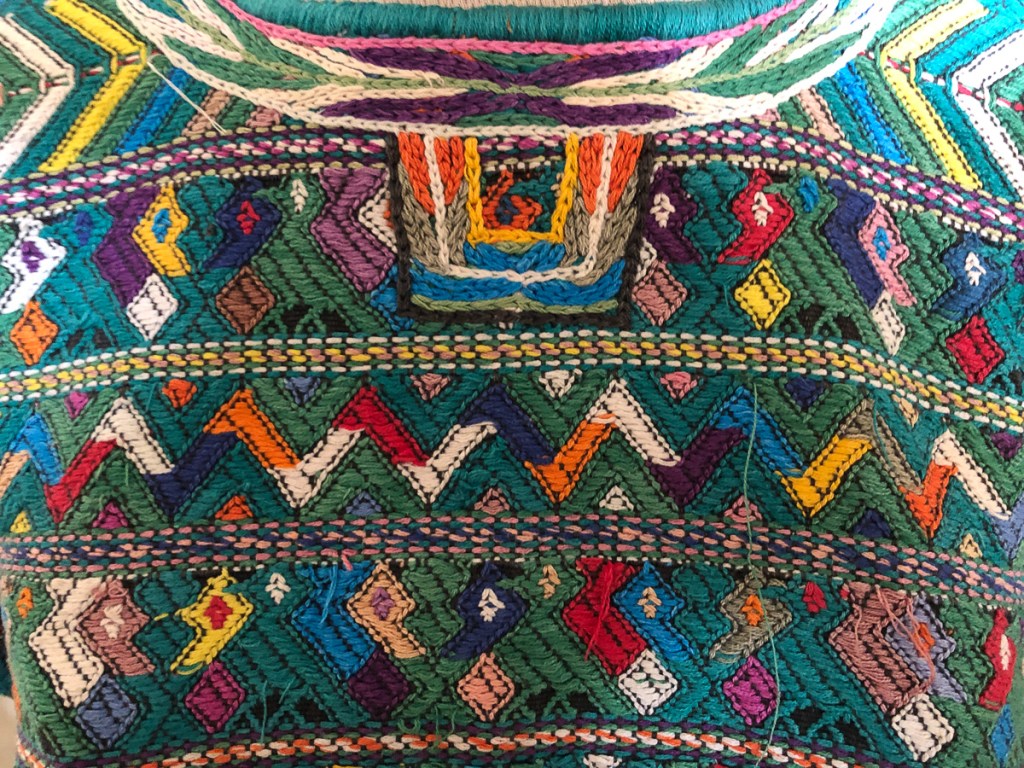

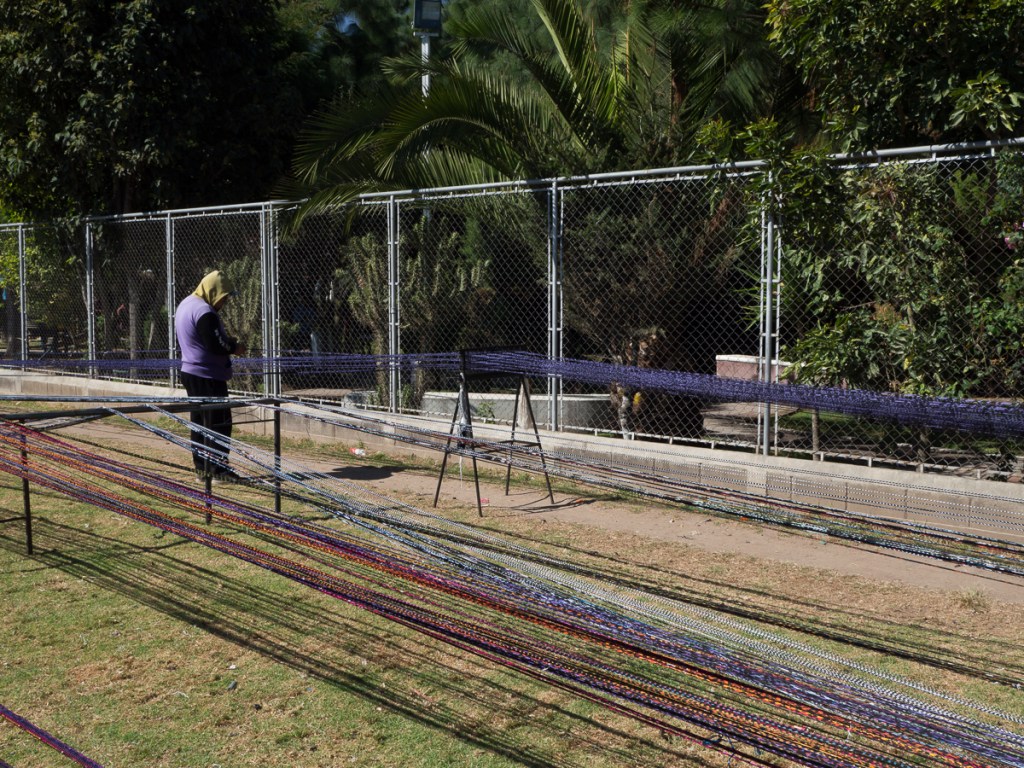
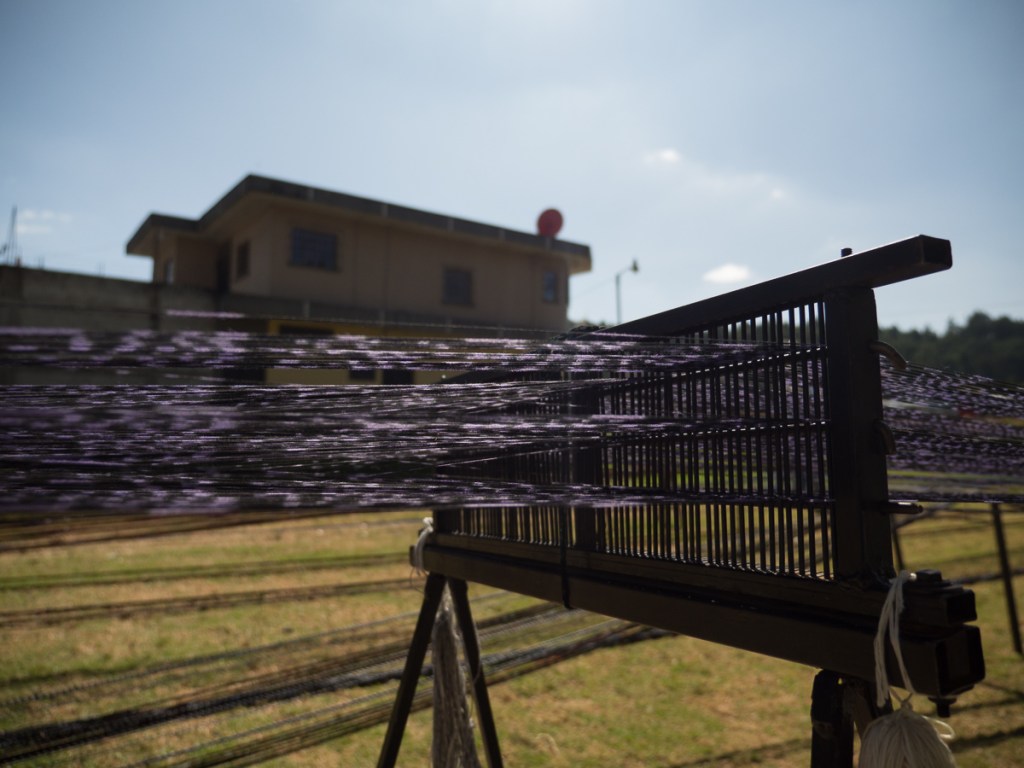
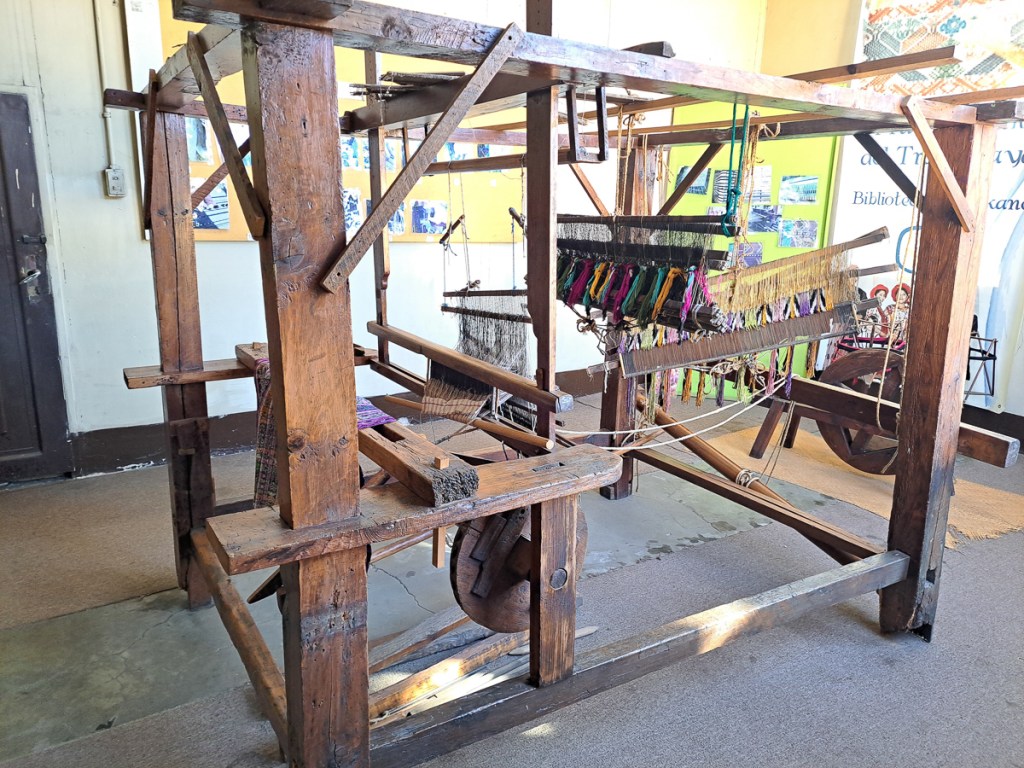



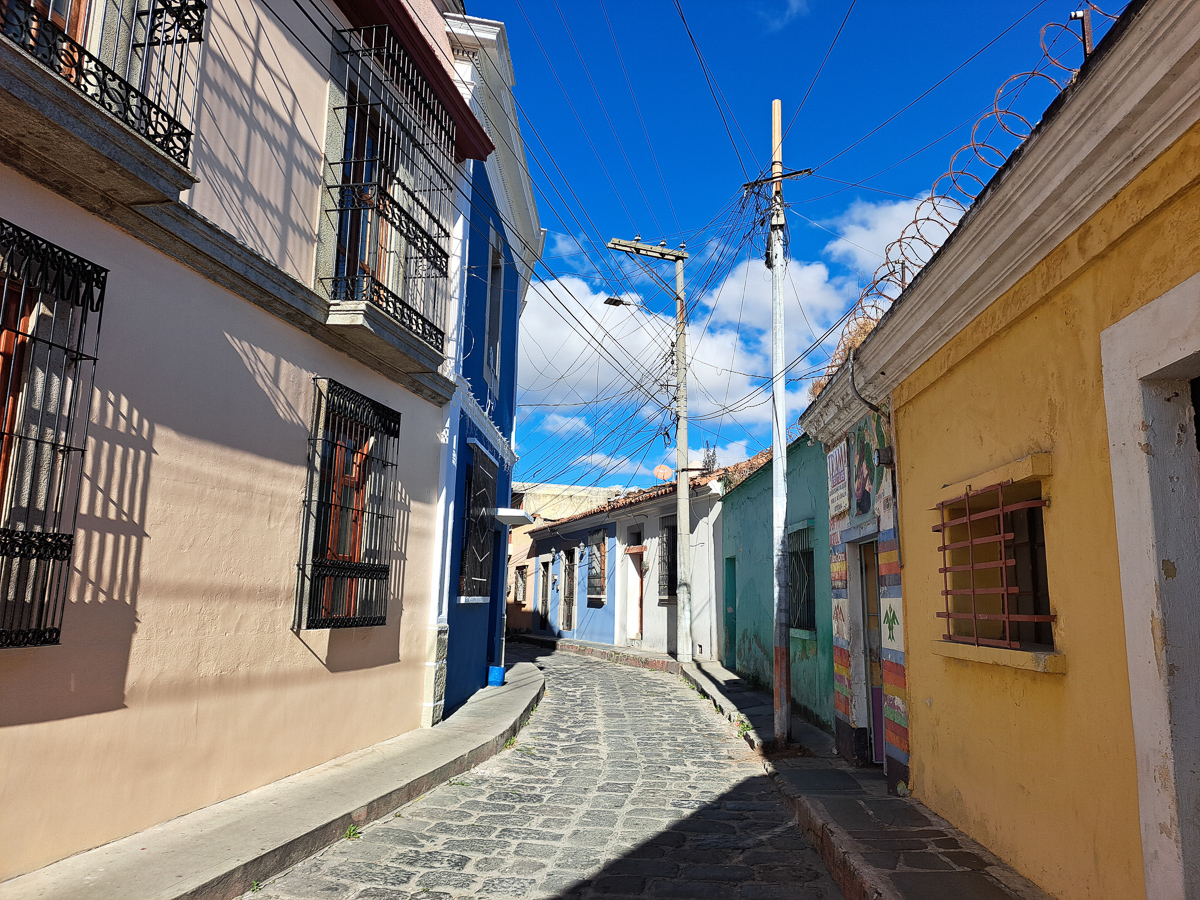
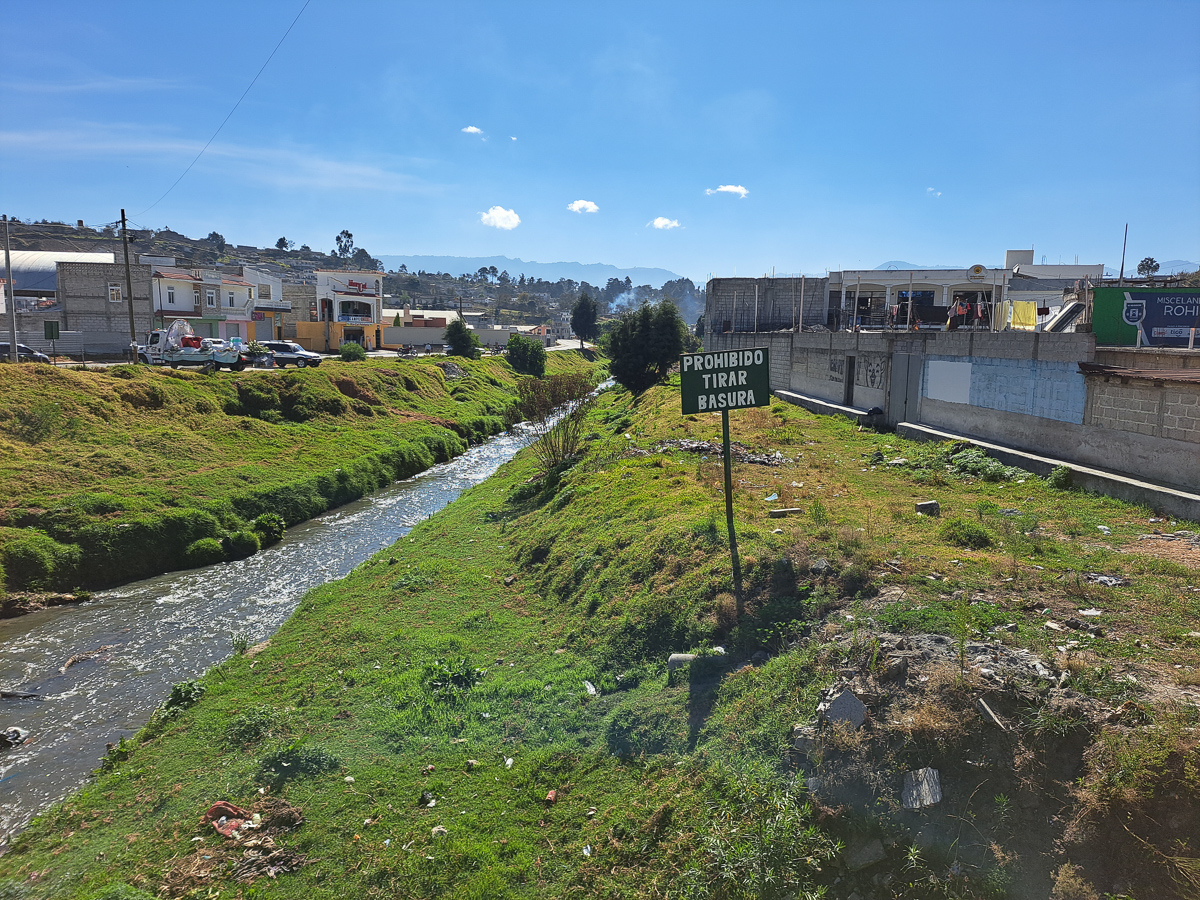
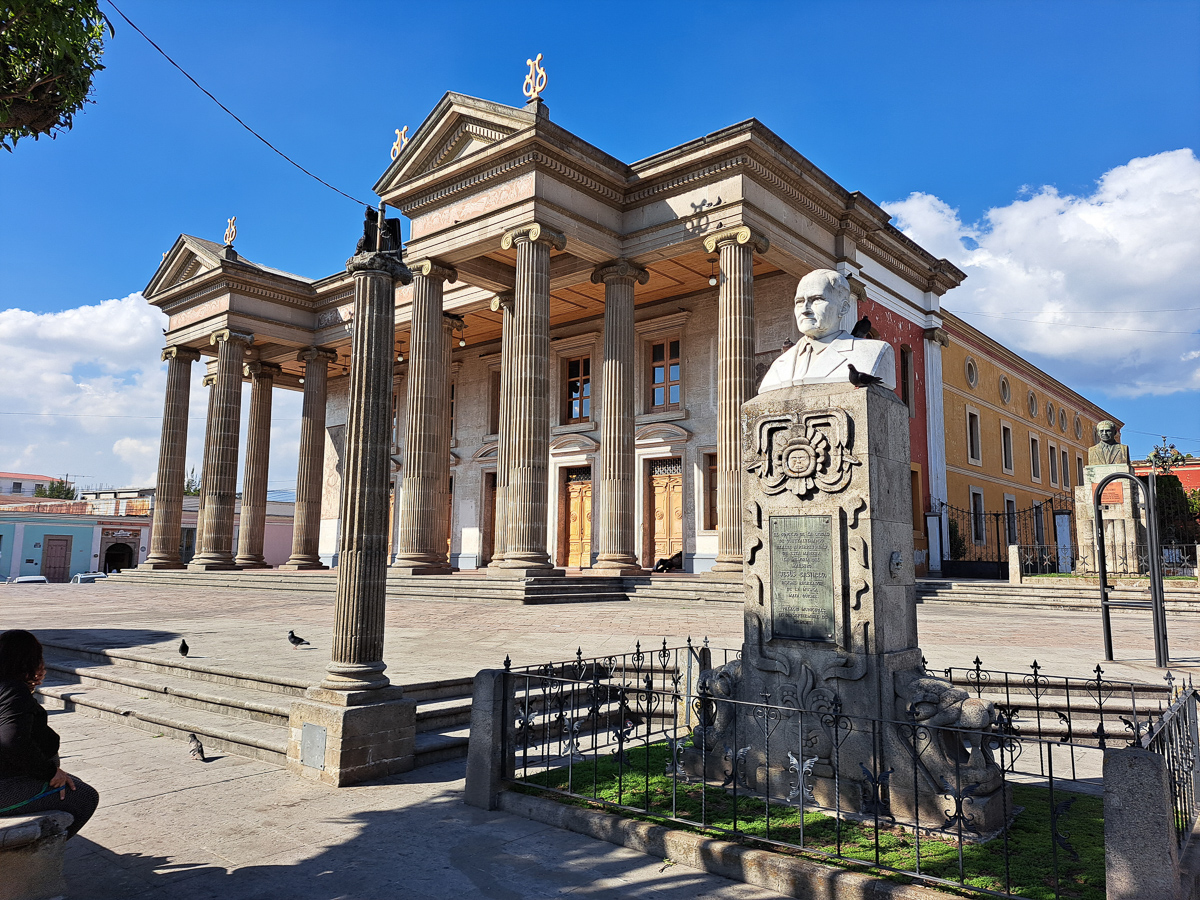
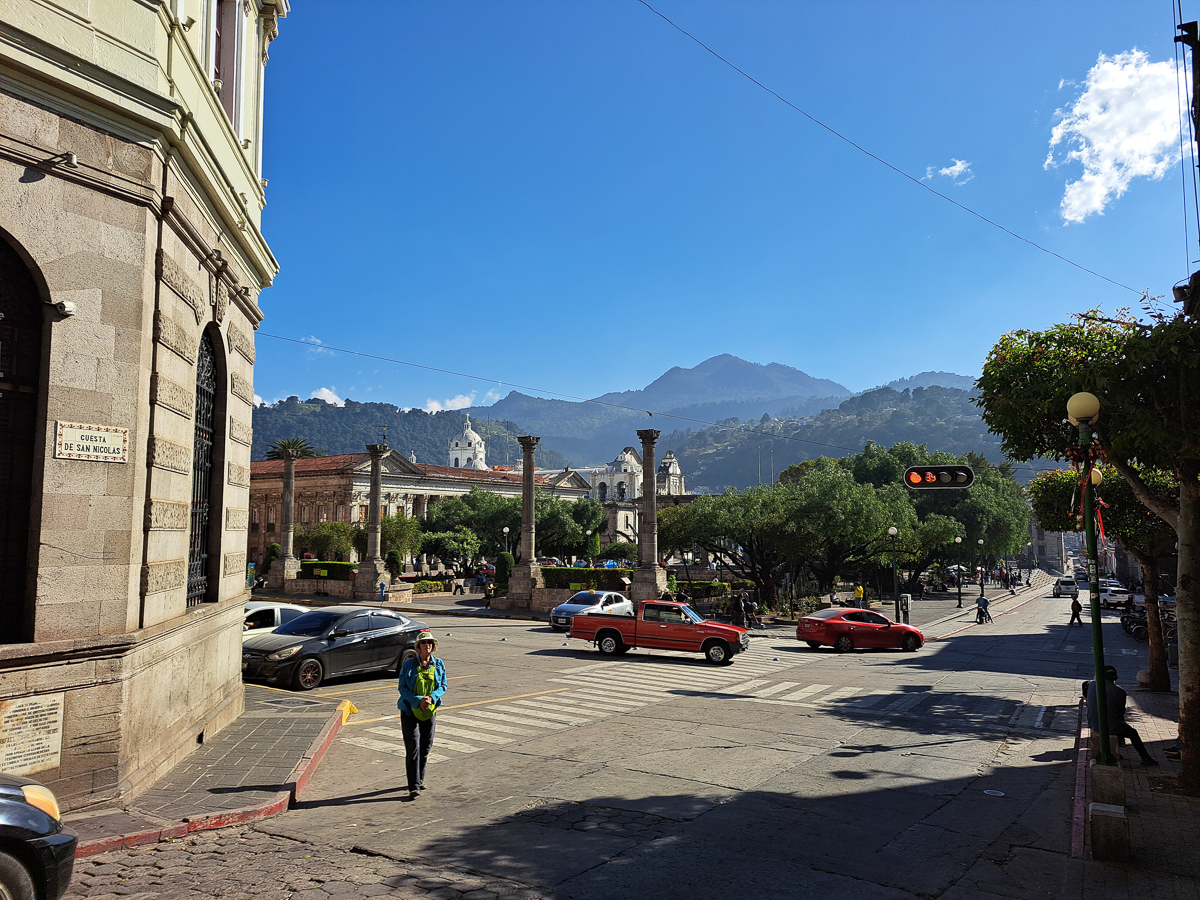
When we planned this trip, the Americas were easy to visit in terms of paperwork, but since August 2024, UK citizens need a visa to enter Honduras (in retaliation for our government doing the same to them), and the visa application needs a home country criminal record check. As we hadn’t planned for this, we put hurried arrangements in place paying HMG extra for a fast track, and Gid’s sister, Jo, kindly got it couriered (thanks!) and El Quetzal was a perfect postal destination. As we finished our second week of school, the certificates set off via DHL.
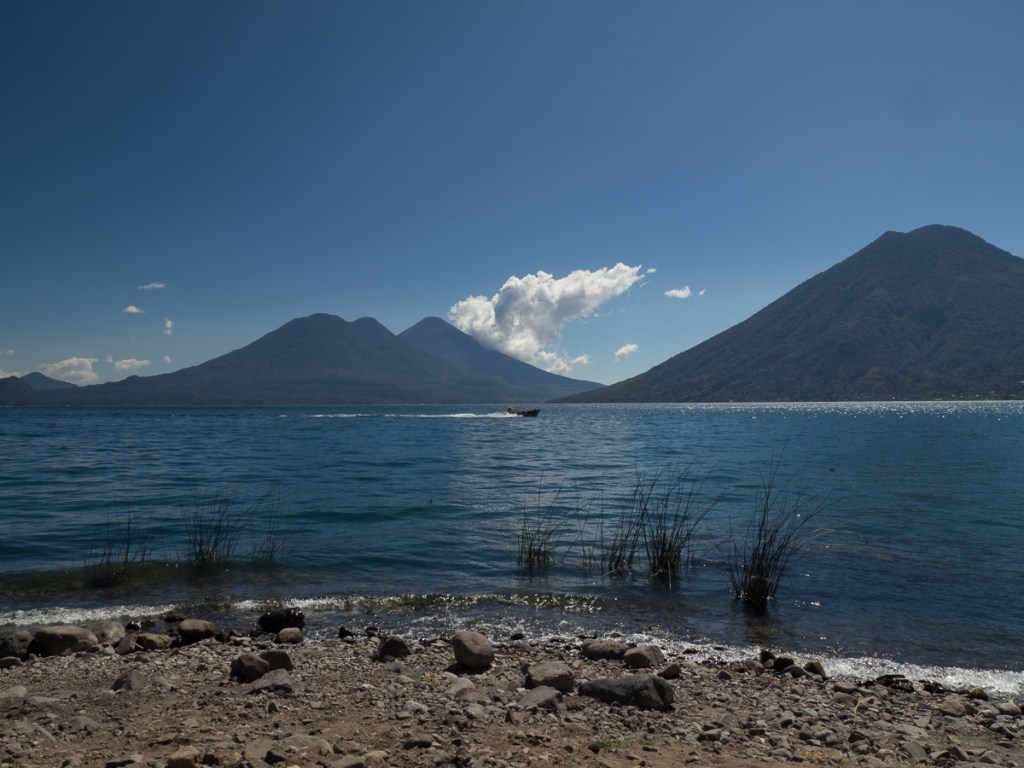
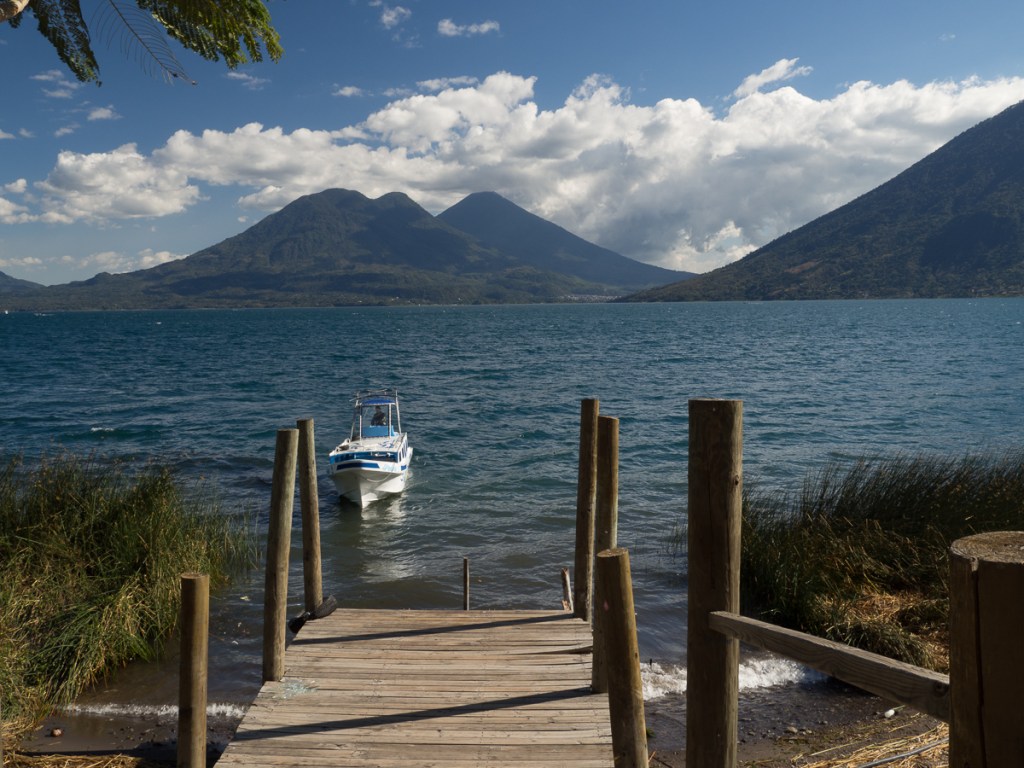
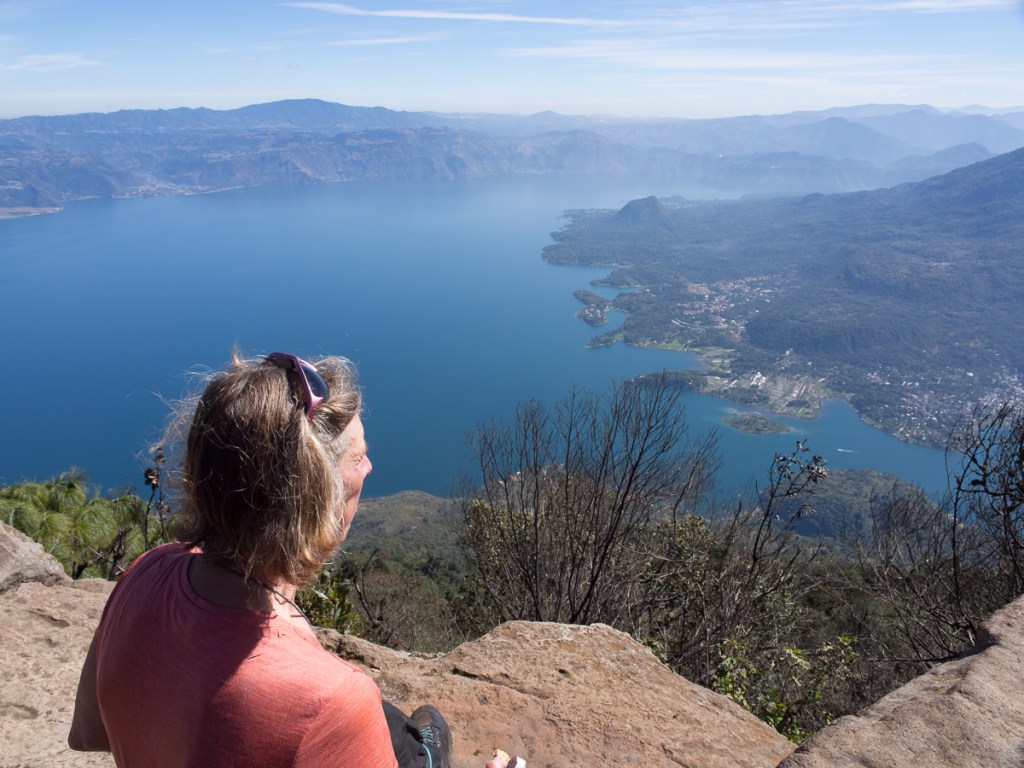
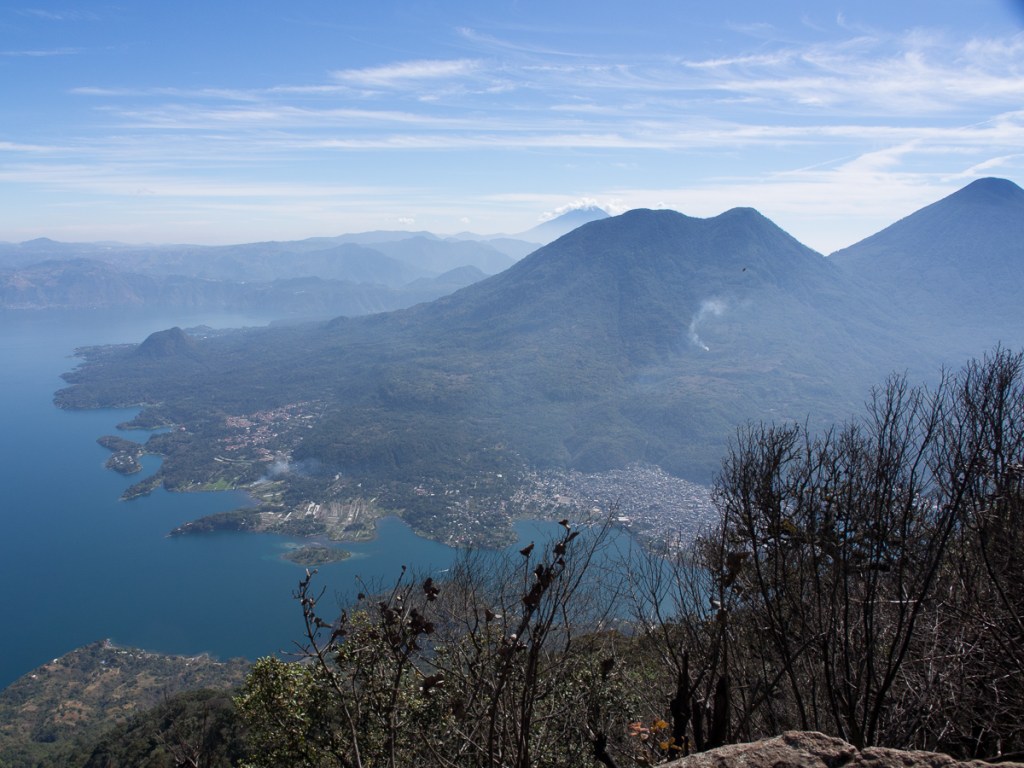
The wait for the courier opened up the perfect time slot to visit Lago de Atitlan. It was maybe half day’s ride away, so an visit. As we approached the famous lake, we stopped at a mirador (viewing spot) near the top of the mountains surrounding the lake. I had looked at the map and knew there were habitations around the lake but was expecting a few villages dotted around the shores. I was horrified. It was so built up! Creeping down the endless tight hairpin bends kept us very focused on the road. Emerging into the cobbled streets of the town there were the familiar highly coloured murals adorning many of the walls juxtaposed with wrecks and rubbish abandoned along the way. Town dogs mixing it with traffic, tuktuks filling every possible gap while Mayan ladies wearing their tradition costumes, baskets on their heads, boldly striding down the streets set a more appealing scene. The roads, we learnt later, are one of the three prime uses for the volcanic rubble which accounts for the random cobbles.
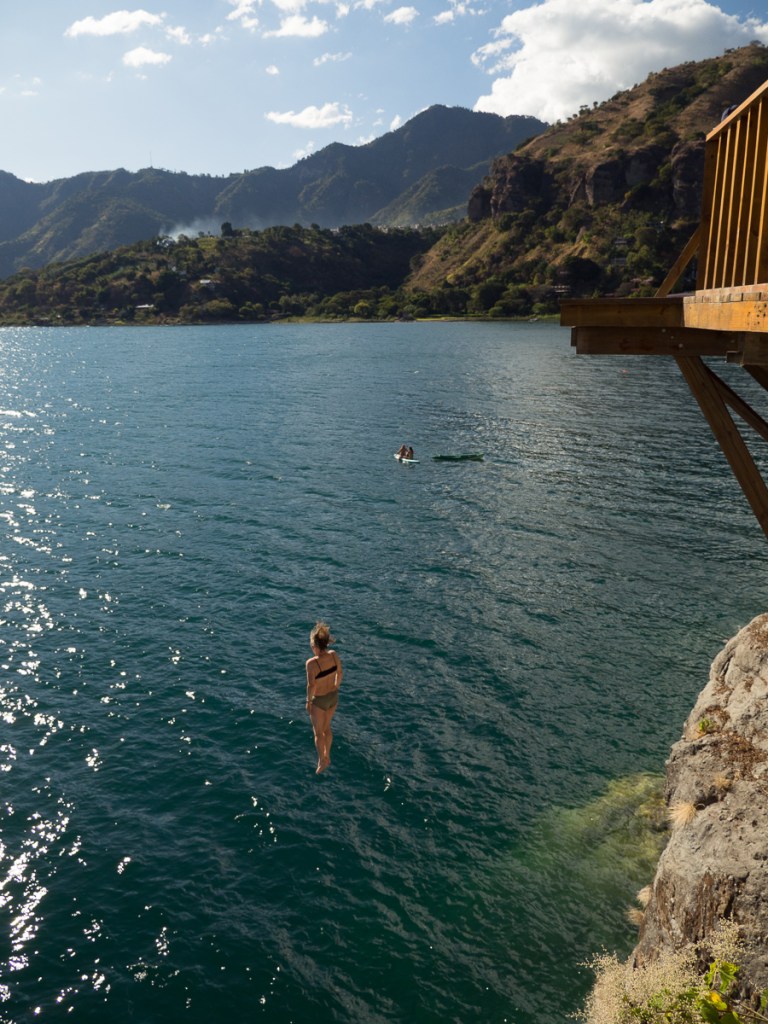
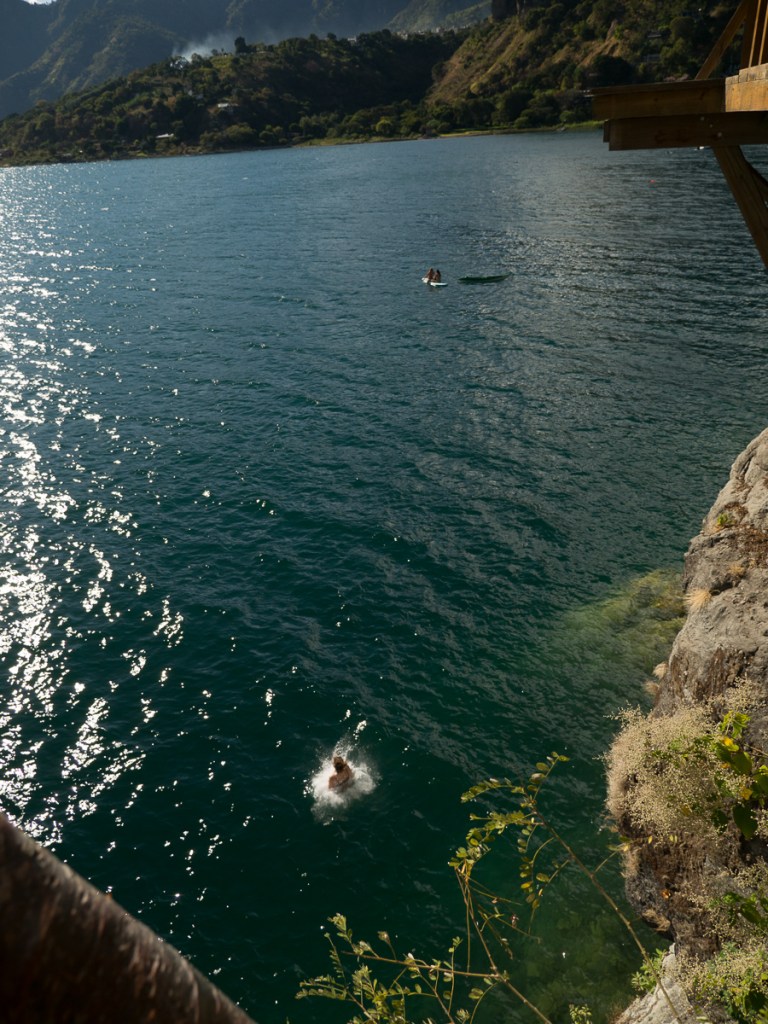
We trundled along San Pedro main street eyeballing possible hotels – could that alley allow us to ride our bikes right into the hotel? I scouted on foot. Sure! Park amongst our family bikes the friendly owner, well, gestured mostly, to be honest! The hotel had the requested lake view if you poked your head out of the door but even better was our easy access to the water across the road. Atitlan is a swimming lake we’d been told. It didn’t take us long to head off down the opposite passageway to assess it. Sharing the path with a deep ‘road water’ run off channel was the first dodgy point but on reaching the lake the piles of rubbish, and locals washing themselves, their laundry and crockery was enough to quell our desire for a dip. A couple of days later however when visiting San Marcos, a small hippy hamlet on the opposite shore, famed for its jumping platform, it had to be done. That activity also showed us where all the young male tourists were, to complement the young women prowling the tourist stalls and cafes. We were definitely the oldest jumpers while we were there!

Antigua is a must see in anyone’s book. A UNESCO listed ancient capital city overlooked by menacing volcanoes has numerous ruins following a series of eruptions & earthquakes over the centuries. In 1773, then the capital of Spanish Central America, it was shaken to the ground and the capital was moved, taking the name Cuidad de Guatemala with it, and bequeathing the name Antiqua Guatemala to the ex-capital. Antigua has numerous respectfully painted one storey buildings lining broad cobbled lanes. As a UNESCO city there are very strict rules as to what is acceptable and no advertising slogans disfigure the walls. One has to pass a building and peer in to see what is sold. Open spaces were crowded with street sellers, musical performances and a few omnipresent beggars but pavements themselves were oddly devoid of café furniture and sellers. A procession in connection with the build up to Holy Week took place at the old cathedral. These processions gain in momentum up to Easter Week when the streets of Antiqua are blocked. During the Easter festival the streets, which criss-cross the city, will be lined with flowers and relics from the biblical scenes.
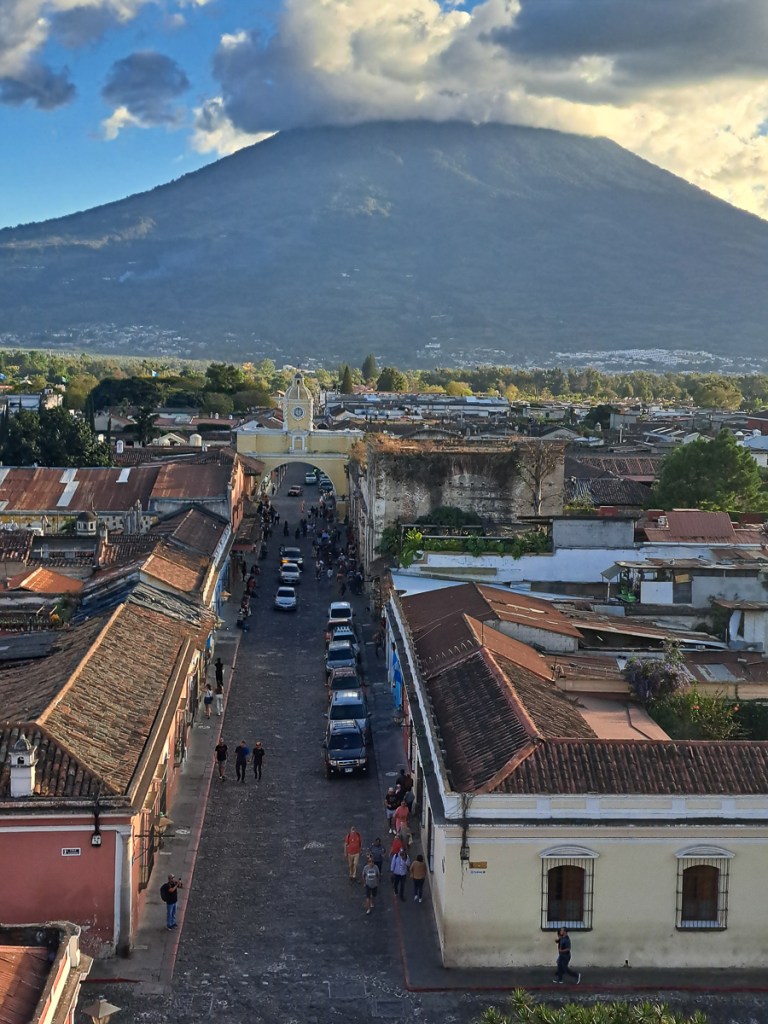
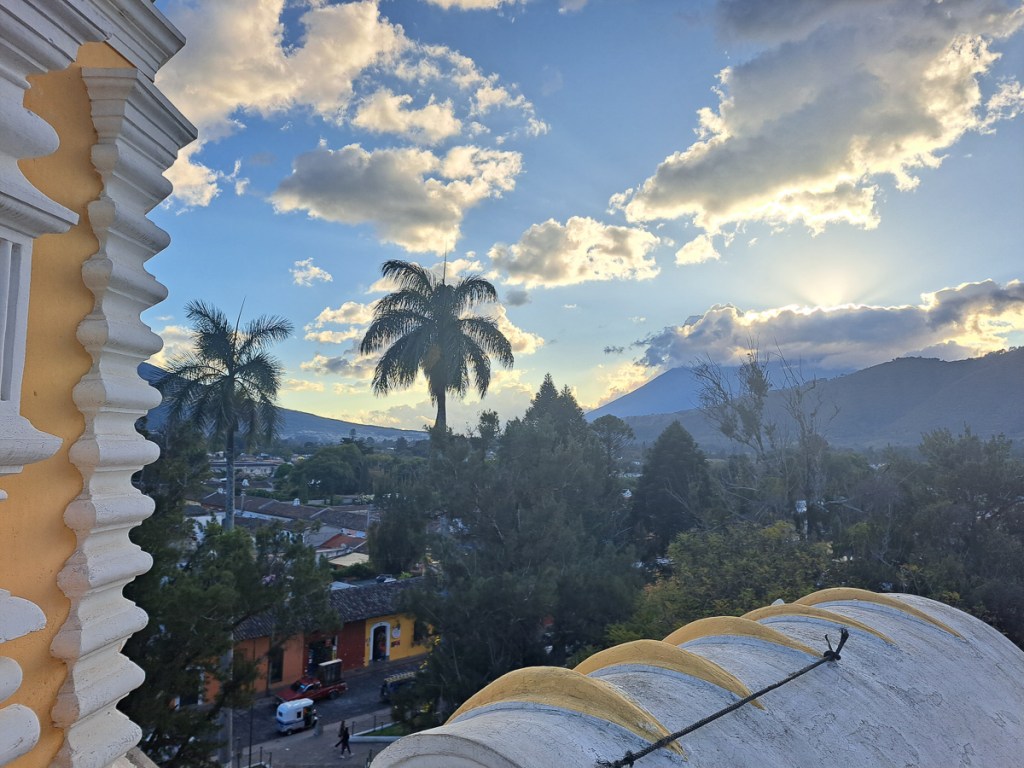
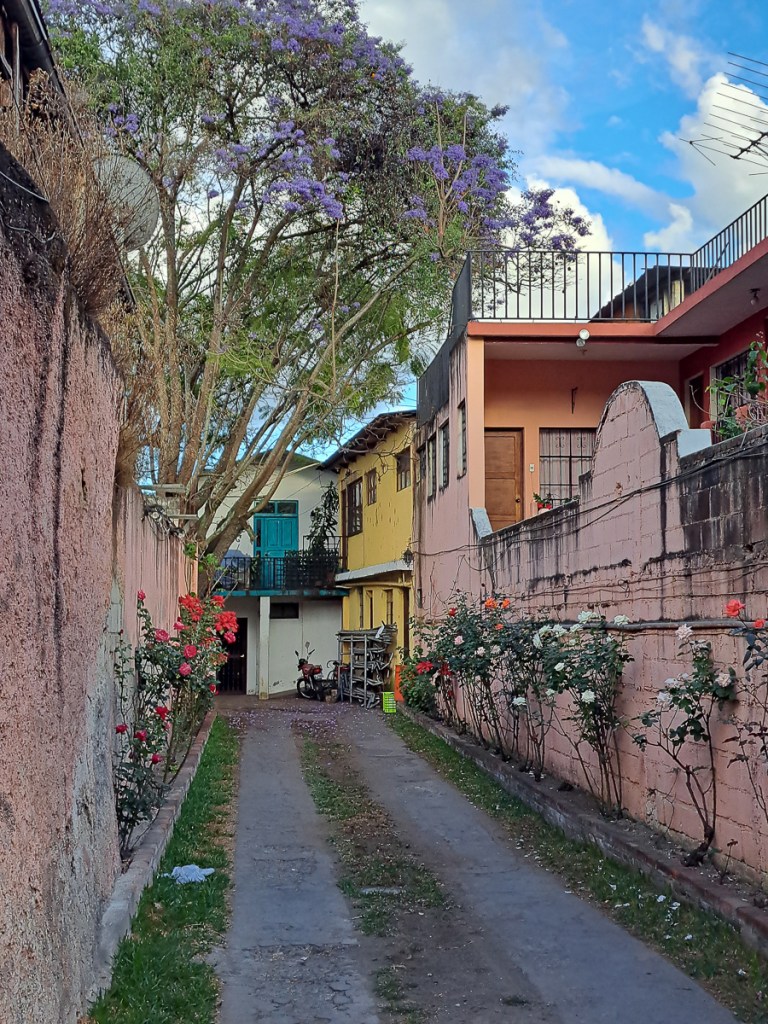
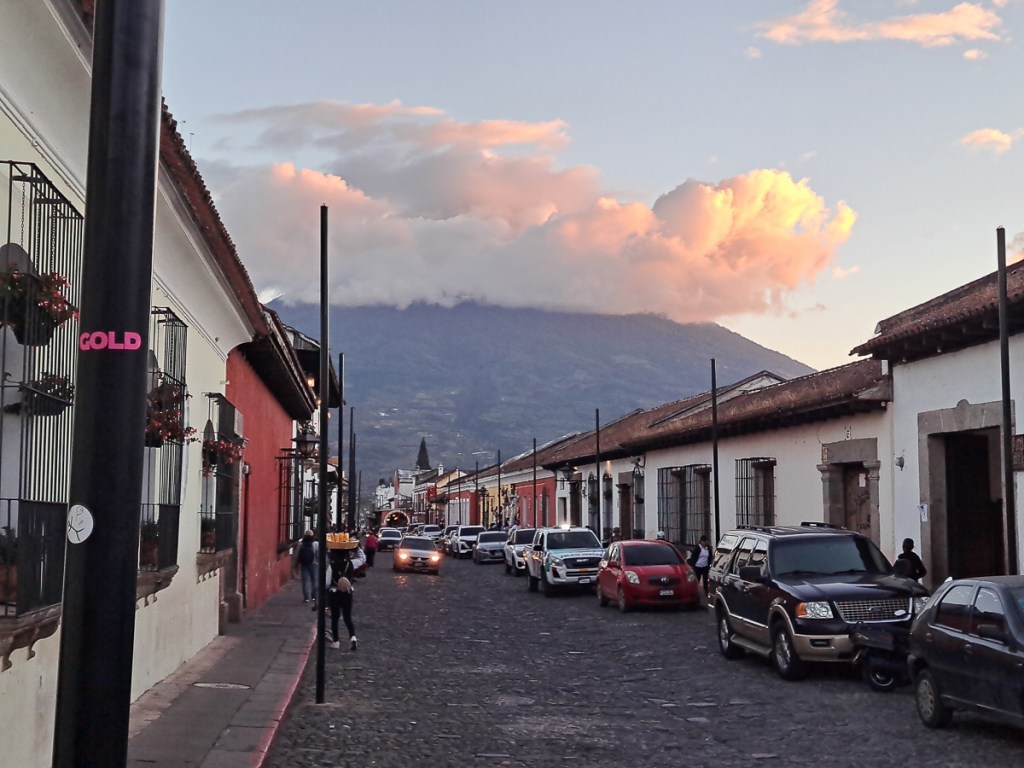
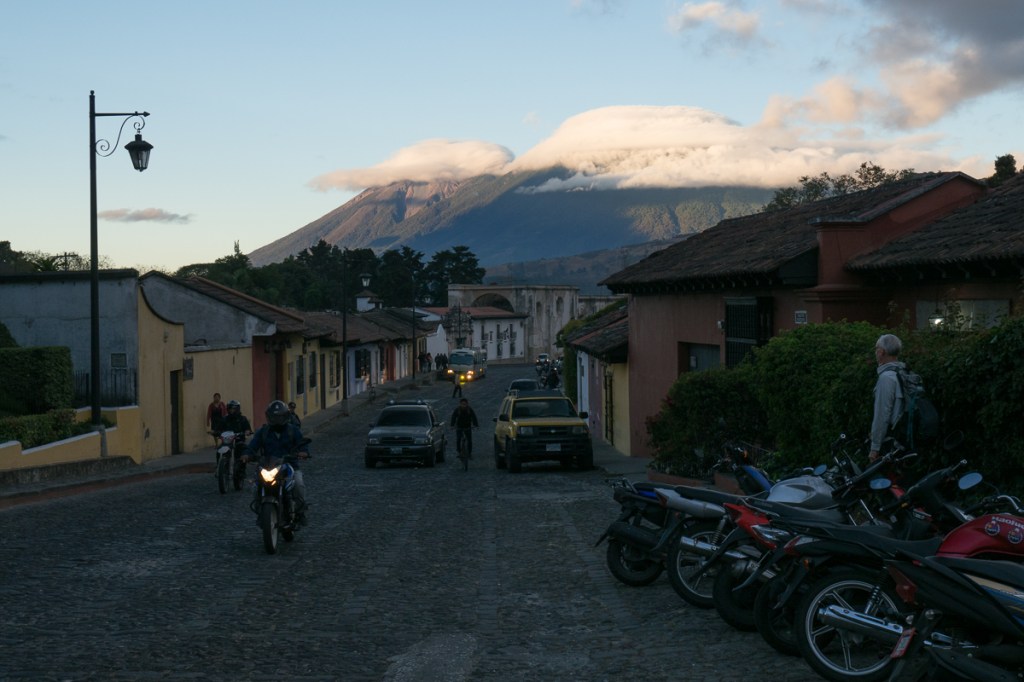
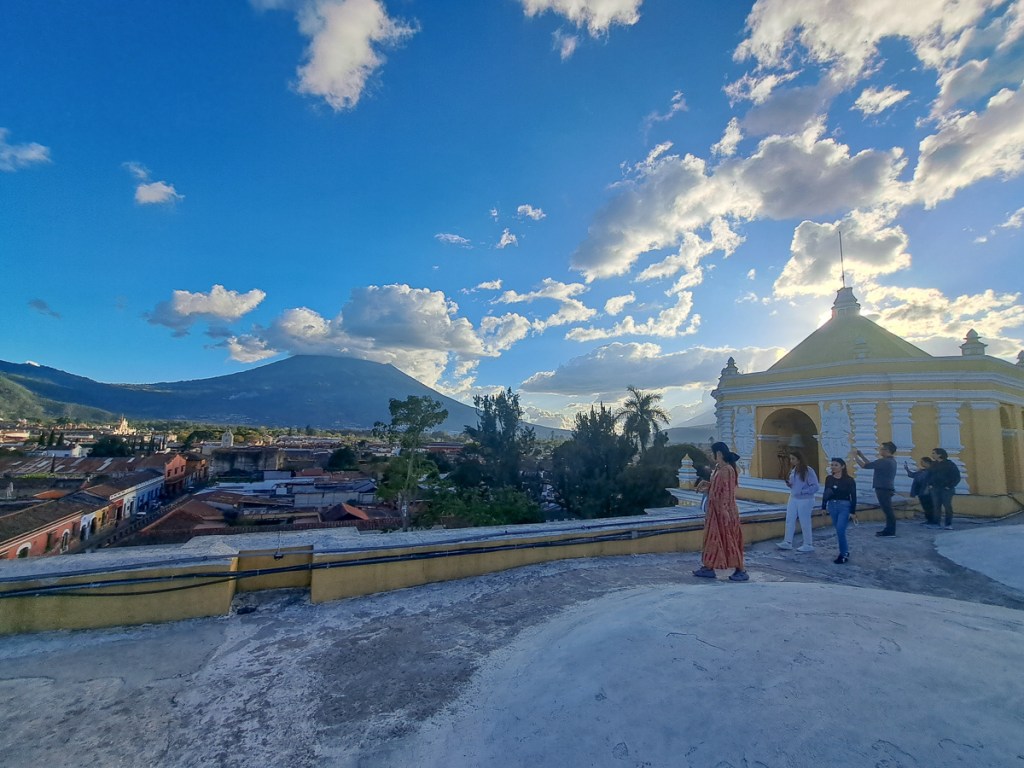
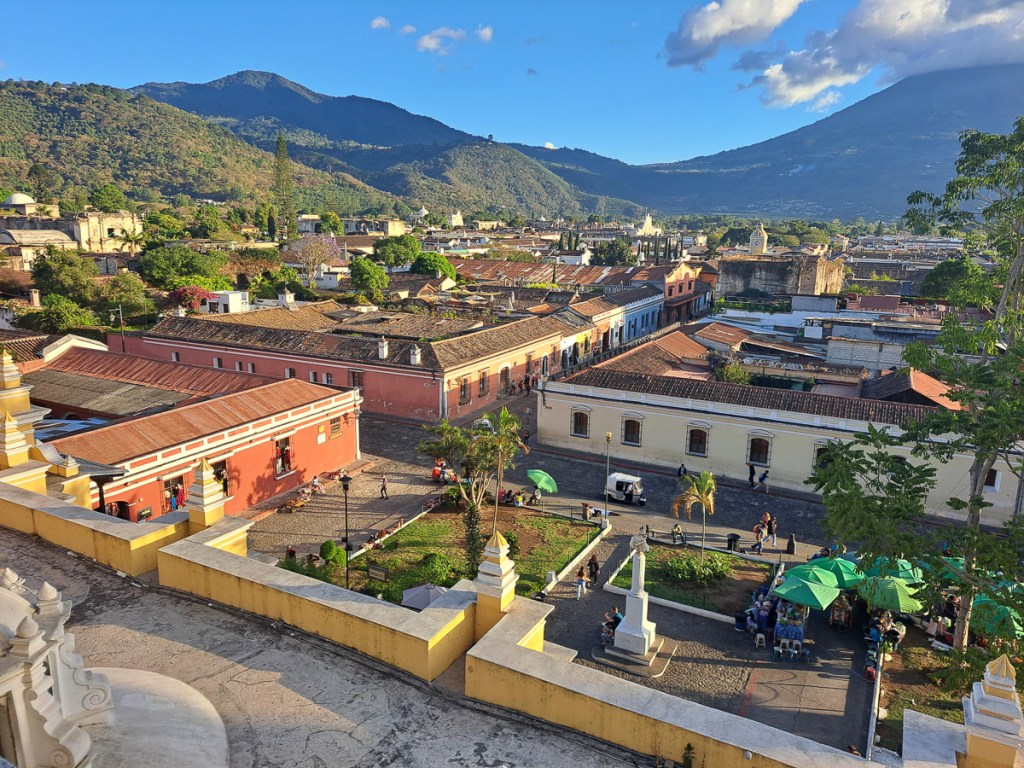
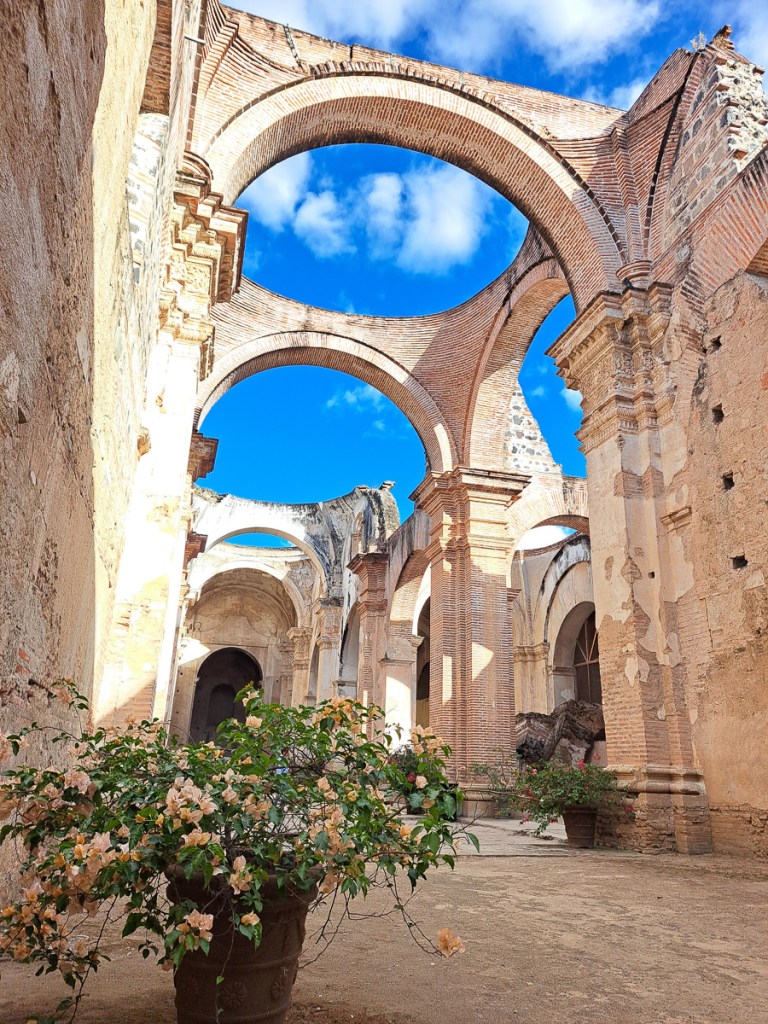
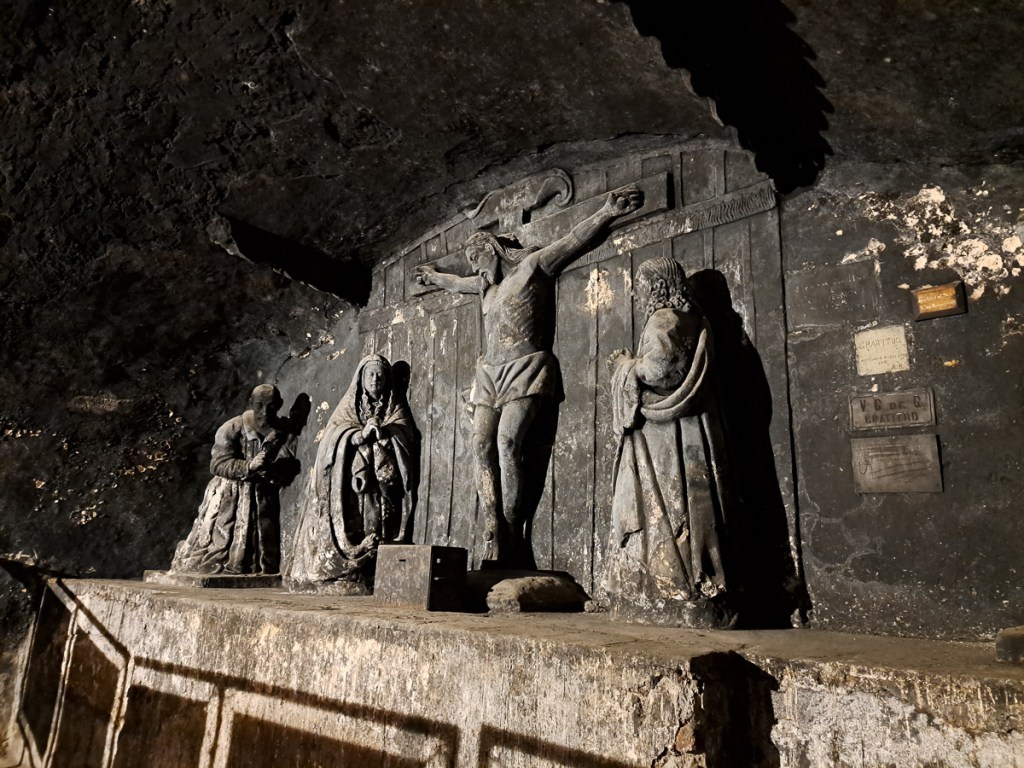
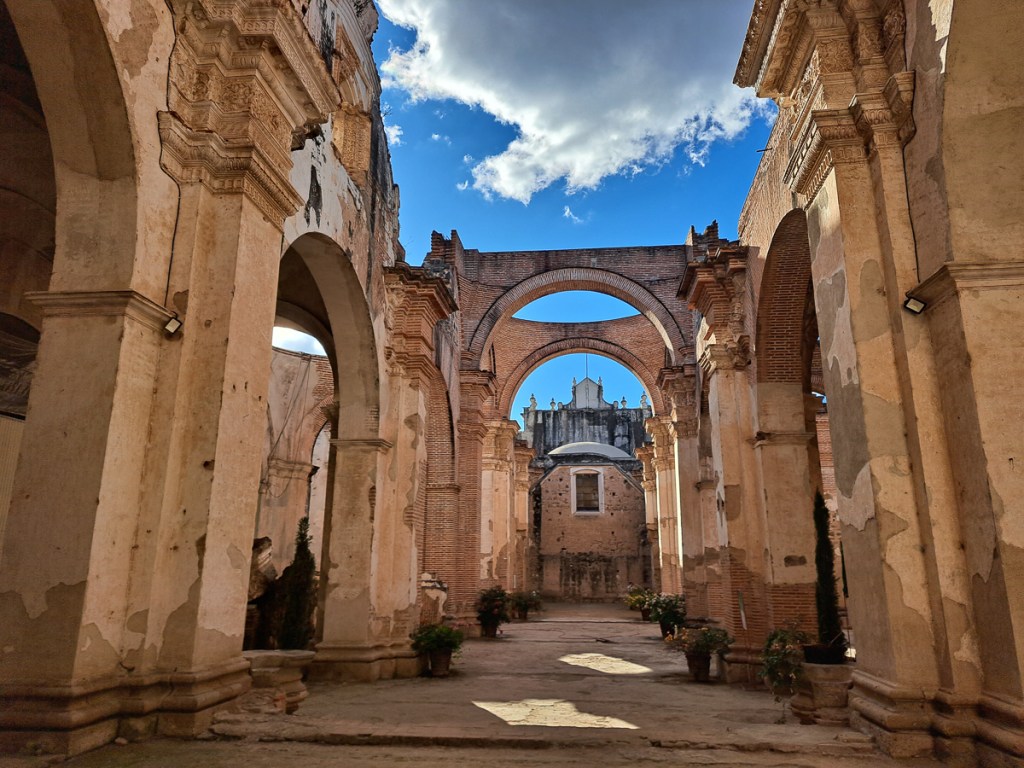
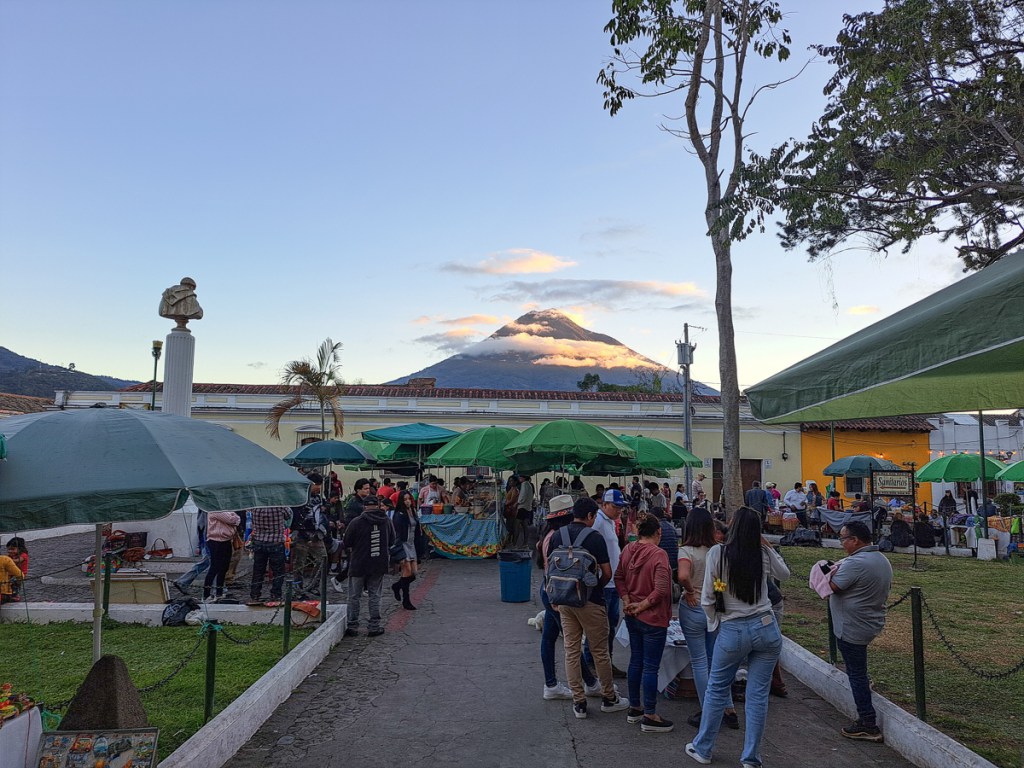
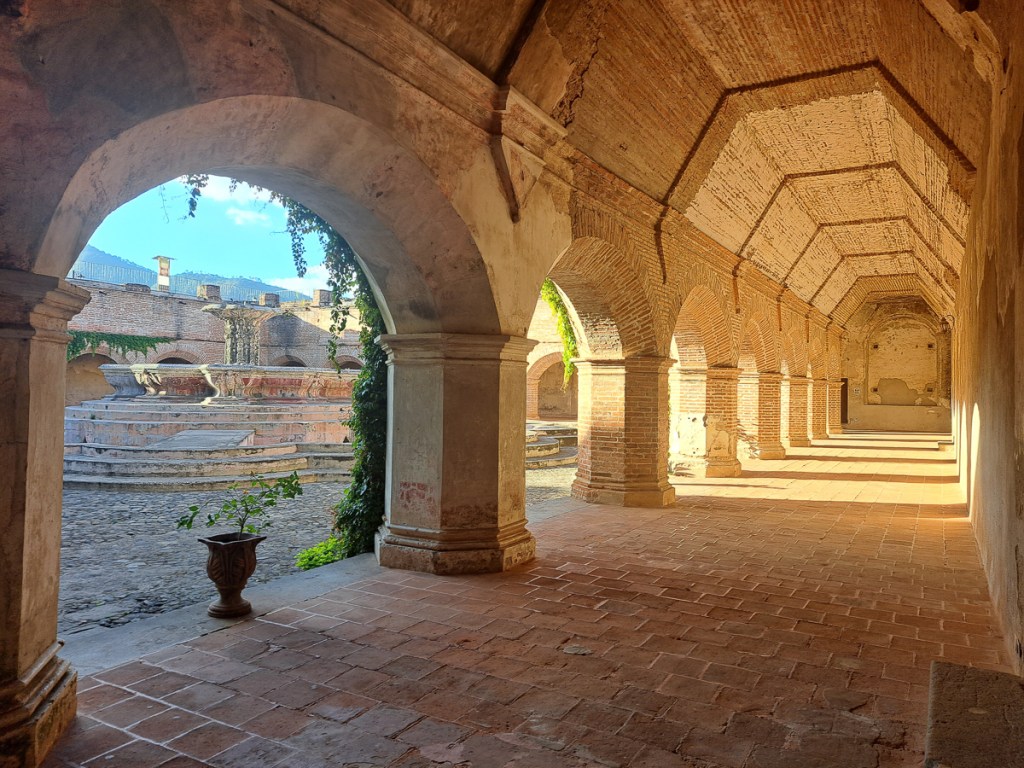
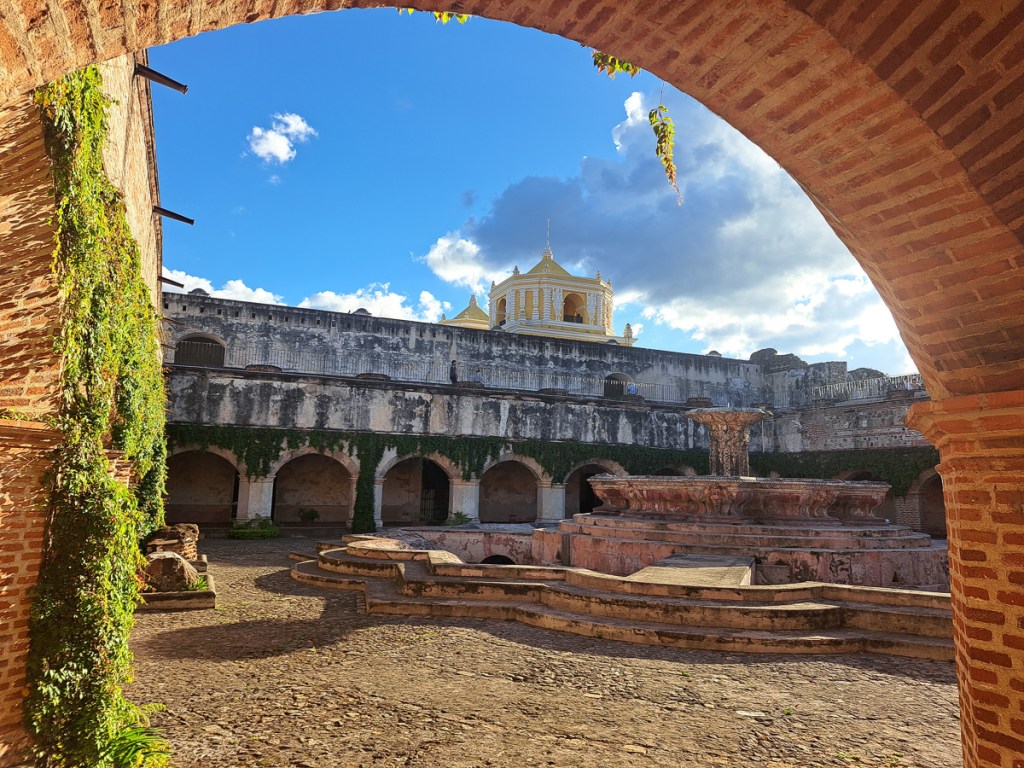
Oddly enough, Antigua has weaving schools, too. It also has jade shops. Clare had been looking forwards to these, and dived in with enthusiasm. Most of the worlds quality jadeite jade comes from the Sierra de las Minas, a few hundred km north, and much finds its way through Antigua to be made into jewellery. But although the city’s buildings were attractive, whether in use or elegant preserved ruins, the place was such a totally tourist town – 20 person long pavement tours and hardly being able to put a foot down without negotiating another tourist – that we both got a bit fed up with it after a day or two. Rather pricey, too.
We travelled on to Guatemala city aiming for the the Honduran Consulate to get our visas. Cuidad de Guatemala isn’t much of a draw for tourists, although it does have the modest national museums, and a fine central plaza. It’s the only place in Guatemala with a Royal Enfield dealer (there’s none in Belize or El Salvador), and one of the few with outdoor gear shops. As in Cuidad de Mexico, we chose an apartment rather than an hotel or hostel. Again, it was newer and smarter than anywhere we have lived in at home. Unlike Mexico, this time the district was rapidly gentrifying, new towers springing up in every block. But we could still get a cheap lunch from a street vendor, if we avoided going into the posh malls hungry. I, at least, quite enjoy the buzz of a city, if only for a while. A big draw was that the deal included the gym on the top floor. We could try and get fit for our return to Antigua and the…
Volcan Acatenango Hike:
Gid has had ‘climb a mountain’ on his bucket list since Alaska. I was not so motivated. I’d managed to avoid a couple of possible climbs riding down through the Rockies and wasn’t keen to change my resolve but Acatenango had added attractions. It came with a base camp sleep-over near the top, a view of an erupting ‘sister’ volcano, Volcan de Fuego, from our campsite and a follow up extra hours hike to the top for the sunrise views the following morning. Whilst it did look enticing we had hiked up the Volcan San Pedro to admire the views of Lago Atitlan two weeks before to a height of 3000m and I had struggled badly. Scary after a lifetime of breezing up things like that. Was I just unfit? Nine months of very little exercise sitting on a motorbike has to take it’s toll. (Gid has taken every opportunity to jump up and down, workout on the yoga mat and go for sporadic runs). Or was it the remnants of my cold and chest infection? Either way I was nervous of committing to a 4 hour plus hike, sold as ‘hard’, up a mountain to near 4000m. Gid was generally unaffected by our Atitlan hike but had foolishly not manicured his feet. The descent wrecked his big toes’ nails as his feet pressed against the front of his boots. The toe nails got infected, to the extent of seeing a doctor who prescribed intensive cleaning, antibiotics and no running for a week.
We enquired at an Acatenango hike tour operator before leaving Antigua and rather hesitantly booked up for two weeks ahead. A bit of breathing space for both of us. We could have a personal guide so could set our own pace, and private hut at the base camp so could have uninterrupted sleep and rest. Gid is very sociable so would miss the cameradie but that was the deal if I was to do it. That gave me two weeks to make some improvement on my health or fitness – laughable really. A good start was our Guatemala City AirBnB in a sixteen floor apartment building so up and down the steps was the first stage, the treadmill in the gym was stage two together with actually using my skipping rope which had started to collect dust. Out walking around Guatemala City for 3-4 hours each day must also have helped. Plus I bought some lightweight fabric boots – our Altberg dual purpose boots are comfy, grippy and robust, but very heavy for a long climb. Altitude sickness pills completed the preparations.
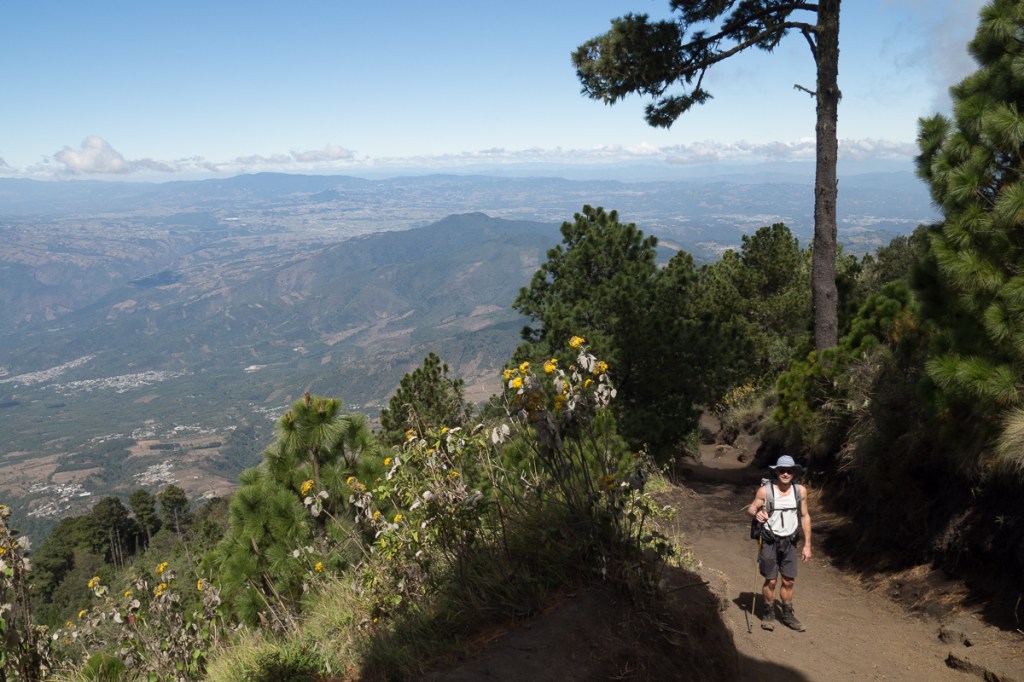
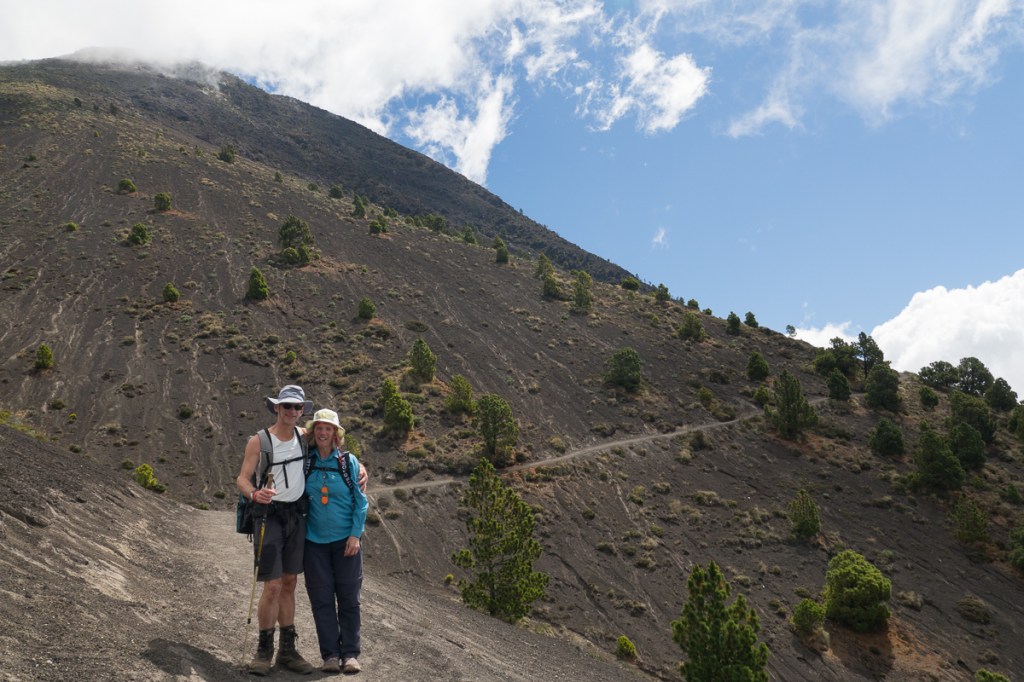
The day arrived. I had to keep my head focused, brain in gear – the next ten steps, the next ten minutes. Keep my head down. Don’t look up – I don’t want to see the bigger picture. Slowly but surely. We had regular stops and snacks but didn’t stop for long. Just keep plugging away. Our guide, Ezekiel, was fabulous. He started by telling us how many minutes it was to the next seated rest area. As we made progress he would tell us how much we had covered and how far to go keeping it all very positive. A stroke of luck was that our tour operator was one of two that had its base further up the mountain side (it has a small camping area, and is accessible by motorcycle). The others’ Ezekiel said were a further hour’s hike down the mountain side. On the climb I chatted to a couple of men and a lady who were on their way down. All three looked nearer our ages than the hordes of thirty somethings that seemed in abundance. The guys said, ‘It’s just a long slog, take it steady and you’ll be fine.’ The lady was equally encouraging. On we went. It was pretty much a dusty footpath the whole way up with some fabulous views – very steep in places and rocky clambering once or twice but nothing remotely technical. We made it in a respectable 4 1/2 hours, to ‘our’ comfy little shed with a fabulous view.
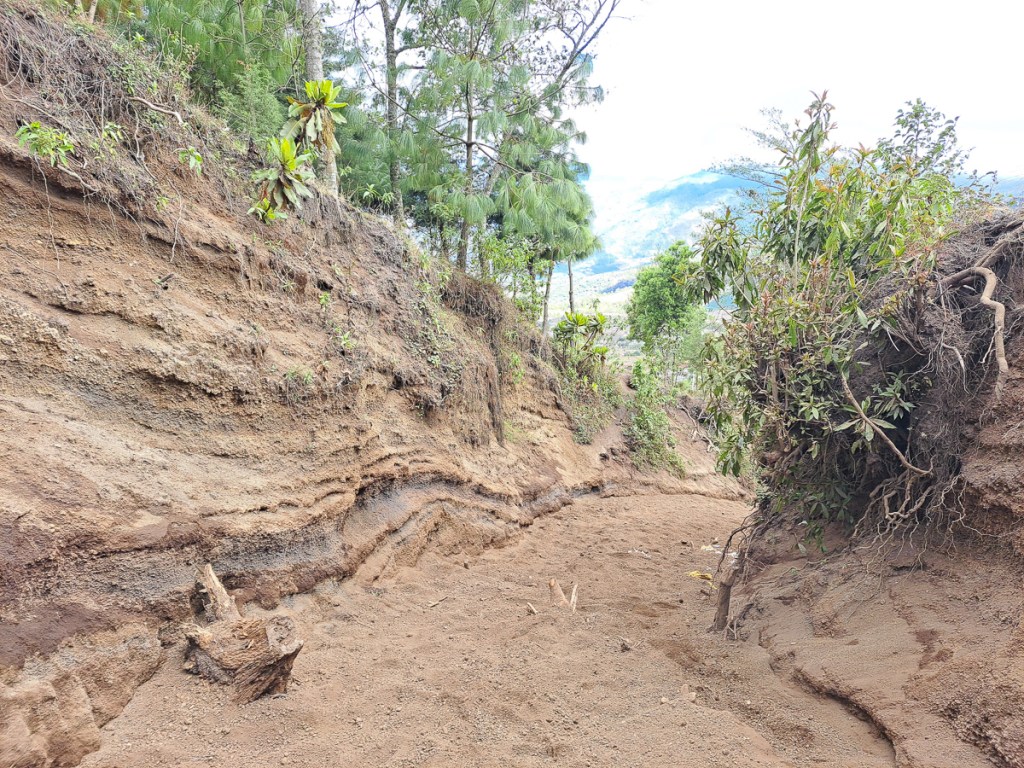
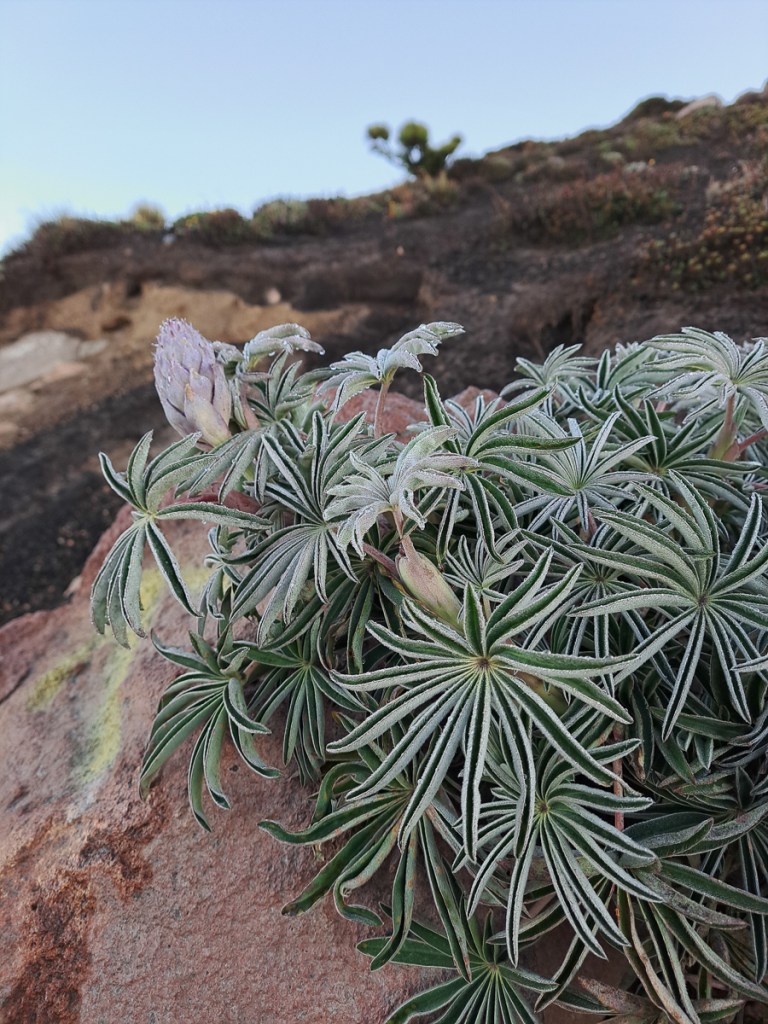
The following morning we made it up to the top. Not quite in time for the sunrise but we still had plenty of low light views. We had decided to have breakfast before leaving camp and taking all our kit so we could continue on our downward route from the top. This would enable us to take a less populated route down, and see different views. After a quick lesson in scree running down a mountainside we bounded down. The volcano’s outer layers are made of volcanic ash and ejected rocks, it’s very fertile for plant life, but also very uncompacted. At times the trail was eroded 3m into the soft surface – the trailside clifflets showed all the layers of successive events. The technique changed to little tip-toe steps down the steep loose sandy gravel. With only one slip between us both proved successful. There are some remarkably dramatic or epic youthful tourist (influencer?) descriptions of the hike online – it’s perhaps a lot harder wearing the wrong footwear whilst trying to Instagram at the same time. While we were both pretty knackered by the end, we weren’t as broken as after the easier San Pedro hike – the training, new boots, and toe care had paid off. In addition, Clare shrugged off a nasty attack of dodgy tummy that she had at the base camp.

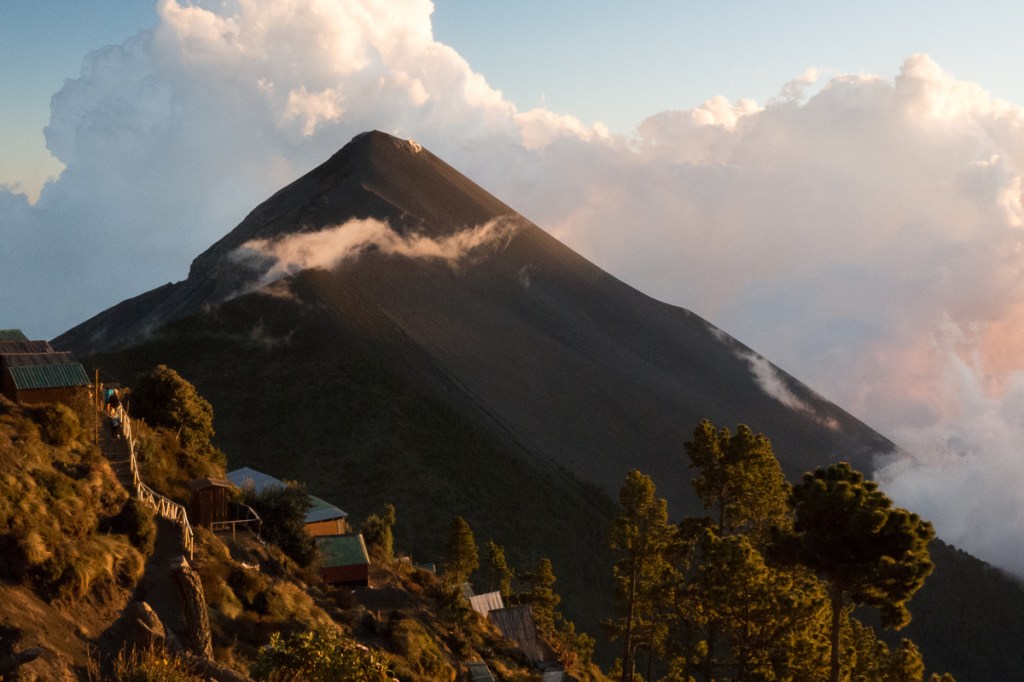
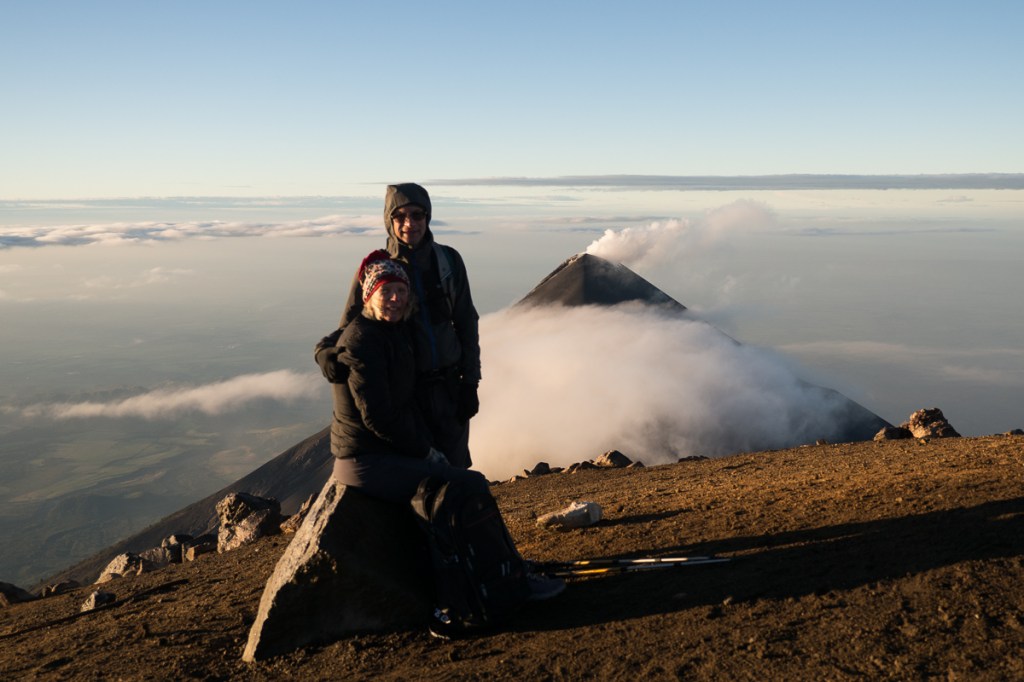
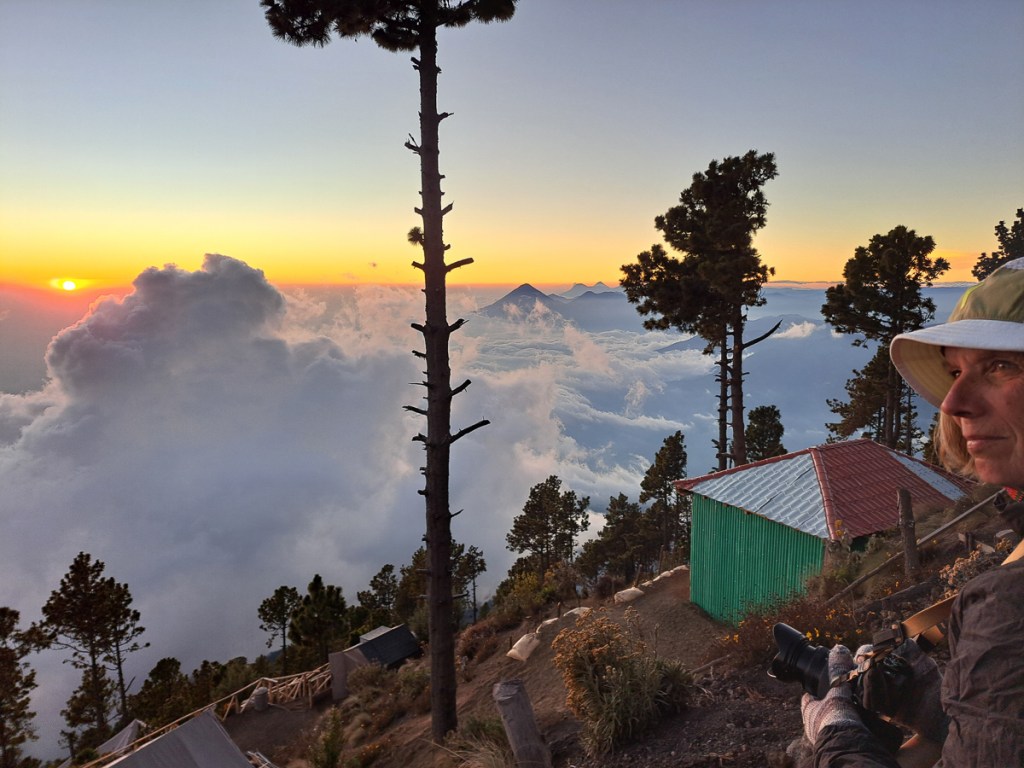
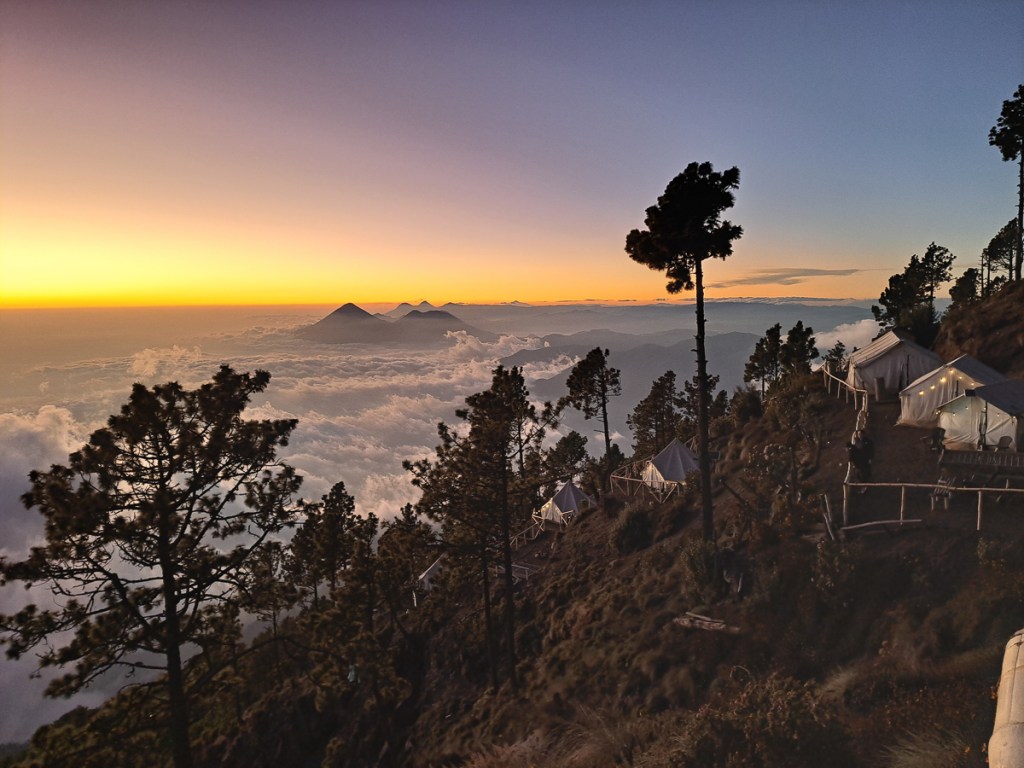

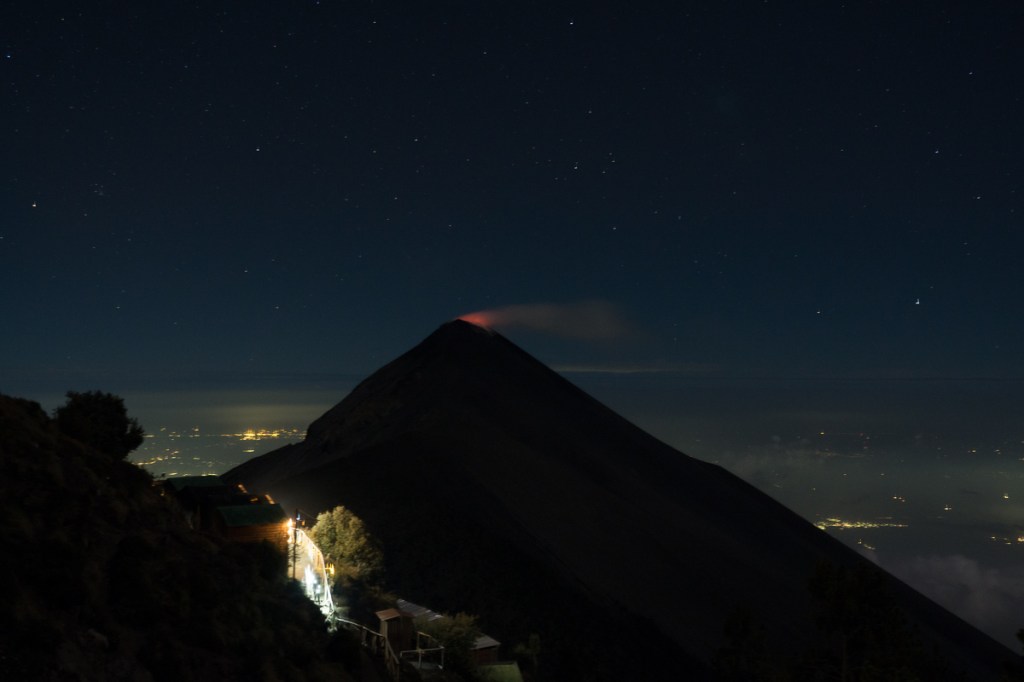
Volcan de Fuego is famous for it’s very frequent low level eruptions – until 18th Jan 2025 – just three weeks before we arrived when it stopped. It has a long history of violent eruptions which resulted, back in 1776, in the capital of Guatemala being moved. Our masseur, a post walk treat/necessity, informed us that it hasn’t been so active over the last twenty years and now they are waiting to see if it’s building up for a big explosion or is actually dormant.
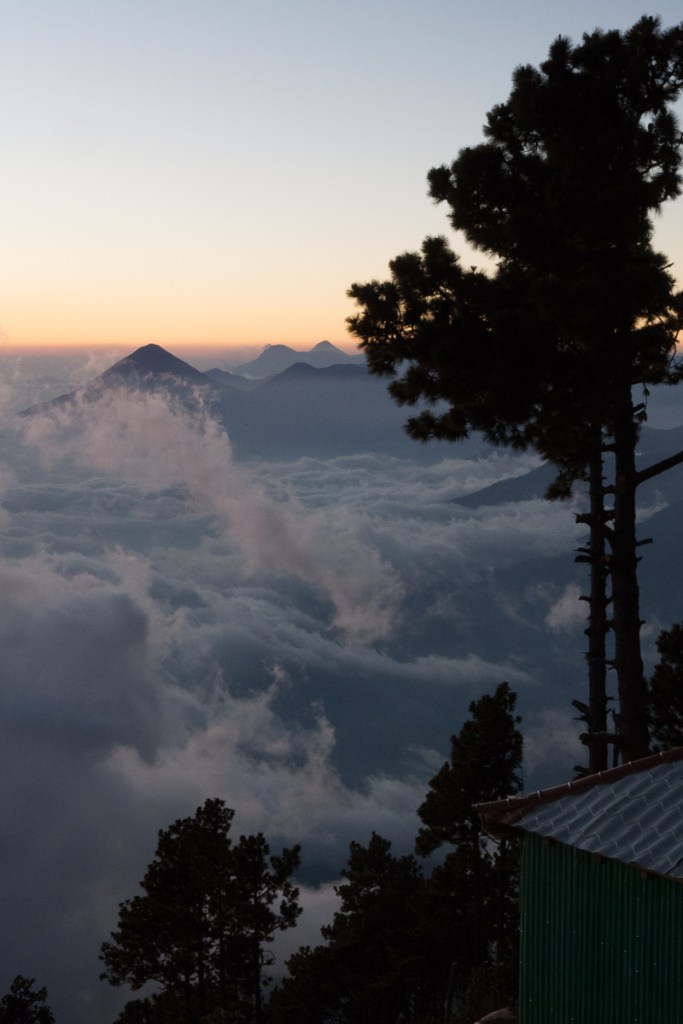
Luckily, girls in our neighbouring hut at the top of the mountain discovered that whilst we couldn’t see any glowing lava with the naked eye that night, cameras and phones could long-expose a red peak (they’re probably more sensitive to infrared than us). During the afternoon we’d been watching steam trails wafting up so knew something was happening. The night before, at 1:15am or so, a tremor had shaken our hotel bed in Antigua, a morning Google said it was 5.5 on the Richter scale. Something was occurring.
Guatemala – what have we missed? Well, it has to be said that our relatively unadventurous riding style means we didn’t make great loopy diversions amongst Guatemala’s mountain roads and tracks. There’s a lot of fun riding here for those with better skills and bodies. We felt it was too physically risky for us, even when we contemplated hiring lighter bikes and a guide. Even so, of the 90 days we’re allowed in the “CA4”, Guatamala, El Salvador, Honduras and Nicaragua, we’ve spent over 40 days in Guatemala. Most of it stopped in cities.
Leaving Guatemala was a strange experience as we had been in cities and towns for weeks. The road to the border was back to rural. Vast expanses of wilderness, valleys and mountains but we were on a relatively busy road, and as is the norm in Central America there are very few places one can safely stop and take a few pics.
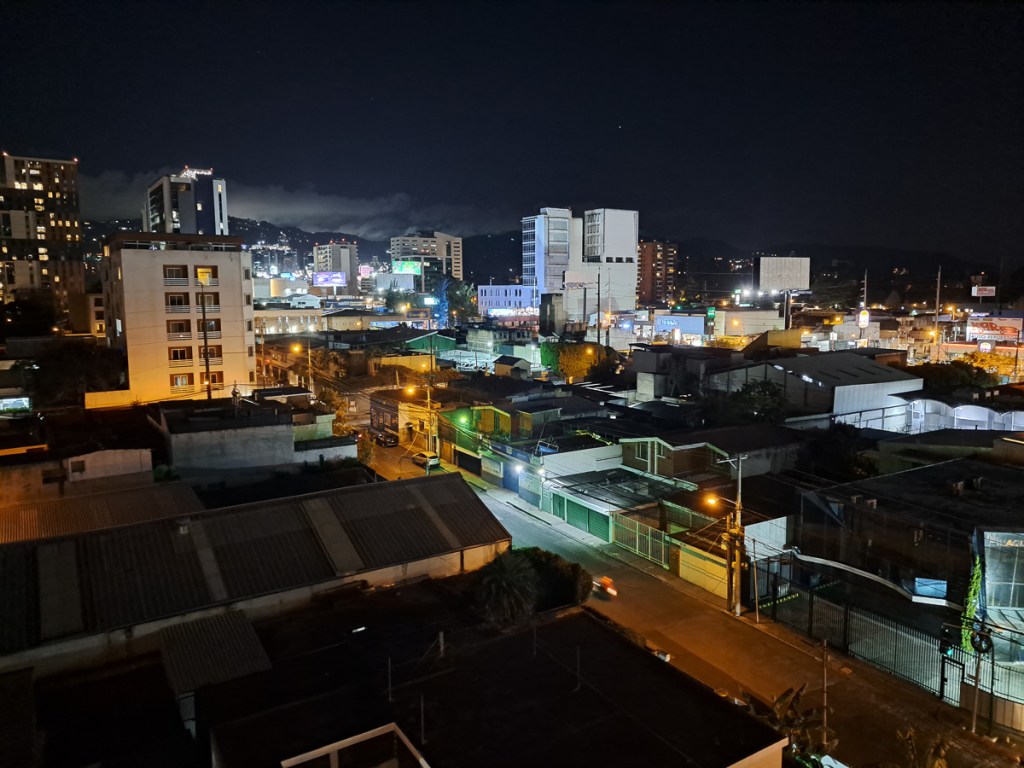
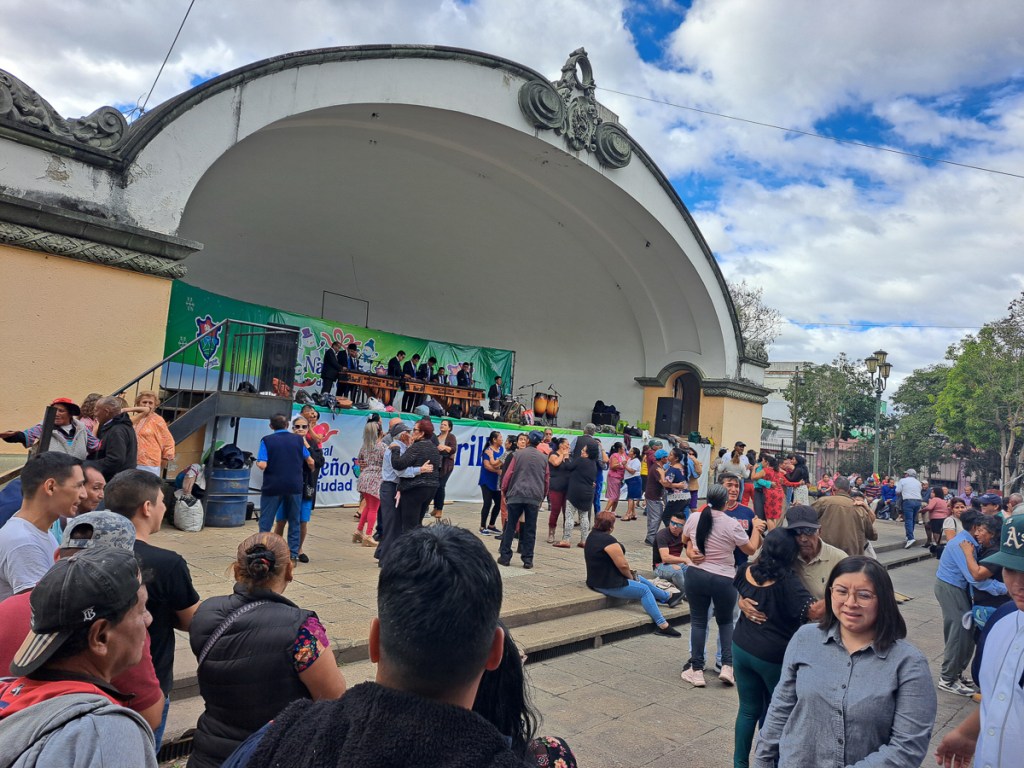
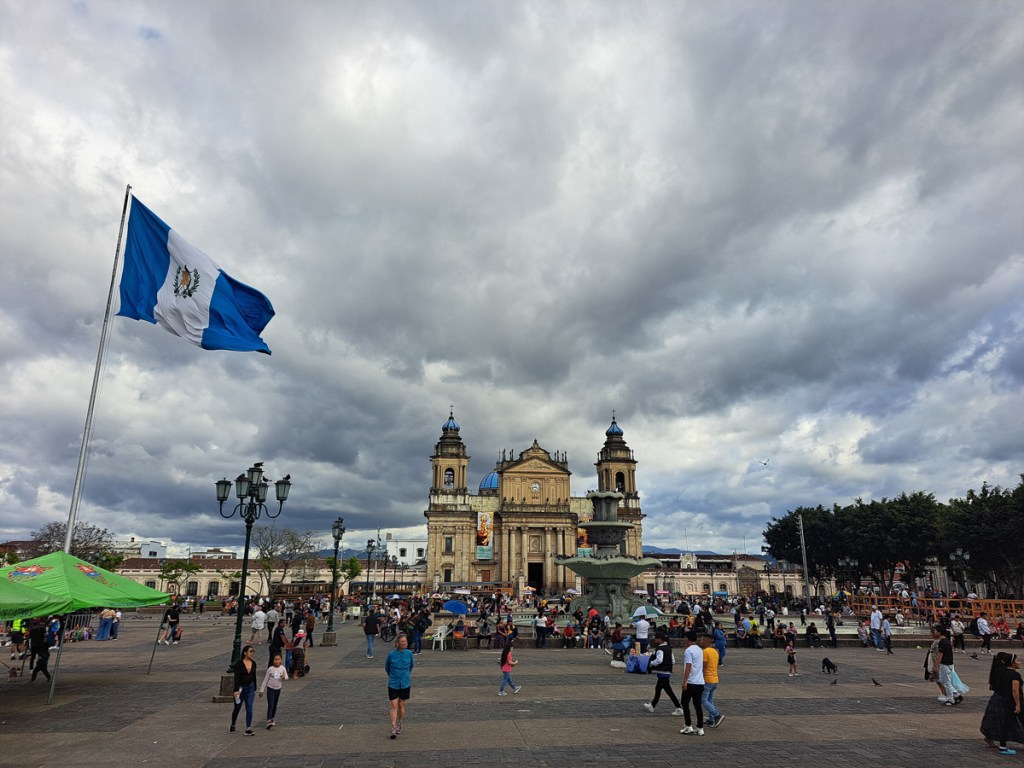
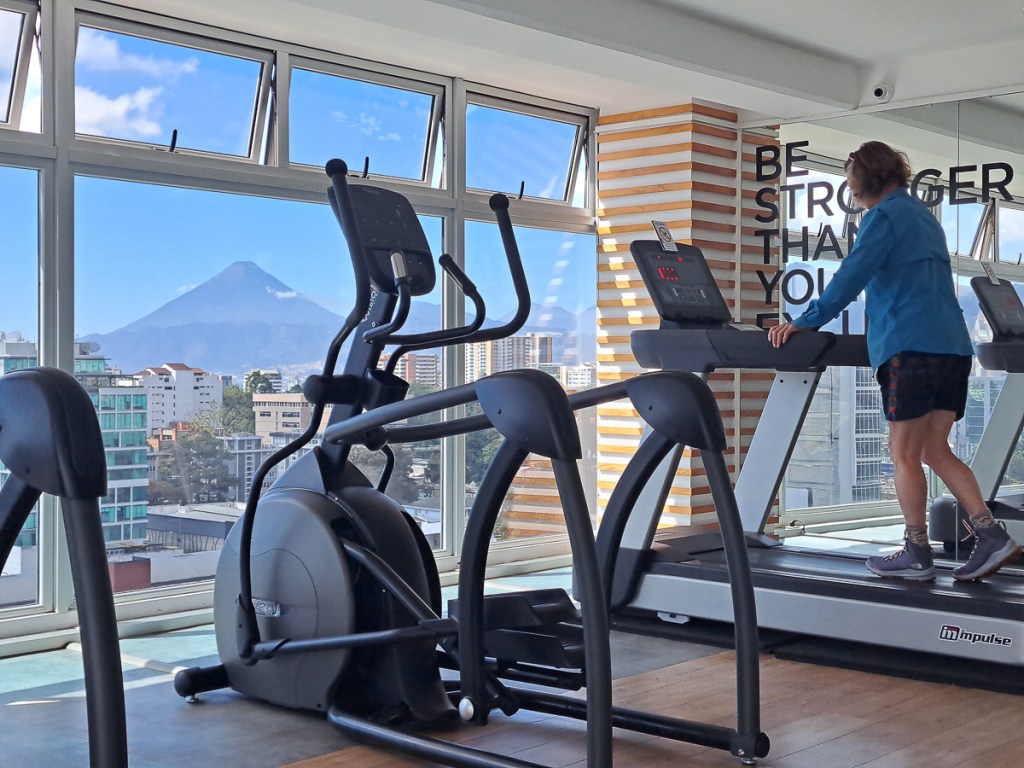
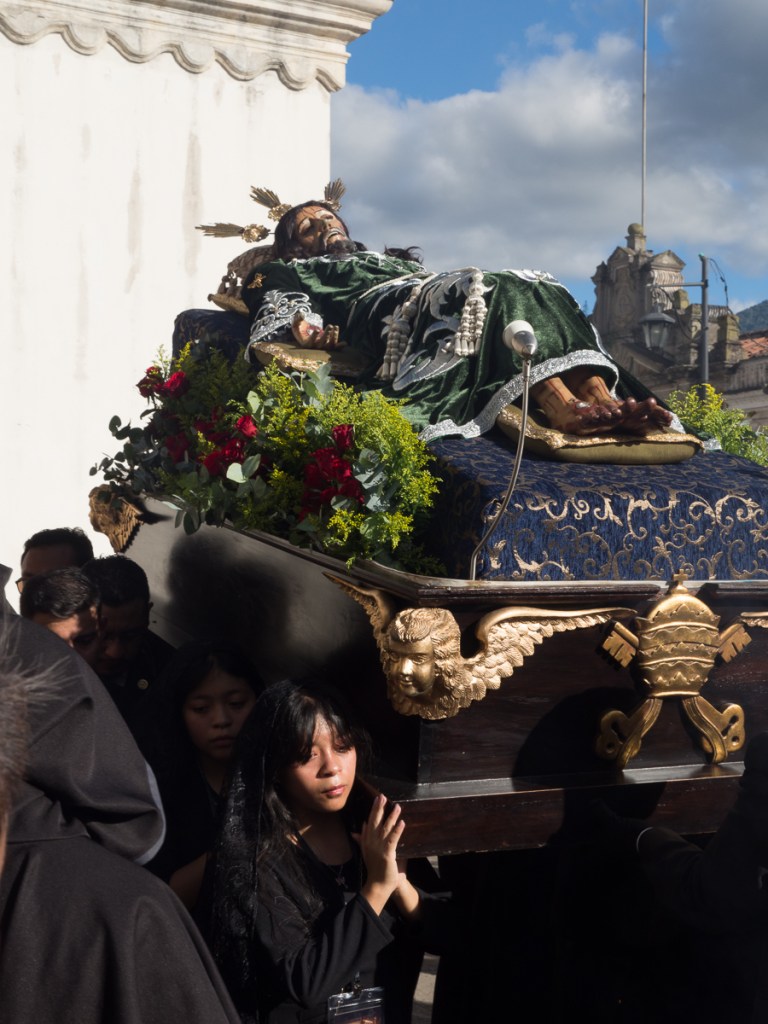
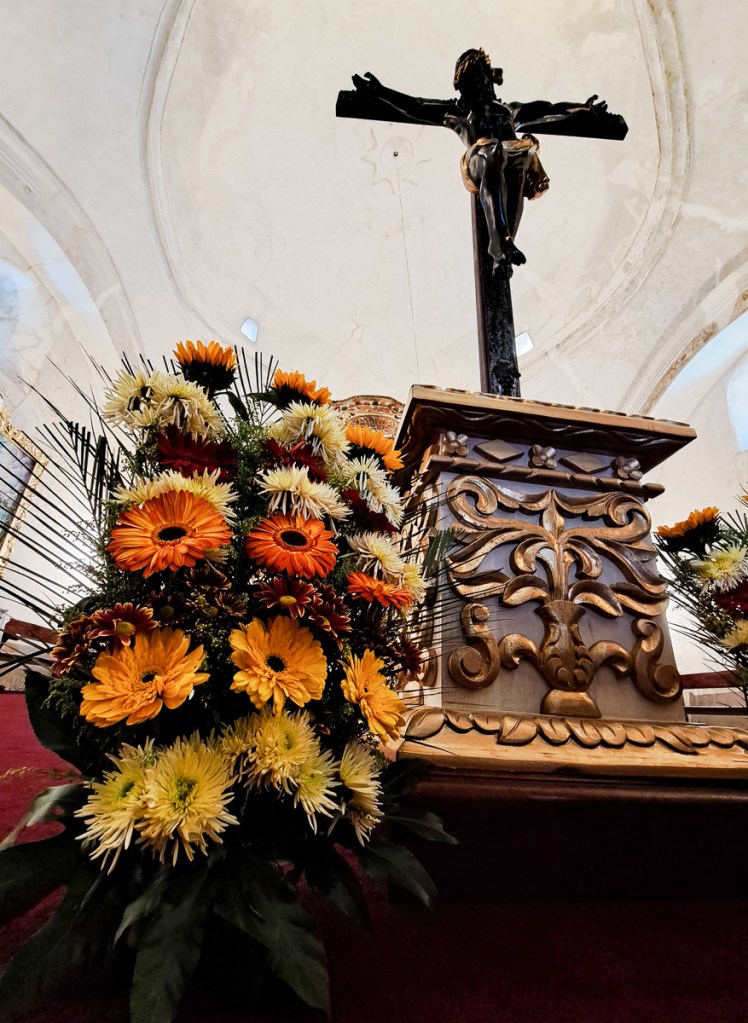

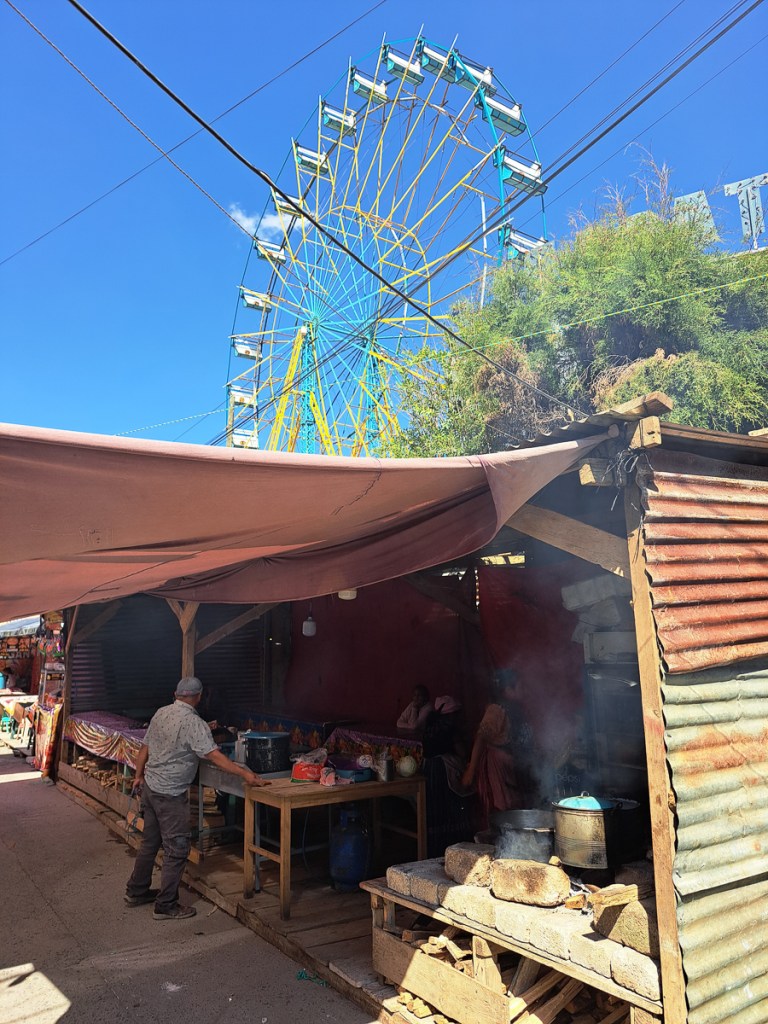
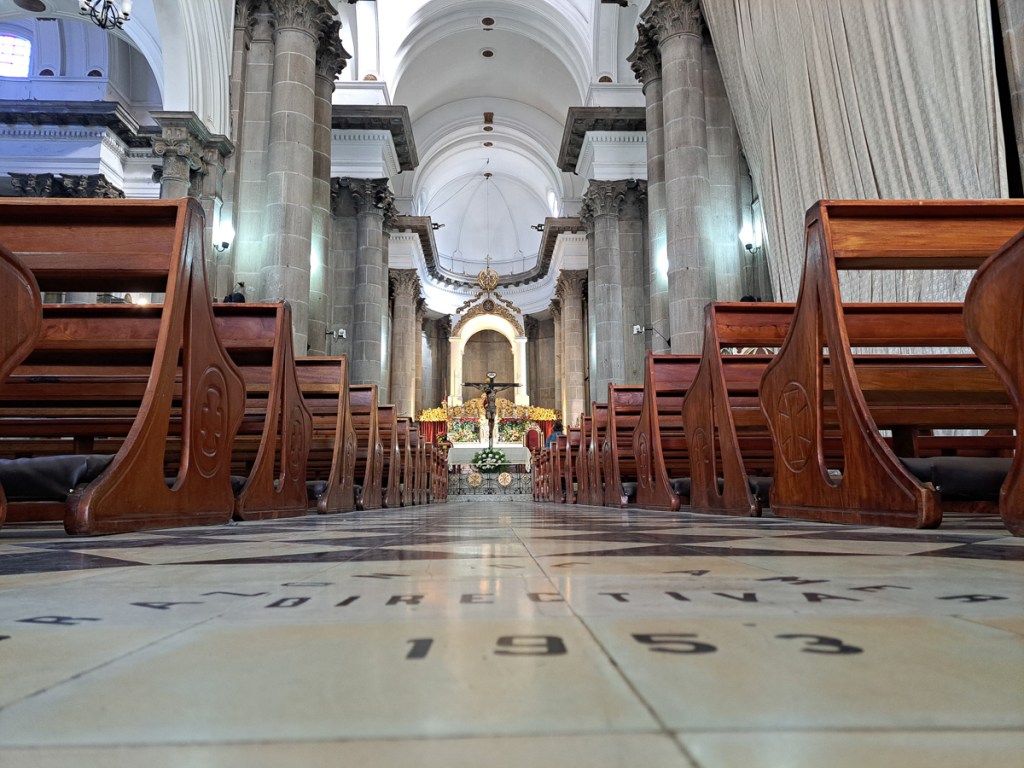
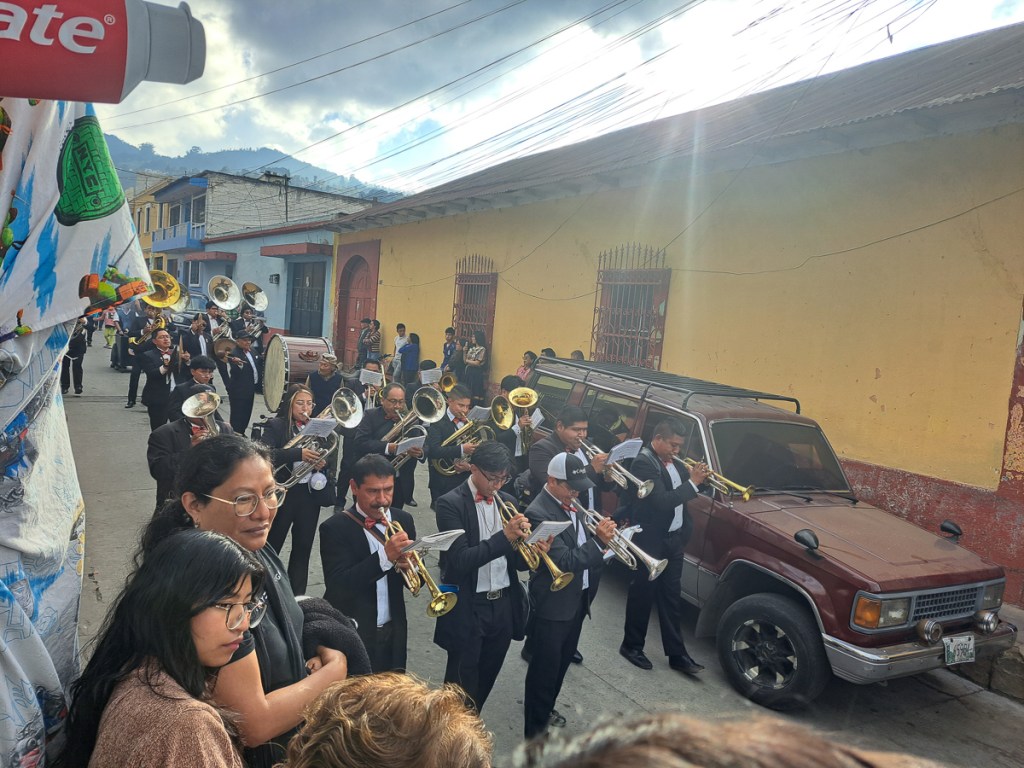
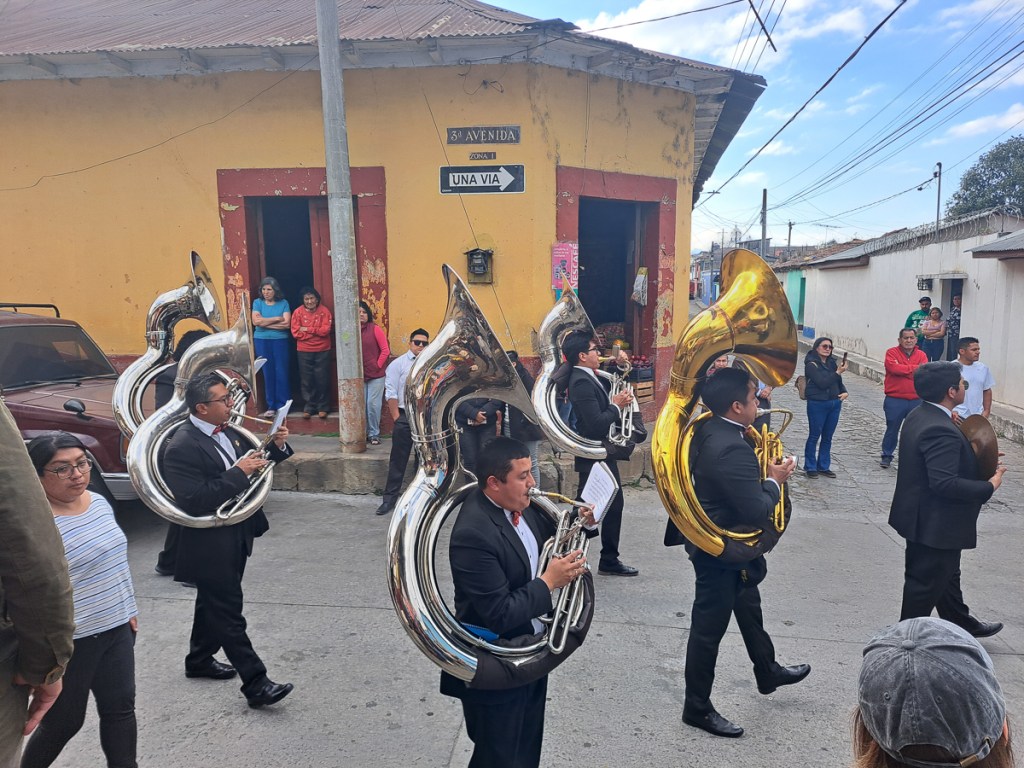
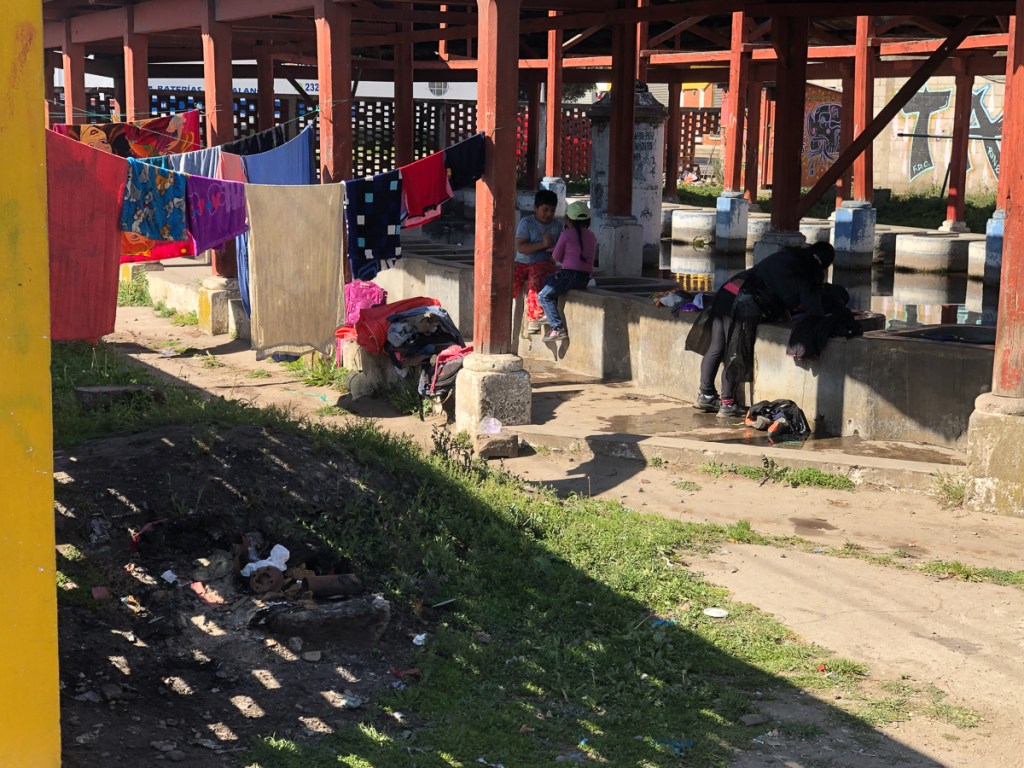
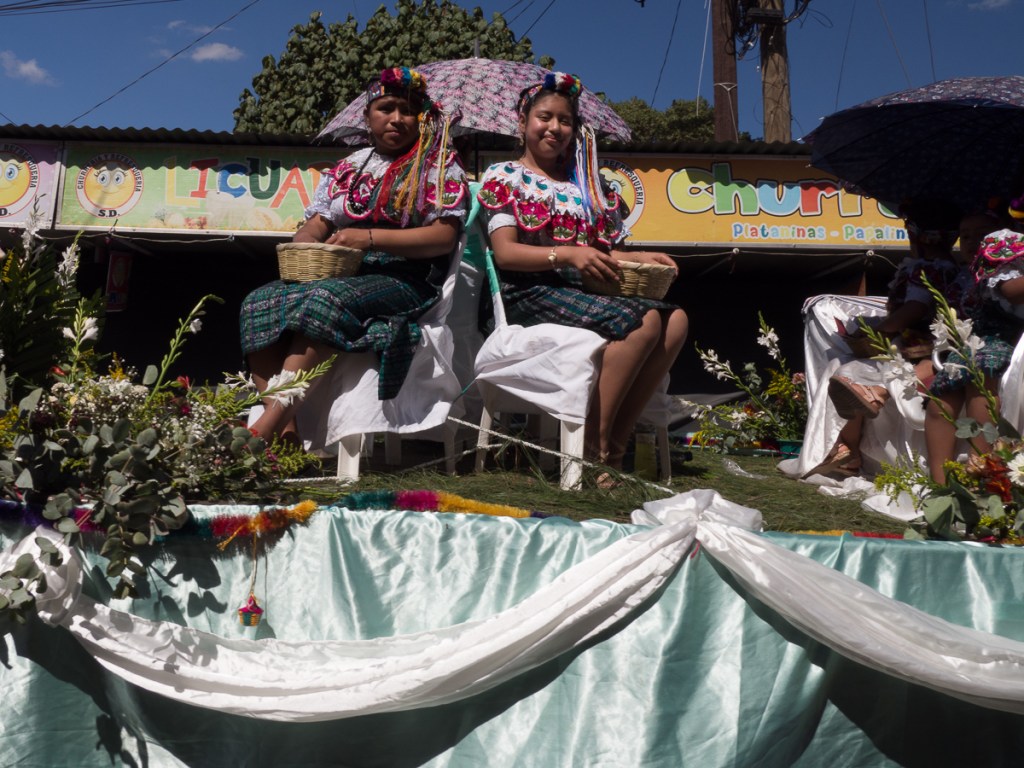
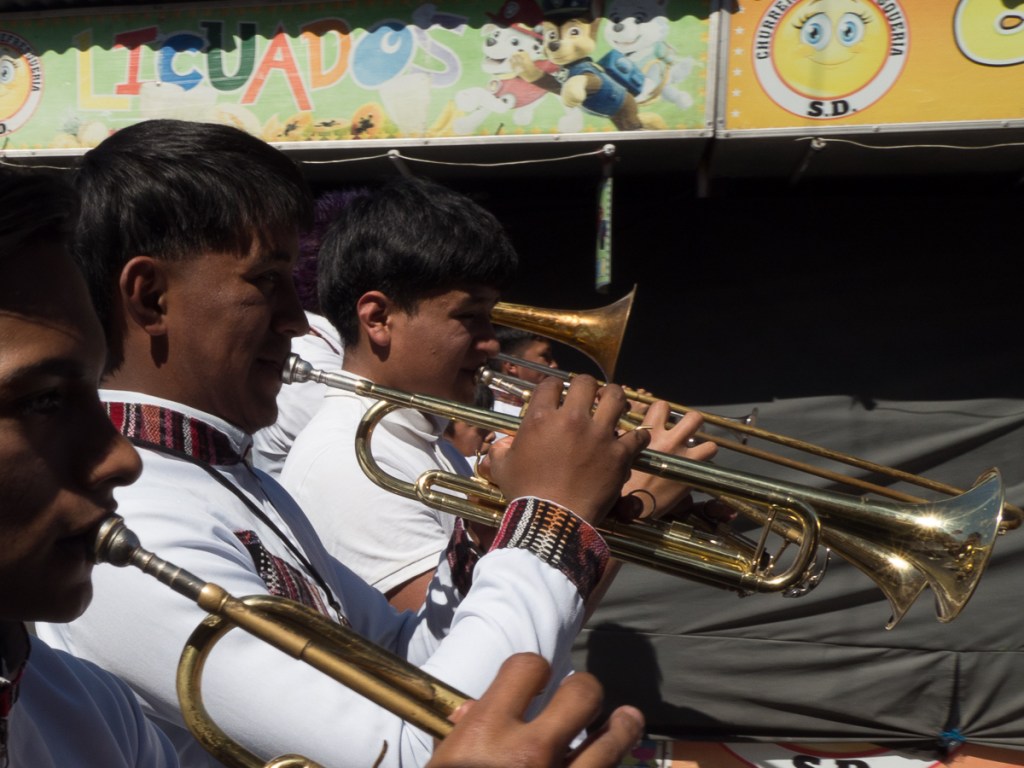
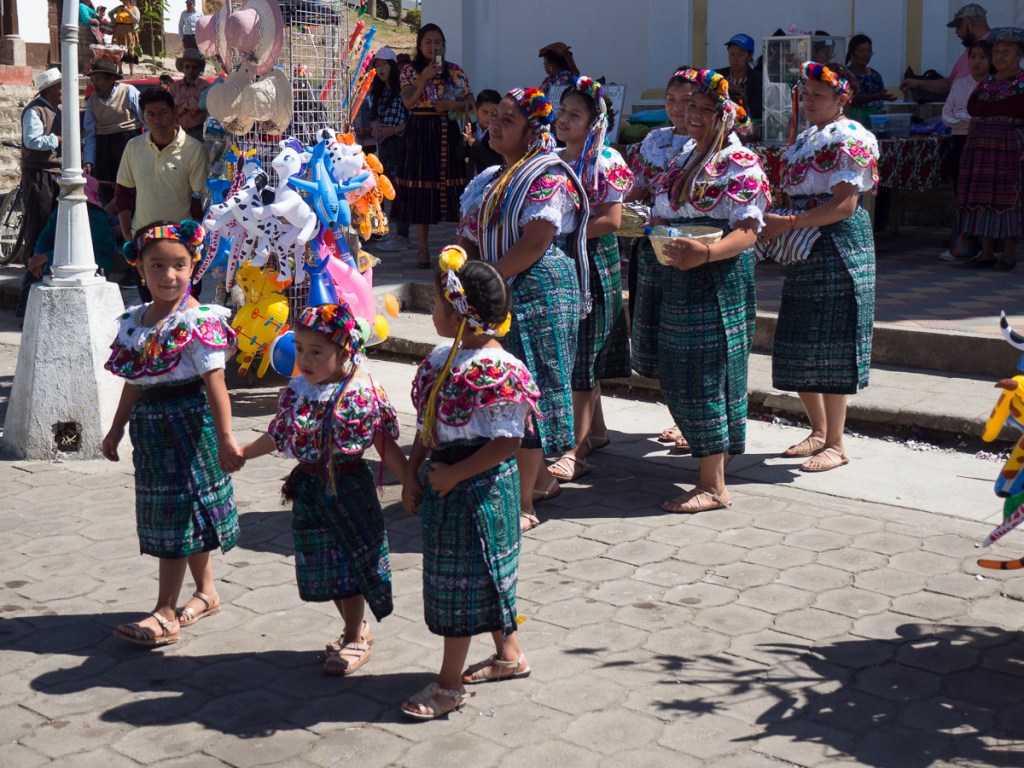
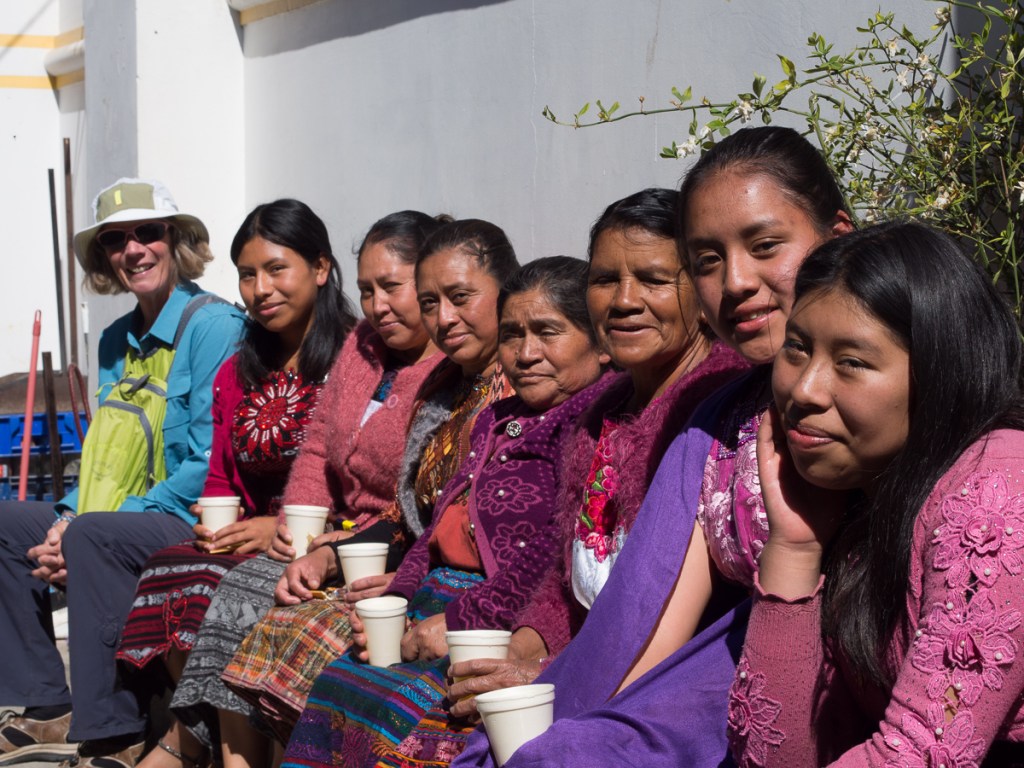
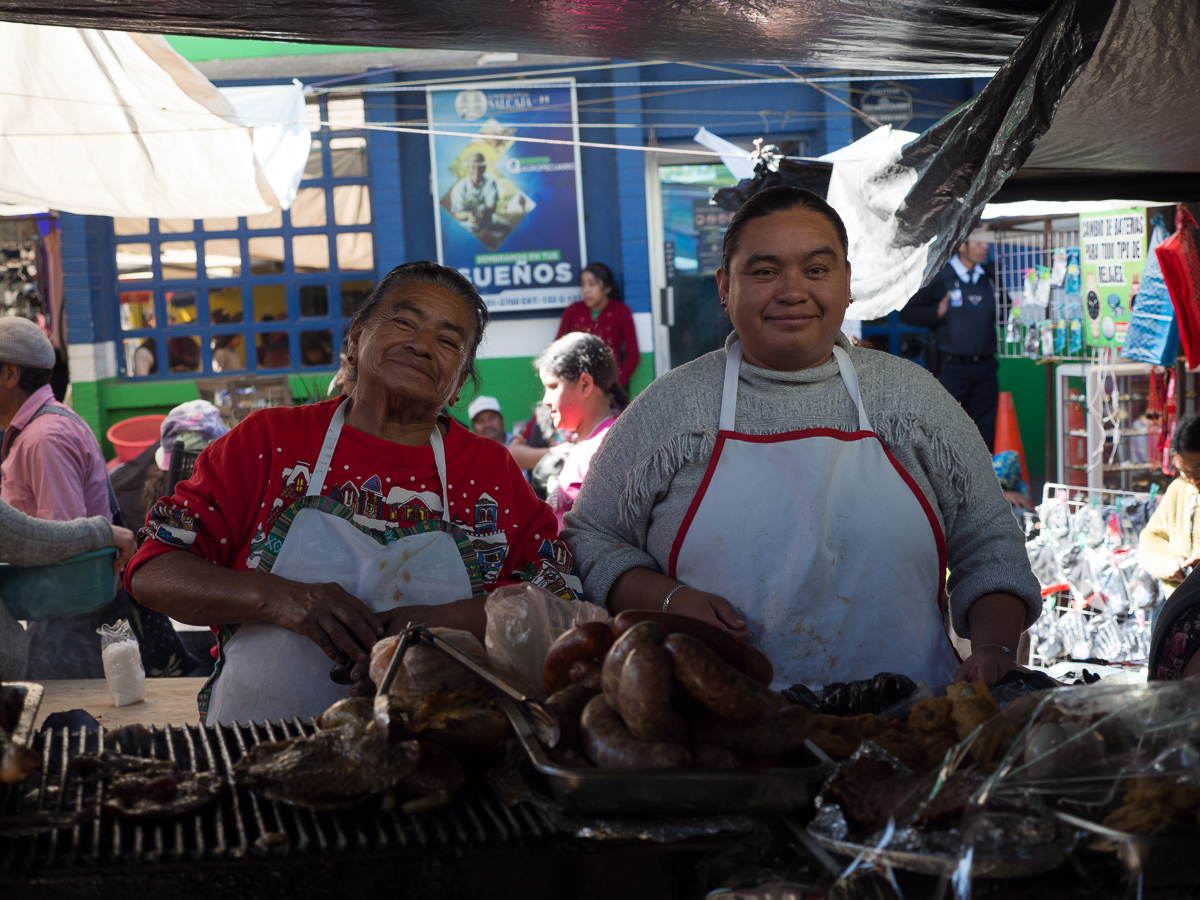
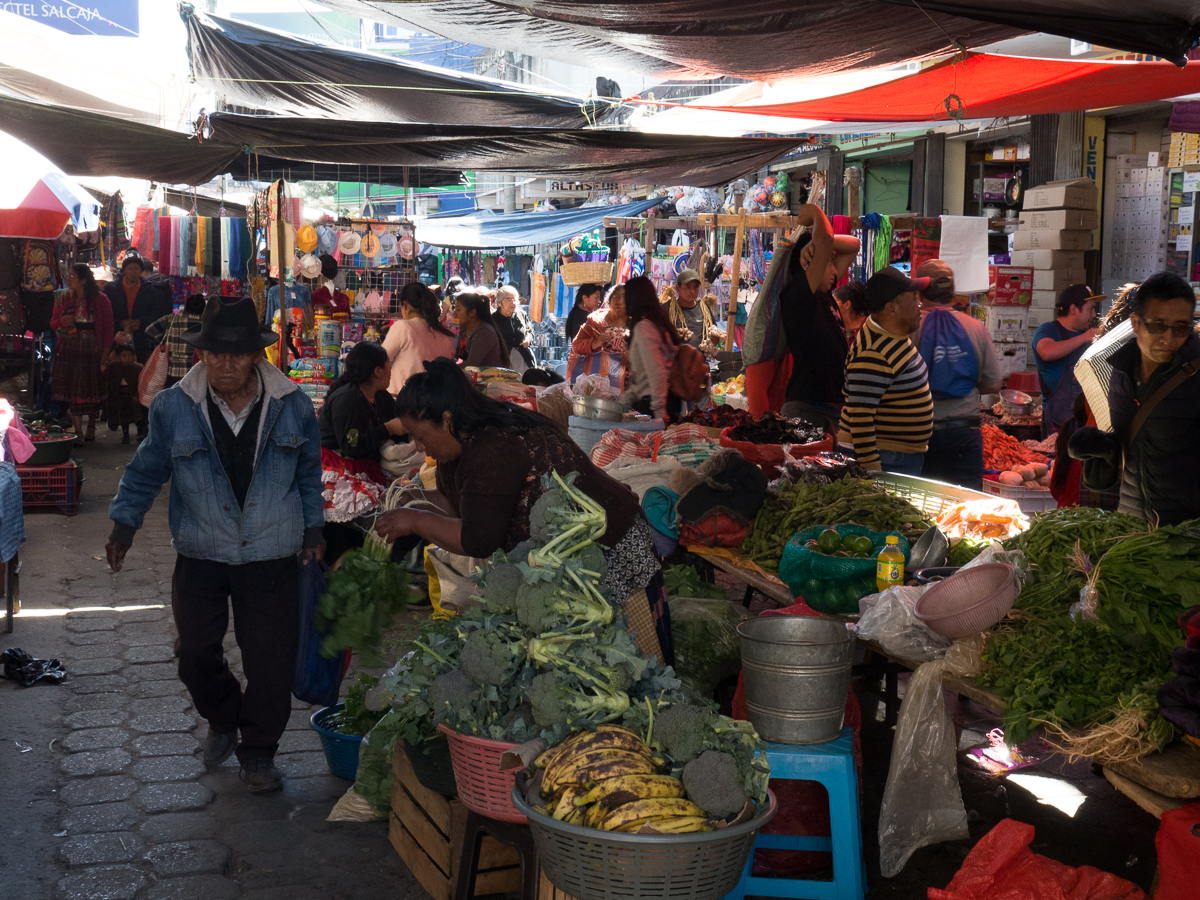
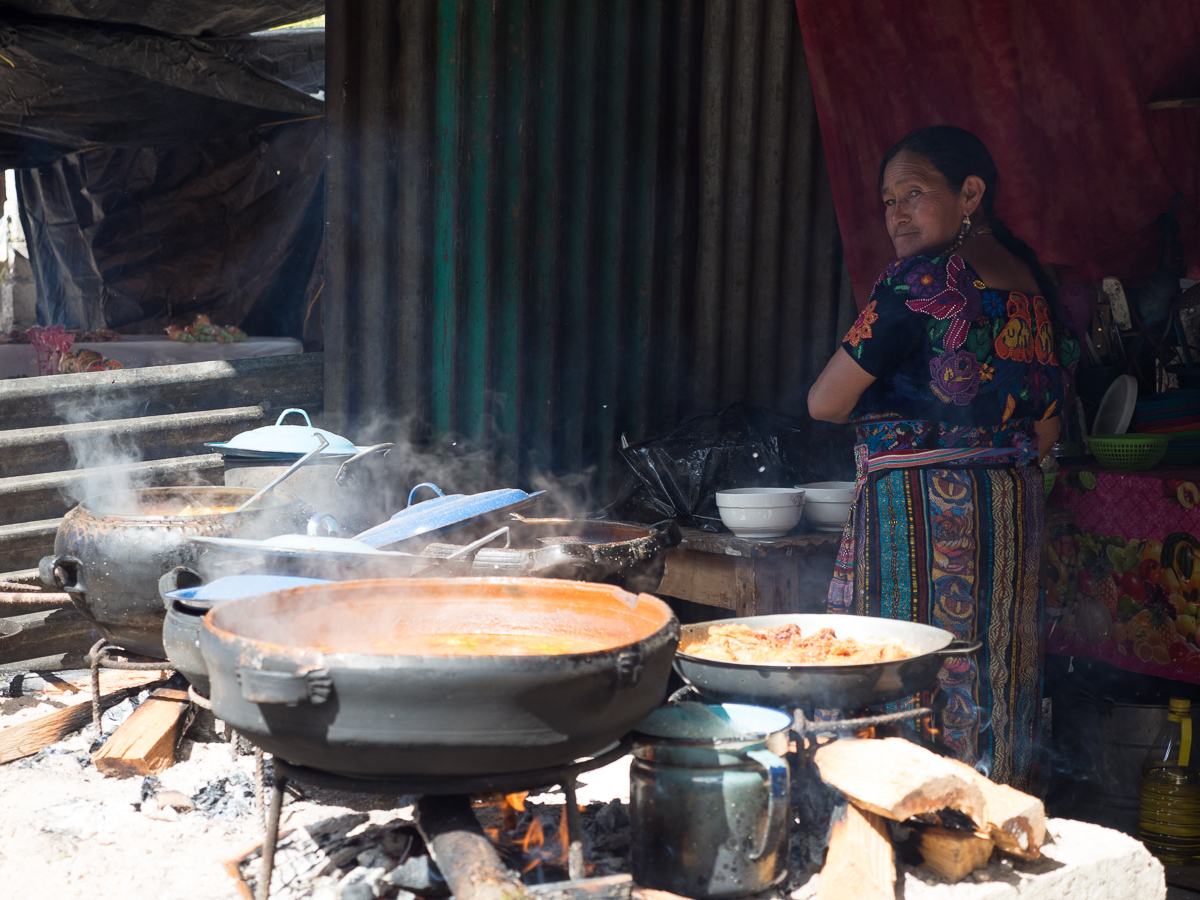
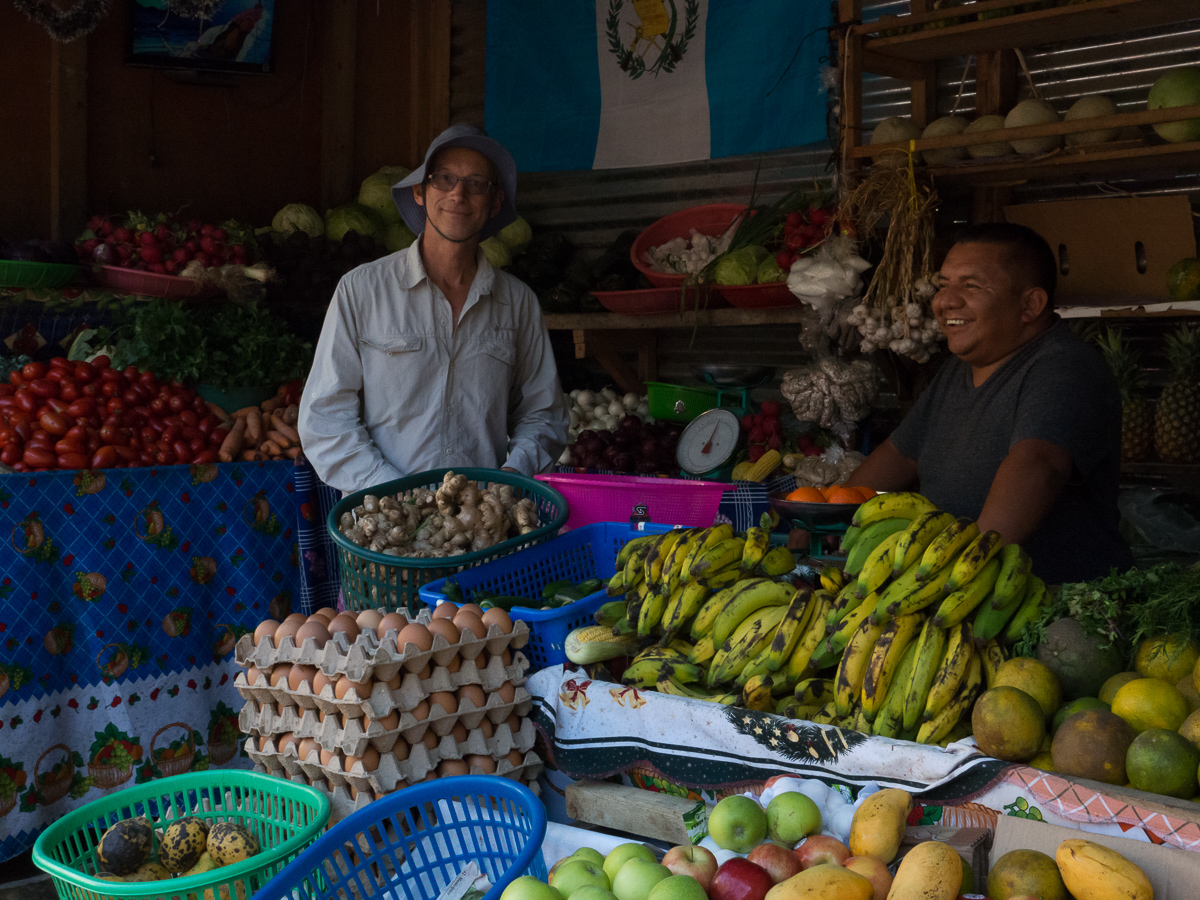
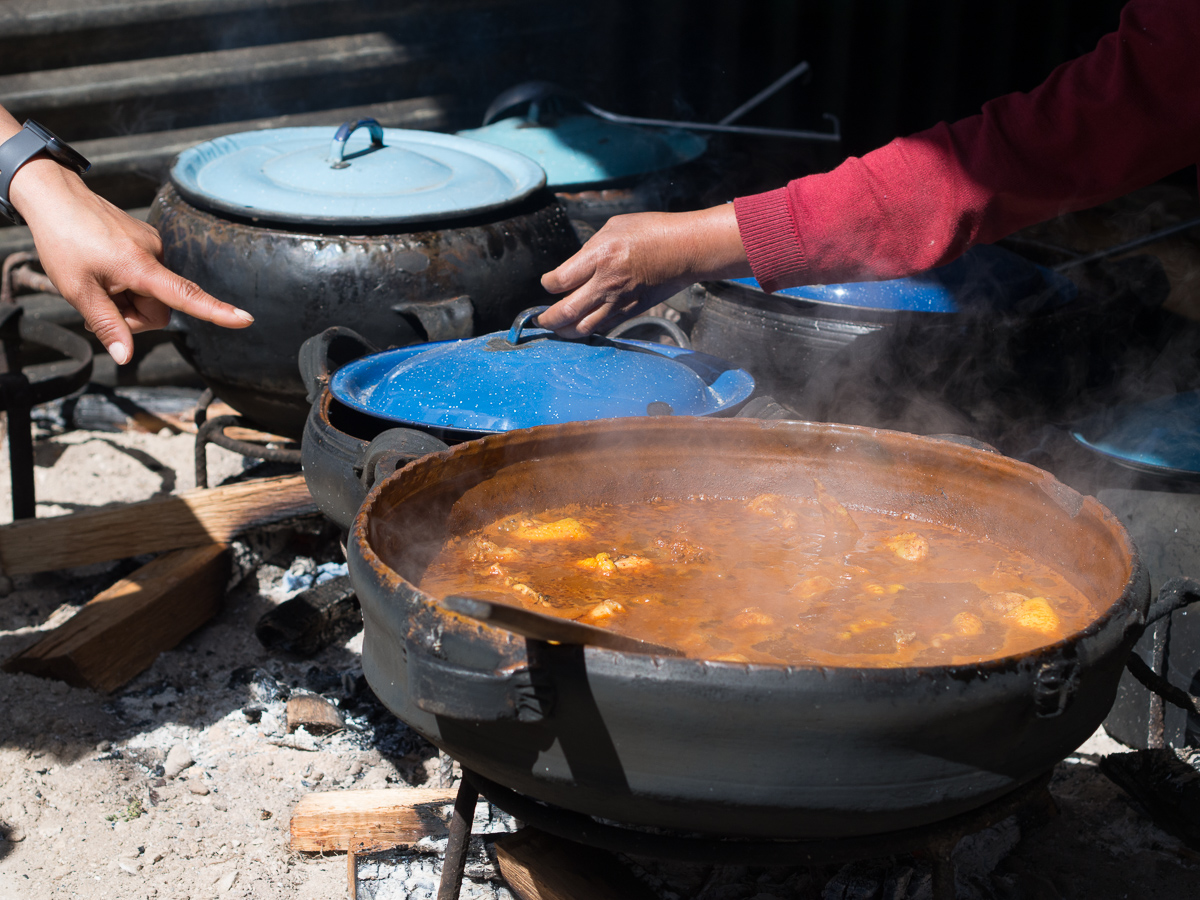
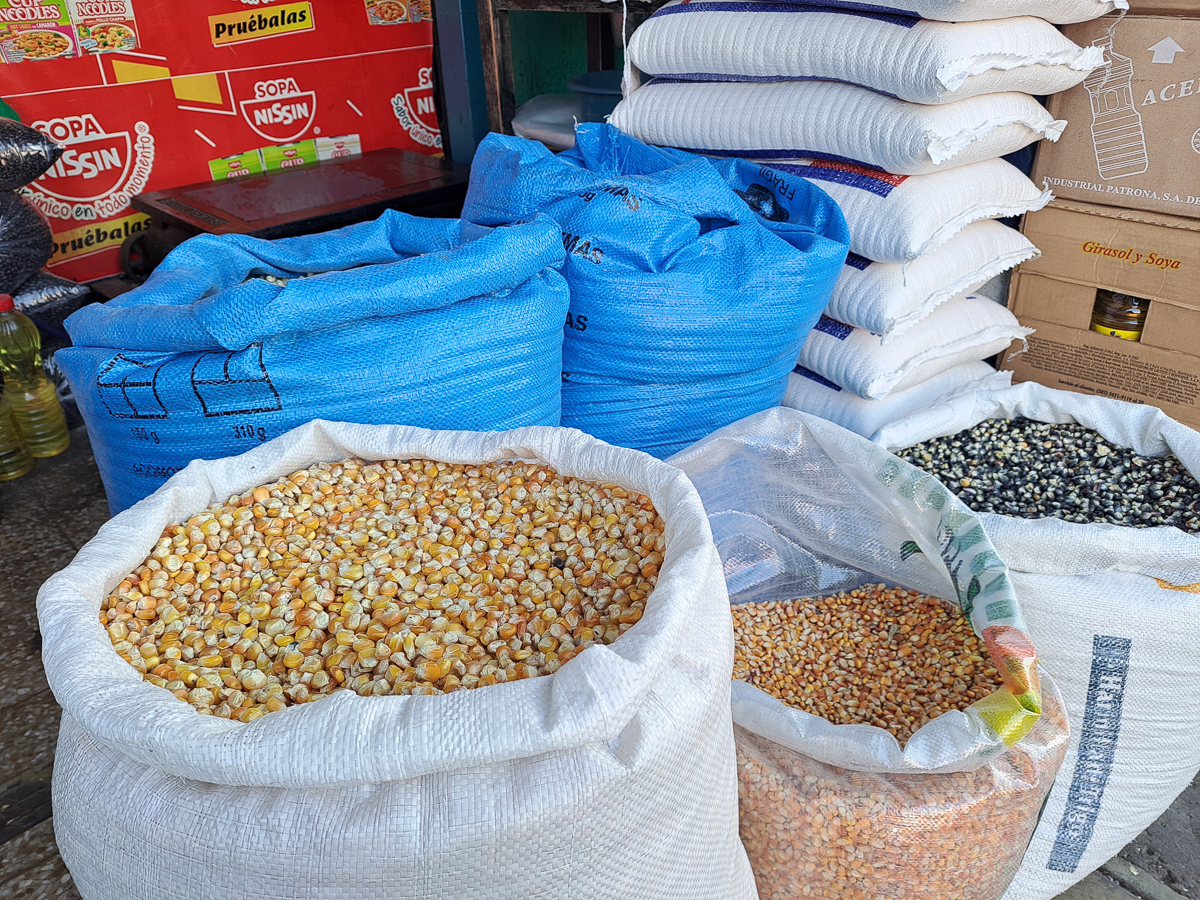
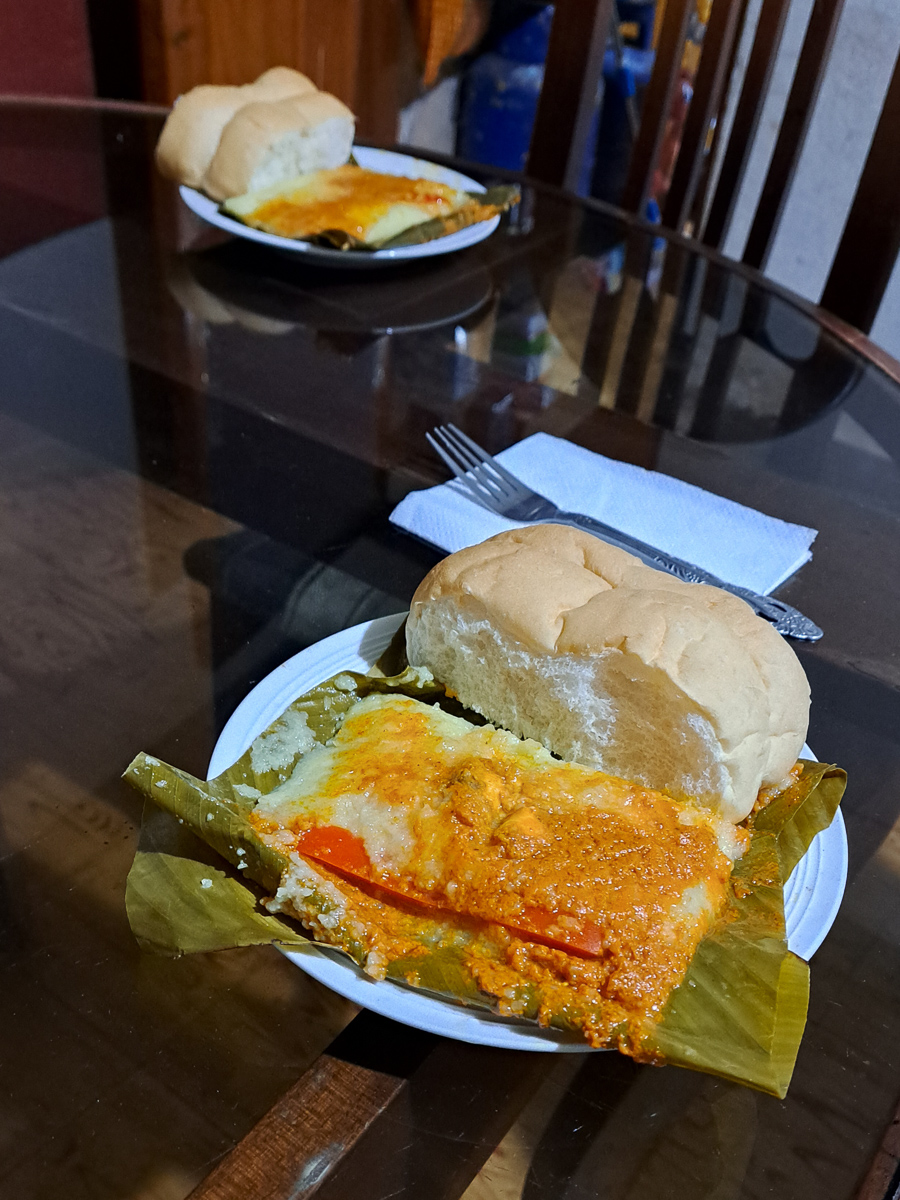
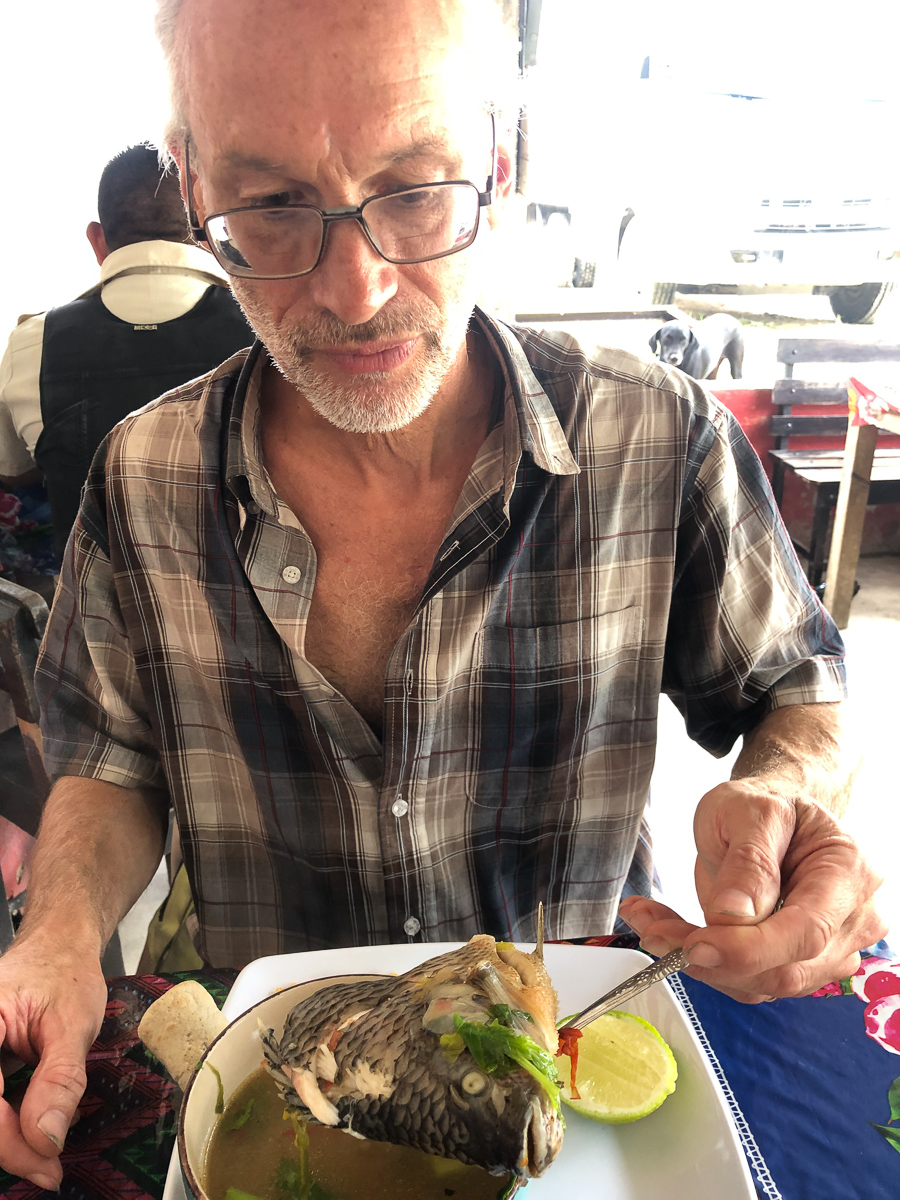
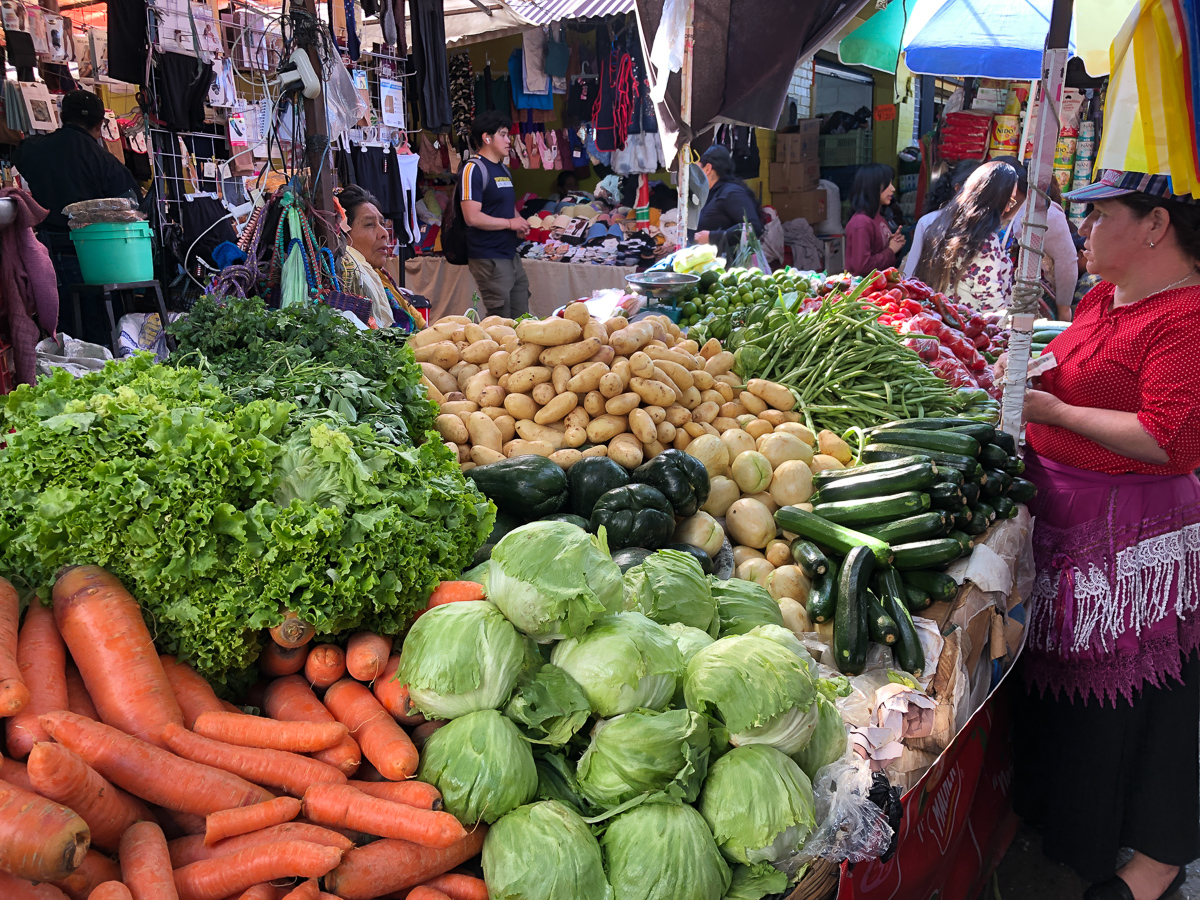
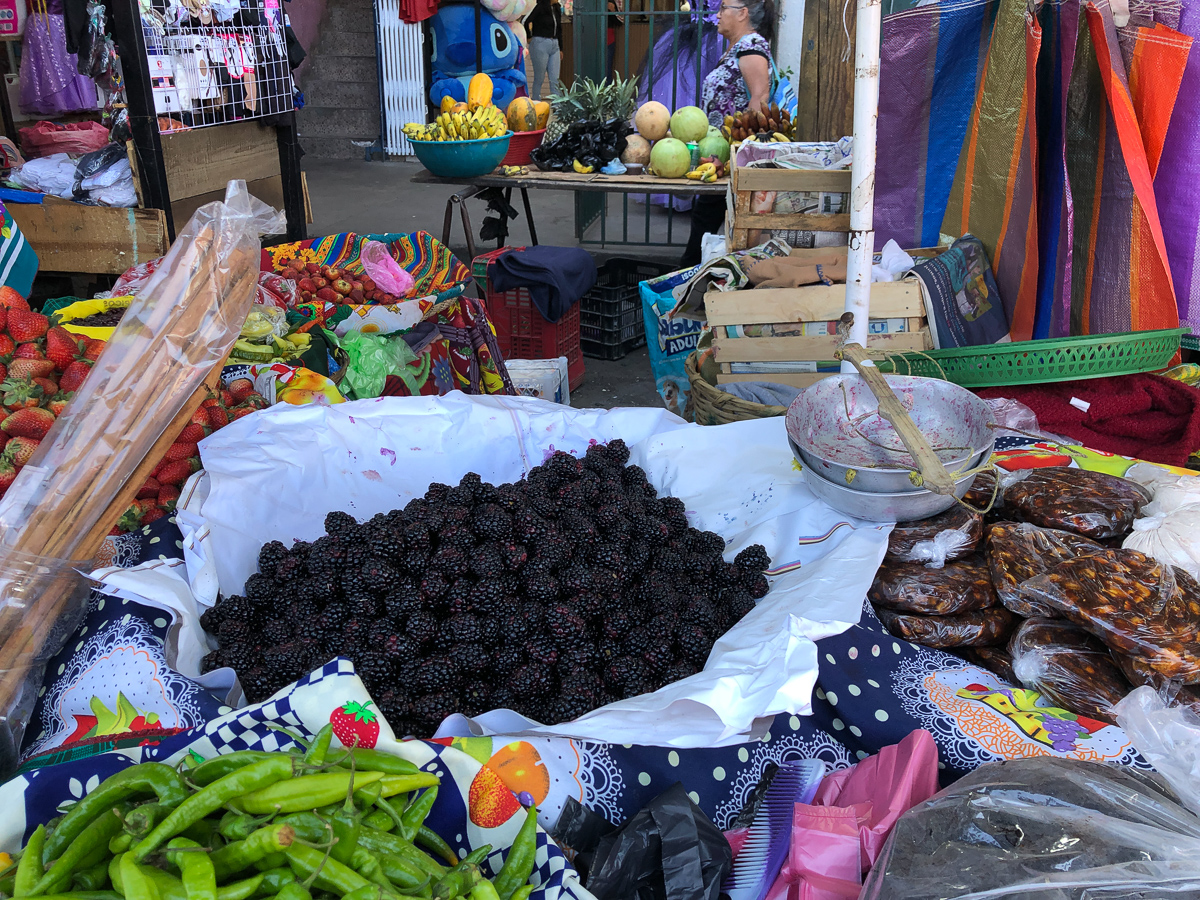
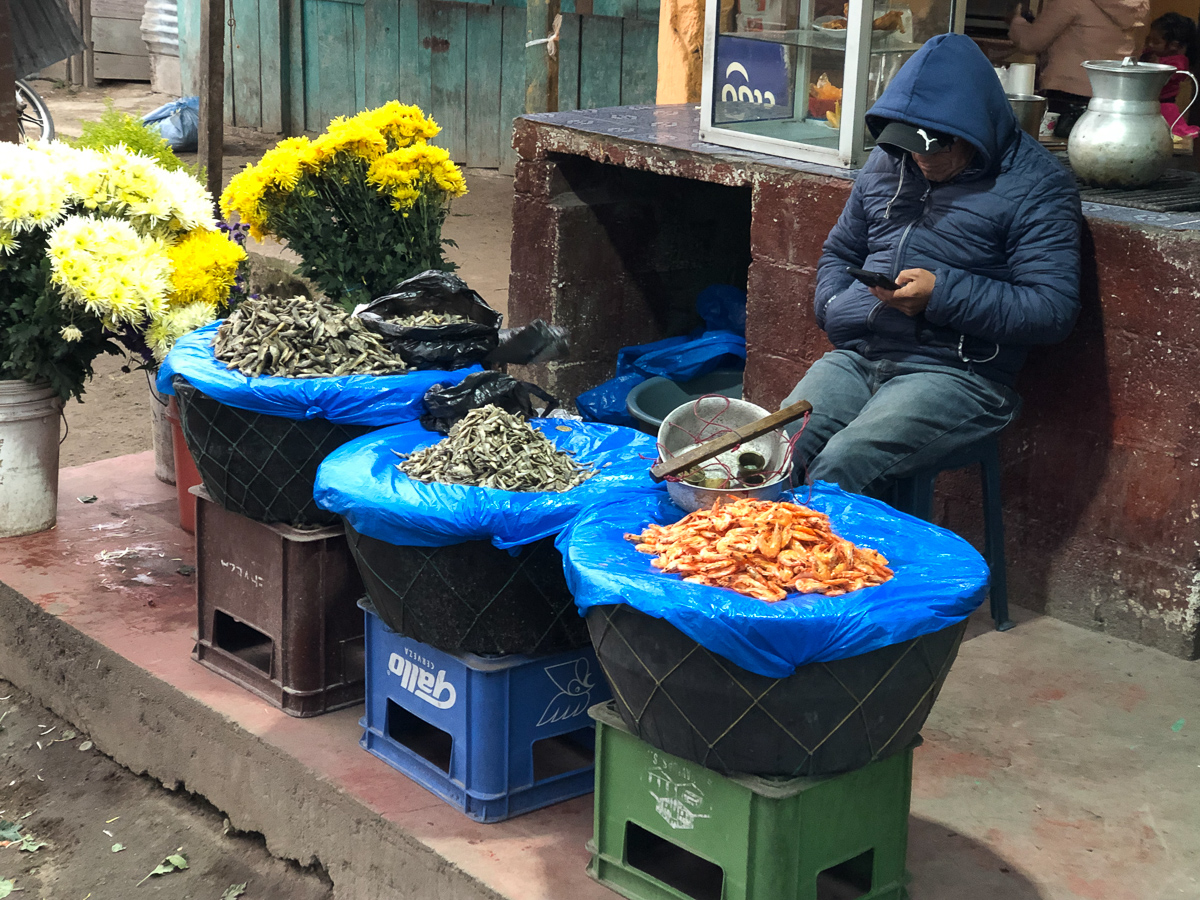
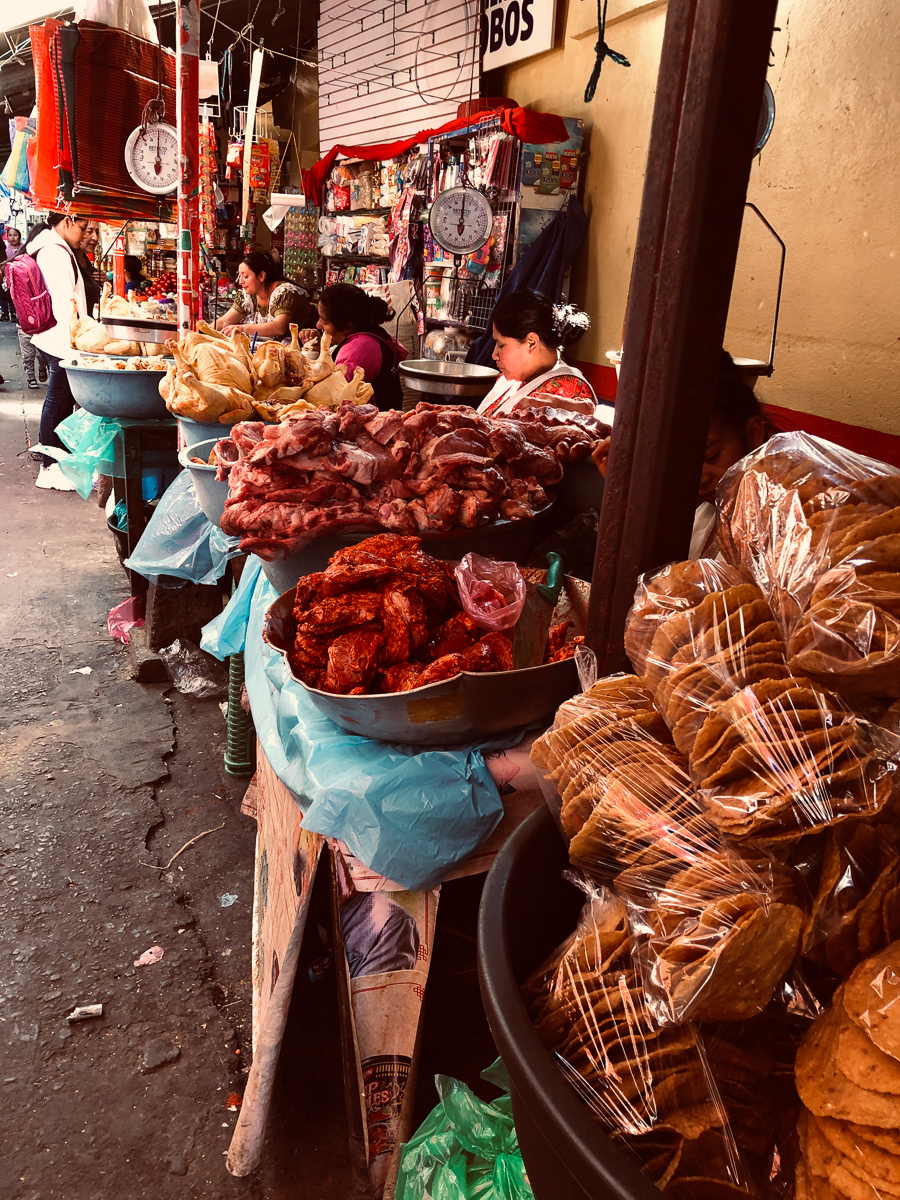
We try and take nice pictures, and occasionally succeed. I, at least, was really impressed by the postcard images by local Marino Cattelan (https://www.instagram.com/cattelanmarino/?hl=en). Lovely. Perhaps our own standards have slipped, or maybe we haven’t the time (great images rarely just happen).
 2silvercyclistsdotnet