After extending our beach stop in El Salvador to allow Gid to rise from his sickbed, it felt good to be back on our bikes and focused on covering distance. Well, some distance – our stops aren’t far apart in Central America, as there’s plenty to see. Most of these countries have nominally a middling population density, but in practice crowded urban areas, and middle density farming on the coastal plain and valley bottoms, leaving very few folks left to populate large areas in the hills or the north, toward the Caribbean coast. Much of which is still roadless jungle. Many of the small communities there are not connected by road to their countrymen. Being roadless, these large areas are not connected to us, either, we’re only in the more populous areas.
Copan Ruinas, our first Honduran destination, was slightly NW from our border crossing. After 2 hours in the border, Aduana, we were fairly focused on making some progress but then reality hit. The road was still under construction. Sections of it were near perfect but for some reason it had 2m bands of gravel every 150m or so. No need for speed bumps here. The views were beautiful but viewing spots are a luxury seldom found. Other parts of the road were very much still under construction but we soon learnt to go ‘native’. Honduras is back to swarms of bikes. At road works they weave their way to the front and beyond given half a chance. On one such occasion we followed the bikers and a family of cyclists through on to the coned-off raised new road. Ten metres or so before the end of this section the lead bikes peeled off to the left, across the approaching traffic, along a dirt track bordering the road, through the petrol station and down a narrow lumpy path and back onto the road. I stopped at the start of the footpath. I wasn’t alone. A man on his bike loaded with wood stopped too. We dubiously looked at each other and the kangaroo jumps the bikers ahead were doing along the footpath. Gid squeezed through. He got 2/3 of the way along with his bike bucking all over the place and stopped on what seemed like a position stranded half over the next lump. After that moment of route planning, so Gid says, (or buttock clenching), the Him bounced through ok. With a subtle shake of our heads the guy and I turned back. We had to wait a short while before we could squeeze out alongside the approaching traffic. Safe and sound off we went.
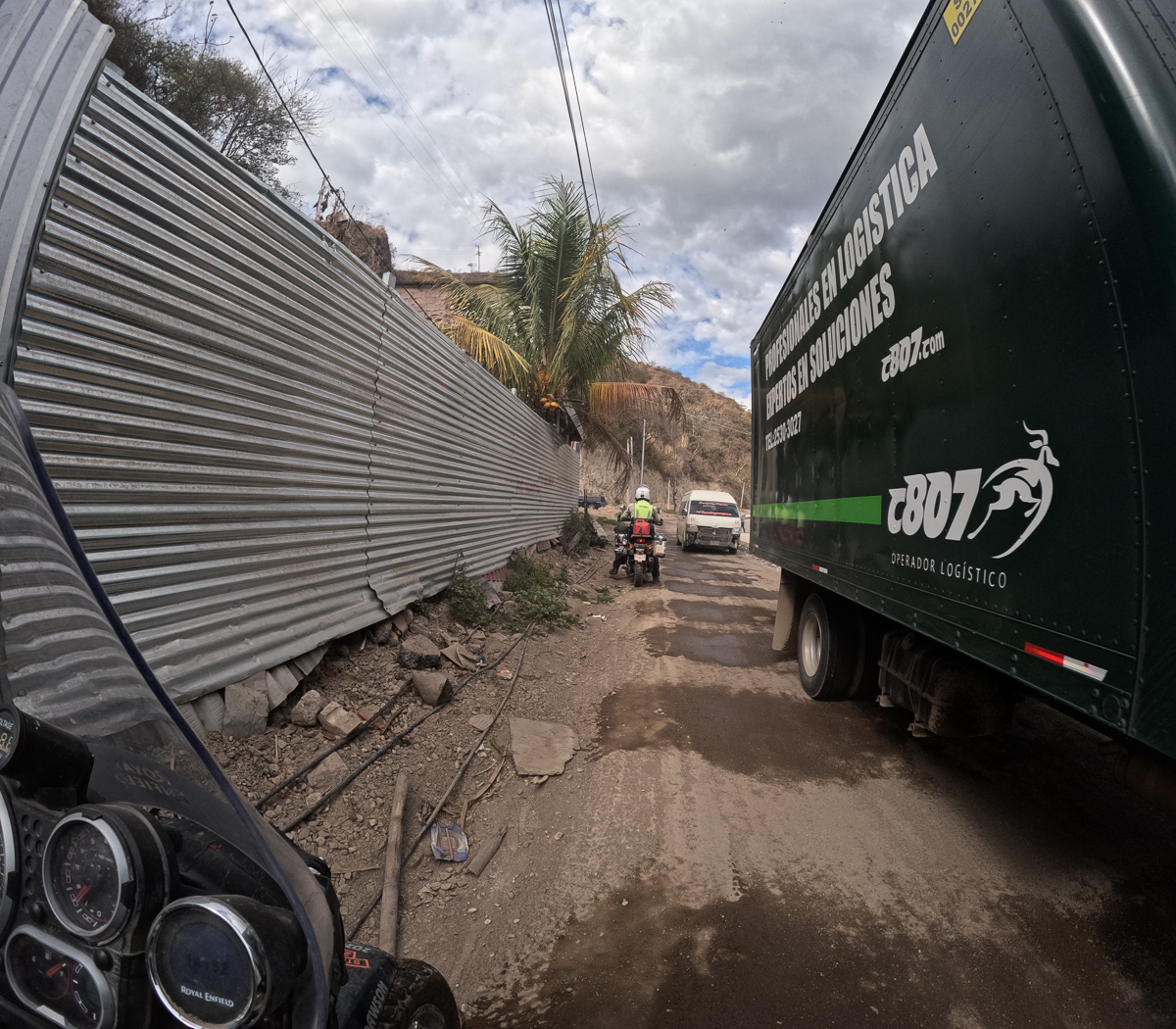
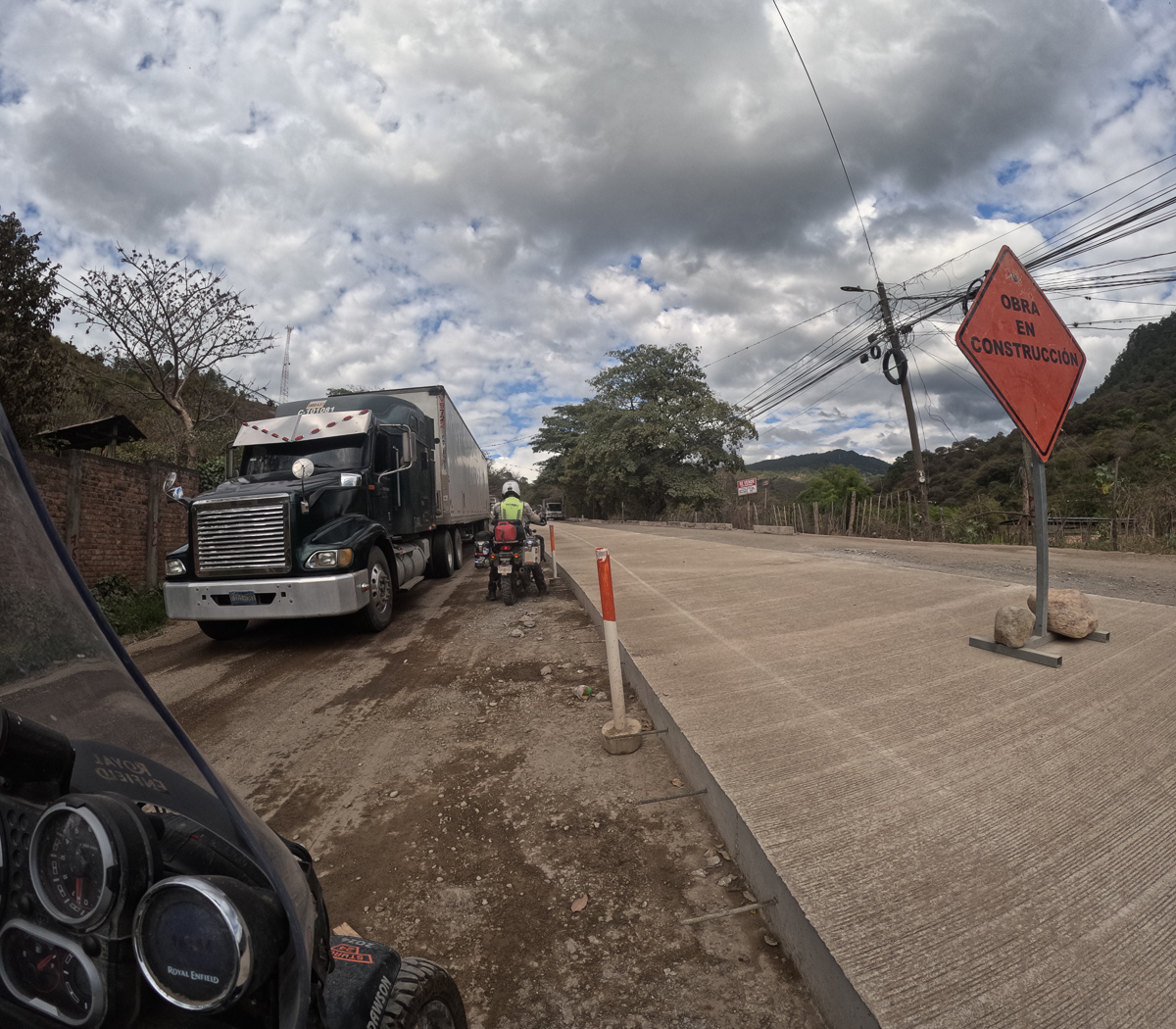
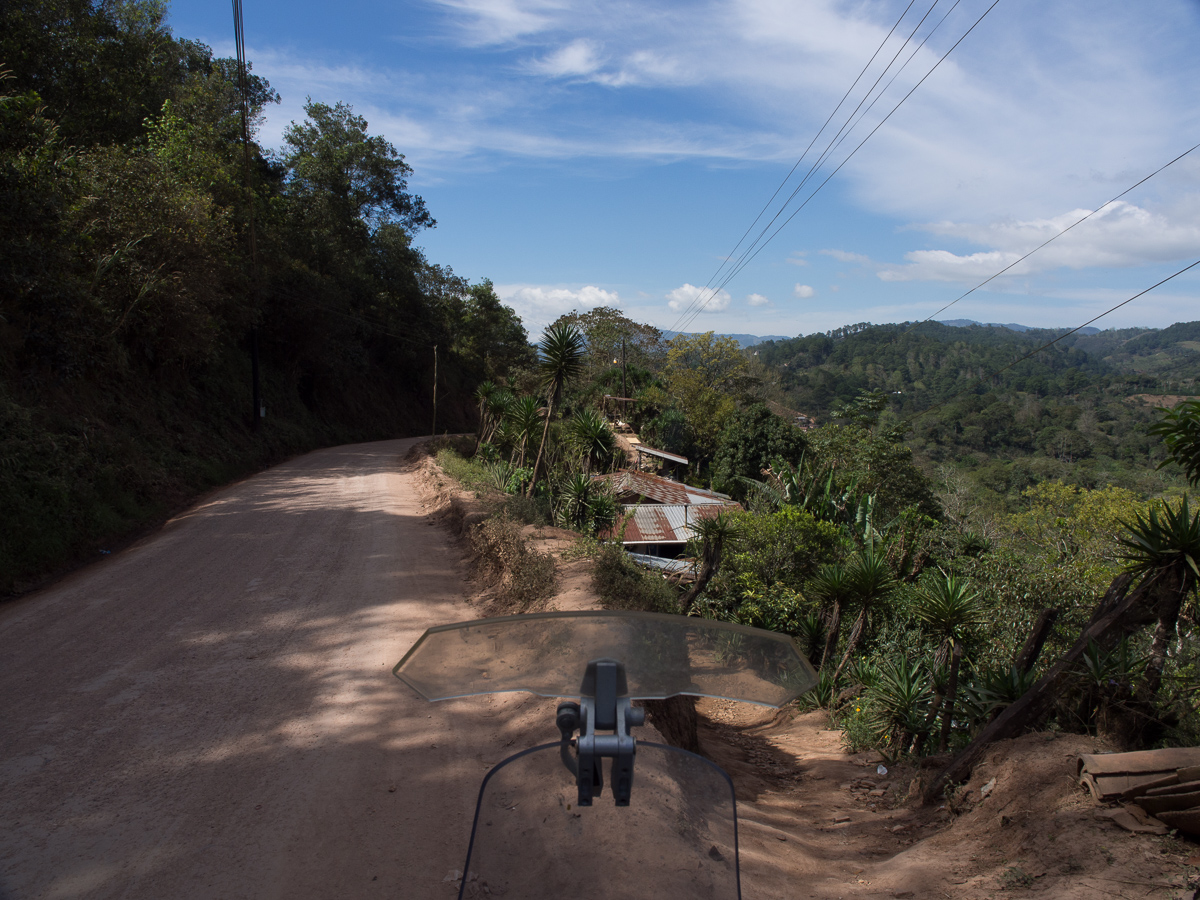
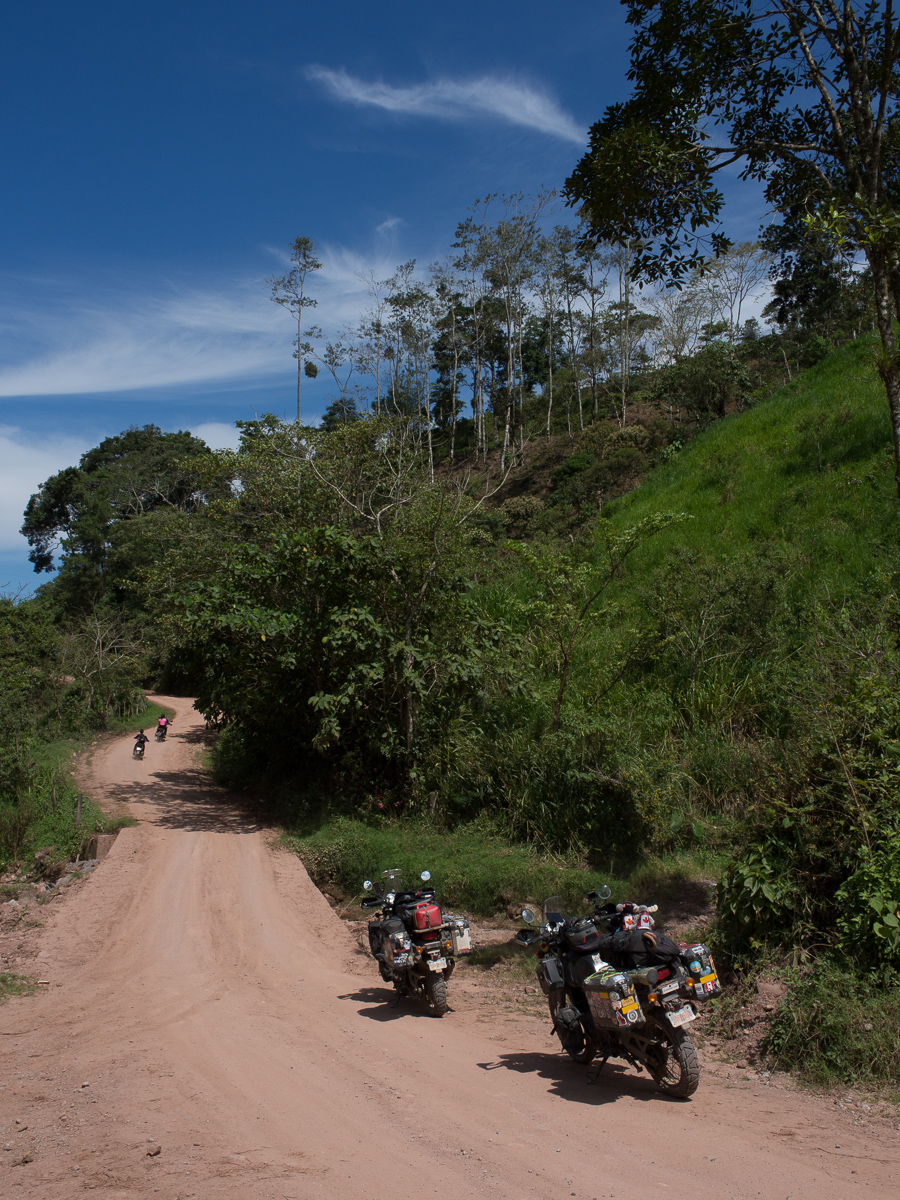
A little further along the road we took a turning. Dirt road the navigation informed us but – wrong, It was a newly laid 8km stretch of beautiful surfaced road with some wonderful views thrown in as we wound our way up and down mountain sides. Encouraged by this we took the next dirt road too. This 30km short cut bypassed a whole big loop around the top Gid informed me. But no such luck this time. Although a definite road it was dust, gravel, ruts, gulleys, hills, descents and a ford , along which, in the main, a steady dribble of motos overtook us. That was encouraging as it felt as if it was in constant use servicing the villages and other tracks along the way. Nearing the end however, three men overtook us but then stayed just in front. That was unnerving as they should have disappeared into the dust. Why were they hanging back with us? Thankfully it wasn’t too far until we were back on the main road. Our escort went in the other direction.
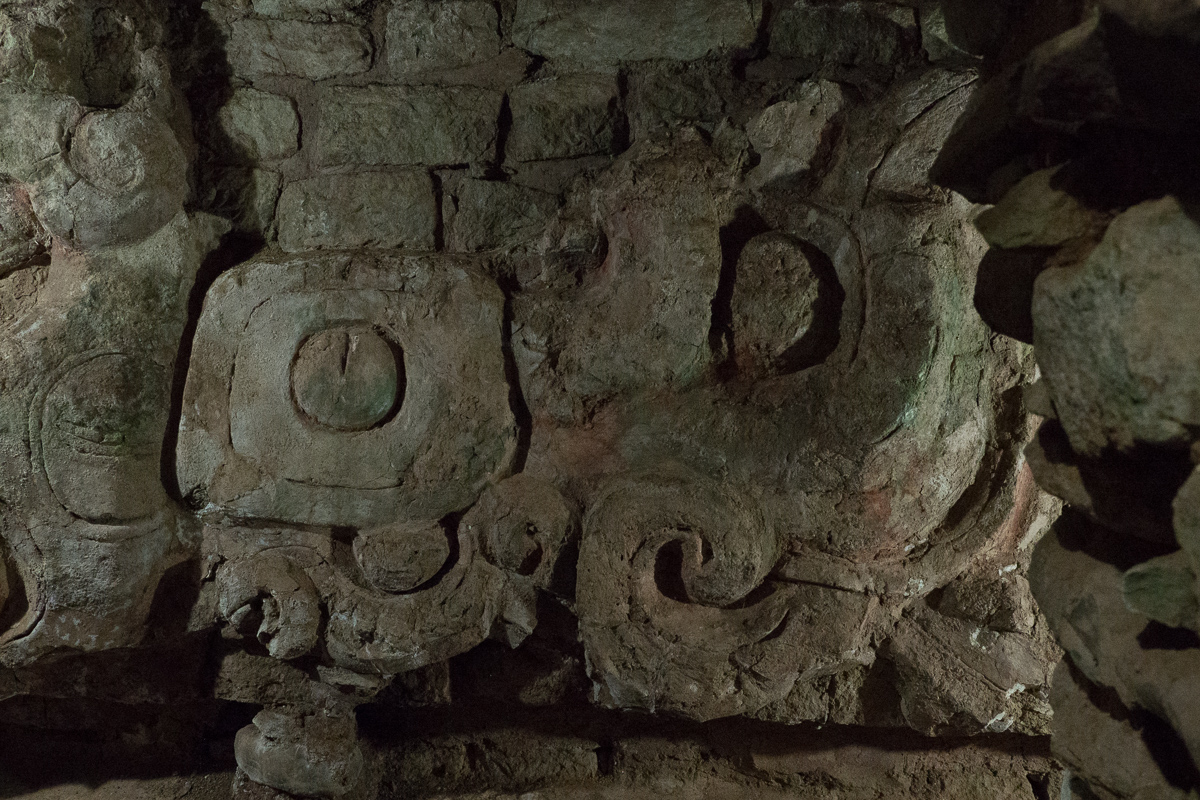
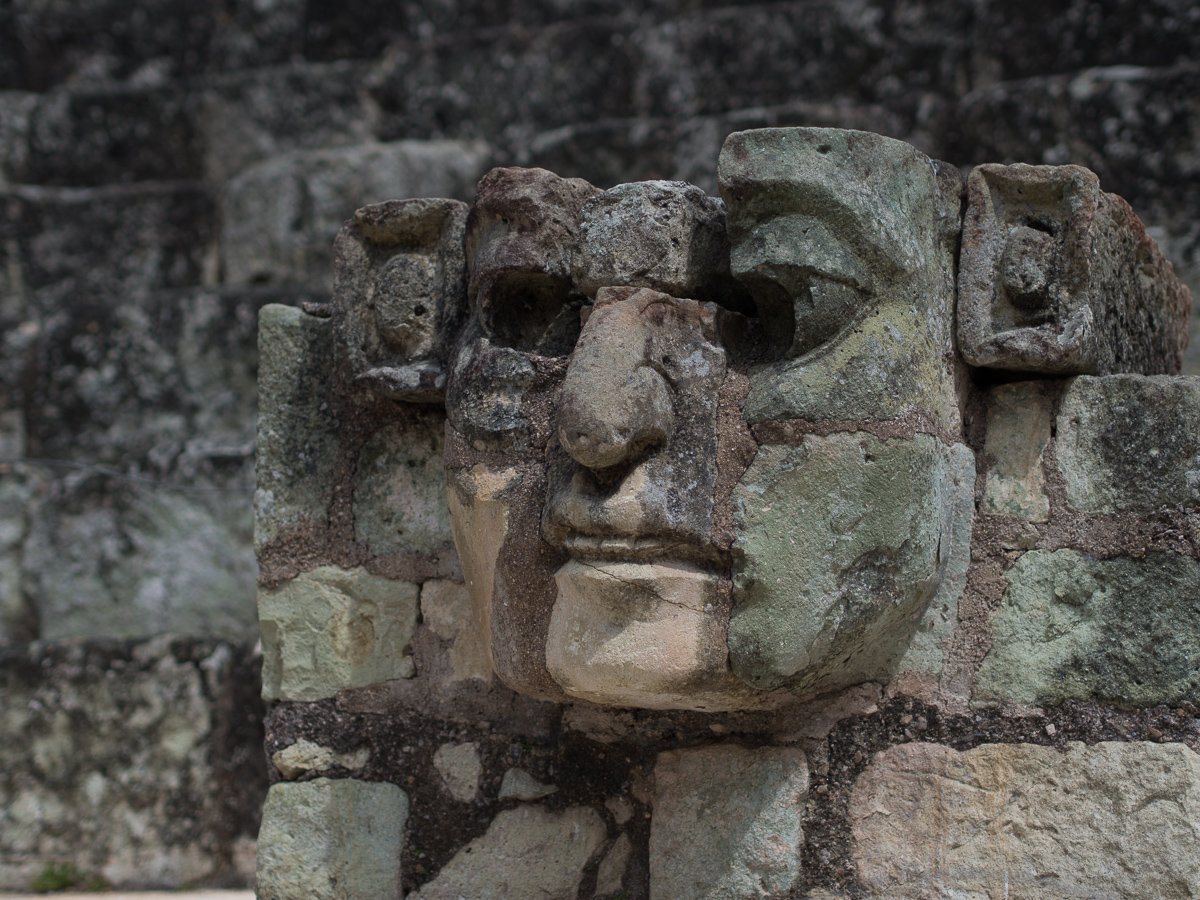
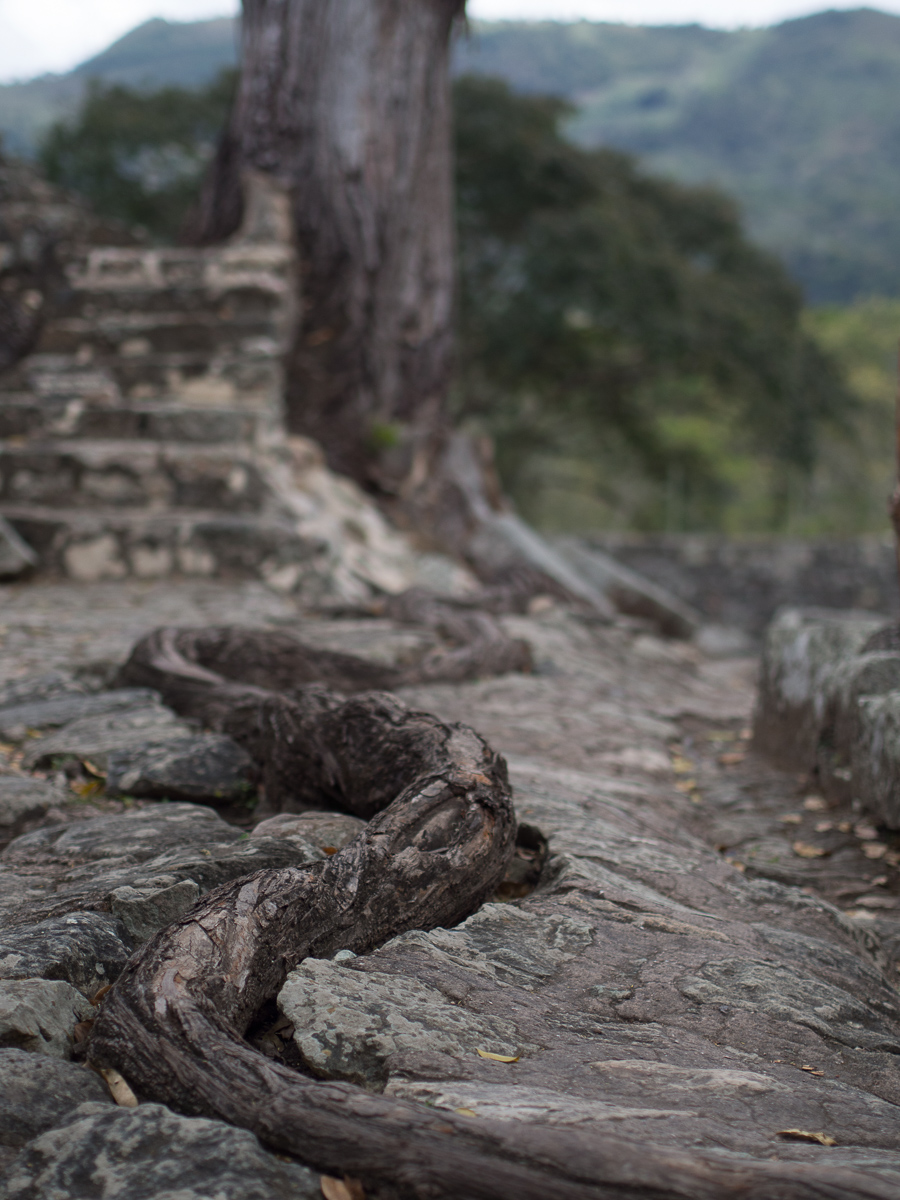
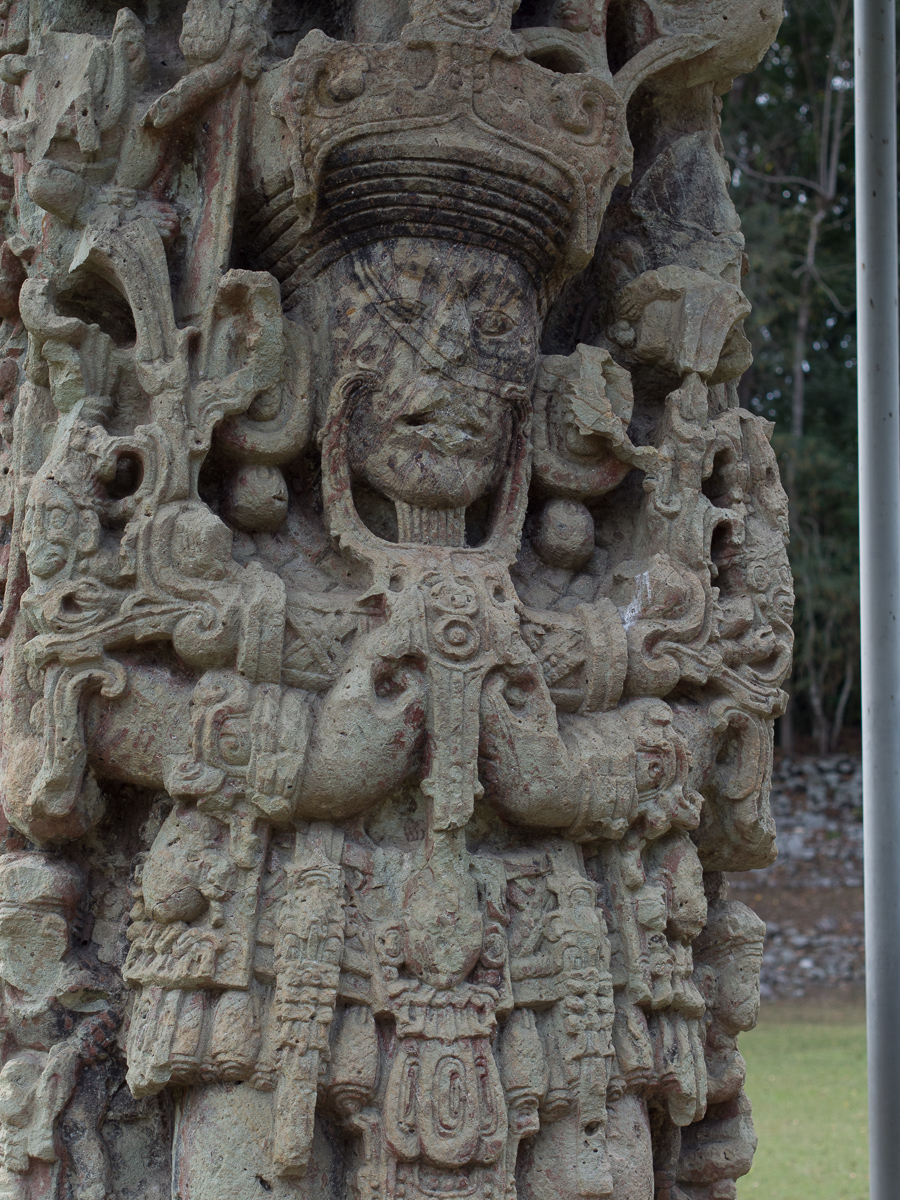
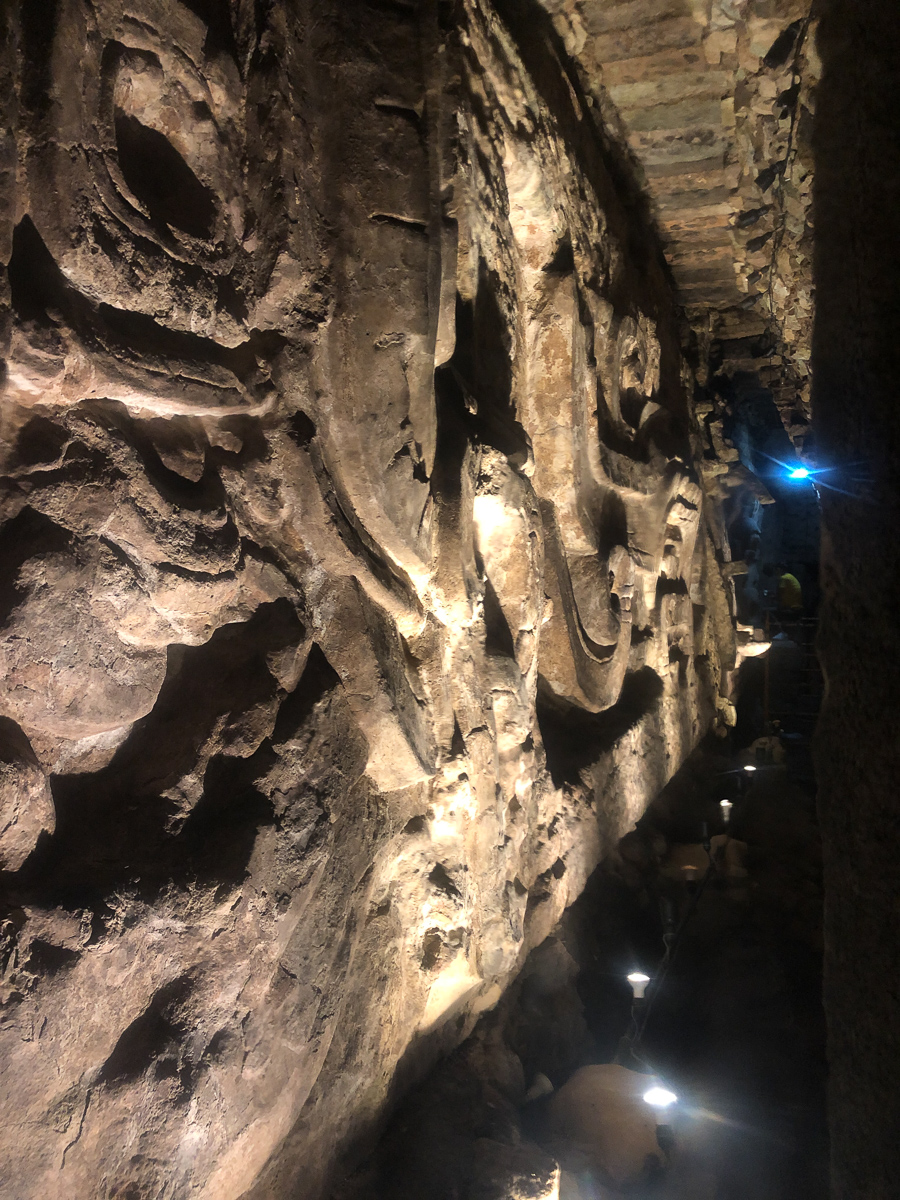
Copan Ruinas was delightful. Although another cobbled ancient town it had retained some of its charm because it wasn’t so full of tourist shops or heaving with tourists. When walking round the ruins themselves we were two out of four people in the place although a couple of groups were arriving as we left. The main attraction of Copan ruins, another Unesco site, was the option to go down into two tunnels and look at the previous temples. Because the temples were enlarged by successive kings who wanted their temple to be bigger and better, the carvings on the former temples had been covered and were still in very good condition. Somehow it felt magical to glimpse at what had been hidden away.
Archaeological work was very much still in action both on the surface and inside the tunnels which felt as though we were experiencing history as it was being uncovered. The displays in its mini museum linked the Copan ruins to several of the temple sites that we have already visited. Copan is the last major and most southerly Maya site in Central America.

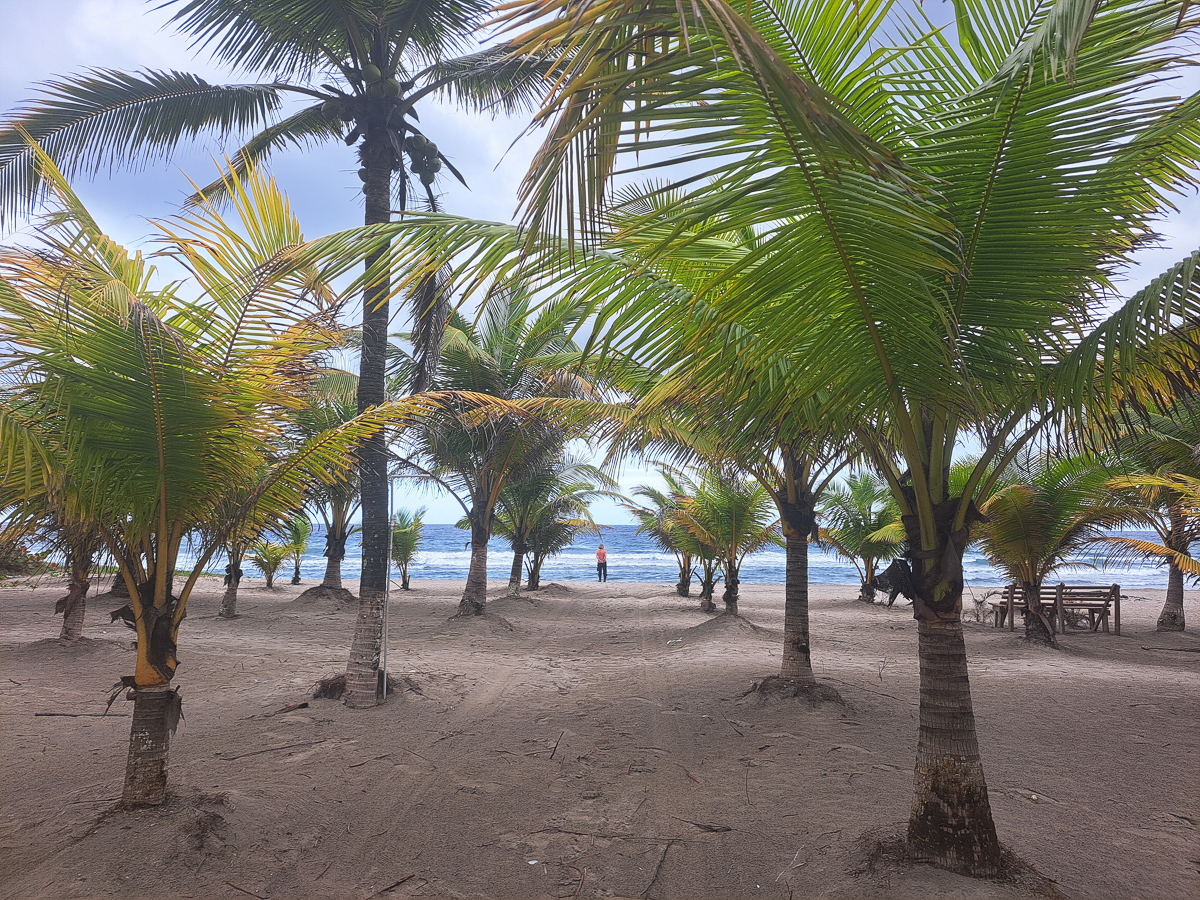
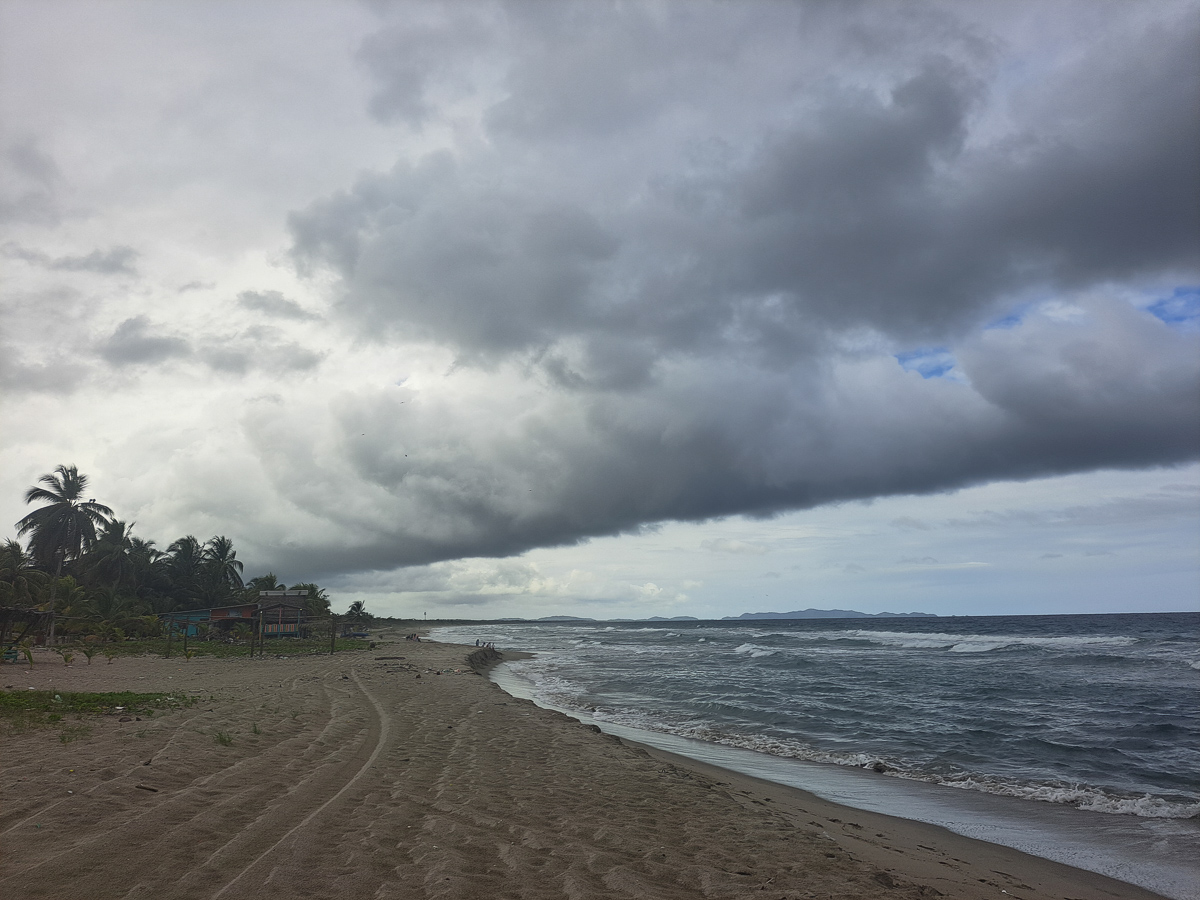
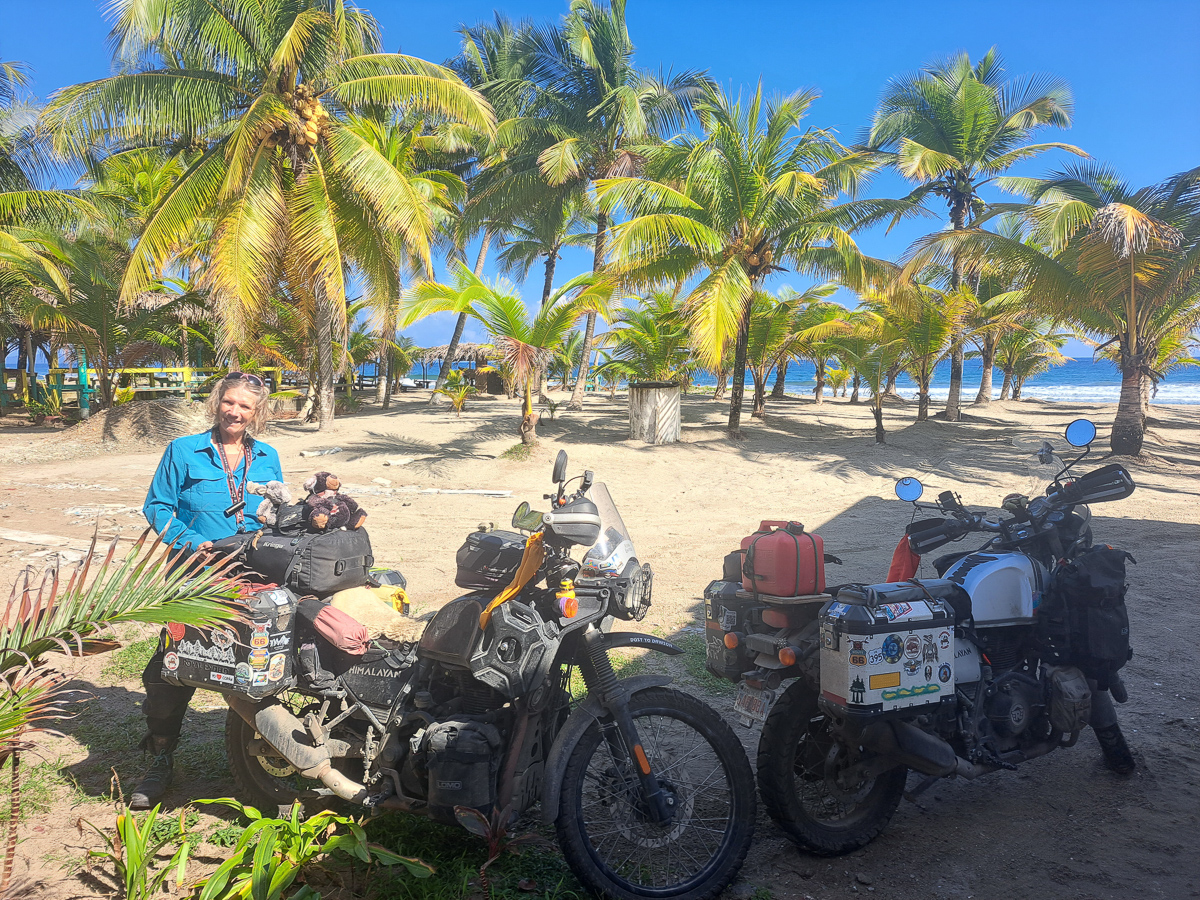
We decided to traverse Honduras along the northern, Caribbean coast. This has a wealth of cultures with eight different languages being spoken. One of which is Garifuni – the Caribbean freed slave culture & its partly creole language scattered all along the Caribbean coast from Belize south. Asking for milk at the local store in Tornabe proved interesting. It wasn’t Spanish or English is all I can say. The place felt a bit like Hopkins in Belize, except zero tourists, as the locals were of African heritage and mooching around on foot. The only hotel, like most of the other buildings, was right on the beach, with our bikes parked on the sand between us and the sea. Locals wandering past. We had a comfy night, although it bucketed down at some point.
To get there, we’d swing by the famously beautiful Lago Yojoa. Appealingly, we could stay in a micro-brewery. When at Lago Yojoa we took another archaeological walk around Los Naranjos. We were warned that the original temple was made of clay so had been left covered but that hadn’t sunk in until we arrived at the temple to see a relatively small grass mound and nothing more. Thankfully a small museum at the site’s second entrance had a display informing us about the ruins and its place in history, being very old in Central American ruin terms.
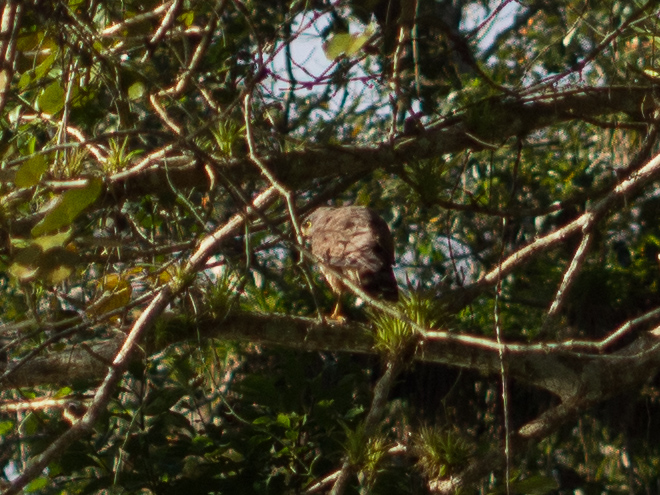
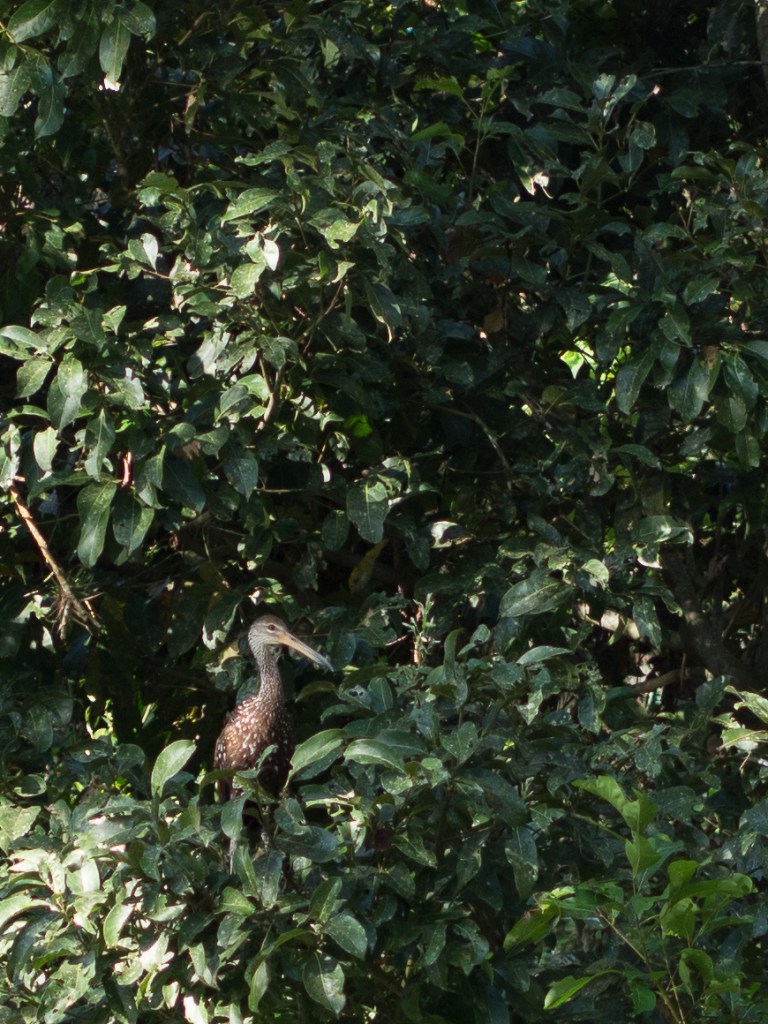
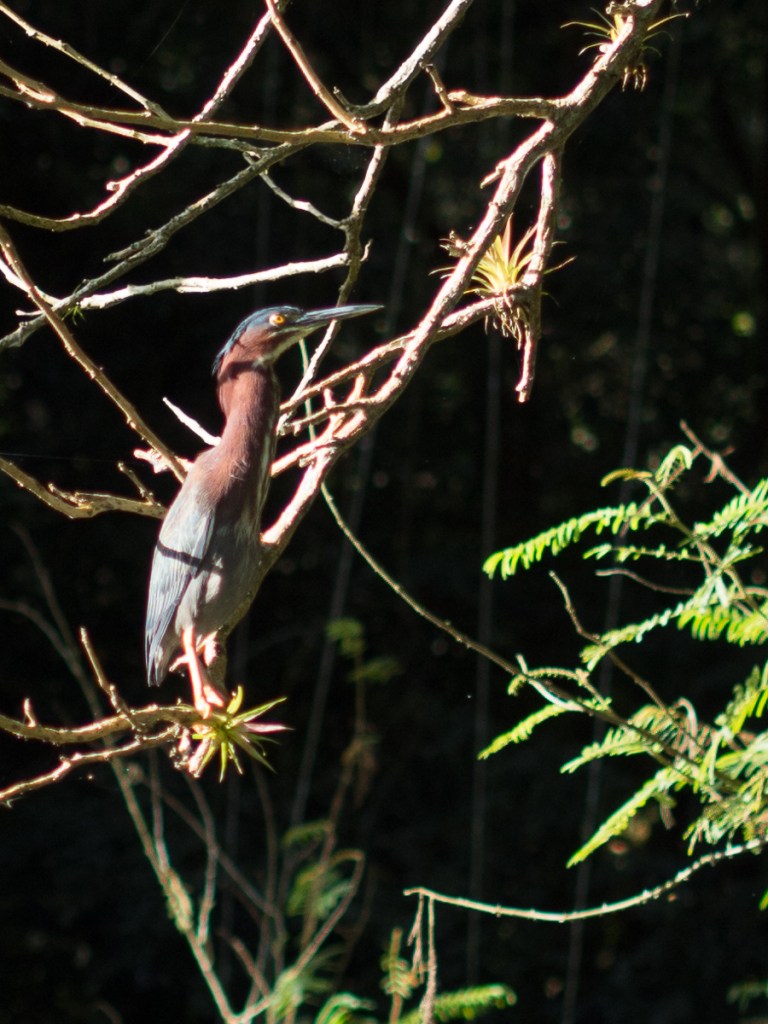
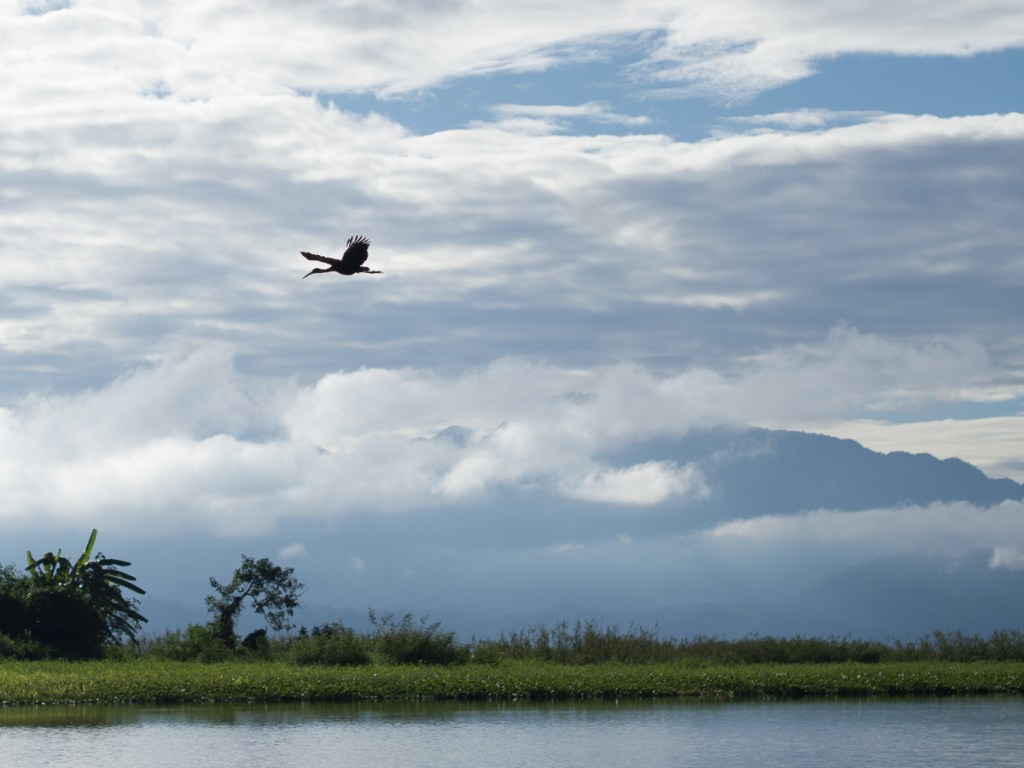
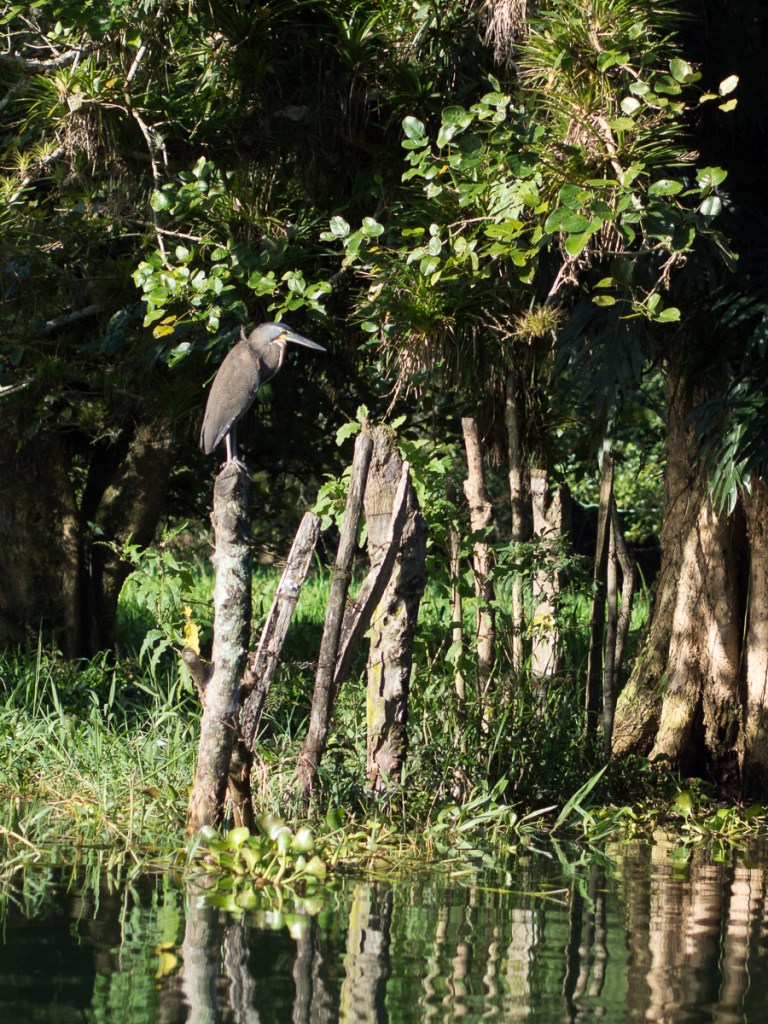
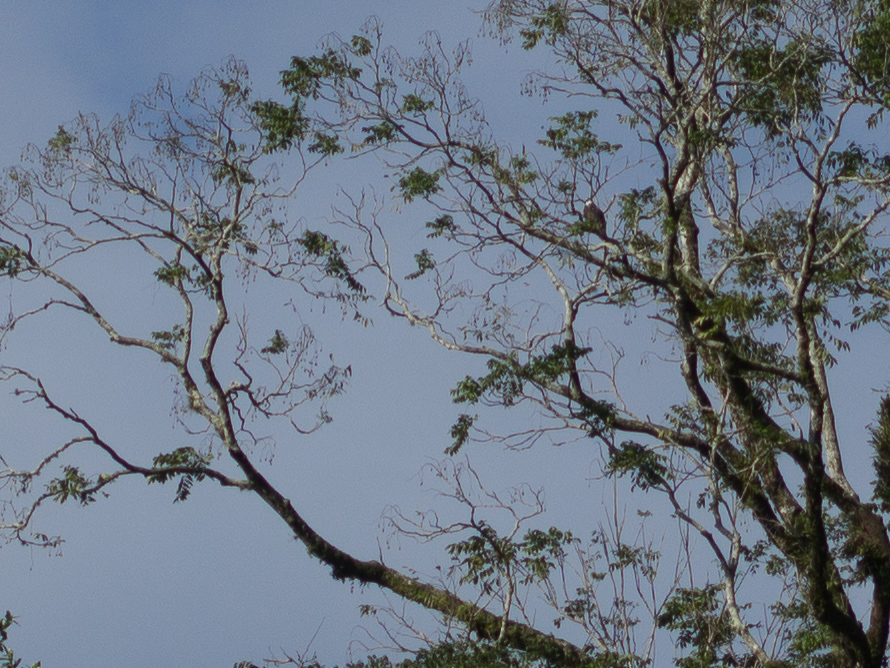
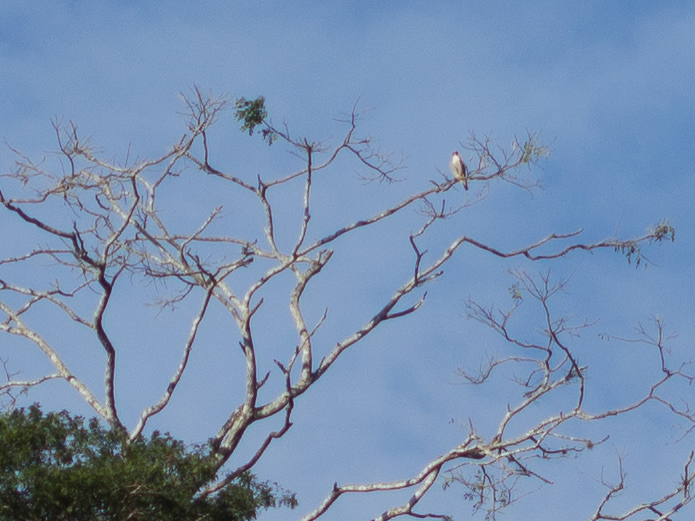
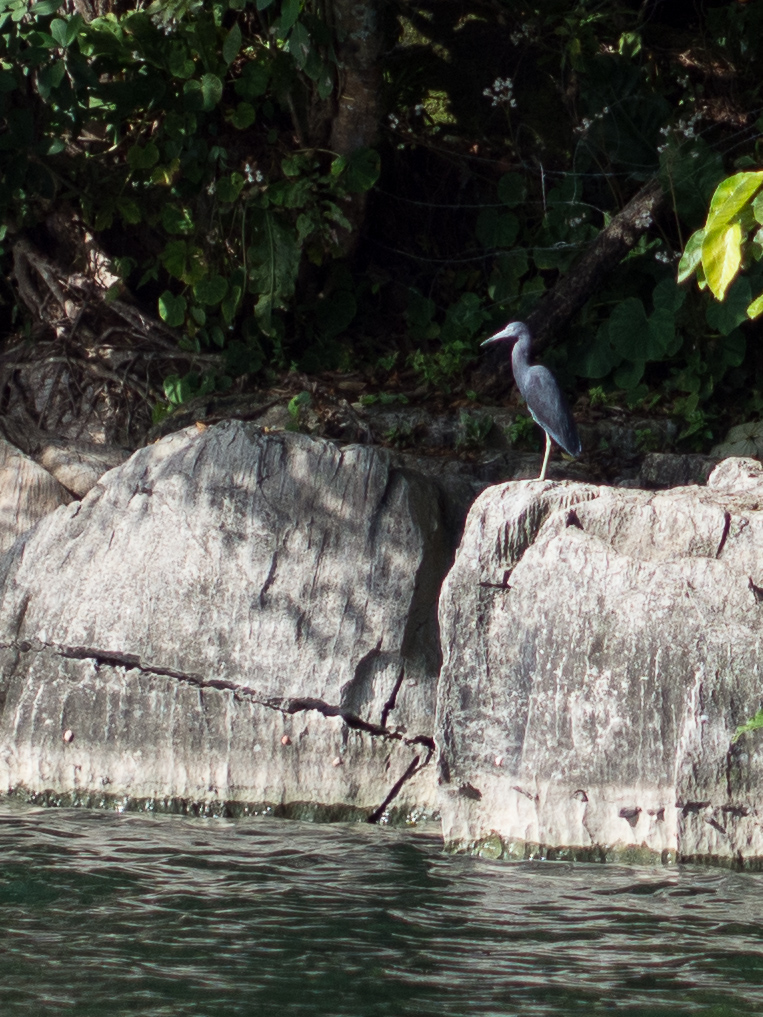
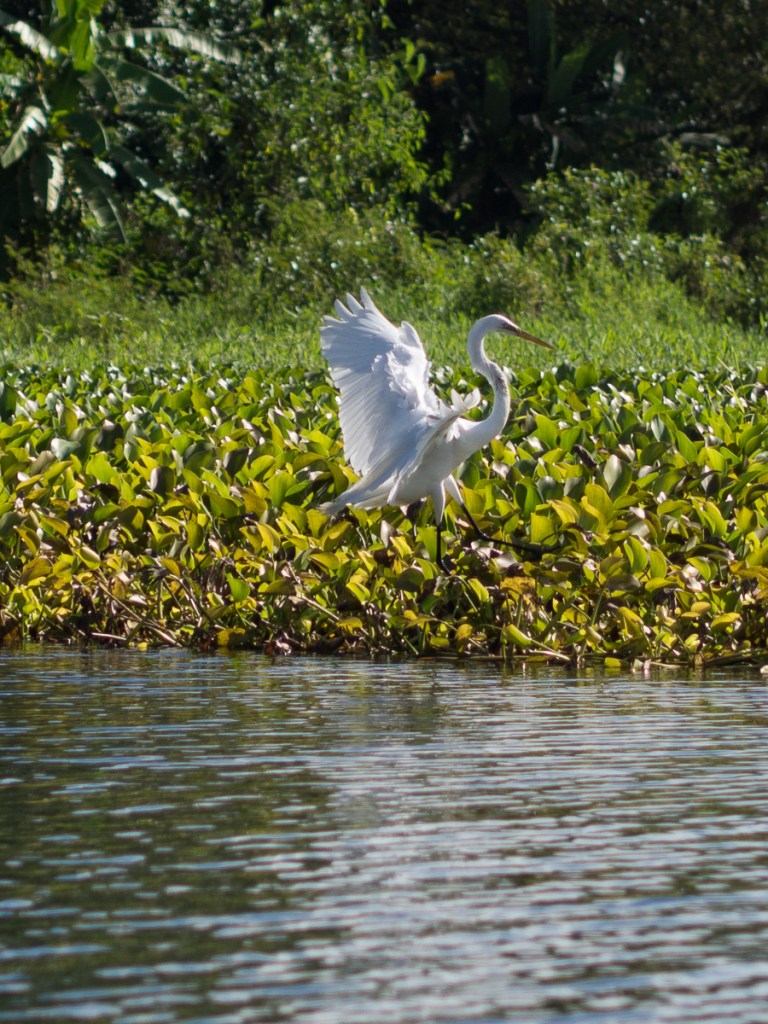
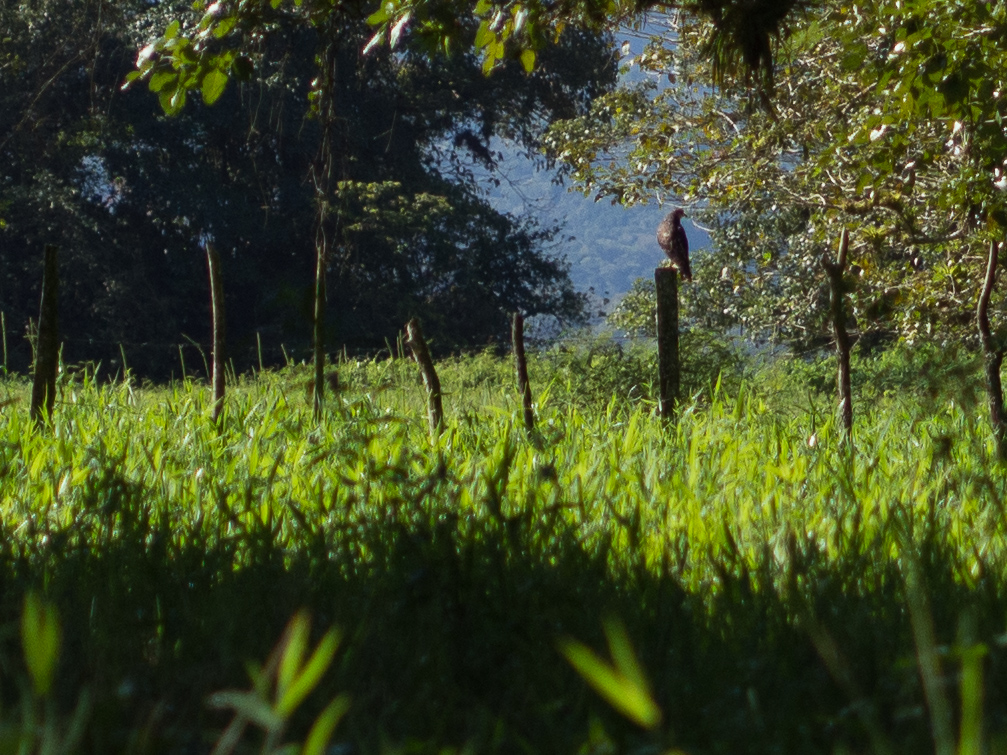
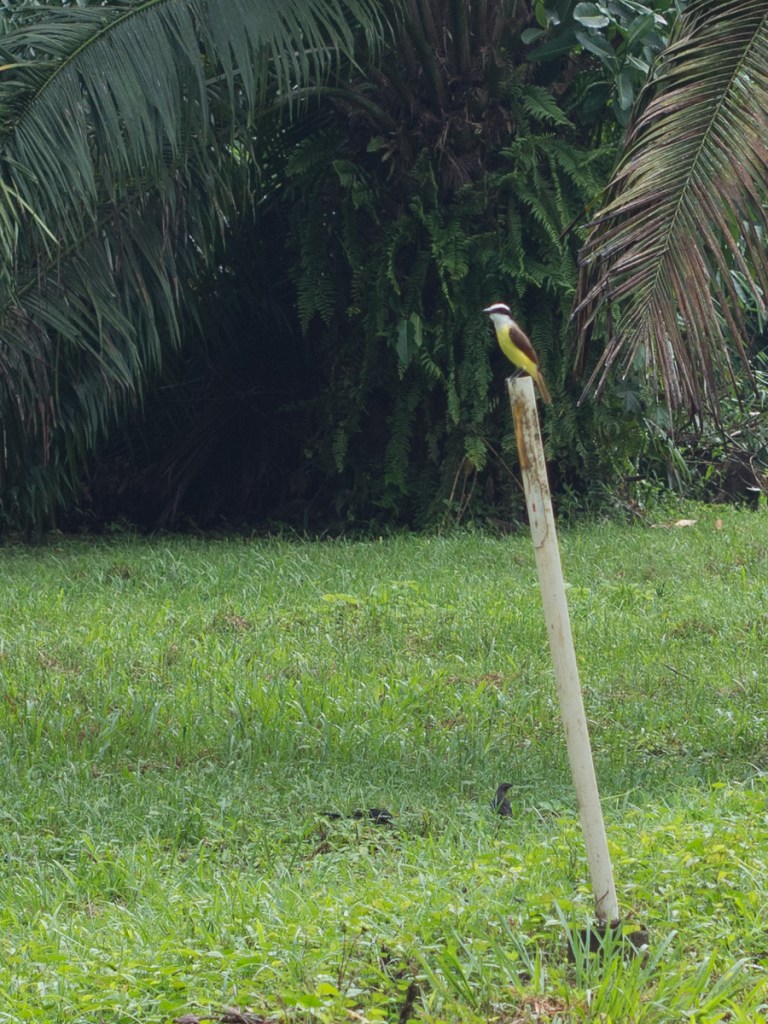
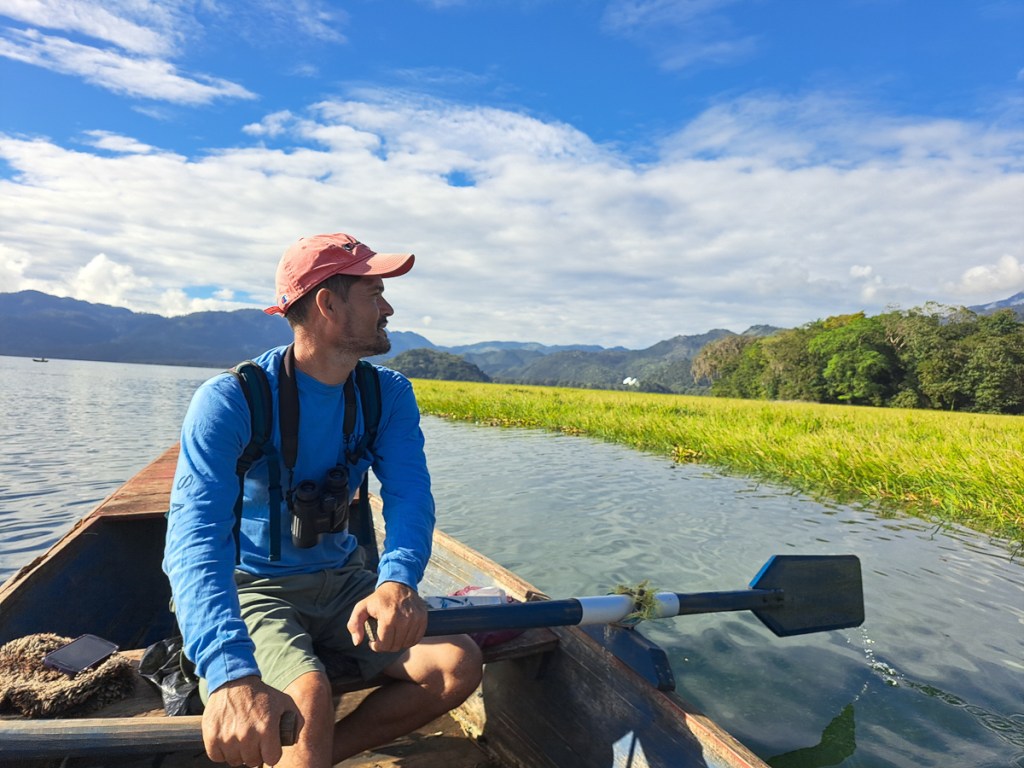
Both of us enjoy birdwatching and one of our best experiences was on Lake Yojoa. We’d booked onto an early morning bird watching boat trip. Honduras does boast a wonderful number of resident birds but our own efforts to see them have been fairly pitiful. Our guide, Mattias, took us off to the canal armed with binoculars. We hadn’t even reached the water before we were looking this way and that. Two to three hours passed in perfect bliss as we were paddled along spotting various birds. The highlight of the trip for me was the osprey. Sitting high in a tree but clearly visible with binoculars it wasn’t far from a white chested hawk. The pair were magnificent. The osprey flew over which Gid spotted first. Sadly I barely saw it. As we so quickly forget, Gid made notes of the different birds that were pointed out to us, many of them brightly coloured, and announced we’d seen over thirty species. A few of them like the herons and fly catchers were almost omnipresent.
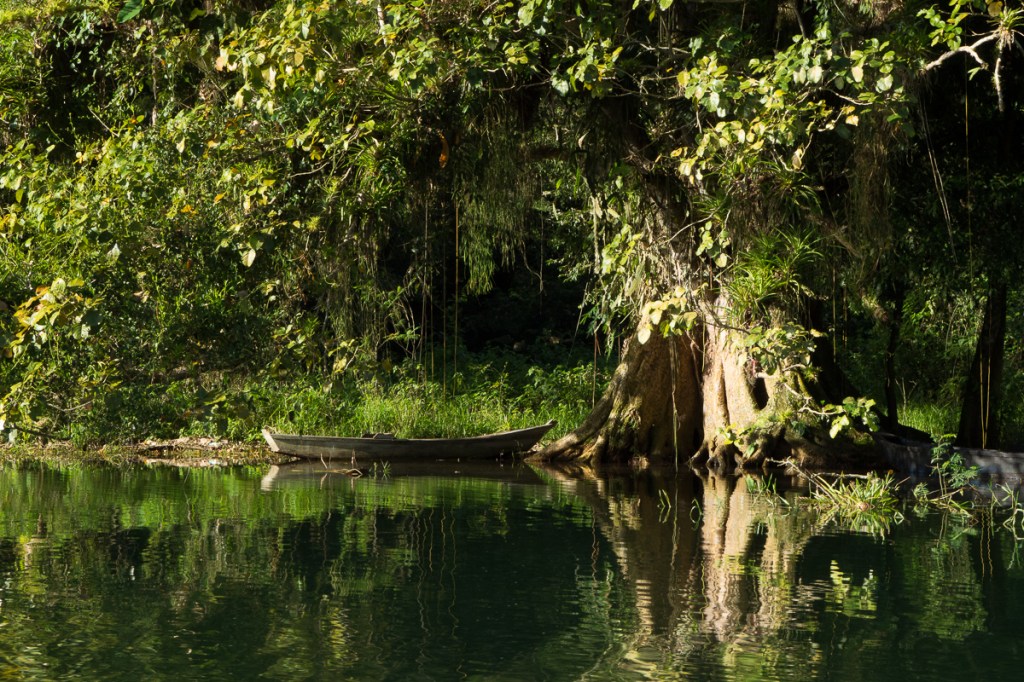
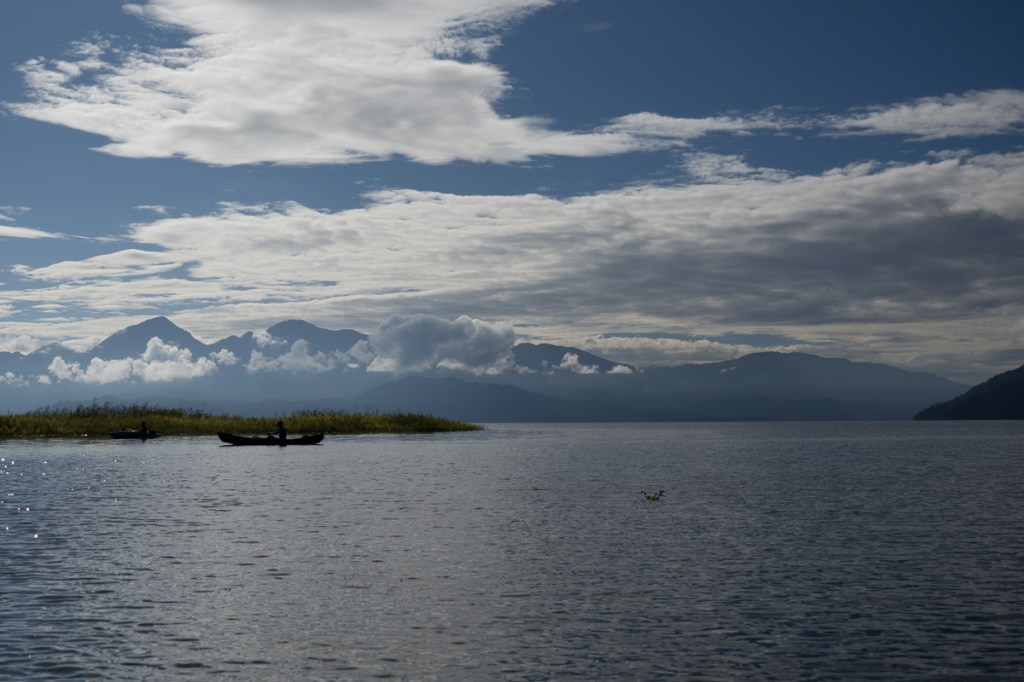

The botanical gardens at Tela was another attempt to see more wild life. It was more of an arboretum but occupied a spacious area with signage informing us about some of the species. We had hoped to see some birds here but in the heat of the afternoon nothing much was evident. We stayed onsite, in a splendid wooden cabin left over from the fruit company days, so the following morning took an amble in the softer light which was much more pleasant but still lacked wildlife. When preparing to leave our host came to tell us that they was some issue up the track. ‘Motos would get through,’ she said, ‘pero no carros!’ True enough! There had been rain overnight and a land slide. Part of the road was missing. Cautiously we went through aware that a lot of the area looked sodden.

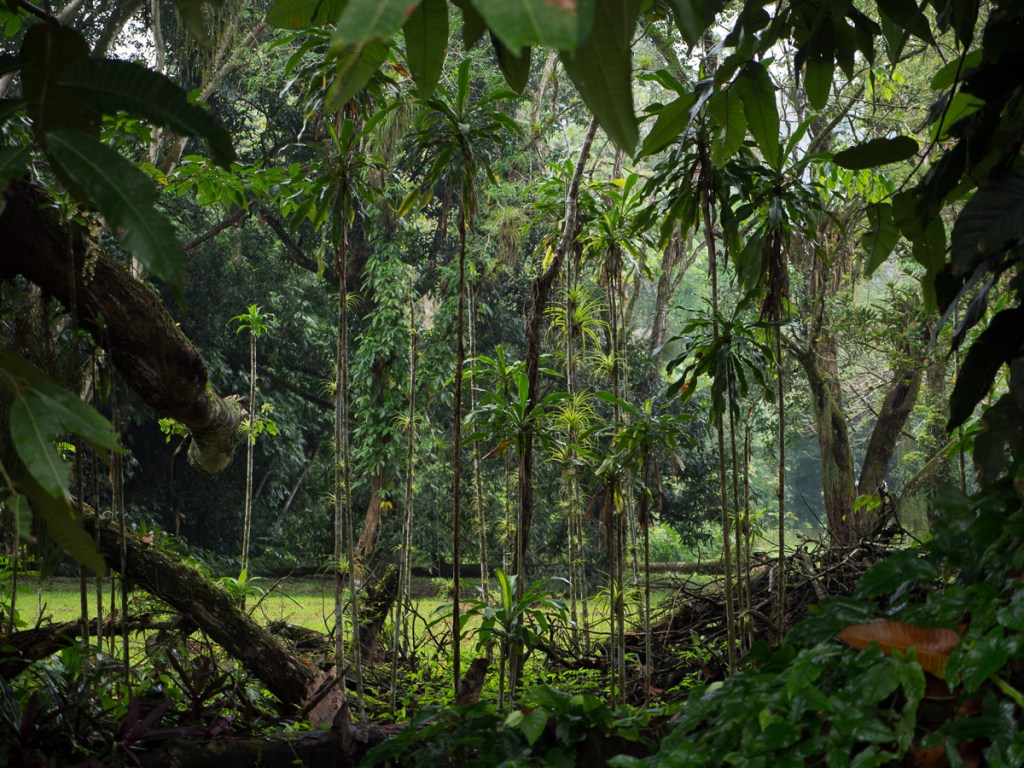
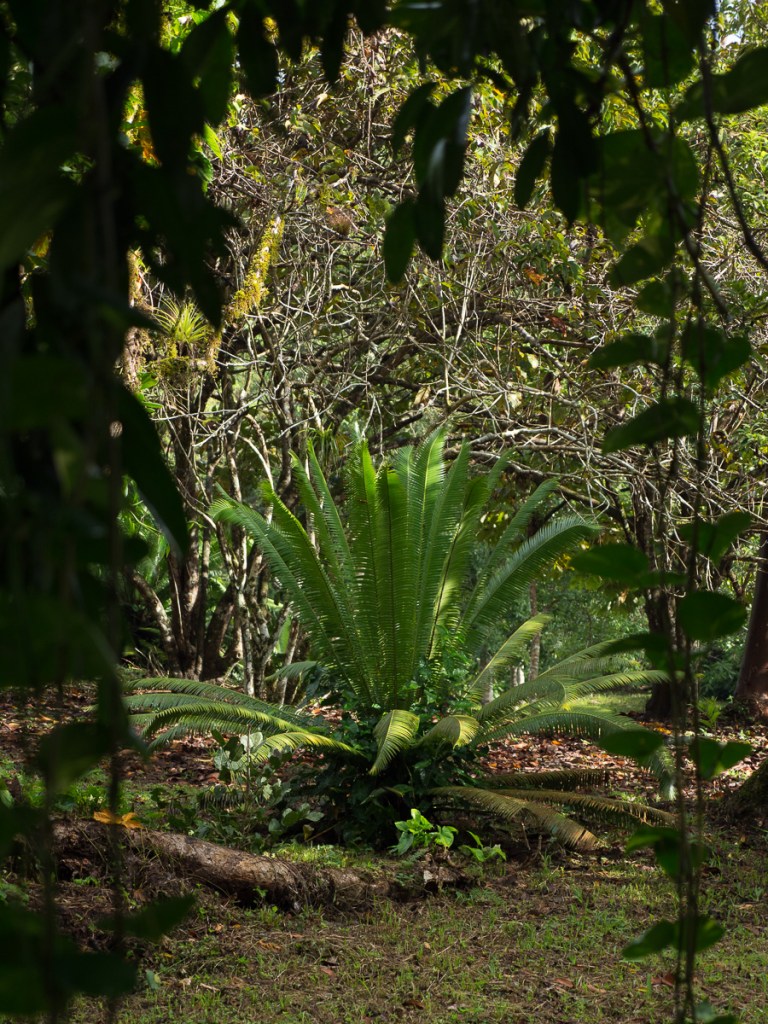

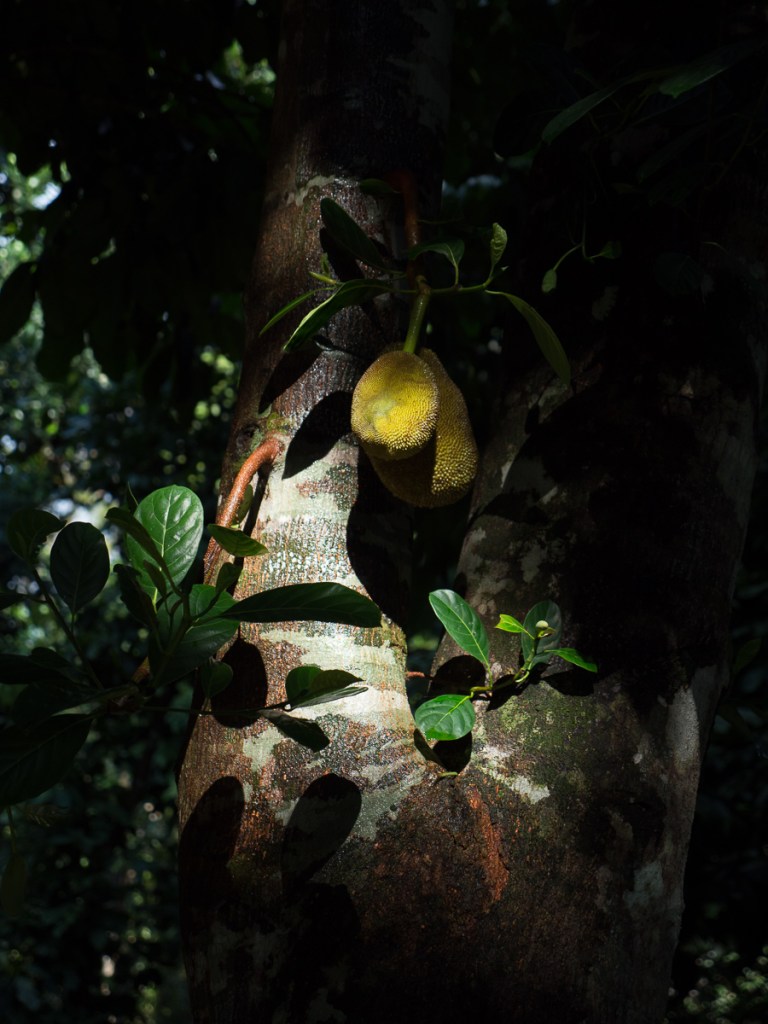
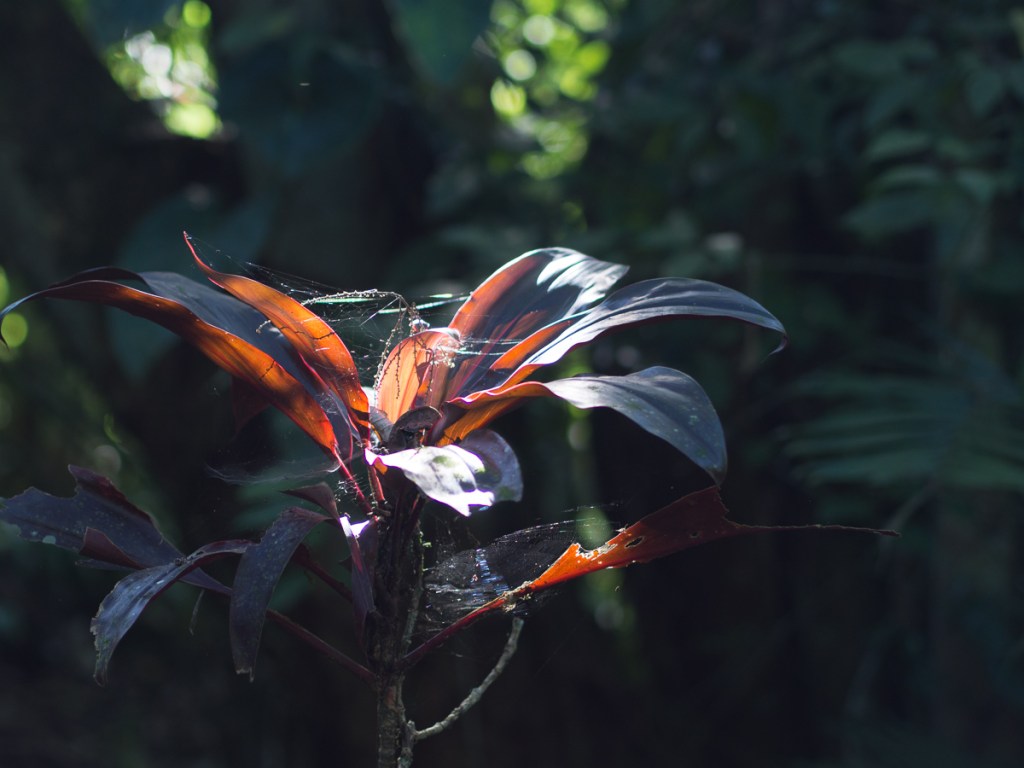
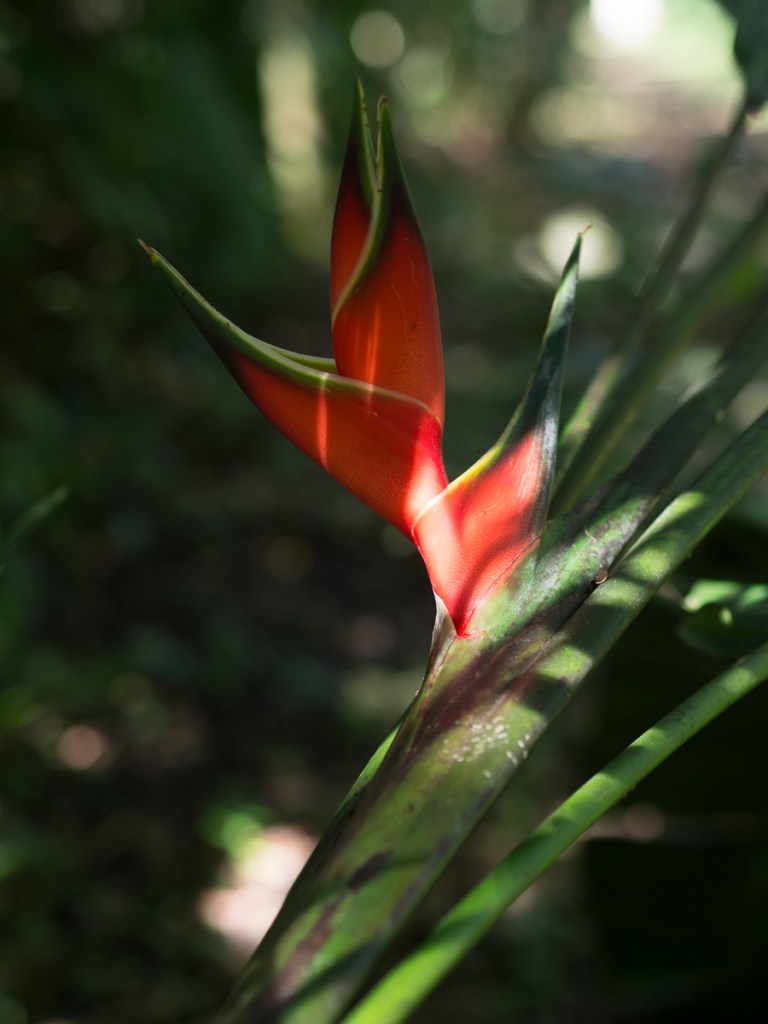
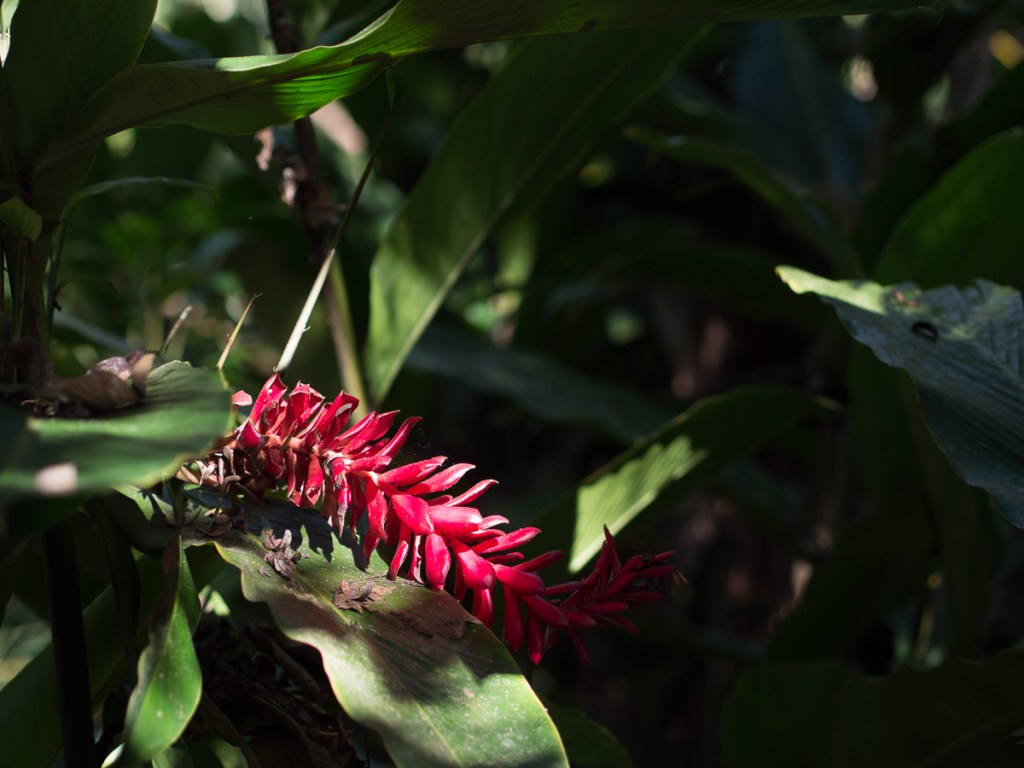
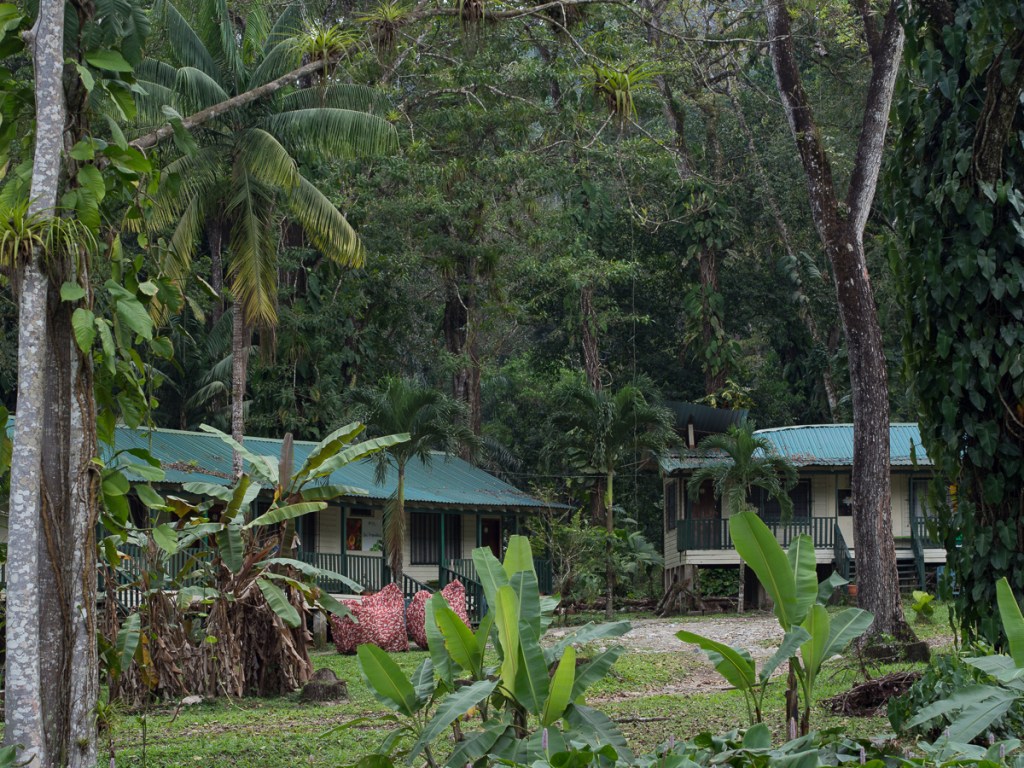
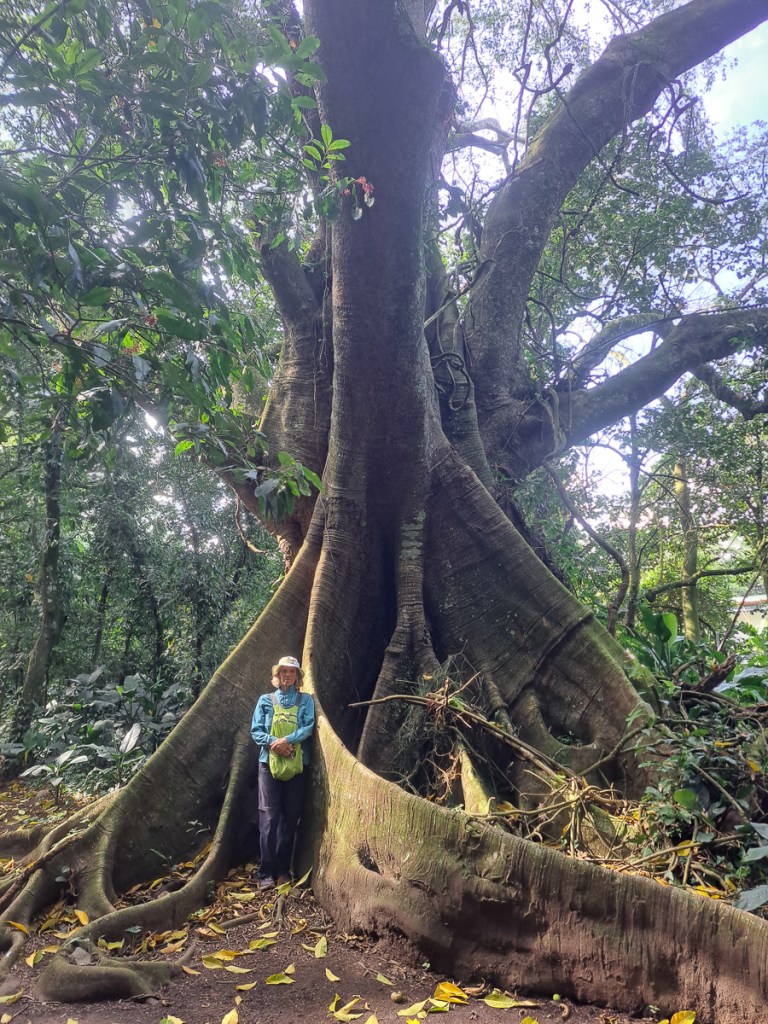
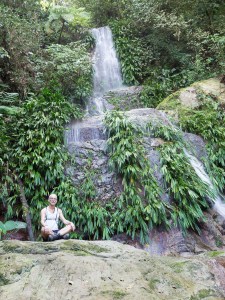
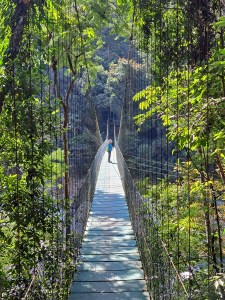
Gid hasn’t been interested in waterfalls. To be fair in 2023 we toured Norway where in places there’s a stunning waterfall every 100 metres. But link a waterfall walk with bird watching and we were off. Three toucans almost make up for our cumulative zero quetzals. Our stop here was a guest house focussed on the local rafting tourism on the Rio Cangrejal. Right on the rocks by the white water river, it brought back a lot of memories of our paddling days.
Biking back along the muddy & potholed dirt road from the rafter’s guest house towards La Ceiba I had hoped that some of the slimy mud down the lane might have dried out a bit. No such luck. The drizzle started as we finished packing our bikes. That together with last night’s rain ensured that it had remained a slushy, muddy, dirt and gravel road with numerous pot holes and oversized puddles. Faced with a large muddy puddle and an on coming moto that was going to take the rim around the left hand edge I went for it straight through my side. My bike squirmed a couple of times, some water splashed over into my boots but a bit of adrenaline kept me going and I didn’t slow down. ‘ A twist of the wrist’ so the name sake book says will nine times out of ten get you through a problem. It worked. I was chuckling, the approaching biker, who had slowed to watch the drama, had a broad smile and gave a thumbs up. Who else was on the road? – oh yes – an inexplicably abandoned porker.
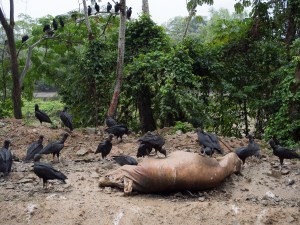
Sodden was here to stay – we had a lot of heavy showers in Honduras. We had set off at 9:30 with a 100mi to cover so expected to be there by lunch time. With just a short lunch break we arrived sometime after three. The potholes along the way had disintegrated into large areas of mud and broken road. The traffic ahead of us on both sides was weaving across the road and slowly negotiation the holes. We picked our way along the main road at times behind tired buses, trucks and tuk-tuks. Consumed in clouds of exhaust as yet another overloaded knackered out X tried to pull away from the speed bumps or pot holes. Frequently, at the speed bumps, we sped past. Once we were officially on a dirt road the surface was in a much better condition. Thankfully a lot of the traffic had also turned off by then so we were able to make better progress.
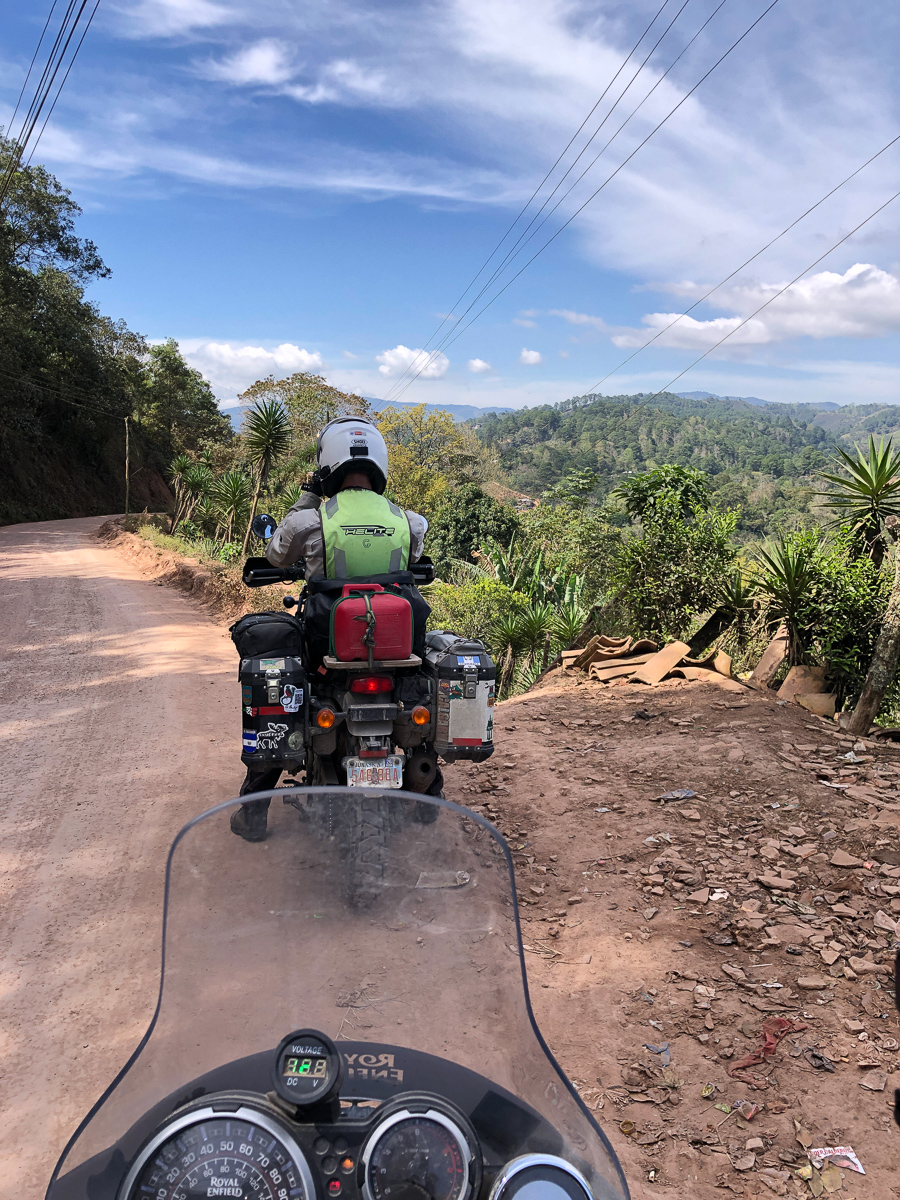
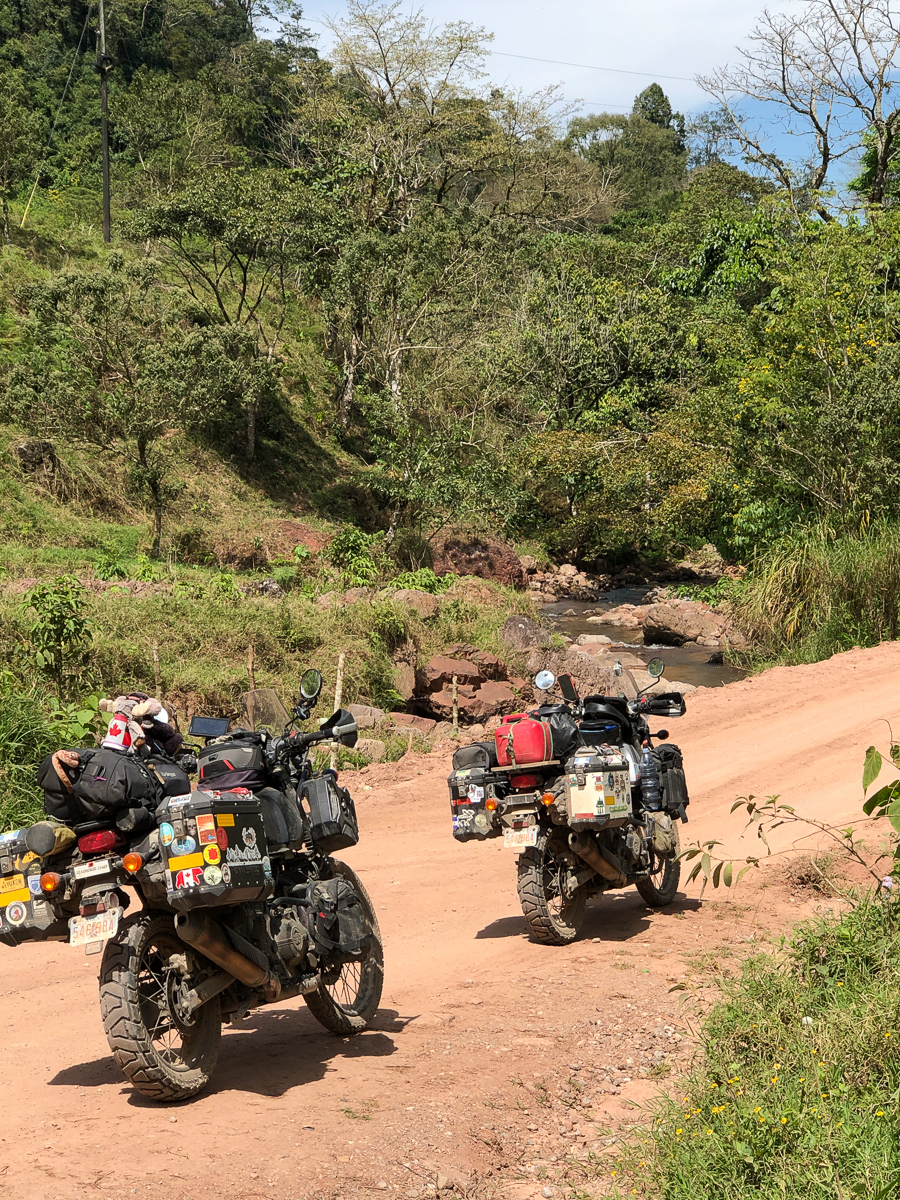
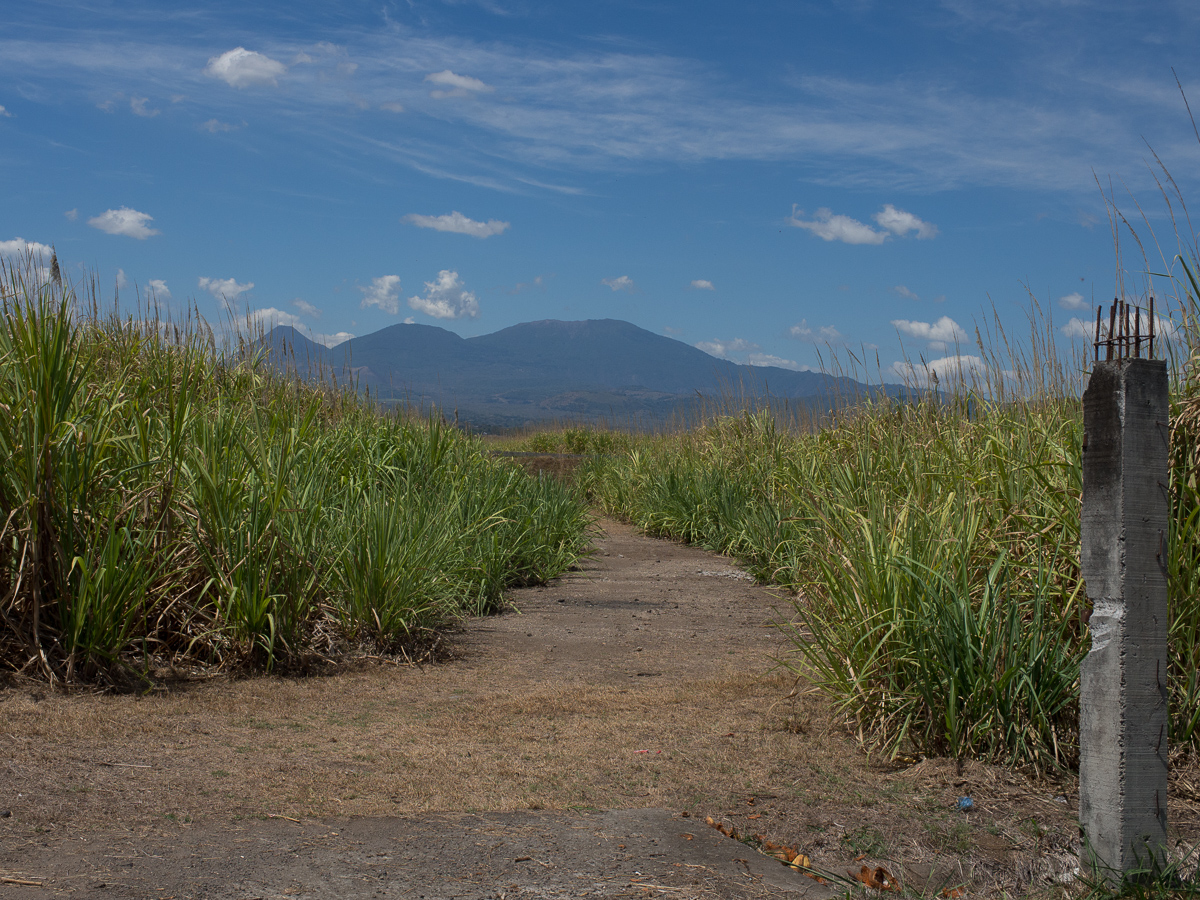
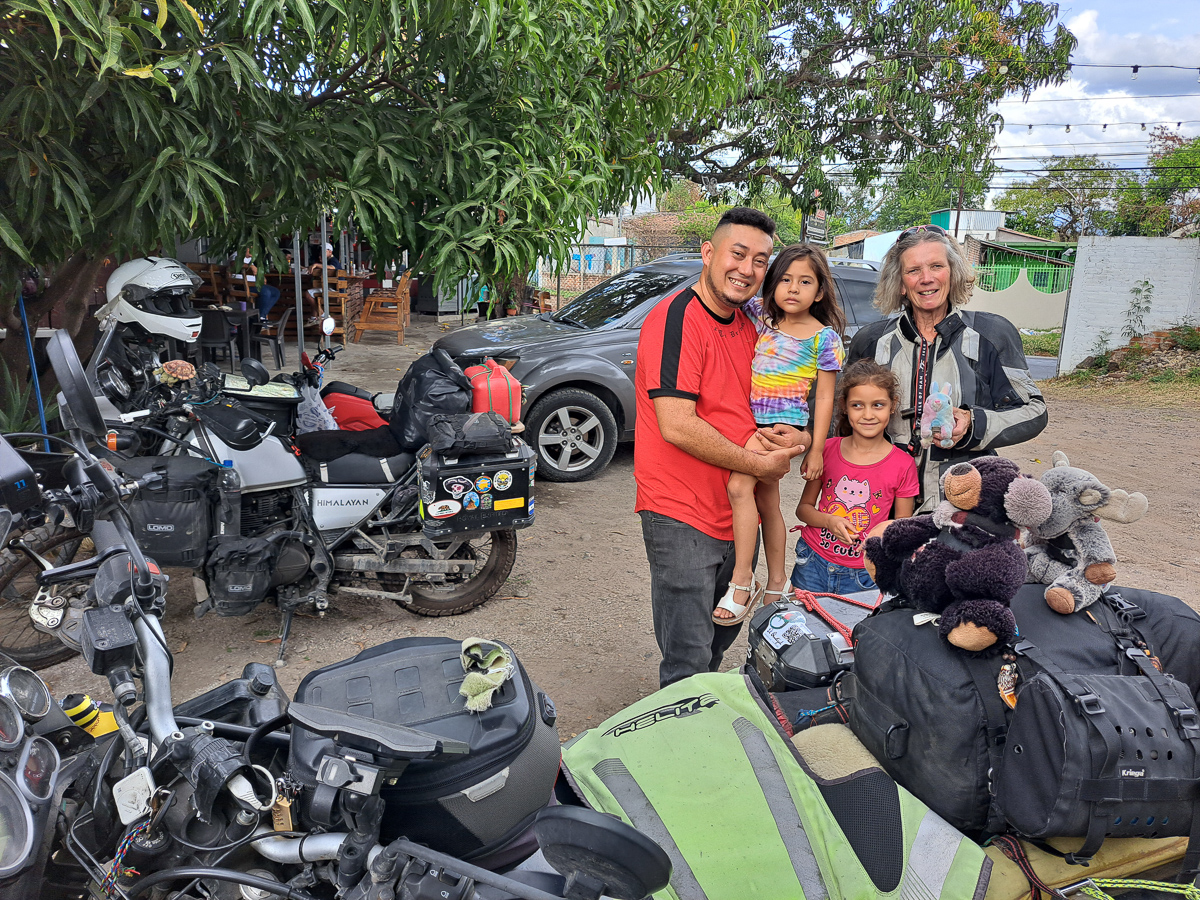
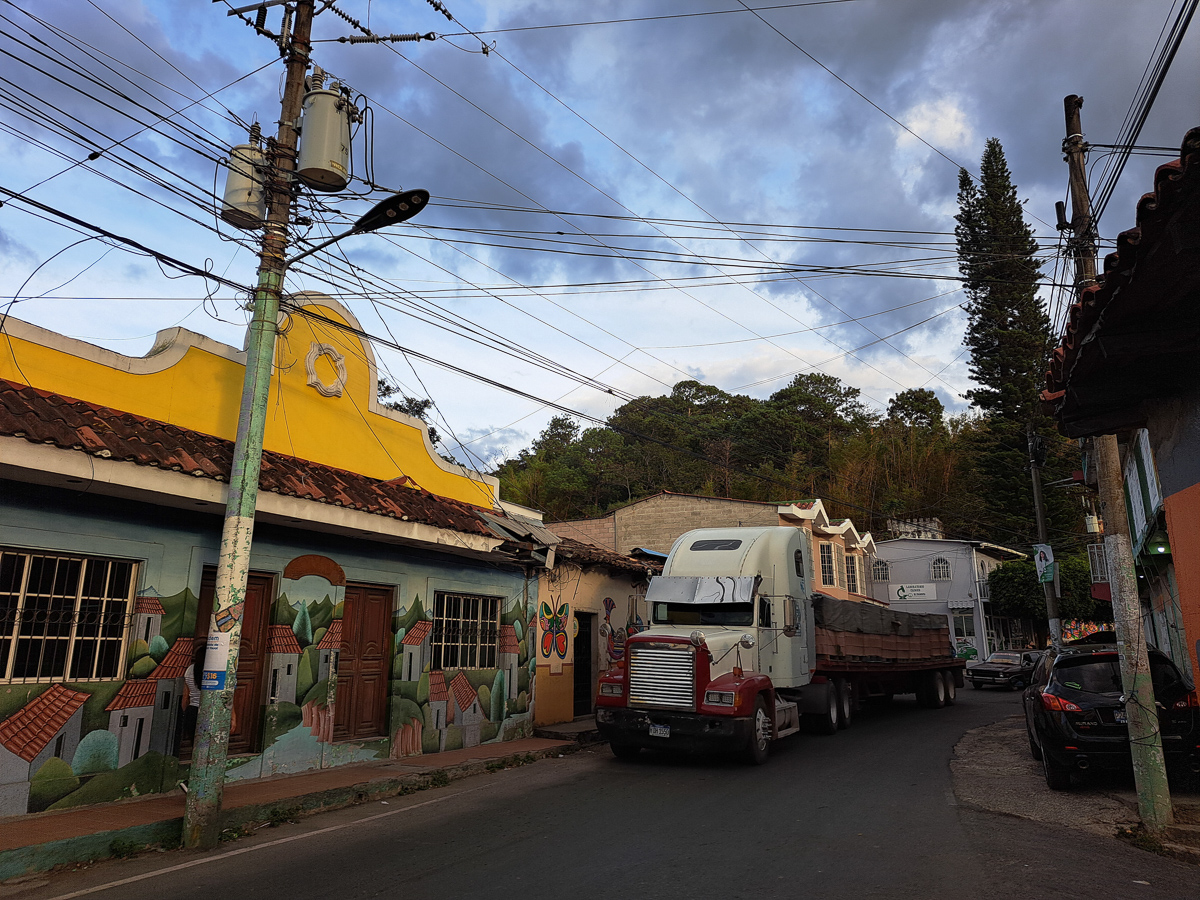
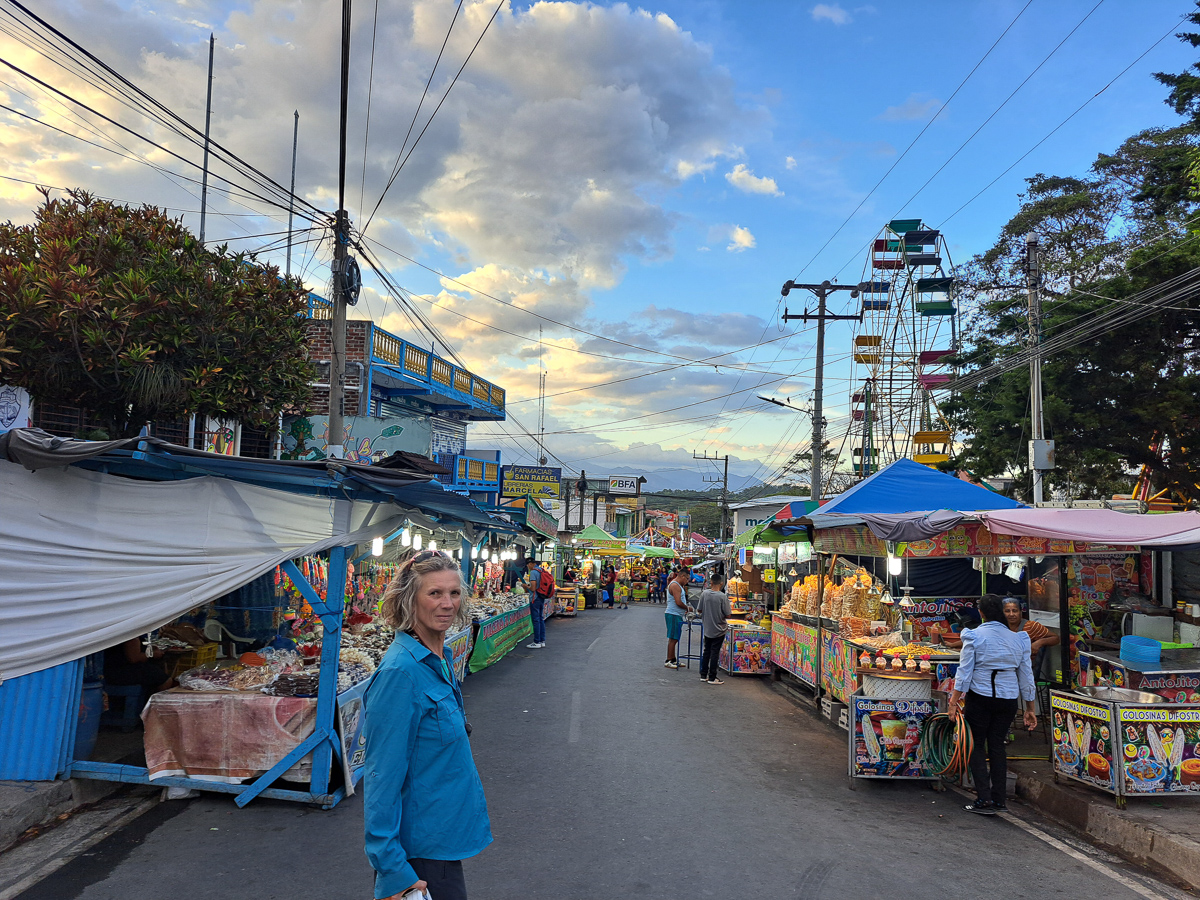
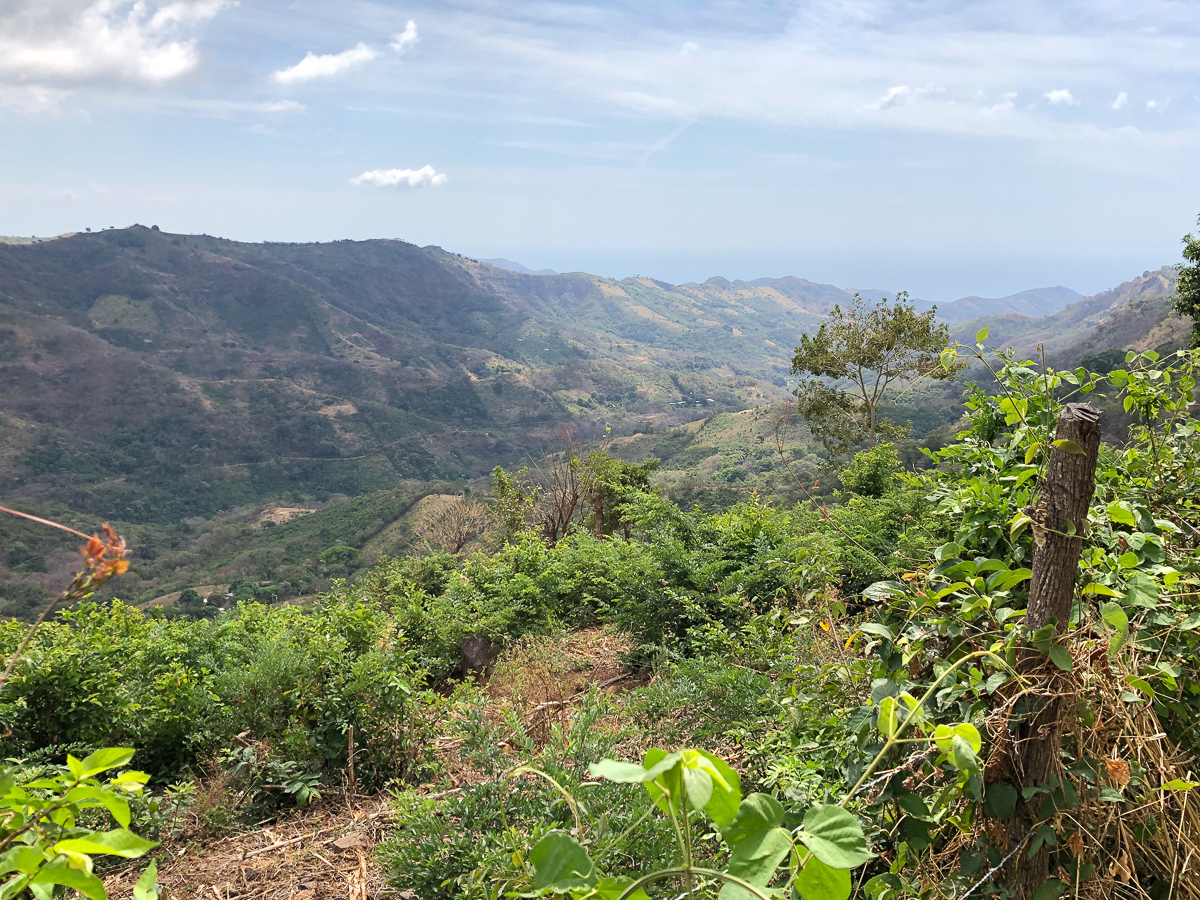
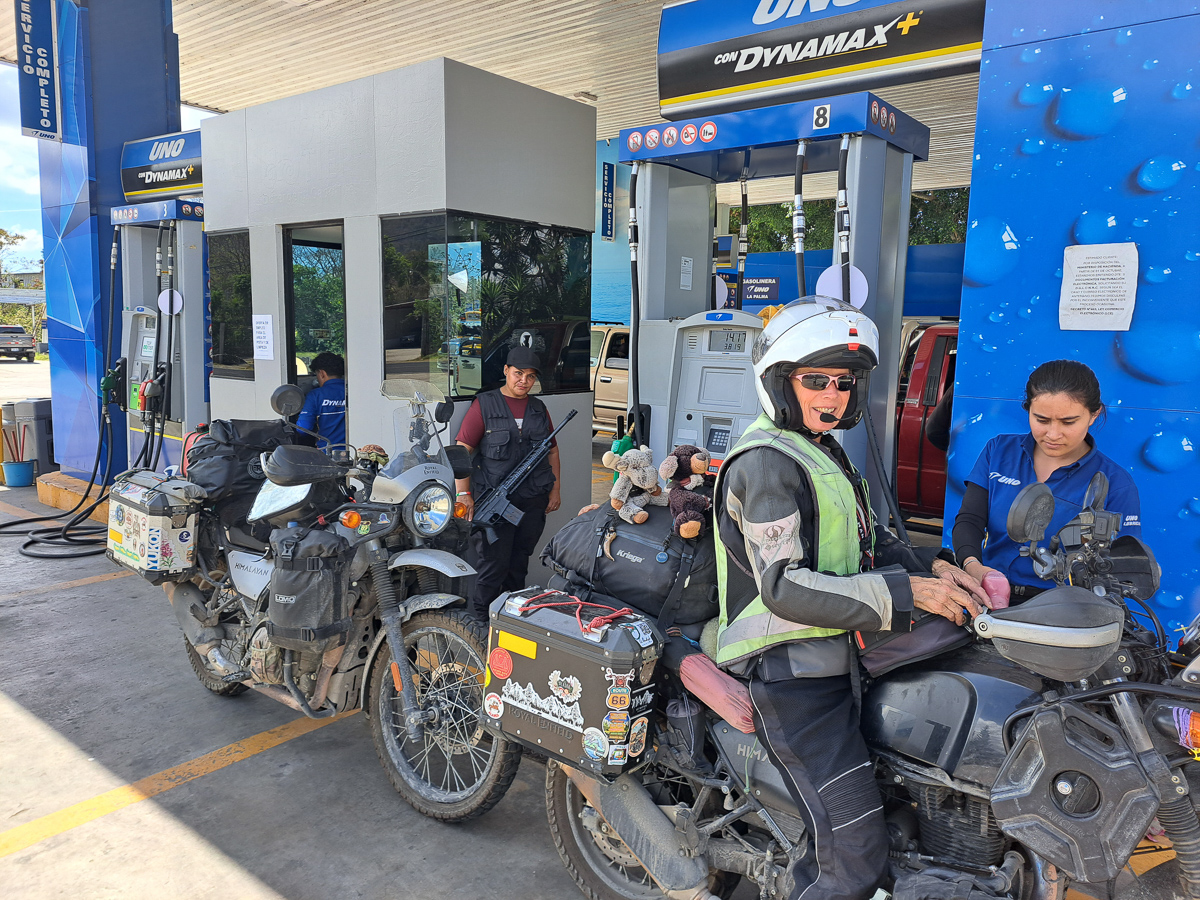
Here’s an assortment of Honduran road photos. We take more photos on dirt roads ‘cos there’s usually more to see, and time to look.
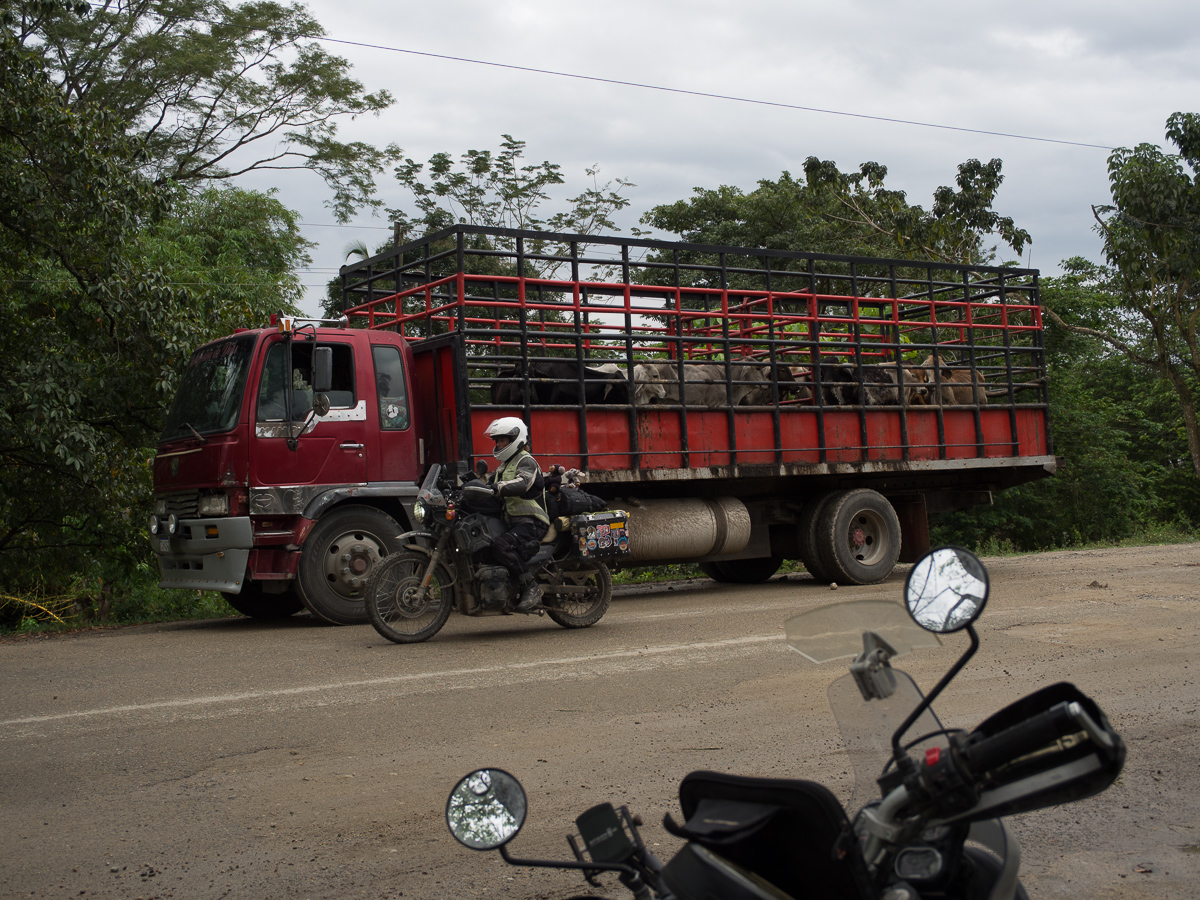
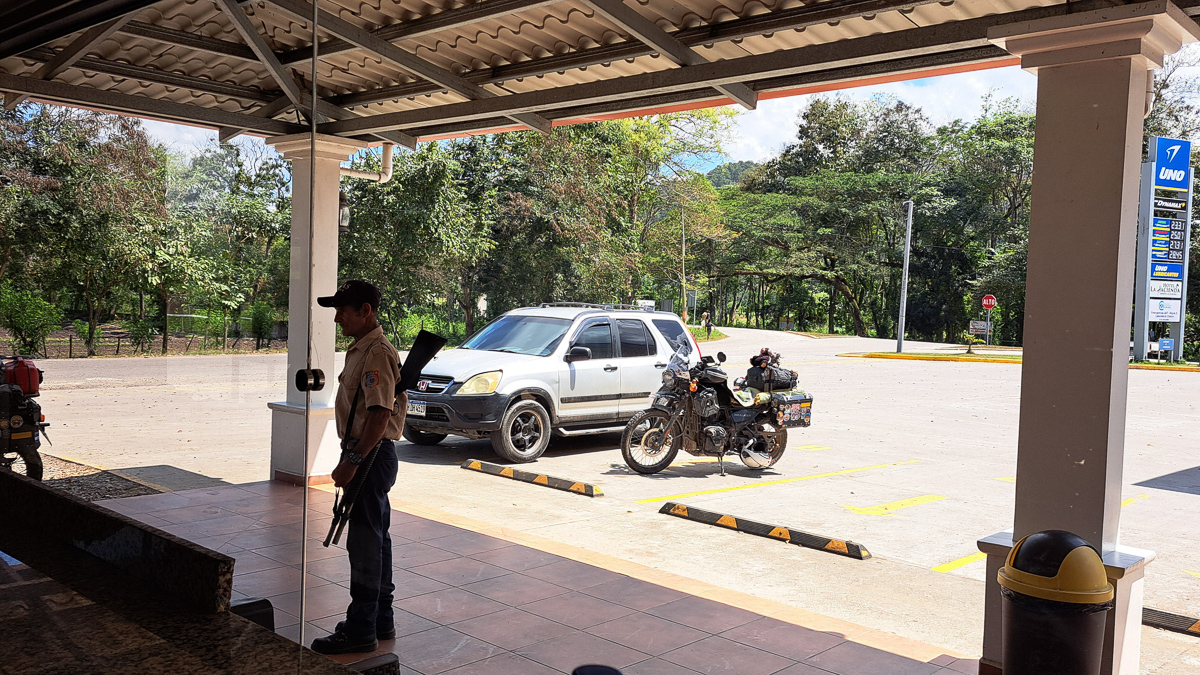
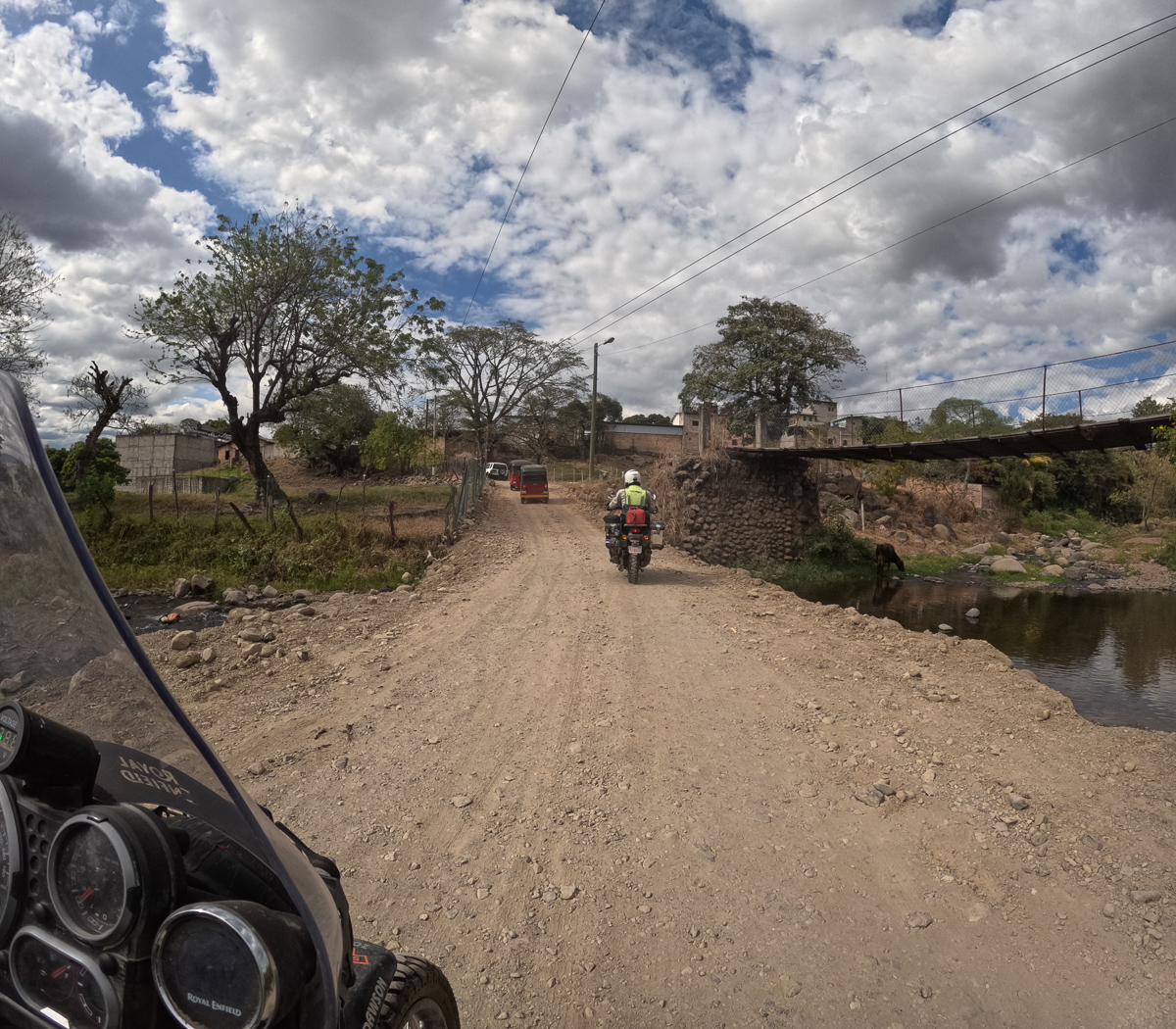

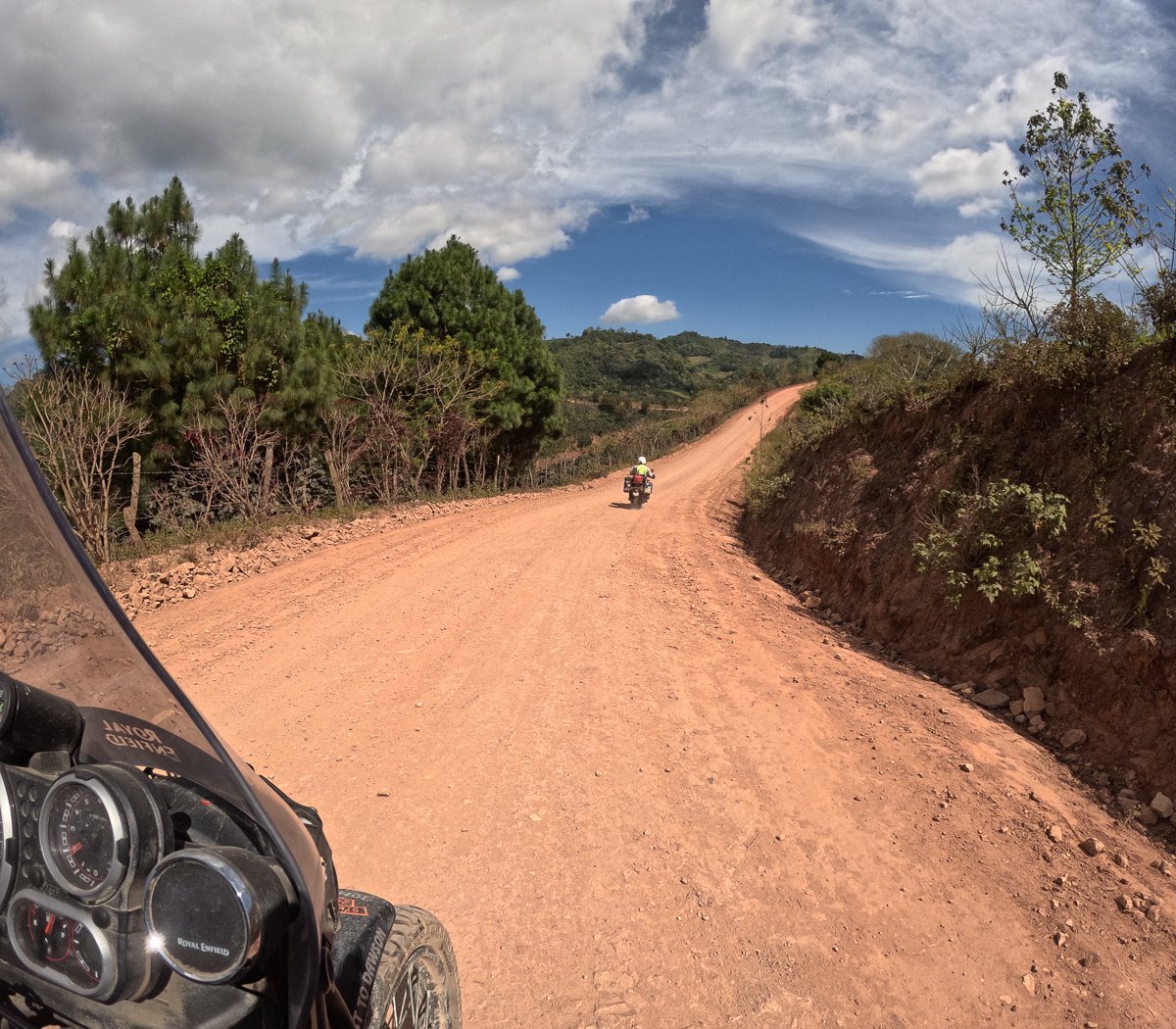
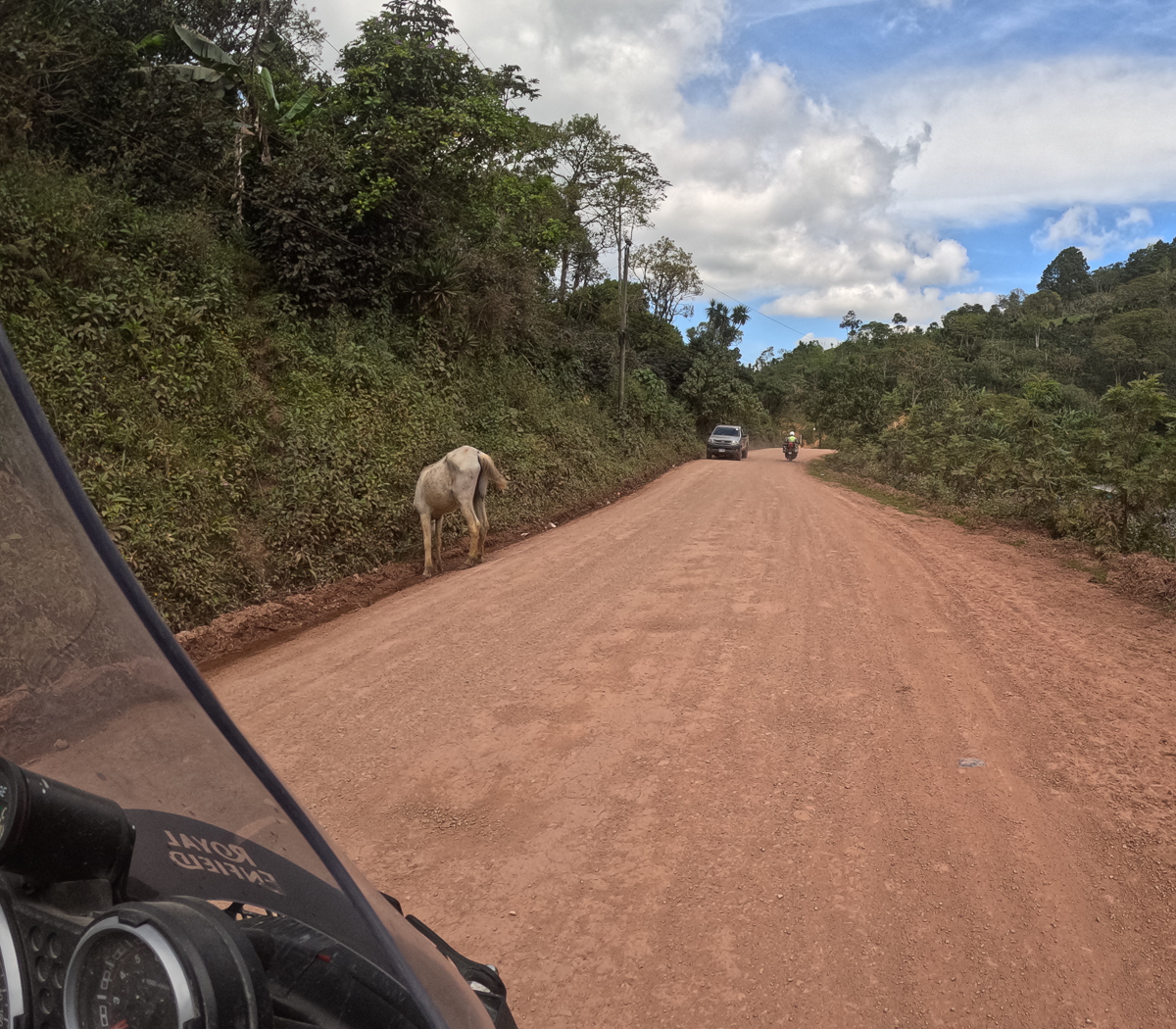
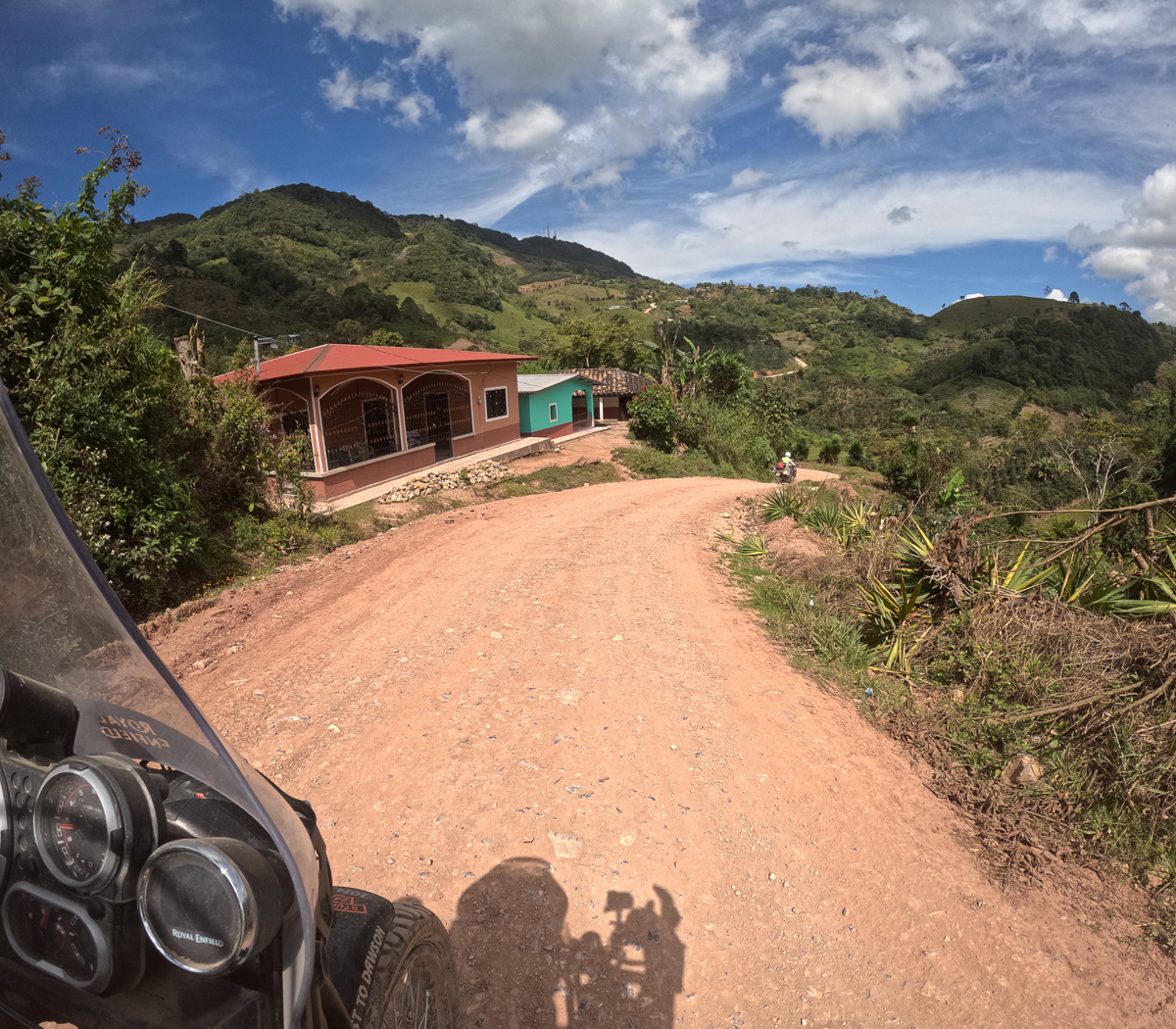
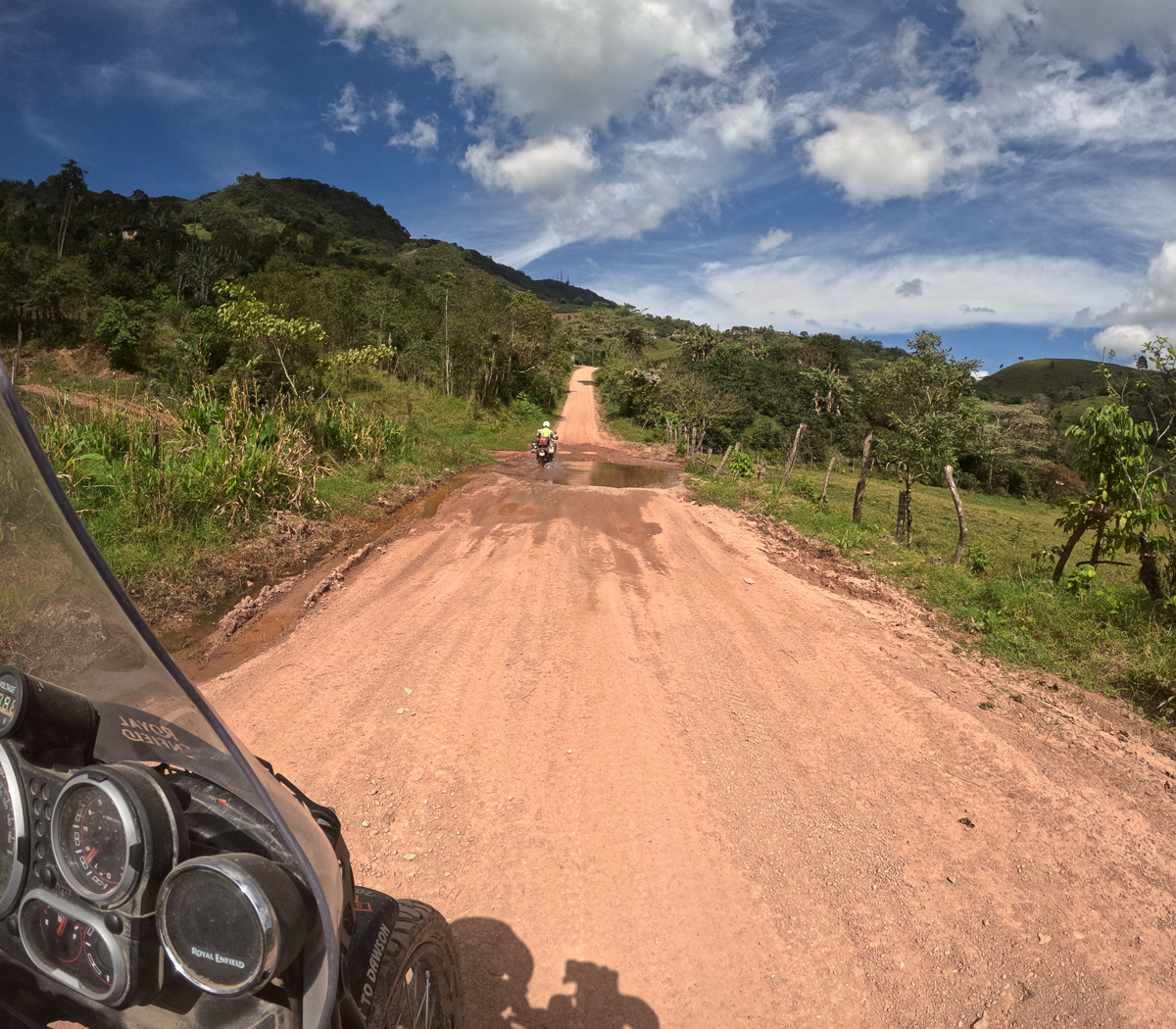
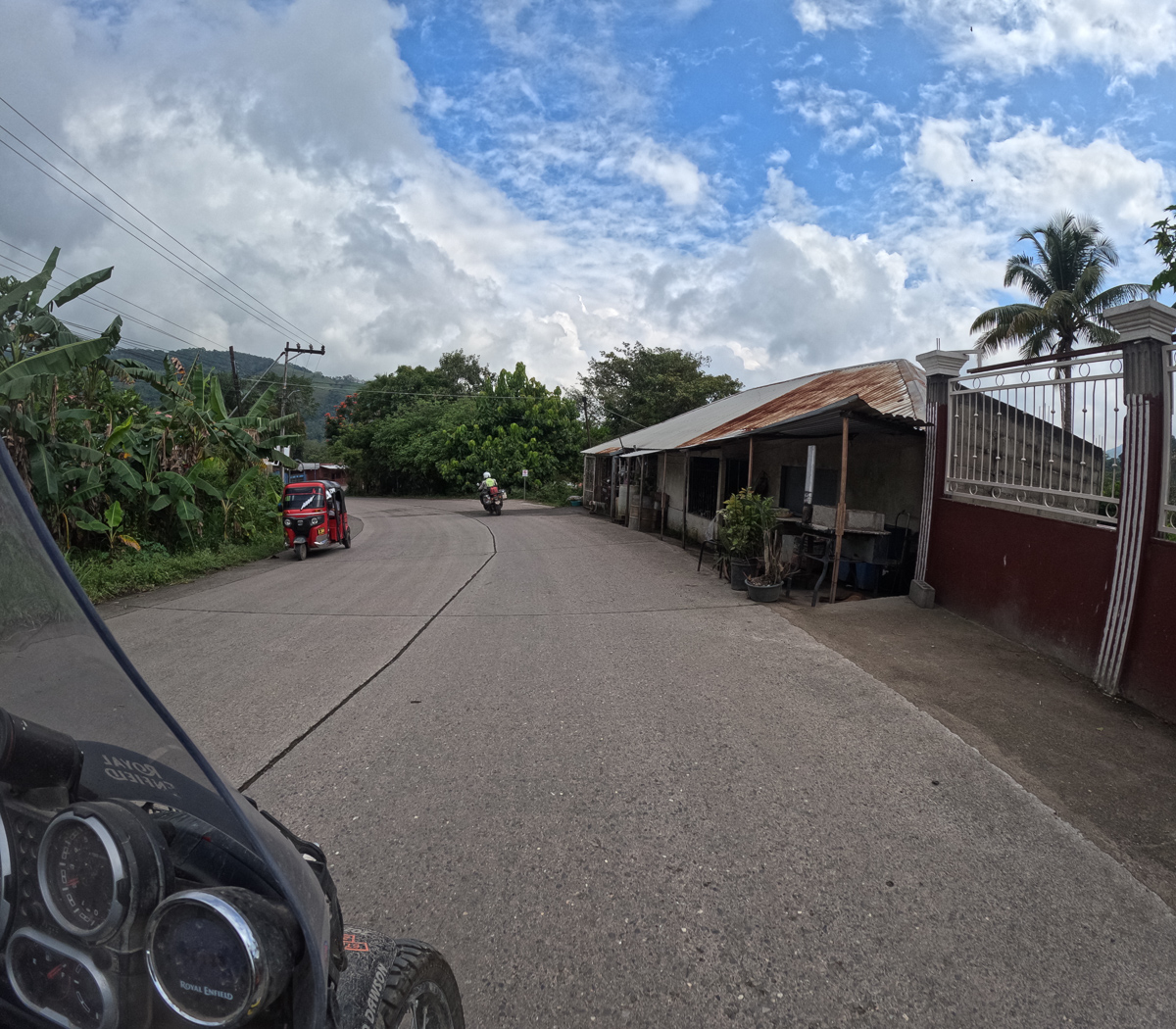
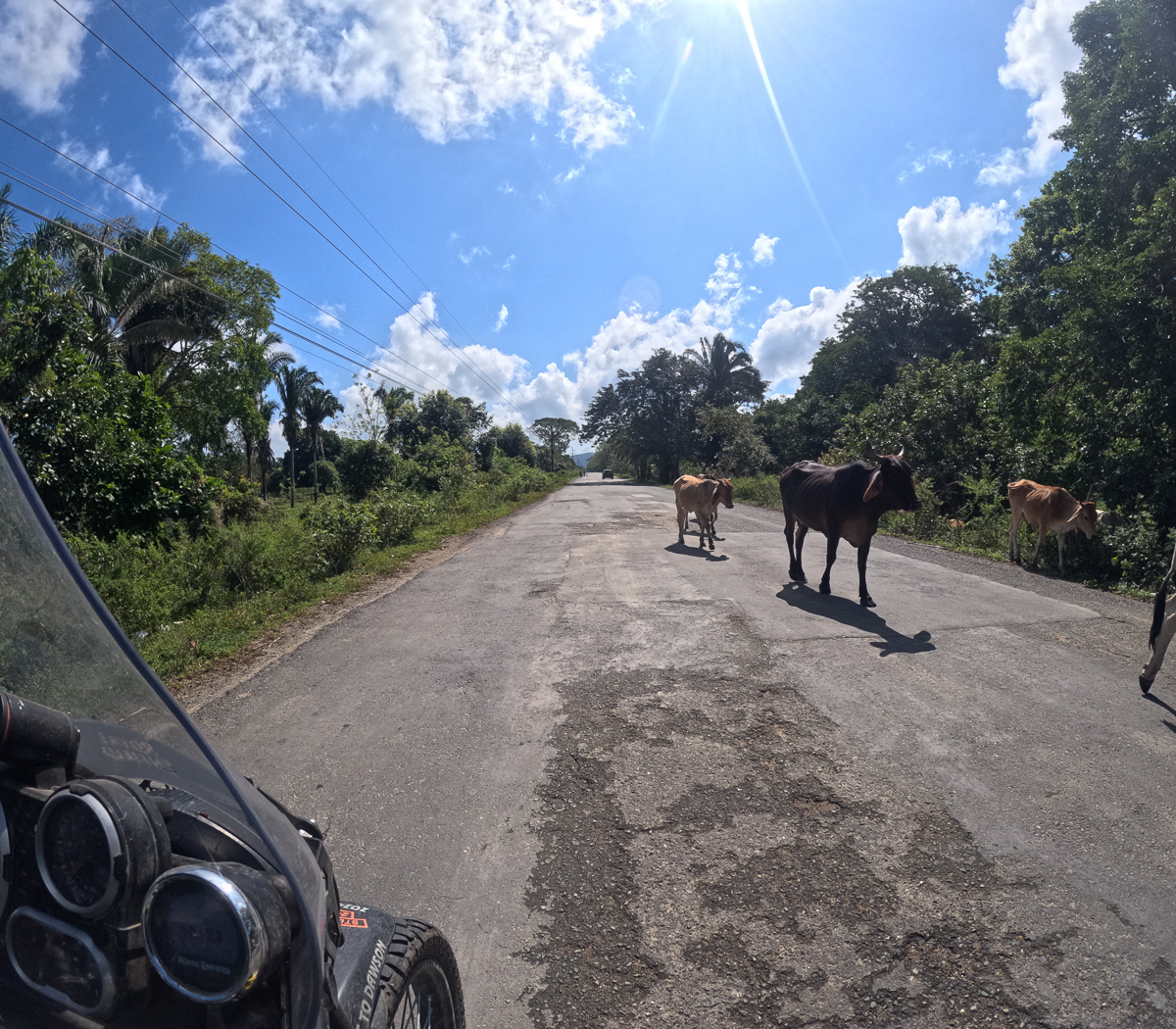
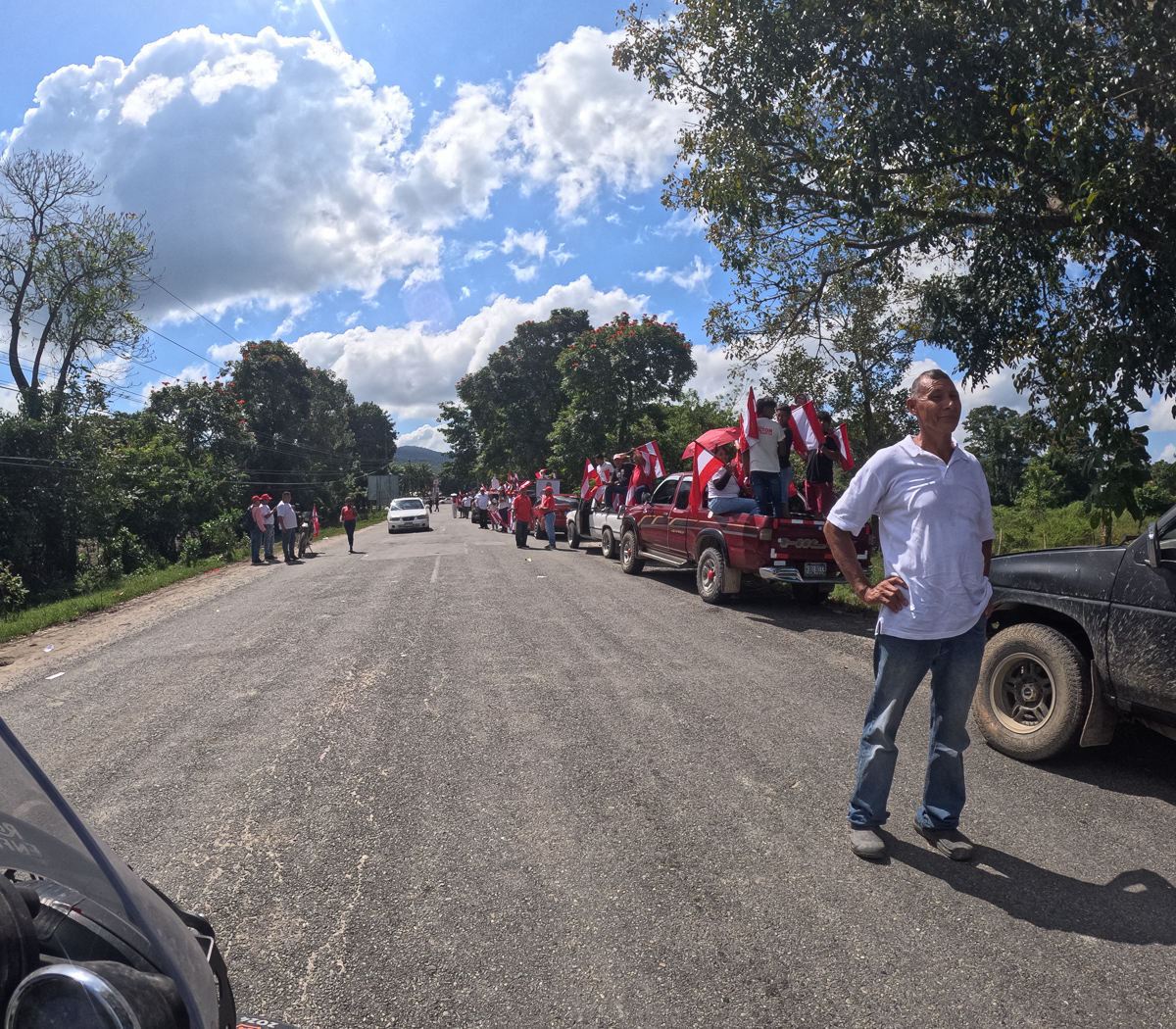

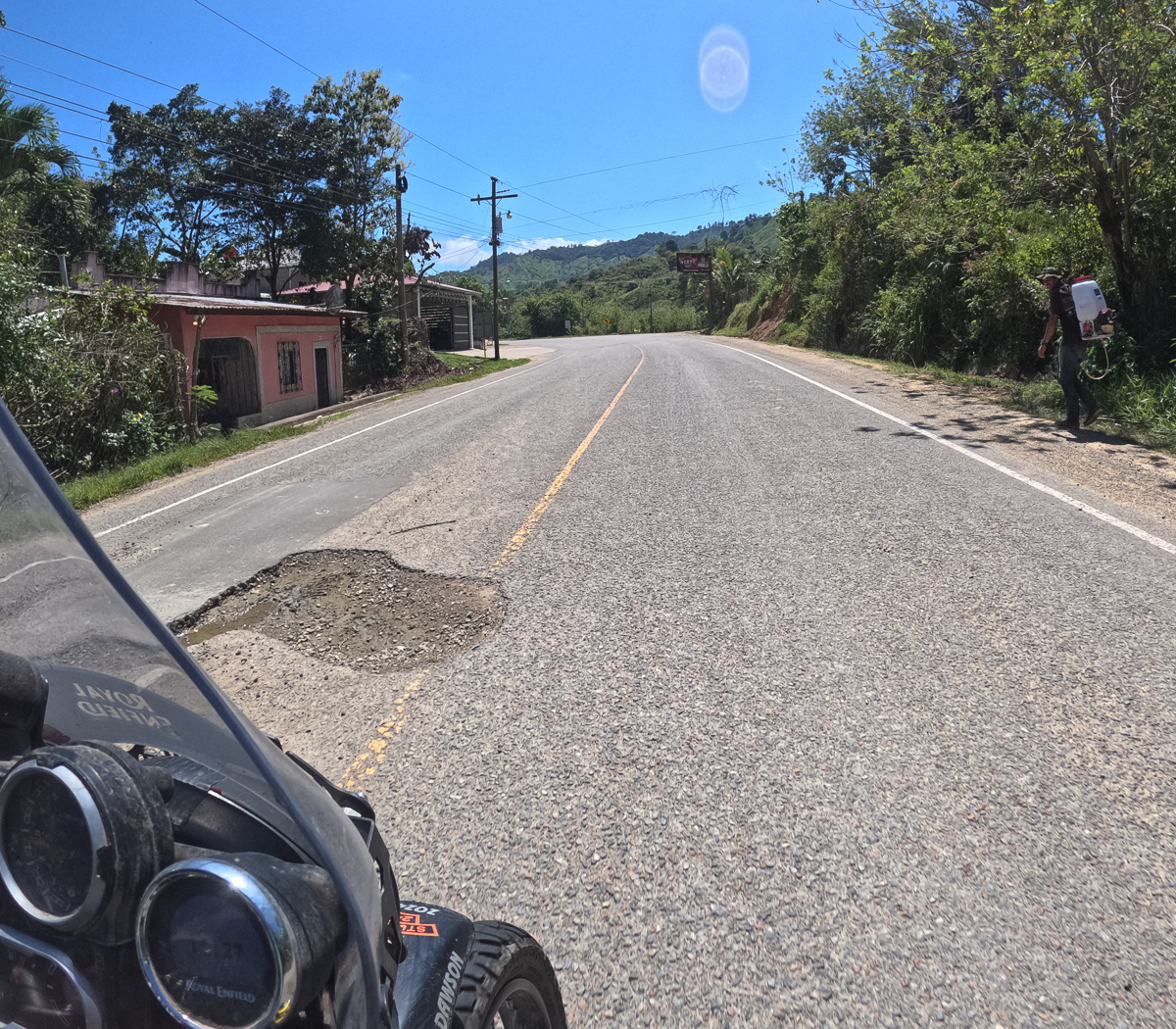
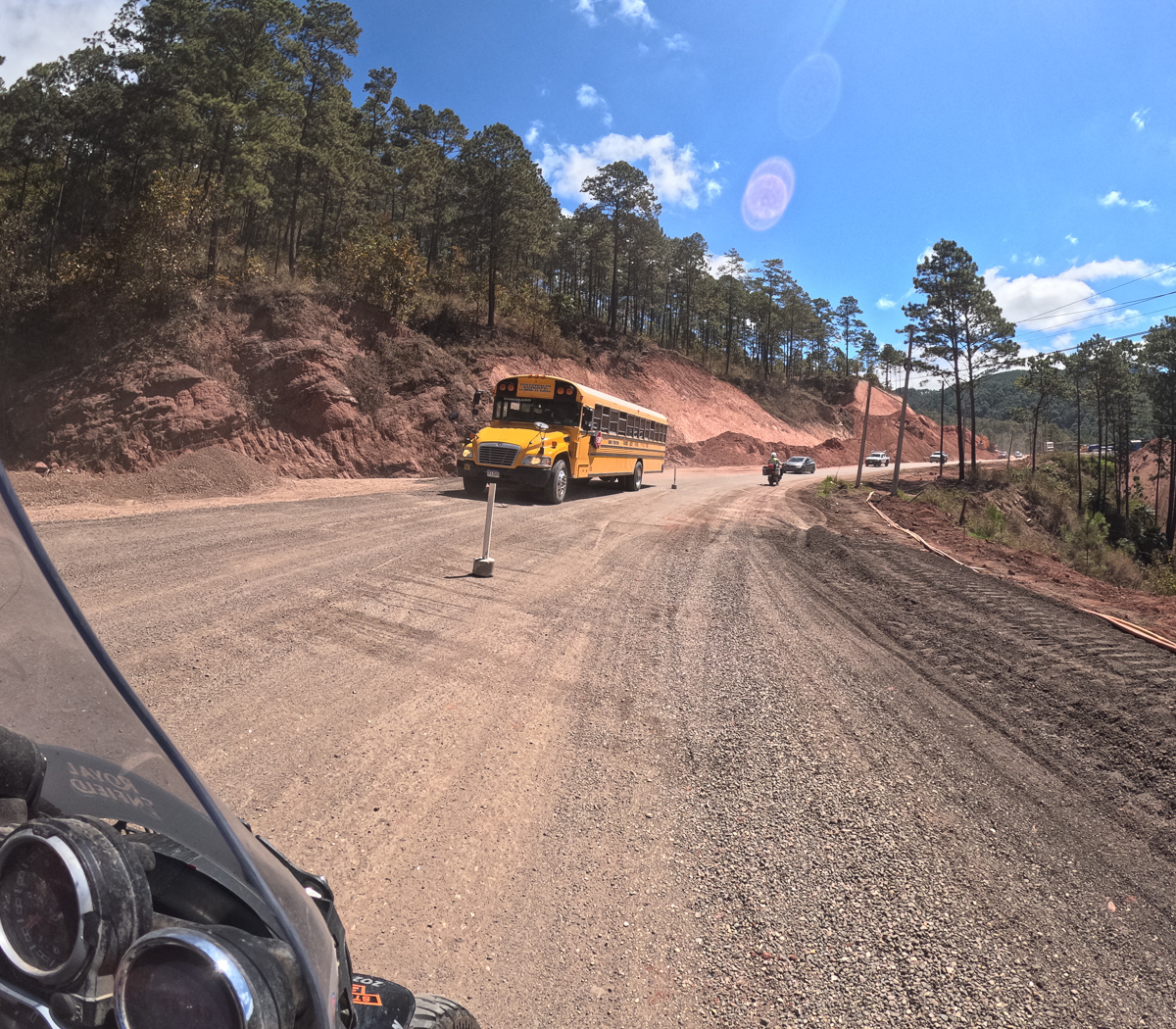
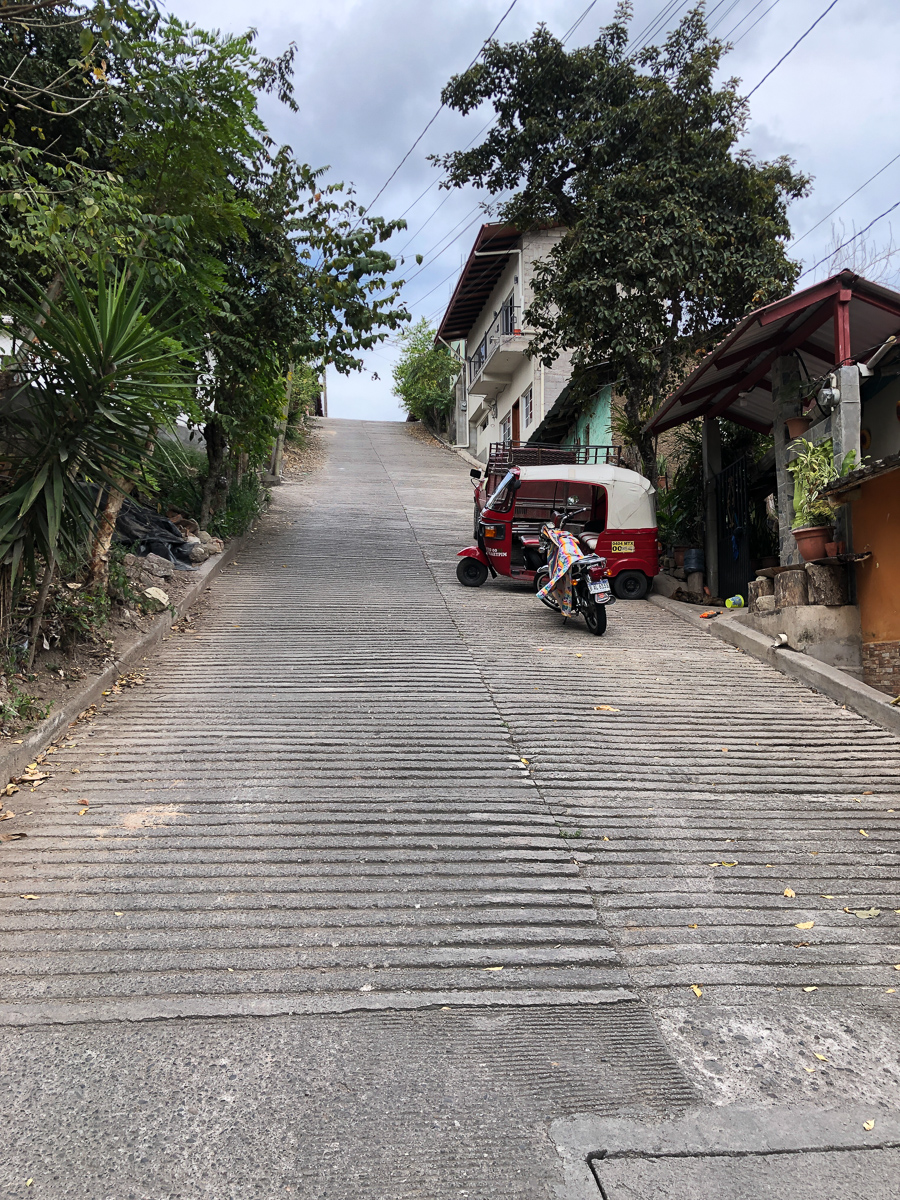
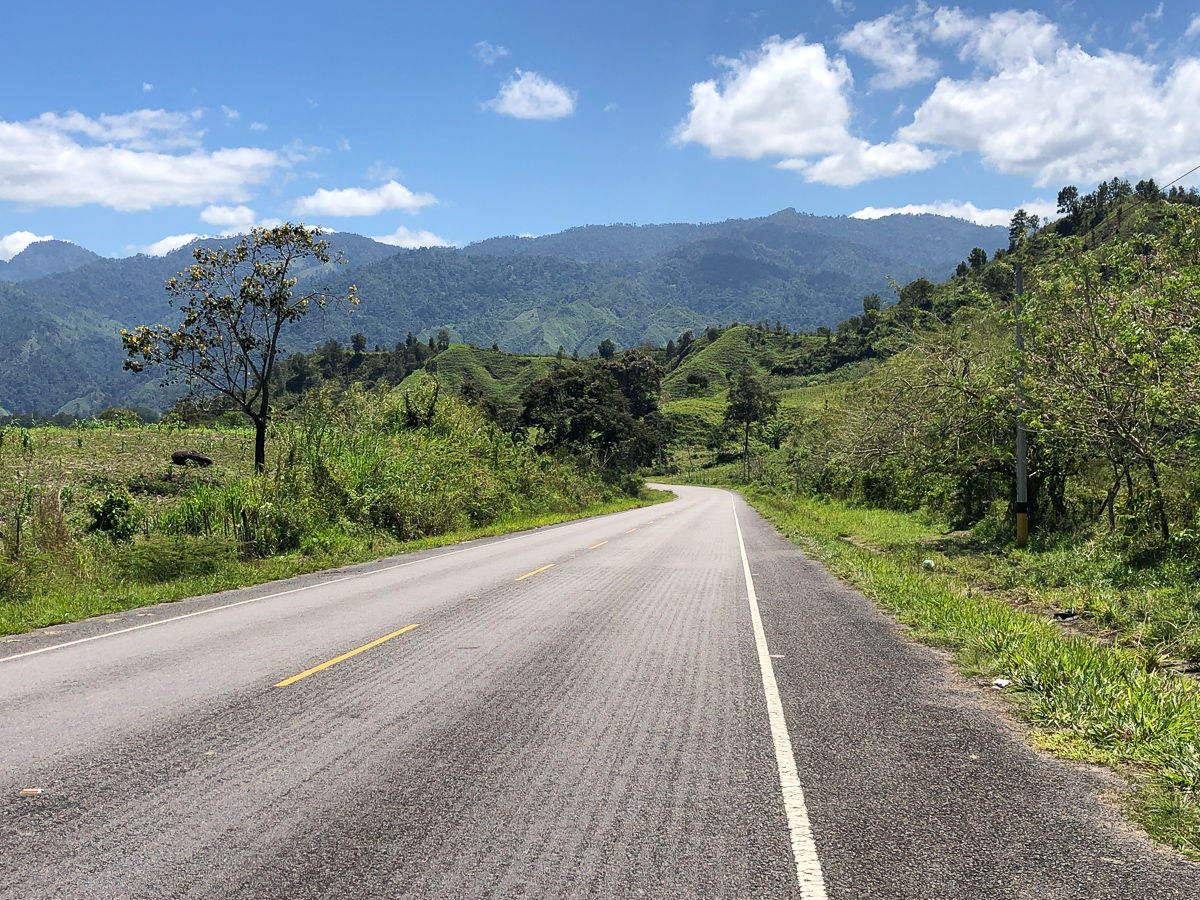
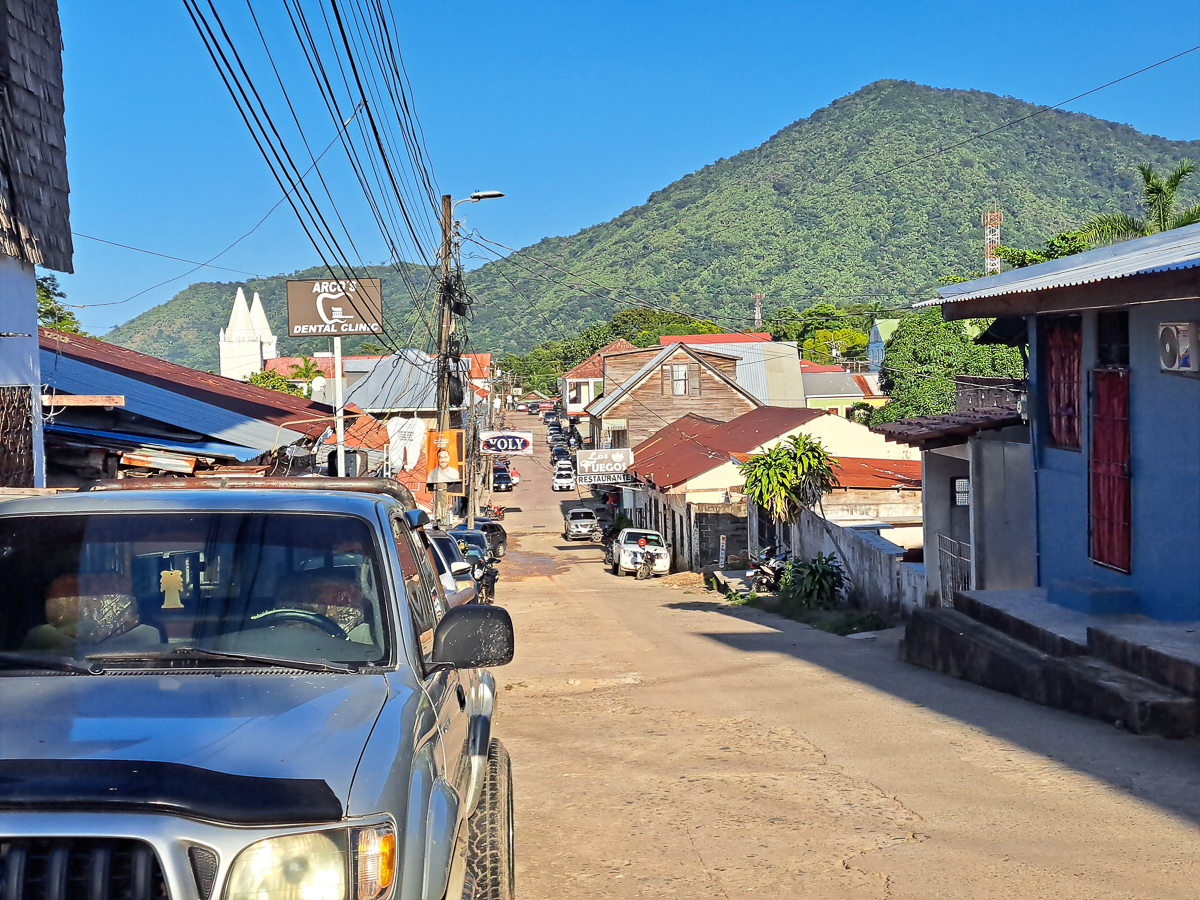
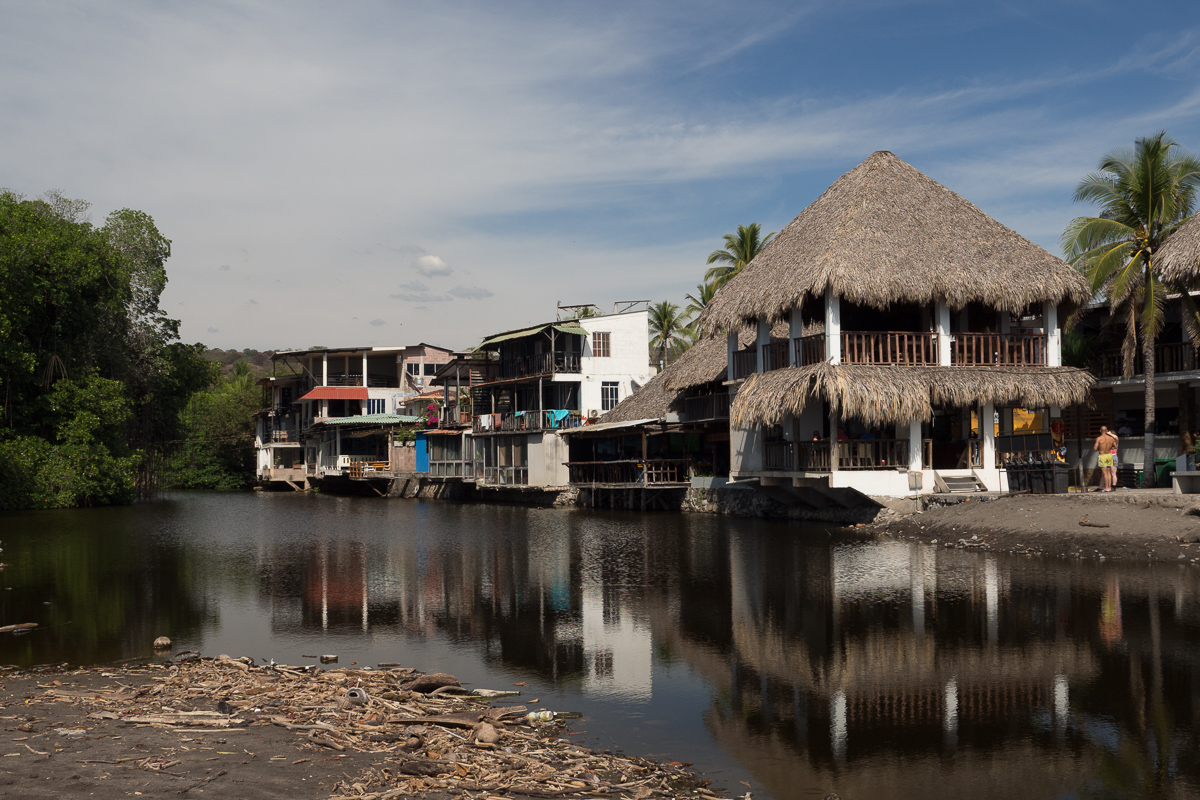
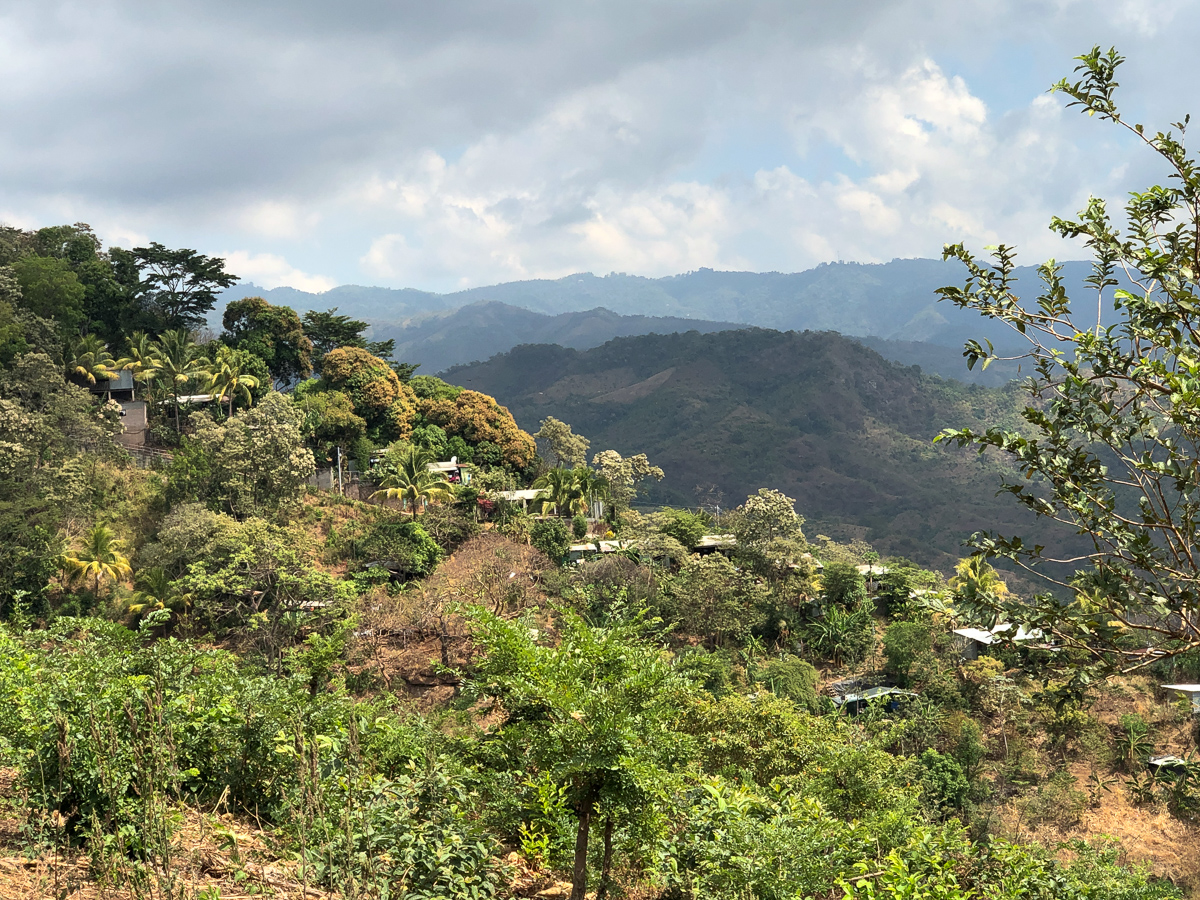
And here’s a few photos of what we could see from the road.
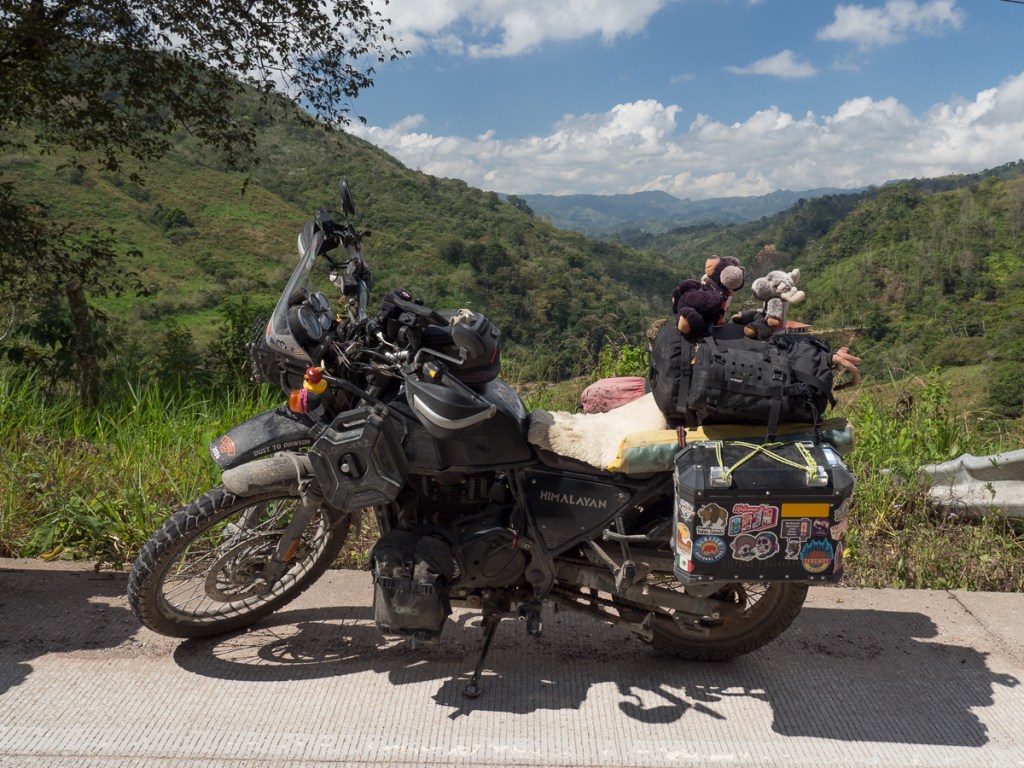
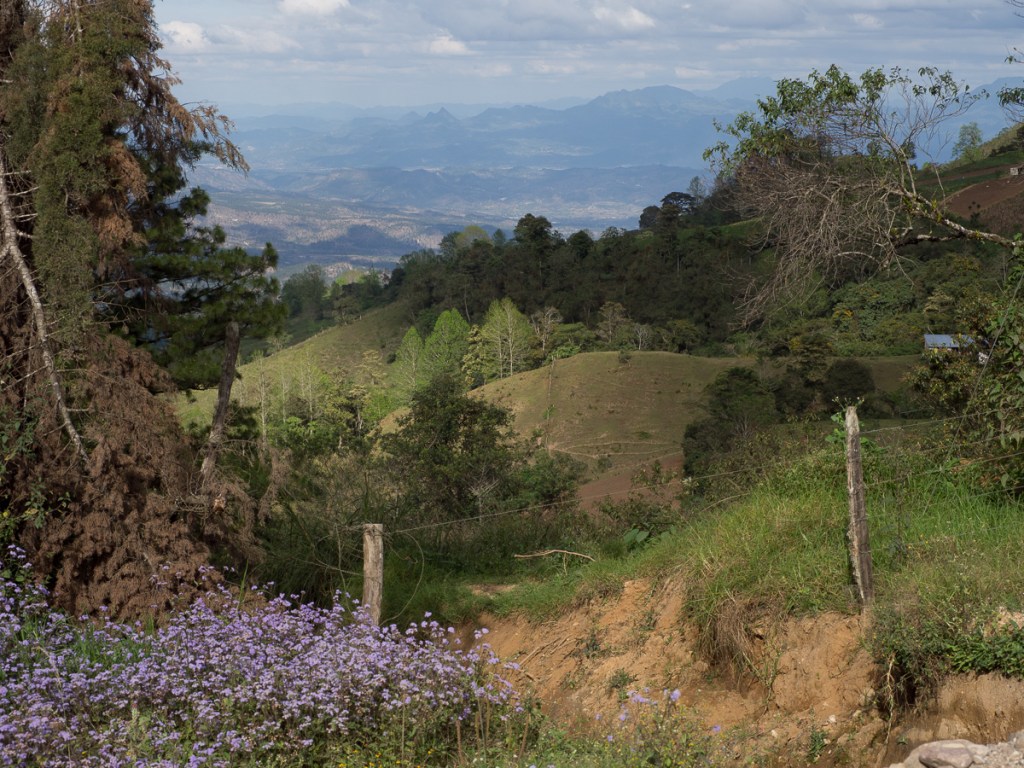
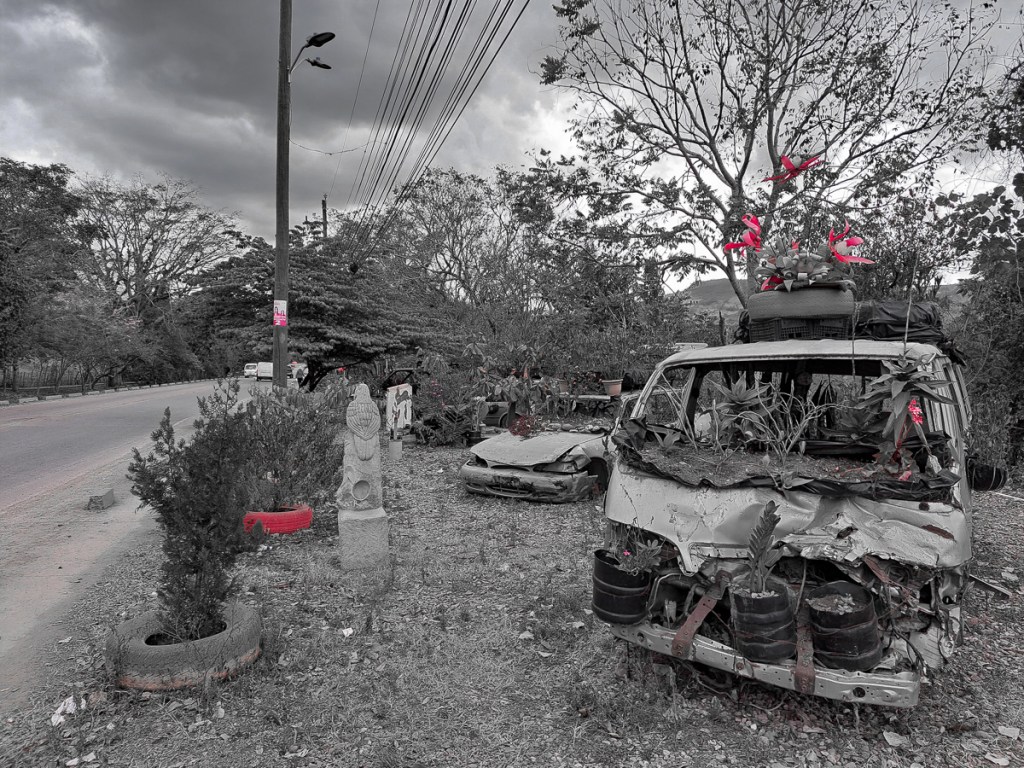
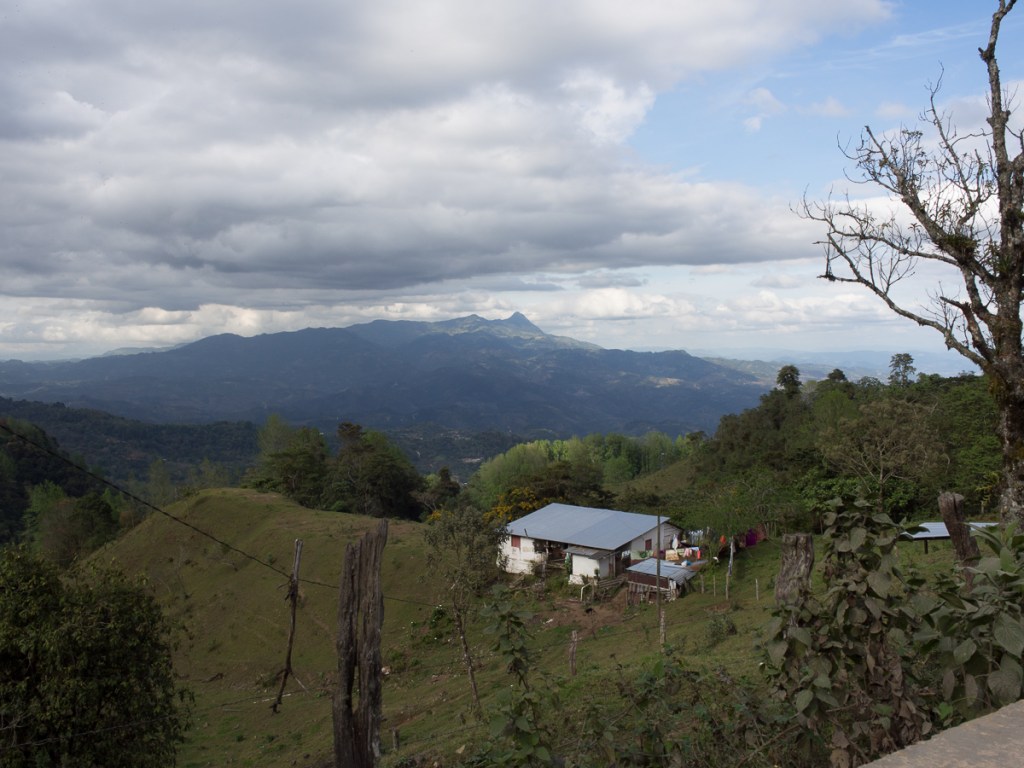
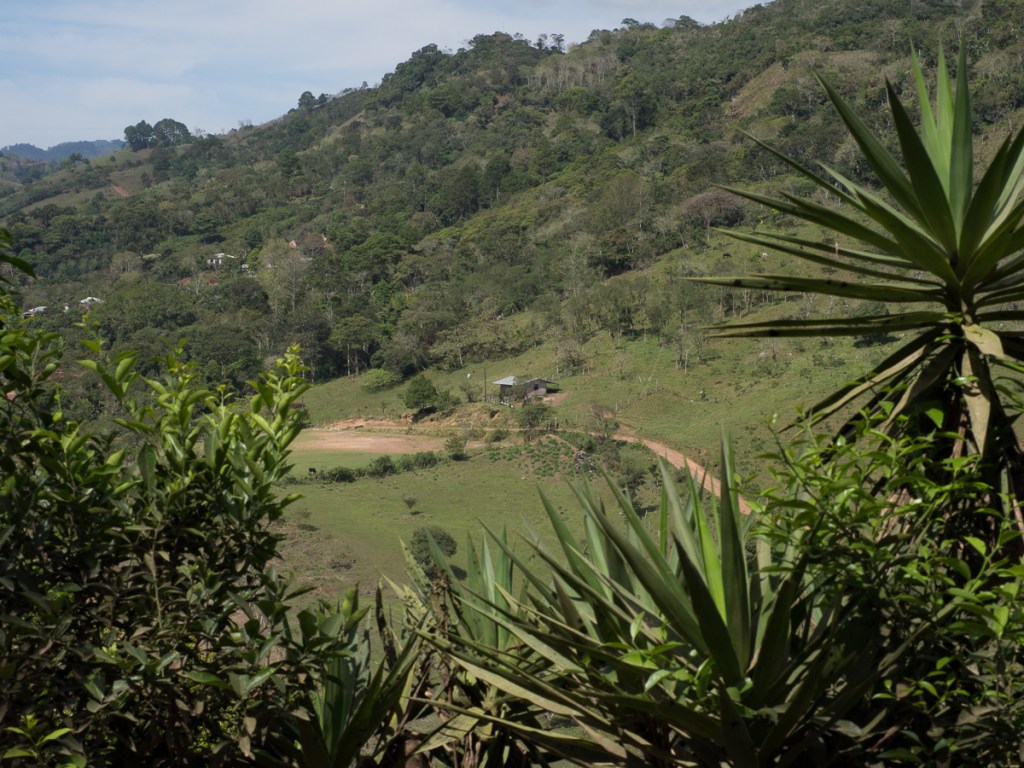
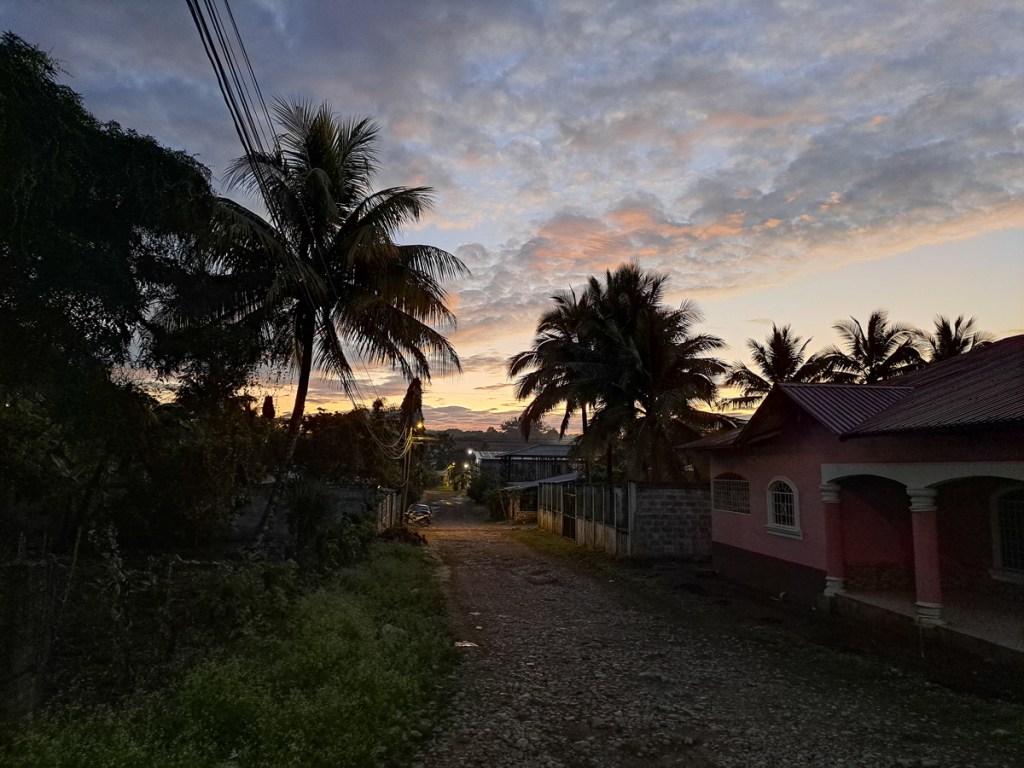
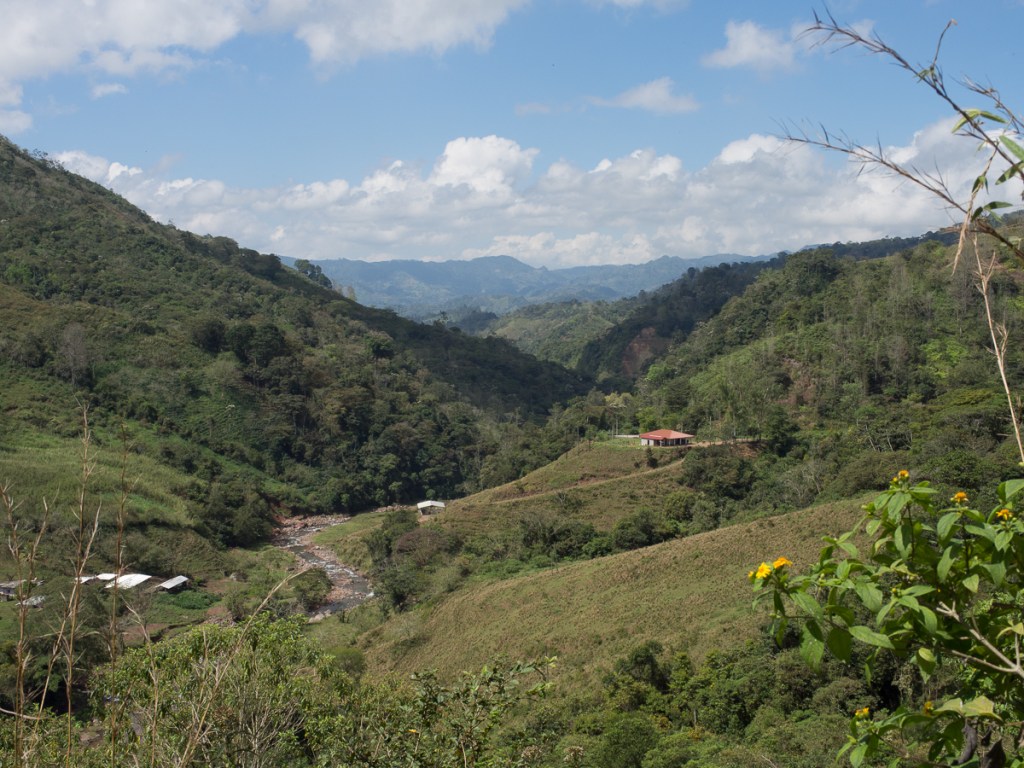
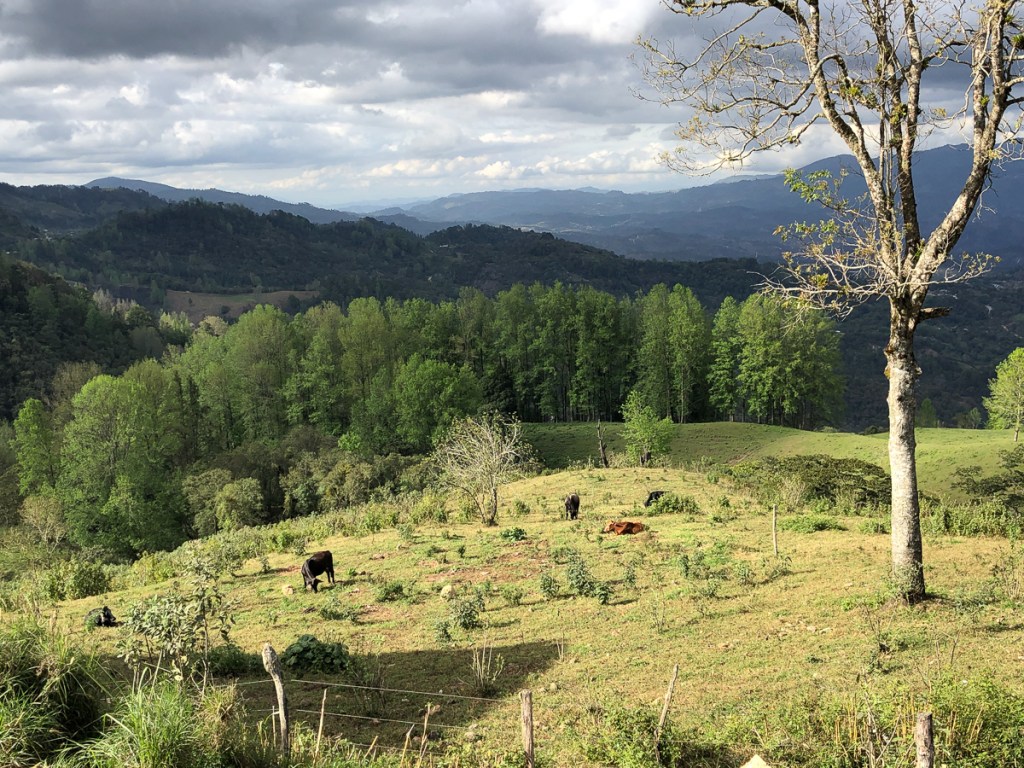
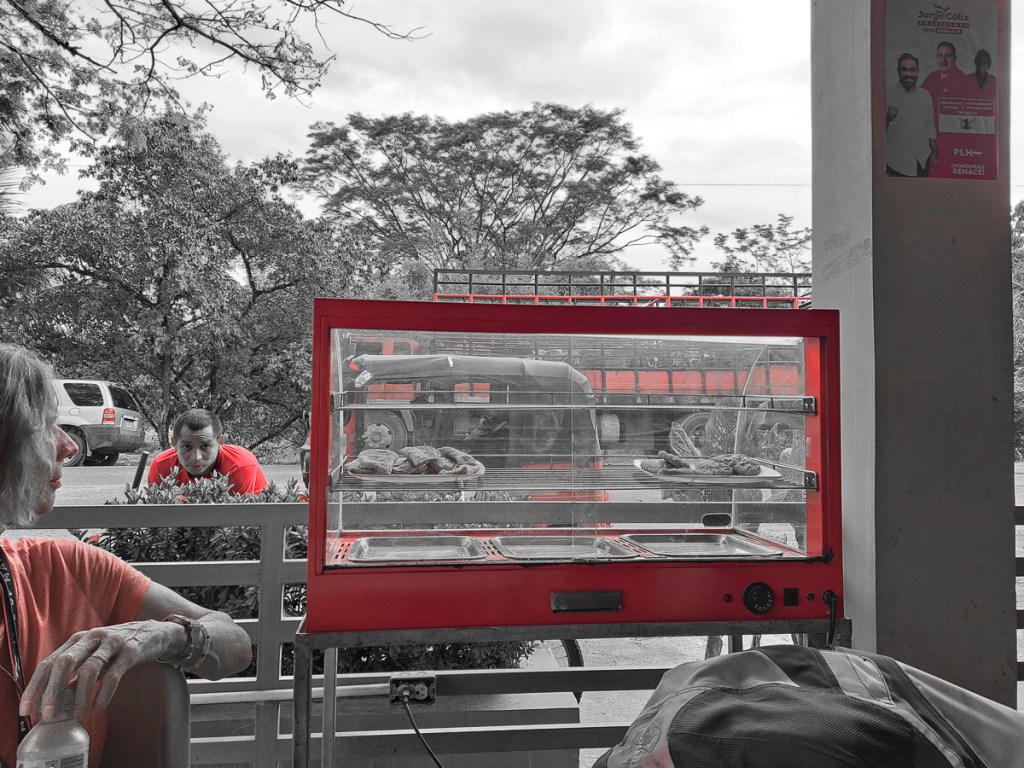
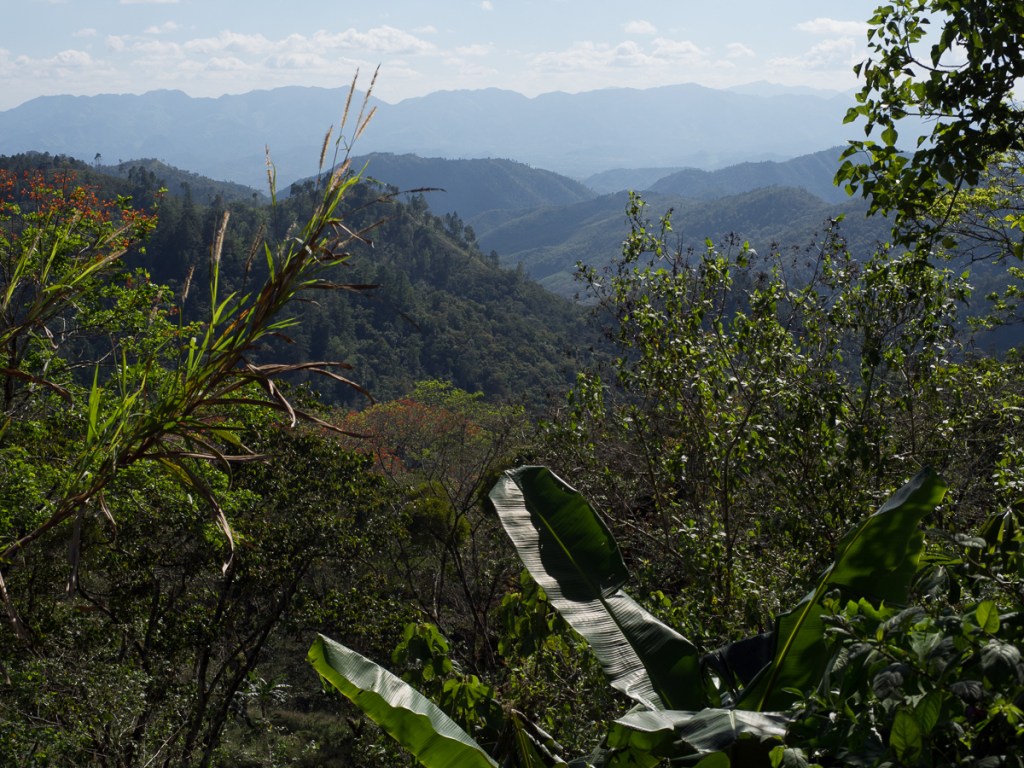
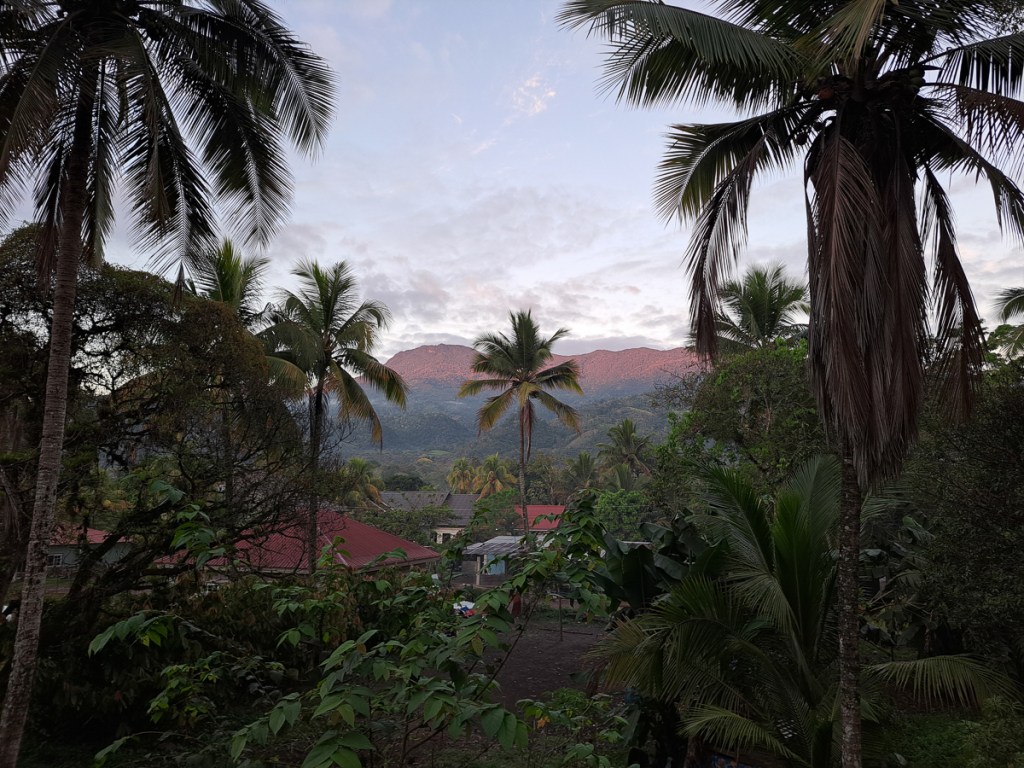
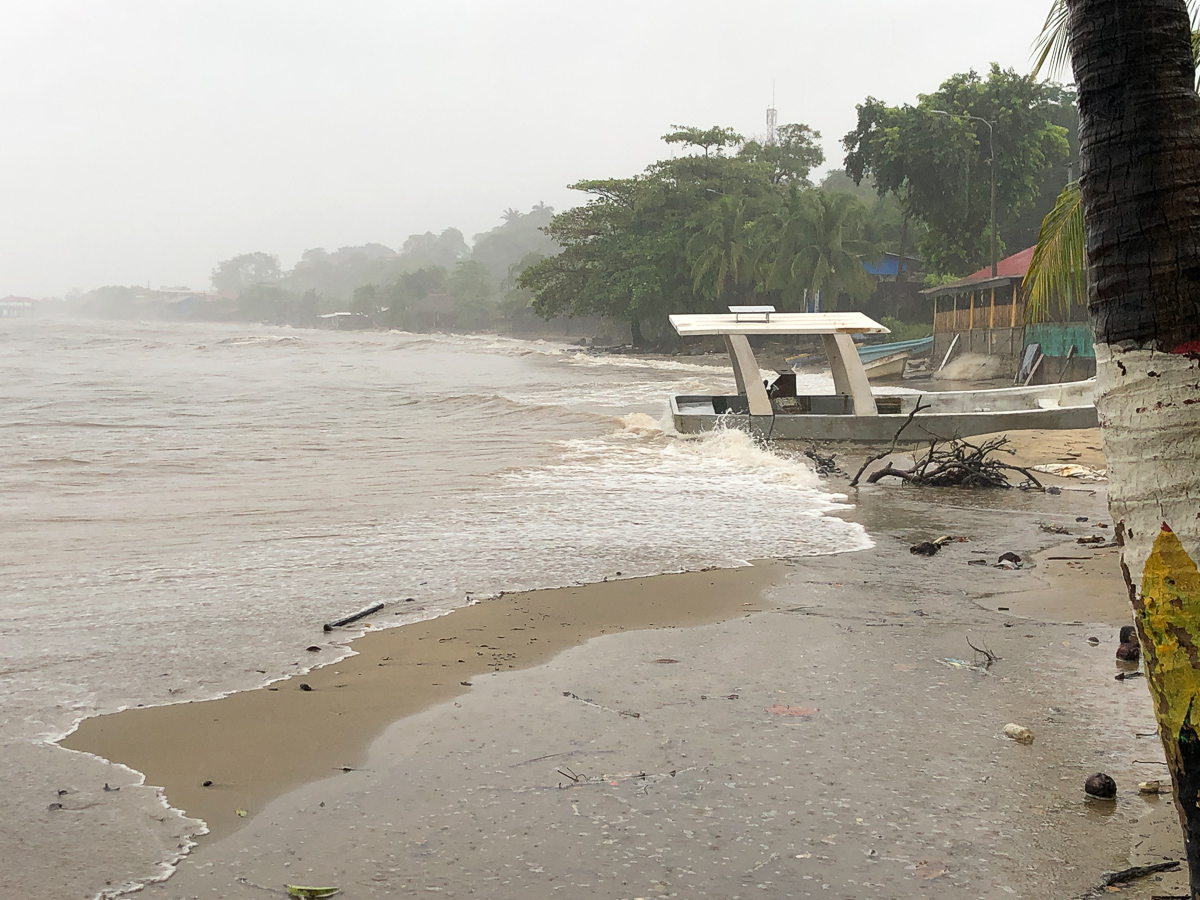
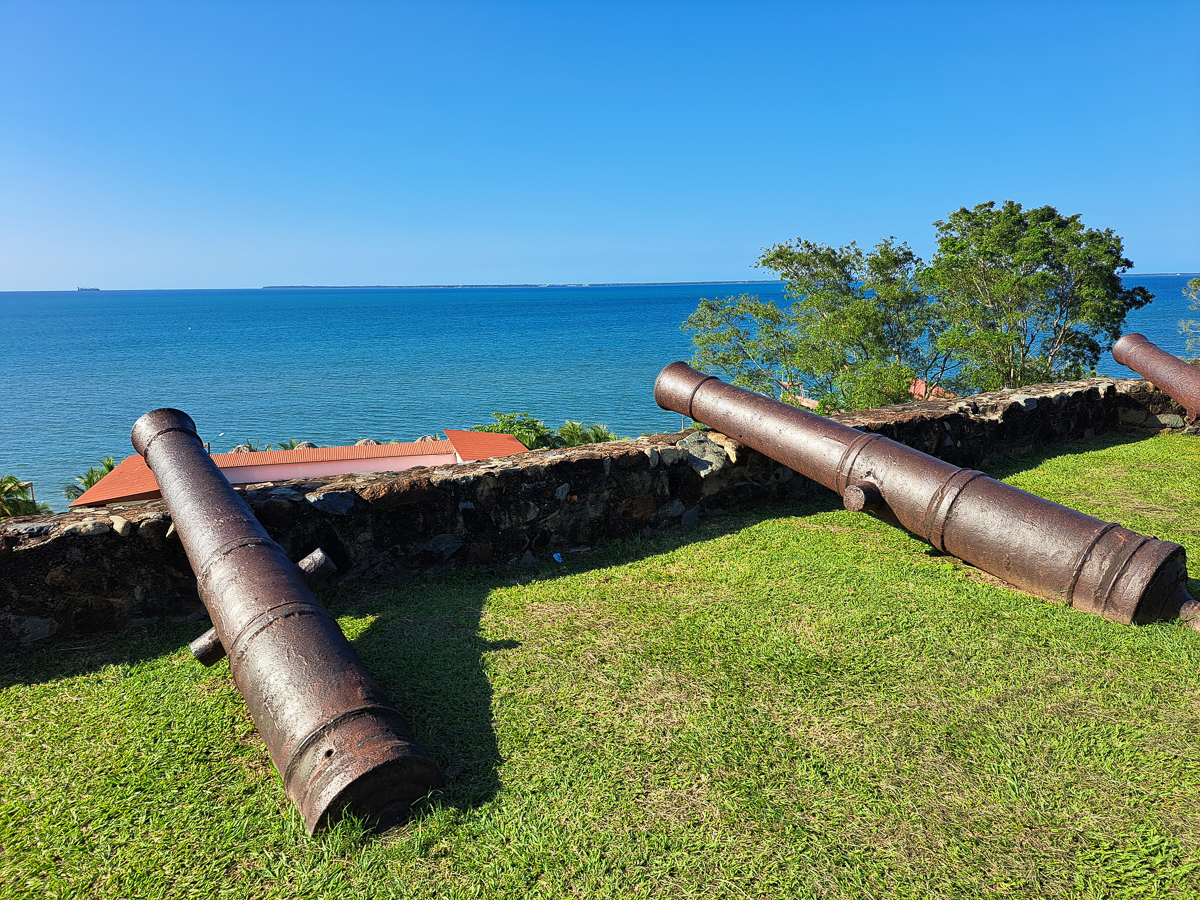
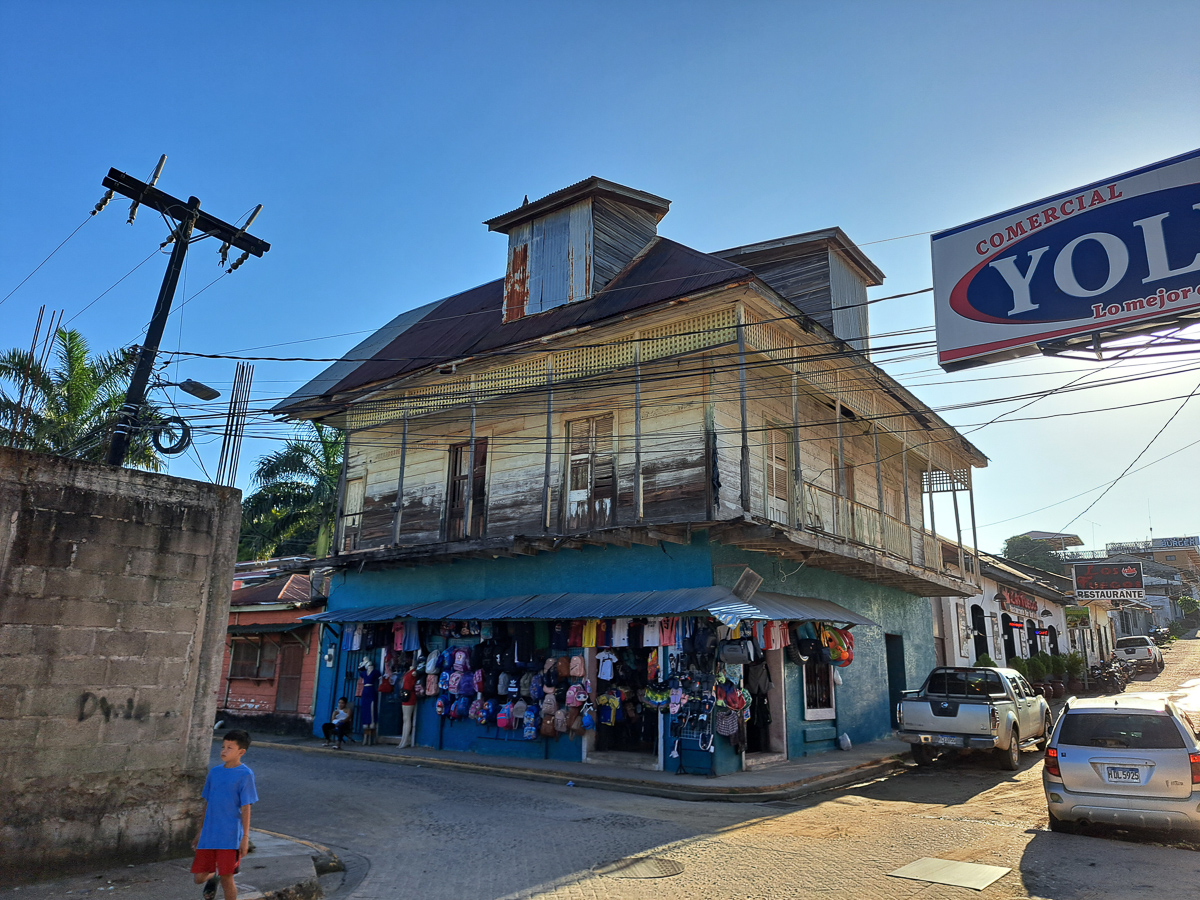
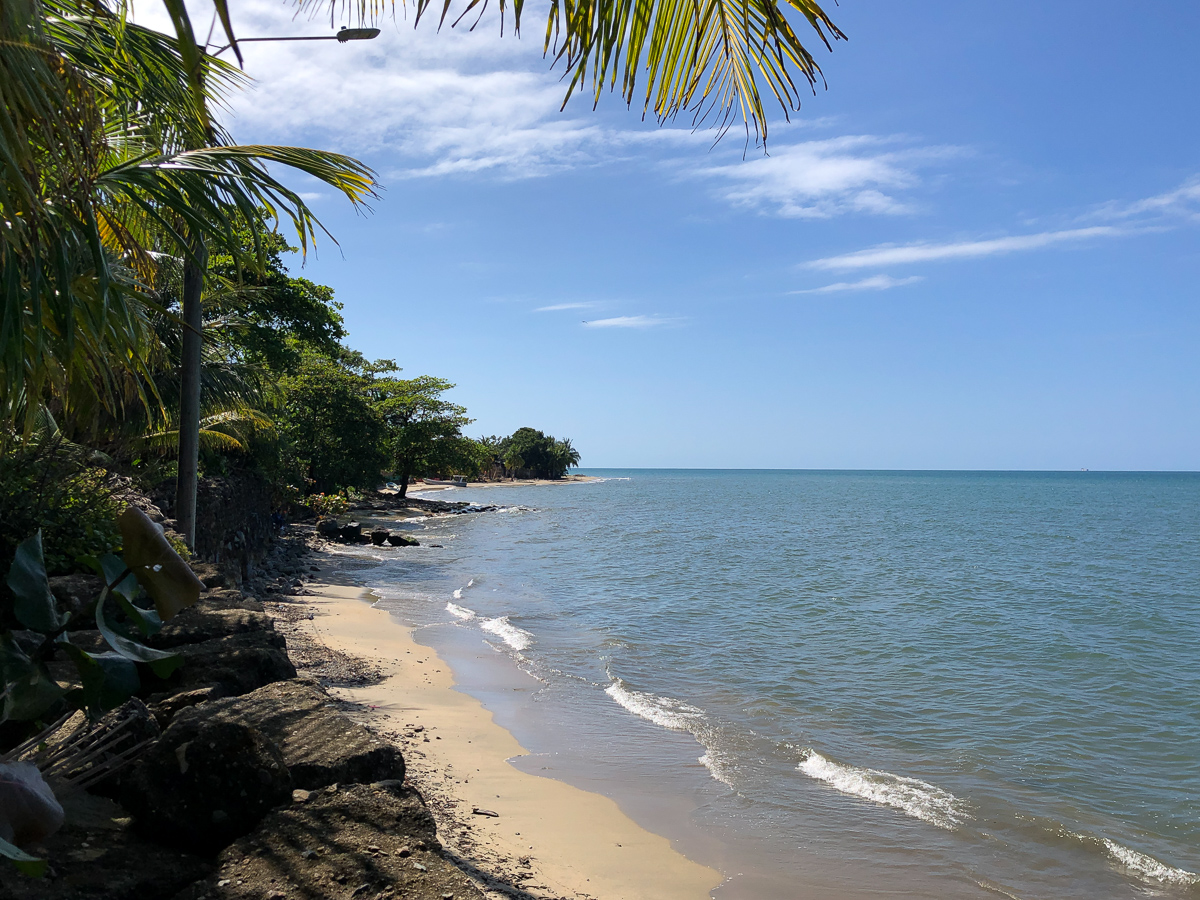
As far north-east as we could reasonably go, a couple of days at the beach at Trujillo was to round off our trip to Honduras. Gid had highlighted the fort and a couple of historic points of interest in the small town. Yes, um, it was indeed small, but attractive enough, once it had stopped pouring with rain.
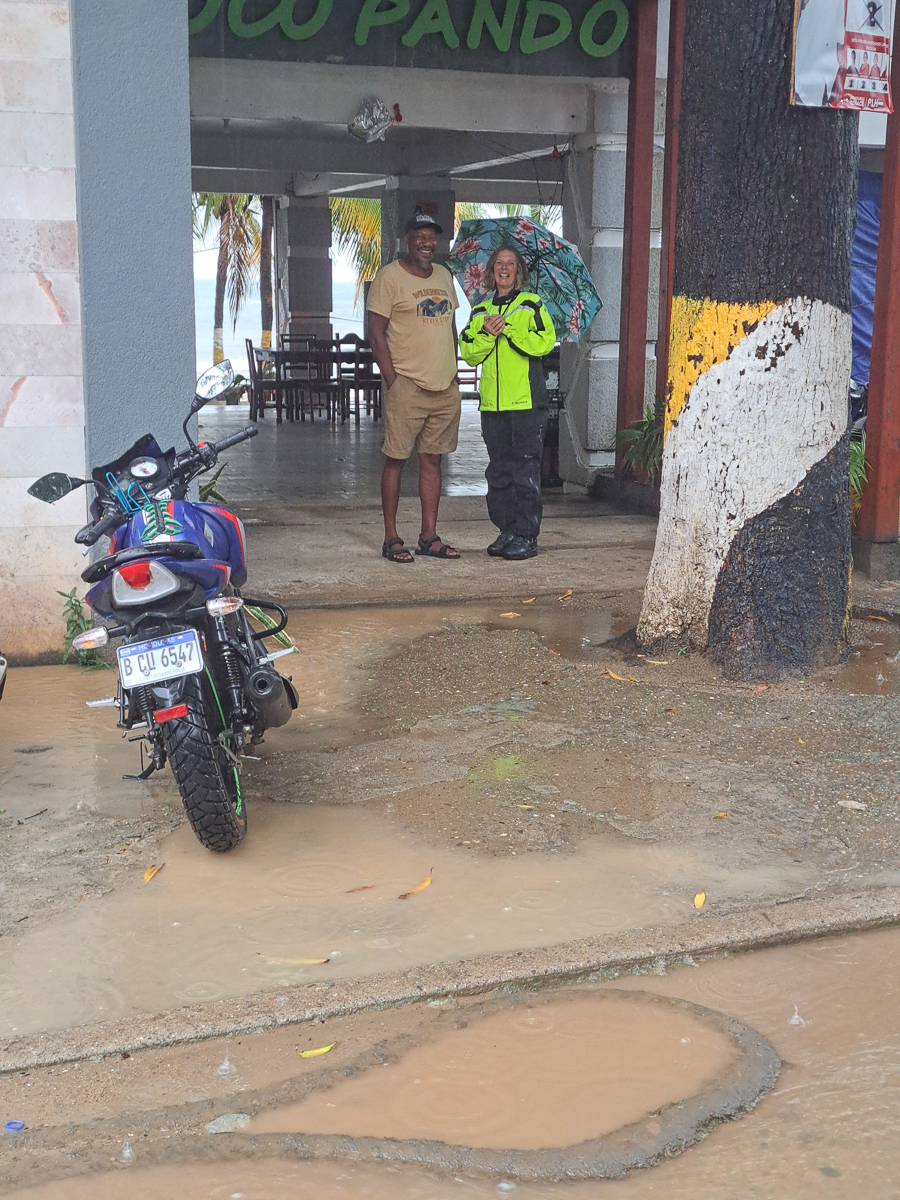
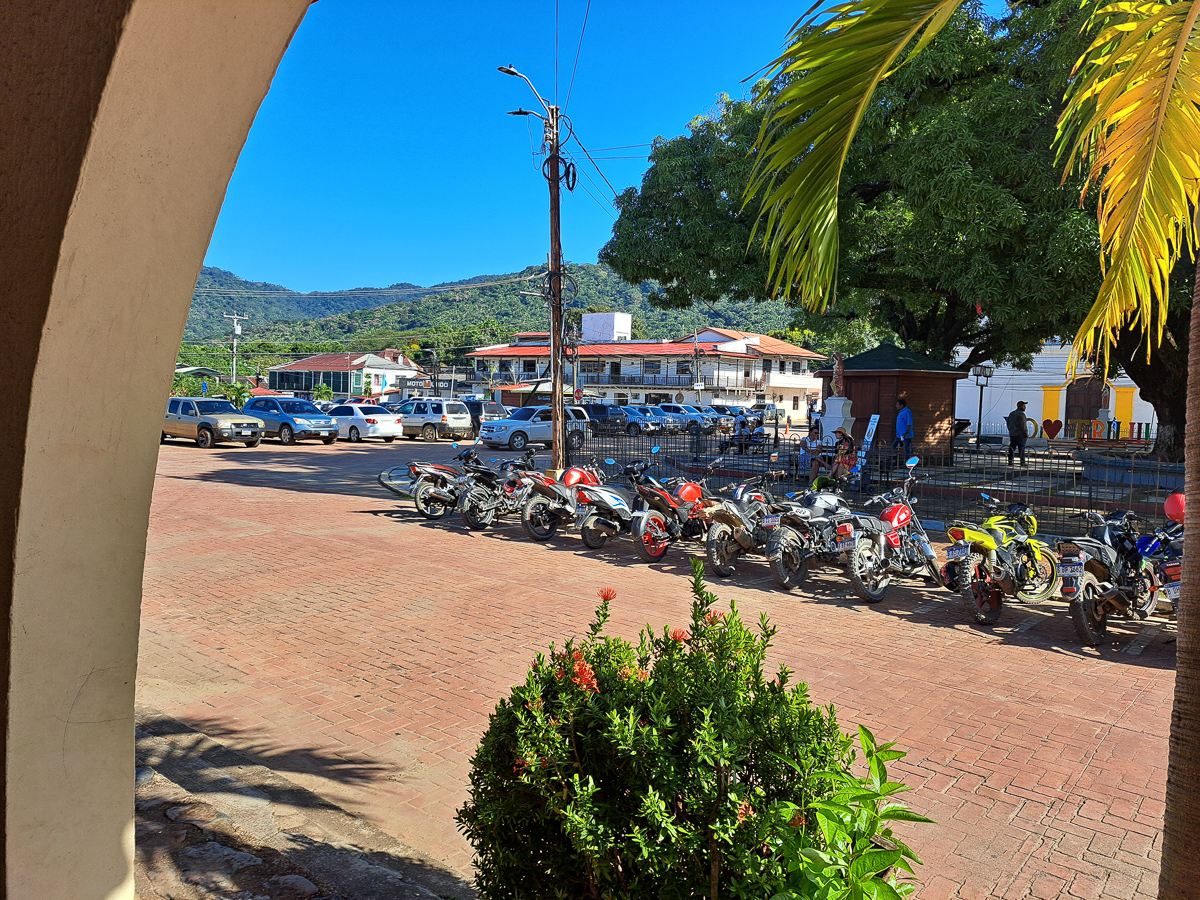

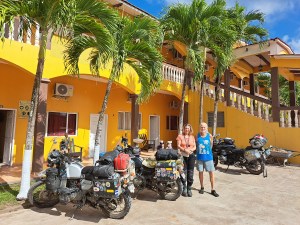
Leaving Trujillo we soon turned south and headed down a lovely road enroute for the capital city, Tegucigalpa. It was the best road we’d been on for a while so we were merrily cruising along. We soon realised that we had a third rider also on a touring bike tailing us. After a brief roadside stop we agreed to a coffee somewhere ahead. Steve, a Canadian rider, was on a tour to Panama – his version of the Snow Goose descent south for the winter. We stopped together for the night and shared food, beer, and stories. Steve’s BMW RS boxer was five times as powerful as our Himis, but the sporty suspension & position wasn’t so accommodating over speed bumps and potholes. He might have said it wasn’t entirely happy on the low octane gasoline, either. But we’re all doing it, that’s the main thing. Forums are full of “what bike for …” discussions, and journalists pontificate endlessly (with a nod to their advertisers!), but the best answer seems to be “the one you have”. We do seem to be a bit off the moto tourist trail now, we no longer see occasional groups of looming, be-panniered, be-foglamped adventure bikes going the other way, or whizzing past us. Of course, just by time and distance, we’re getting beyond the range of a ride-from-home tour for North Americans with jobs and families needing them back soon.
Honduras’s capital Tegucigalpa was busy but pleasant enough. After all the usual online warnings about crime, the biggest threat was clearly as a pedestrian trying to cross the roads. Maybe it was our location, but the traffic seemed more cramped and more urgent than either Mexico or Guatemala Cities. Tegucigalpa is not reckoned to be much of a tourist destination, although we did visit a few places. We were in the city because it had a Royal Enfield dealer, one of only 2 in Honduras, and I had discovered some loose spokes in my front wheel. I wanted to be nearby when I had my first ever go at a motorcycle spoked wheel tweak. In the event, the adjustment seemed to go smoothly, and no parts or help were called upon.
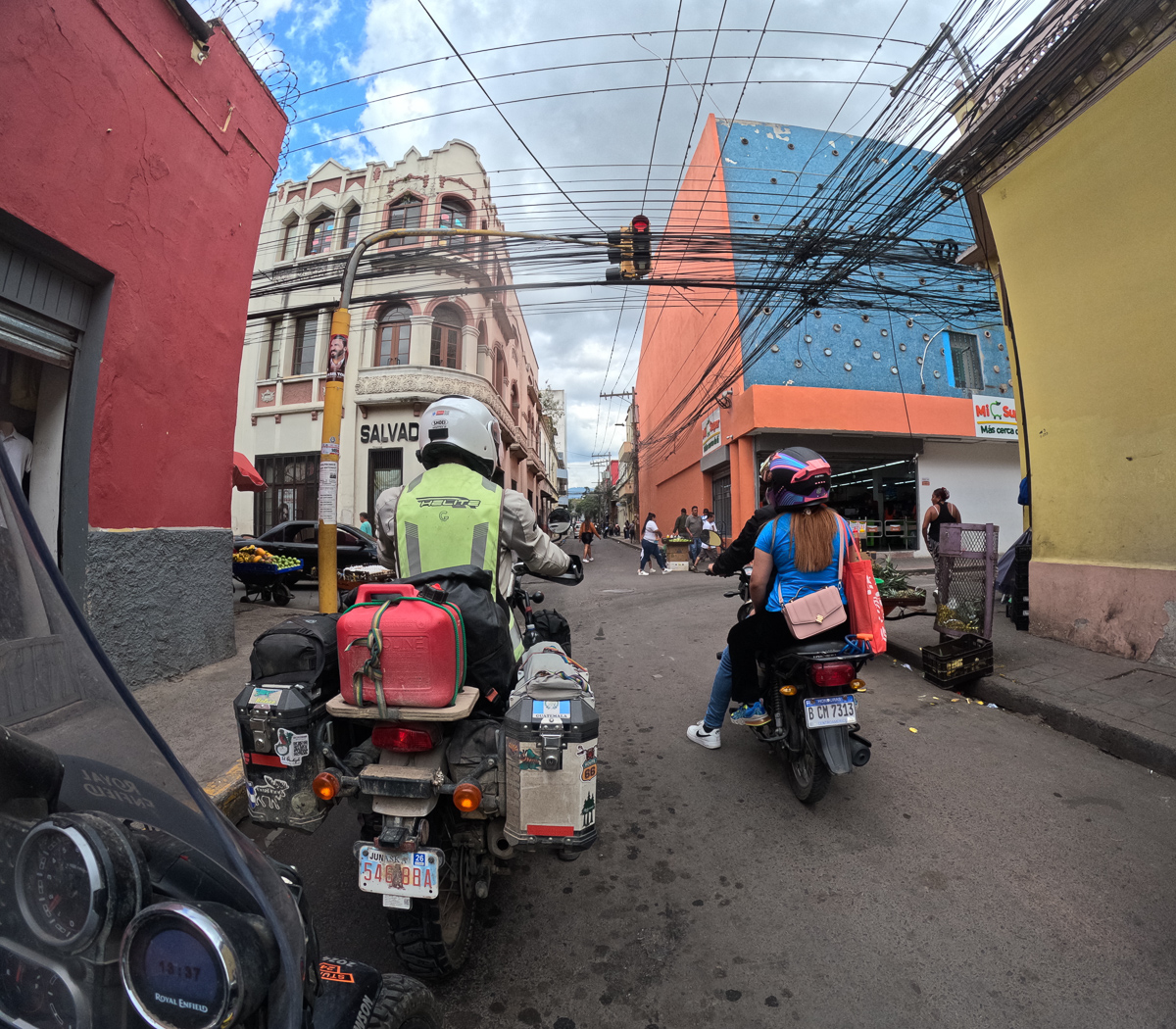
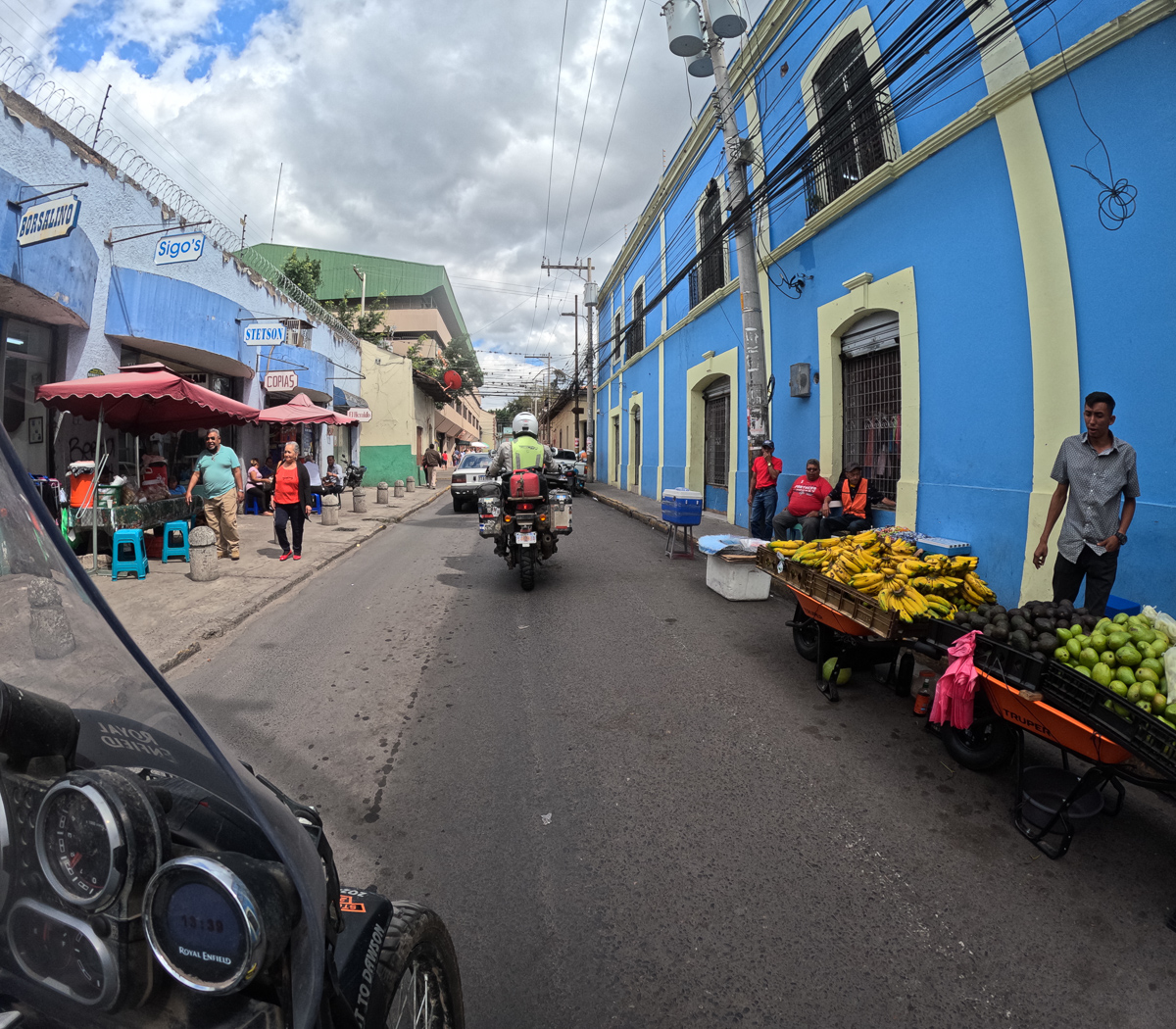
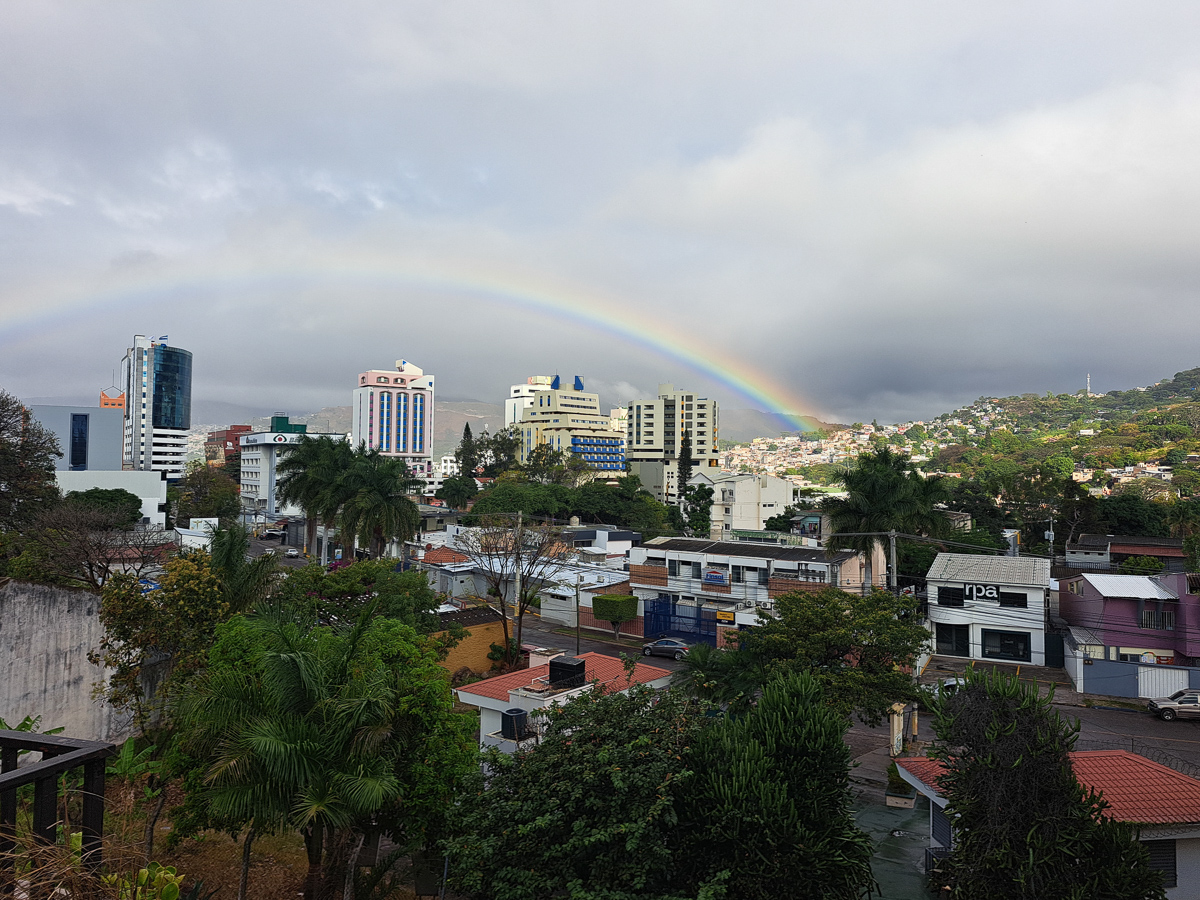
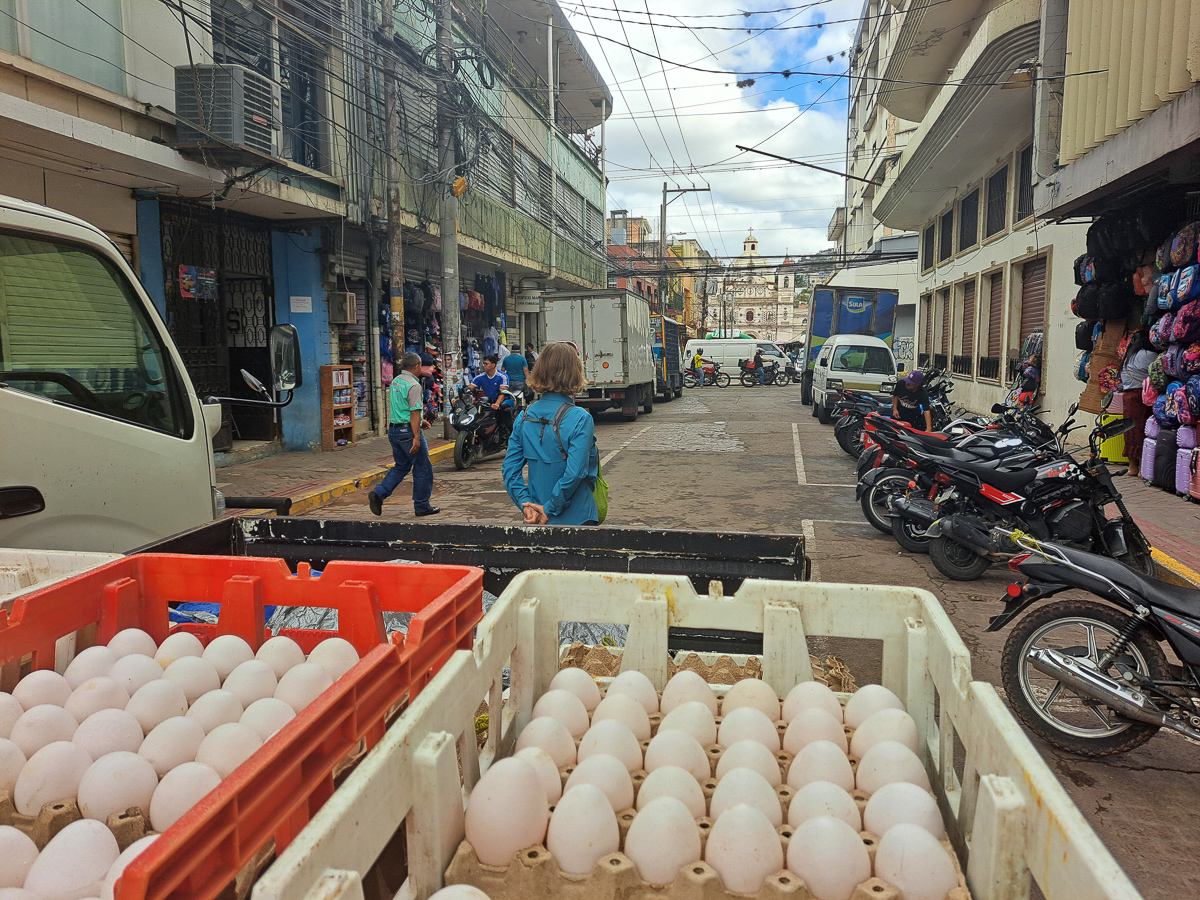
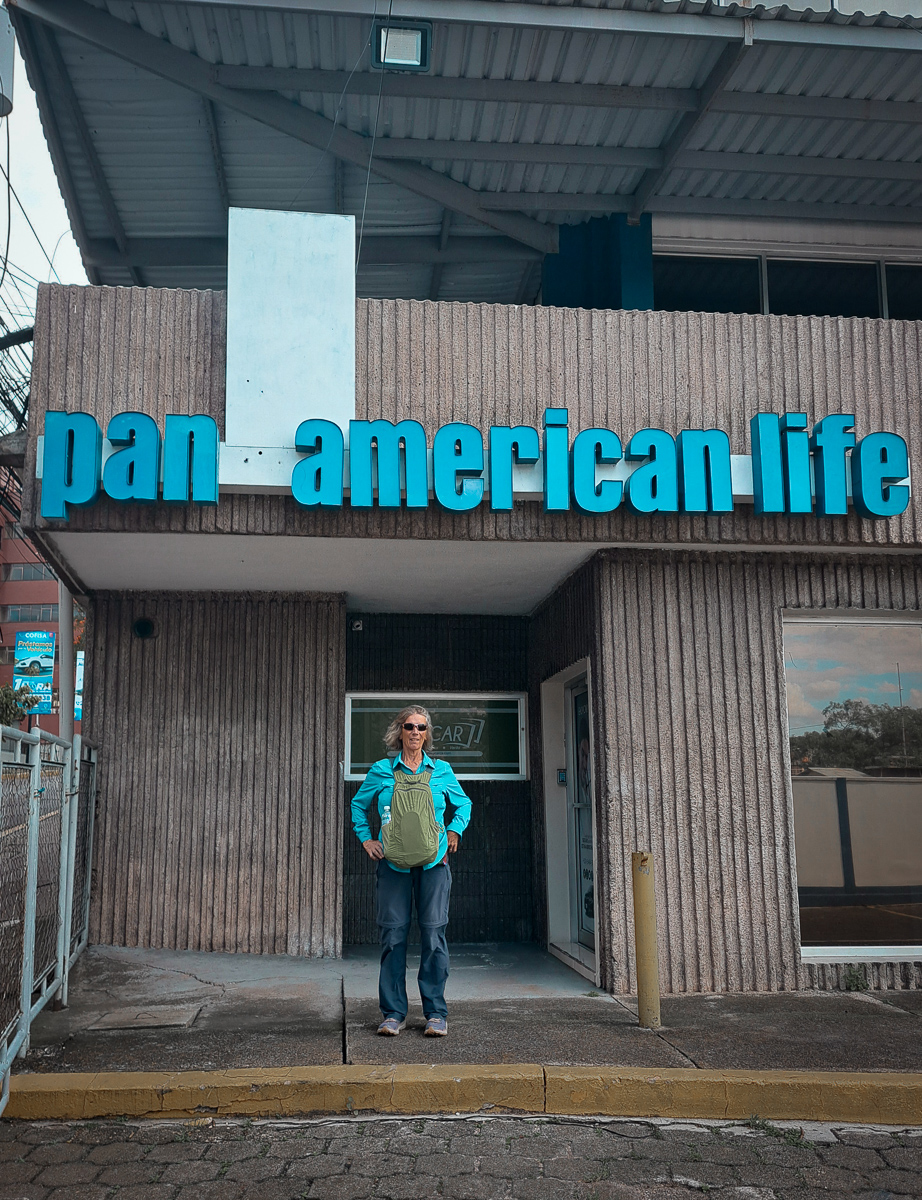
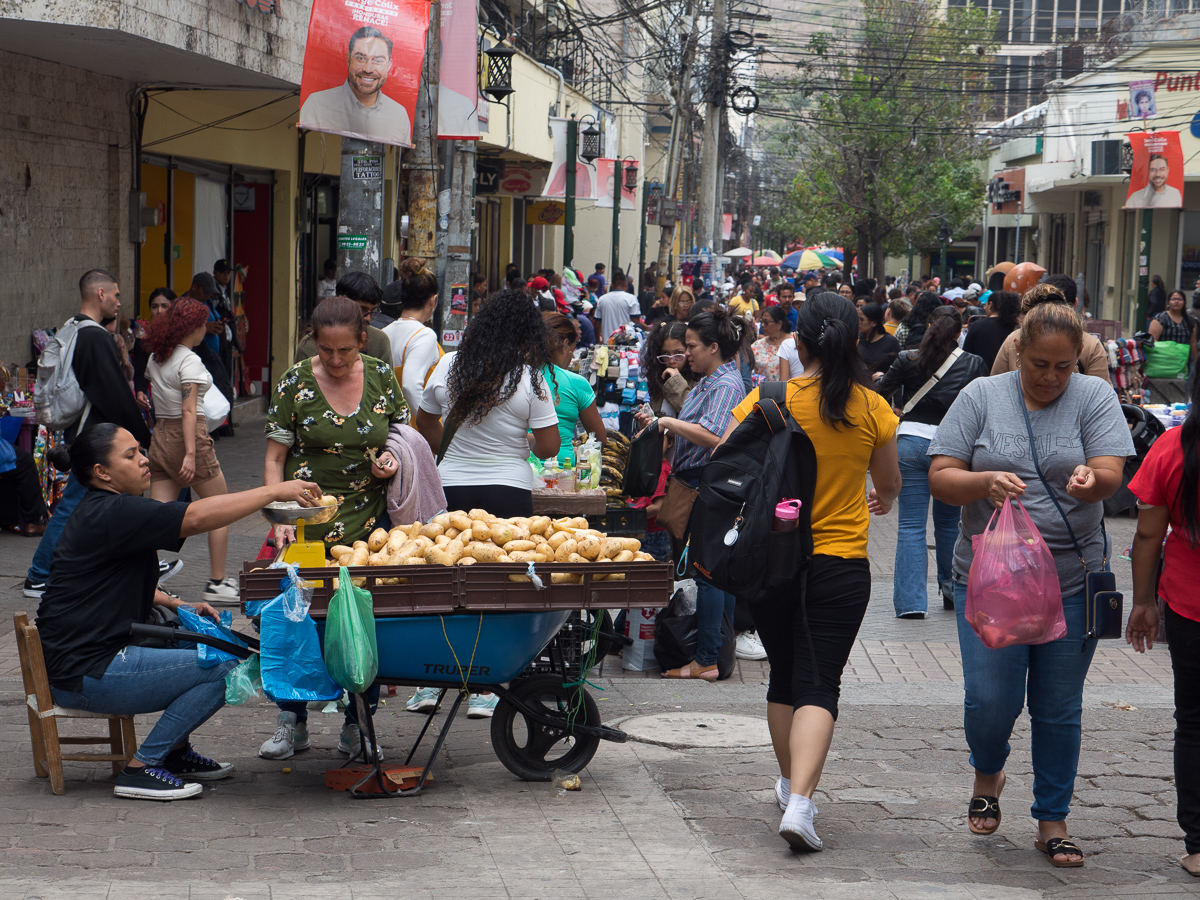
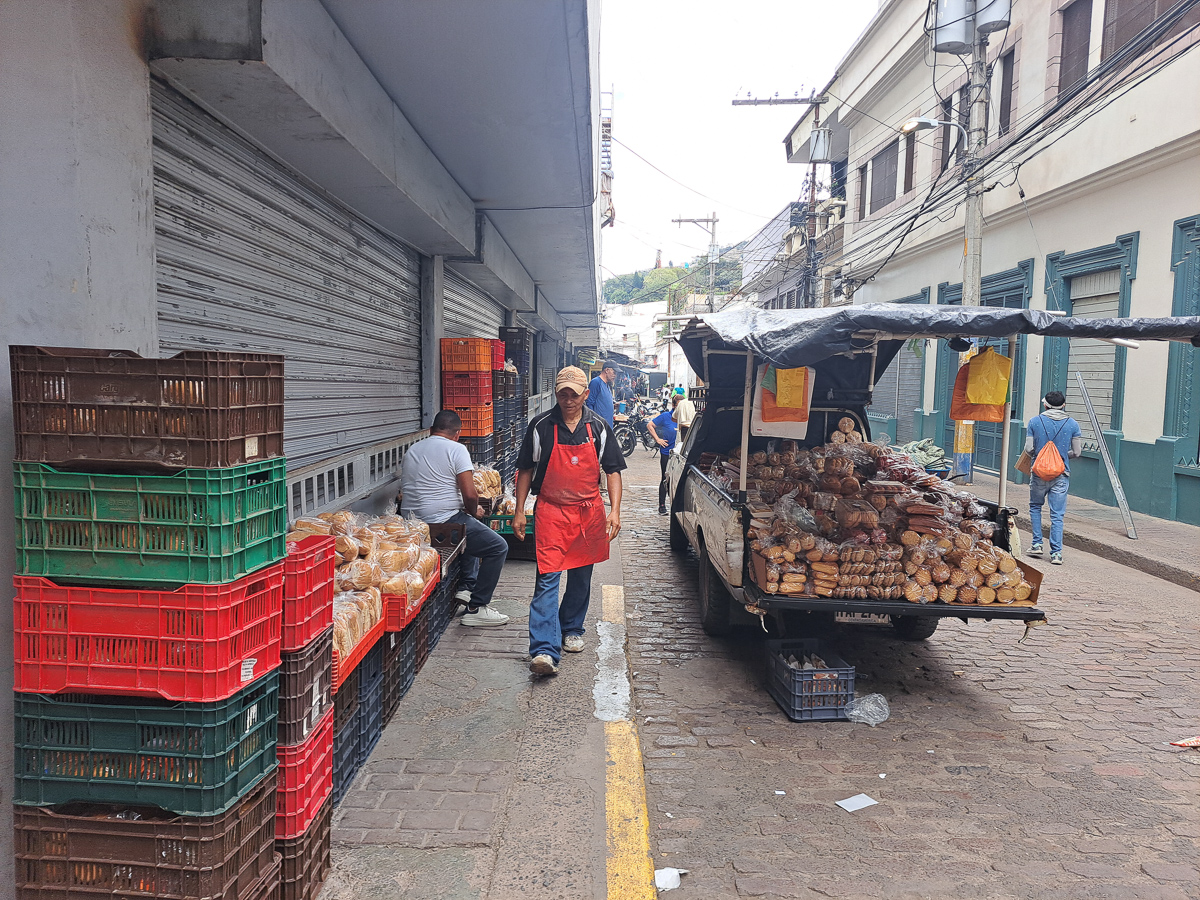
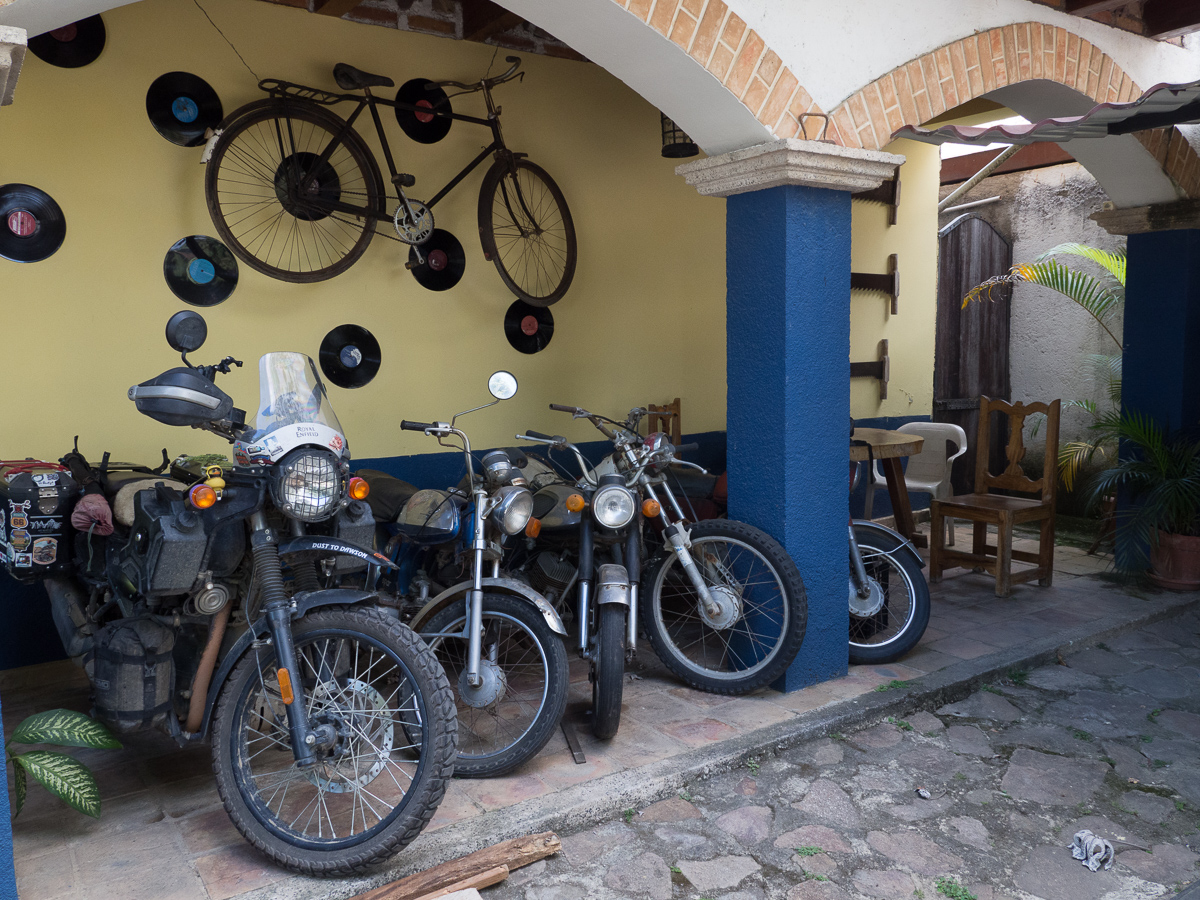
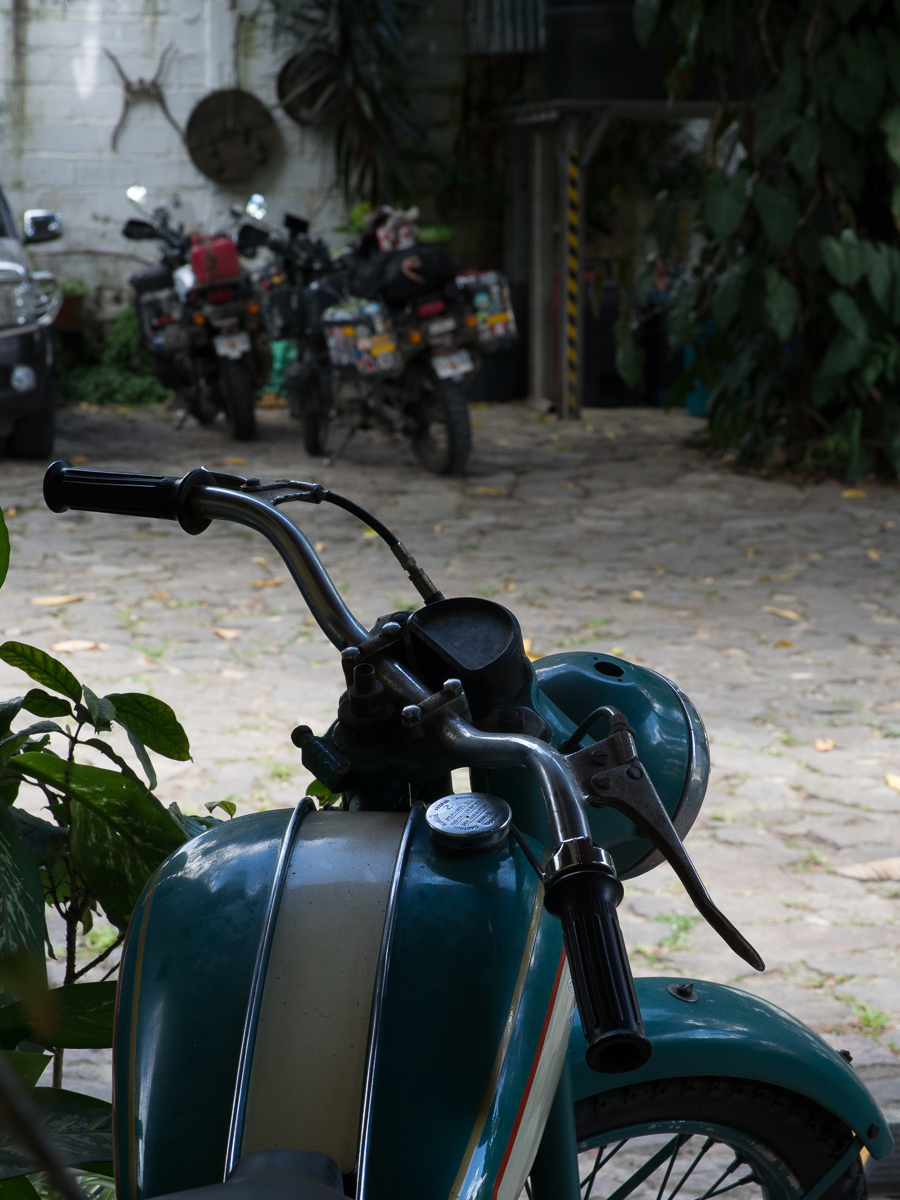
Although our Honduran visas were for 60 days, we were aware that the CA4 group of countries only gave us 90 days from entering Guatemala, so we had to exit both Honduras and Nicaragua, by 29th March. East of Tegucigalpa the Honduras/Nicaragua border hove into sight all to soon, after around 3 weeks in Honduras. Another border to cross, another country to plan. But just before that, Gid misunderstood what he was told about the nightly rate, and our last night in Honduras was rather a splendid indulgence, and a bit of a moto museum, too.


 2silvercyclistsdotnet