I was a little anxious about entering Nicaragua. In my mind, fed by various perhaps out of date articles, Nicaragua was going to be more lawless and therefore more dangerous to be in. There are tales that the police are even more corrupt than usual. Both threats have been with us since entering Mexico. So far, either the reports are wrong, or we’ve been lucky. But, we have seen more road accidents in Central America than we have ever before.
The Honduras-Nicaragua border crossing was particularly tedious and rather exasperating as we had to stop here then there and no one told us about the over there. Having had our documents checked at one oficina and told now you can go that should have been ‘now you can go over there to the next stage’. Gid is very thorough at researching the requirements for each border crossing and not to be fobbed off, but even he didn’t foresee the number of times Nicaragua would check each document. There were about 7 stages! Regis, a fellow traveller we met in Leon told of how he was fined while exiting Honduras when imigracion saw that his entry documentation wasn’t properly stamped. He had been illegal and had to pay the fine of $250 but only had $230. He had to wait until a fellow French traveller baled him out! Although we’ve done plenty of borders before, these are remarkably long winded, and it’s our first trip combining tedious borders with motorcycle import permits, really hot weather – and motorcycle clothing. We melt.
From a border we usually plan to stop pretty soon after, but the pueblo of Condega was out of rooms – “Convencion” – so we rode on along the main NIC1 highway to Esteli, to kip in a windowless concrete box with free condoms. Our actual destination was San Juan de Limay, the nearest town to petroglyphs marked on the map but it was getting a bit late for that rather uncertain route. We wanted to settle into the country before setting off on potentially rough tracks and start earlier in the day.
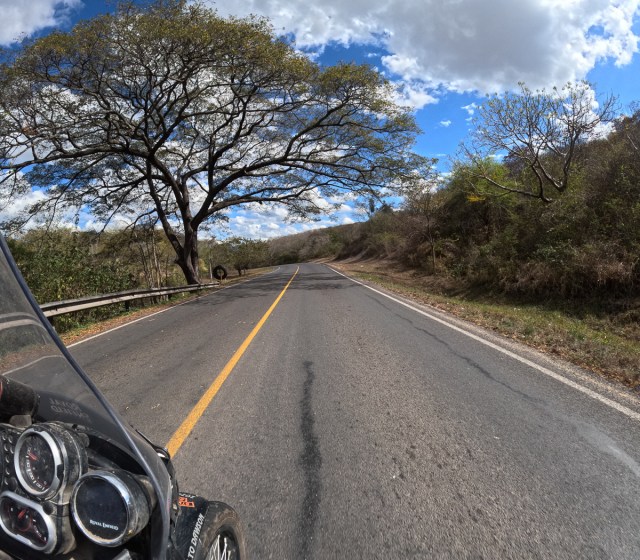
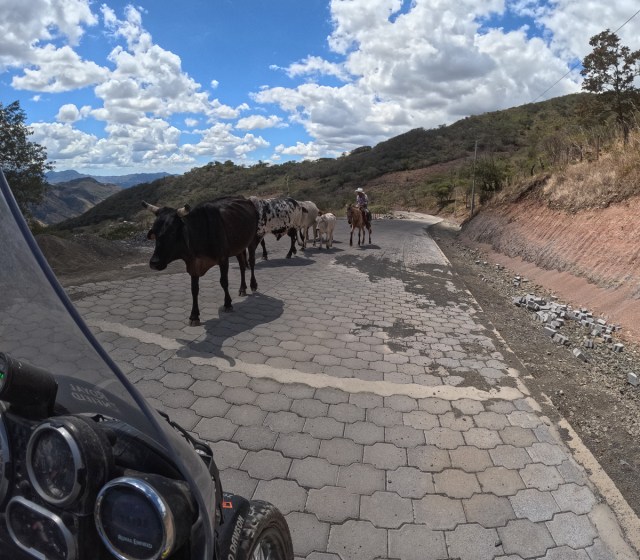
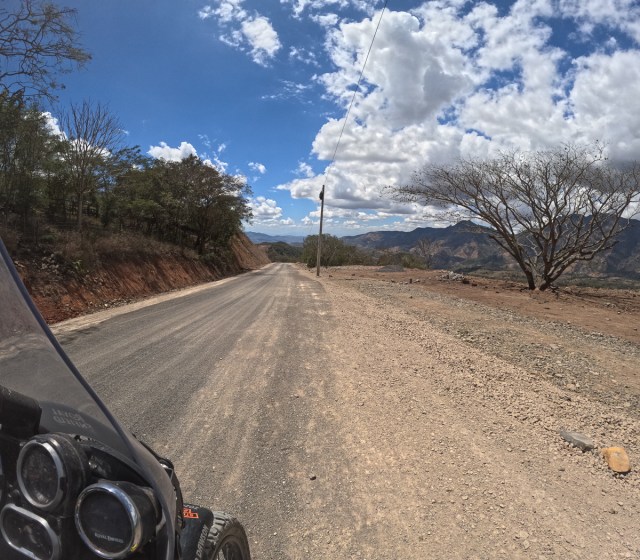
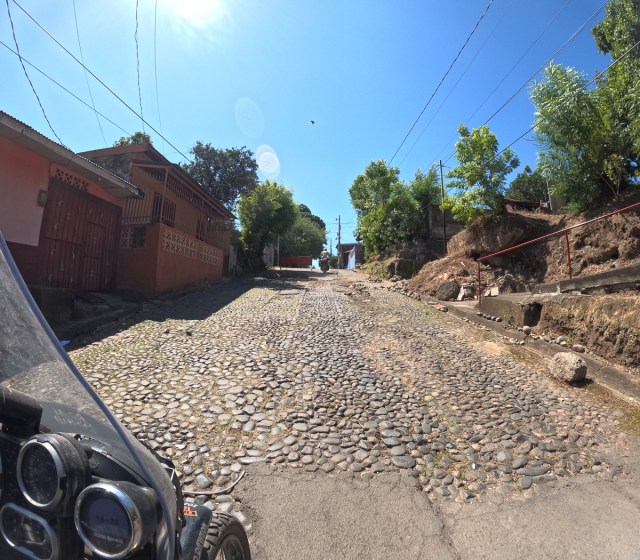
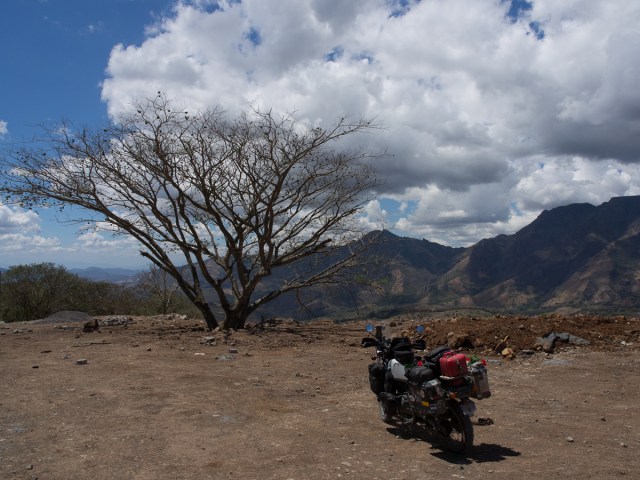
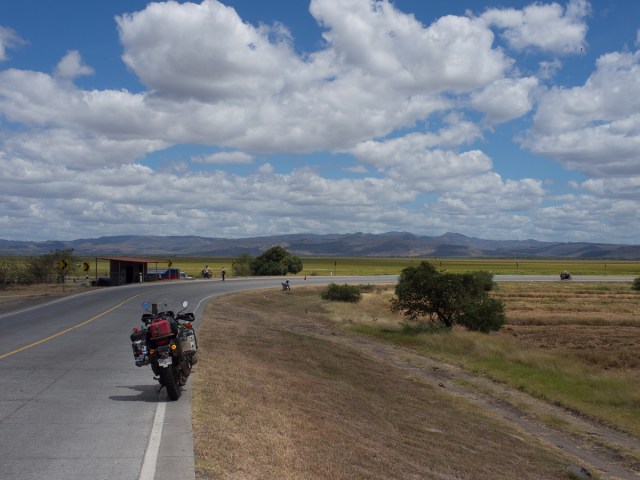
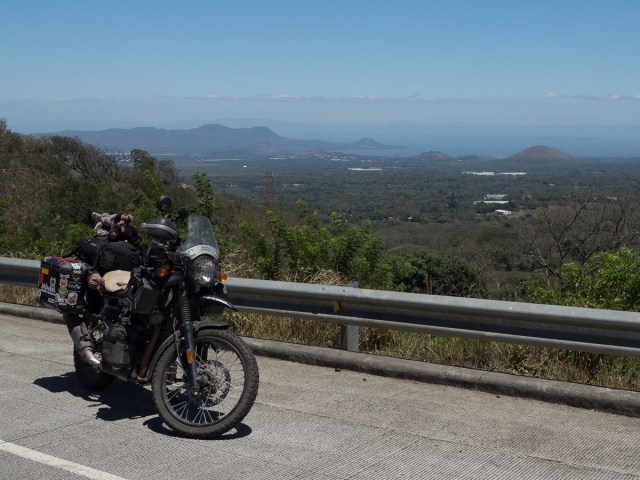
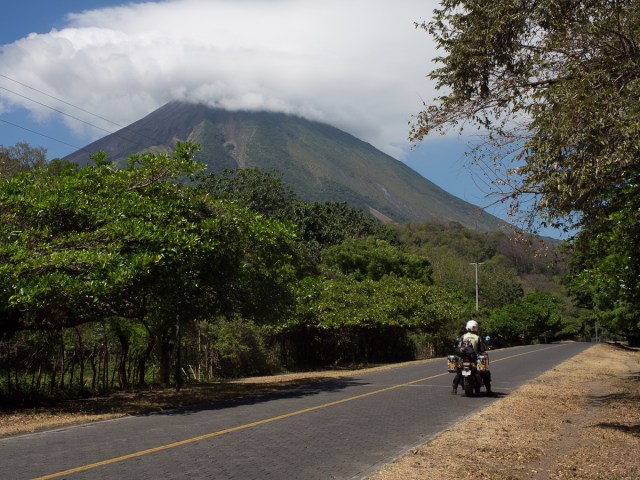
From Esteli there appeared to be a route cross-country but the advice was not to take this ‘short cut’ because of the potential for problems crossing the multiple rivers! We looped back north and round. The paper map showed the NIC38 as mostly dirt road, but OpenStreetMap said it was fairly major. We turned onto a laid block surface which I had expected to revert back to dirt once out of the town but that wasn’t the case. In the main it was a beautiful rural road all the way with fab views where we could actually stop and take a few photos, if we lifted our eyes above the endless twists and turns through the hills.

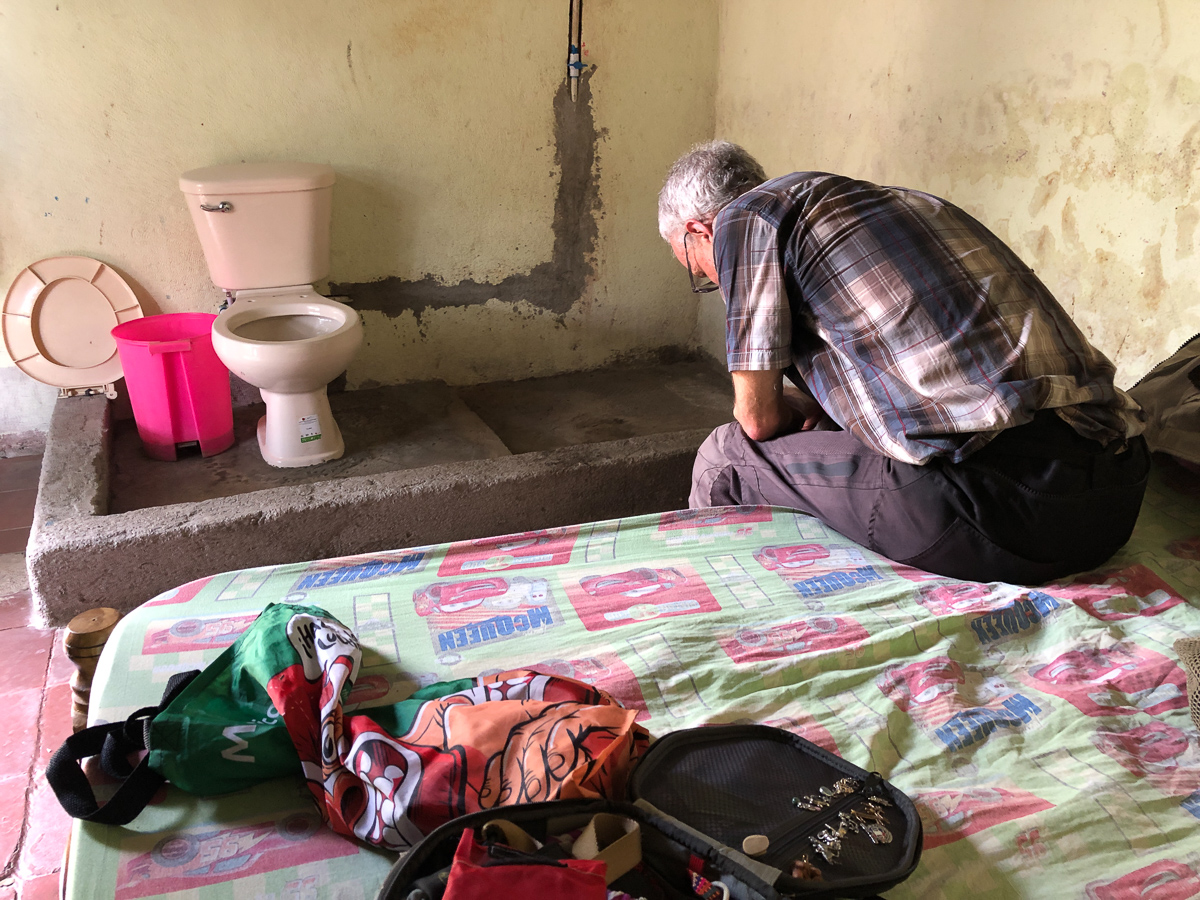
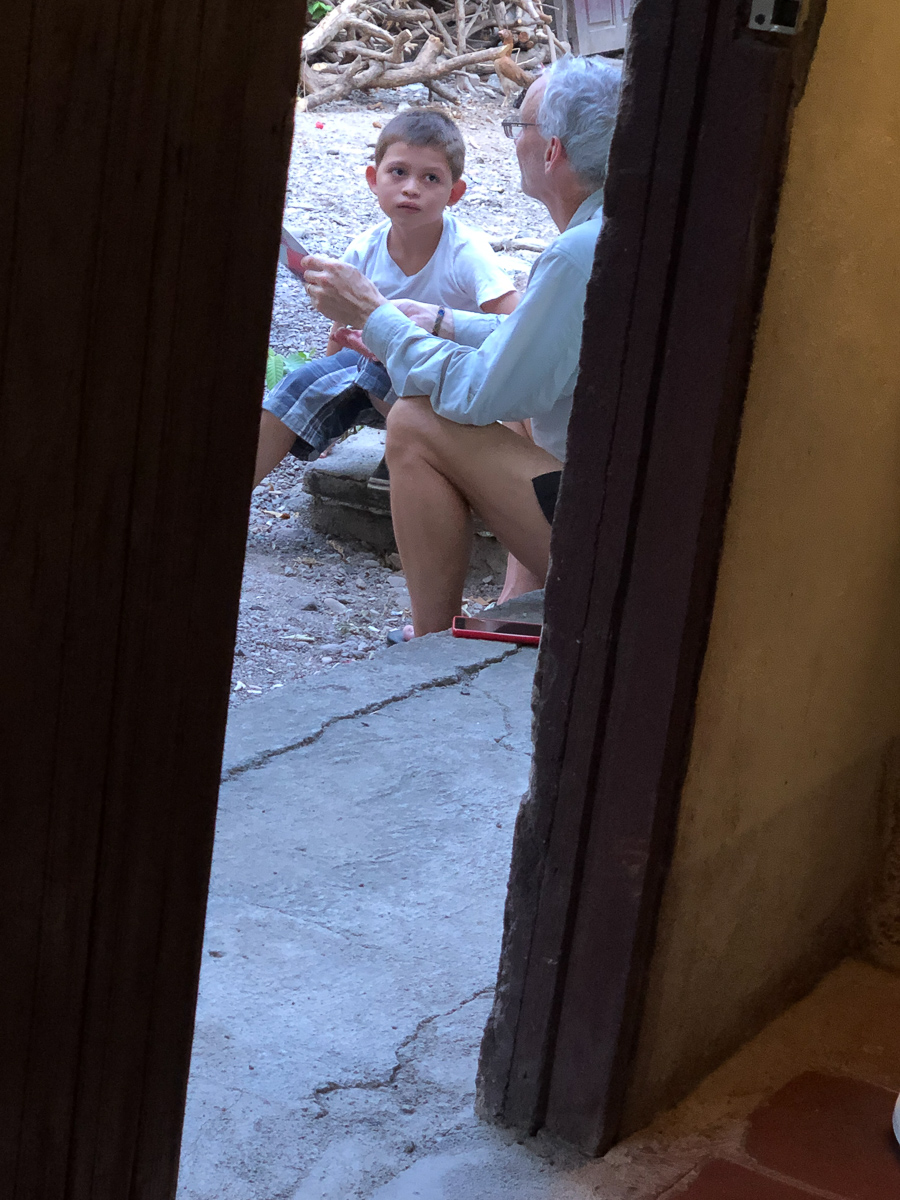
Our arrival at San Juan de Limay was quite amusing. It’s a small rural town, no tourist hotspot. Gid had found three guest houses online but when we arrived the first didn’t seem to exist. We headed for the Parque Central to get our bearings in the town. Pausing outside the Museo de la Revolution, to Gid’s annoyance I went in. What were they going to tell me in there he was saying. The very helpful young lady understood enough of what I was trying to explain. She shut up shop and led us around the town on her trailie. The first two accommodations fell flat as they were full. The third place we visited was still running and had space. We’d never have found it – hospedage – lodging house – was badly spray painted on the gatepost . This was it then. I went to look at the room in a block that could have been the old stables out the back of the family house. I came out in fits of laughter. Gid was appalled at how rude that was but it bought new meaning to en-suite. The room was small. No problem there but it consisted of a bed and folding chair, a fan and a shower/toilet trough. No towel, no sheet, no soap, NO TOILET PAPER, no door lock. The sink was communal with a wash board and trough in front of the rooms. They all caused us some amusement. The shower head was at the top of a pipe as you’d expect but the slightest turn of the faucet and the head catapulted forwards spraying a gush of water over the gutter right onto Gid’s kit. More hilarity but the cacophony that started at 4:15 was definitely a groan. Our two cockerels were trying to wake the neighbour. Any disturbance in the brood resulted in an almighty thud on the corrugated tin roof that was suspended above our walls. To use the one socket in the room was a balancing act but it did the trick – we had a cup of tea in the morning.
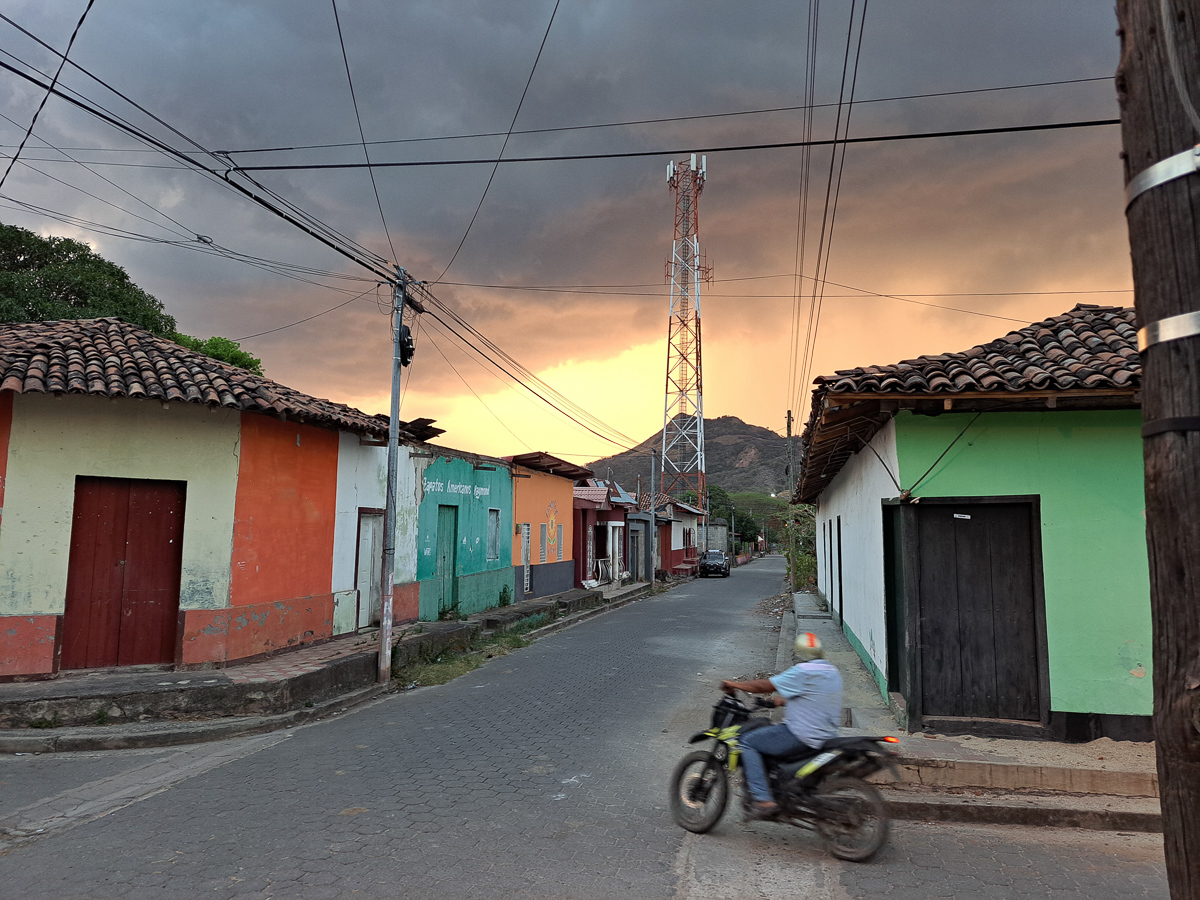

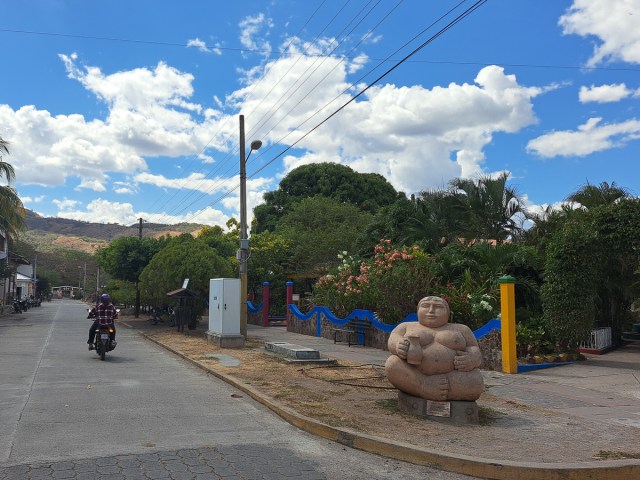
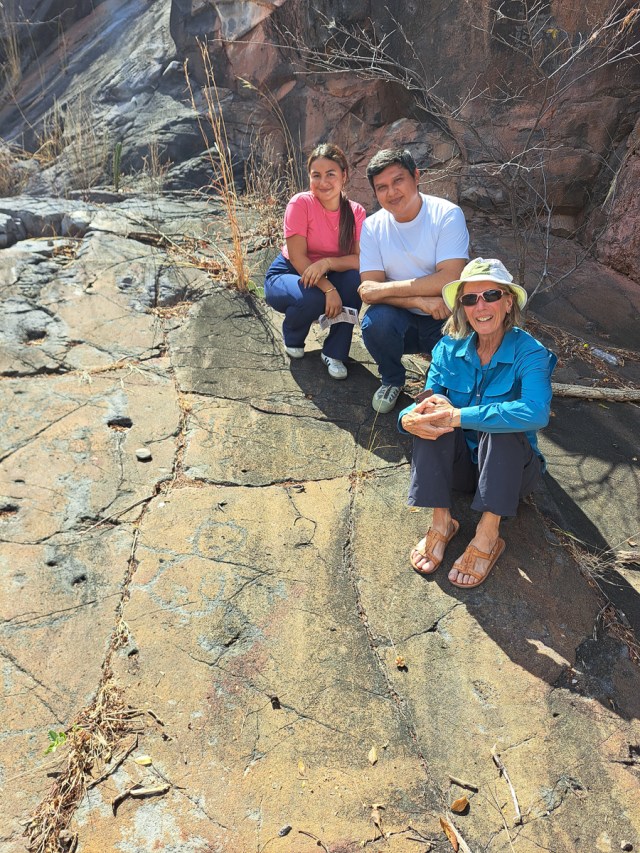
Having settled in we set off in sloppy sandals to see what we could find out about trips to the petroglyphs. The town hall seemed a suitable place to start our enquires. A rather grand name for an old single story building with a few offices. The guard patrolling outside suggested the end door was the way to go. He took us down there and spoke to the staff. One very kind lady came out to check what it was we wanted and asked us to wait in the main entrance. Thirty minutes later we were off! They didn’t check whether it was possible but had arranged it there and then. Five of us – three staff and the two of us, piled into the 4WD Toyota Hilux. The lady passed us a leaflet of gordas – stone fat lady carvings that can be found around the town and local area. I thought we were off to see some of these but no. We took a back road out of the town and bounced along a dirt track, forded a small river and finally stopped at a pool. The driver stayed put but the rest of us piled out and set off on foot clambering over rocks to cross the water flow. What were we doing in flimsy footwear with not a camera between us? Benito, the main guide, led the way and swept the debris off the few petroglyphs. The young lady was new to the carvings too but was at least wearing trainers. Our return route was adorned with stops at a couple of local craft places – what a lovely day!
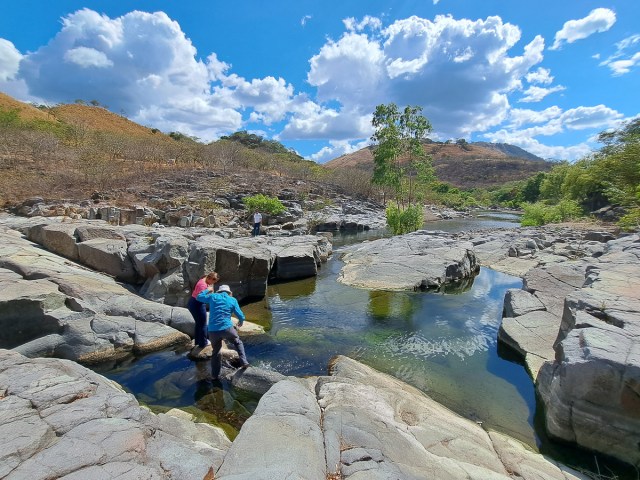
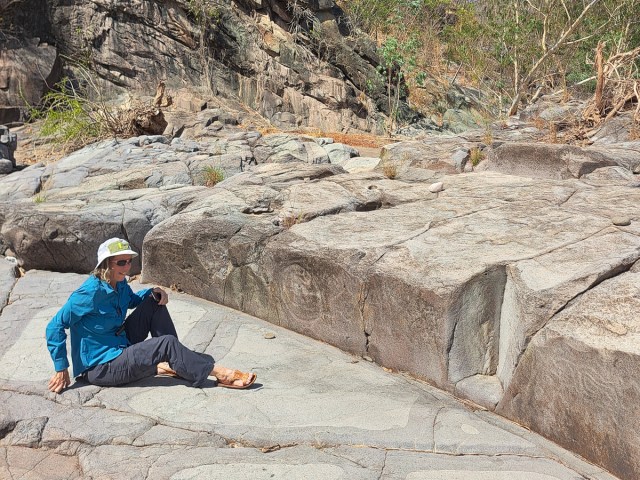

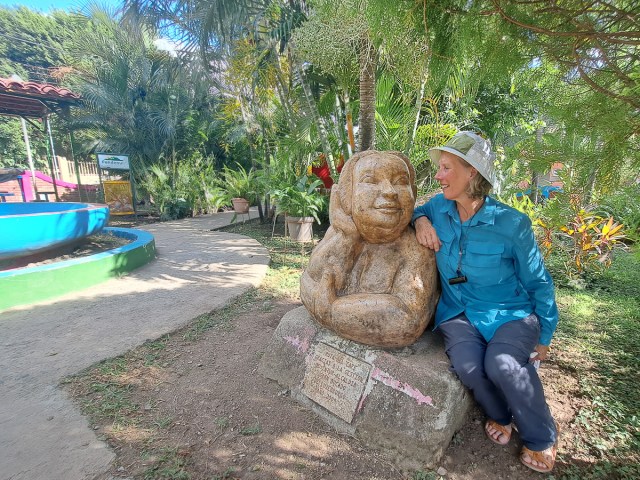
I had expected to move quickly through Nicaragua but in fact it has been the opposite. Spurred on by near perfect road surfaces (everything is relative) and the relaxed nature of the people it’s been a pleasure to be here. As always the people we meet and their recommendations of must see this or that has helped to forge our plans.
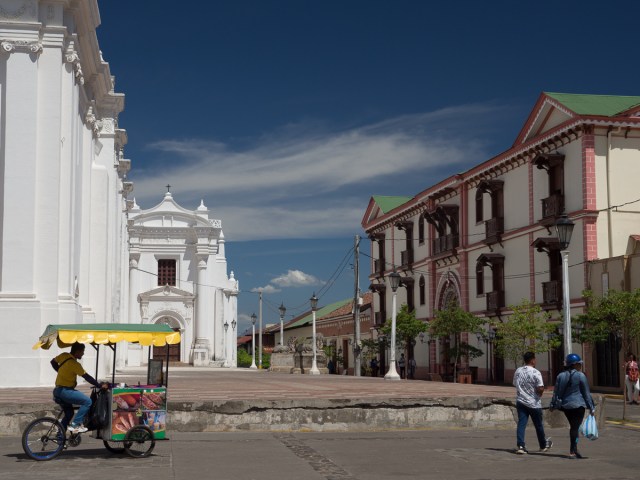
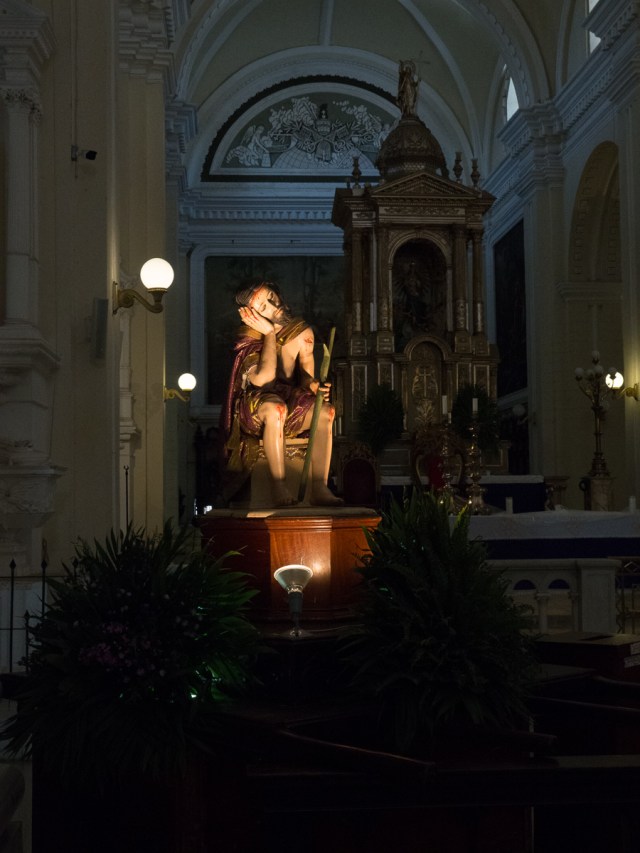
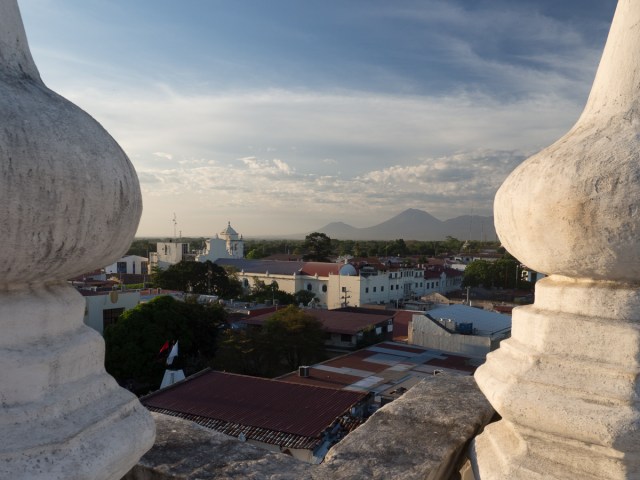
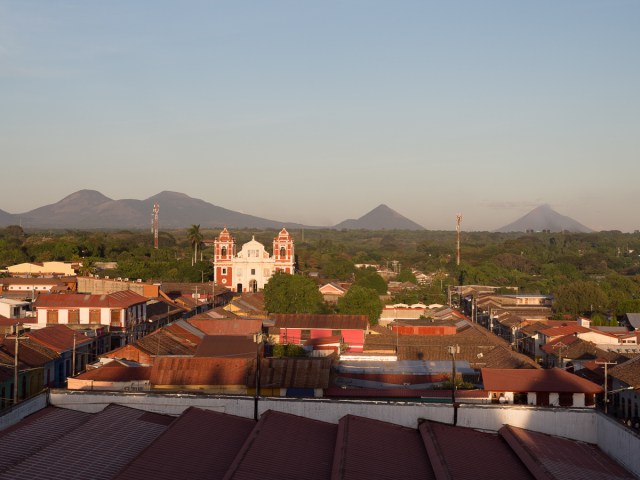
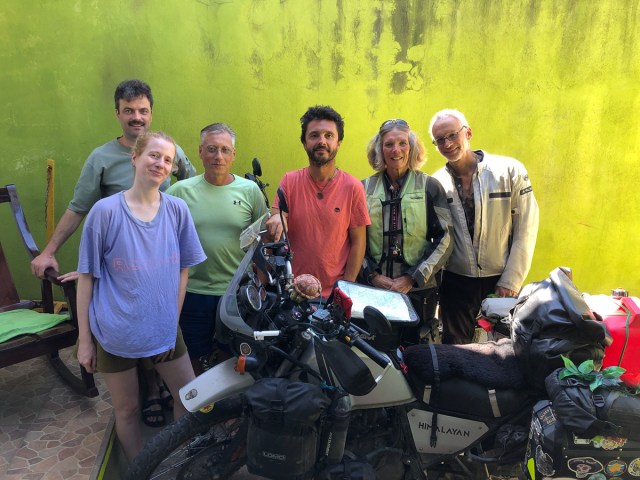
At Leon, our first stop after the petroglyphs, we stayed at Casa Lula hostel and bonded well with a lovely group of experienced travellers. No one was in a rush, tales were exchanged, must visits suggested. The luxury hostel was a comfortable contrast to the Esteli condom box and Limay hospedage. A guided tour of the town very much focused on the revolution despite there being some lovely architecture too. That isn’t so surprising as all the murals were of scenes from the revolution. It may have been forty years ago but some murals were reworked as recently as six months ago to keep their political message fresh. Our guide, Antonio, explained the events portrayed and also some of the symbology. Many of the characters (the deceased ones?) were painted with prominent shadows, and these represented their effects on Nicaraguan society and politics after their – mostly premature – deaths. Leon is Nicaragua’s intellectual – and revolutionary – hub, and while there were a fair few tourists, they didn’t swamp the place as they had in, say, Antigua, Guatemala.
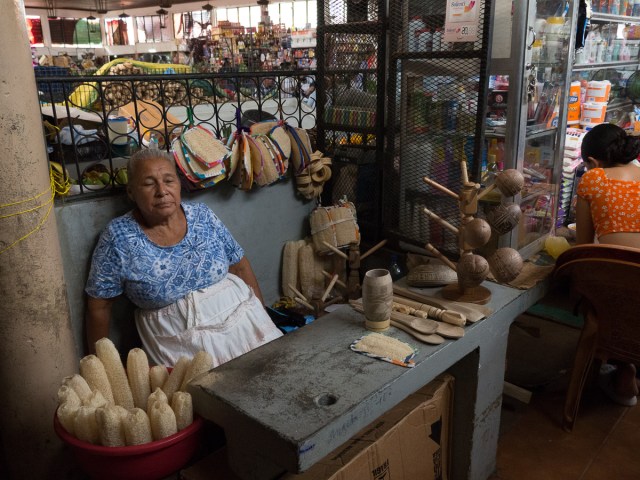

One’s never far from politics anywhere in Nicaragua – red and black FSLN banners are everywhere, and on some roads I noted all the electricity poles were painted in the colours, too. It feels a bit one party state, although formally, it isn’t.
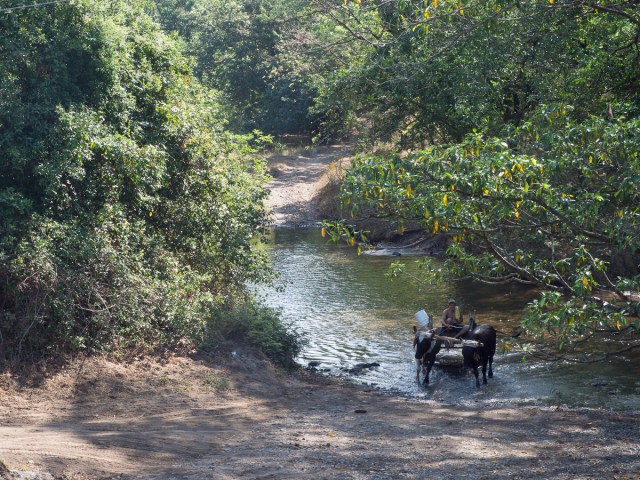
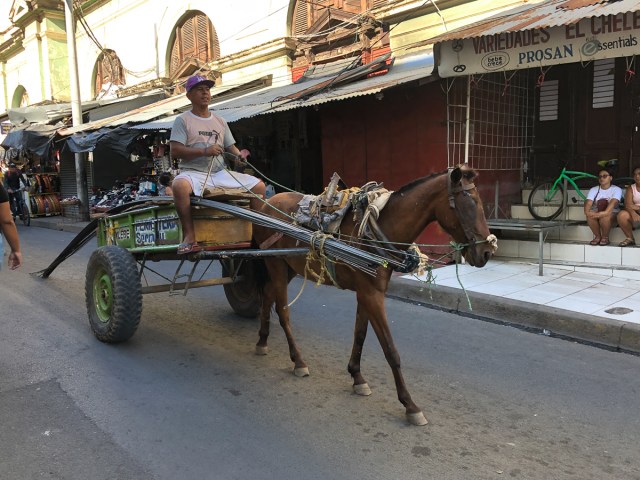
Thankfully our hostel host was interested in our petroglyphs excursion and pleased that we’d gone off the beaten track. He lamented that most tourists hit the west coast going straight down the main road and out the other end. ‘It’s such a pity,’ he said, ‘as Nicaragua has so much to offer and is a very safe place.’ Our horizons were expanding! Nicaragua is one of the poorest countries in Central America, but also unusually – kind of – socialist. It’s also, currently, not terribly democratic. Some effects of this might be the lower murder rate, far fewer visible guns, the better highways, the better driving, the much greater use of beasts of burden, and the worst housing we’ve seen on this trip. Plus the curious phenomena of being begged by a chap who was fitted with a pacemaker – But then, since Belize, the Caribbean coast has offered a uniquely stylish form of begging.
No matter where our new routing may take us Granada, just down from Leon, was next. It’s the oldest city in Central America, with elegant buildings and lots of history. So it’s a must see destination and indeed is a very touristy town. It has a lovely promenade to edge Lake Nicaragua, and a small pier. We stayed near the lake but were warned to go further along the shore away from the town centre to find more pleasant places to swim. As I’ve said, everything is relative. We did venture thus to risk a dip only to find that our swimming strokes stirred up one bit of rubbish or another. One dip was plenty! Shady trees and a strong morning “sea” breeze made it bearable in the 7am heat offering Gid a venue for a rare jog.
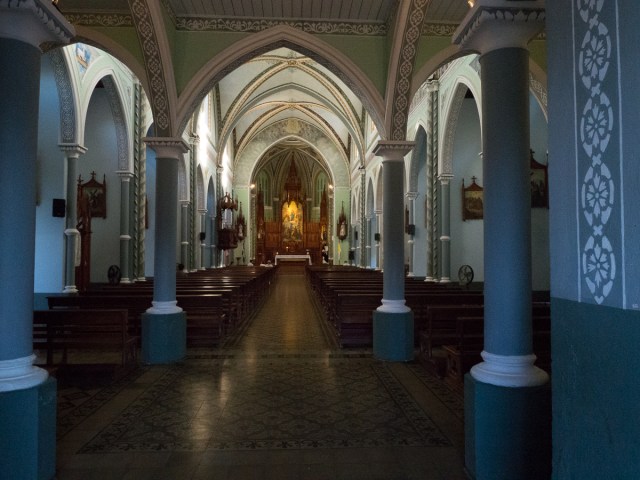
The town was lovely with a vibrant central square. Despite the churches being flagged up as having splendid architecture and historical relevance they were in the main shut. There were three on our bucket list to see: one we did see inside, a second we were able to peer into a rather dull side chapel when a service was taking place but the most ancient cathedral in Central America, the piece de resistance, was hidden behind its firmly shut doors with nothing to suggest opening times. Circling it we found a very shabby rear door that advertised language lessons, but nothing about the cathedral itself.
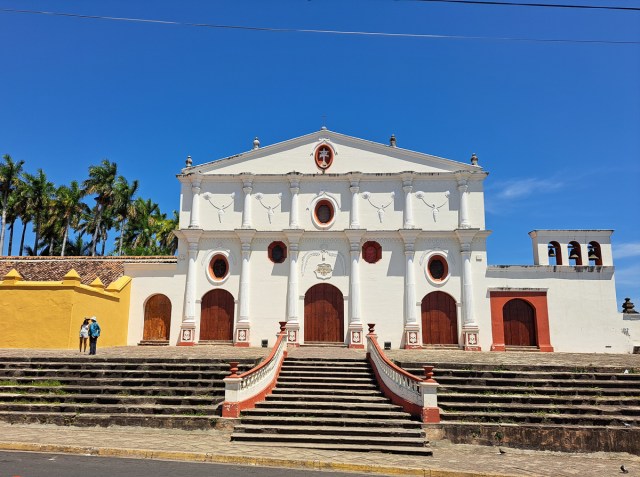
A large part of northern Nicaragua is inaccessible jungle while the southern half has the 160km long Lago Nicaragua in the middle creating a this side of the lake or that side of the lake dichotomy. Surprisingly there is a border post at the end of the east or west route down past the lake but no joining road at the bottom. It’s an odd looking border, really, why doesn’t Costa Rica extend up to the shore of the lake? Presumably the Spanish Empire had a reason, when it demarcated the administrative boundaries this way.
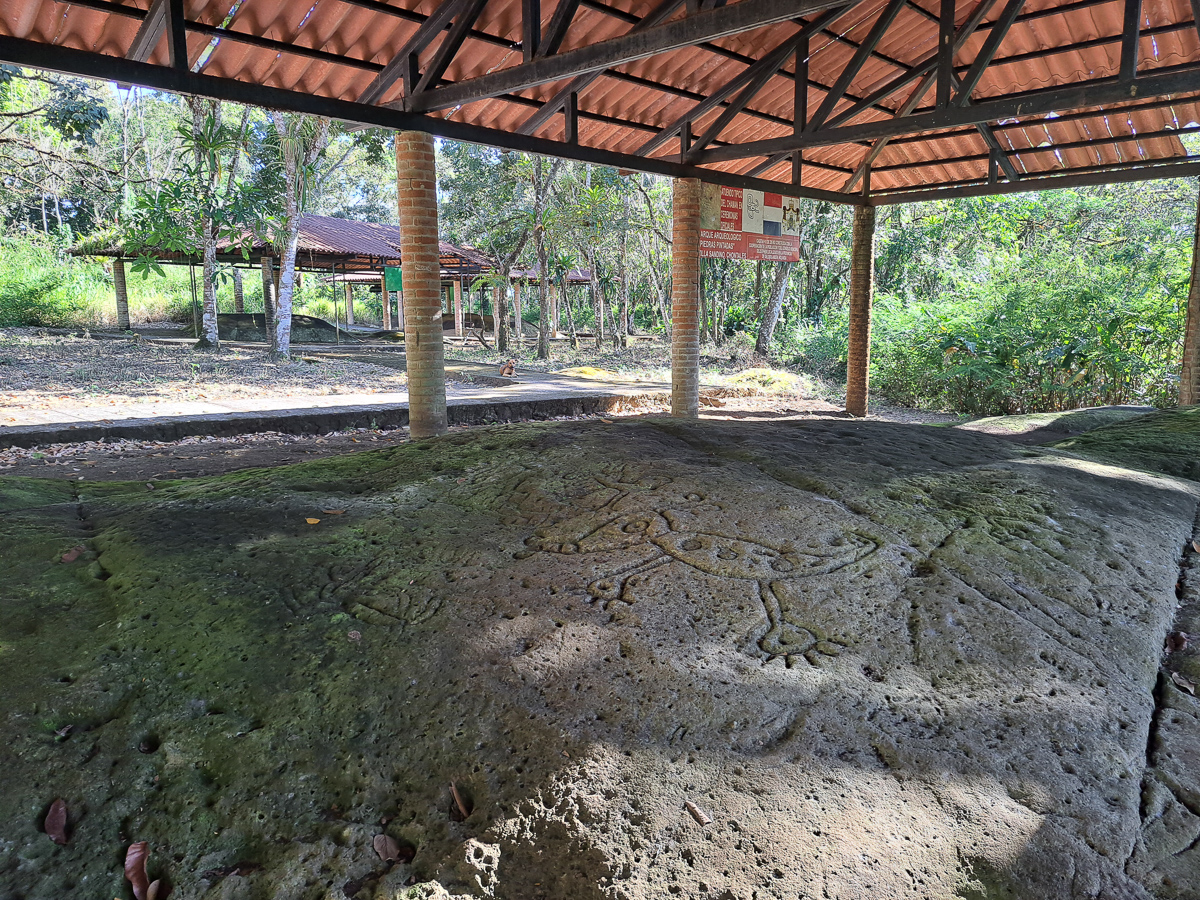
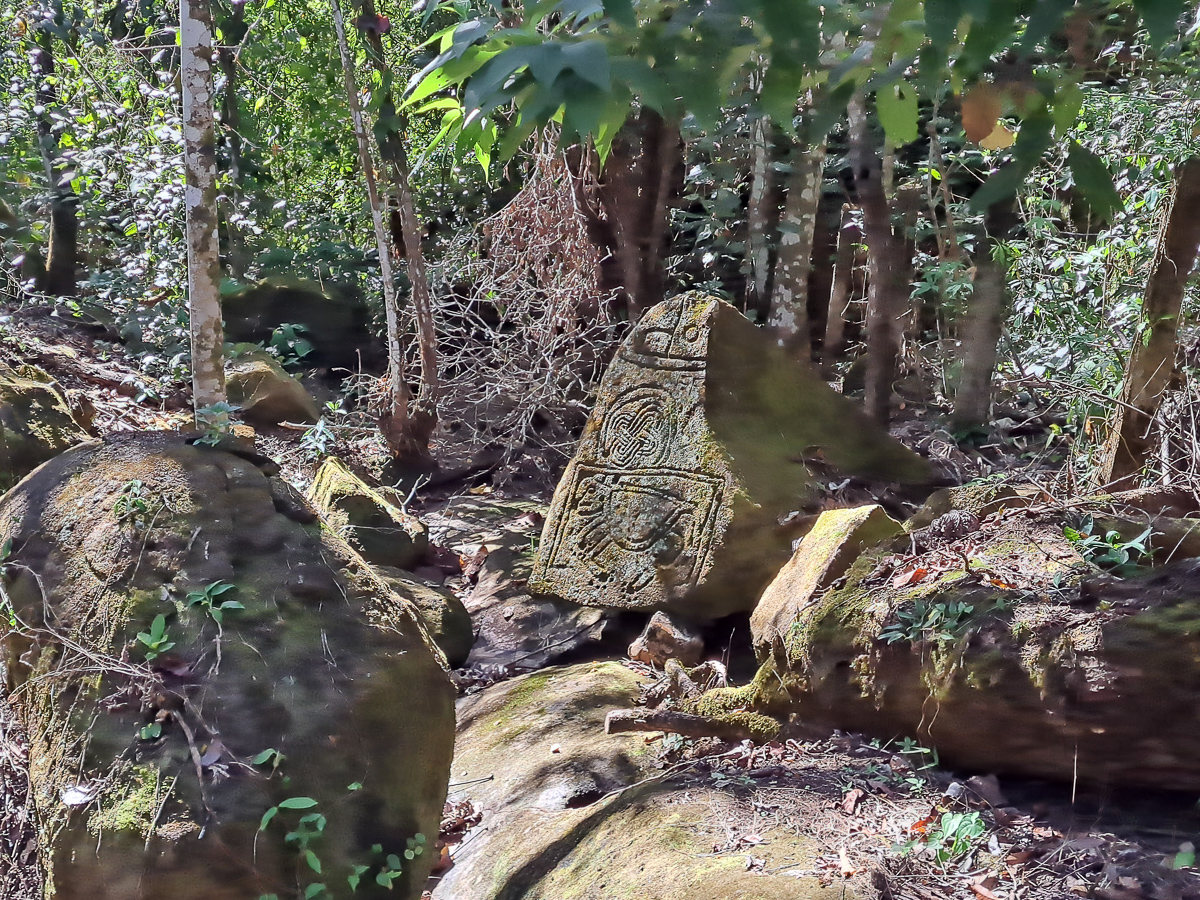
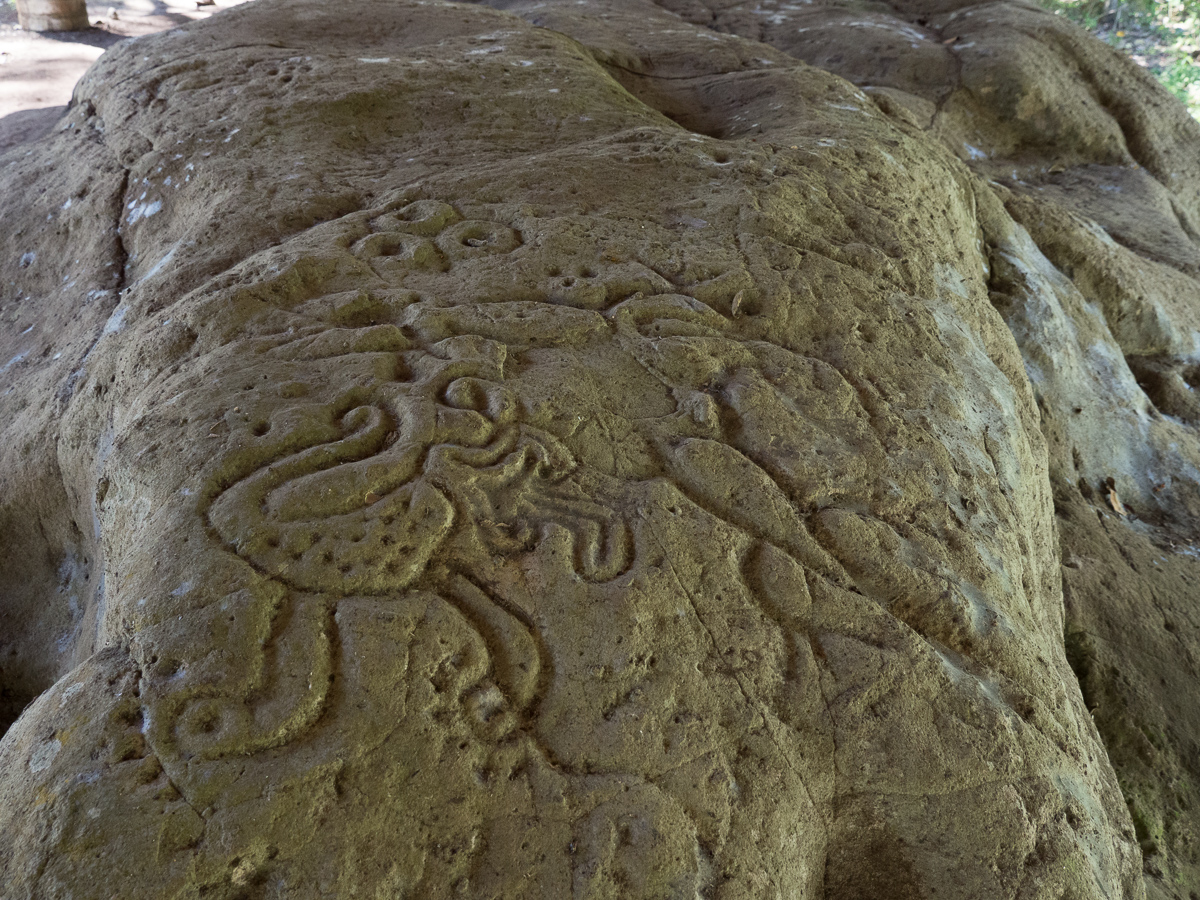
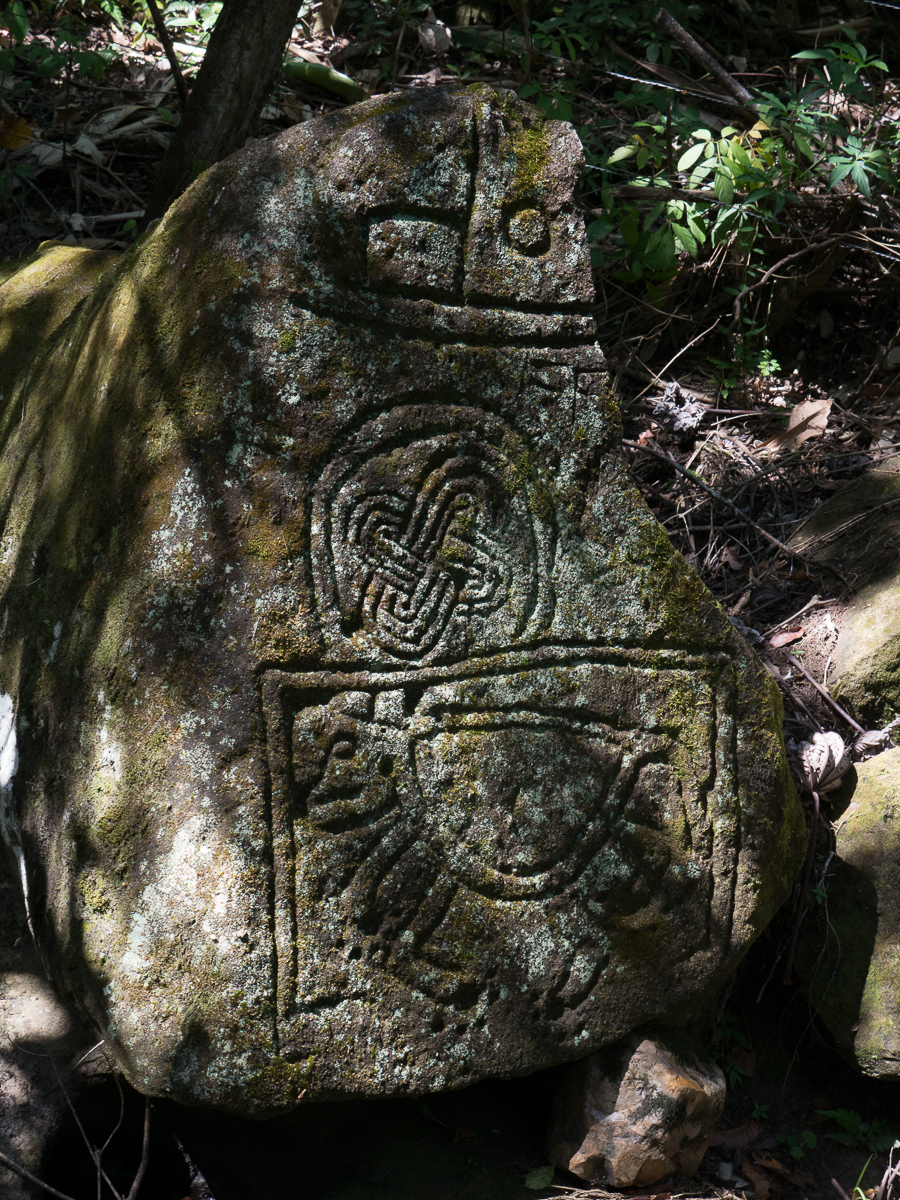
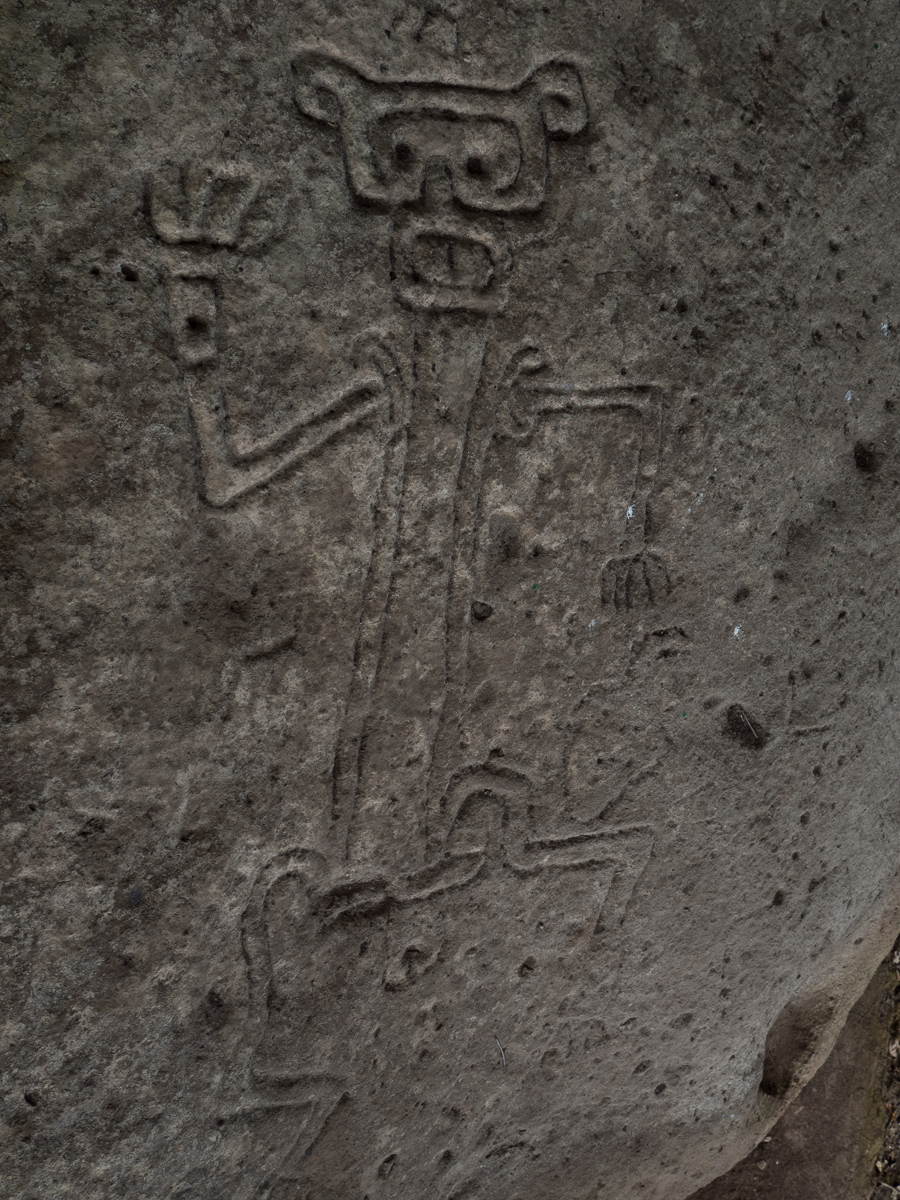
From Granada we took off slightly northwards curving back to reach the ‘that side of the lake’ more petroglyphs being a strong attraction. Ok we’d seen some in very enjoyable and amusing circumstances but our National Geographic map has many references to them and surely some were going to be more impressive than the six carvings we’d seen. They were! Over 2000 we were told. Many of them were highly graphic and in remarkably good condition for their 2000 years of existence. We’d followed a sign from the highway 8 miles up a dirt road to reach the ranch style site. A young guide took us around a trail explaining the meaning of the petroglyphs. Many were to do with fertility and childbirth. Some carved on standing stones showed the chief. While another showed the dog he would eat. We were now, after months, out of the Mayan area – these carvings were by the Chontales, but there were still some similarities of style.

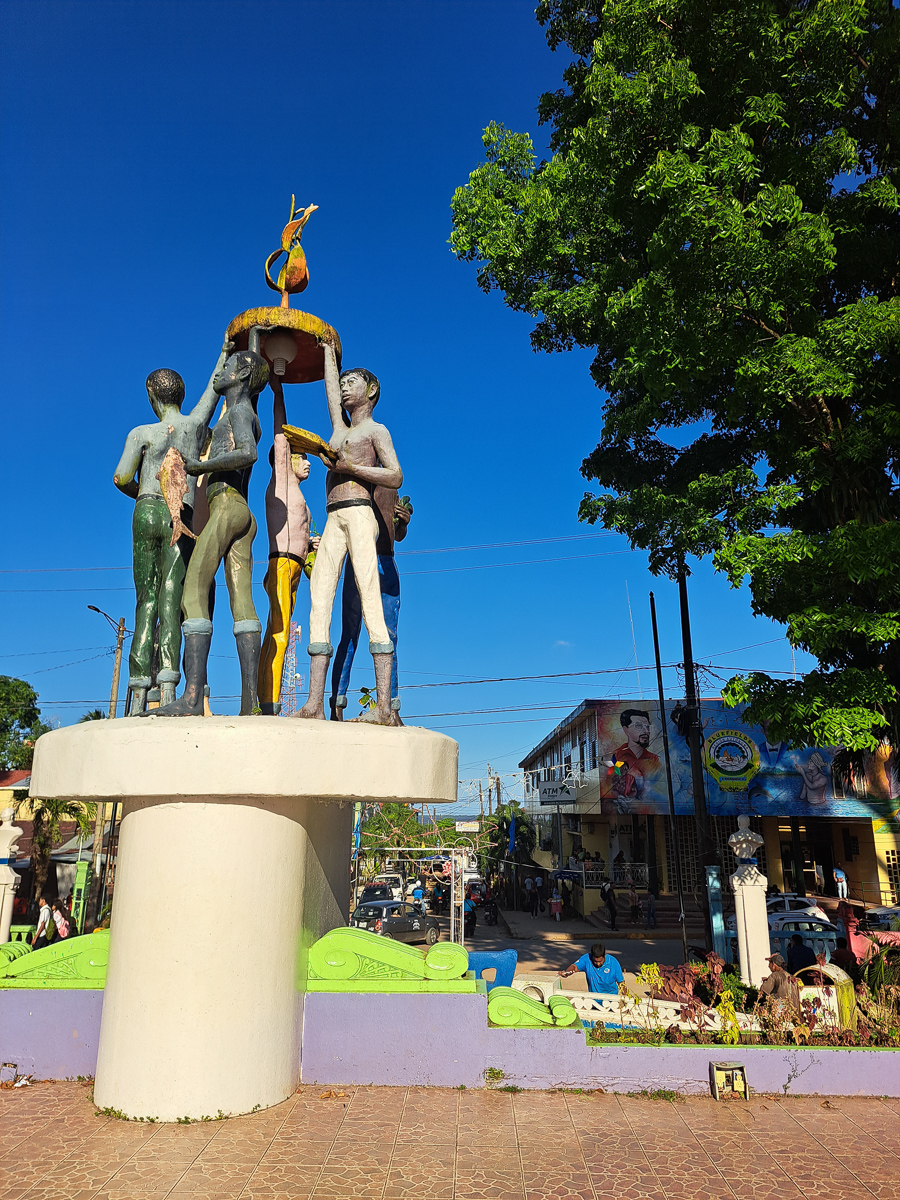
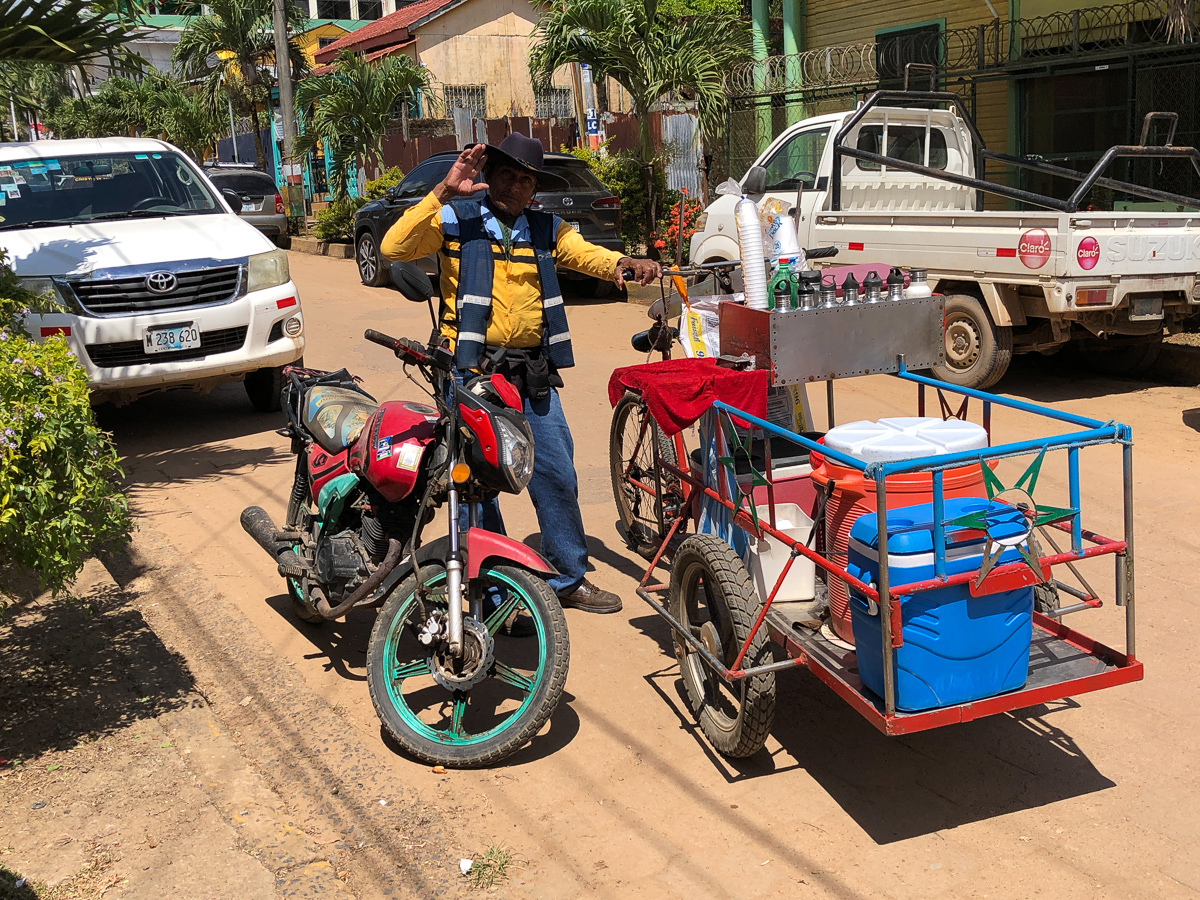
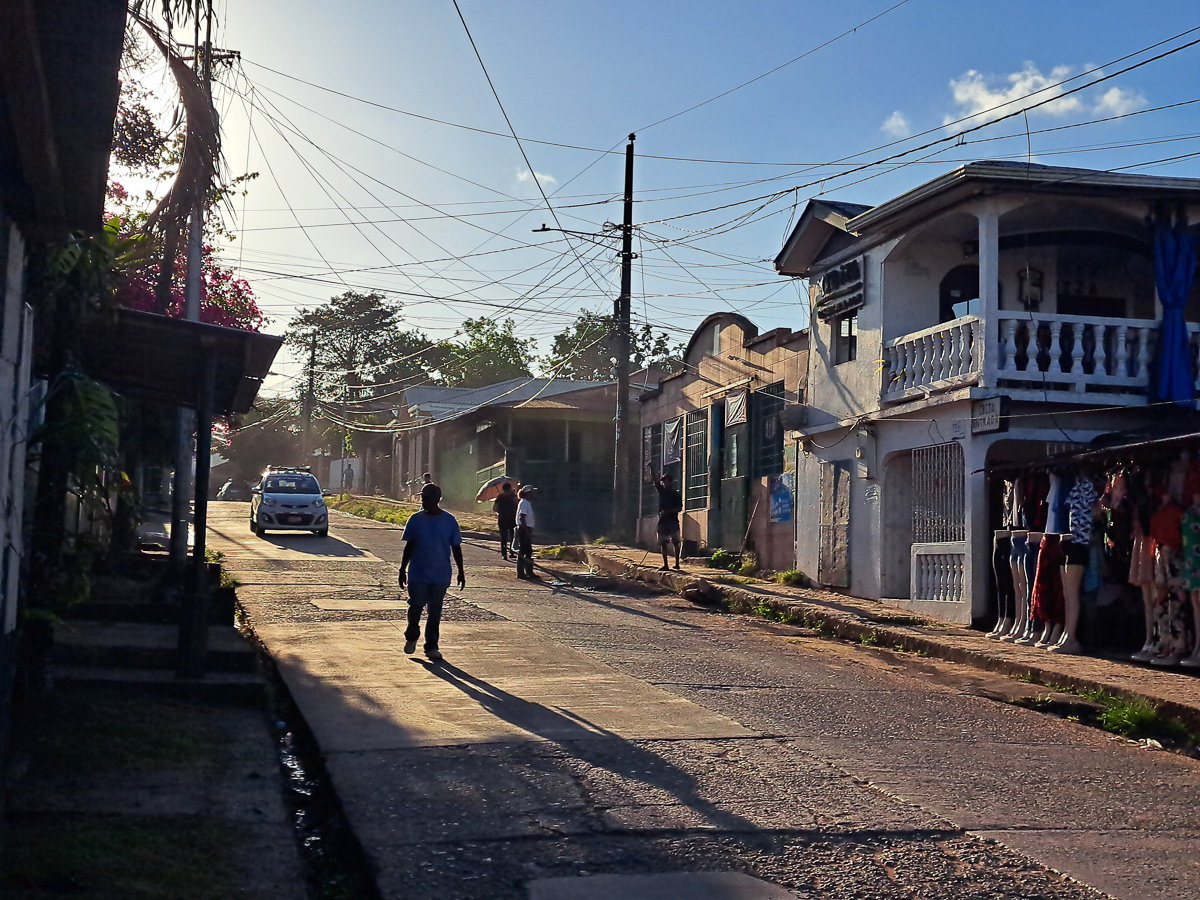
At the end of the NIC71 highway – mercifully now all paved, and really rather a lovely ride – was Bluefields. ‘We don’t see tourists down here. They don’t come this far’, was one greeting we had. It was a bustling town with a multitude of taxis. Tichy cars that four people would pile into and off they crept, or lunged, forcing into a gap. At least three taxis would fit across the narrow, bumpy streets, and frequently did.
This eastern coast on the Caribbean is called the Moskito Coast after its original human, not insect, inhabitants. The Moskito Coast of Nicaragua (and coastal Honduras & what’s now Belize) was isolated from the Spanish Pacific coast, with only one through connection – via Lake Nicaragua and the San Juan River. Consequently it was associated mostly with the British-dominated Caribbean islands, and was part of the British Empire until around 1860. To this day, English is spoken in Bluefields.
A museum told the tale of the slave trade dating back to the 15th century. Two hundred years later it came to an end in British territories when the British Government offered to pay the slave owners £25 per slave. They were never paid but the people were freed. Quite a few freed slaves from the Caribbean islands came here at that time. That was the British/American slave trade of transatlantic journeys: The Spanish Empire’s slavery was quite different – the Spaniards enslaved the indigenous population of the Americas where they found them. That form of slavery was formally ended a little earlier, shortly after “New Spain” declared itself independent of “old” Spain in 1821, although “old” Spain waited another 20 years.
To this day most of the regional transport is by boat. Bluefields’ connection to the capital Managua was by dirt road and riverboat until the new road was completed in the last five years. Bluefields is Nicaragua’s Caribbean port, and the boat hub for the rest of the coast.
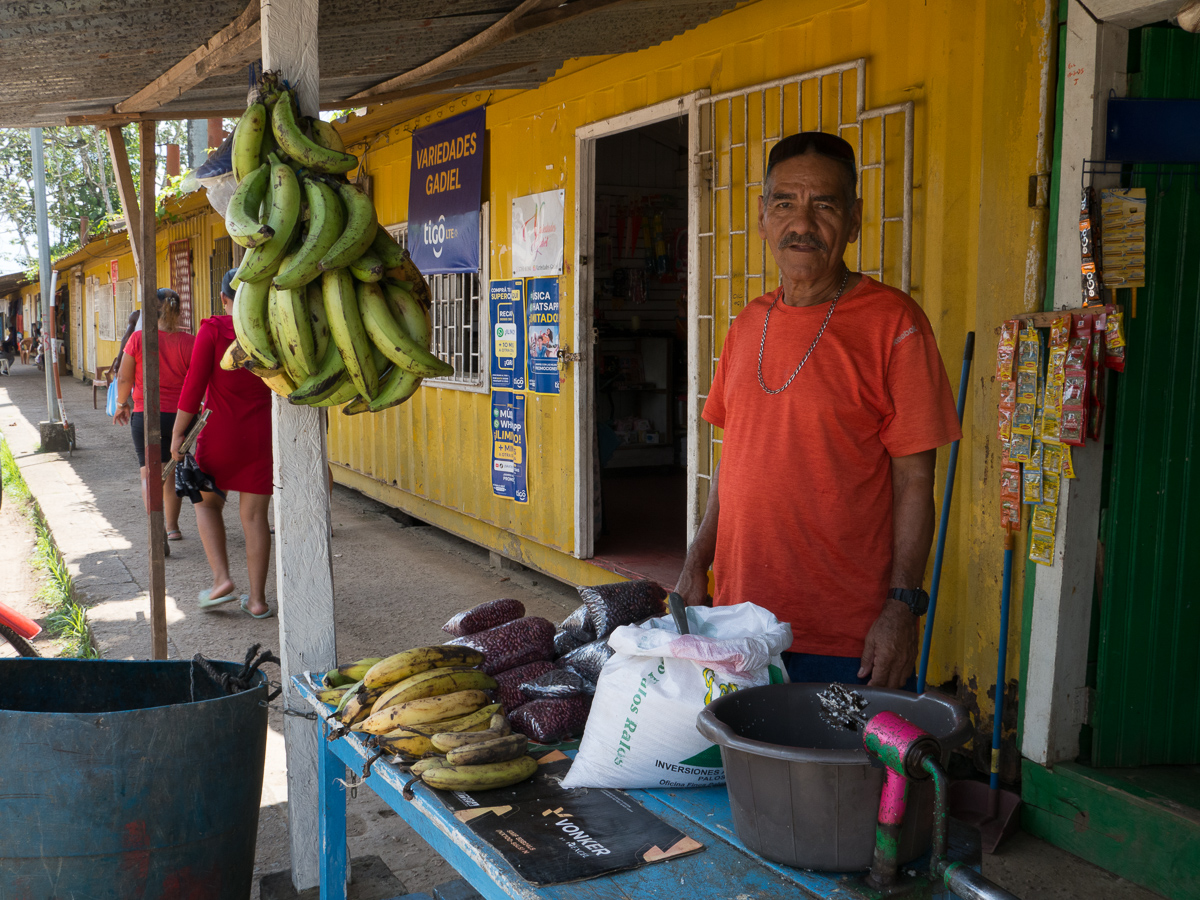
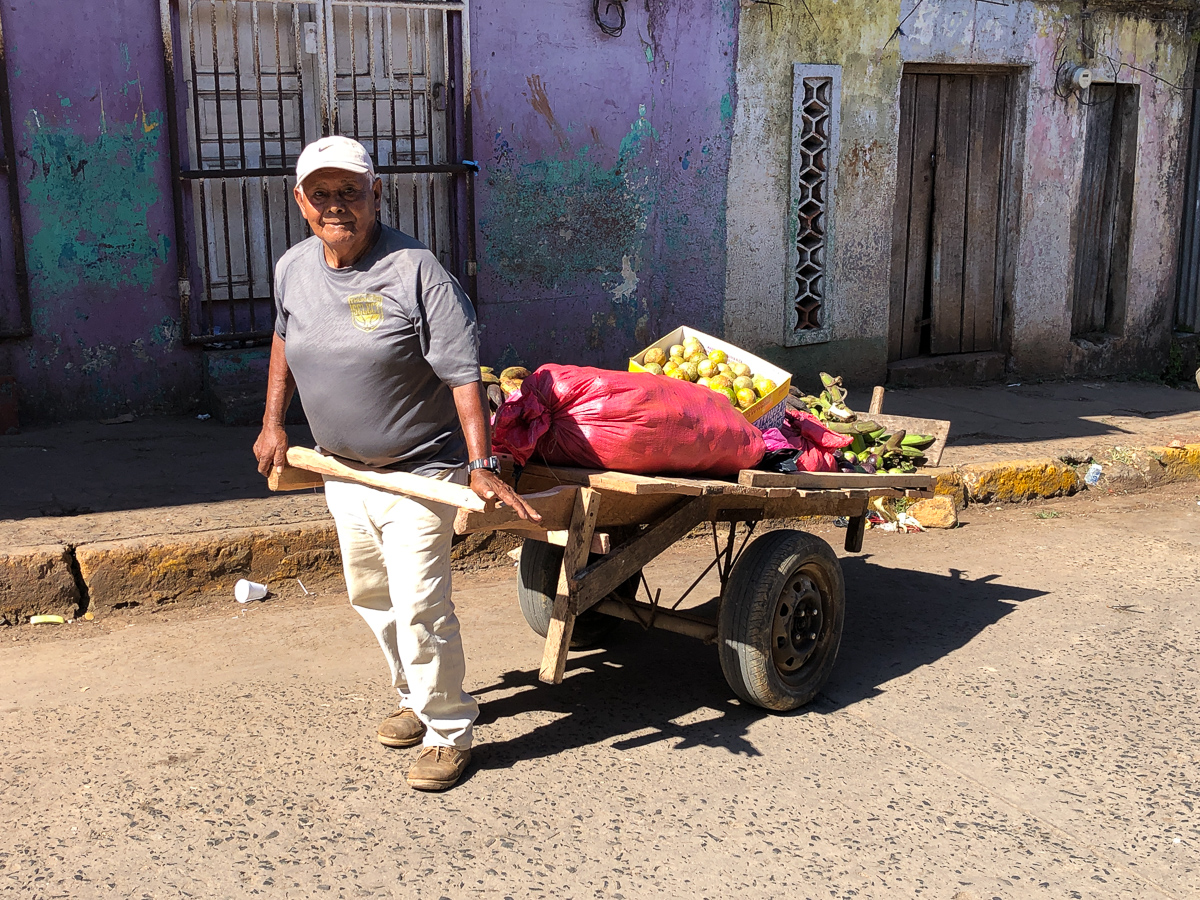

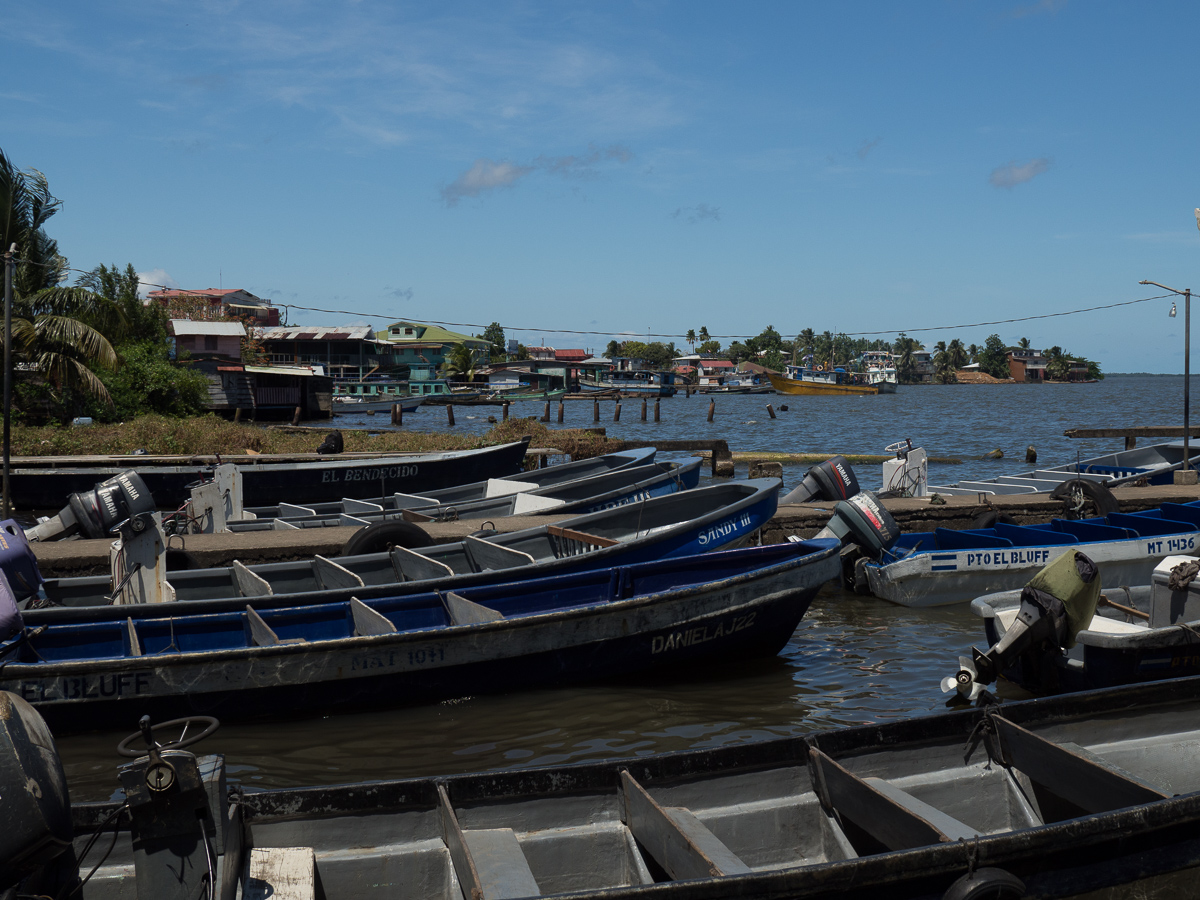


For me the market by the waters edge was the highlight of the town. A small school hall sized market where people sat with their wares peering out of the gloom backlit by the opening at the far end where it reached a harbour arm. Out on the harbour arm a few boats were secured, produce still piled high. Gid was keen to try some of the novel fruits. One lovely Nico hombre split his fruit open for Gid to try it. One came my way too. Gid slurped through his and agreed to buy a few. A bag was a problem but voila! I had one. The chap enthusiastically put a good dozen or so in and said “30 Cordobas” (about 70p). Gid pulled out a 50 note which caused some concern as there was no change. After a moments hesitation the man put another half dozen fruits into the bag despite our protestations and was then happy to keep the money. I was highly amused as I’d given Gid my fruit too. Thankfully, back in town a barrow man pulling his cart full of fruit passed me as I waited for Gid to buy groceries. I carefully stopped the man whose tummy enabled him to support the bar no-handed. There was a space on his cart so I quickly put most of the fruit on it smiling at him as I did so. He soon realised what I was up to and didn’t seem to mind.
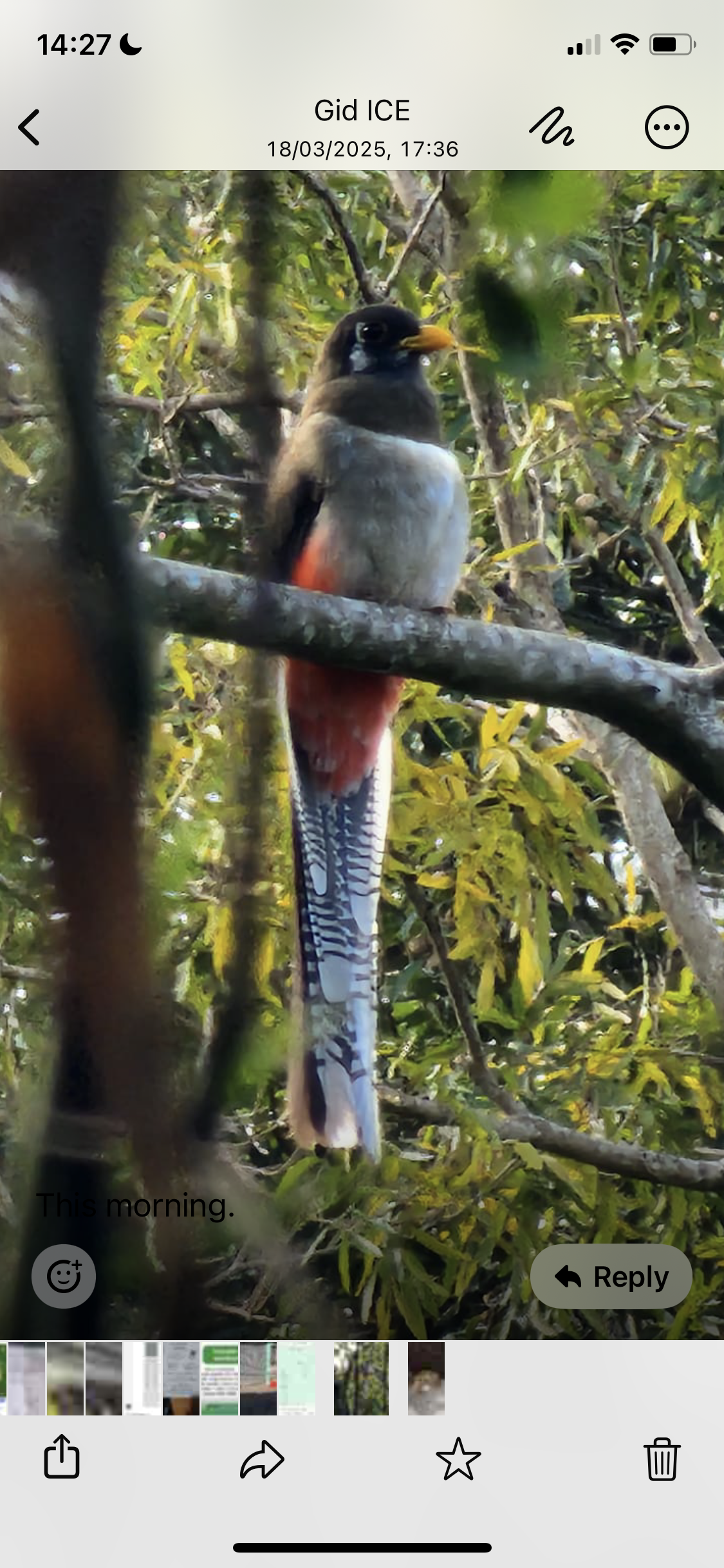
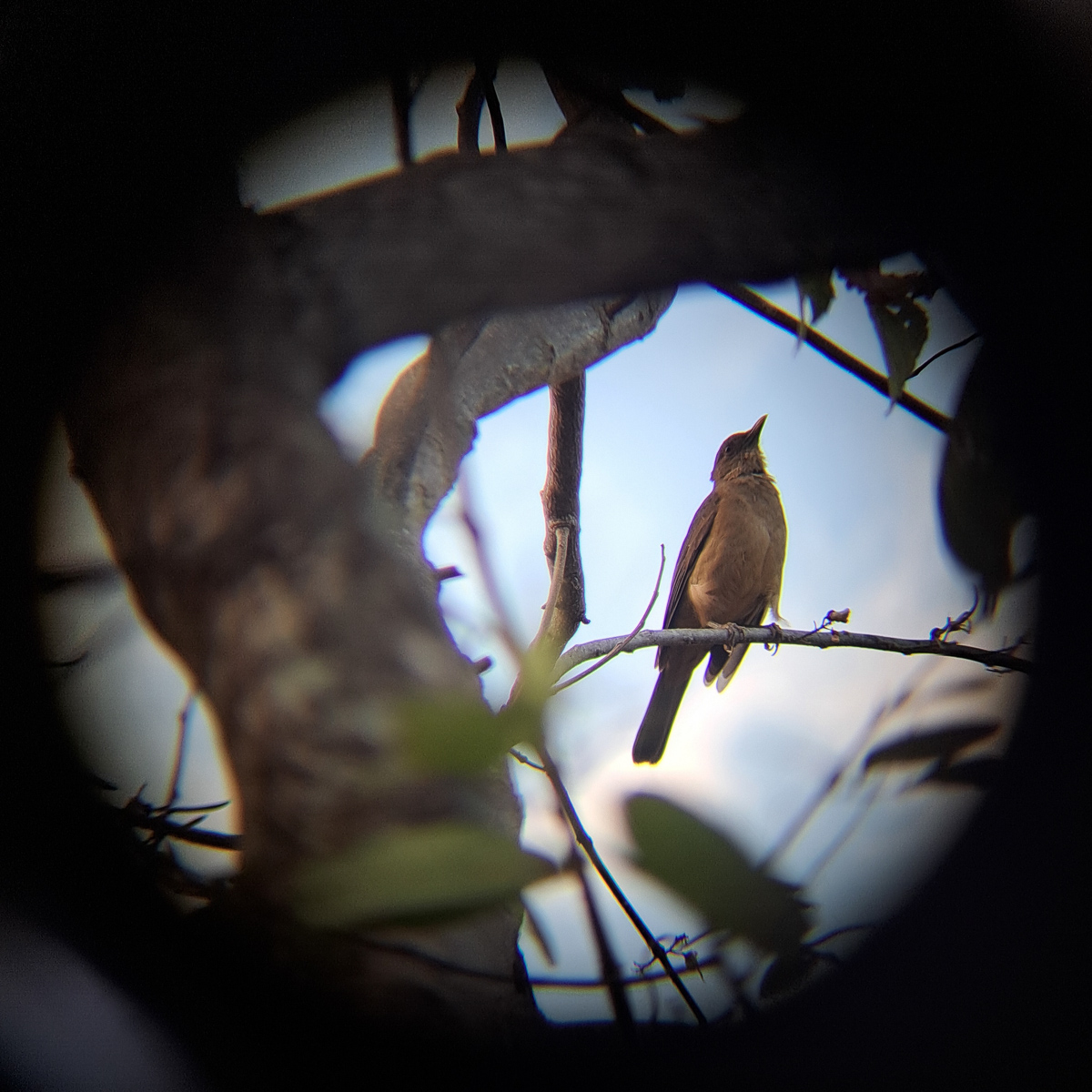
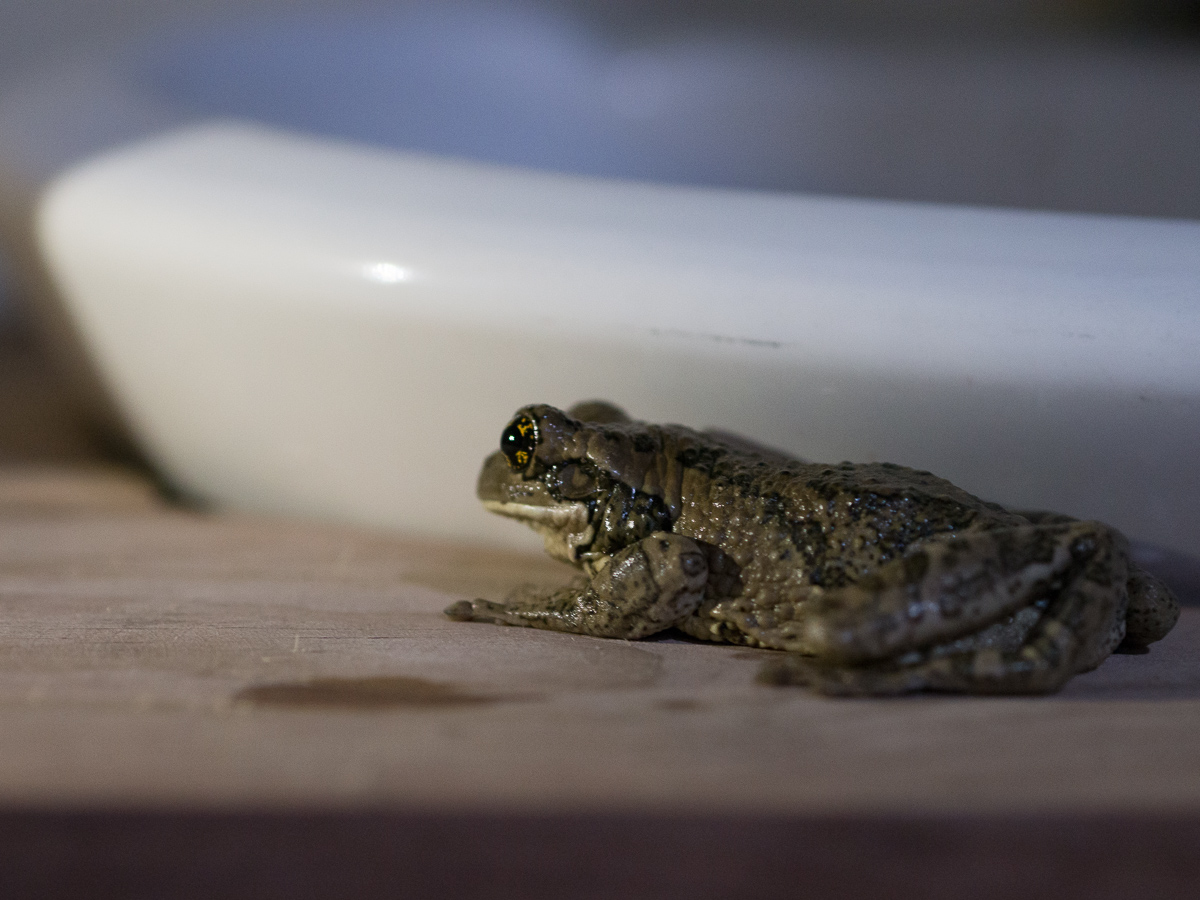
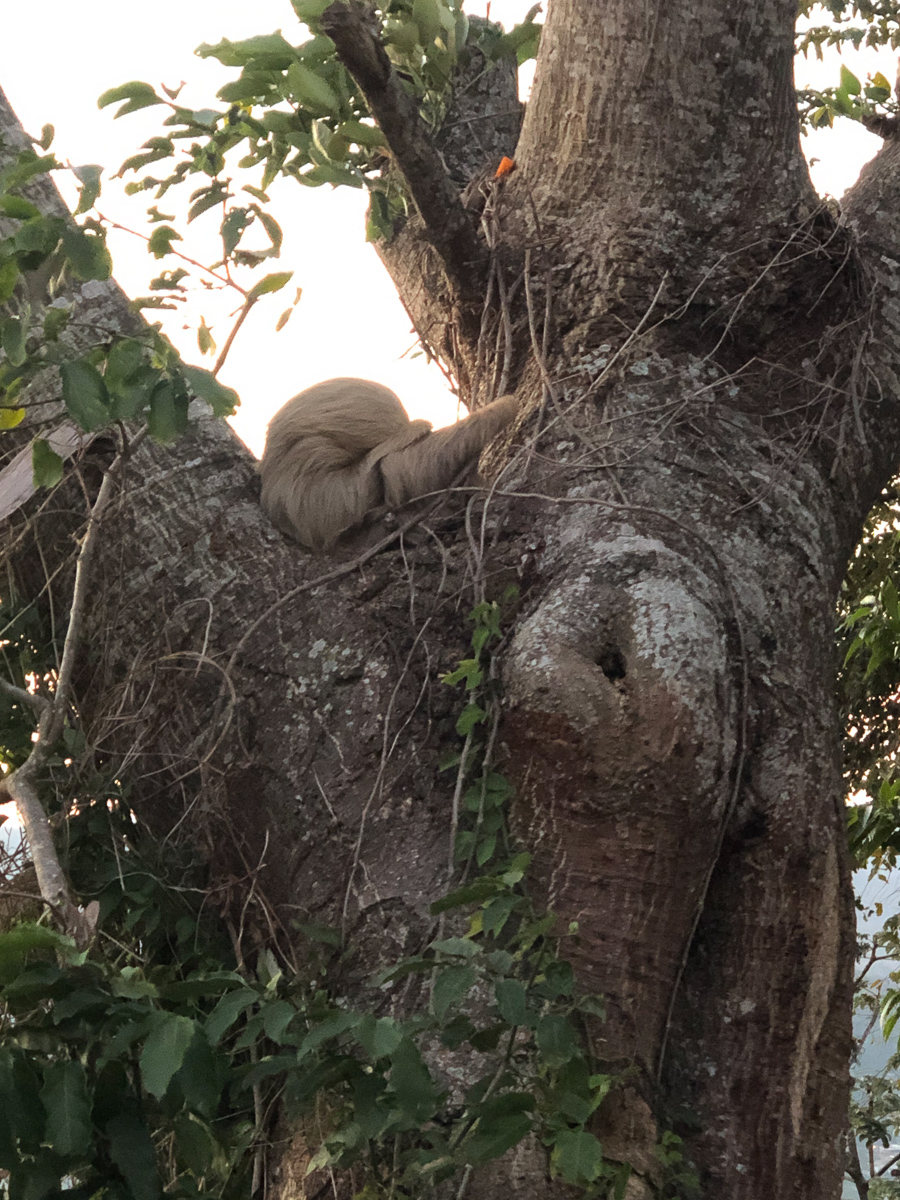
Our route through Nicaragua continued as we backtracked hunting for sloths and quetzals. Having been fairly unsuccessful at finding much wildlife on our own we opted for guided tours. One such tour overlooking Matagalpa resulted in guide David claiming for us a female quetzal, the national bird of Guatemala [Alas, when, later we looked at the photo with Nubie, a keen birdwatcher, it looked a lot more like an elegant trogon]. At the same location we had a sloth in a tree and a toad in our handbasin. We were told, ‘Yes, there is a toad in the basin. That’s where it lives.’. And did we mention the butterflies?
Lake Apoya was our best location. The warm volcanic crater lake was clean enough to swim in. The hotel pontoon tantalisingly floating twenty metres away. Our steep jungly trek up to the village at the craters rim, to the soundscape of howler monkeys, passed another load of stunning petroglyphs – completely unsigned and unexpected. The lack of exposure to the elements may be why they are still so pronounced.
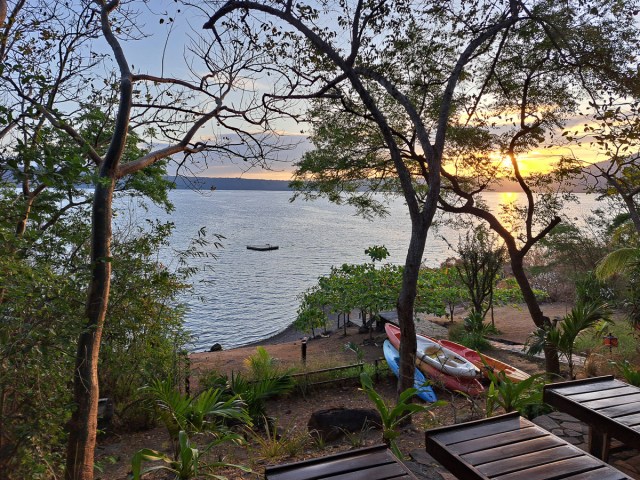
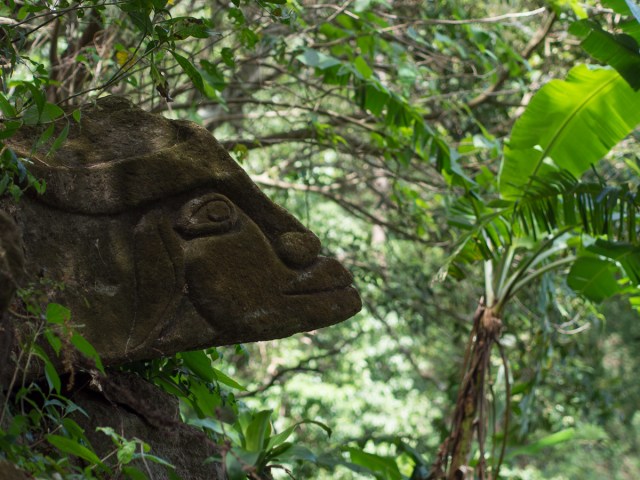
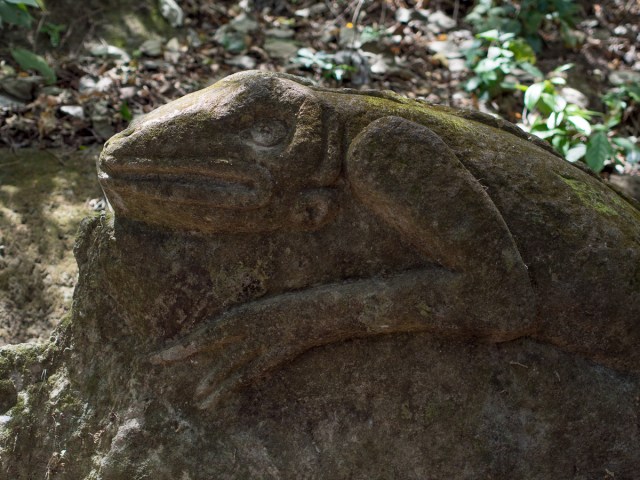

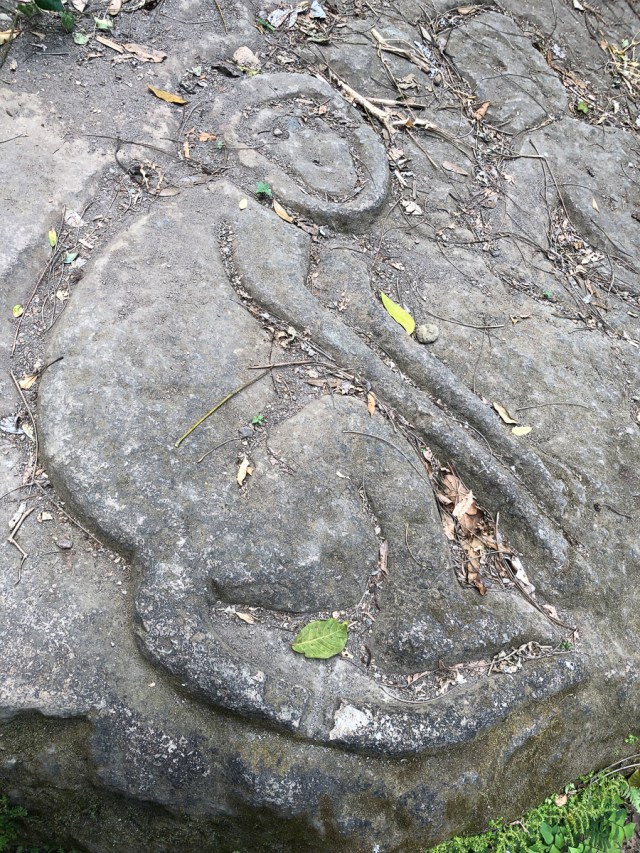
Ometepe island was another attempt to see sloths. An online search suggested that they were around on Volcan Maderas. Wrong! Not here we were reliably told by locals. The scenic ride around the eastern end of the island compensated for our lack of sloths. Amusingly, when we passed a sign for petroglyphs we didn’t even stop. Mombacho on the mainland came up trumps though. We found our own sloth – distantly – curled up in a tree, then a guided night walk found one actually doing the sloth upside-down tree locomotion – hurrah!
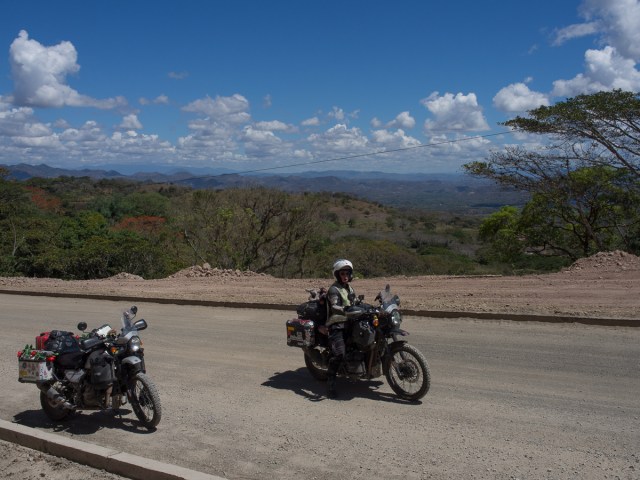
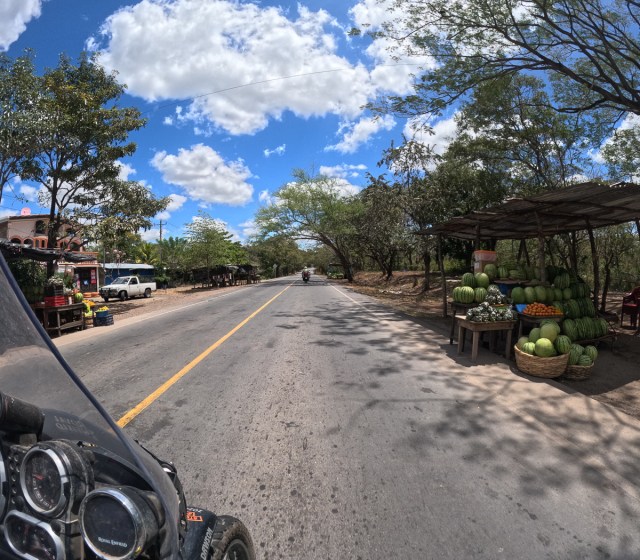
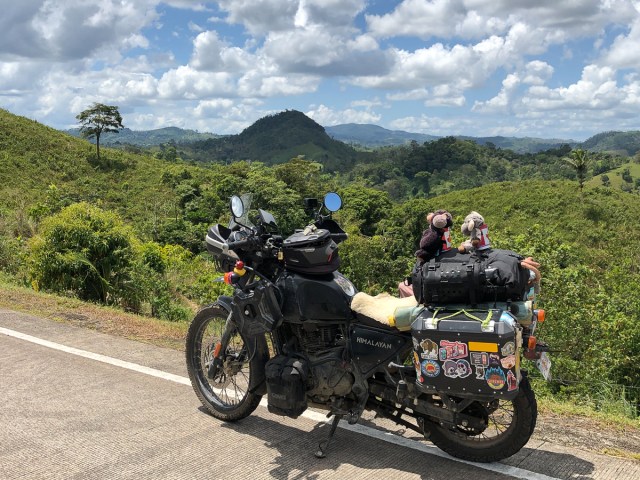
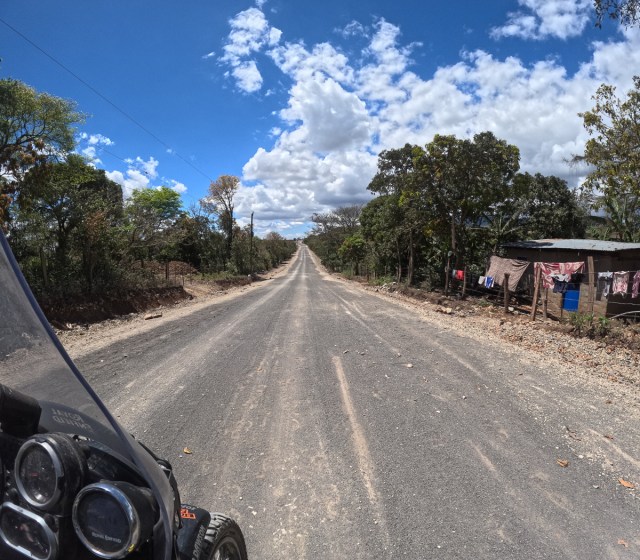
Now by this point in the posting, our biking friends are chafing – what about the riding, how are the bikes? The roads are in pretty good nick, and more are surfaced than to the north. At least two long rides (38 and 71) were really nice, light traffic, good surface, entertaining and scenic roads. There’s a much more restrained feel to the driving and riding. That’s possibly because we saw a lot of police actually taking an interest in driving standards, which may be why foreign riders complain of “corruption” – the speed limit is maximum 80kph and even those roads have many short sections of much less. A KTM Super Adventure might be hard to restrain: The Himis kept us out of trouble, but still blast past the lorries. Someone says it’s more fun to ride a slow bike fast, than a fast bike slow. The SUVs and new pickups still flew past, occasionally.


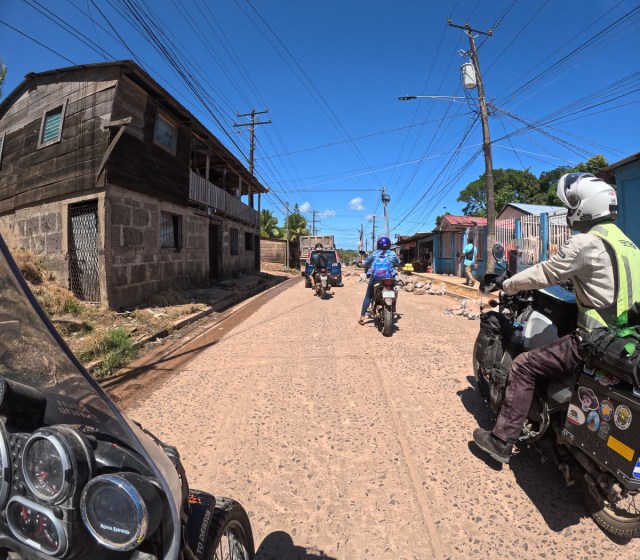
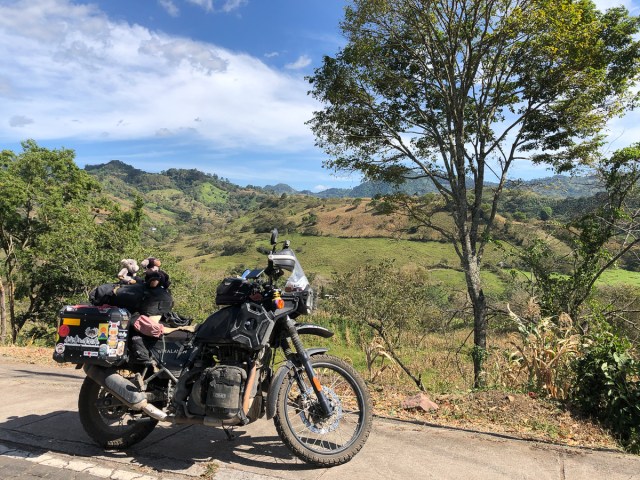
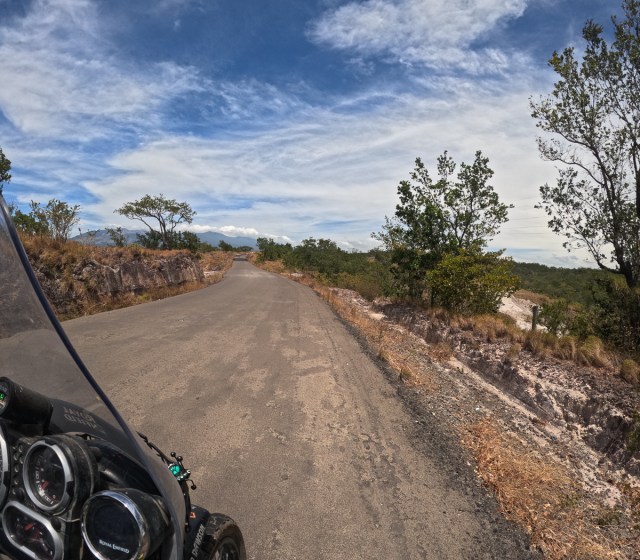
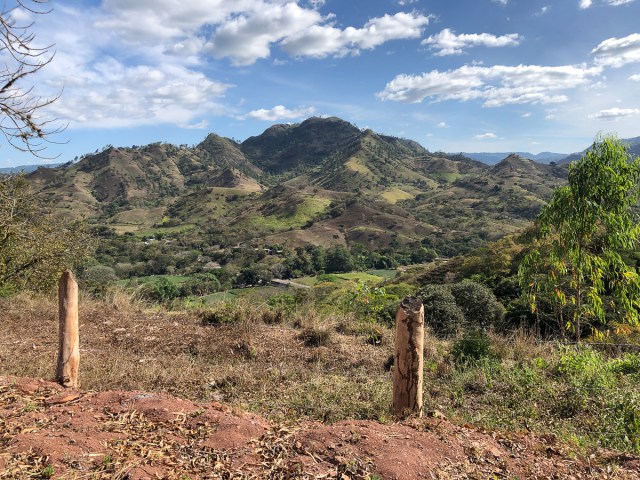
But some of the accommodation – even posh places – have been up bloody awful tracks that we would have not voluntarily have tackled. The Himis seem to take it in their stride – first gear seems to chug up anything that can claim to be a route – but our skills and strength are strained and we arrive in a frazzled state of mind and a muck sweat.
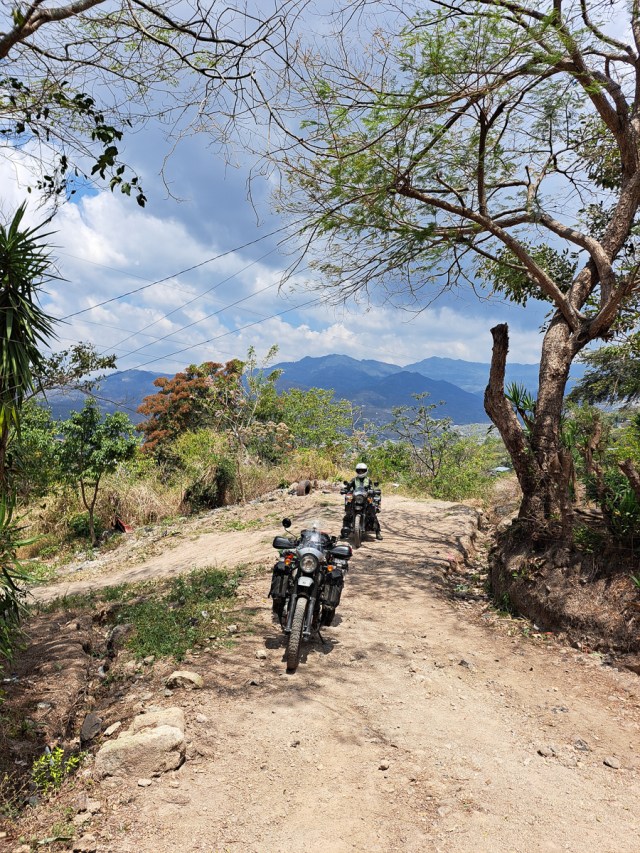
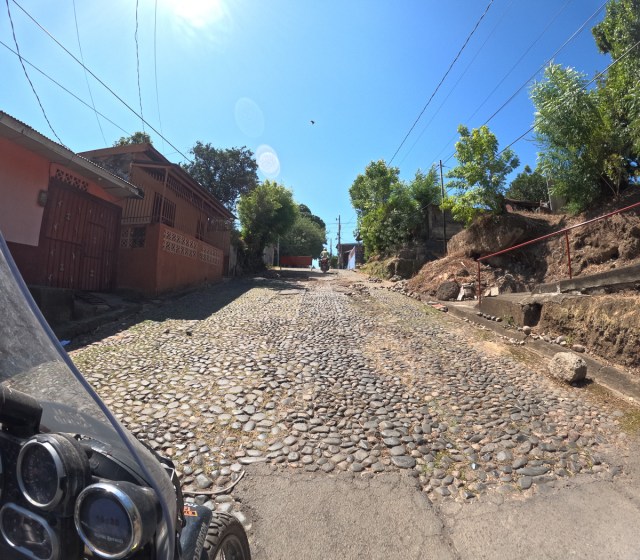
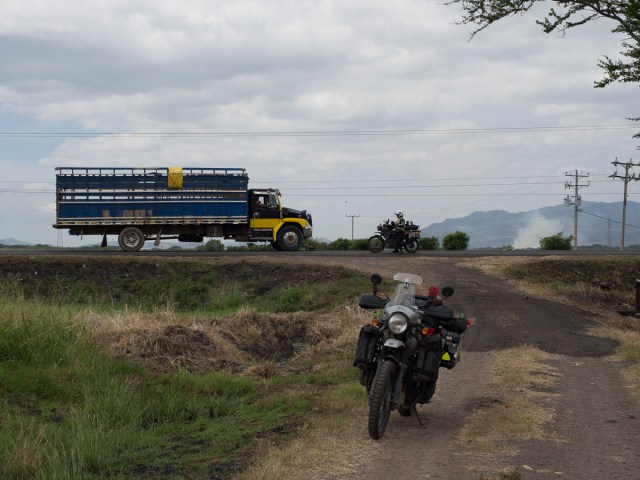
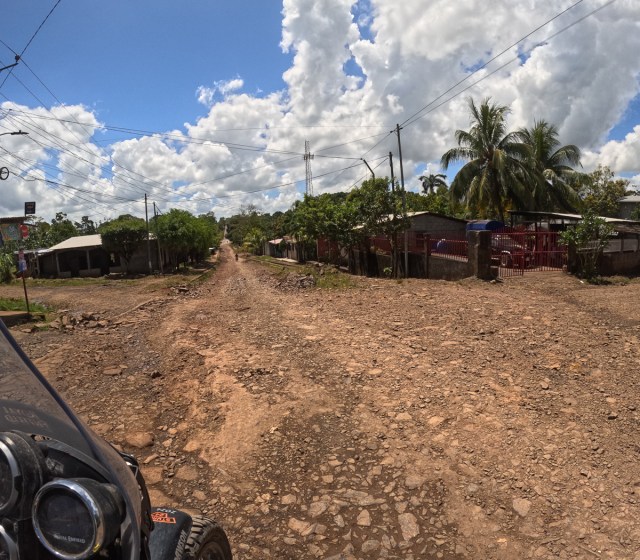
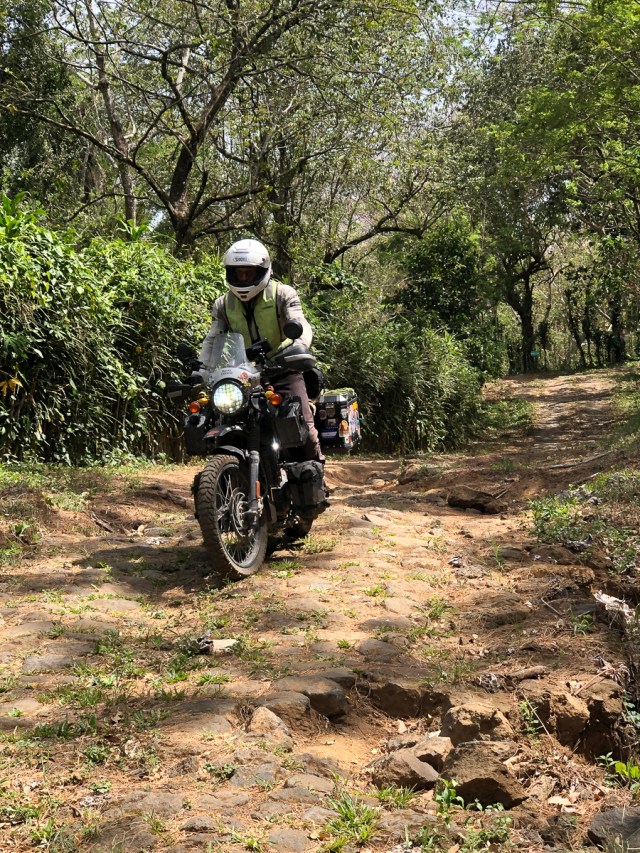

There was a scary moment leaving our hostel in Matagalpa, coming down the very steep, loose, dirt track (can’t call it a road), Clare couldn’t hold the bike on the rear brake, pressing with all her strength. The 300 kilo combo of Clare, baggage, Indian steel and souvenirs was gaining speed! Fortunately it all stayed rubber down until the slope eased.

That’s when we spotted Clare had unexpectedly worn down her rear brake pads (not the fronts, of course there’s a set of those under her seat). Unfortunately, Royal Enfield have no presence in Nicaragua. The pads might have lasted until we got to San Jose, capital of Costa Rica, but Gid’s online researches revealed that possibly a very few local bikes shared the pad pattern, and after about half a dozen dealers and parts places (repuestos), somebody found a badly packaged set from Bajaj in the shop’s box of oddities. Alarmingly, they cost only $3. But they dropped in fine and do seem to work. Adjusting Clare’s pedal higher has made it easier to apply more pressure, even seated, which seems to have been the actual problem.
I-Spy on the highway: The 1979 revolution didn’t enamour Nicaragua to the United States (remember the “Contra” affair?), so of course the USSR pitched in with support. Thus giving Gid a little entertainment spotting the USSR’s automotive antiques among the Toyotas and Chevrolets.
So, as we go on to Costa Rica, crossing a border from one on Central America’s poorest countries, to one of the richest – how was Nicaragua? Just great. It actually did feel safer than its northern neighbours, for example, police and security guards are still common, but less often armed. It’s often quite underdeveloped, with an eye closed we can mistake poverty and improvisation for bucolic bliss, and tourists are rare enough to be welcomed. The underdevelopment, and perhaps a degree of isolation after the revolution, mean that much more old growth forest remains than in some neighbours. The only regret, really, is that so many times, we stayed in accommodations run by foreigners, as we ofttimes didn’t find local places where we were headed.
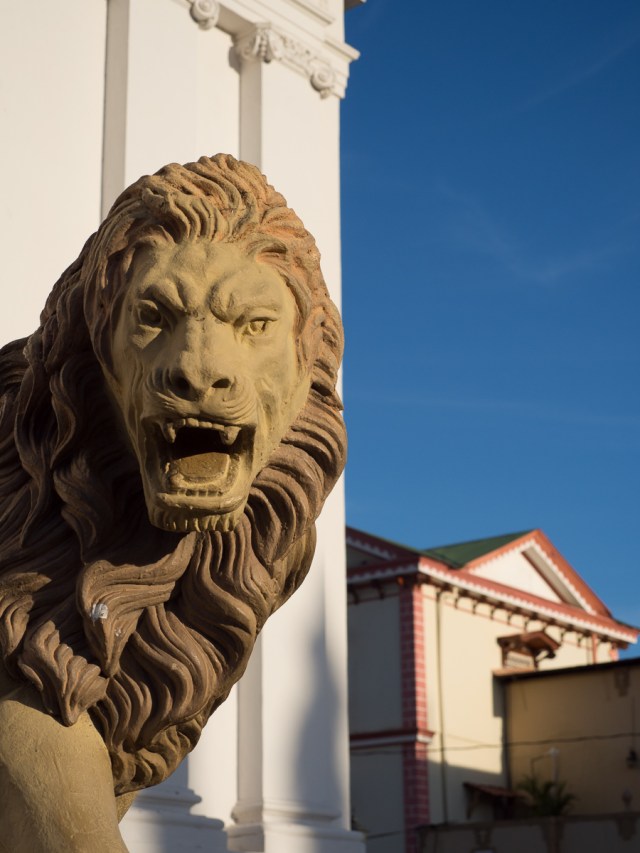
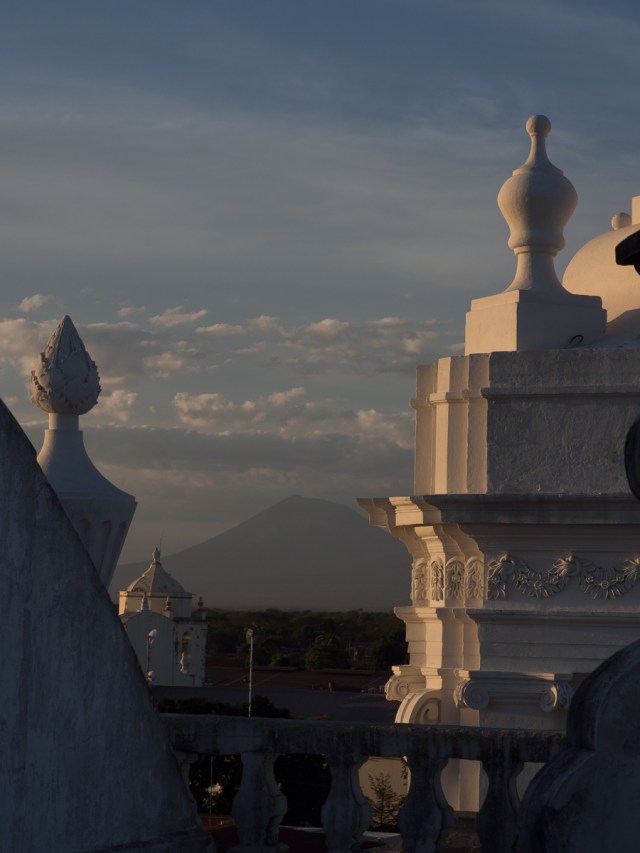
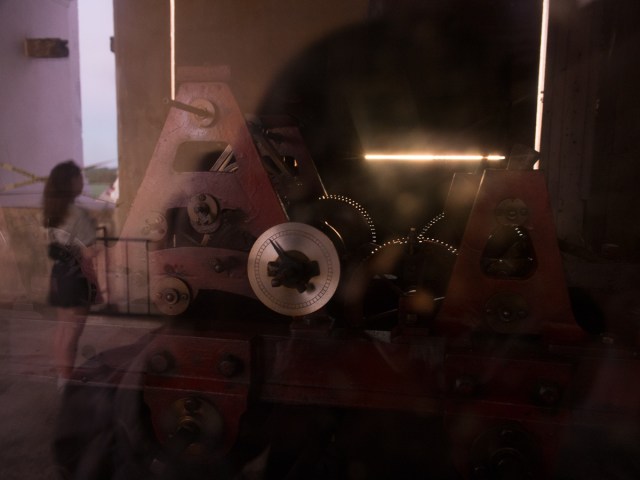
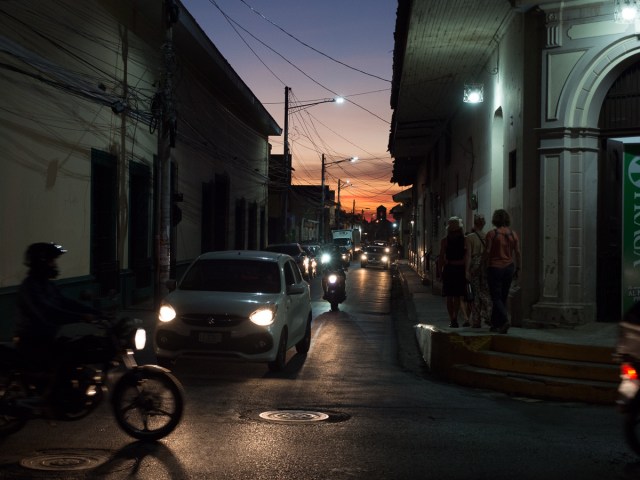
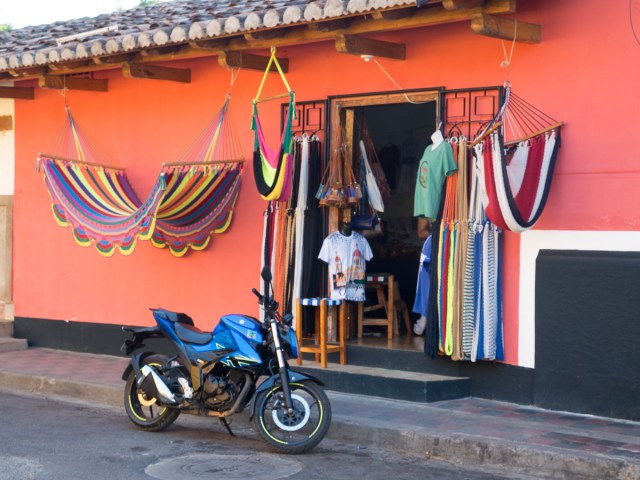
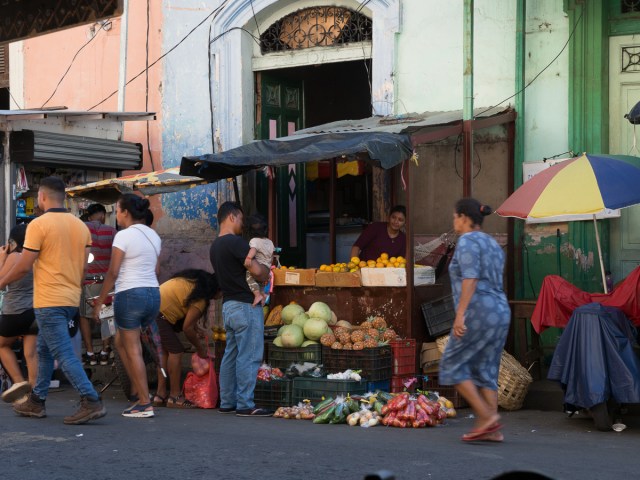
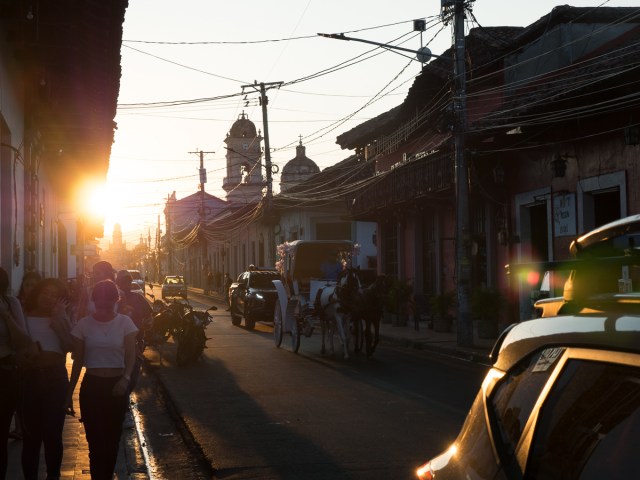
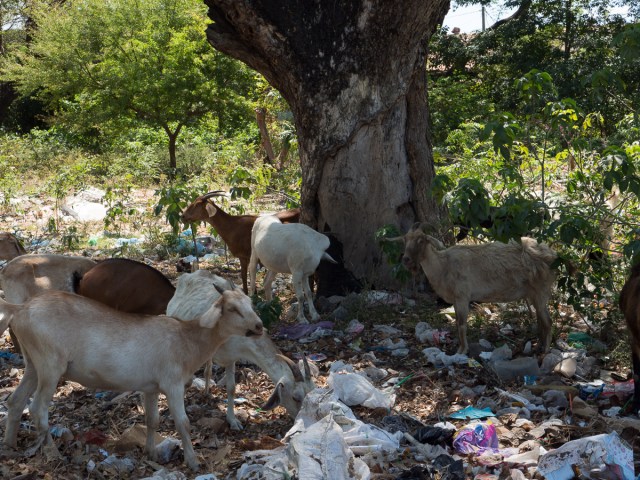
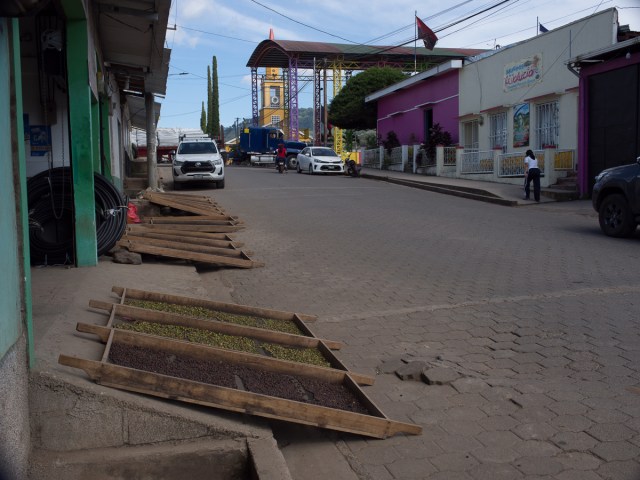
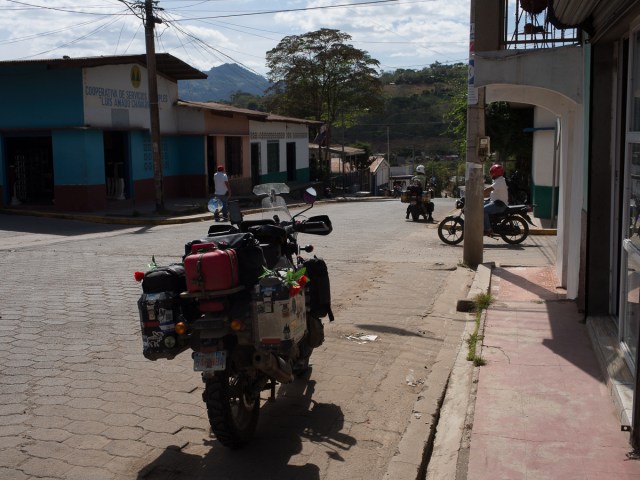
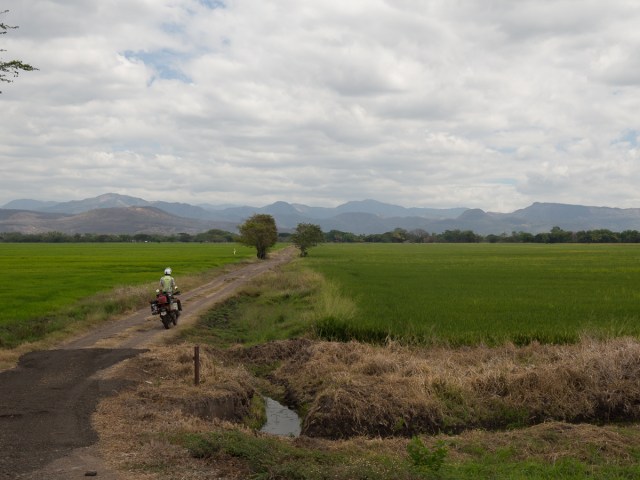
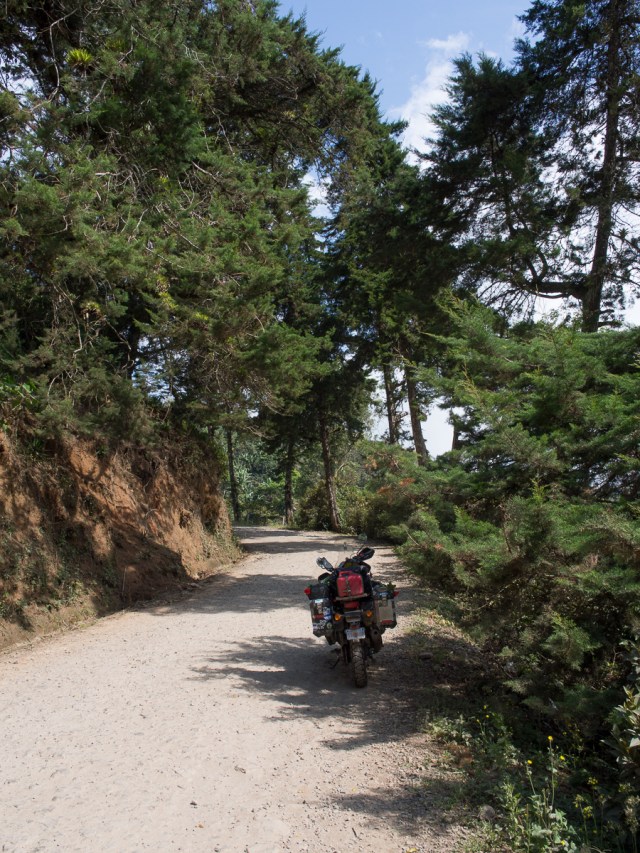
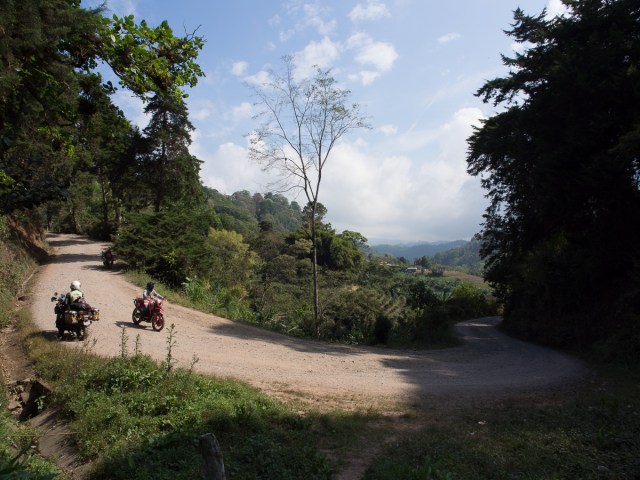
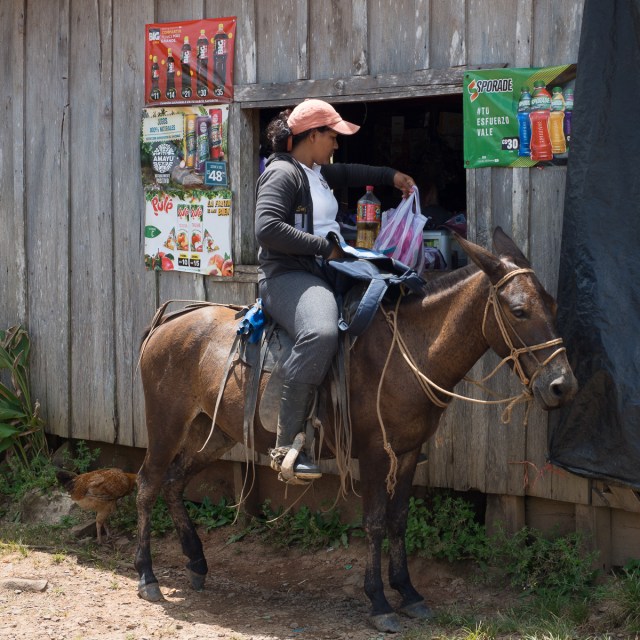
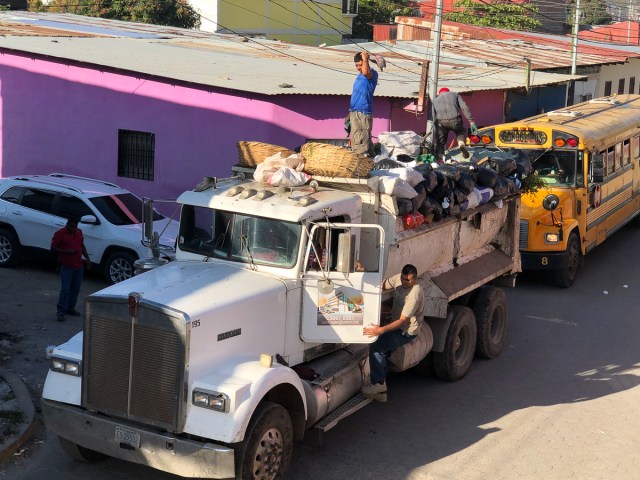
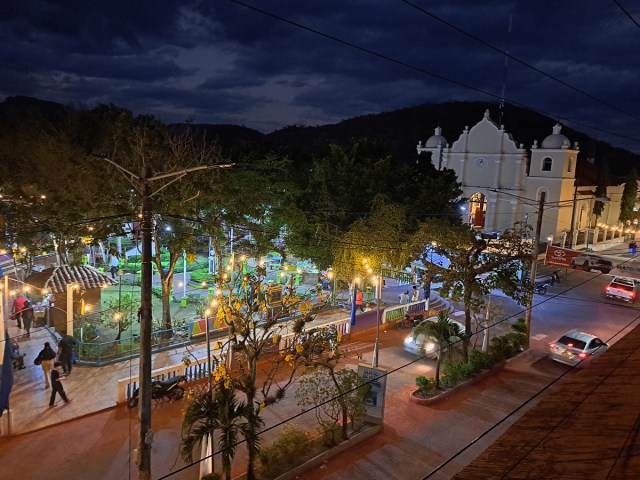
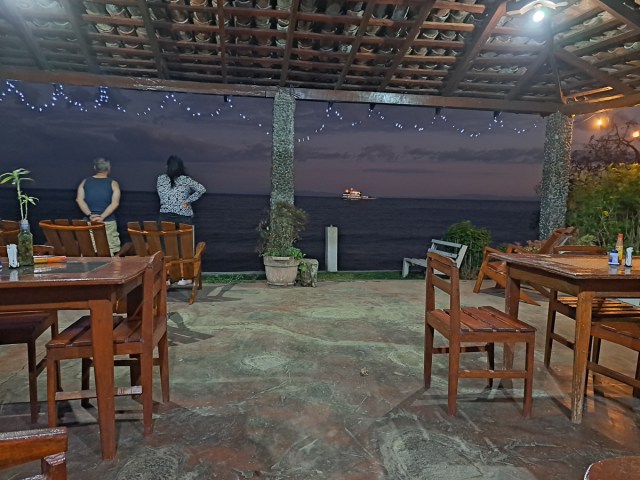
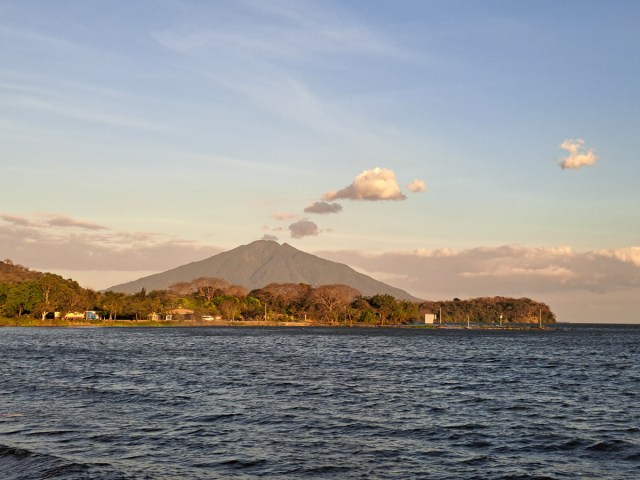
Finally, a few scenes from Nicaragua that don’t fit into the narrative above, but are just nice to see.

 2silvercyclistsdotnet

