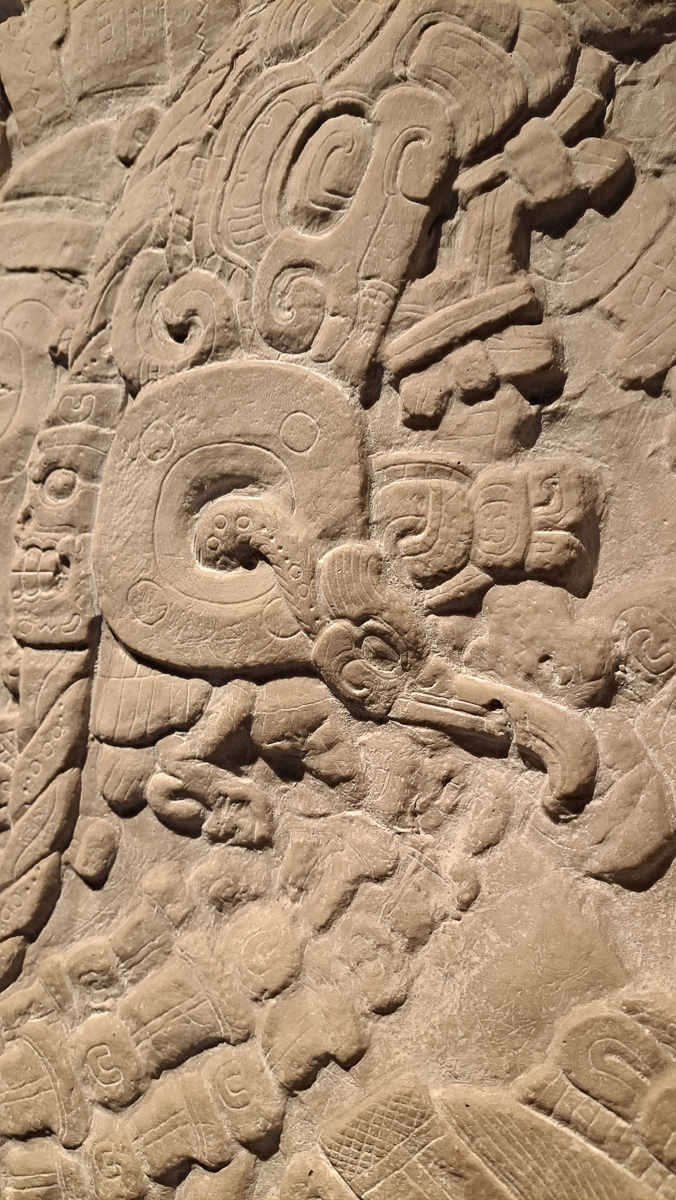
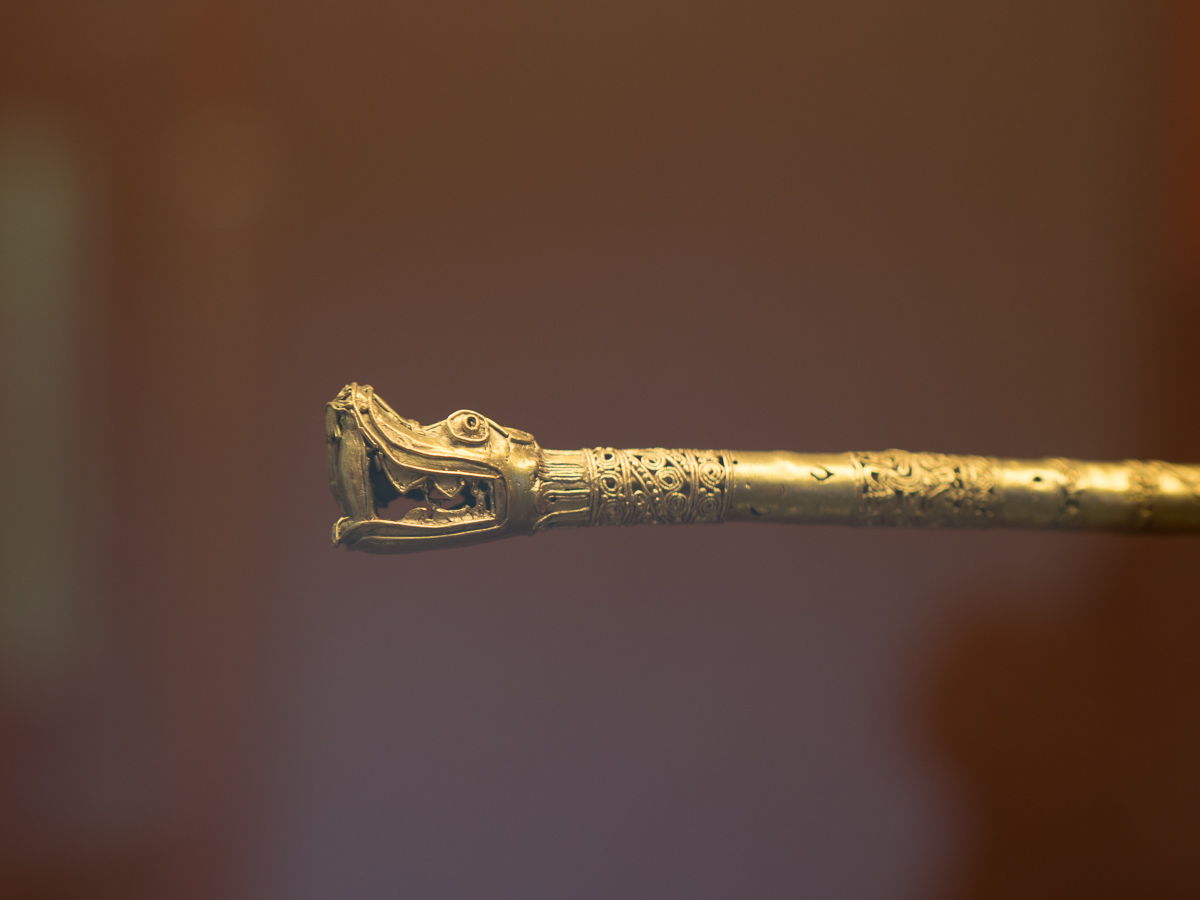
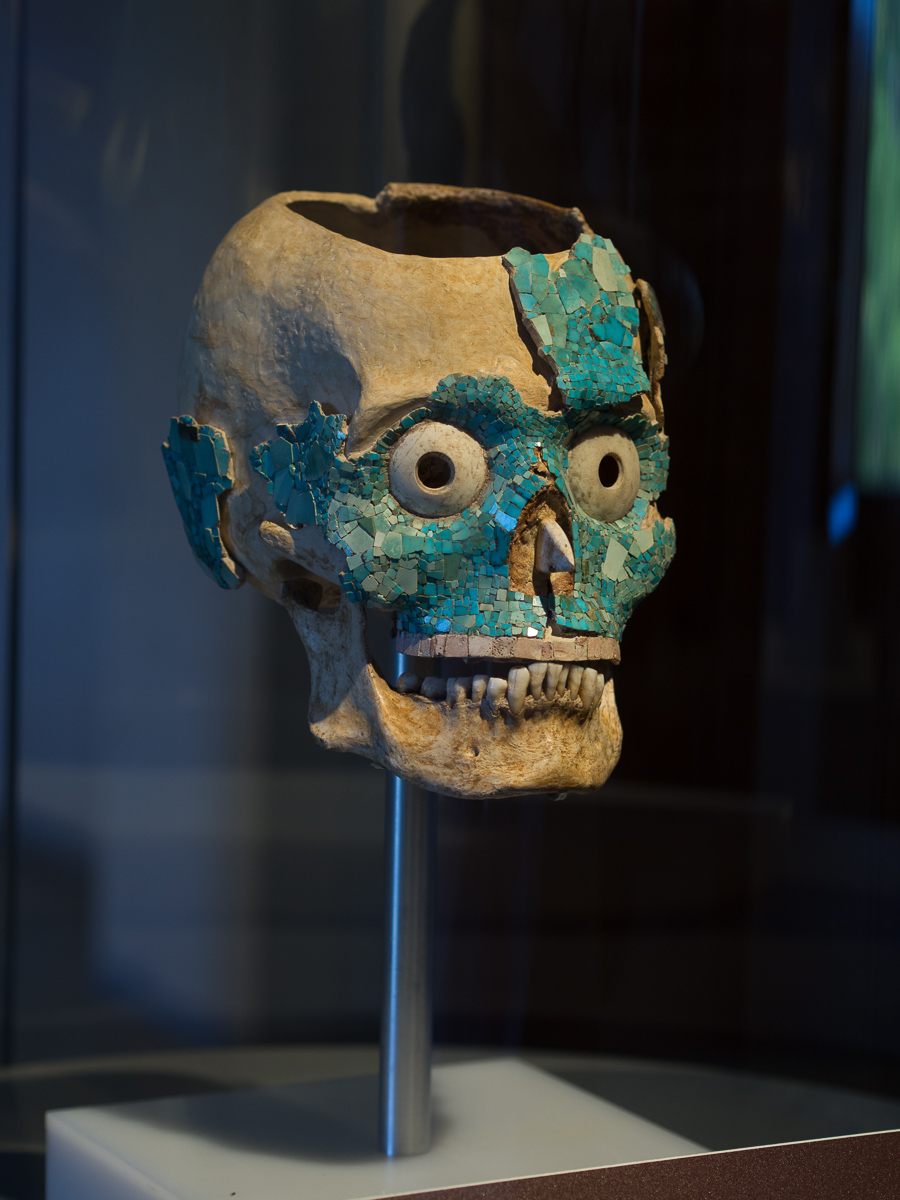
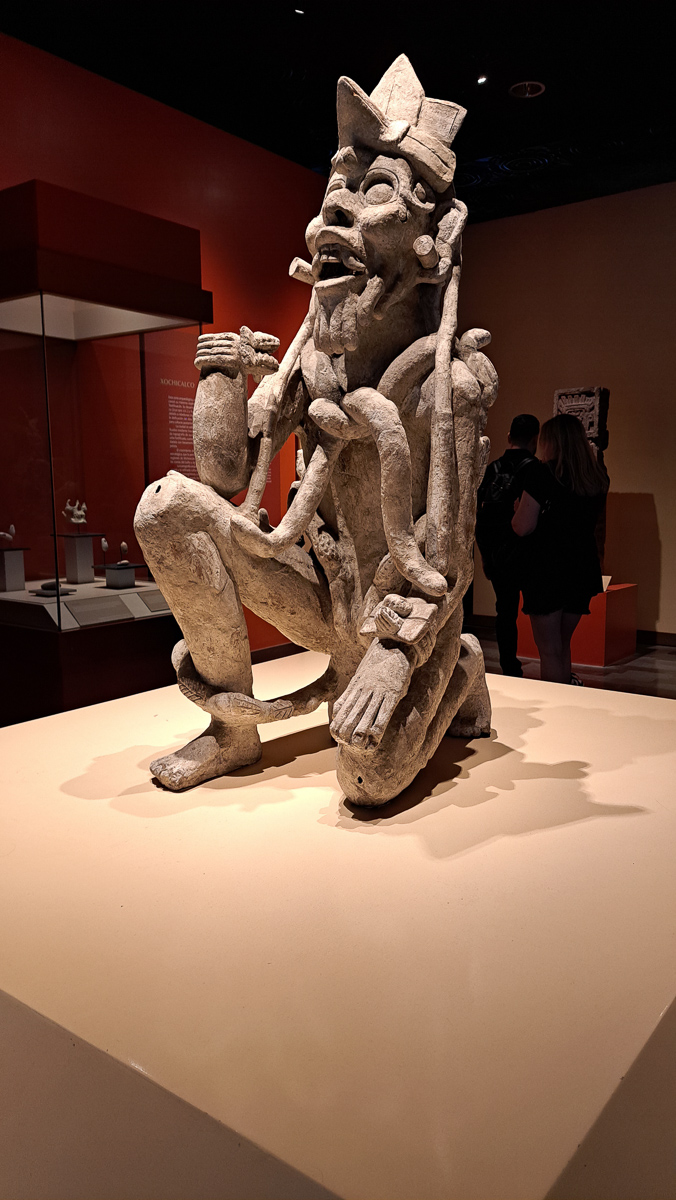
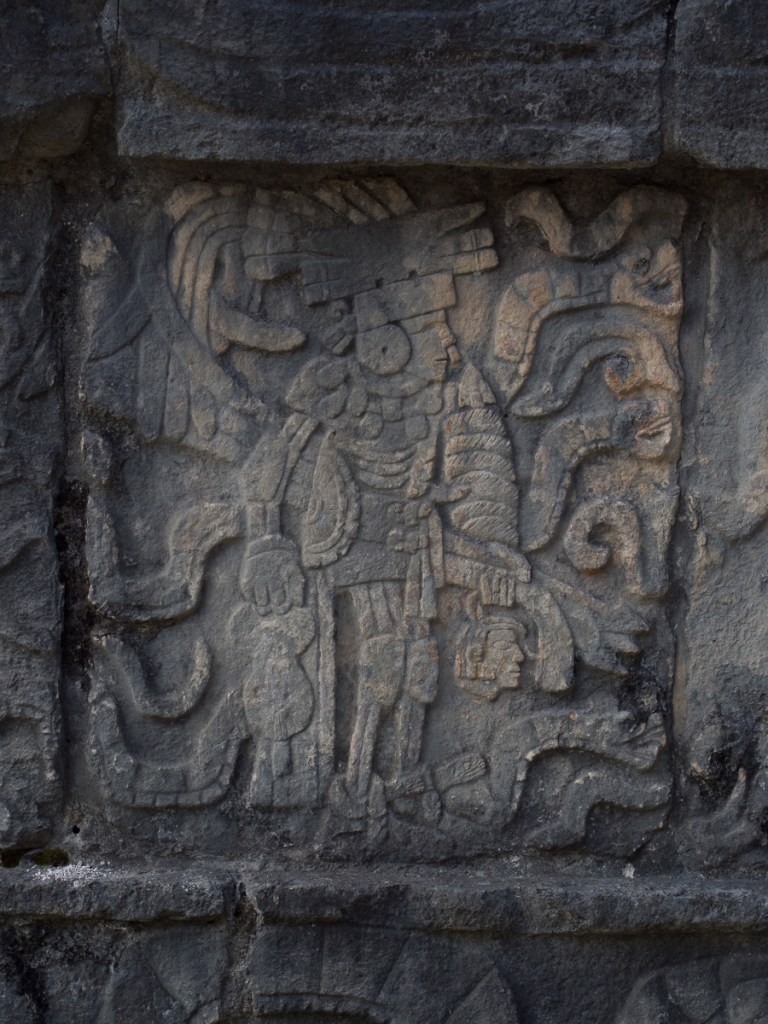
Getting back on my feet after a mad dash home to the UK for a week we ticked off some of the sights in Mexico City. The Anthropology Museum was great as it gave us an outline of the country’s past and the main civilisations that had ruled. Most Brits have heard of the Aztecs and Mayans (and Spaniards), but how about the Mixtecs and Zapotecs? The succession of dominant peoples, spread out over 3,500 years and a huge area make for far more than one history. But, the pre-hispanic architecture is rather consistent, and what’s survived often involves pyramids and carved relief panels. Here’s a few things dug out and displayed in CDMX and Oaxaca museums. Curiously, the reliefs are always highly stylised, but quite a lot of the pottery sculptures are recognisably human – an old canoeing acquaintance, a neighbour, and the 80-00s labour politician Robin Cook were all visibly there, in ancient clay. Creepy.
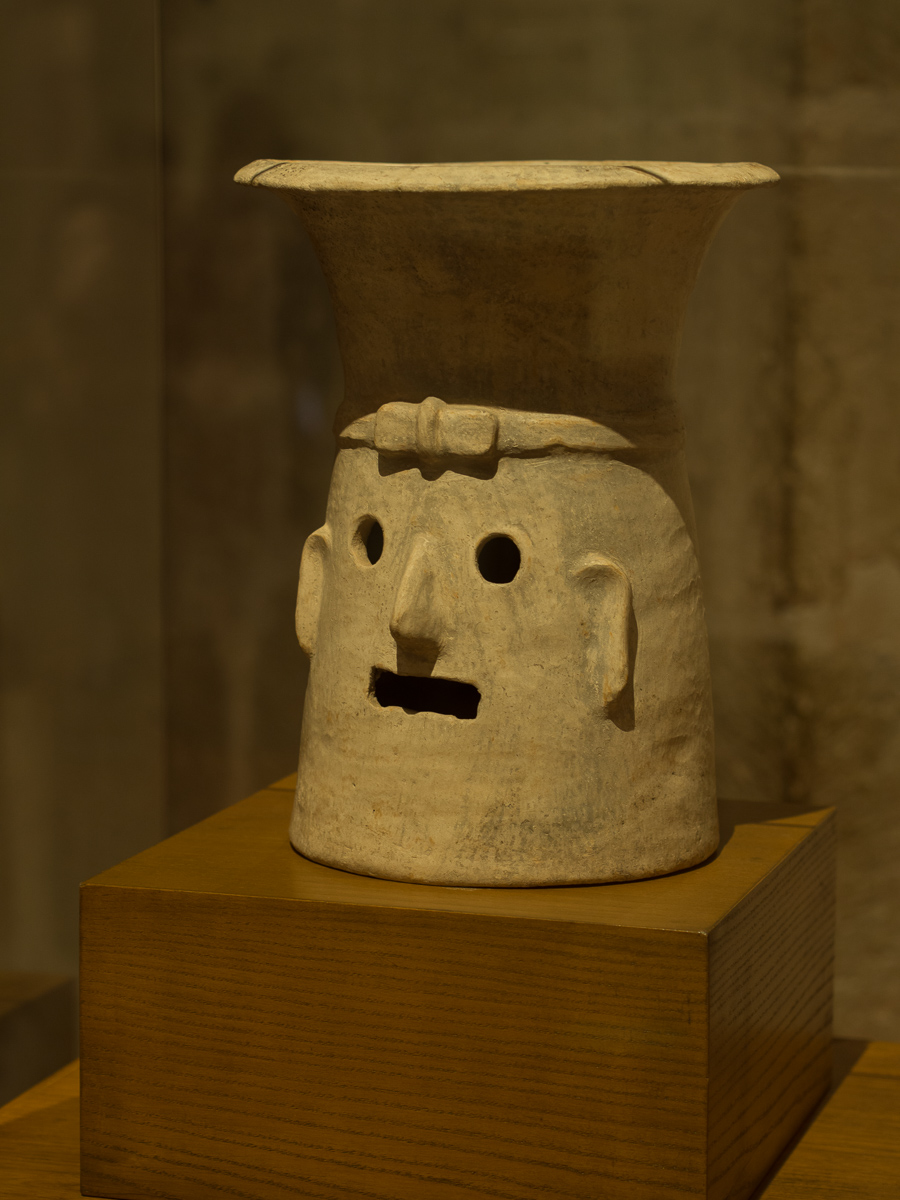
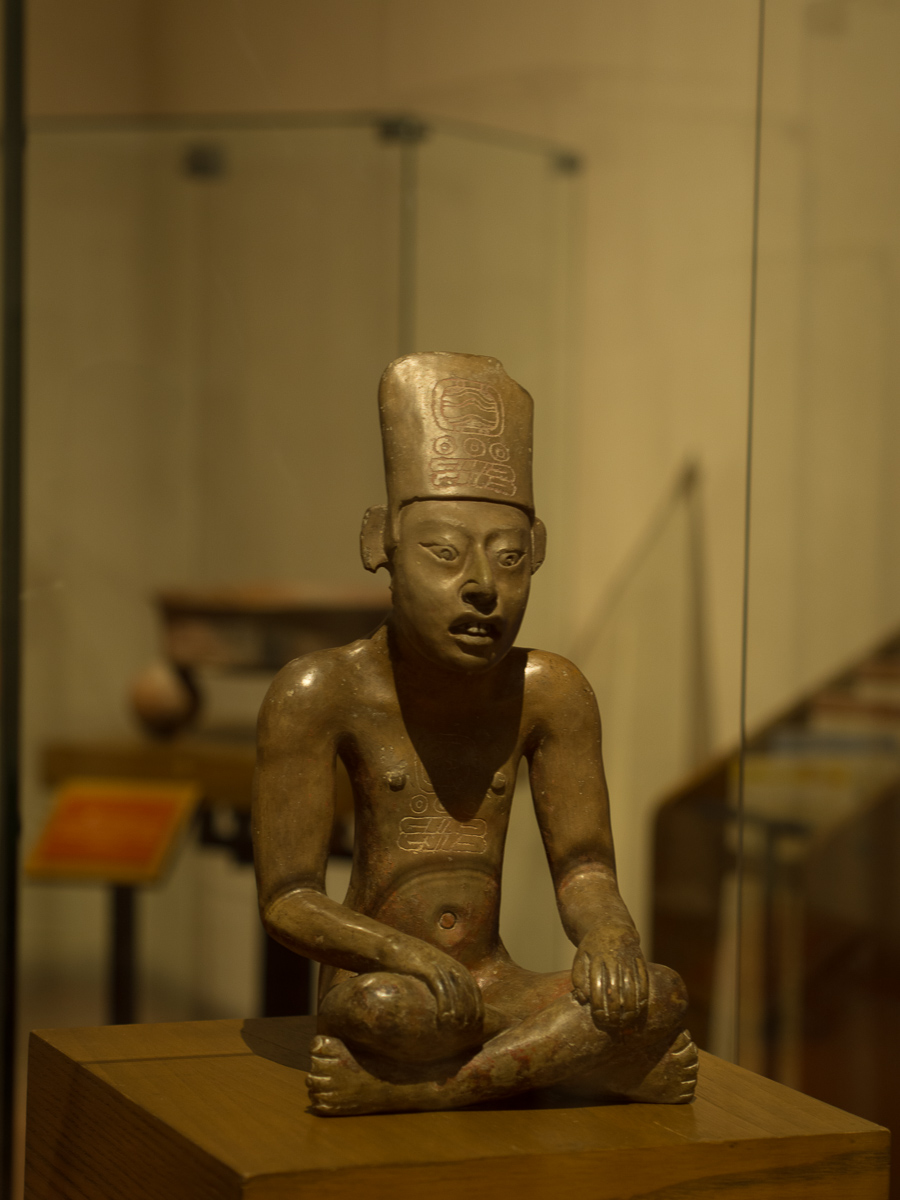
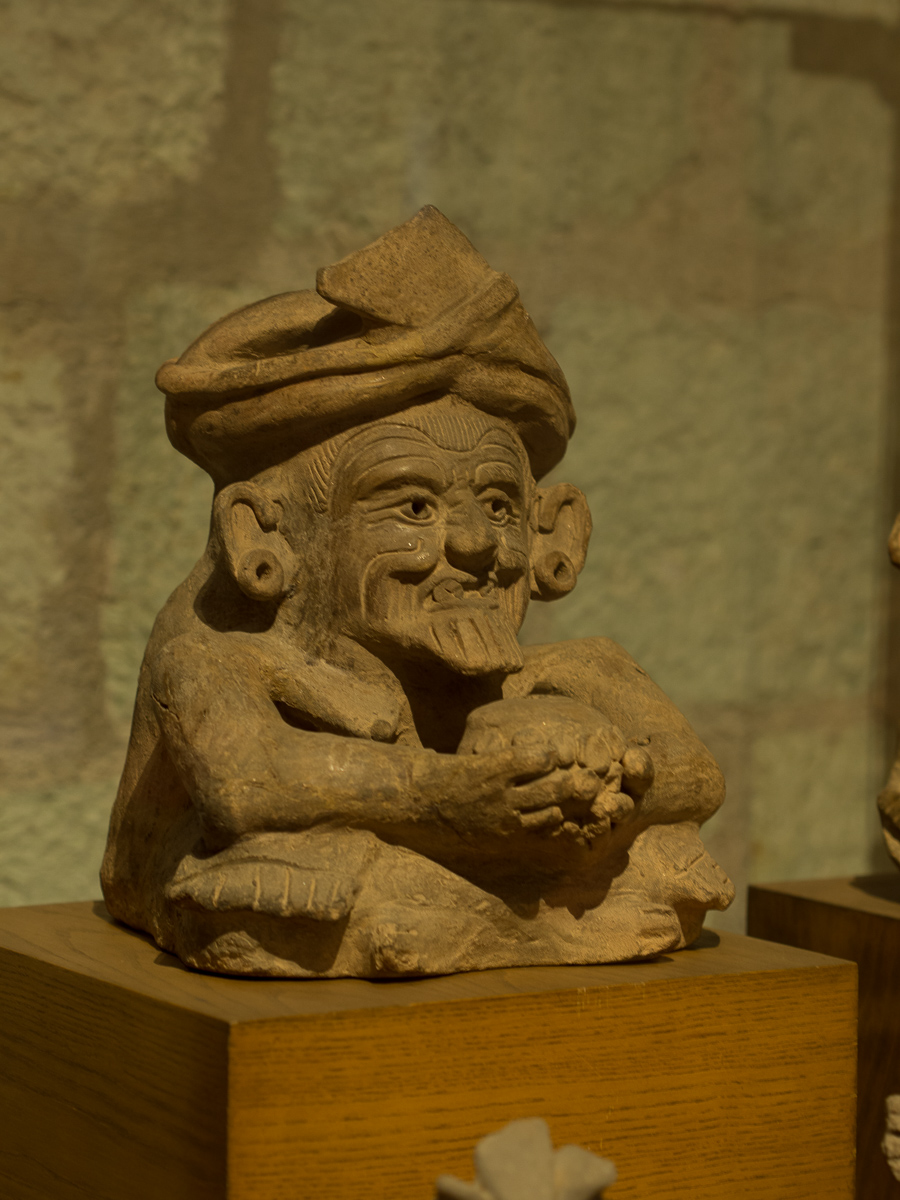
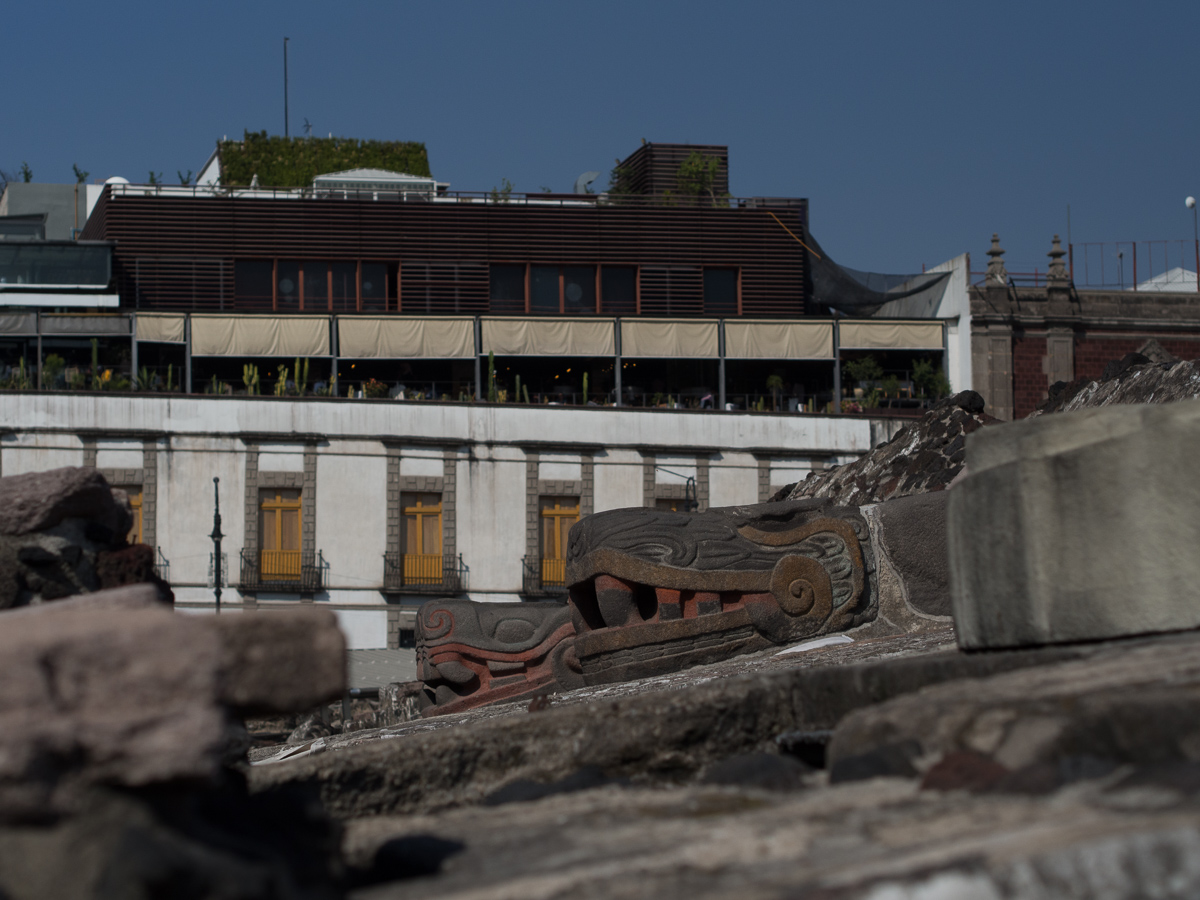
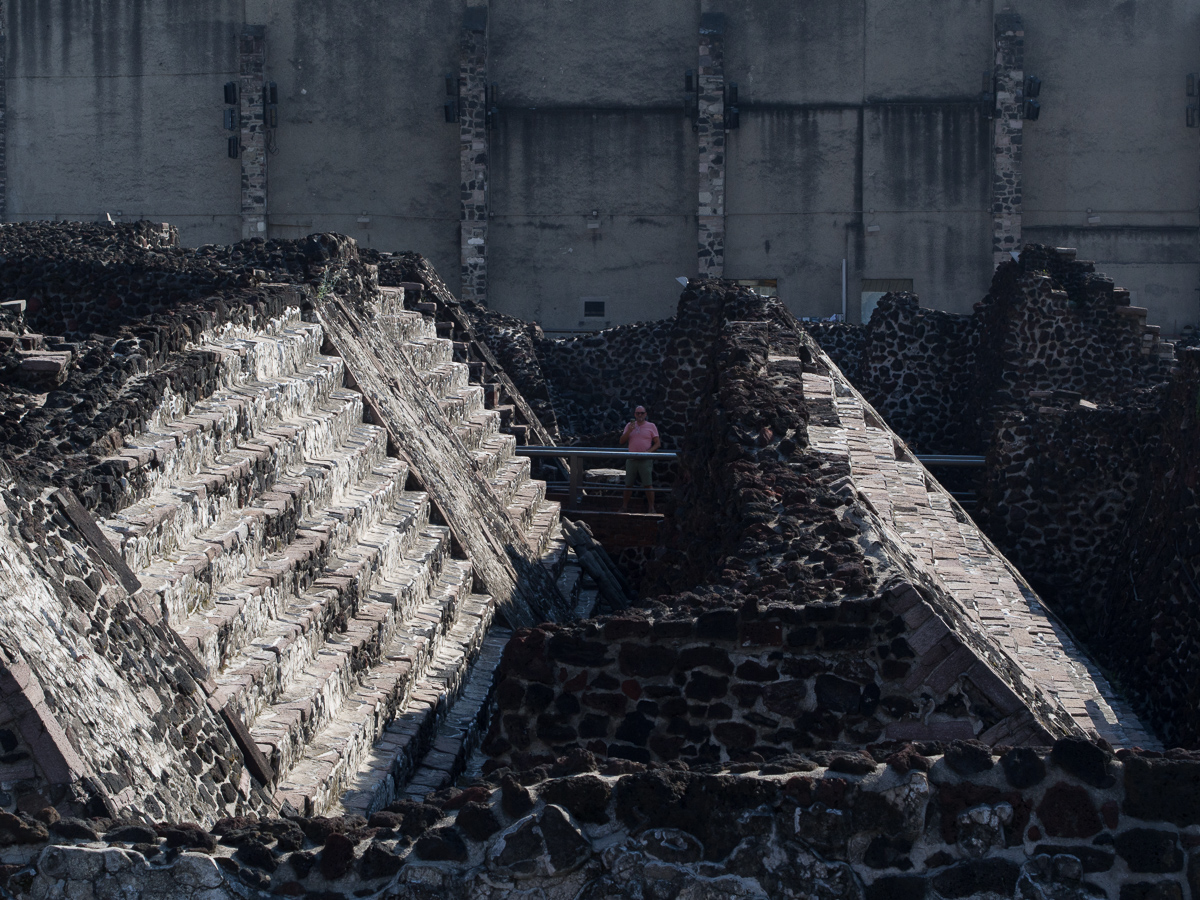
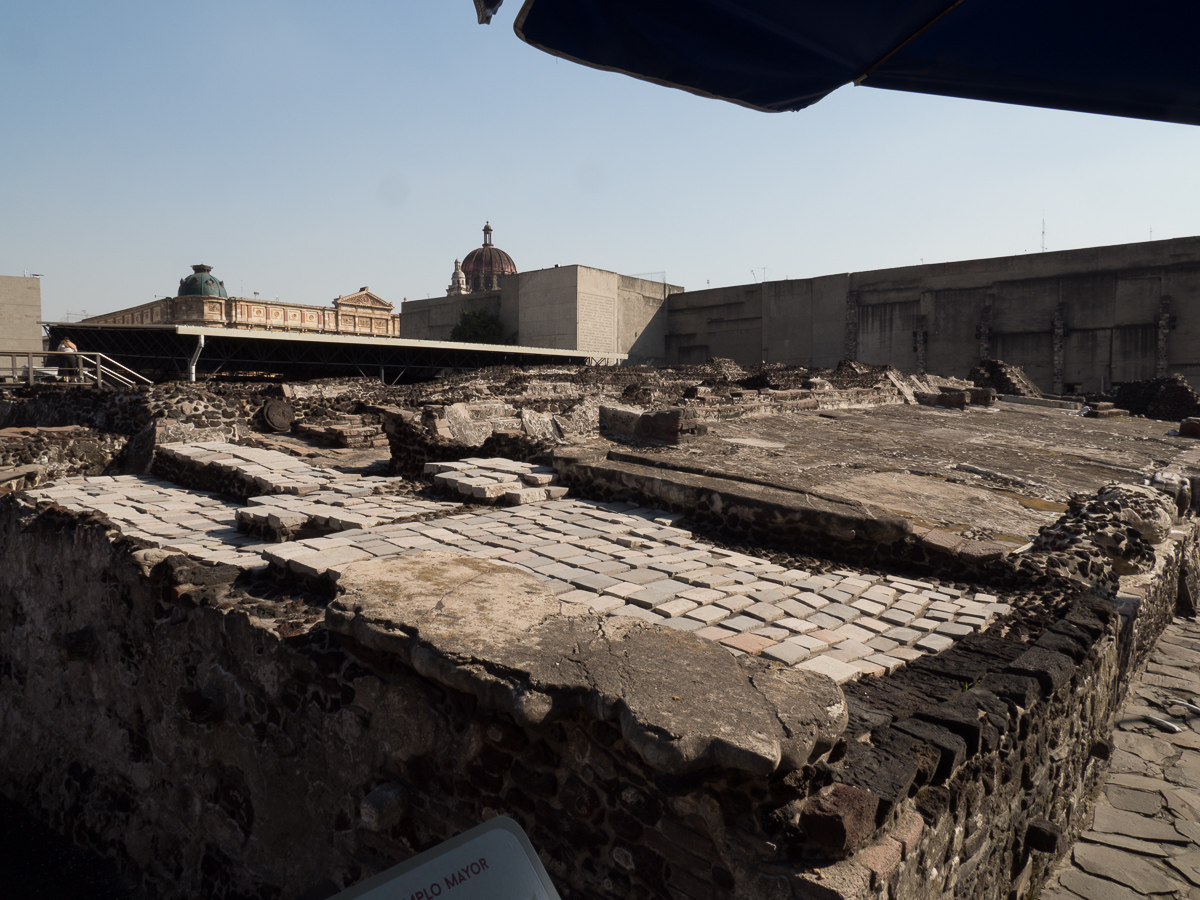
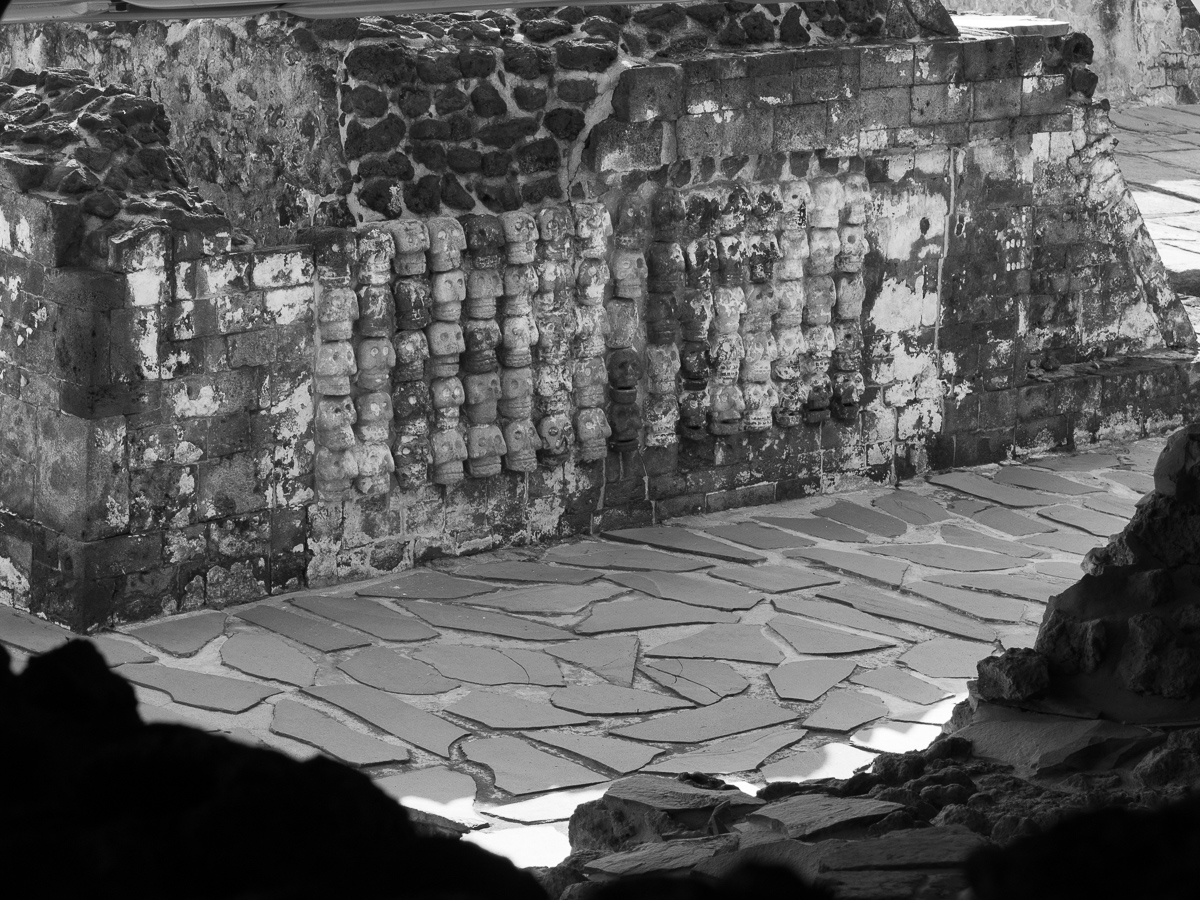
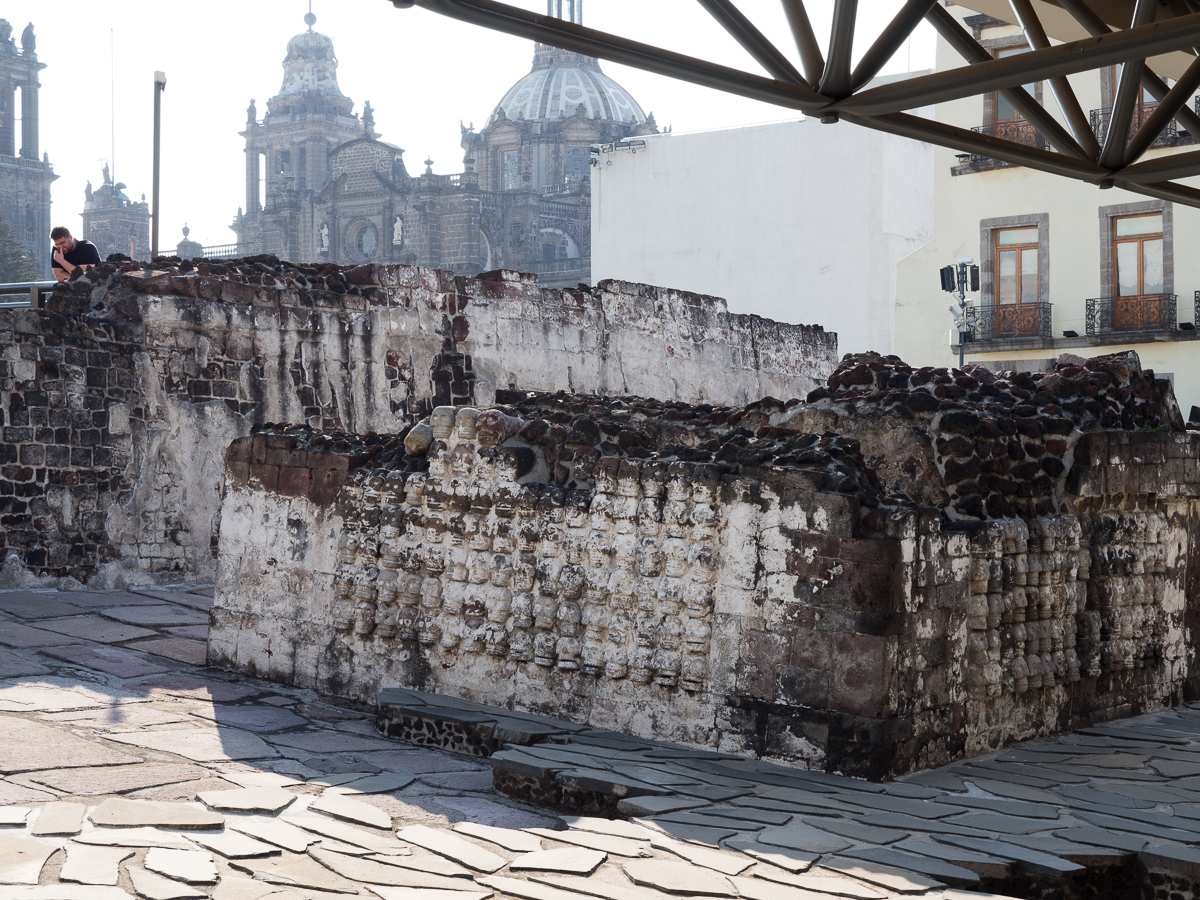
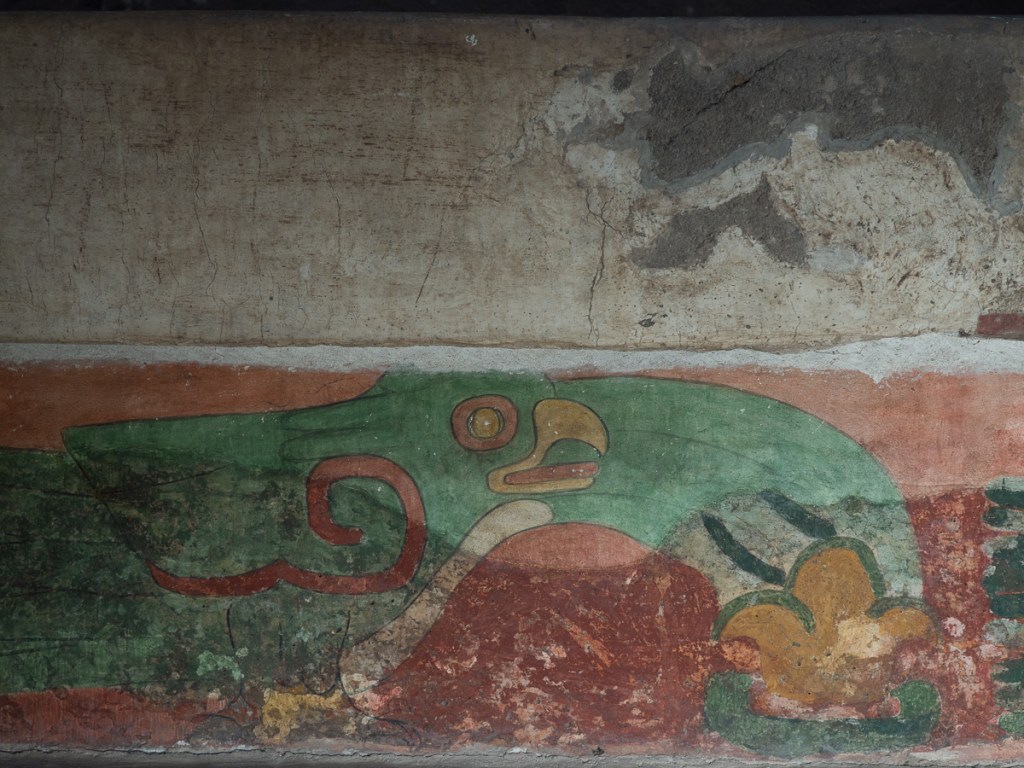
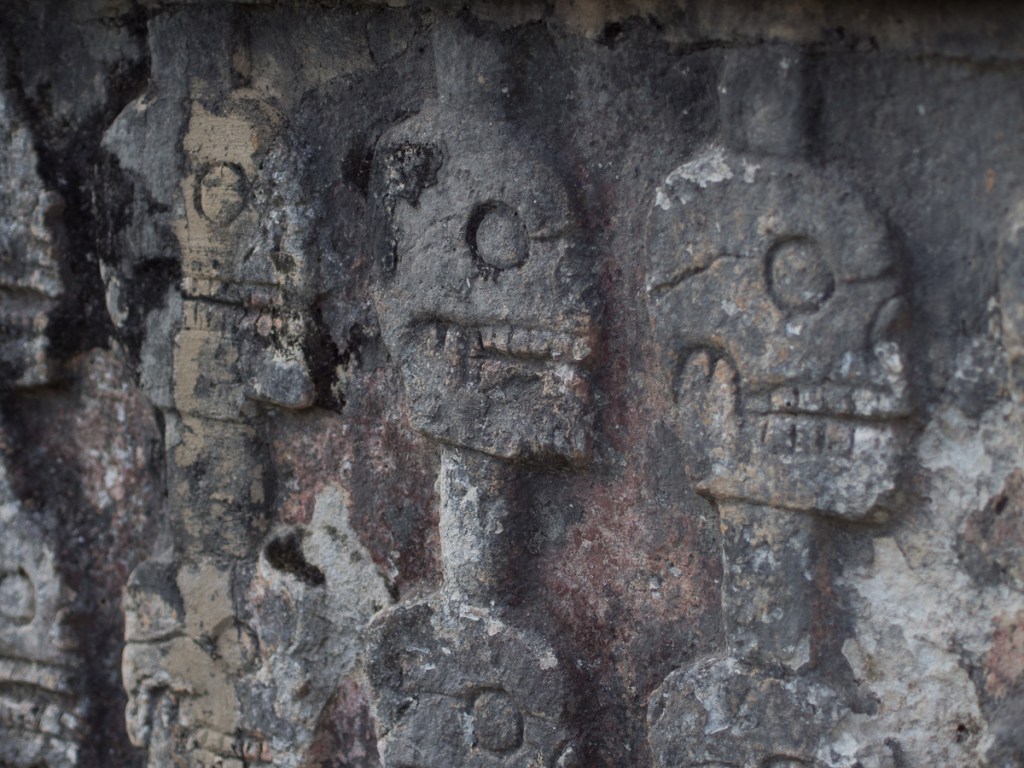
The first ruins we saw were right in the middle of Mexico City. To be exact, the Spanish had left the flattened remains under some houses and a square. The Aztec Great Temple was a compact site next to the cathedral – guess where the stones in that came from – that we mooched round in an hour or so. It was a bit like Roman ruins in the UK: Not actually that much left to see. The wall of skulls is impressive, but they’re carved, not real. Human sacrifice really was part of the deal in the Mesoamerican civilisations, in all sorts of contexts.
From there we headed North. Not progressing the mission again, but we were assured the Pre-Hispanic Ciudad of Teotihuacan was not to be missed.
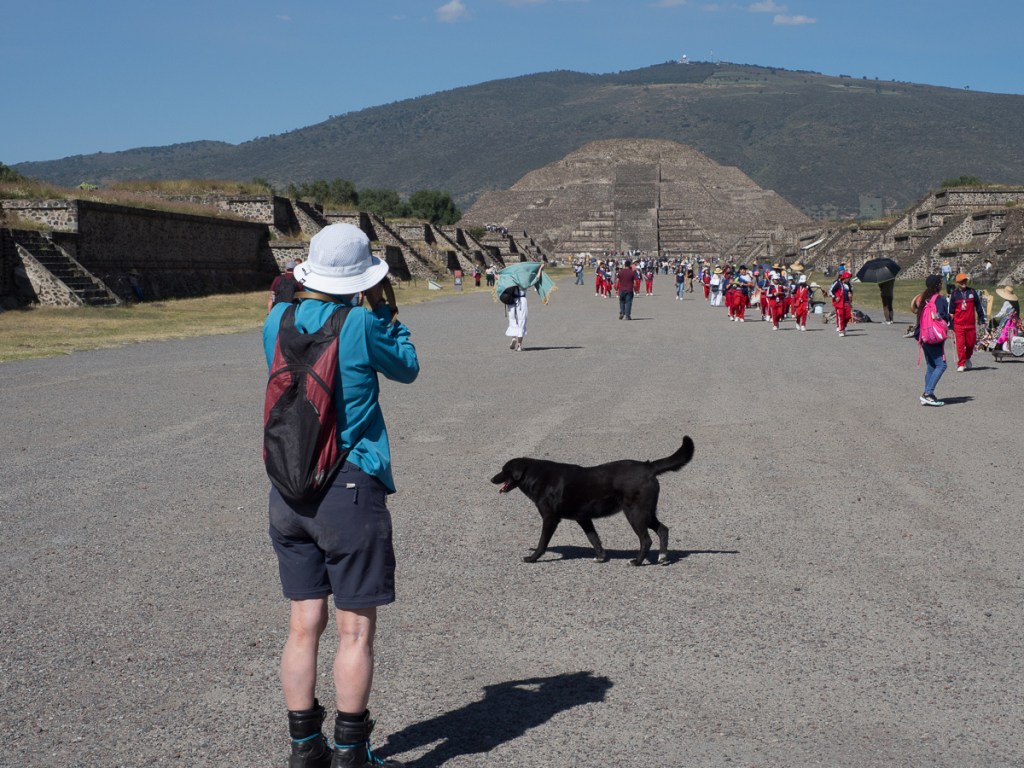
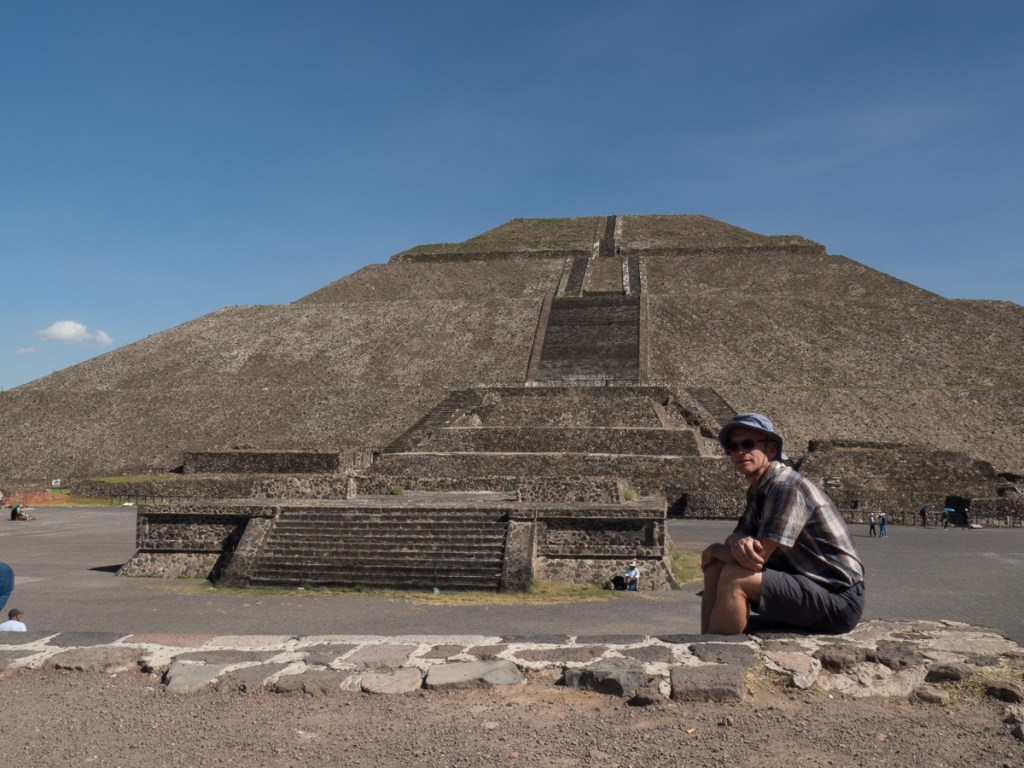
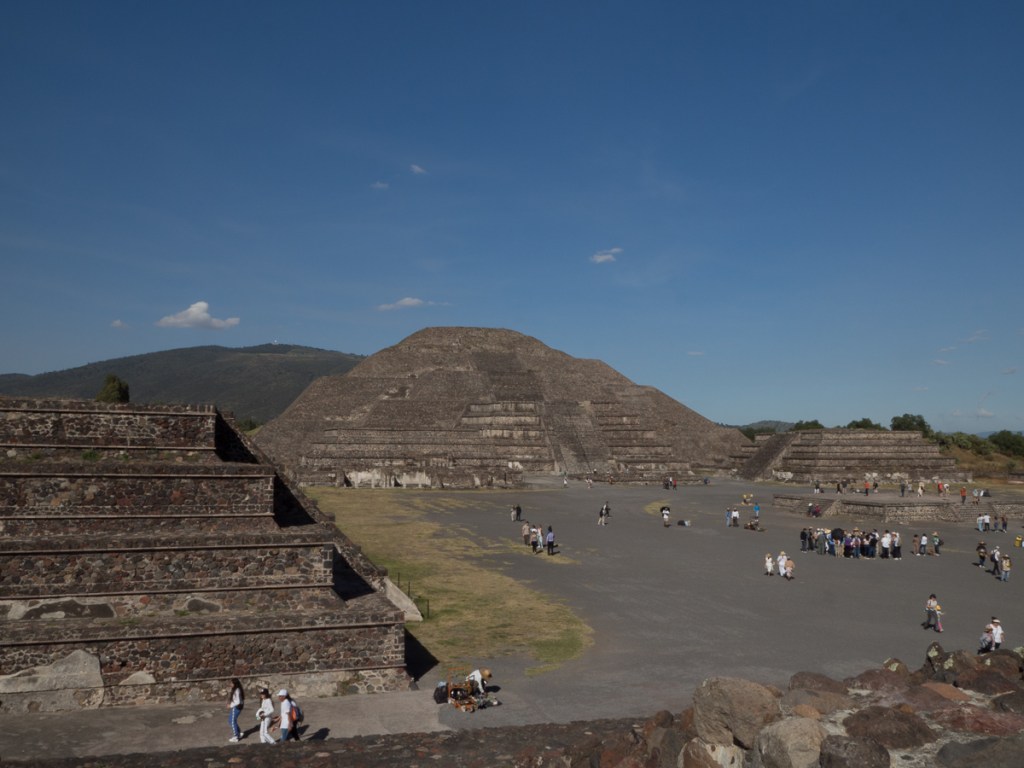
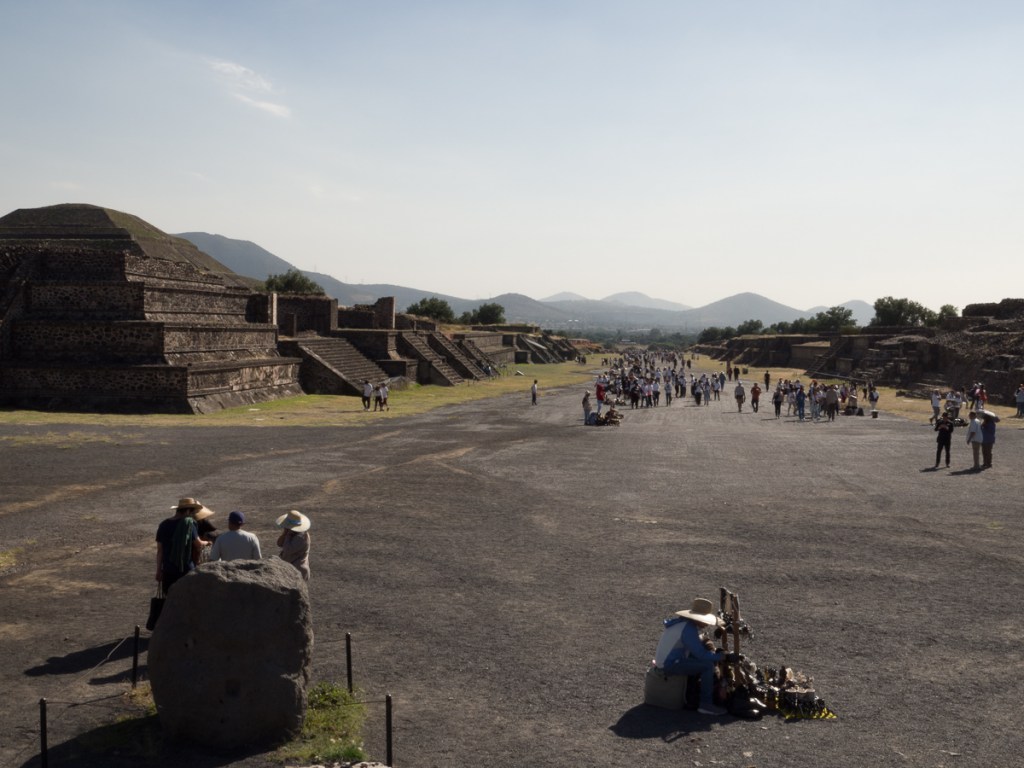
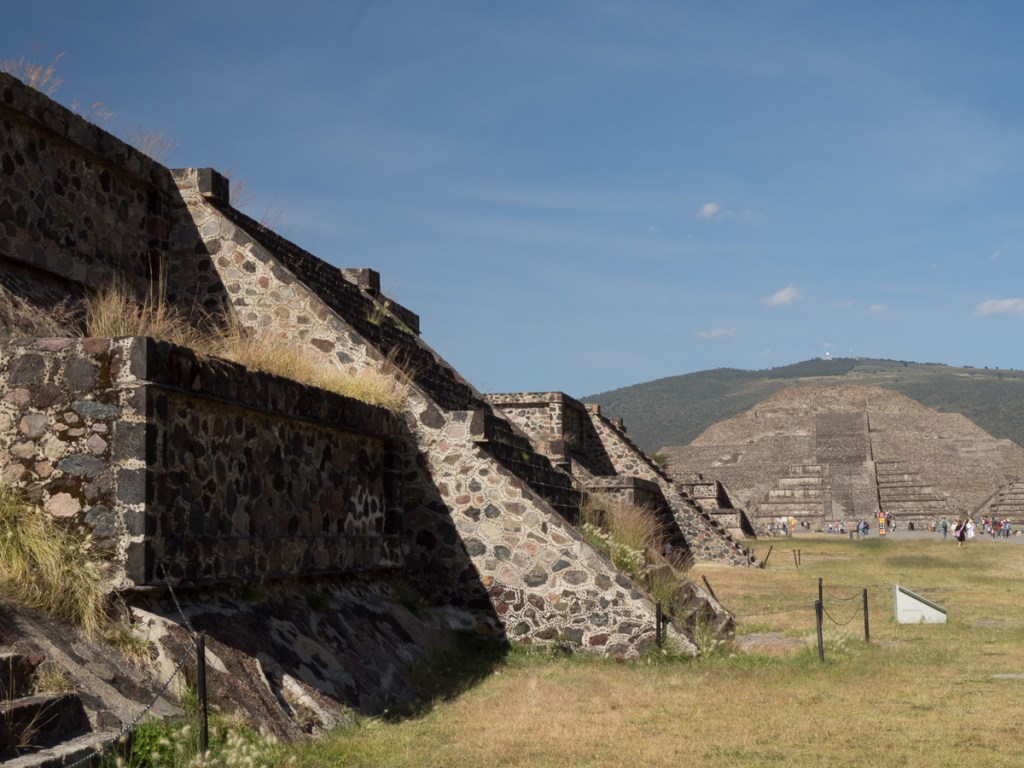
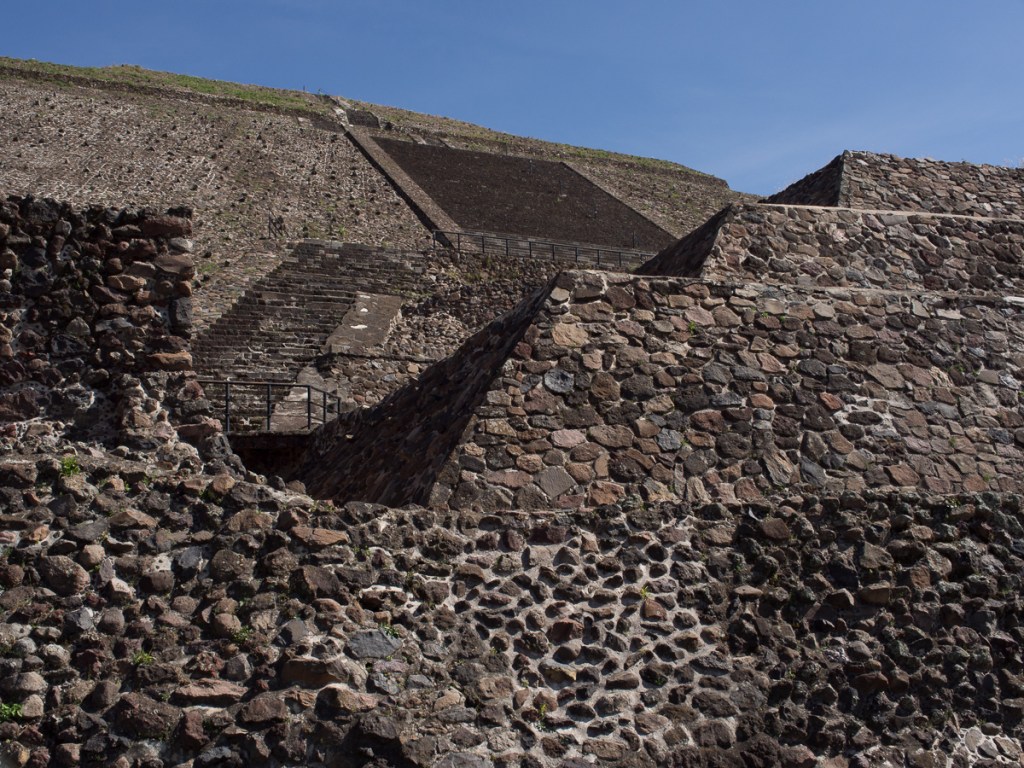
We arrived at Teotihuacan mid afternoon having walked there from our posada (inn) in the village. Wow! It was huge – up to 200,000 had lived there at its peak more than 1500 years ago. We were asked if we wanted a guide that would whizz us around in a buggy. After all, he said, ‘It took three hours to walk around the exterior.’ Undeterred we set off on foot. Before long we’d gravitated towards the middle where, The Avenue of the Dead, a broad expanse edged with steps and structures to the sides. This avenue leads up towards the Pyramid of the Moon situated at its end sitting there beneath the Cerro Gordo hill. The Sun pyramid, now considered to be dedicated to the Rain god, Tlaloc, because it was build on a lake, had a moat around its base and four children buried one at each corner, which are all traditional for the rain god, was slightly off to one side of the Avenue of the Dead. We wandered across the grassy plaza towards the pyramid where a cute little snake shot out from near Gid’s foot.
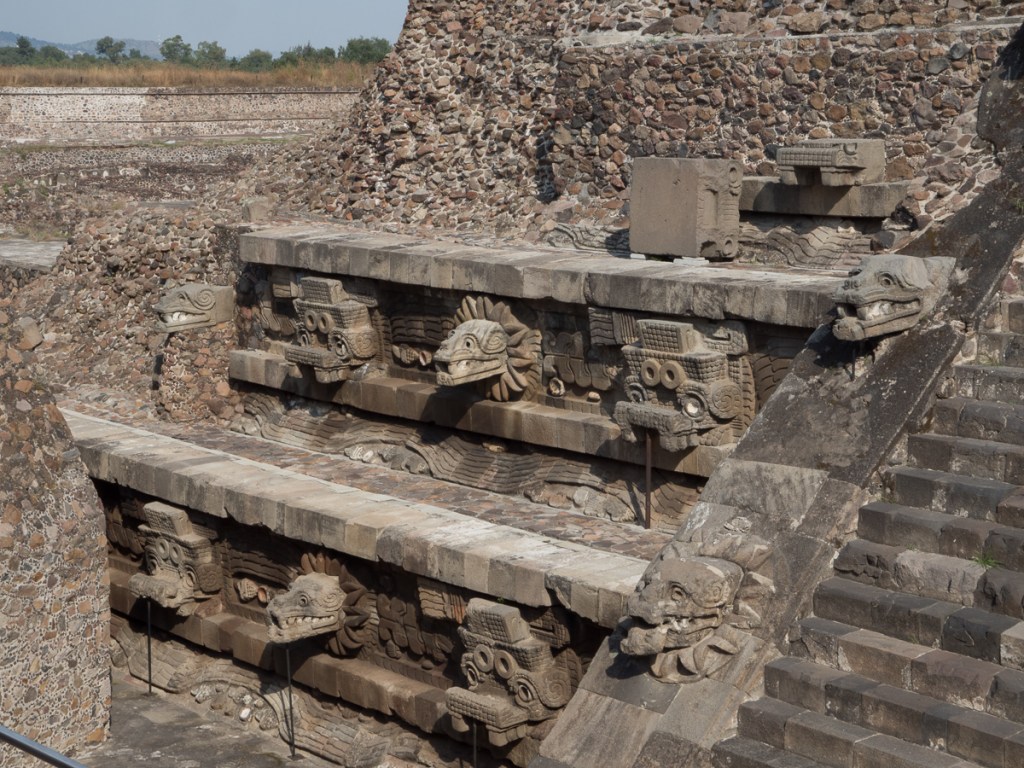
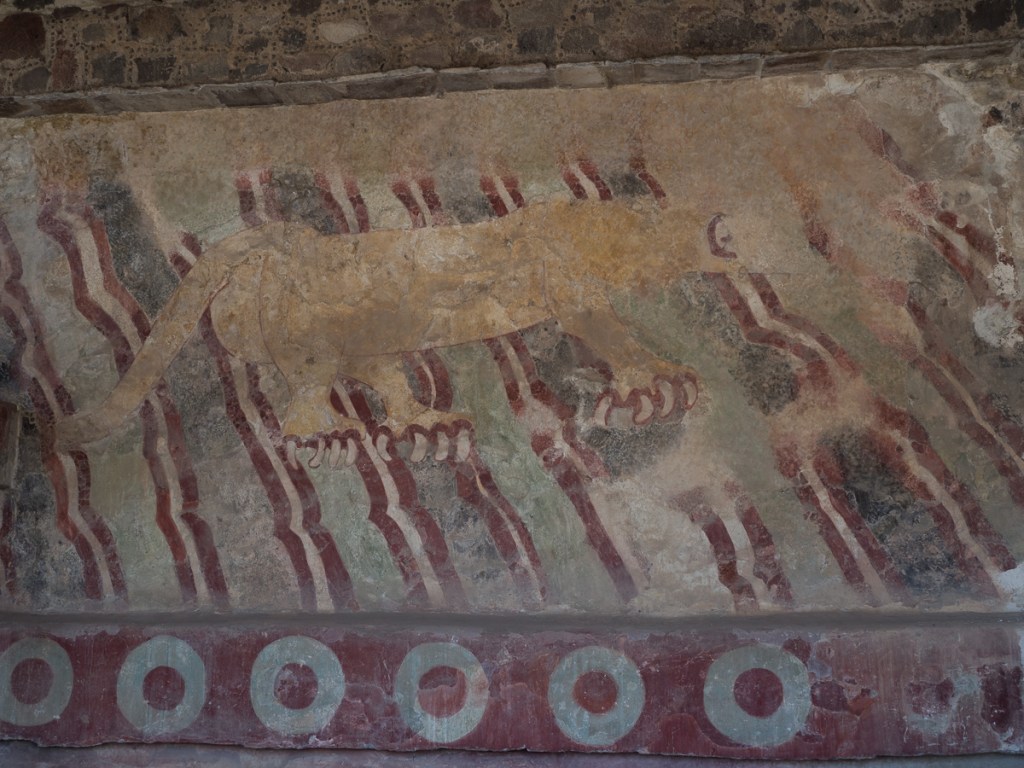
We revisited the following day. This time perusing the site’s own museum which, as well as outlining the history of the site was full of artefacts discovered there, before starting at the base of the Avenue of the Dead. We slowly made our way up the centre taking various excursions to wander around and look in the ruins of the multi family complexes along the way – in awe at the size of the place, estimated as the sixth largest city in the world in its day and how it had collapsed so quickly at its end, around 550CE, having been established in the first half century BCE. The site predates the Aztecs, but nobody is sure who exactly was responsible for it. It was UNESCO listed in 1987. It has many visitors, and possibly even more souvenir sellers and guides. The souvenirs are often attractive, but on motos, we have to resist excess baggage – and dusting once we get stuff home!
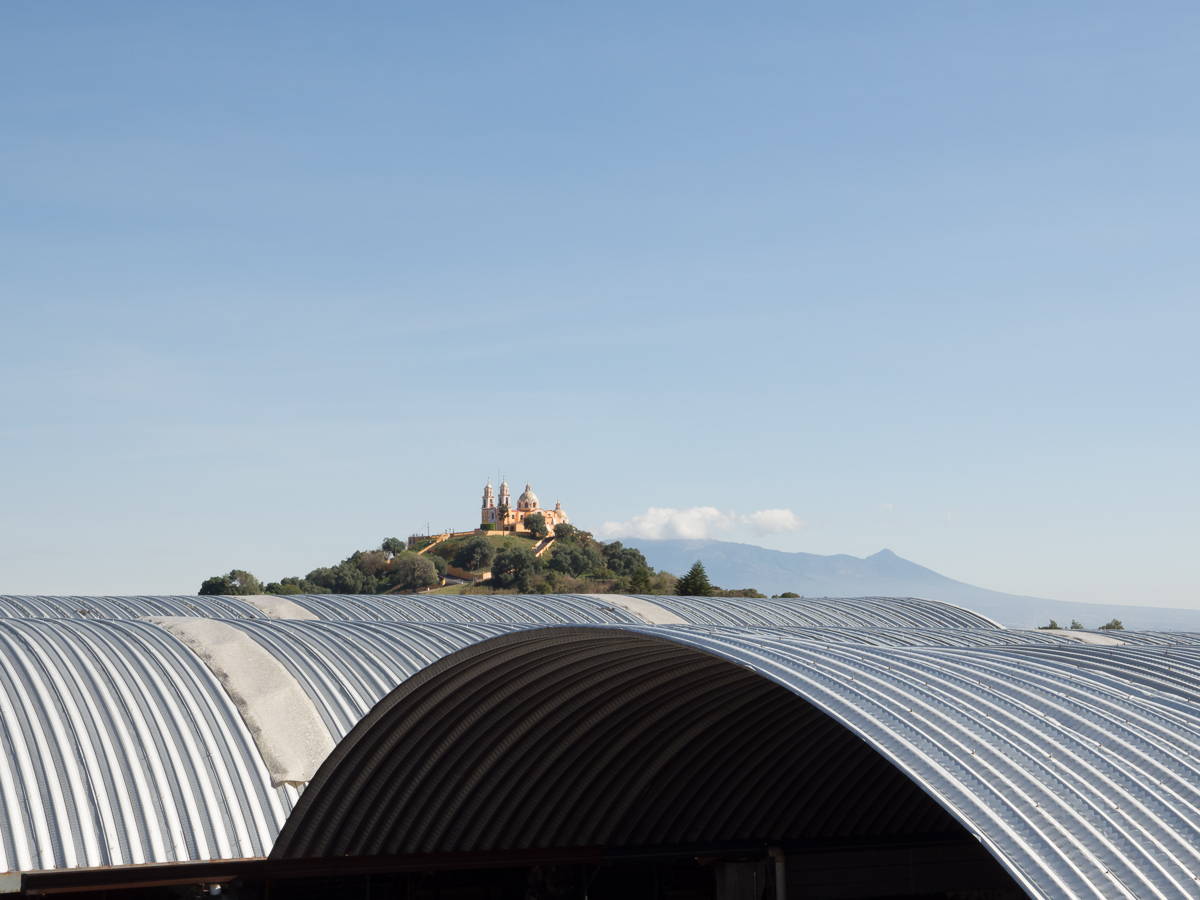
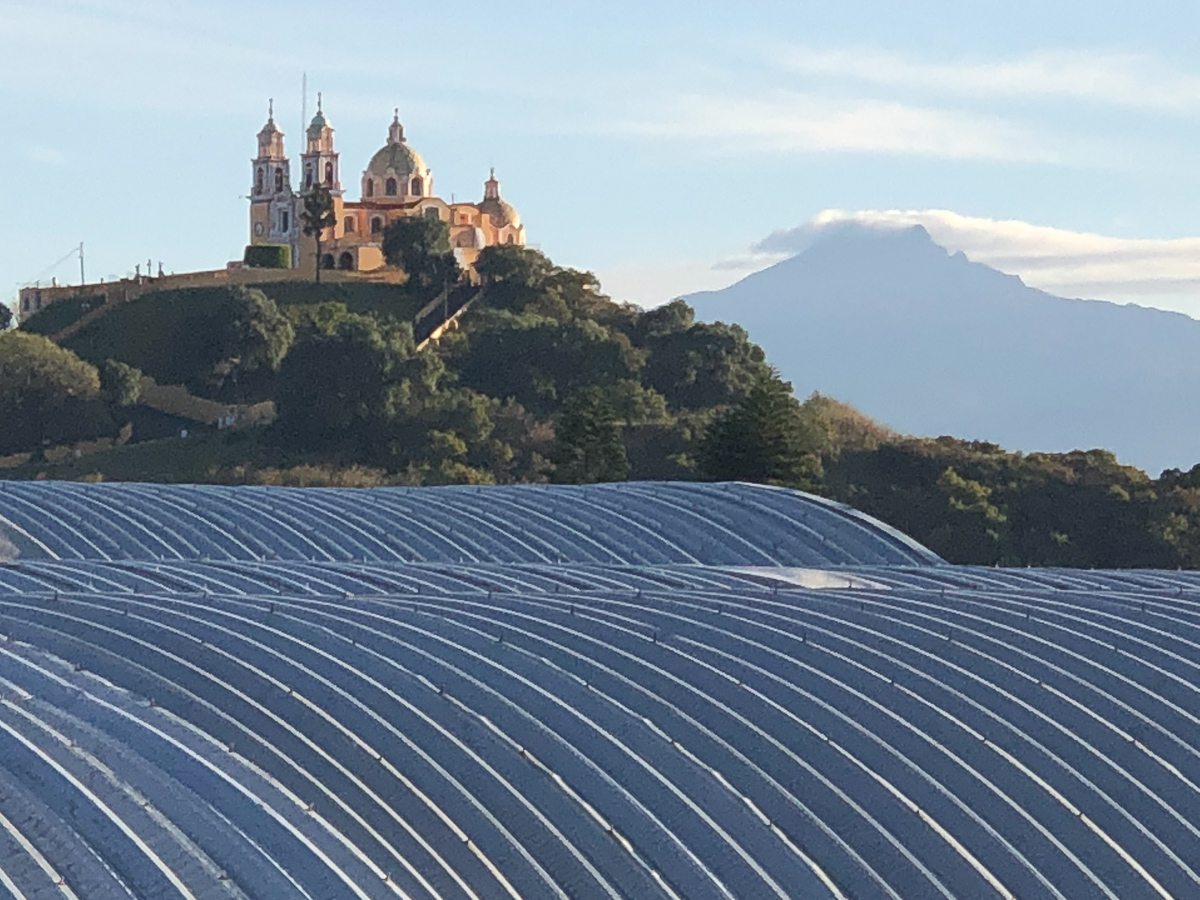
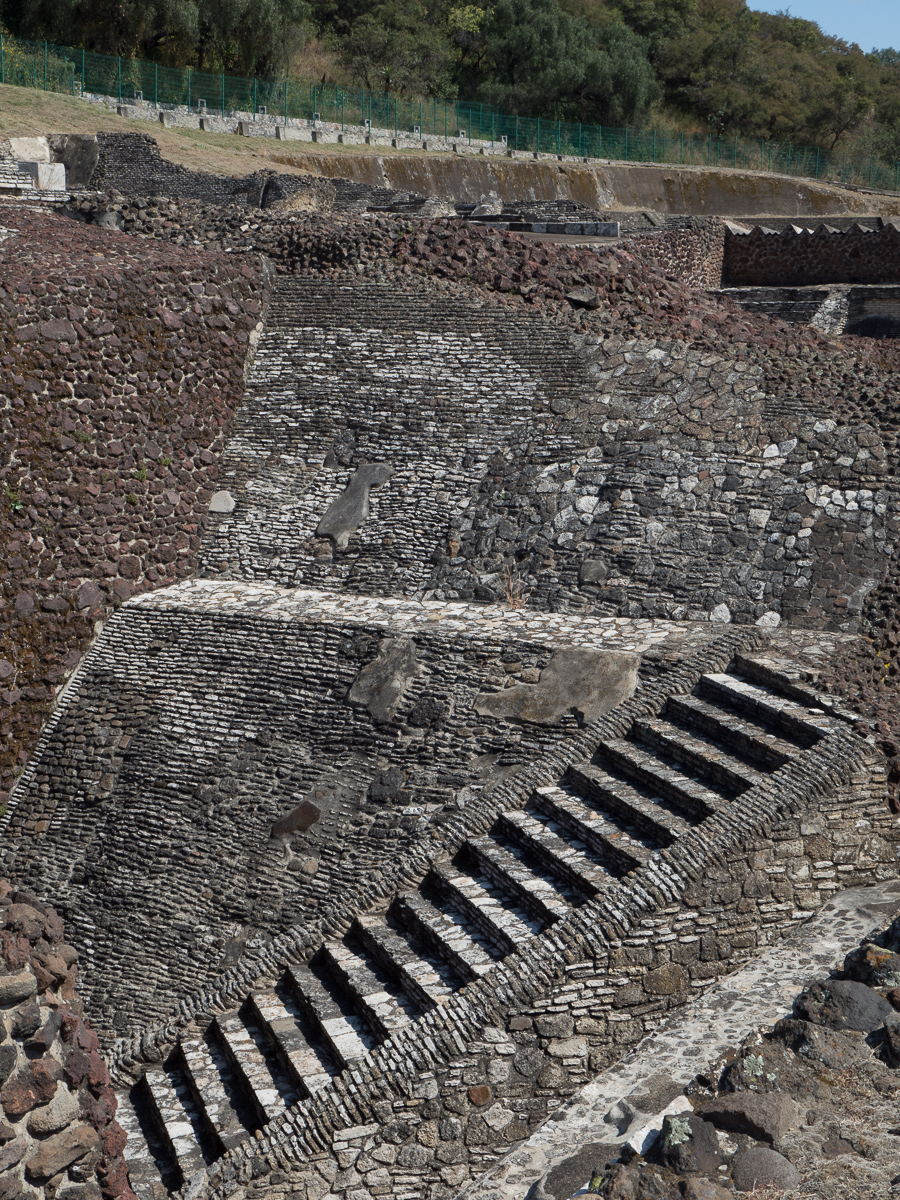
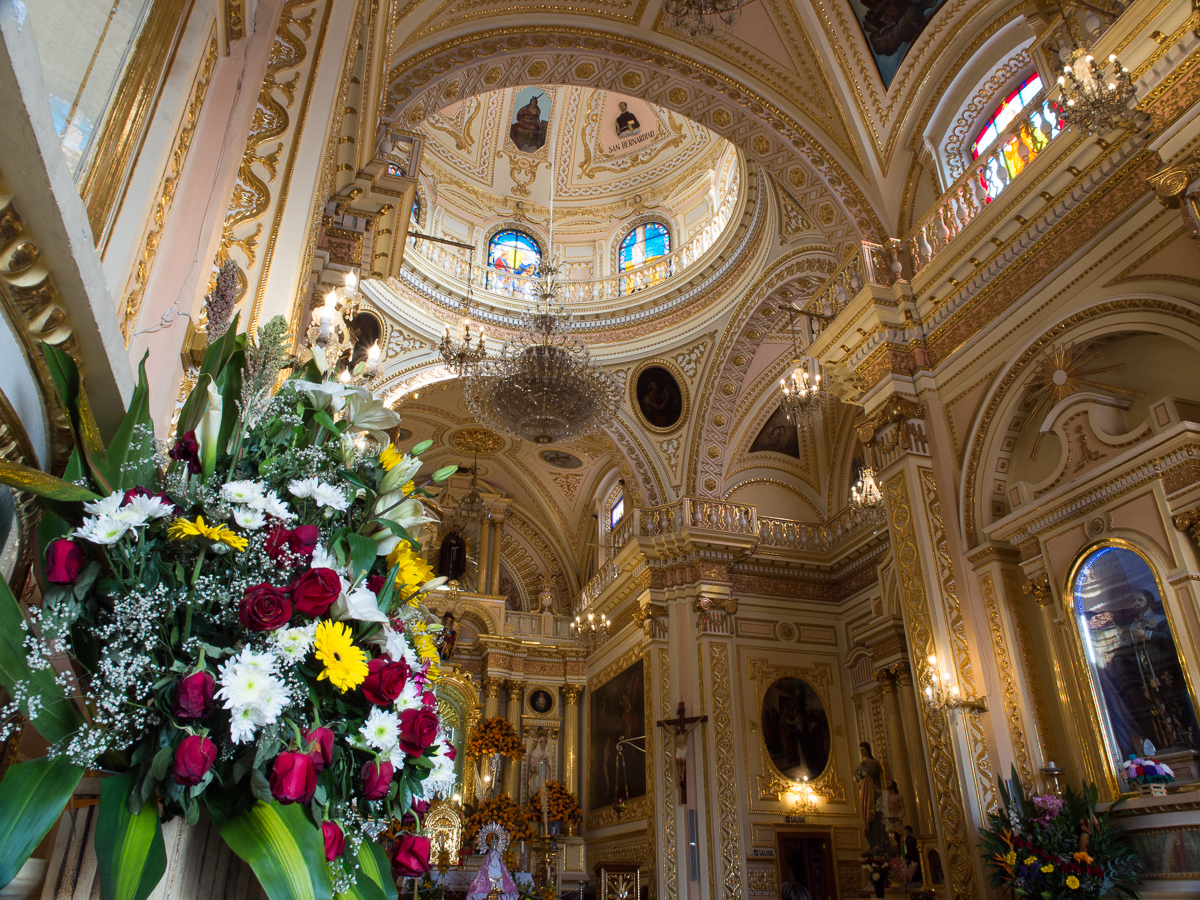
The next on the list was the Great Pyramid at Cholula, with the Catholic chapel on the top. We were full of anticipation for the Great Pyramid and could see the church on top from our hotel window which presented us with the opportunity of getting the classic photo – the church with the volcano in the back ground, albeit with a few tin roofs in the foreground. What a disappointment the pyramid was. It was more ruinous than Teotihuacan which had set the standard. It is the site of 5 pyramids built one on top to the other which detracted from the ability to get a good idea of the structure of any of them. There was very little in the way of signage or diagrams showing how one pyramid interacted with the next. There are tunnels underneath which may help to see the structures but these are now closed to the public as is climbing up steps outside. And, a grumpy, thuggish-looking Mexican (well, we assume he was Mexican!) wanted to charge Gid 15 pesos for the Baño – the going rate across Mexico is 5! So, it is our least favourite ruin.
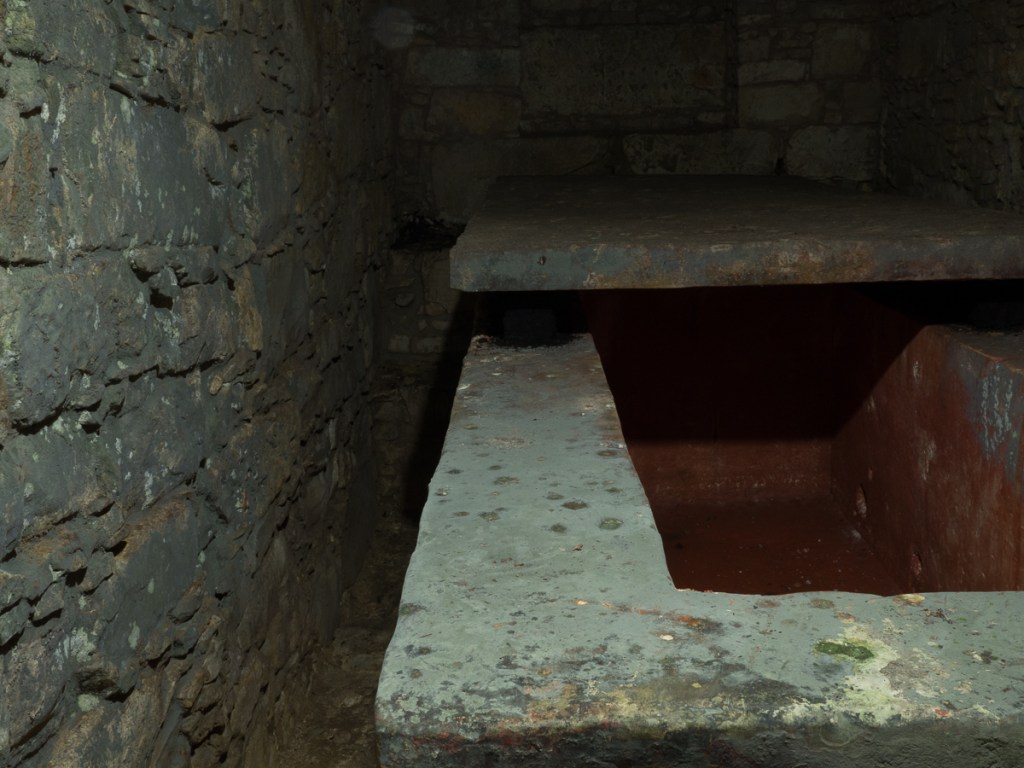
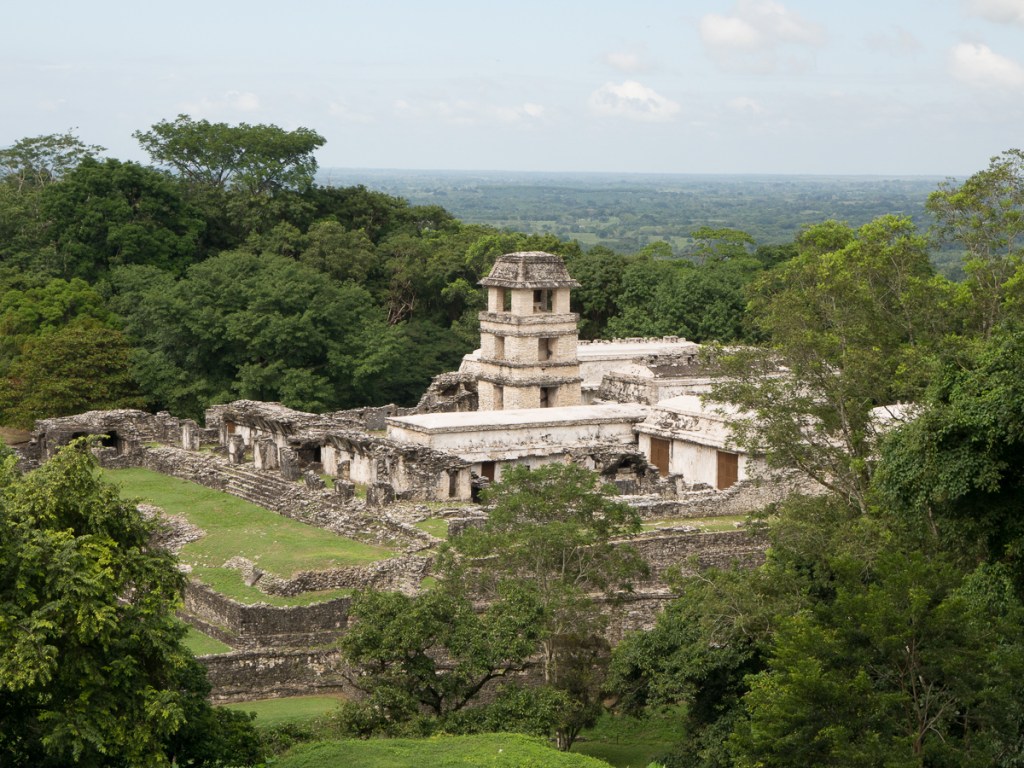
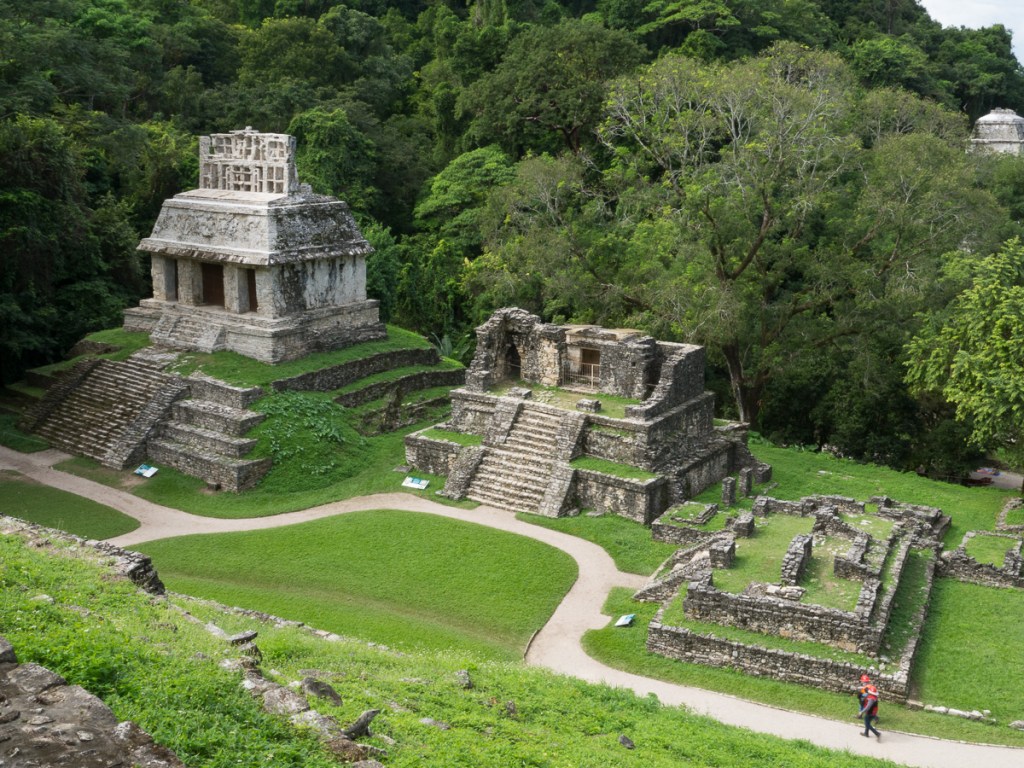
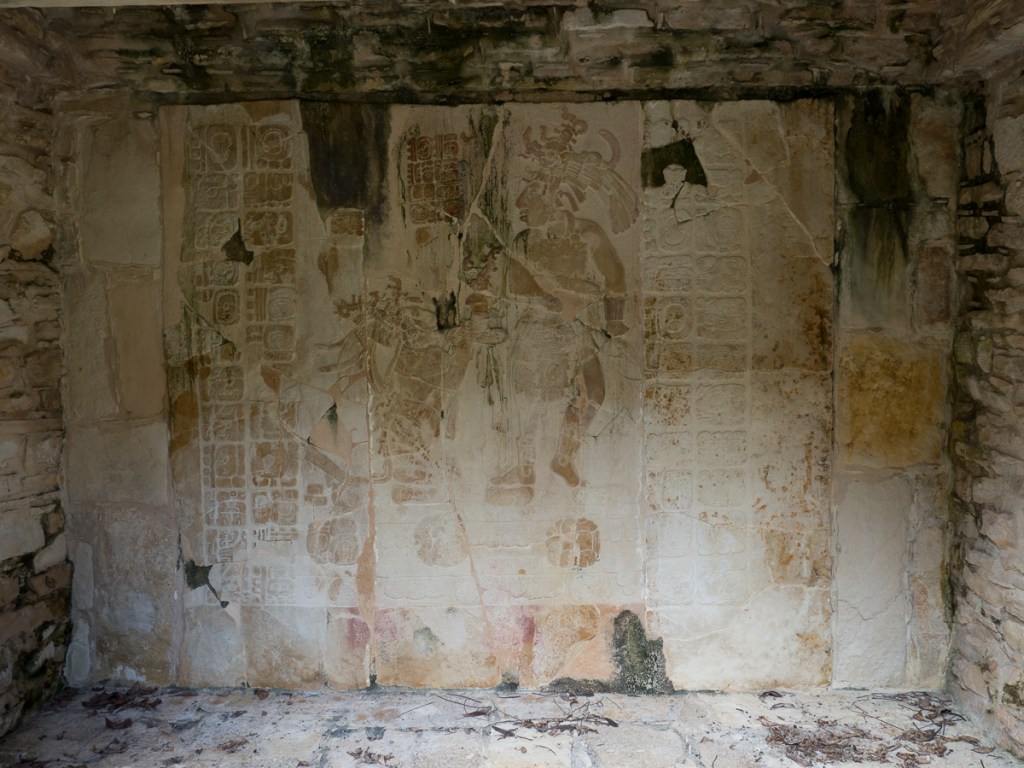
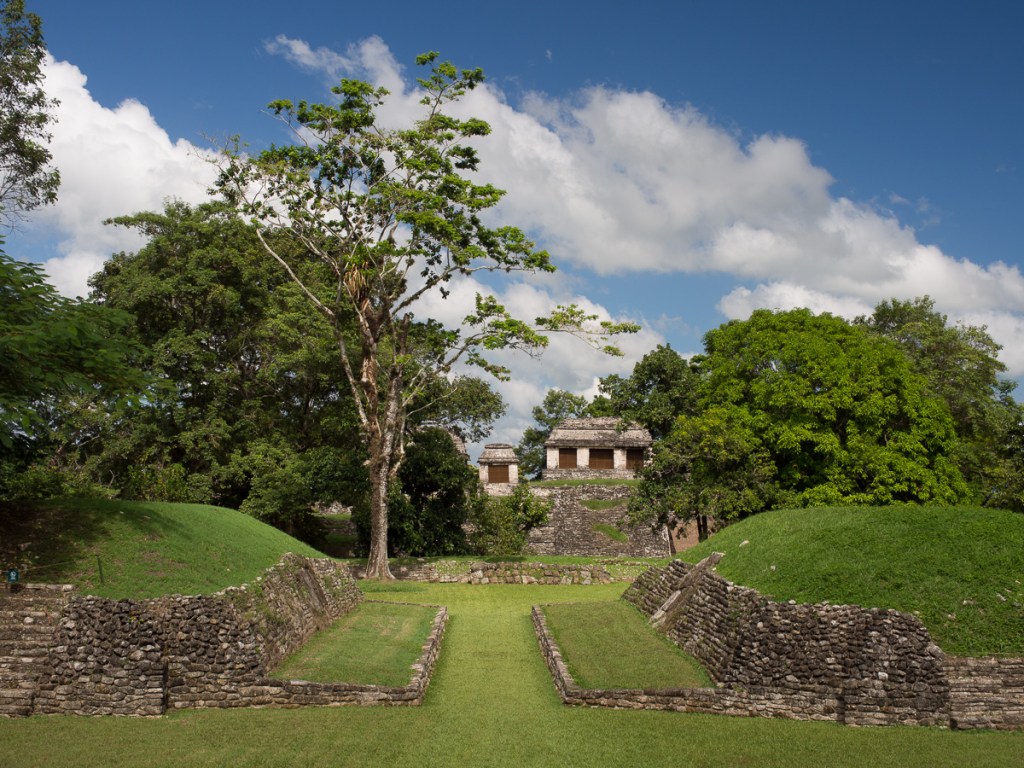
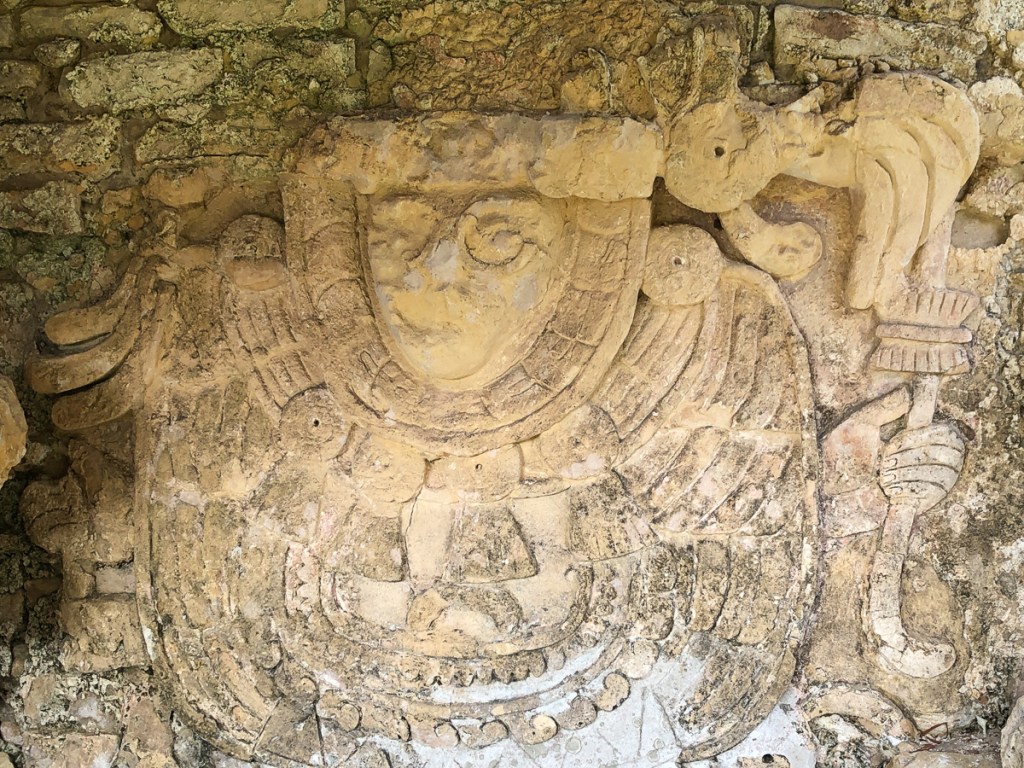
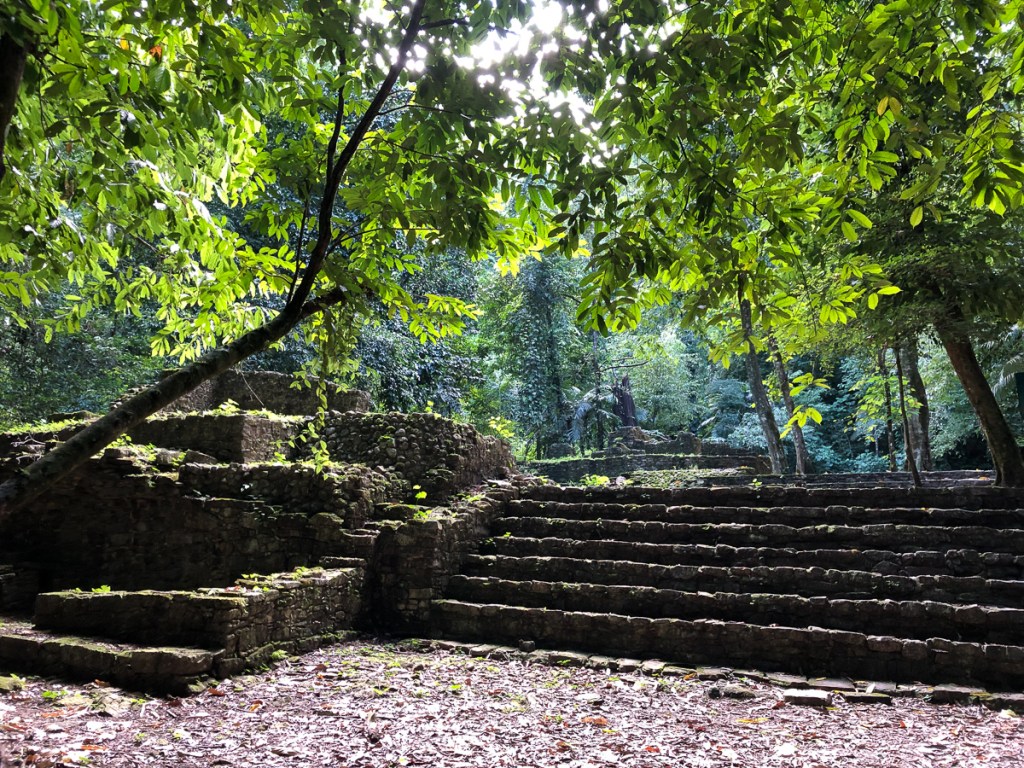
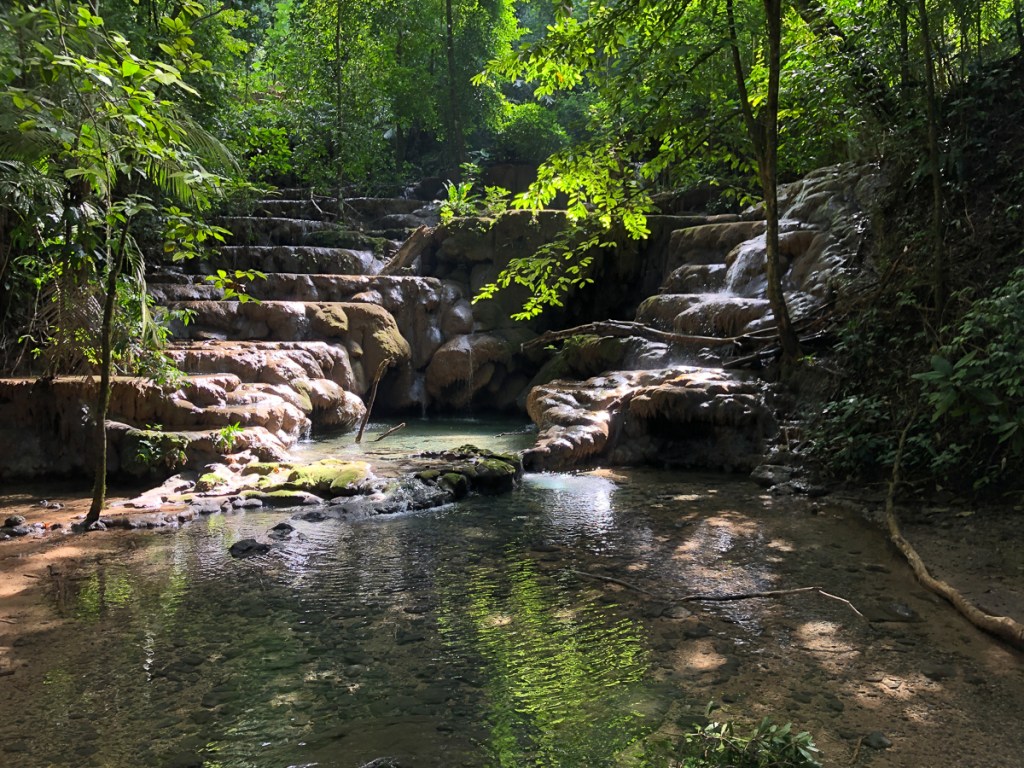
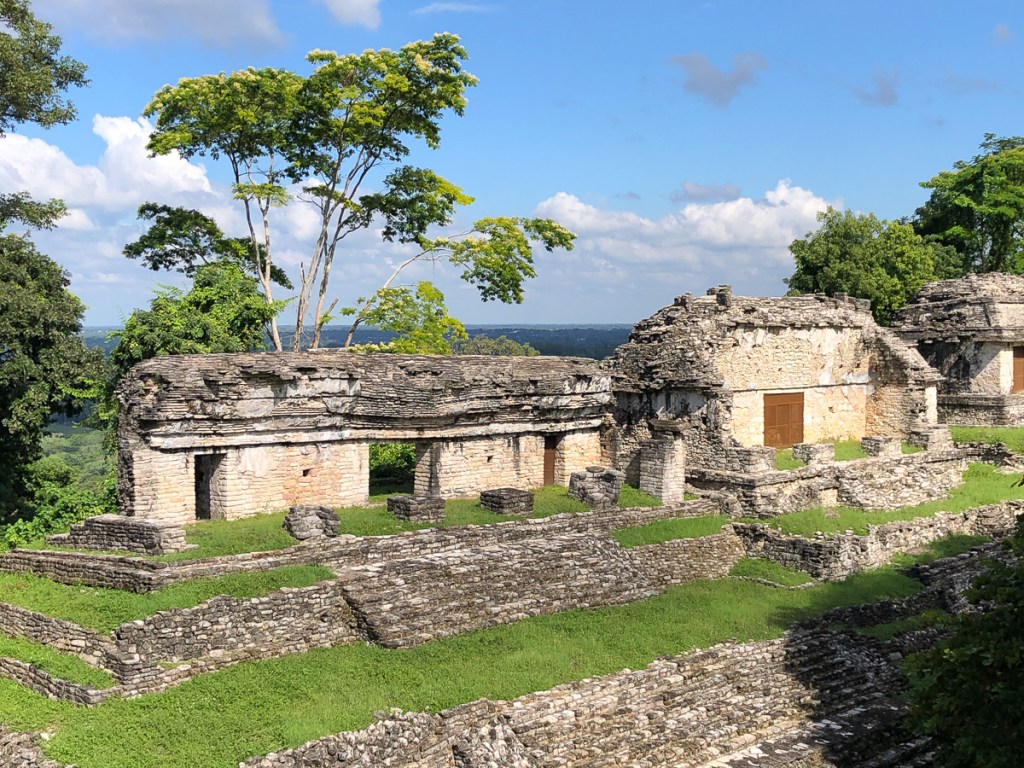
Palenque was next on the list. We decided, as usual, to leave the bikes in the safety of the hotel ‘private’ parking and catch a ‘collectivo’ (shared taxi) to the ruins. One appeared almost instantly as we reached the kerb but had the wrong destination displayed. Clare’s Spanish managed ‘No, gracias, ruinos’, where upon he whipped down the sign and stuck up ‘Ruinos’. Sorted then. We jumped in. Another well developed site: Much of the ruins are roped off to stop visitors clambering everywhere (which seems fair enough – sandstone and old stucco are quite soft). The ruins were beautiful and in a good state of repair. The excavated ones, that is. The site is huge, and only a small proportion has been dug out of the jungle. The sites we’d seen before had been in drier terrain, but this was definitely jungle. One big structure had an area open to the public to go and look at the tombs inside. The queen and her ladies in-waiting, situated on either side, each had a tomb. Waiting on the queen must have seemed like a good job until she died. King Pakal’s mausoleum remained closed – though we’d descended into the reproduction in Mexico City, at least, Gid had.
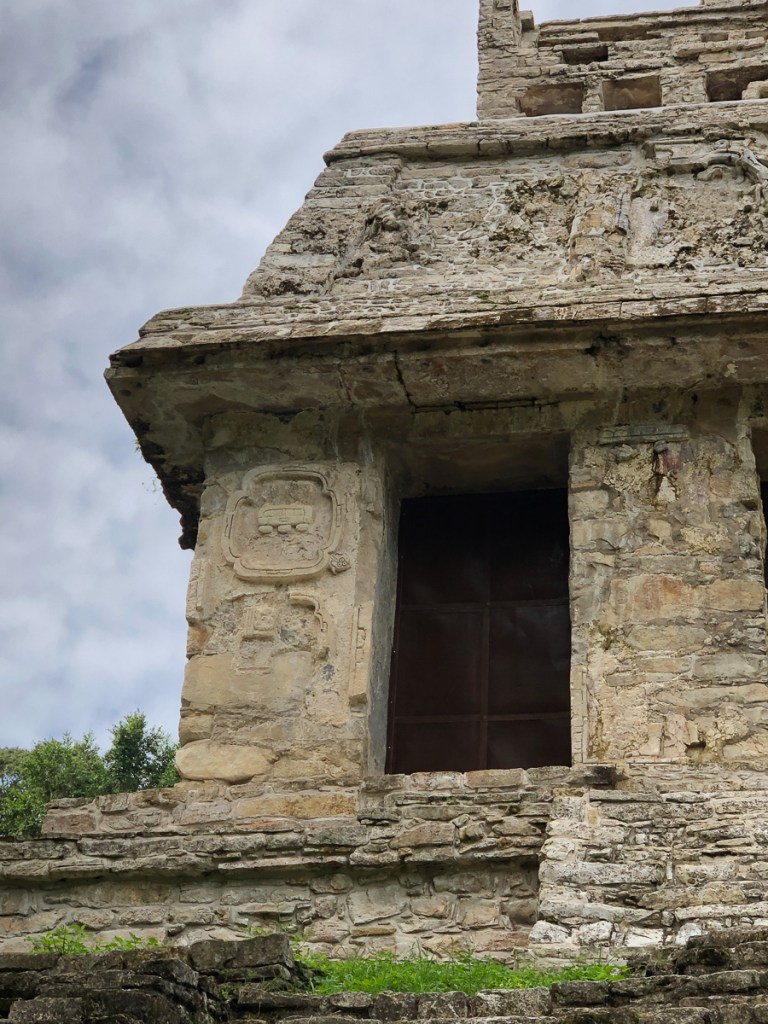
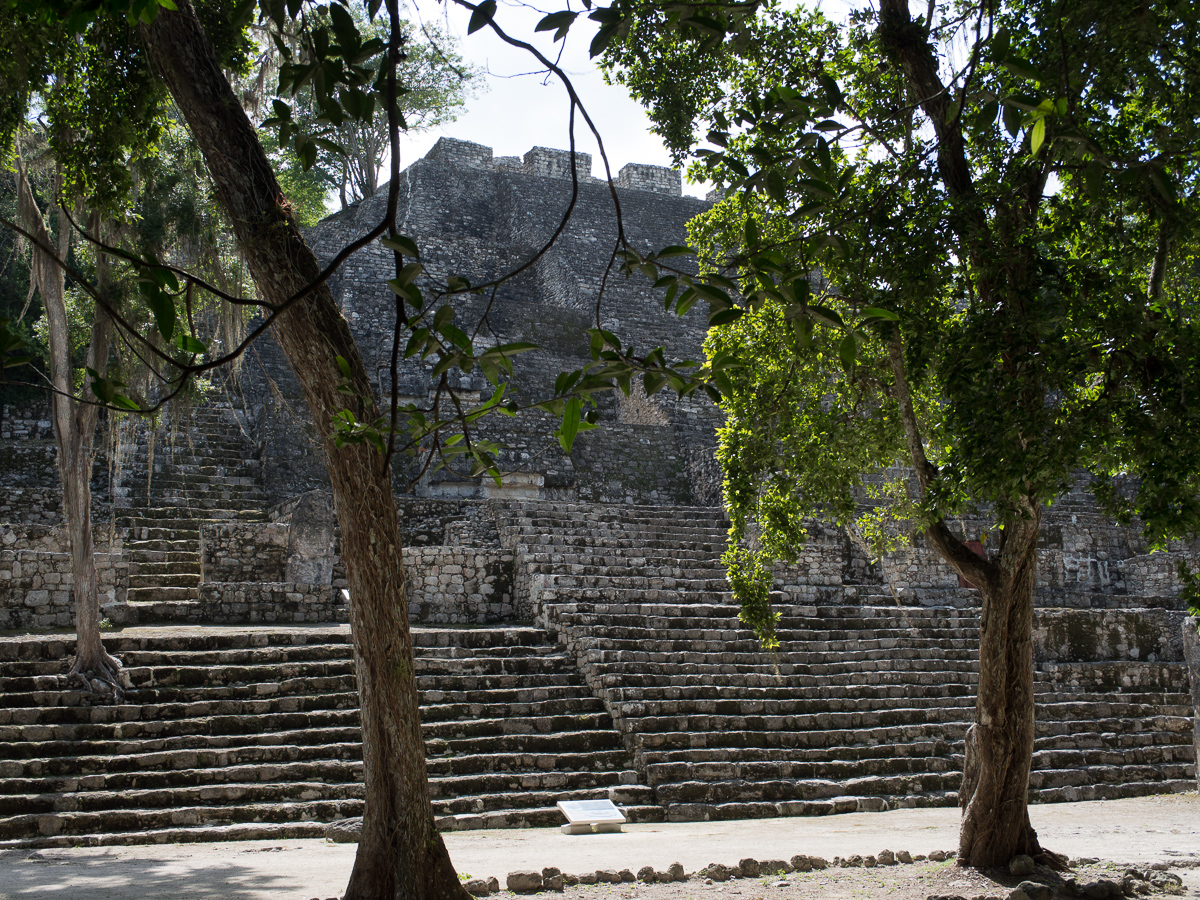
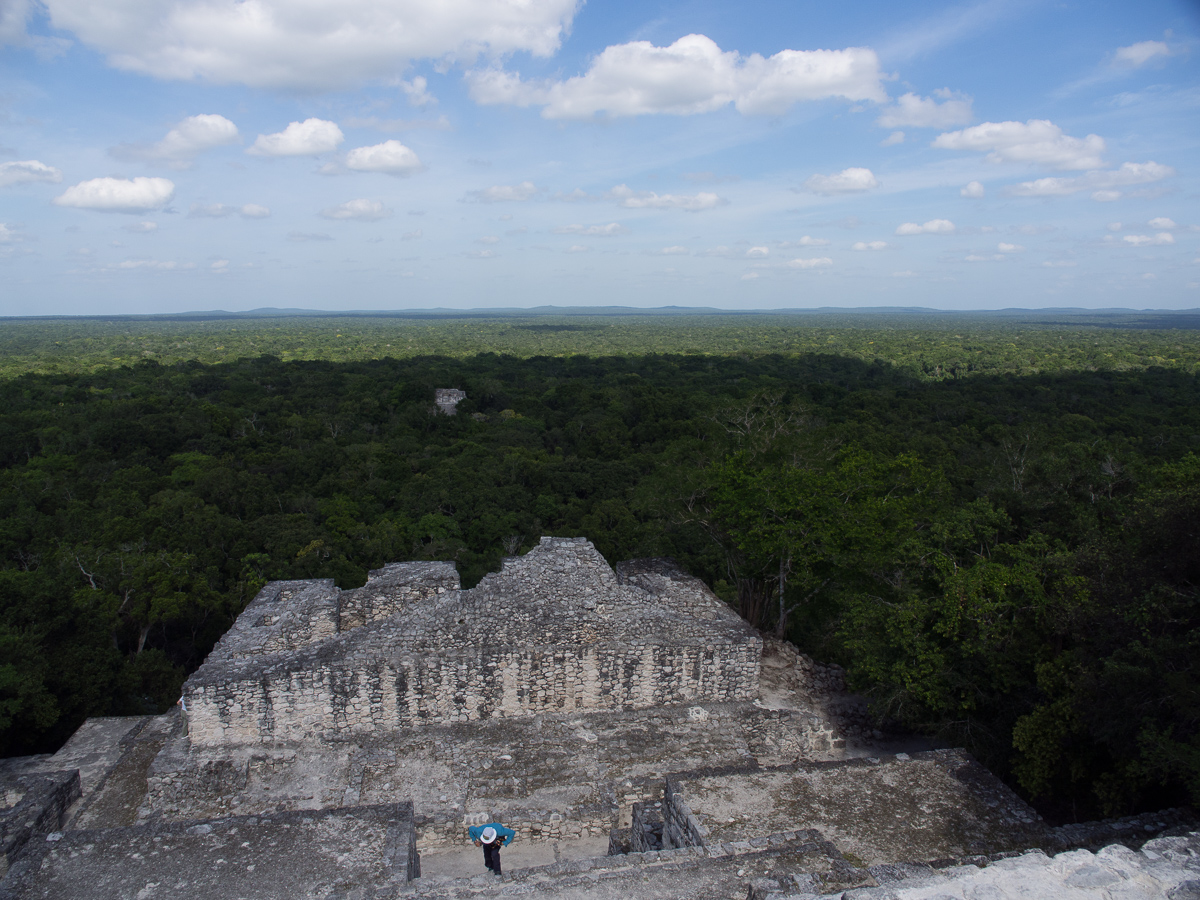
Calakmul – With zero budget accommodation nearby, it took us 1 1/2 hours to ride to the site from our hotel in the nearby town of Xpujil. We had failed to read, at the bottom of the sign in our room, that it was currently shutting at 13:00. Neither of us had noticed it on any of our other research. Gid stumbled across the information when downloading a site map as we were setting off out of the door. With the 90 mins to get there we’d have 90mins at the site. We decided to do it anyway.
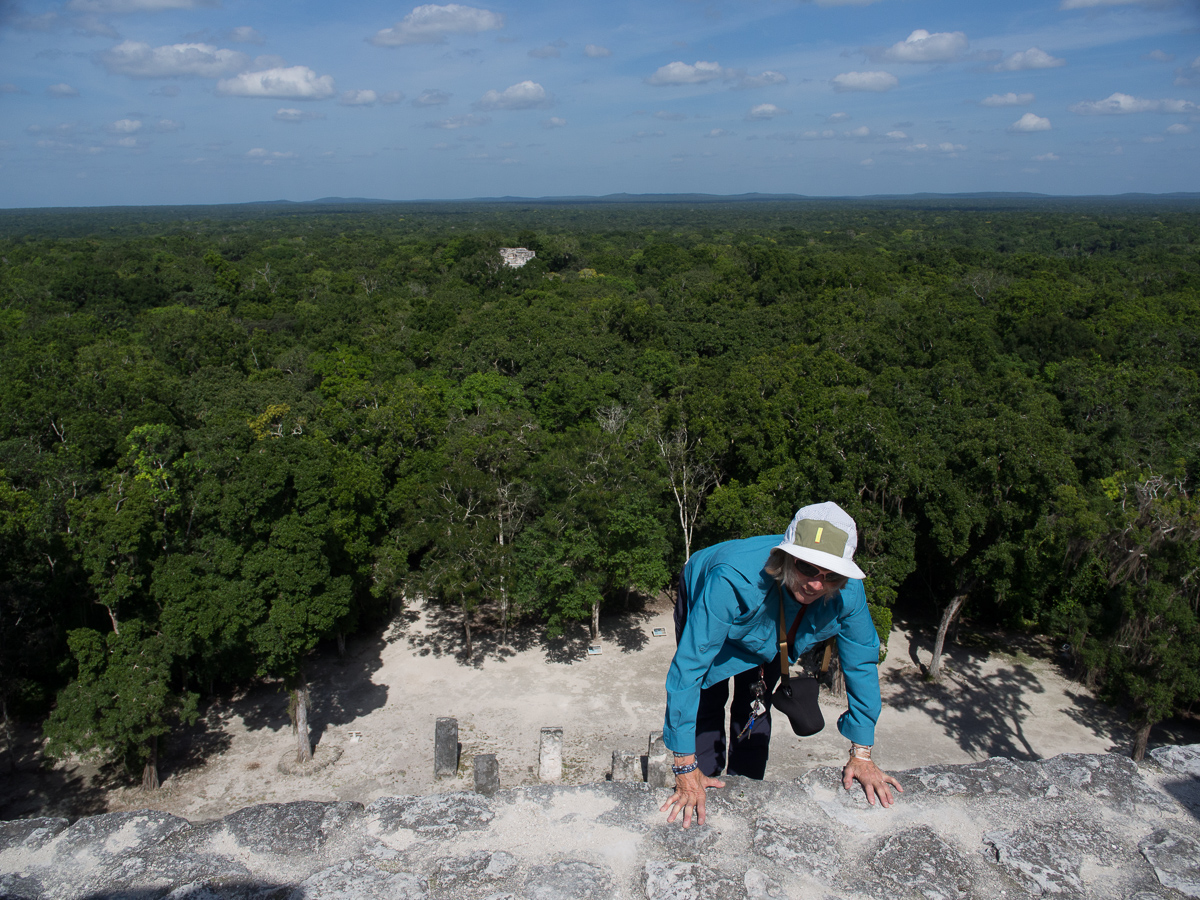
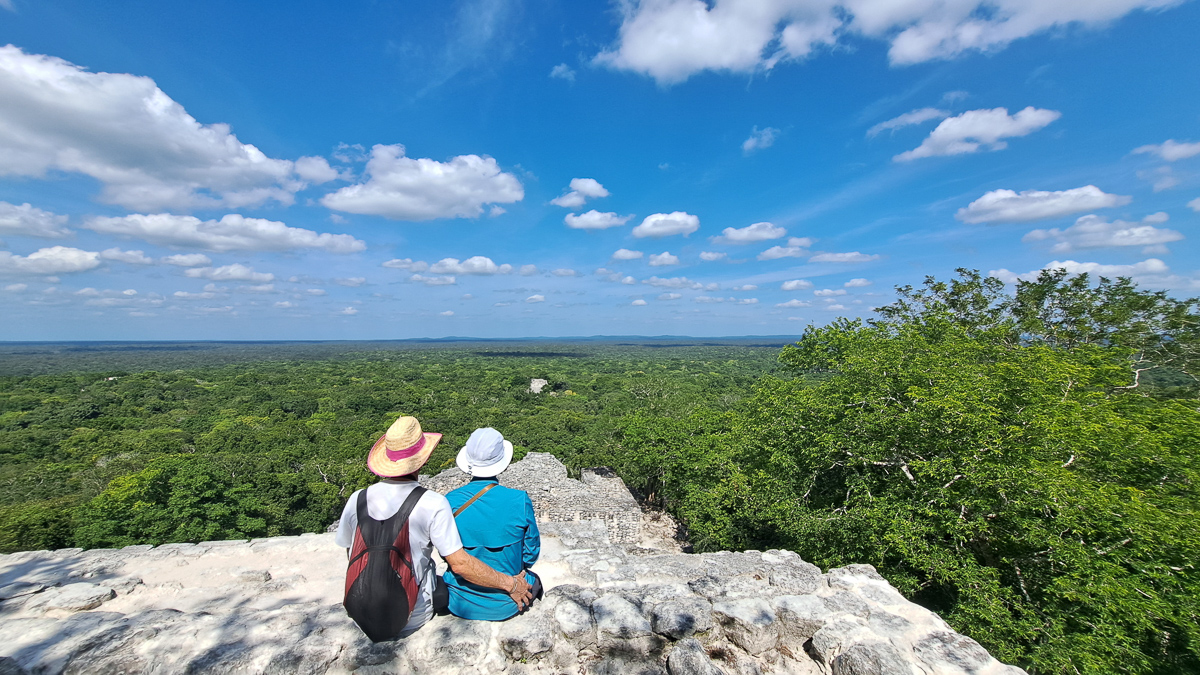
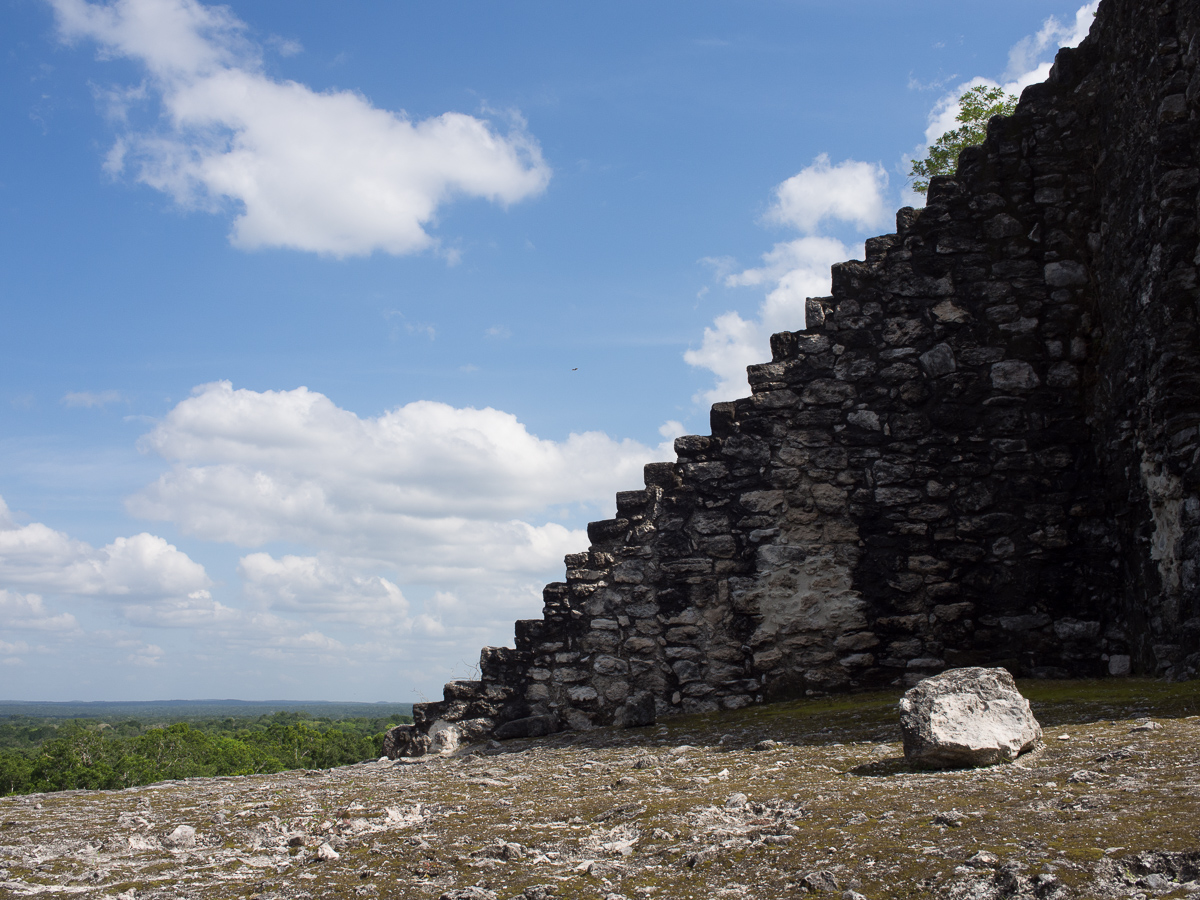
The site hit the to-do-list because of its isolated location and the fabulous views across the top of the jungle. We were allowed to climb all over these pyramids unlike the more famous sites but we didn’t have much time there compounded by the weaving route in the jungle to find the ruins.
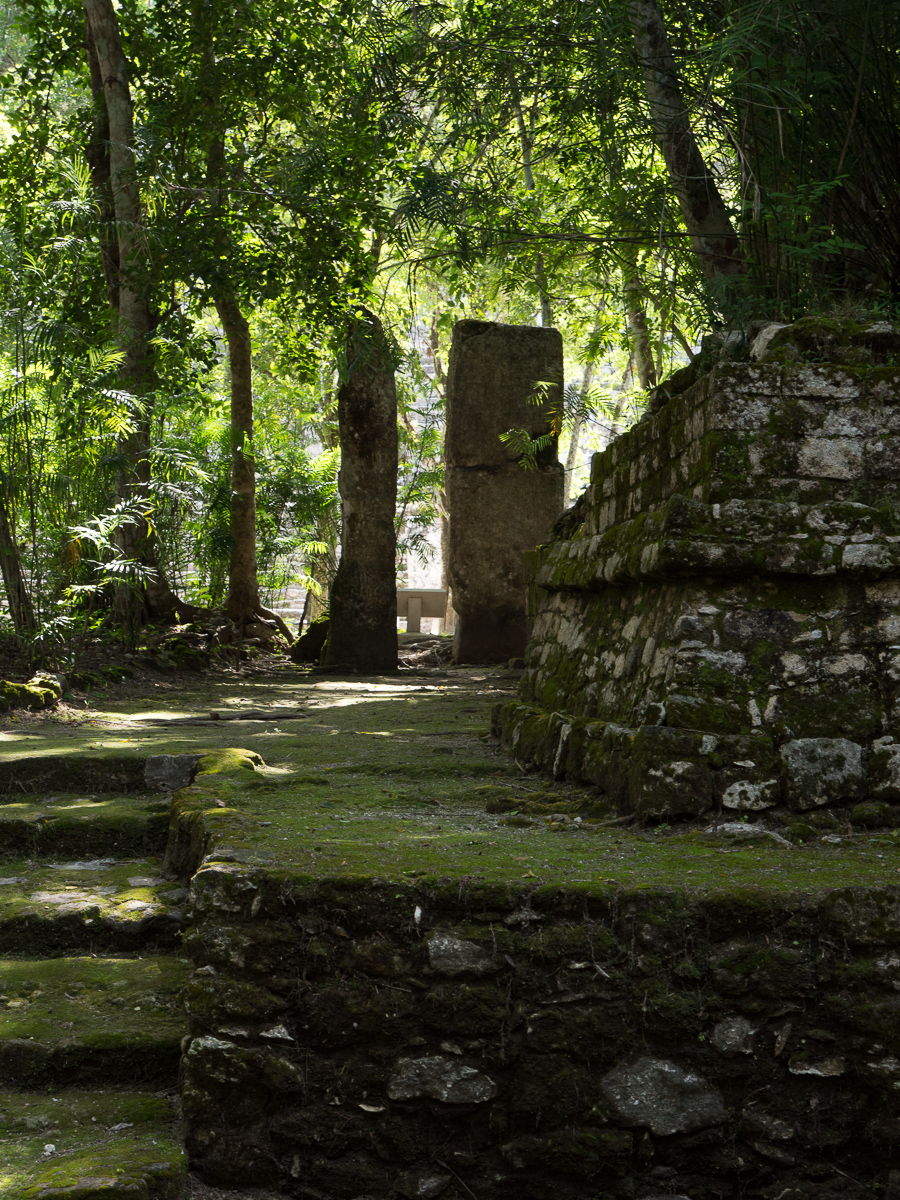
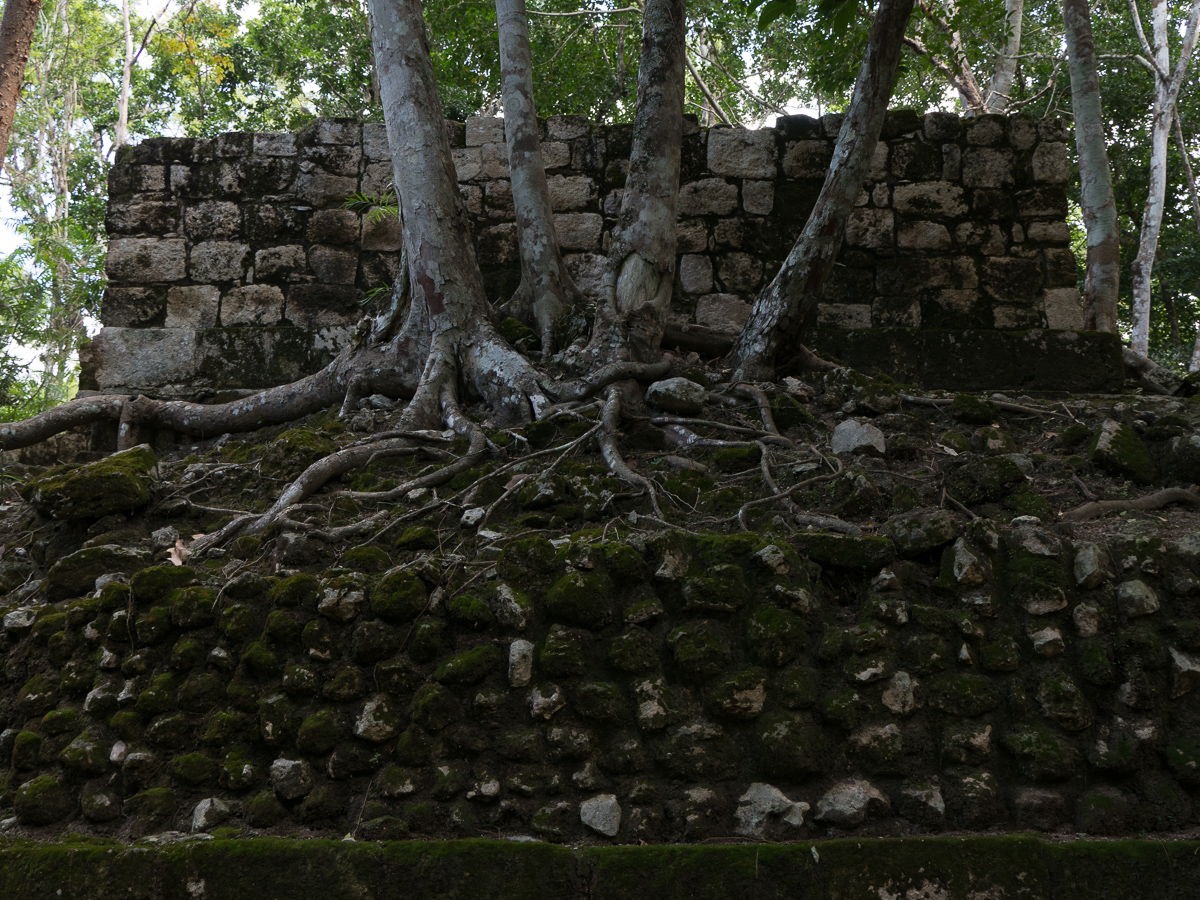
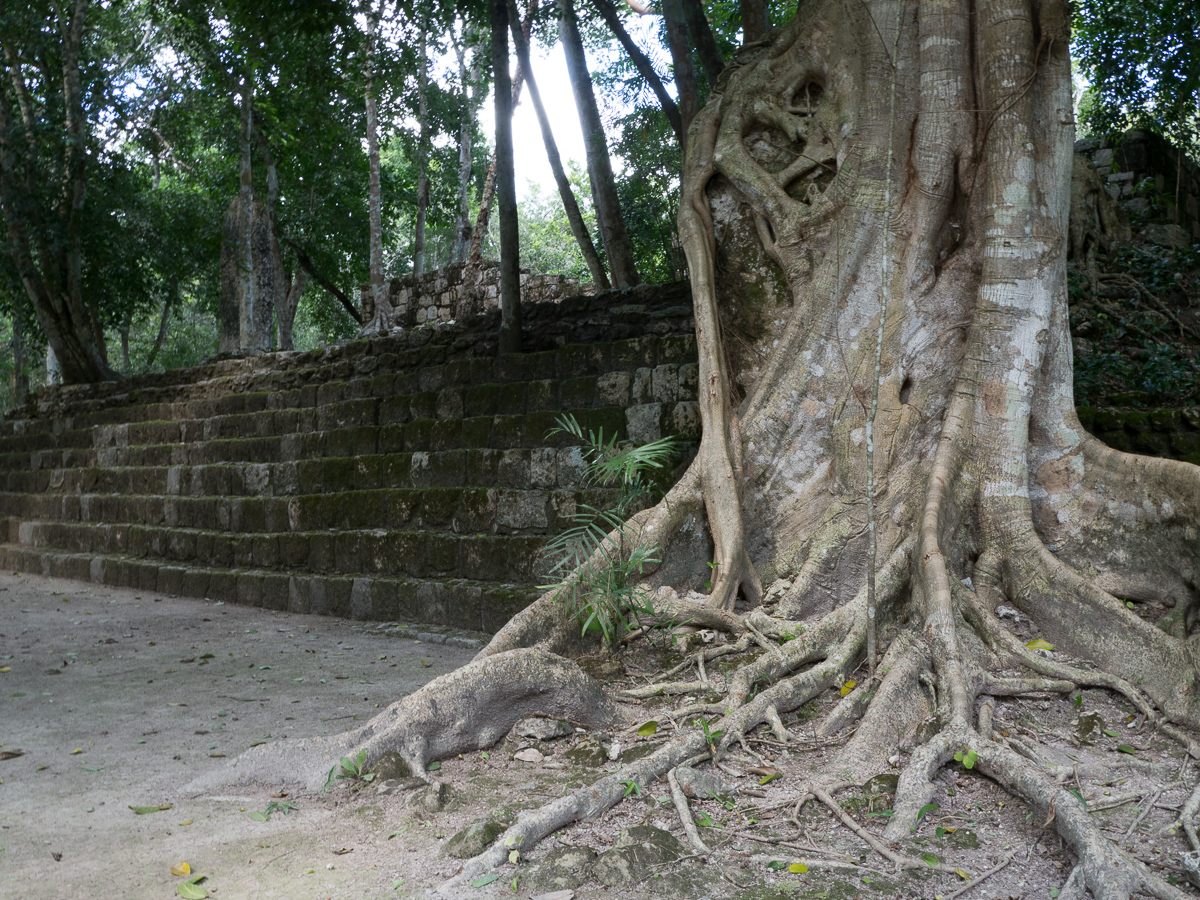
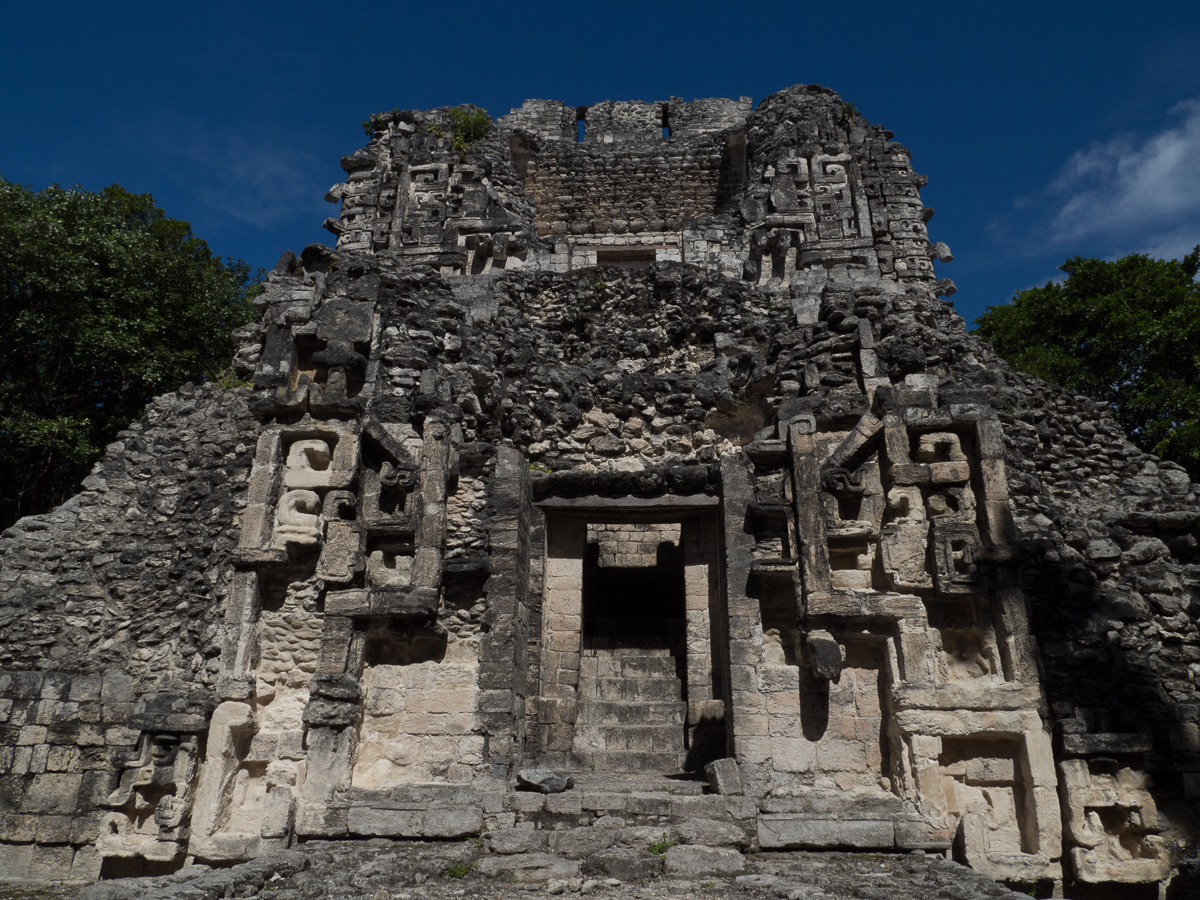
Chicanna – built around 850 AD. One of hundreds, if not thousands, of minor sites, this was no honeypot. We overlapped with one other tourist, and there were maybe three staff – no souvenirs. The Mexican government, as always, charged a very reasonable ~100 pesos to get in (about £4). A fabulous place. They were a much smaller set of pyramids than the other sites we visited. We read the signage and scampered (carefully) all over the ruins. For 30 peaceful minutes we sat on top of a small structure, at the height of the top of the jungle. To our right, a bat falcon polished off something more like a small chicken than a bat, and on a path ahead of us a grey fox lounged in the sun. Perfecto. Then in the evening we rode on to the “bat volcano”, and watched 3 million bats stream out of a cave at sunset.

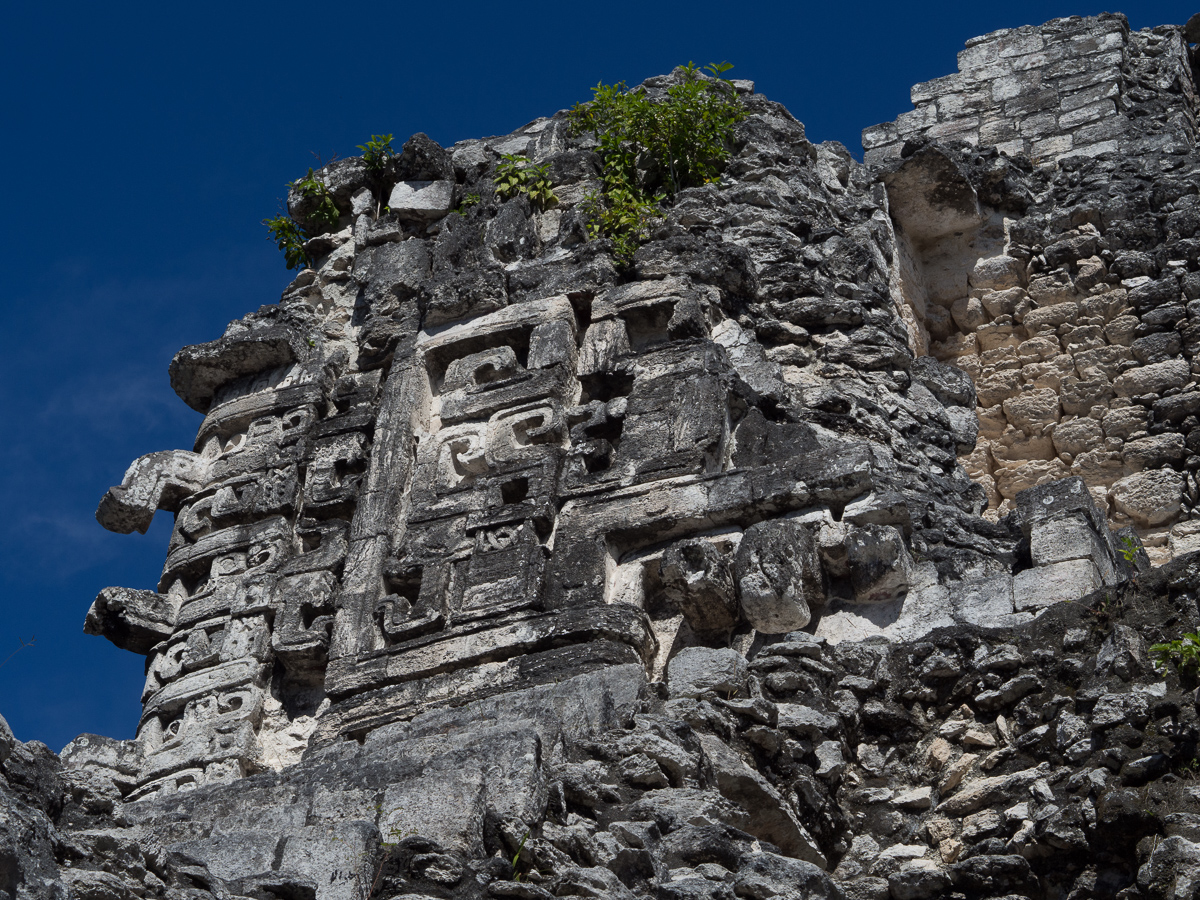
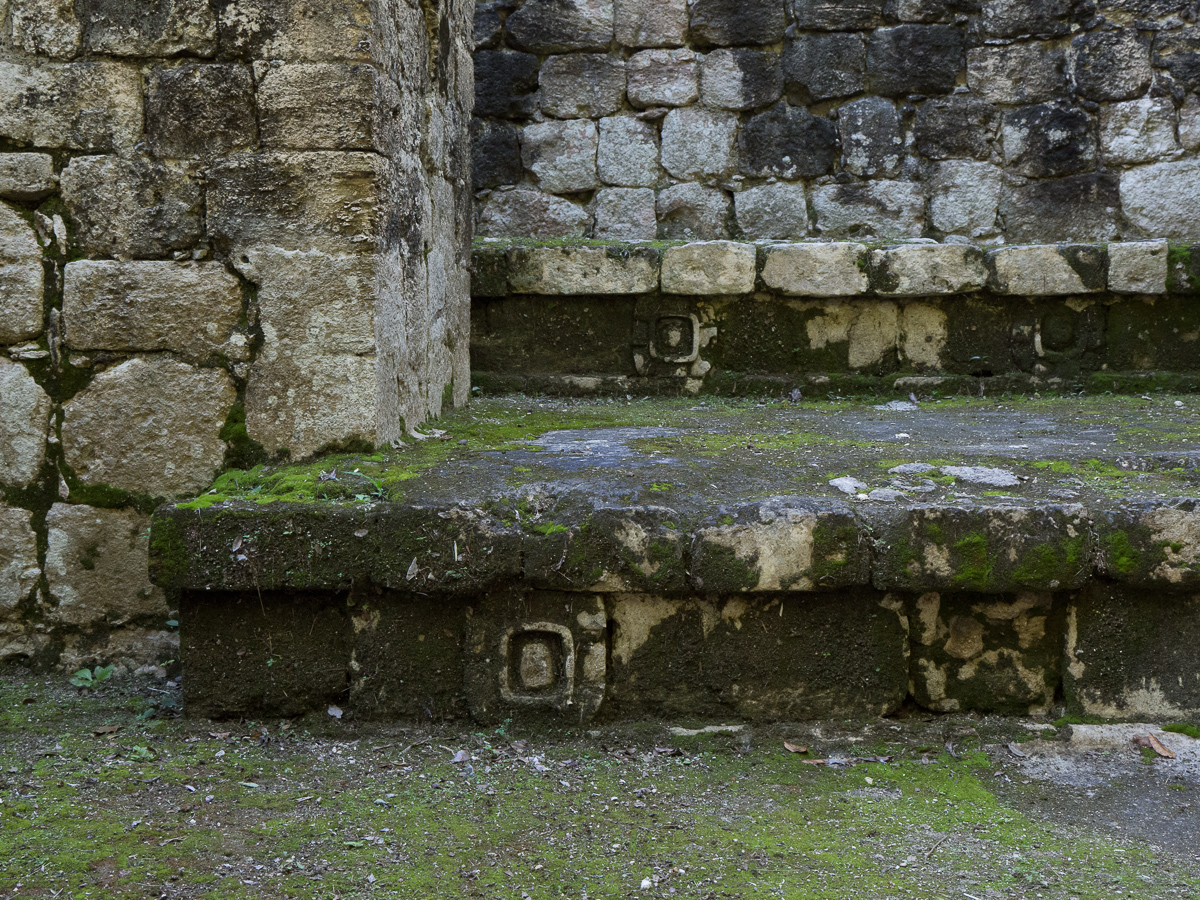
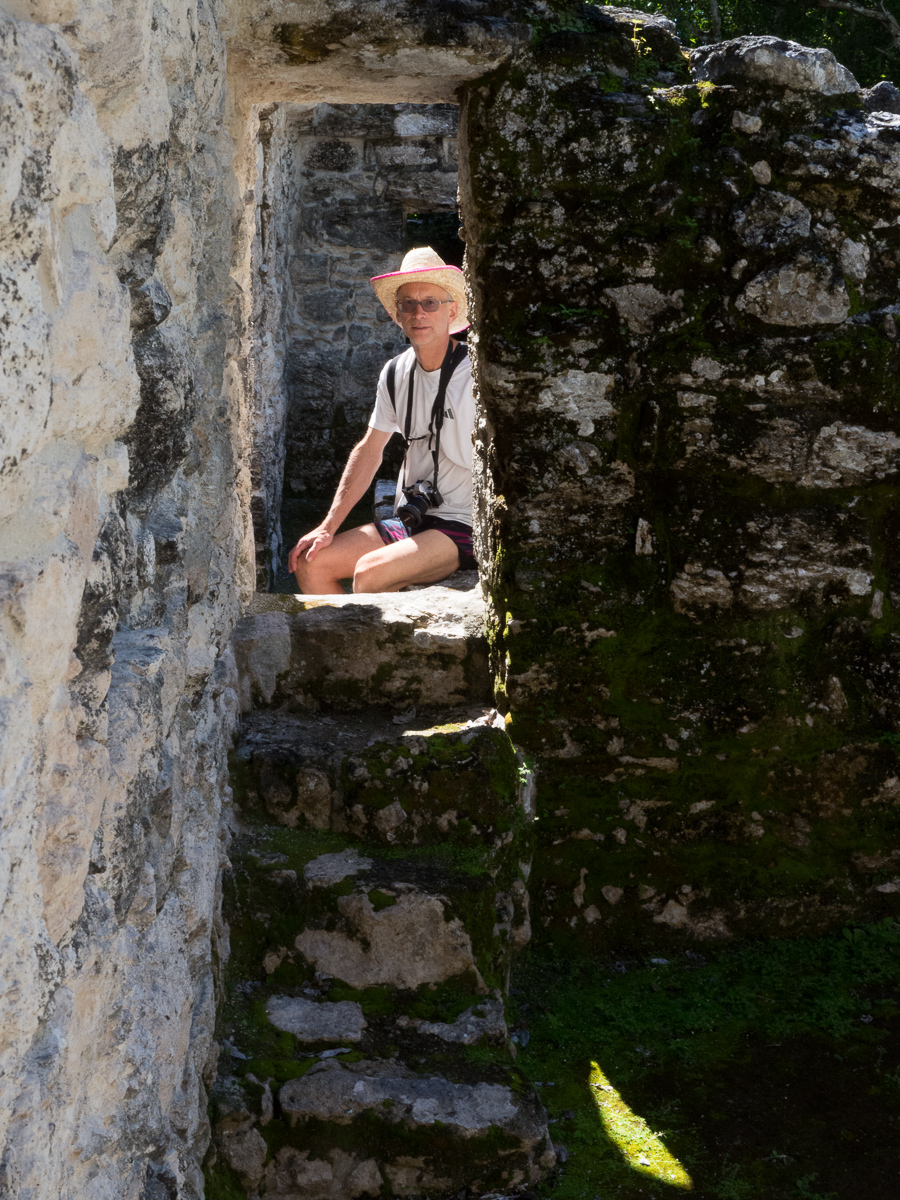
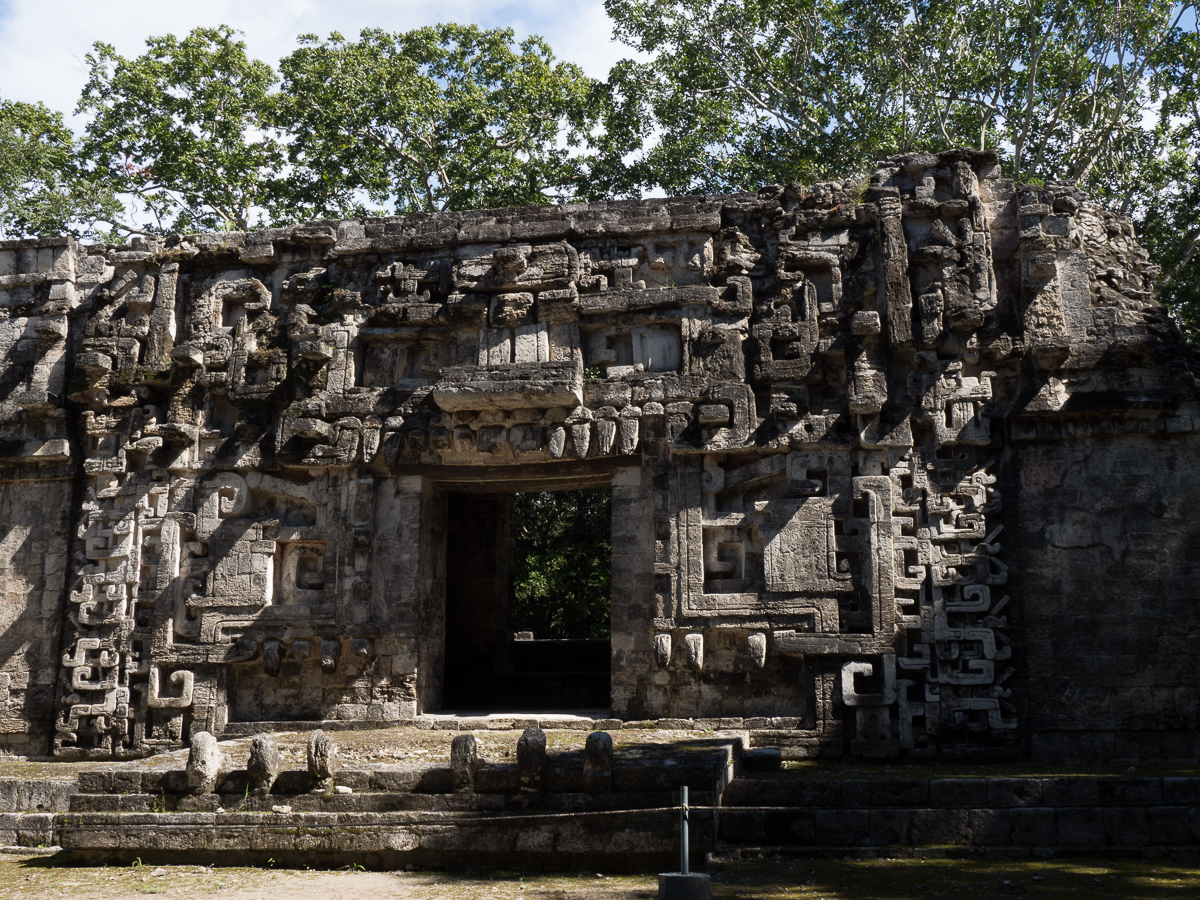
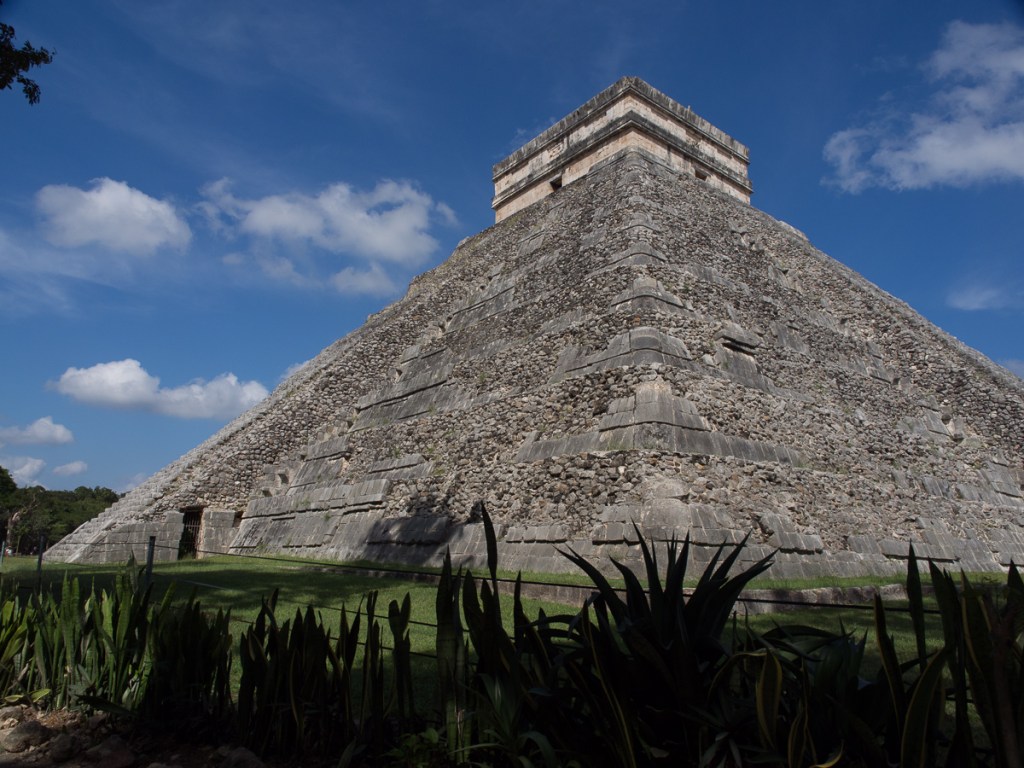
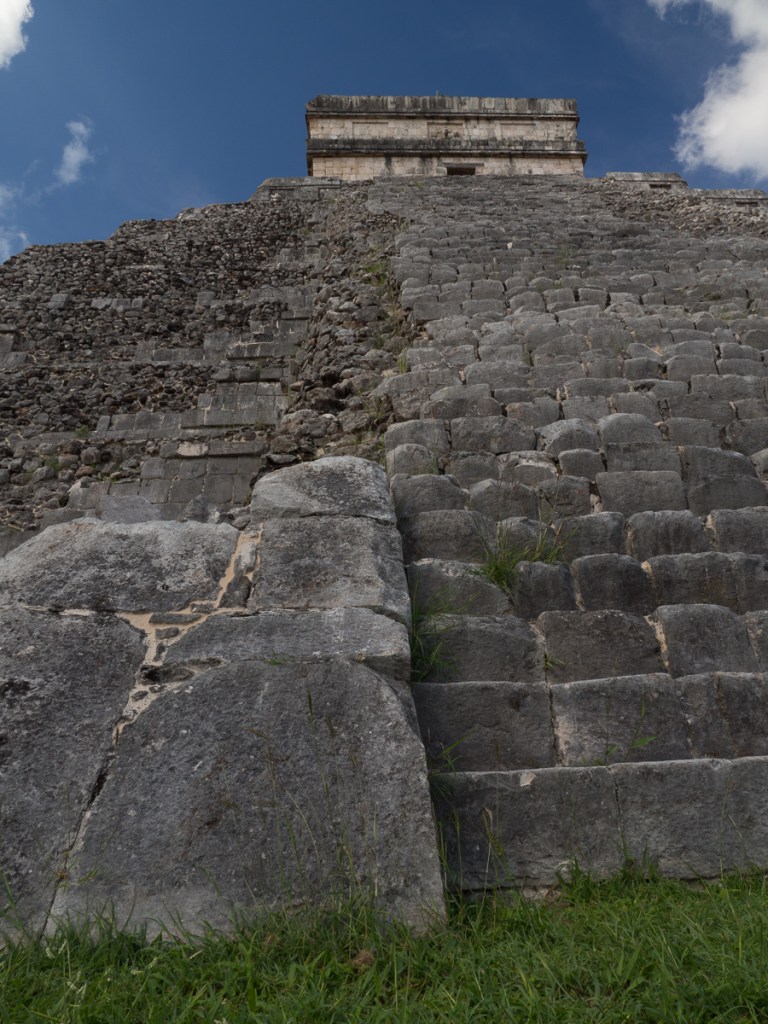
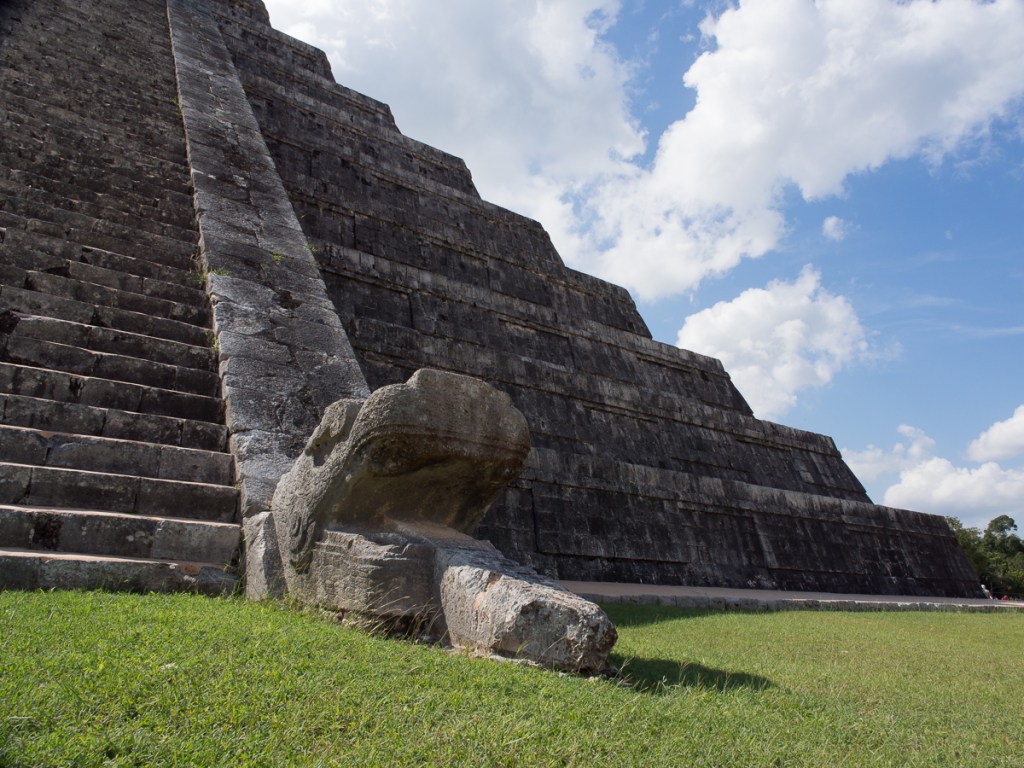
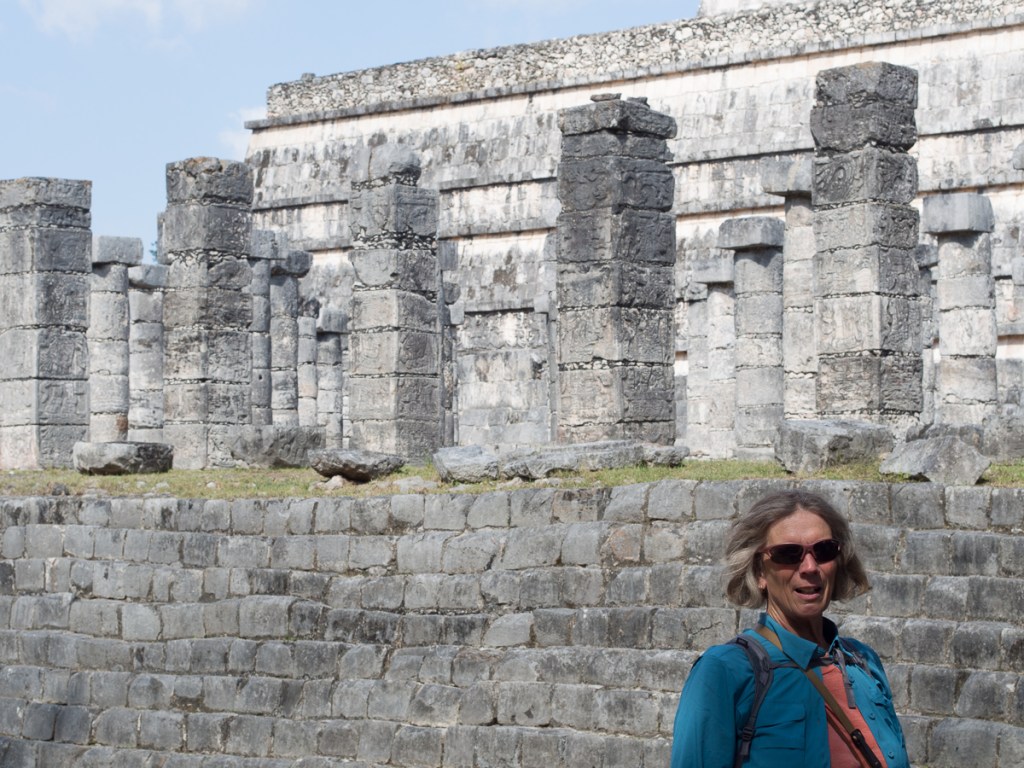
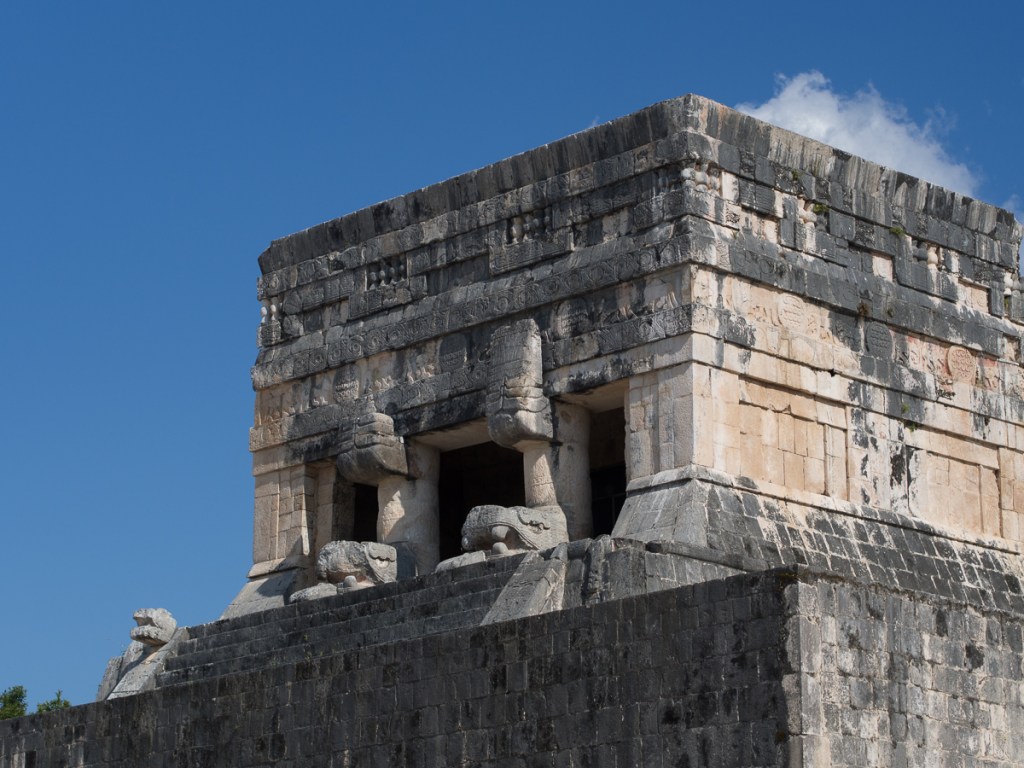
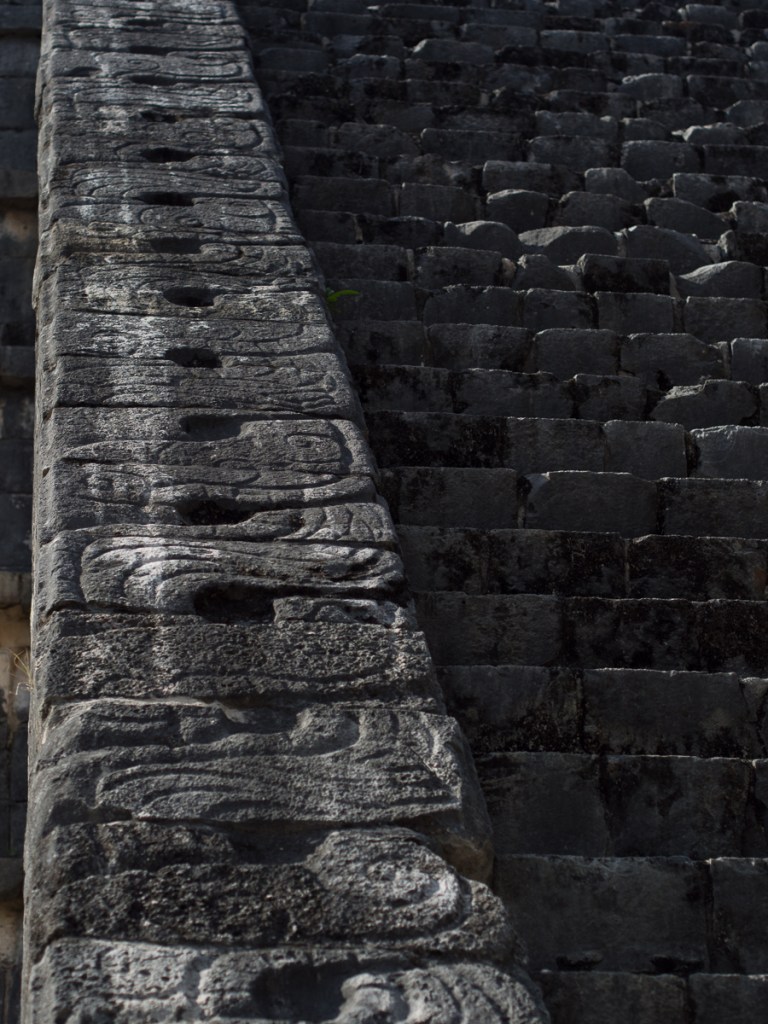
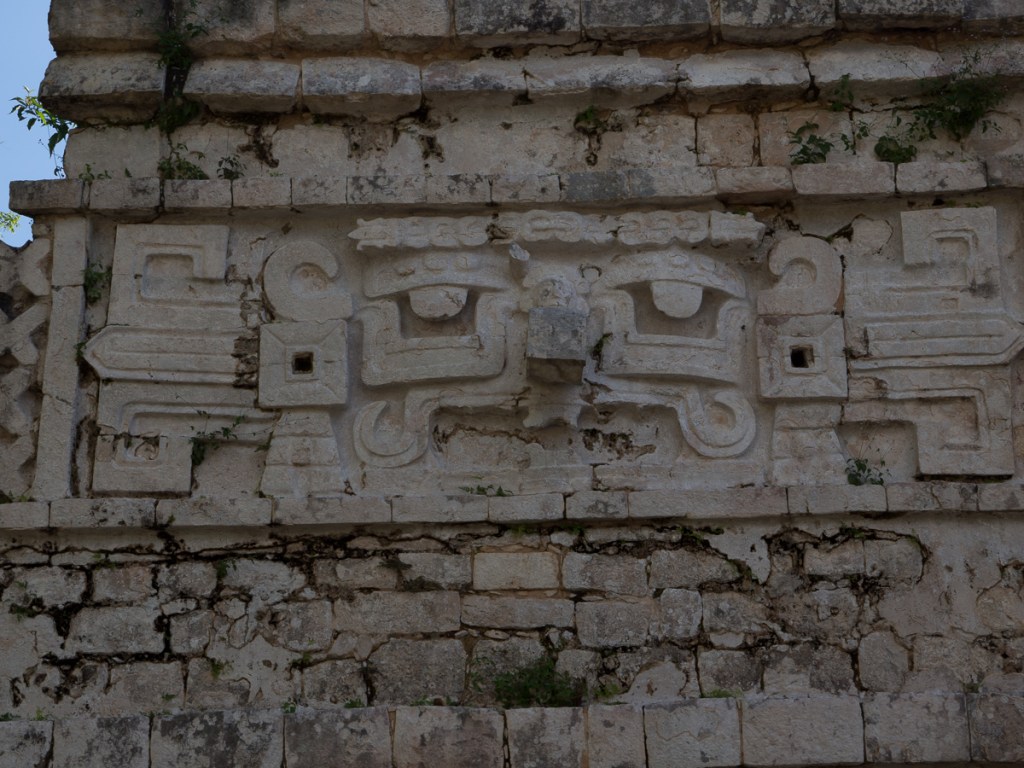
Chichen Itza – was a different ball game (and has a huge ball game court). Being another one of the biggies and our arrival being at the weekend we joined the queues to access the carpark and again for the entrance. The entrance, gasp, was 800 pesos each, mostly a state tax (but the roads have improved). The site was good though. Being one of the later cities to have been built by the Maya corresponding with late classic and early post classic periods many of the reliefs are in good condition. Perhaps its jungle environment has helped. Stairways and interiors were roped off of course, but well kept, well labelled, and impressive. And walkable from our cheap but comfy posada – very convenient. This is in the north of the Yucatan peninsular, and the foreign tourists were less the previous well-covered elderly culture vultures, and more young holiday makers. Many were Mexicans as sites are free, or much cheaper, on Sundays, if you are a resident.


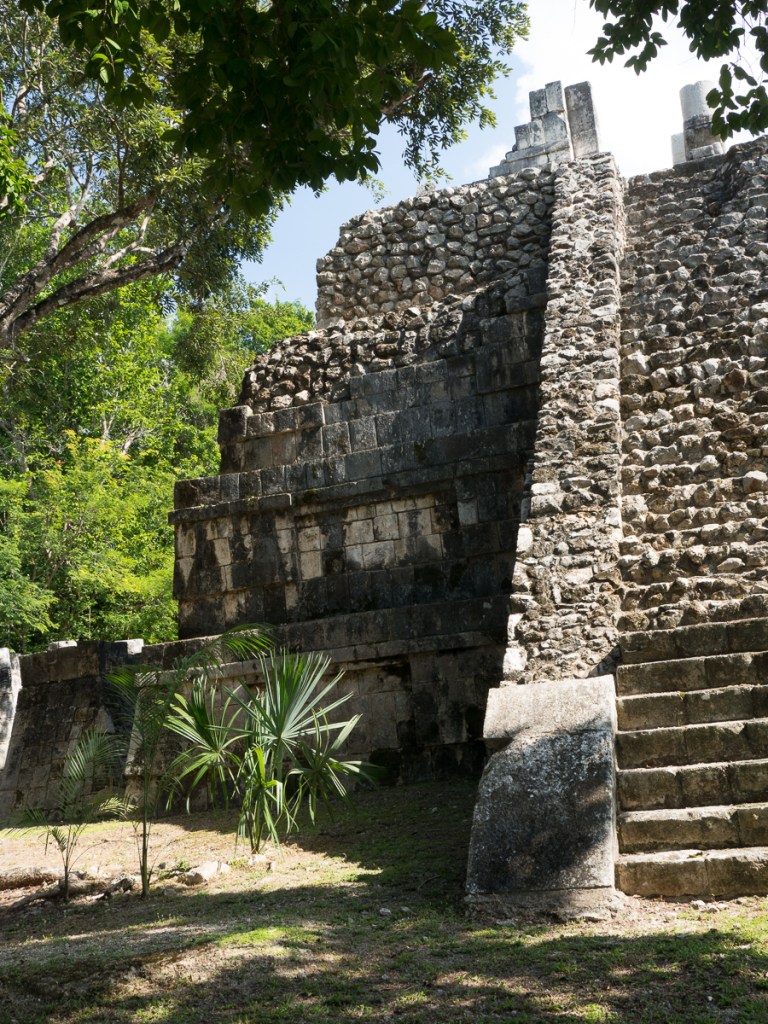
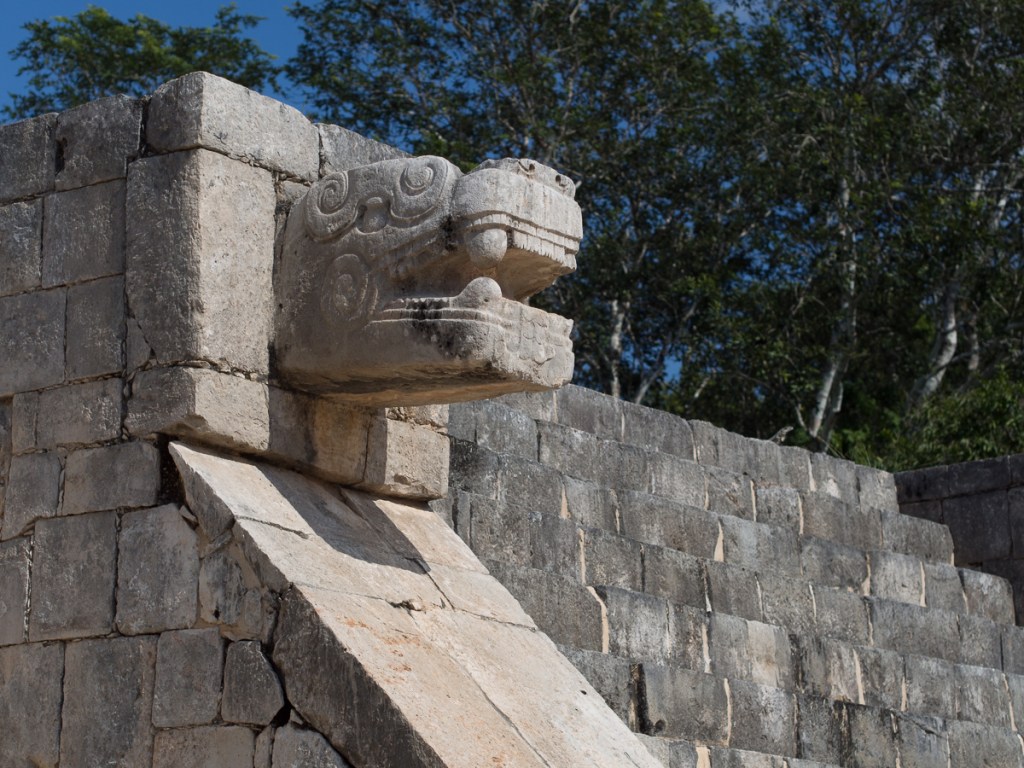

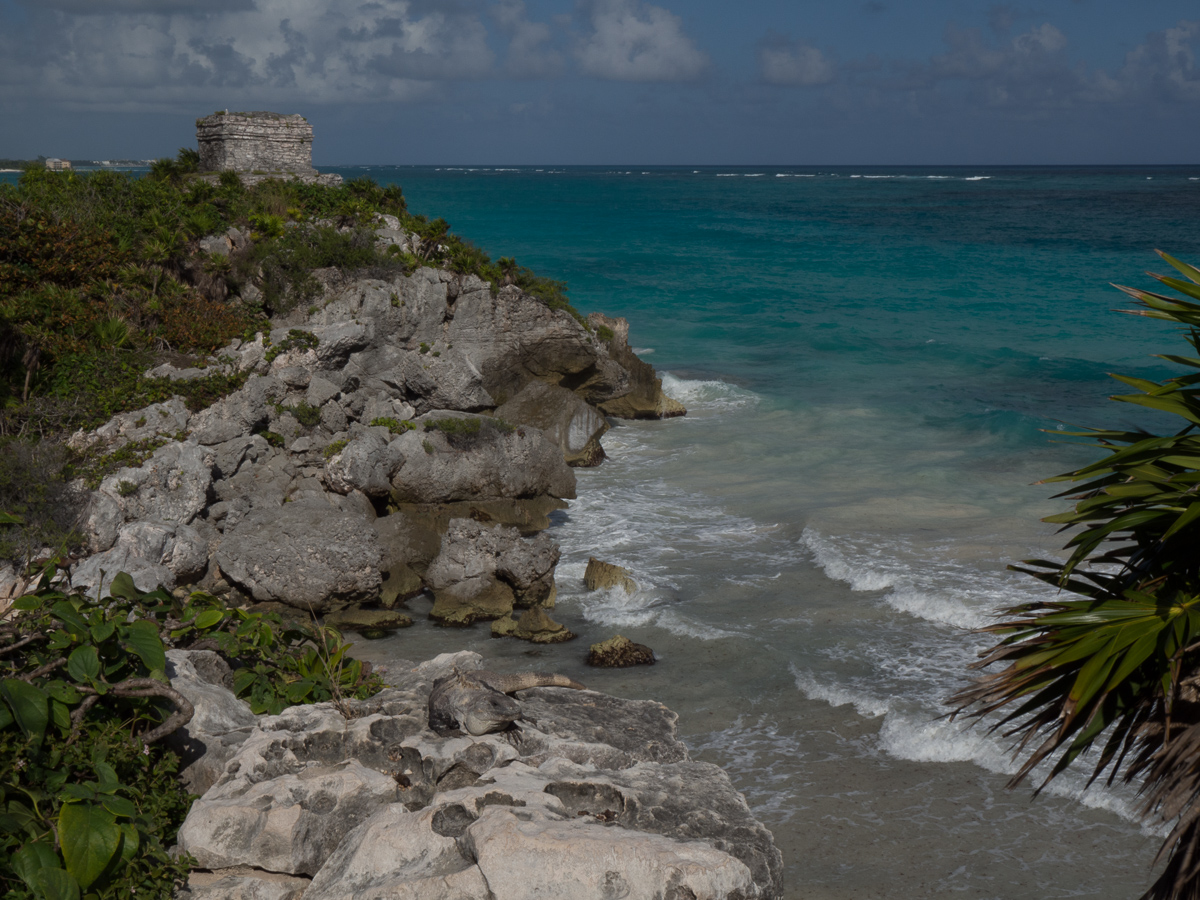
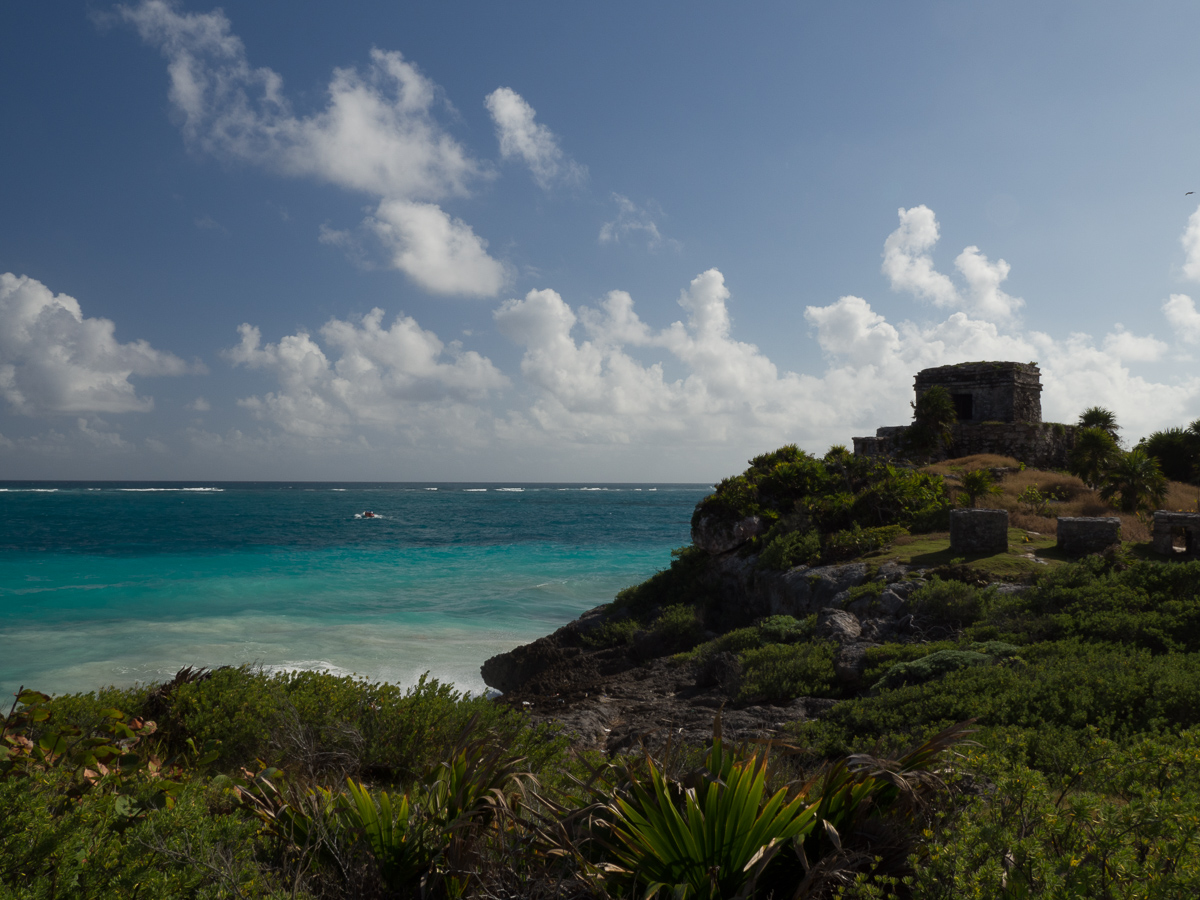
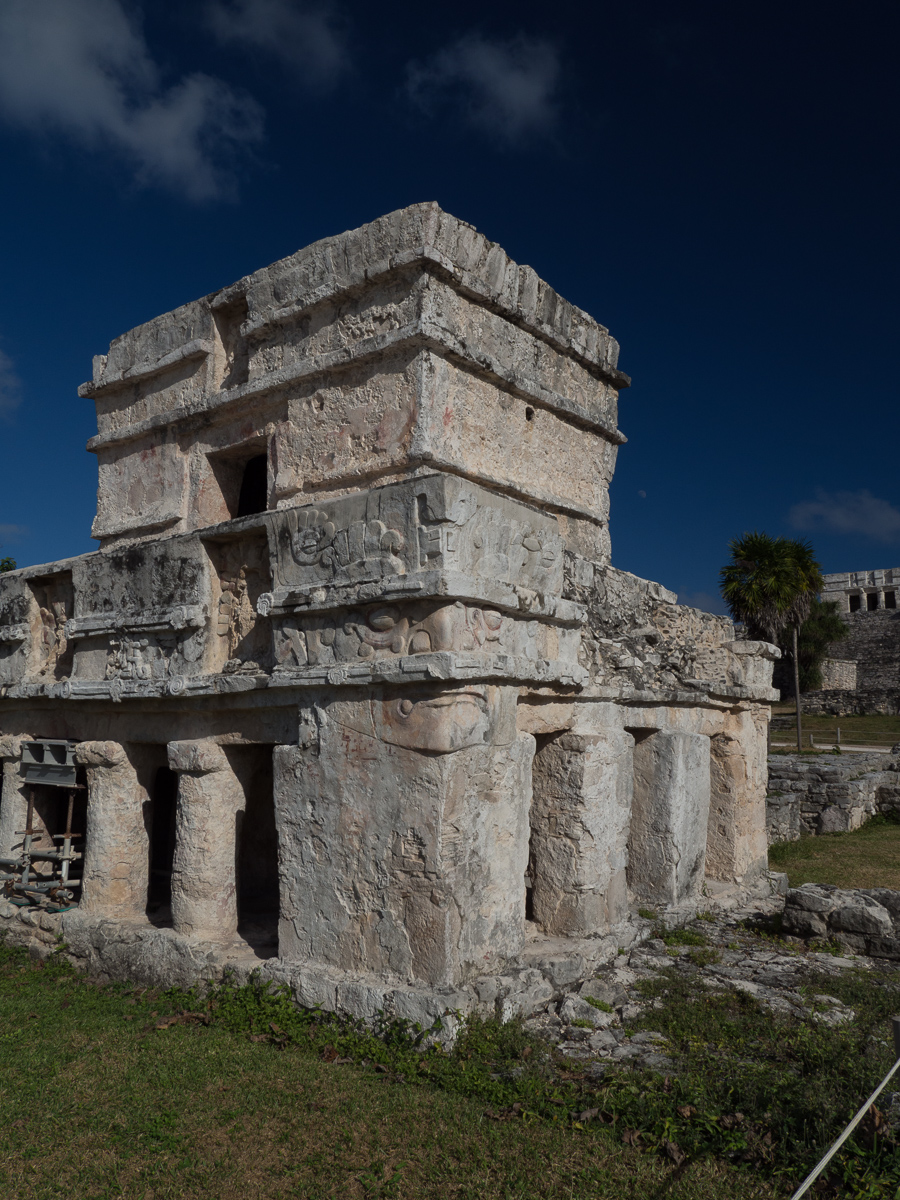
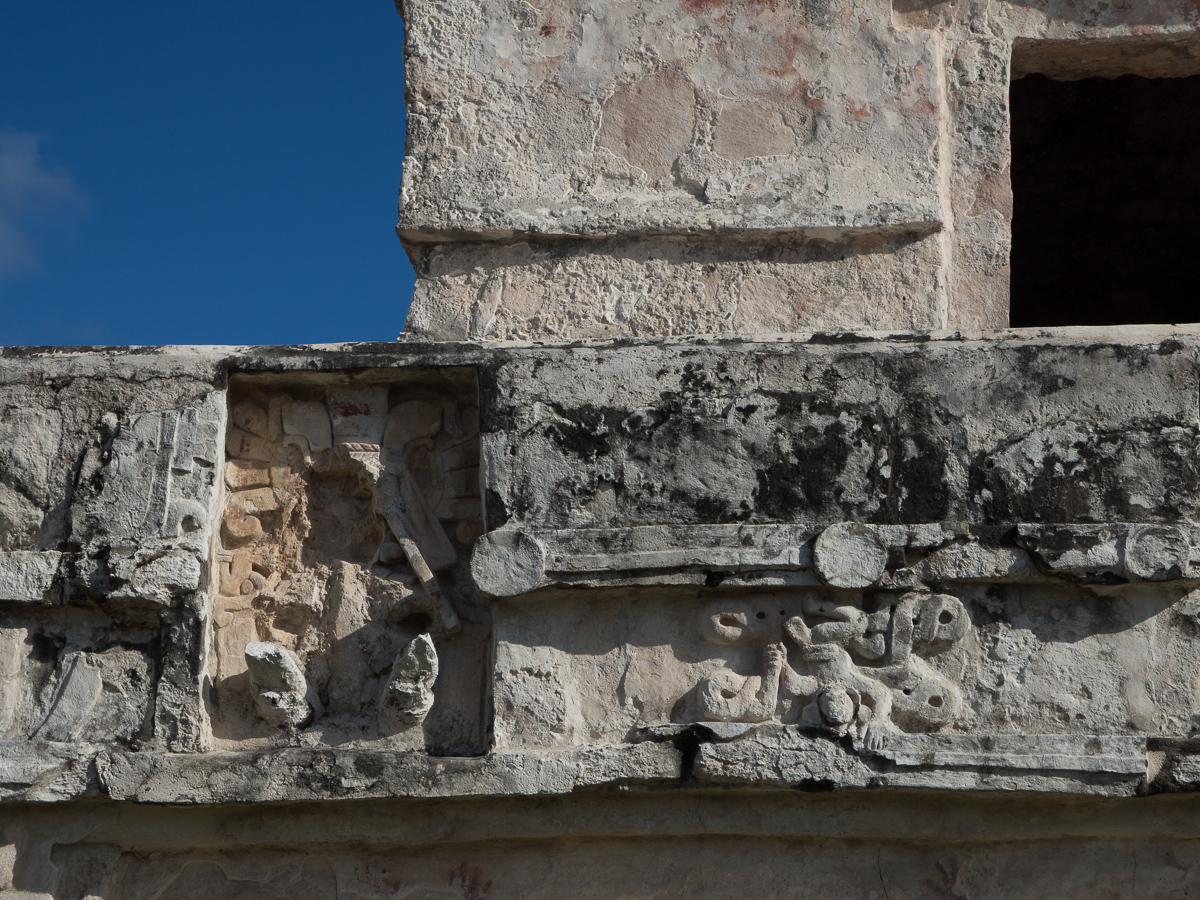
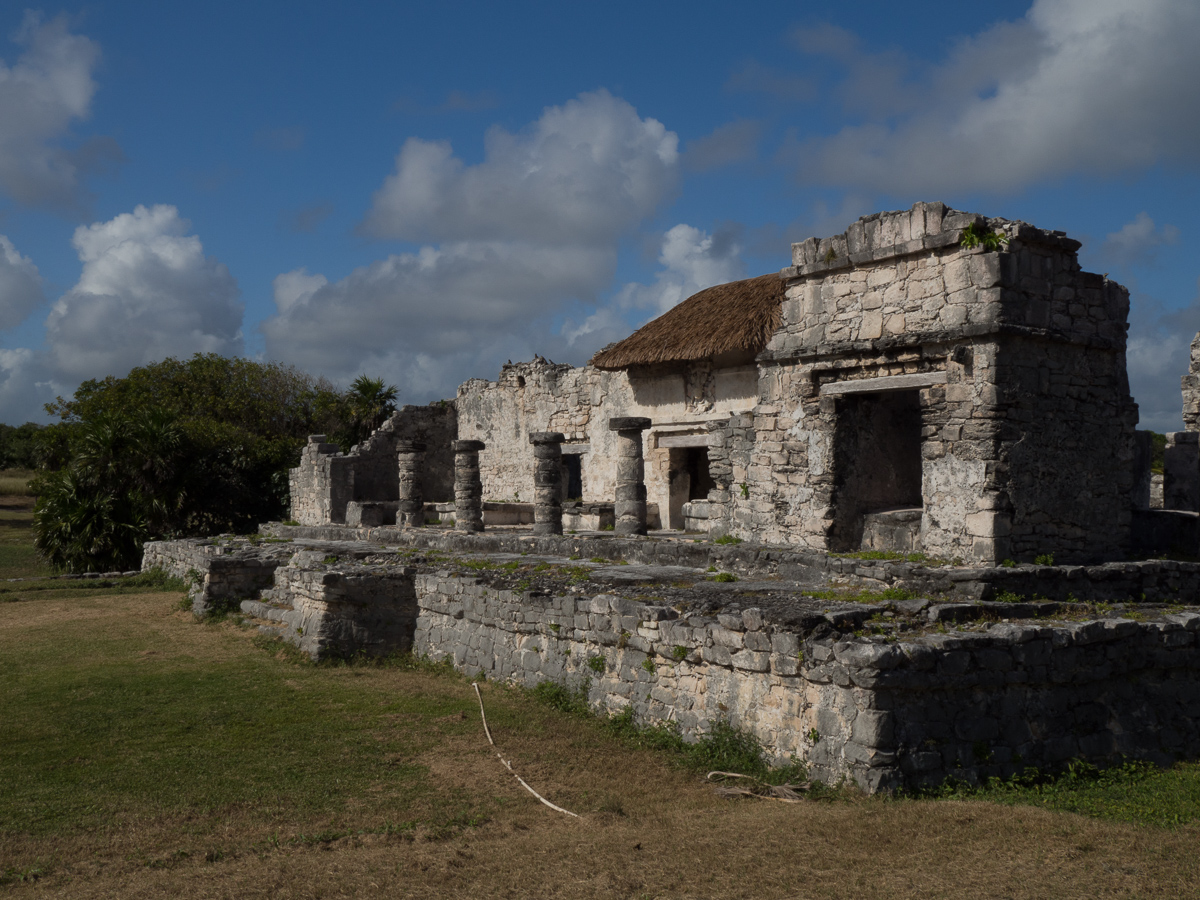
Tulum – a little gem by the ocean. We’d stopped a few days in the resort town of Tulum, just to catch up with ourselves and do a little planning. The ruins are picturesque rather than impressive. At this late stage of Mayan culture they were concerned with walling the town for protection, rather than impressing folks with pyramids. It would still have been a fine town when the Spaniards saw it in the 1520s, but this was a more modest culture than before, at least, its stonework was. The beach on our brief visit was glorious. The Caribbean Sea warm, clear, and blue, the sand white and powdery. But the sun went on strike as we arrived, declining the opportunity to toast Gid’s bethong’d behind. Tulum the town had every tourist facility, but often at a very “western” and expensive price.
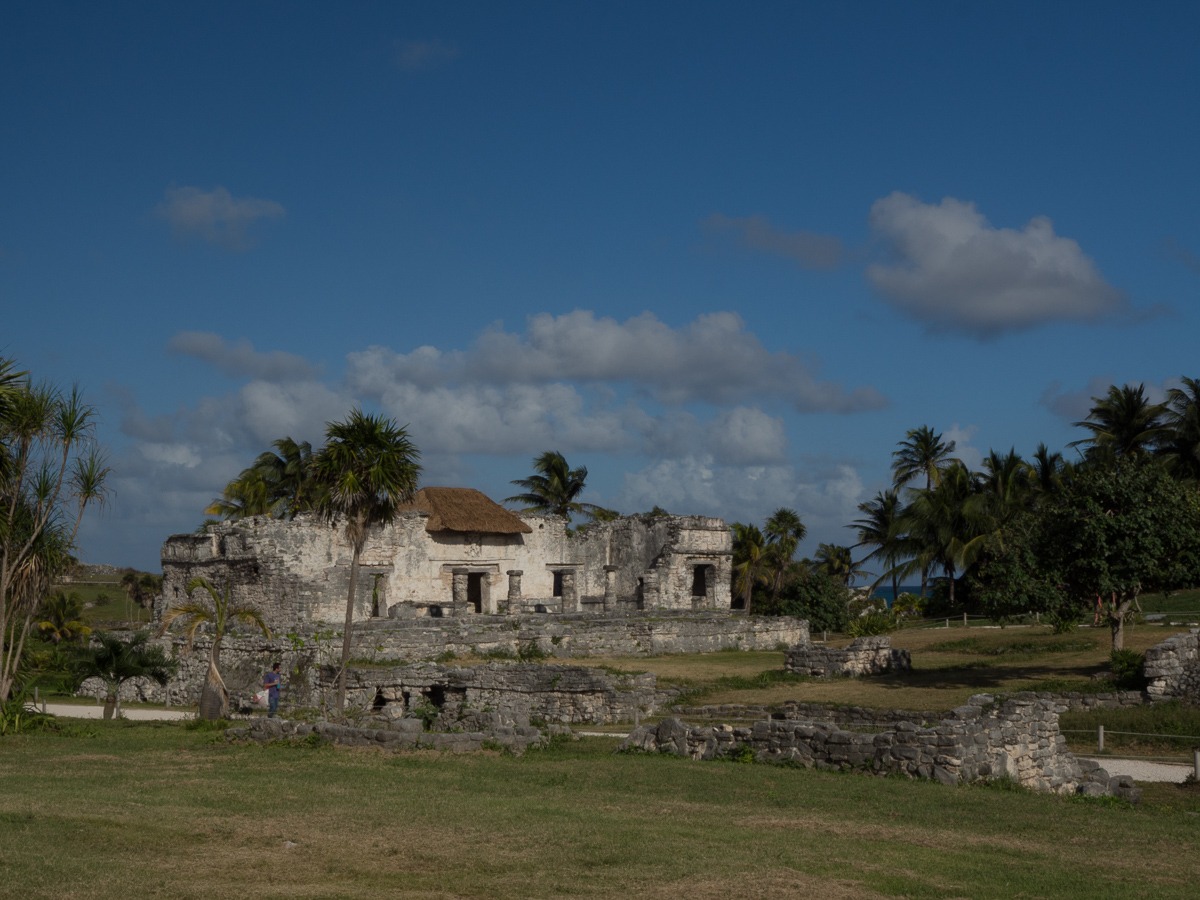
Our tour of the ruins was interspersed with a few other distractions and adventures along the way, but there are so many ruins that are so photogenic that they deserve this posting on their own. We post this as we leave Mexico, but the Mayan civilisations extended far further south, so we’re not ruin’d out yet…






 2silvercyclistsdotnet