Costa Rica was near the top of my keen to visit countries. Sadly, it’s obviously high up on a lot of other peoples’ lists too as many areas are full of tourist shops and attractions which are teeming with foreigners. Everything was top dollar – the costs had rocketed! Gid hasn’t stopped whinging.
We picked a fair sized town, Liberia, for ease of finding our first accommodation in Costa Rica but found that full. A motel along the highway just beyond it did the job although the roar of traffic through the night barely stopped. The dipping pool was one very pleasing bonus after what felt like a long hot day – Central American border crossing days always feel like that, although pouring rain might be even worse.
Our second night’s stop was in a much more rural area, right on the edge of Rincon de Vieja National park, where we were told that we could stay for only one night because they had a coach load coming tomorrow – although a campsite was available. This kind of booking was verified as common by a very nice English couple, who had joined us at the previous night’s motel, having just flown in from the UK and like us found the town up the road full. They told us their itinerary and explained that when Booking.com says it’s full just phone the place and they’ve probably got space. ‘The tour companies make block bookings and then can’t fill all the spaces so they’ll have rooms spare’ we were told. Our hearts sank. This was supposed to be one of my prized countries to explore and here we were on a roller coaster tourist track.
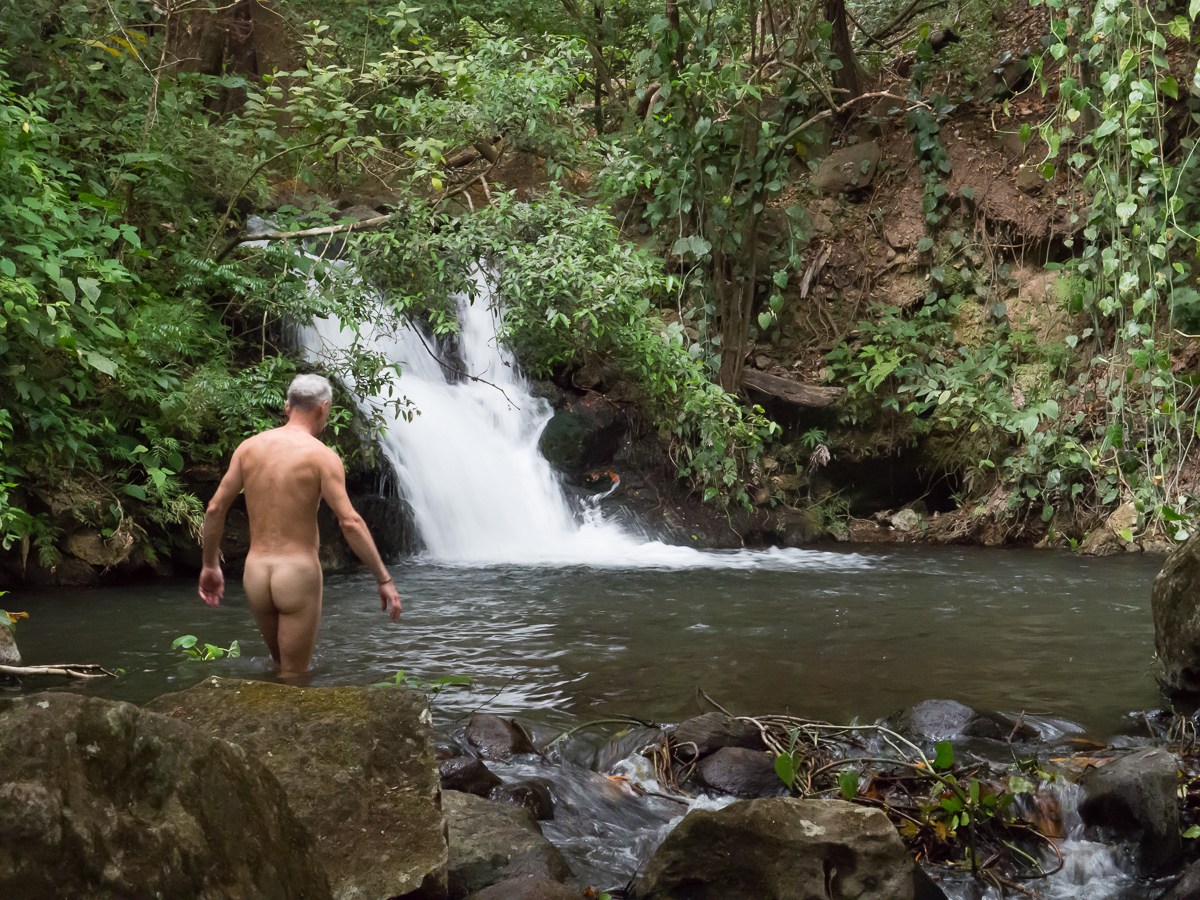
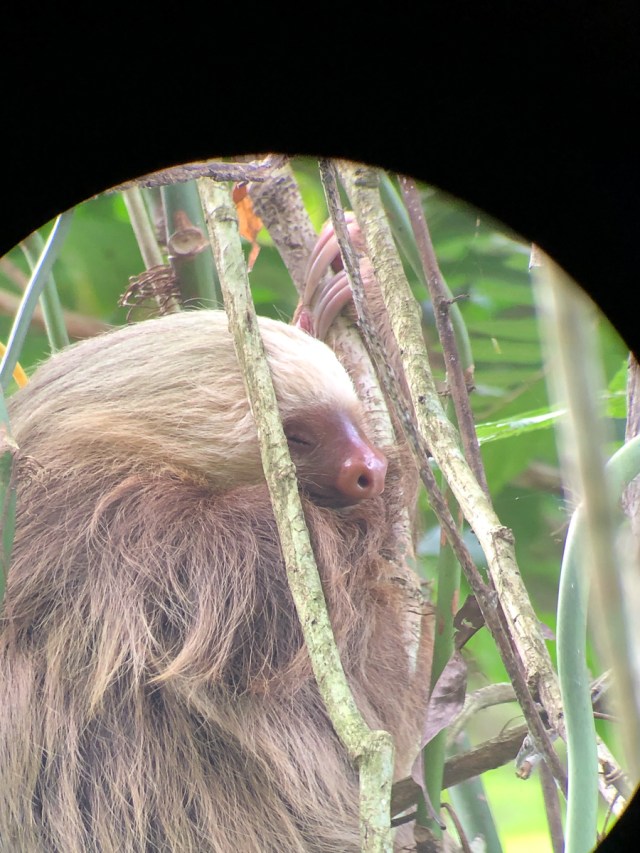
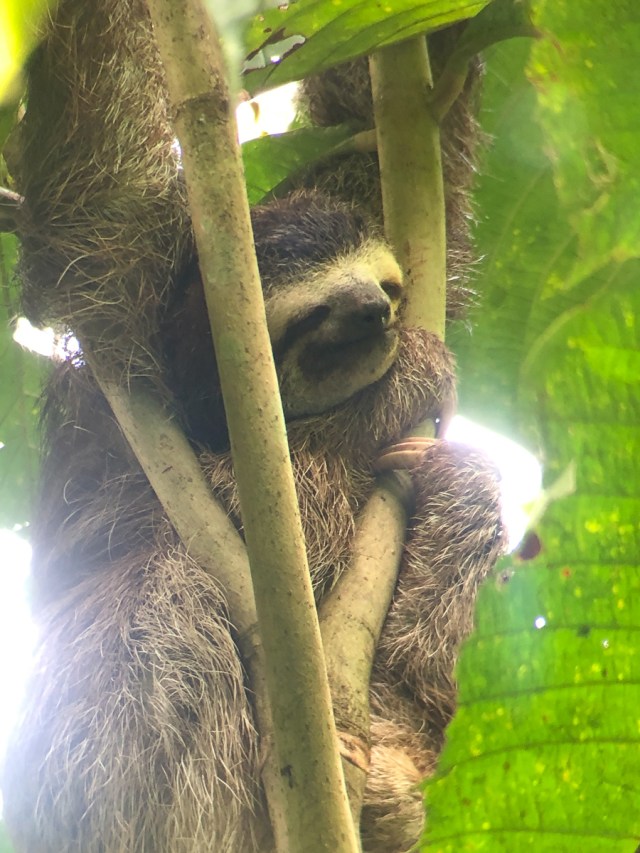
At Rincon de Vieja we did at least get away from the tourist trail approaching via it’s ‘back door’ along dirt roads to a shut gate. Thankfully a man came out from the bushes, charging us a National Park entry fee he gave us access to the park. Once settled in our accommodation we took a local walk through the woods to a cataract but got more than we bargained for. The morning after I woke up at 4:15am in a panic because I had ‘things stuck to my legs’. Bed bugs? No internet to check! Ticks we discovered, once our online research told us to count their legs (8). Gid delved into the First Aid kit for the tick remover tool, and we spent a tedious hour clearing each other’s wrinkly bits. Sadly, we found a few more over the next 24 hours. I thought I’d probably picked them up weeing in the woods on our walk but we were both covered in them. 15 – 20 each! We were still in a state of hysteria when, a few hours later, we piled into a car with two other people to go on a sloth seeking tour near La Fortuna. With a sigh of relief we settled once the guide told us that there are no deer here so no Lymes Disease but a wash down with alcohol would be a good idea.



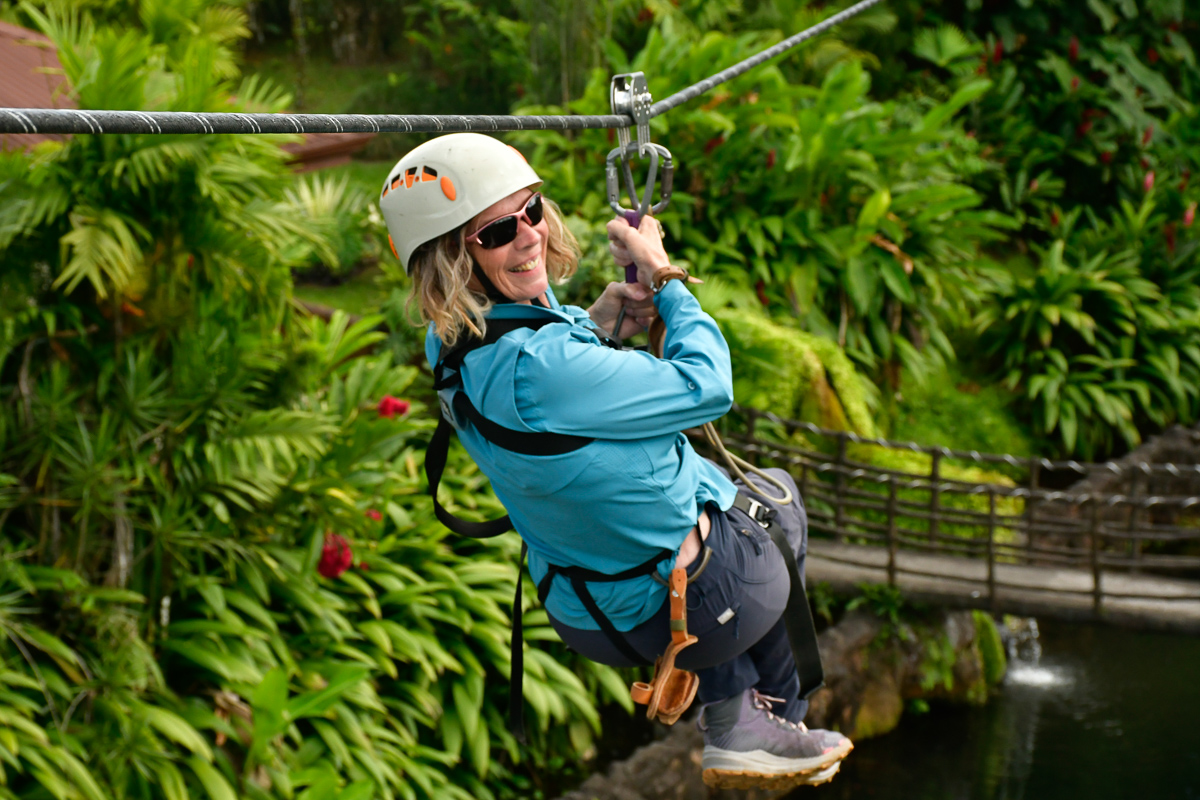
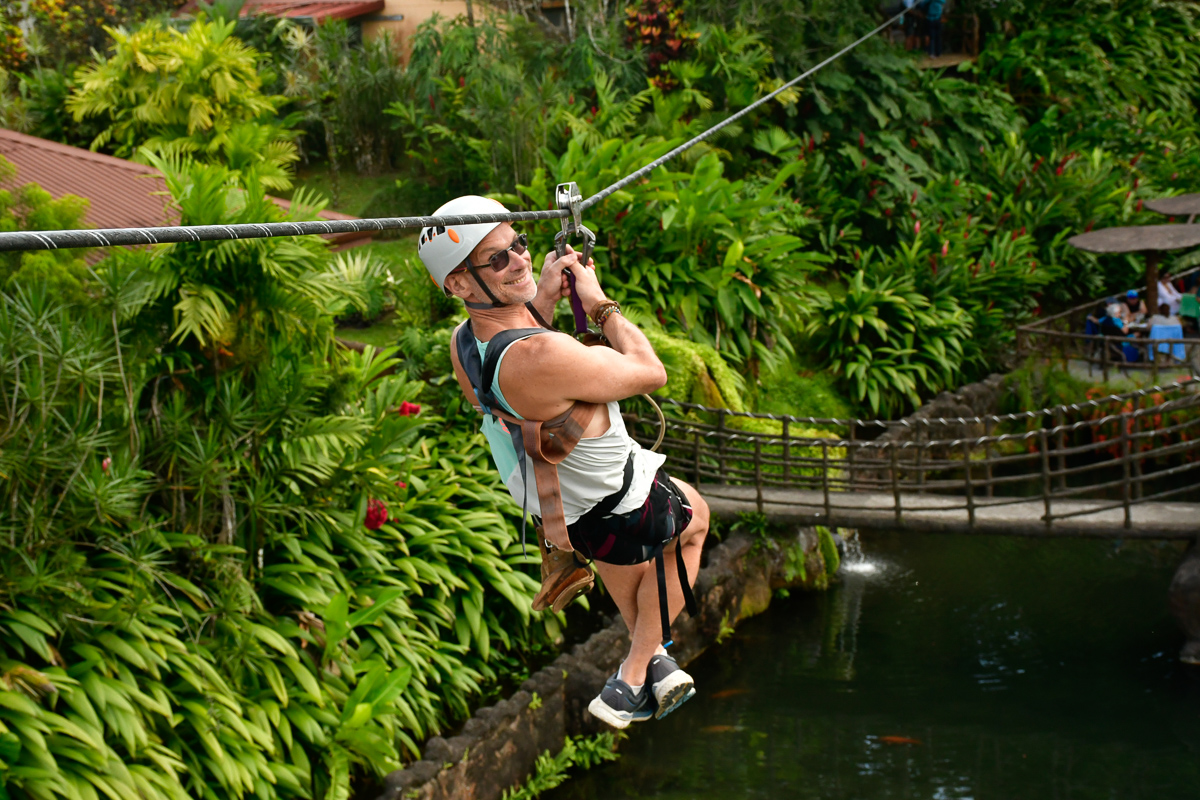
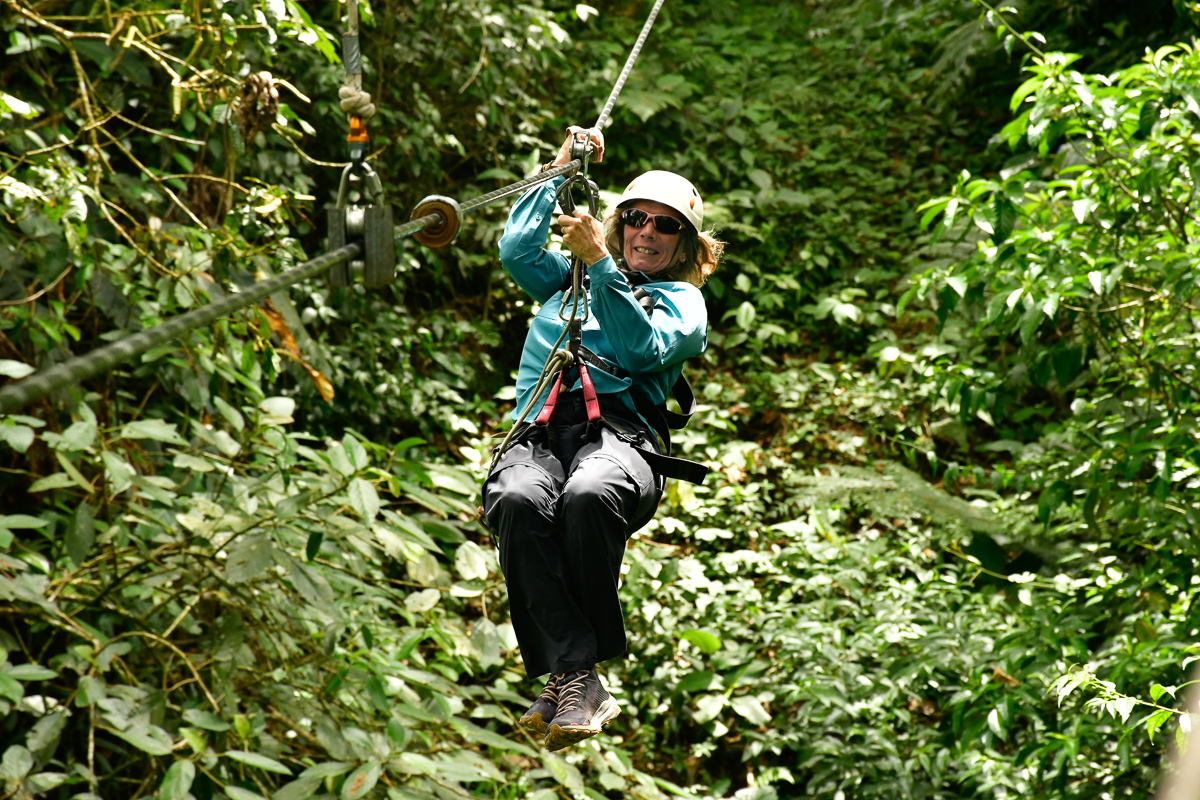
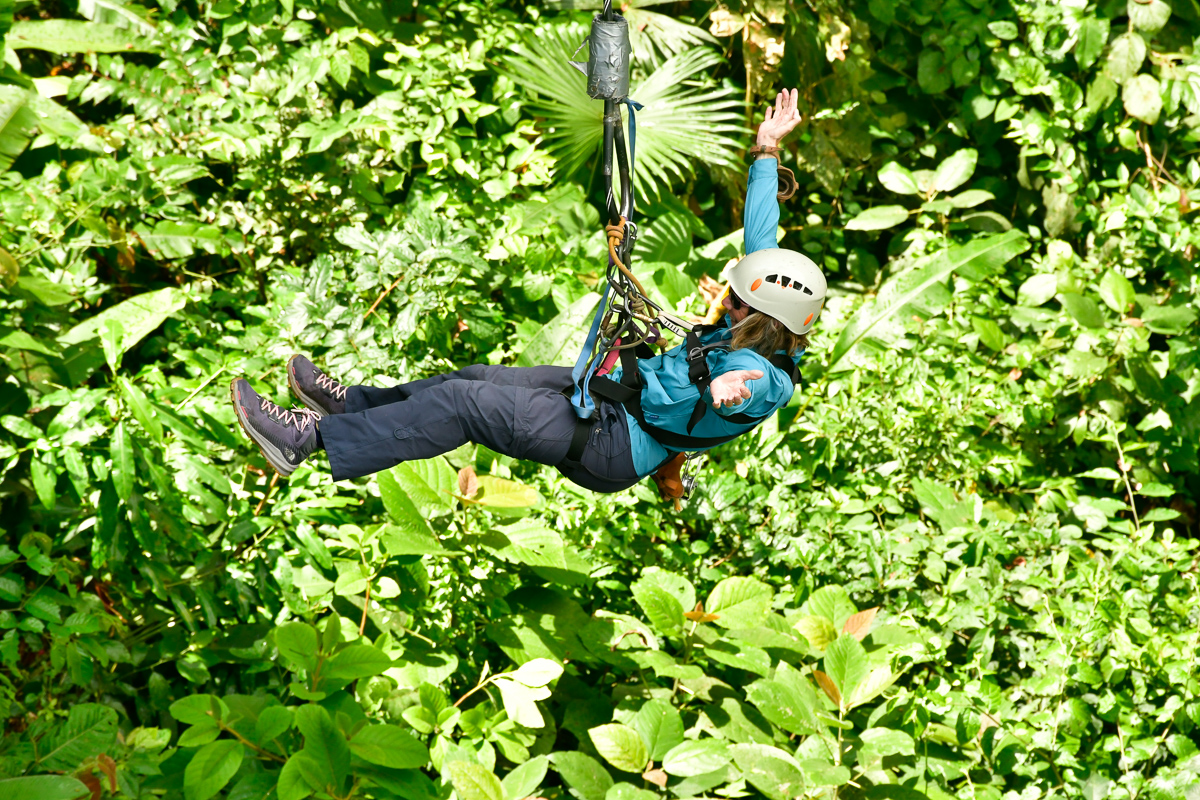
Reaching speeds of 70km per hour is quite exhilarating at first but by La Fortuna’s fifth zipline wire I was a bit ‘Done That’. Thankfully there was a Tarzan swing line to try out too. We both enjoyed the ride but wouldn’t seek it out again unlike our fellow zipliner who said she seeks them out and has done many.

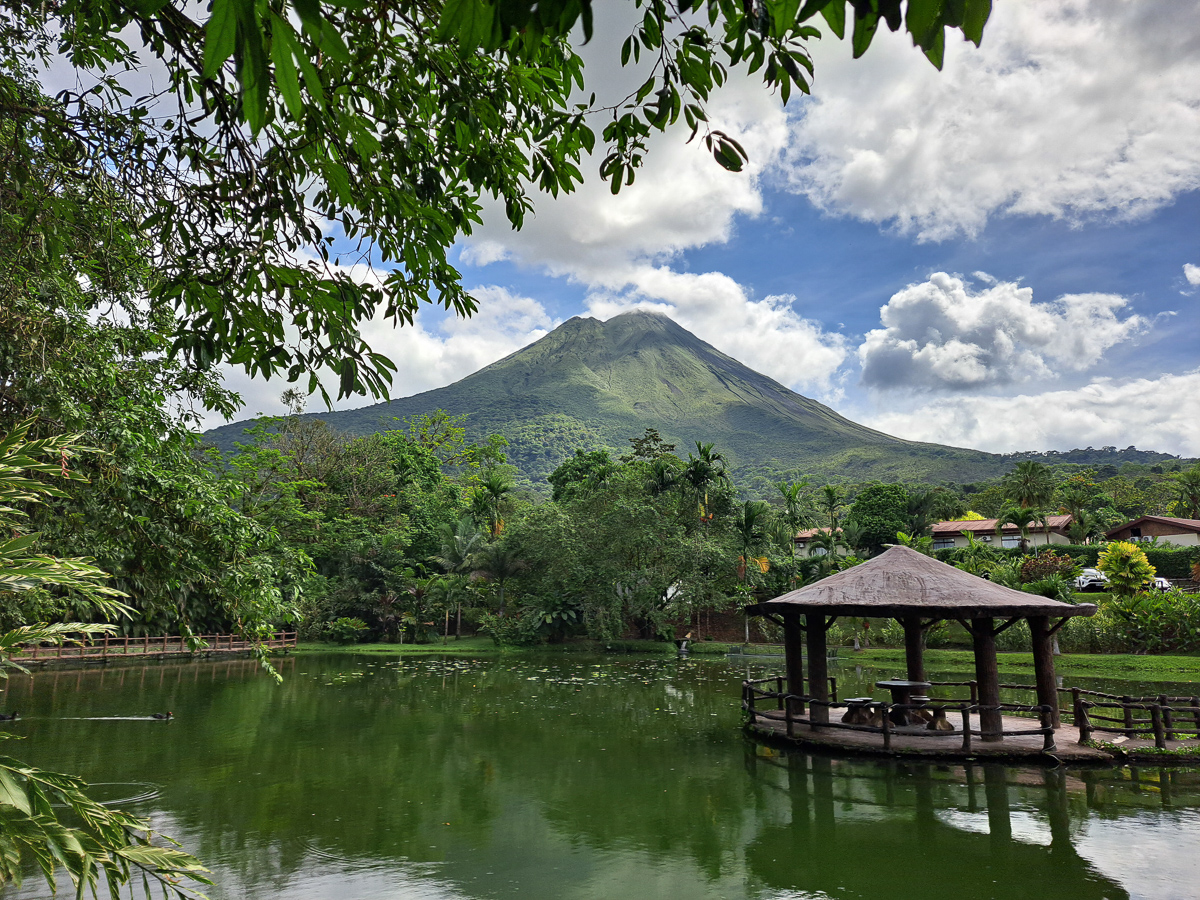
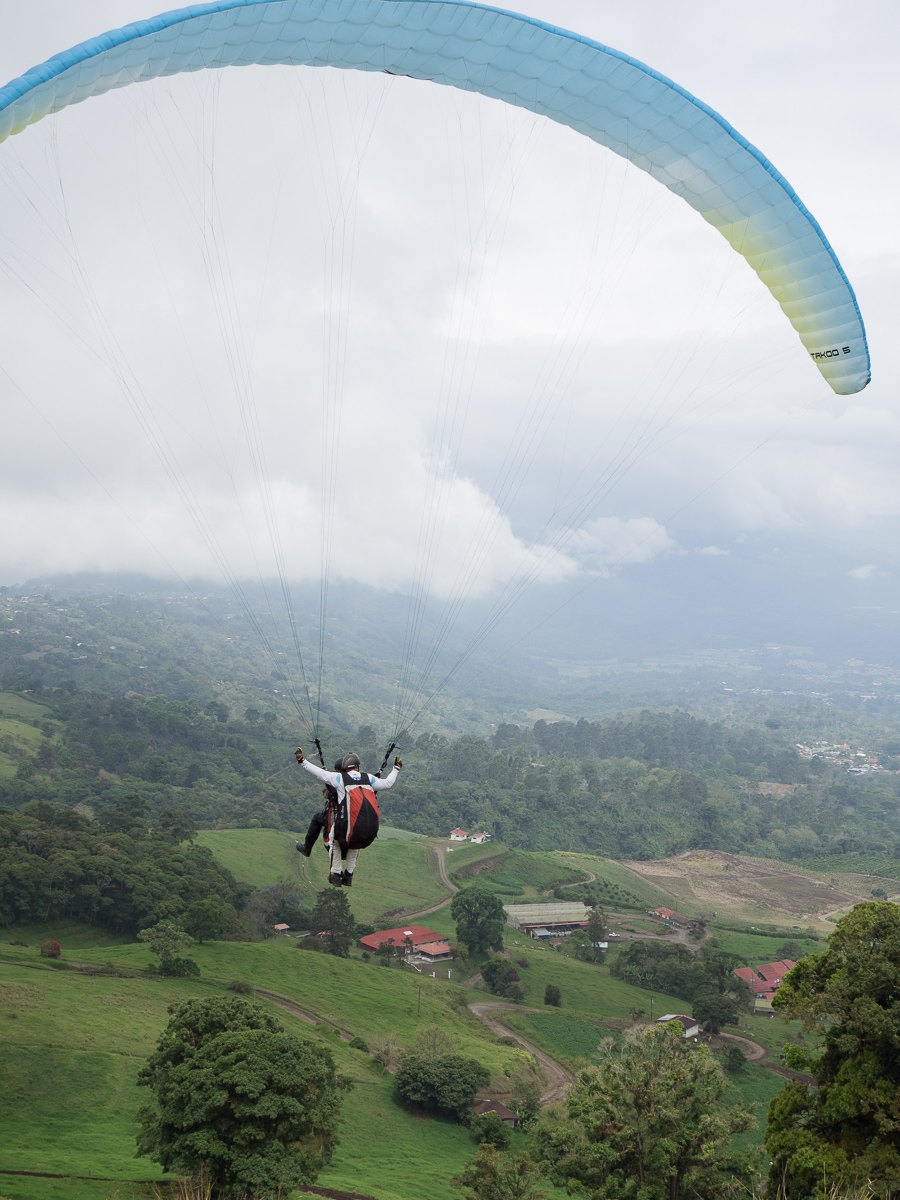
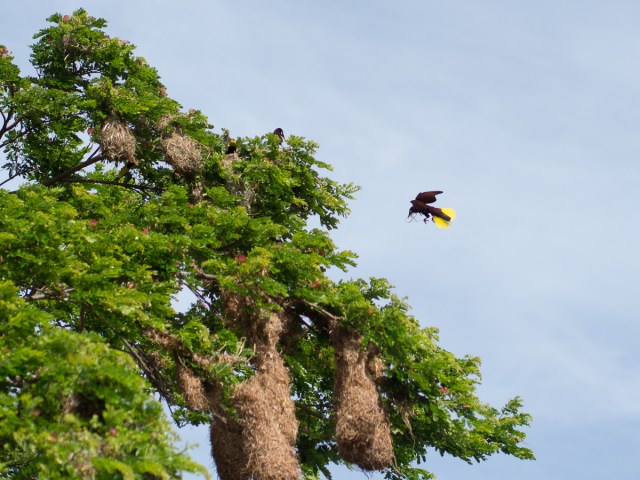
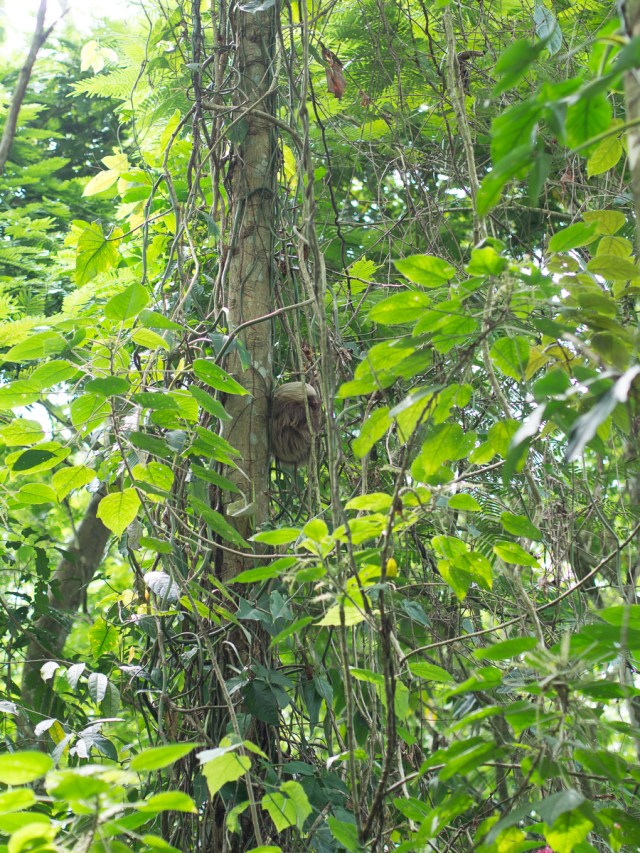
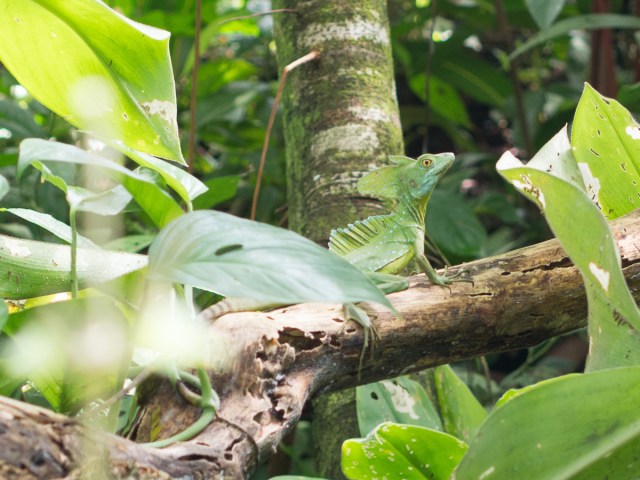
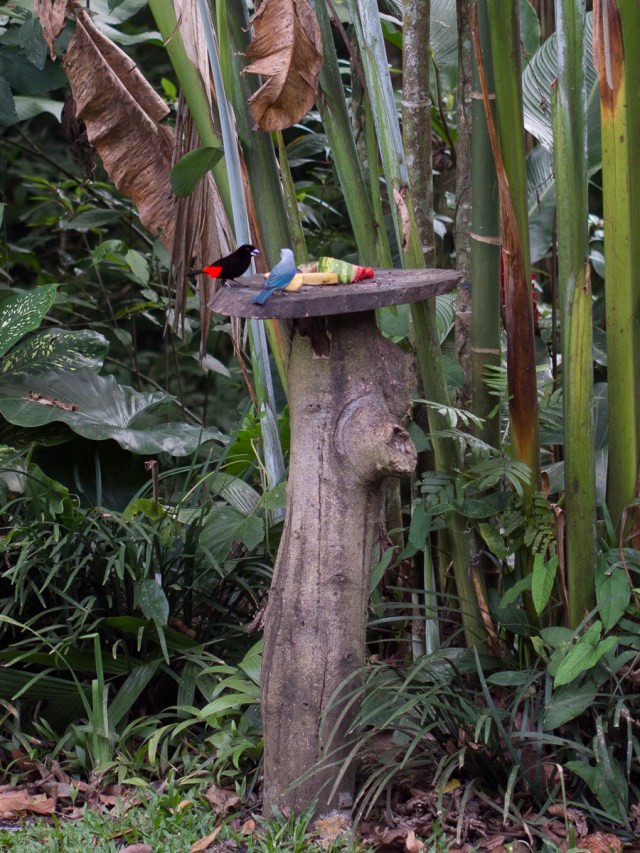
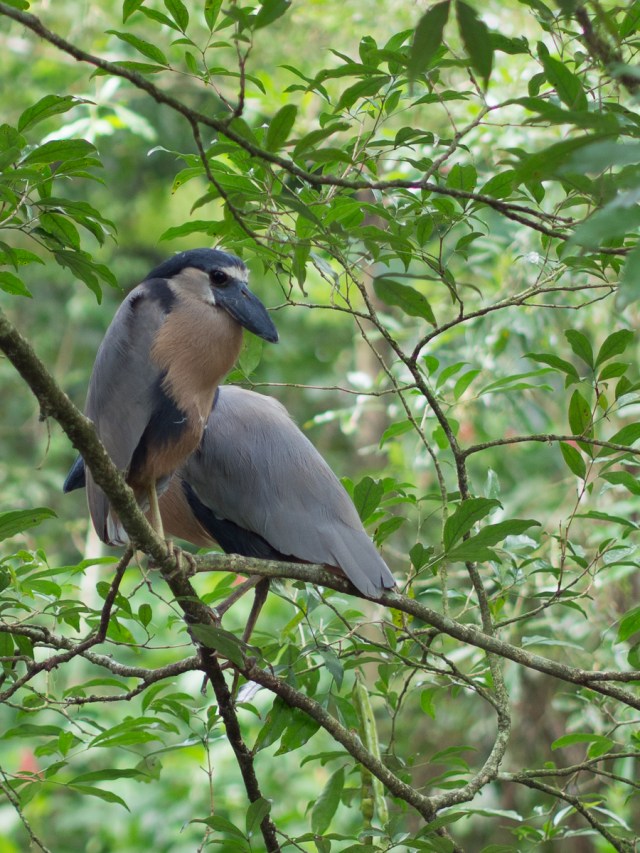
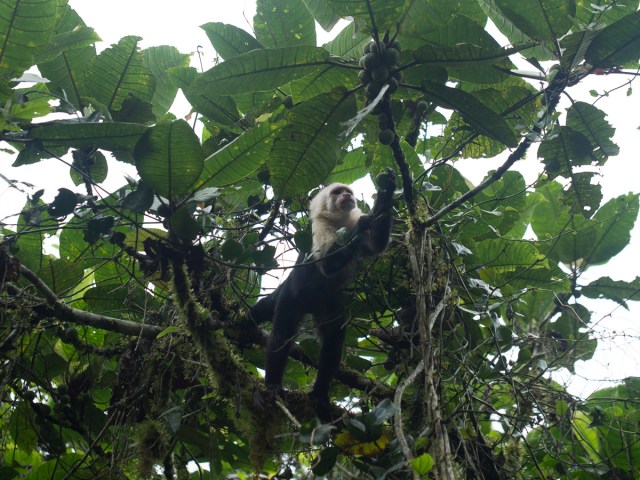
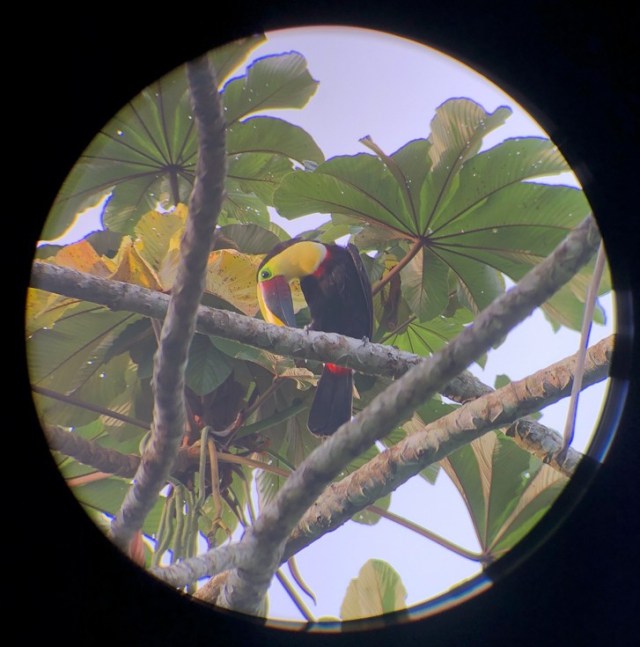
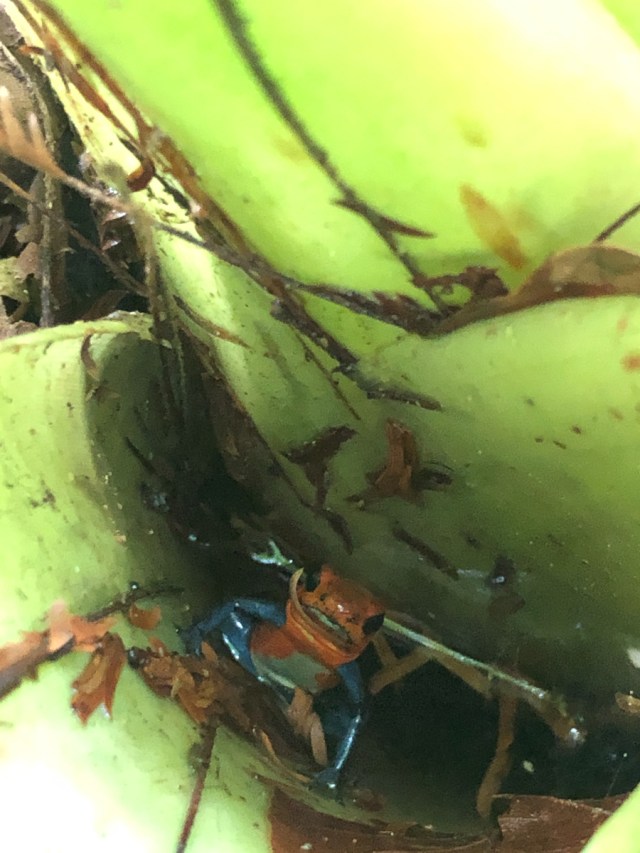
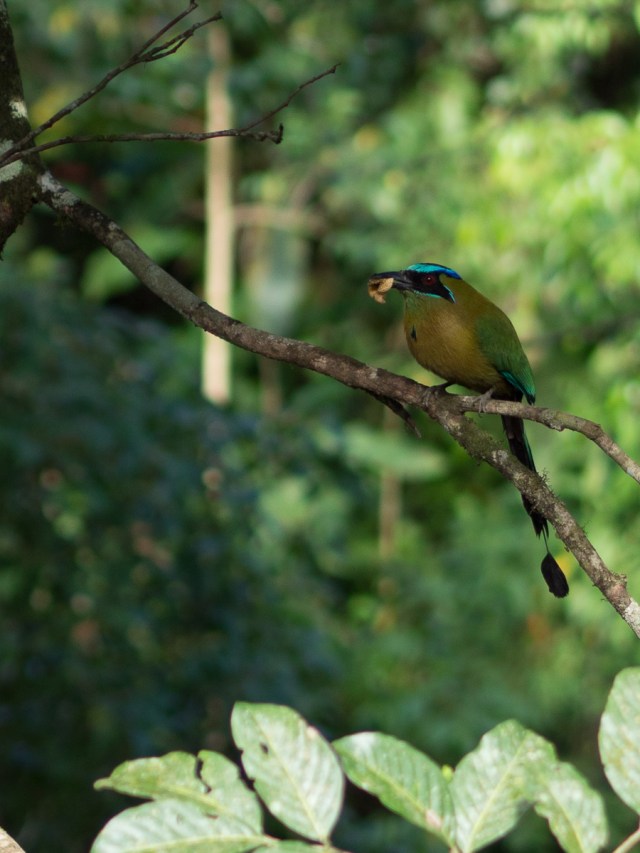
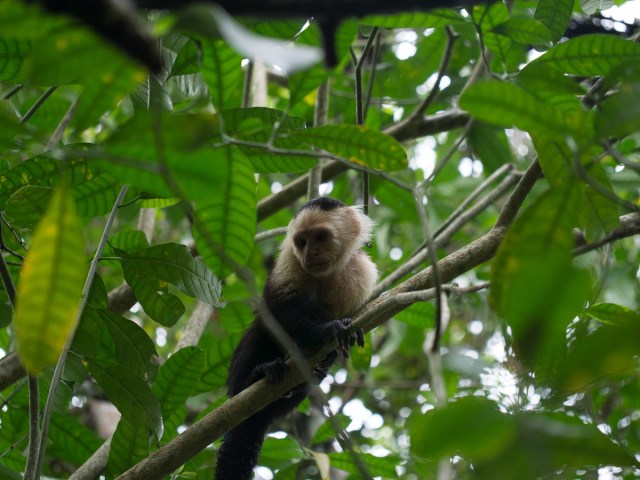
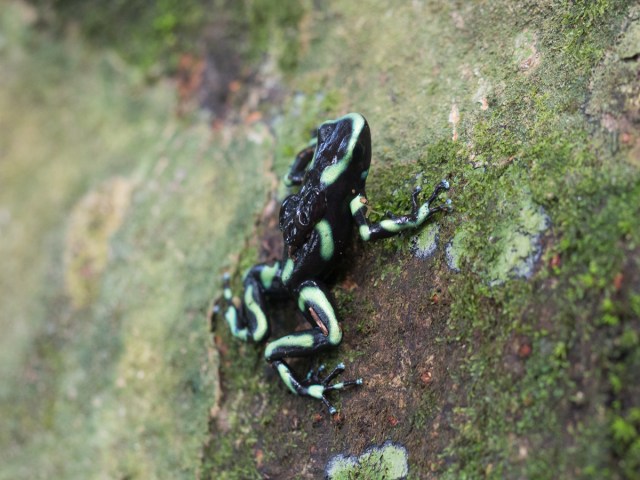
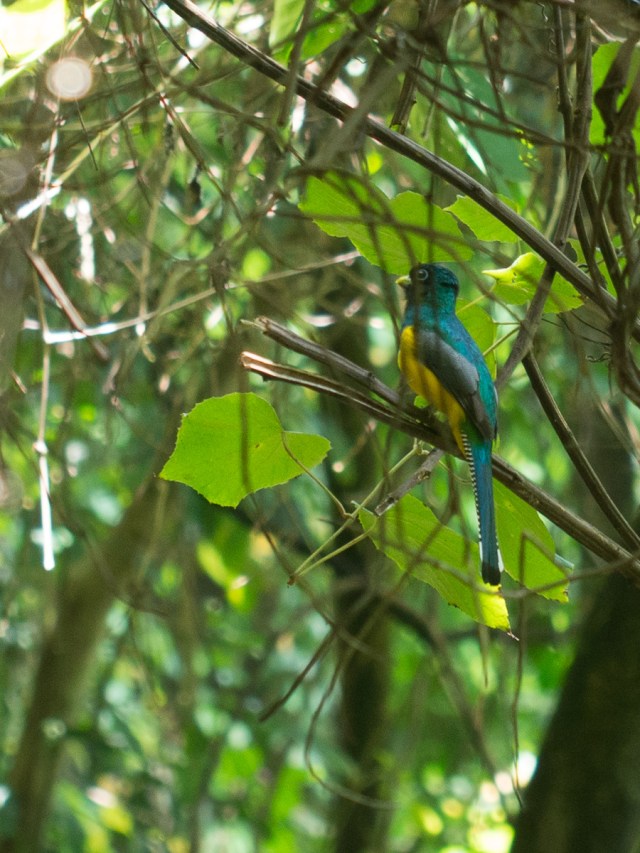
Our sloth tour and bird watching trip, both with guide Jose, had more lasting impact. Seven sloths with one slightly moving was awesome as were the two different sorts of toucans on our bird watching tour. The local frogs were pretty cool too. Costa Rica is famously good for wildlife spotting, which is much easier with local guides who communally know where the beasties lurk. However, a rather sad observation has been made that the wildlife spotting is easy partly because so much forest has been cleared that the wildlife is now crammed into relatively small areas, separated from each other by grazing and farming clearances. The country clearly manifests a conservation ethic, but like the UK’s, a lot of primary forest is gone. With the realisation of what it’s lost Costa Rica is now trying to regenerate areas of forest.
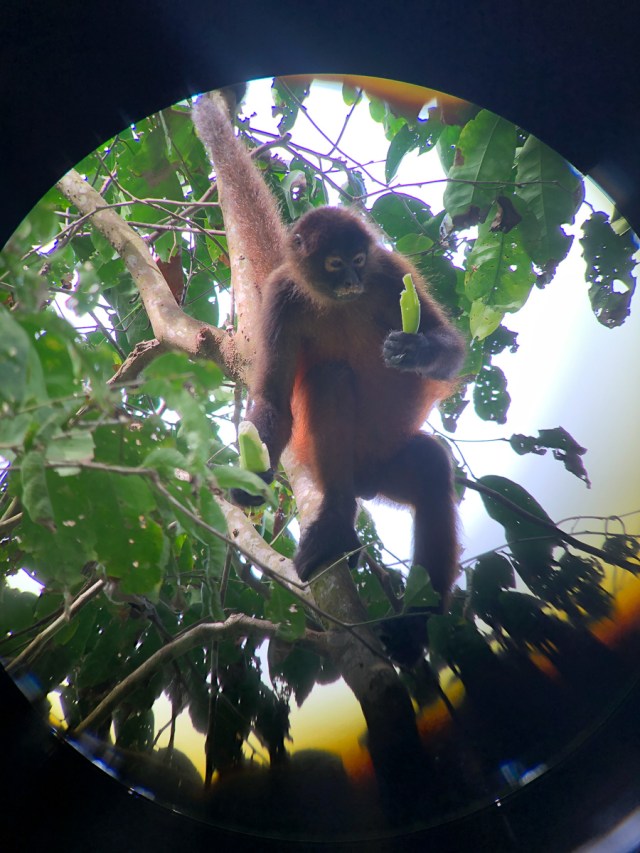
(Photos taken through a spotting scope were taken by the guides, using our phones).

San Jose
Having indulged in total tourism for a couple of days it was back to more serious stuff. Our bikes were booked in to be serviced at a main dealer in San Jose and we had two parcels to collect. One was from the UK. A collection of lost, broken or never realised it would be so useful items collected by Jo, Gid’s sister, and sent to a DHL collection point. A second parcel collected by Jared, a Bunk-a-Biker host, who had been kind enough to receive several Amazon orders. Well, one order came twice and the third not at all. Such was Amazon and the US postal system. All gratefully received. Christmas had come!
Gid: Although I had done the last few services, I decided to get the bikes professionally listened to at 24,000 miles, and certainly a quality wheel repair was beyond my abilities. My deteriorating front wheel was more thoroughly repaired than it had been in Mexico – the workshop replaced the steering head bearings too, presumably this was a consequence of the last few weeks wobbly front end. We got new chains, although the current ones were not yet a problem, they had done 12,000 miles or so. We left the tyres, although they give us a dilemma – there’s plenty of tread left by road standards, but at what point will they become a liability on dirt and mud?
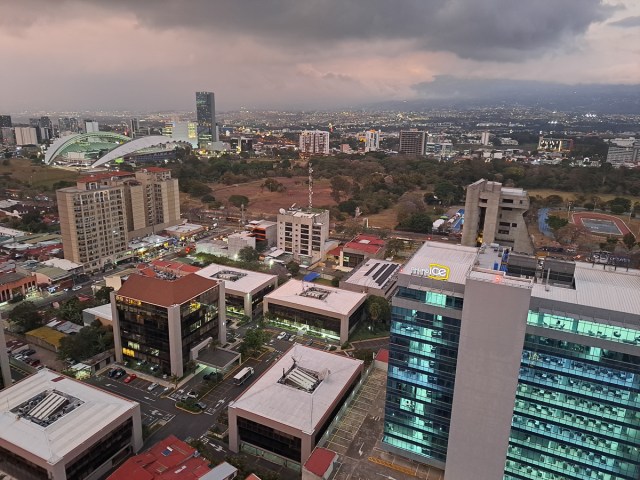
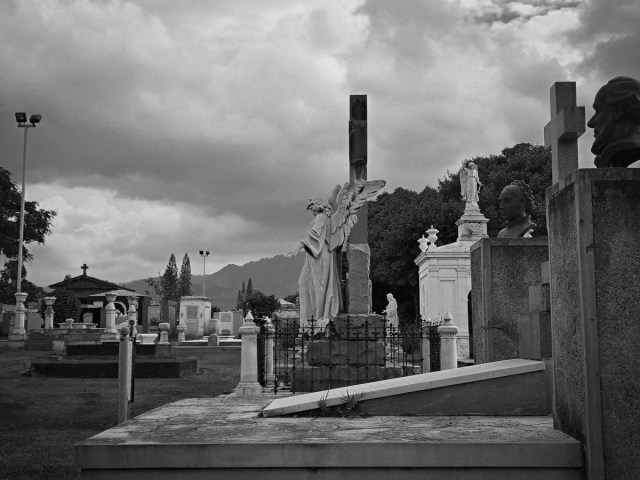
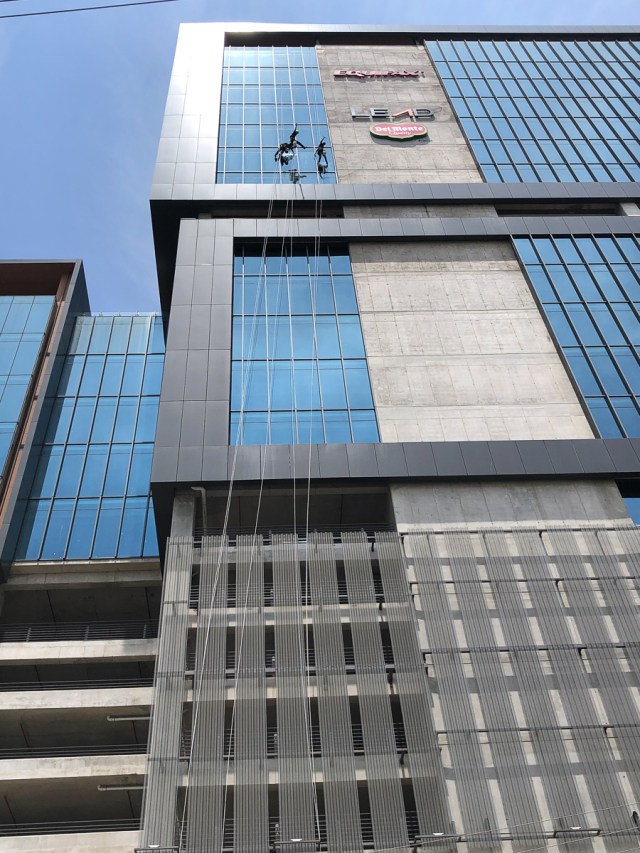
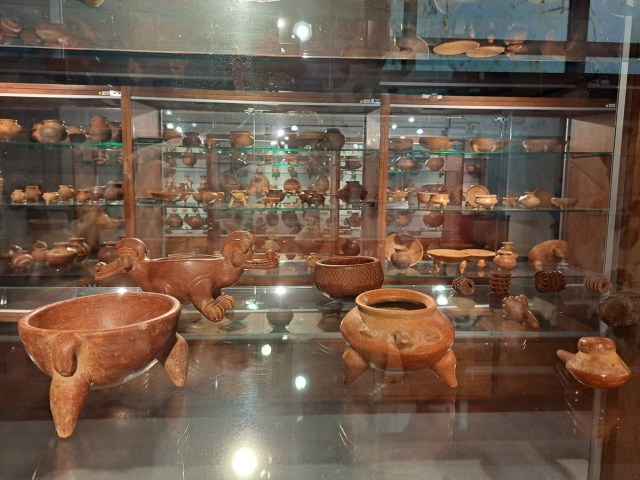
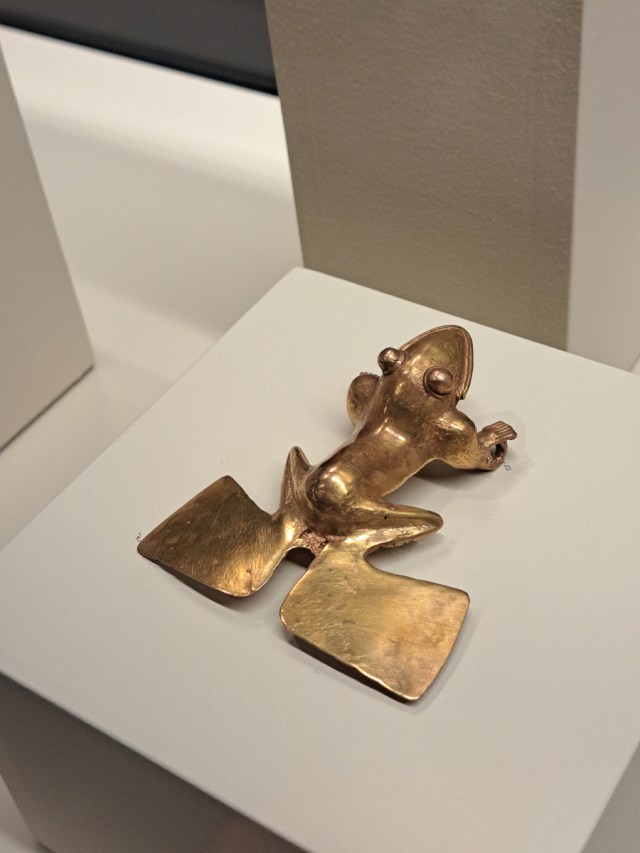
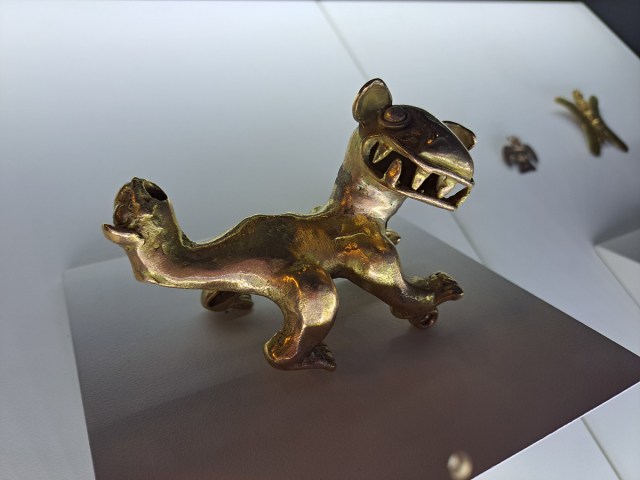
In San Jose, like in Mexico City and Guatemala City, our choice for a place to stay was a yuppie flat complex. This time we were on the 29th floor, in a studio flat, with spectacular views – including views into the next door flats – privacy was a little lacking. The building’s décor was a so-Hispanic mix of really fancy, surrealist stuff, and unfinished blank concrete. But, it had good parking, and a really rather good gym. Legs didn’t really need a gym, with 29 flights of stairs available. There were a few interesting places to visit in San Jose, although, definitely, too many pots in the museum.




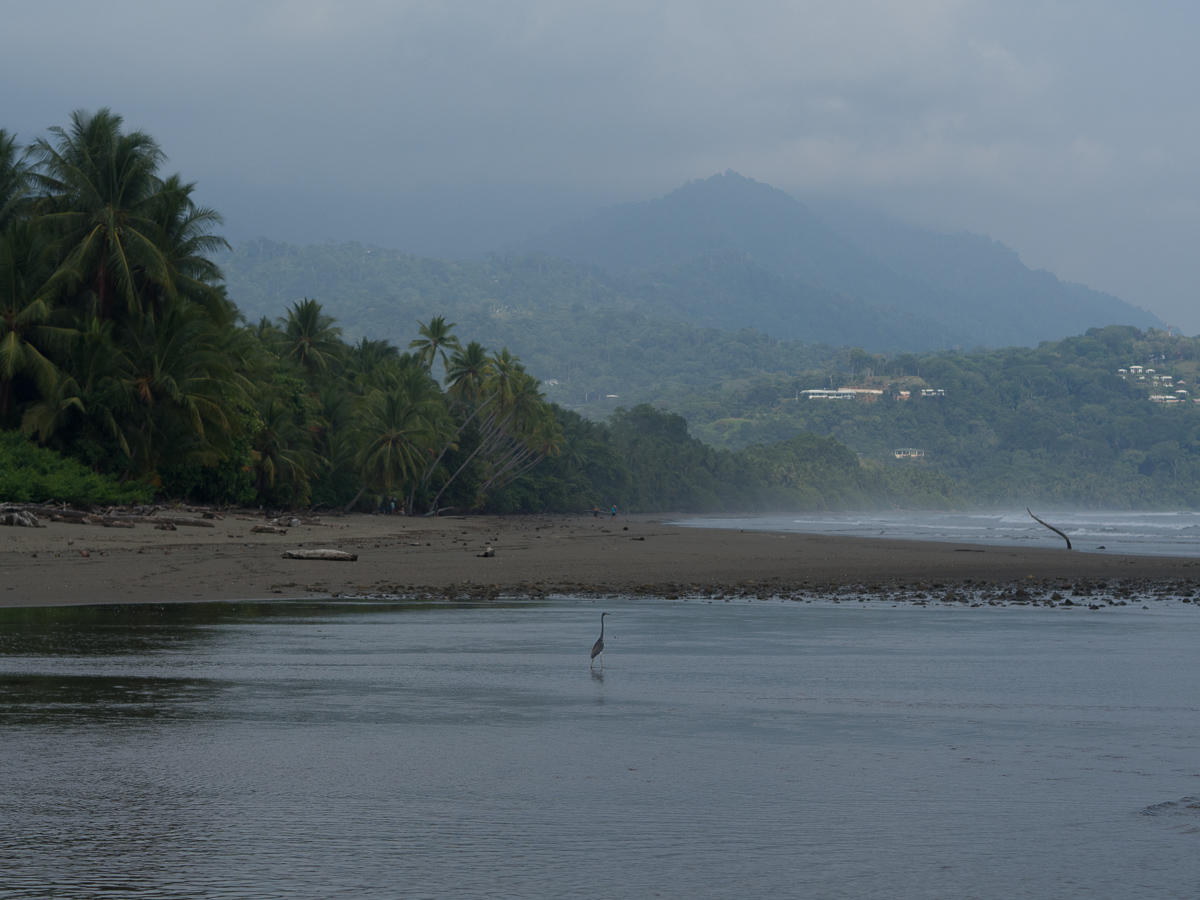
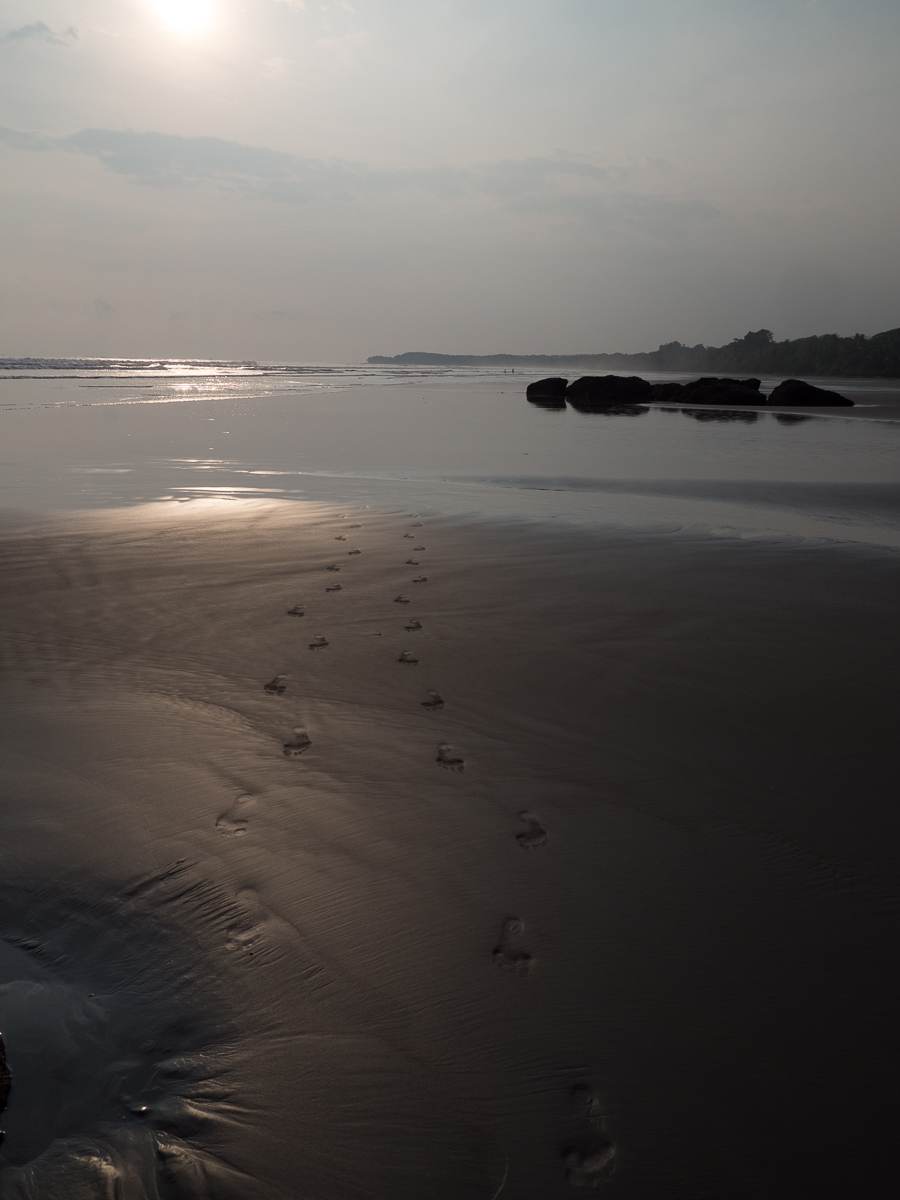
The Pacific beach at Uvita was a spectacular beauty, a cliched arc of pale sand with coconut palms on one side and blue waves on the other – waves and howler monkeys competing. The serious boardies stay a little to the north, where Dominical has expert grade waves. Uvita has gentler stuff and was sparsely dotted with beachgoers and a few boardies at the small breaks. The sea water was cool bath temperature, barely cooling at all. Although it was overcast, I was dripping sweat after 1 and a half laps of the beach, while Clare collected sand dollars and admired the agile crabs running over her foot.
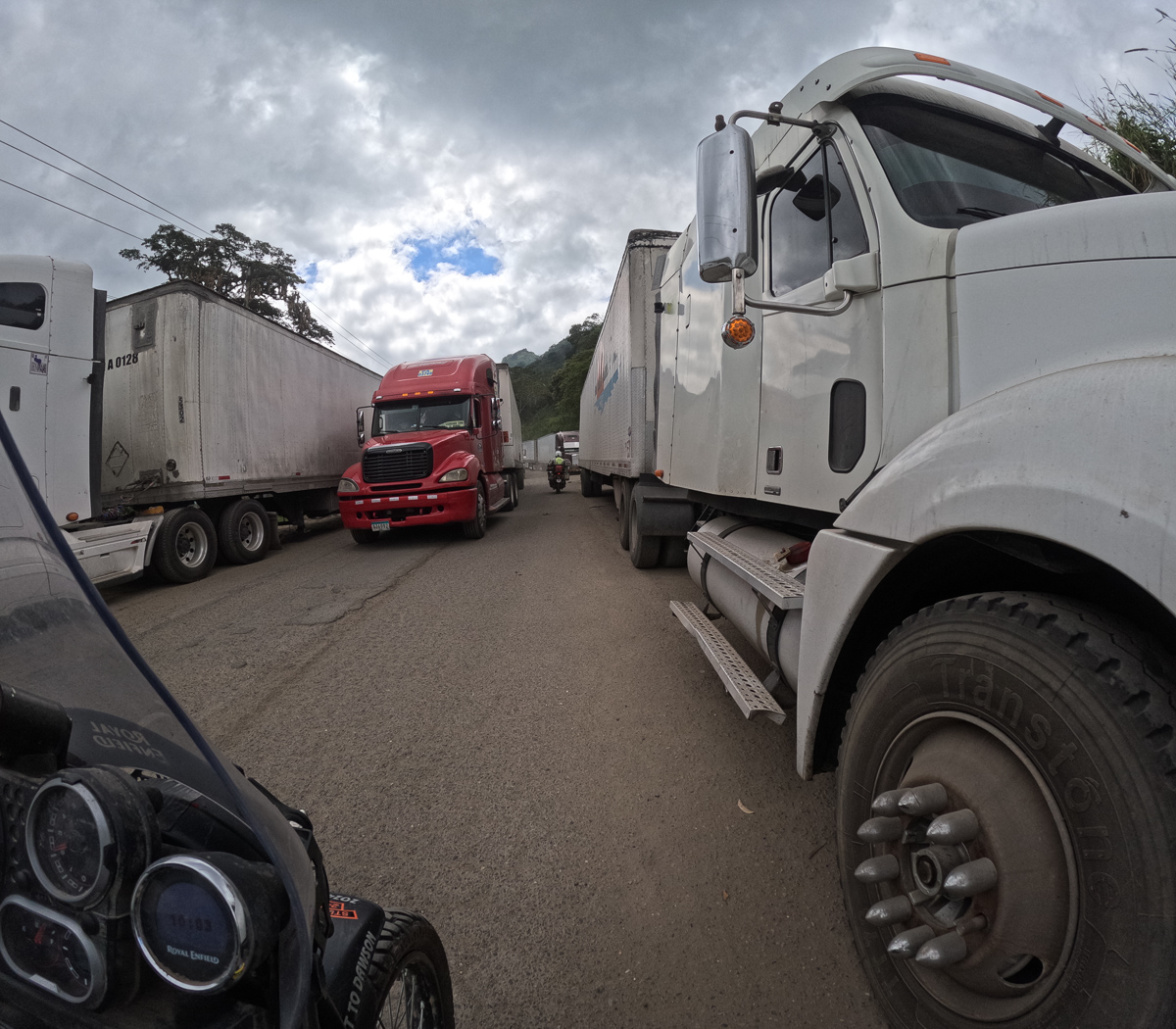
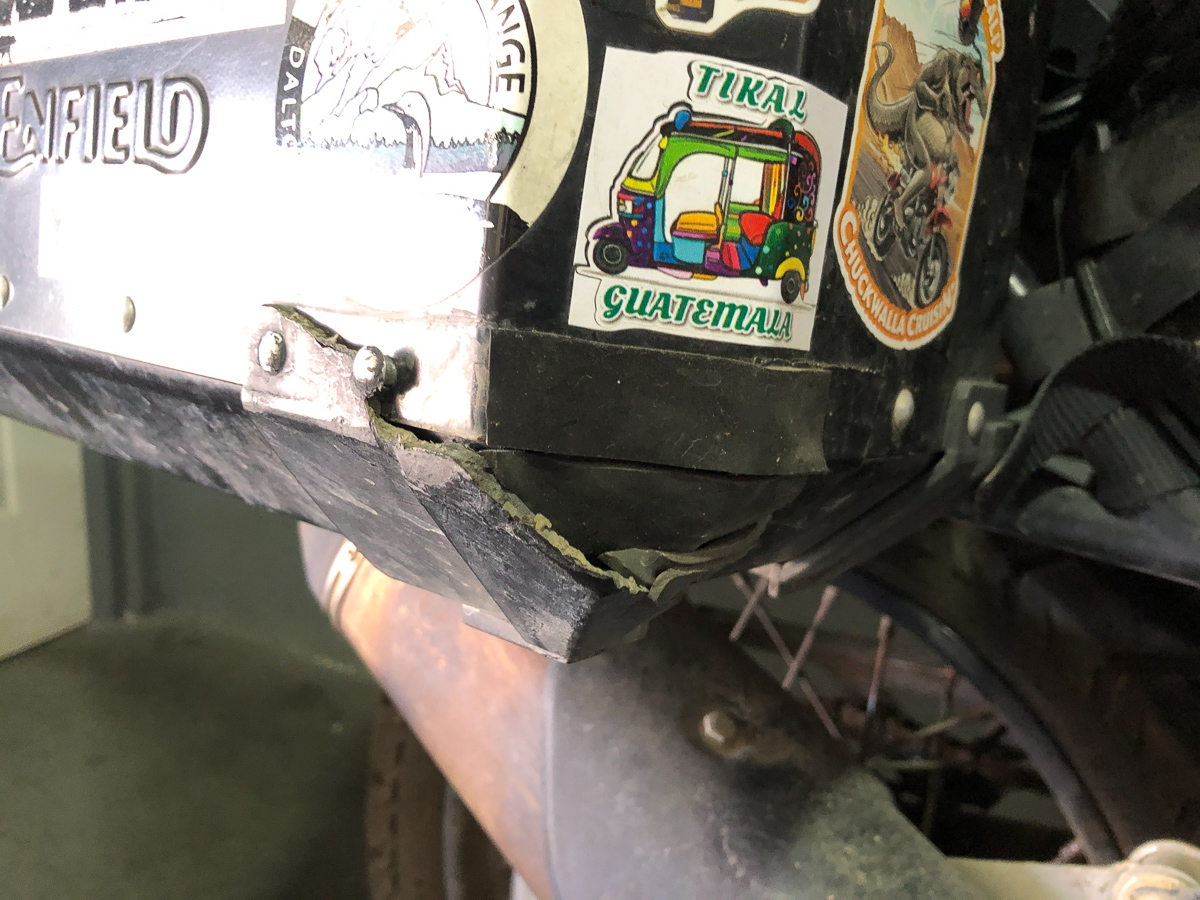
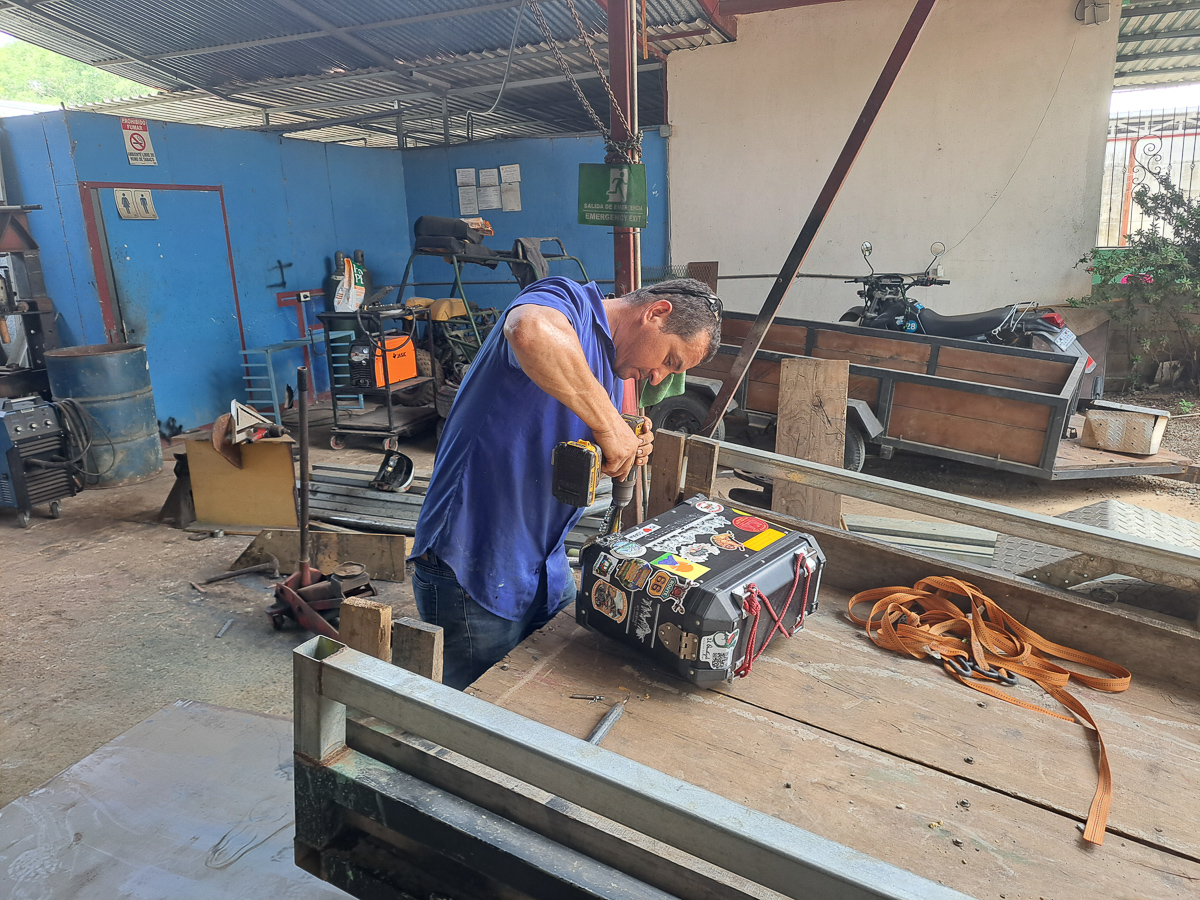
The only outstanding bike job was to fix my rear pannier. I’d got too close to a truck when lane splitting in Guatemala City, and the truck’s extended wheel nuts took off my rear pannier corner protection. A lucky escape! I should never have been that close. I could have gone flying. There’s no spare part, so it has to be bodged: At the coast a local surf board shaper had no interest in slapping some glass fibre on the corner but the metal worker down the road was happy to cannibalise the pannier’s rear inner corner protection to move it the the front outside corner where the pannier is far more likely to need protection even without me trying to vie for space with a trucker.
At this point, riding in drizzle and mist, we realised that our rear lights basically didn’t work, nor did our brake lights. I had fitted “upgrade” LED bulbs from the UK, in Mexico City (USA bikes are sold with ordinary bulb lamps, unlike everywhere else in the world who get LEDs from the get go. I think it’s called a “non-tariff barrier”). Anyway, obviously crap LEDs, as they’d deteriorated to near invisibility in 6,000 miles. Hazards on then, team! Fortunately the replacement spares (also LEDs) that I’d bought in Mexico City, proved nice and bright.
The Caribbean beach at Cahuita isn’t a patch on the Pacific beaches, but that wasn’t why we’d come. Lonely Planet states that despite some development in recent years it has kept its Caribbean vibe. True enough, Bob Marley’s One Love amongst many other hits were blasting out of several brightly painted eateries along the coastal road. Alas, whatever we planned here has to factor in the unseasonal cloud and rain that’s visiting us now. Locals are appalled – it doesn’t do this. ‘Rain at this time of year will ruin the fruit crop. The fruits will swell and burst!’ But yes, it’s overcast with some torrential showers. It’s one month short of the rainy season so whether we like it or not we need to get our act together to deal with this wet both on and off the bikes. Two out of three of our recent dawn choruses had been thunder, the third howler monkeys.
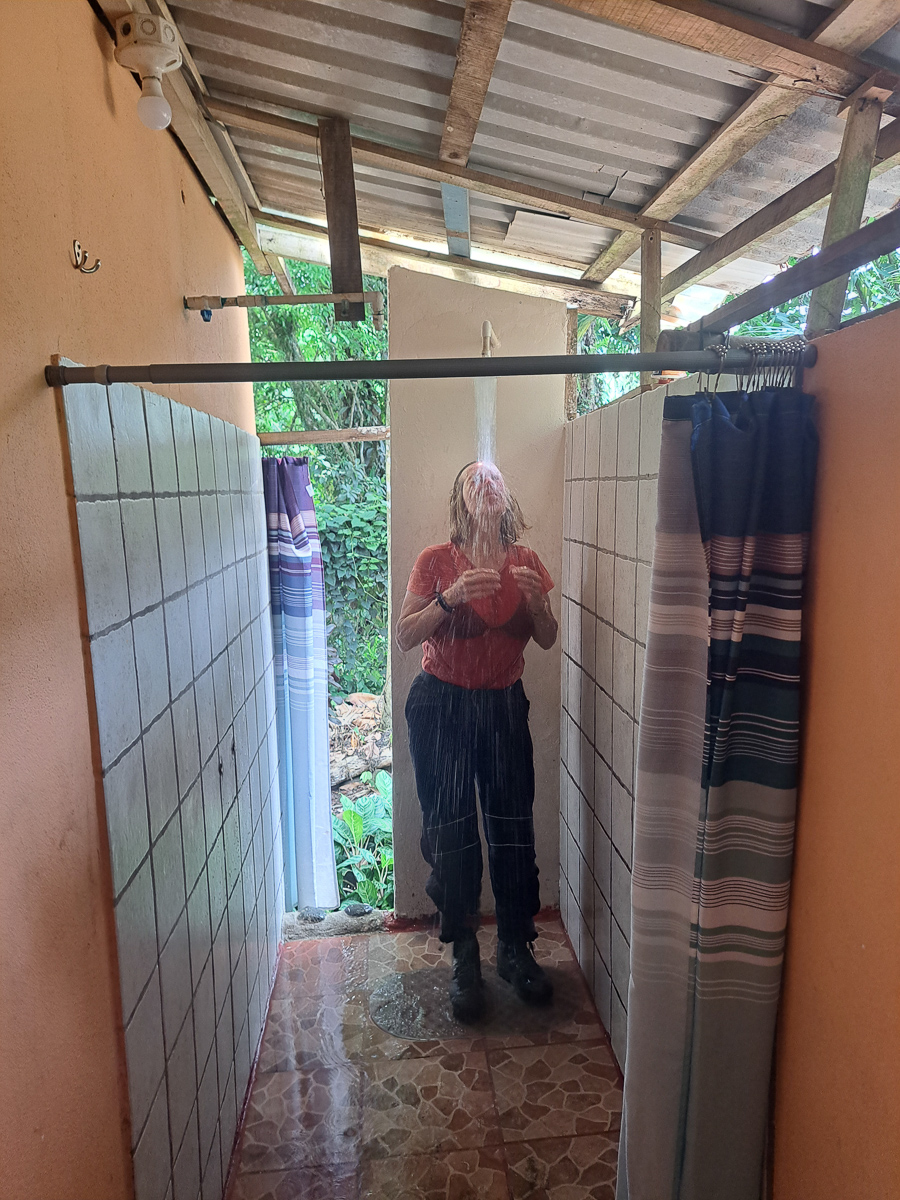
As the “unseasonal” rain continues day after day, gradually confirming that it’s just an early start to the rainy season, we should admit that although unhelpful, it ain’t that bad. Very often, the mornings are fine, with the humidity rising until rain breaks out in the afternoon. A lot of the rain falls overnight – thank goodness for Clare’s brilliant bike covers. We can mitigate it a lot by getting up, and getting going, early. It doesn’t rain every day, either. We do still get caught out occasionally though. And of course, it’s warm rain, being wet is just, well, wet. Not welcome-to-Scotland-in-August-dangerously-hypothermic-wet. Equally, I’ve worked it out now, that if I want to go for a run (which I fail to do weekly), we either have to be at a height of over 1500m, or it has to be raining, otherwise it’s too hot. Which leads to the odd, flapping, flatfooted experience of running in my basic Teva sandals, rather than trainers. Or just occasionally, the treat of running barefoot on a sandy beach.
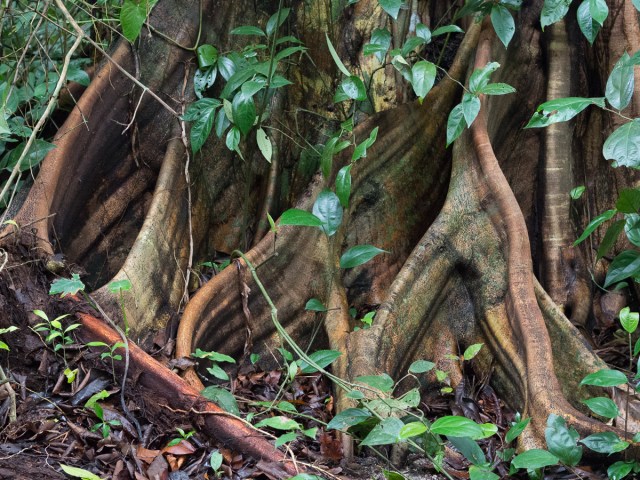

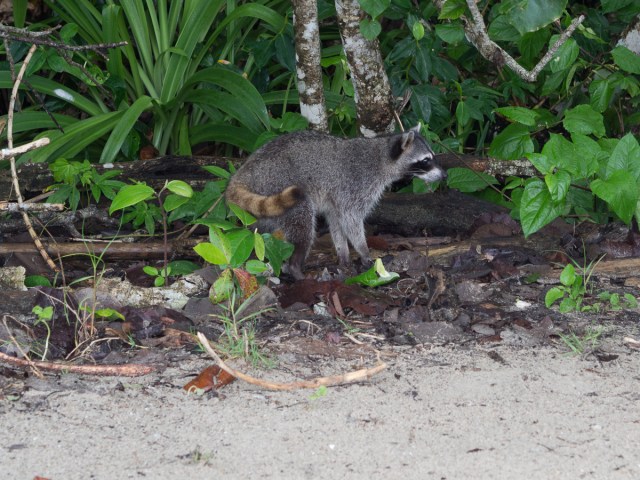
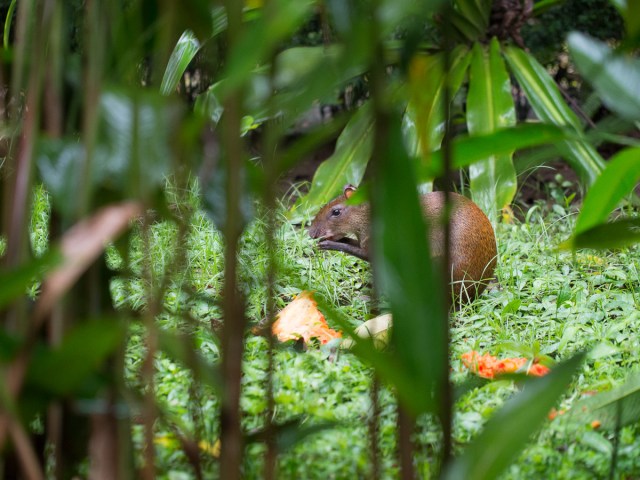
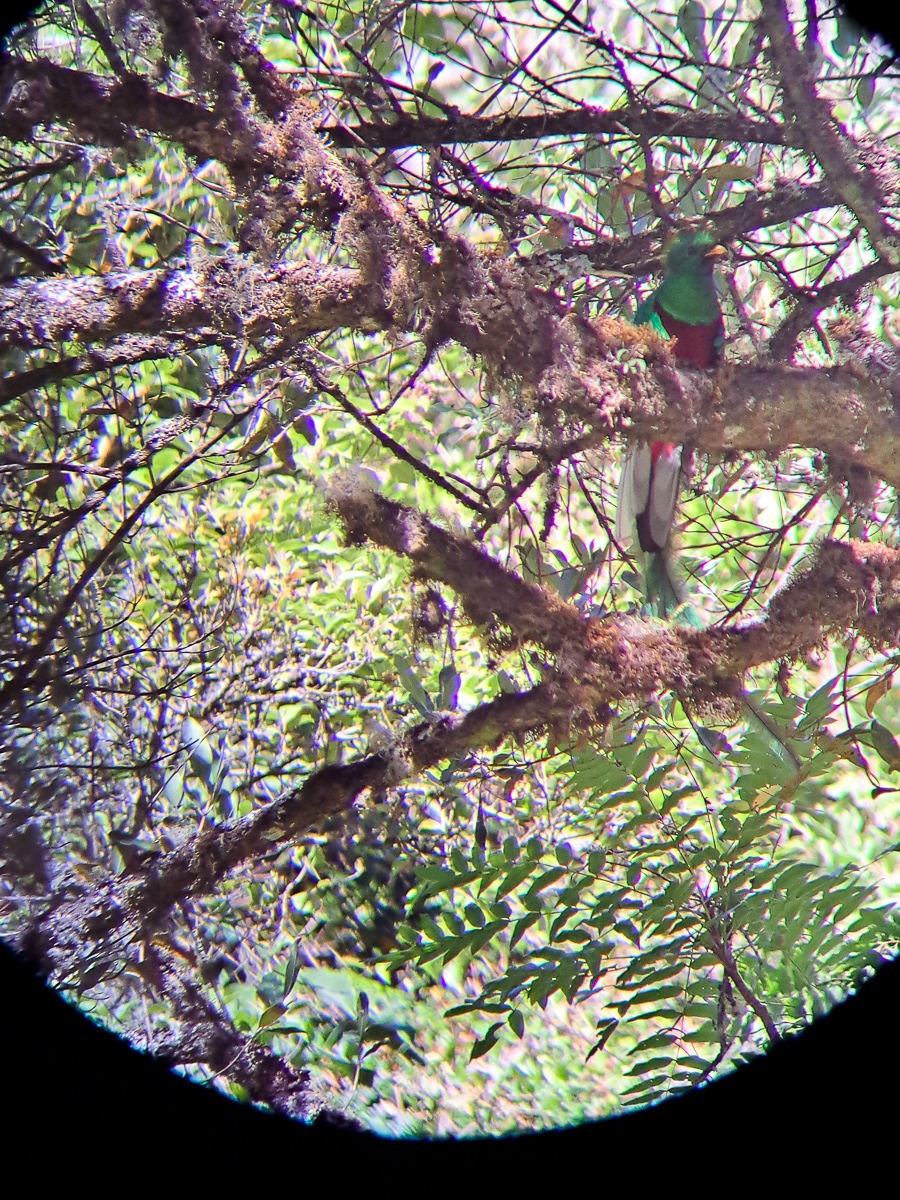
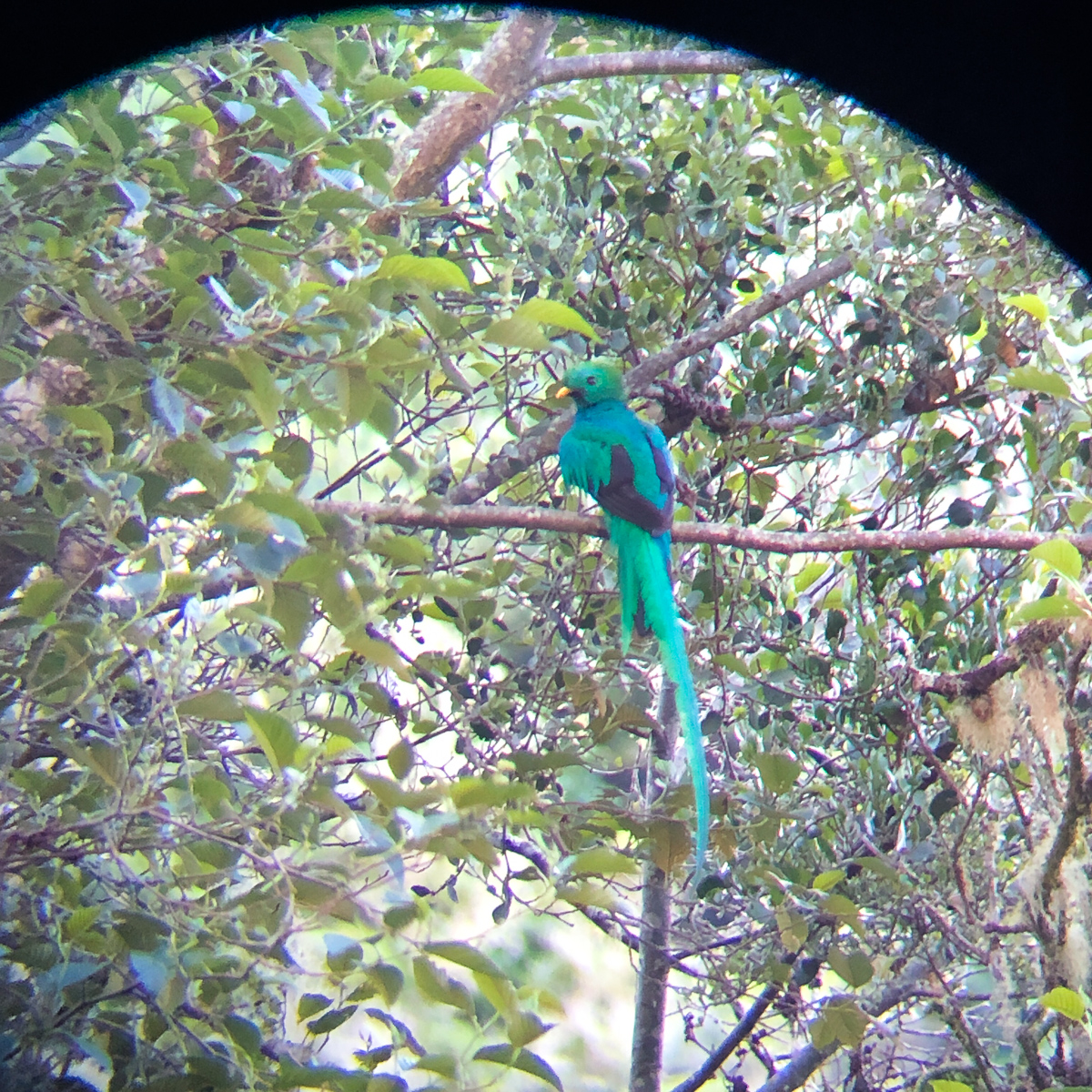
On the Caribbean we visited the Park National Cahuita but on this occasion we went for the option of a guide. It’s about 50 – 50 whether or not we get a guide but with a guide we are guaranteed to see some prized wildlife in the area – they know where the beasties are, and the guides in an area share sightings. This was again the case at the Quetzal National Park (actually just outside at San Gerado de Dota). In the quetzal park we left at 05:30 with our guide Inaki to stand for the nearly an hour with just a few common birds in our view. Inaki showed his prized pictures of quetzals, the National bird of Guatemala, in this tree to our left and that one behind us justifying why we were standing here. Then a whirlwind hit. The walkie-talkie squawked. Cars were dashing past, we were legging it to the buggy. There was a mass exodus down the road where every group found a spot to park, jumped out and joined the throng. Scopes pitched, necks craned told us where the quetzal was. Three quetzals, in fact.
The dual carriageway, CR32, down towards Limon was our first experience of Costa Rican contraflow traffic. Cars approaching us at speed was somewhat alarming. ‘What the heck is this?’ A few more expletives passed between us as the odd car, truck or lorry came hurtling along from the other direction right towards us separated by a thin white line. Initially, some obstacle was placed in the fast lane to force the traffic to merge into one. Nothing unusual there. There is often an obstacle in the road. From there we were separated by the occasional plastic pole set into a small concrete disc. So infrequent where they that occasionally a car would cross to overtake before weaving back into our lane. We got kind of used to that but it went a step further on our return. Out of the blue there were three arrows on obstacles semi blocking our road pointing leftwards across the central barrier. Gingerly we went across with no further indication that this was correct. ‘Local traffic,’ Gid said explaining some cars still on the other carriageway. ‘It’ll soon cut across and join us.’ To be fair on coming traffic did seem to be using one lane but that was of little comfort when we were on our own. Gradually we caught the traffic ahead but reversing lights were on. It seemed to be stopped and even backing. Just before them was a gap in the central reservation. I was through it closely followed by Gid. We’d no idea what was going on but had had enough of where we were when the road looked perfectly good to our right. A few seconds later we could see that the contraflow lane that we had left was blocked. That’s why the cars were backing up the dual carriageway. They had to reverse back to the gap.
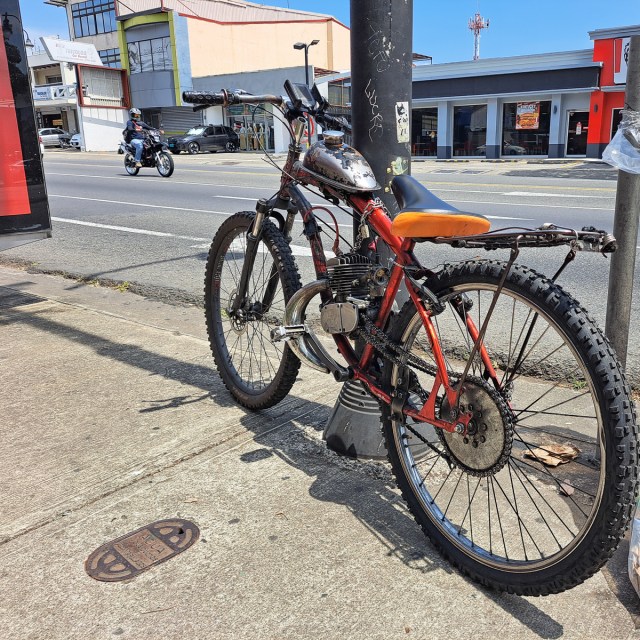
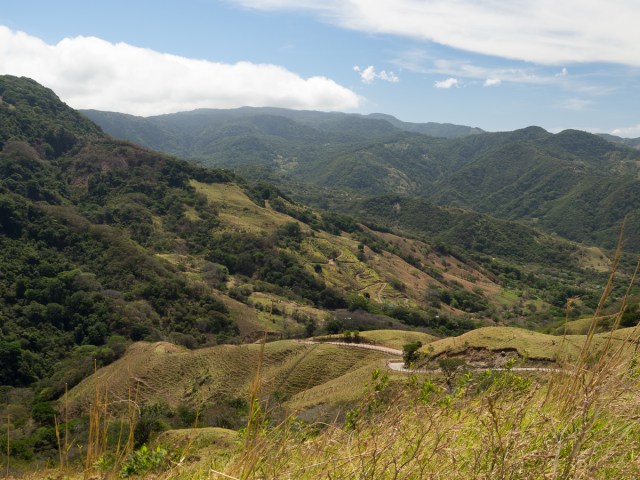
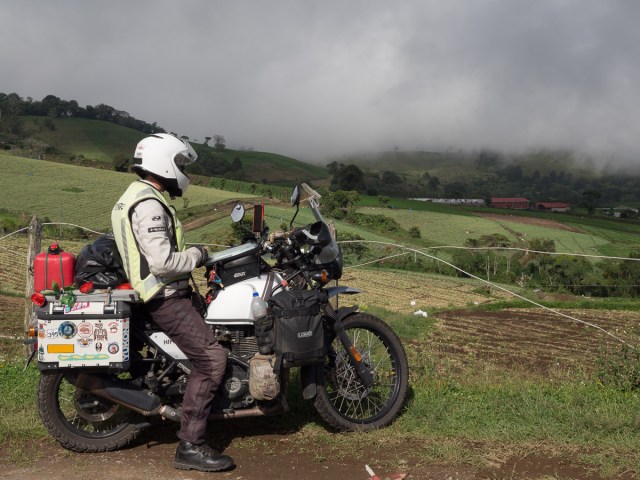
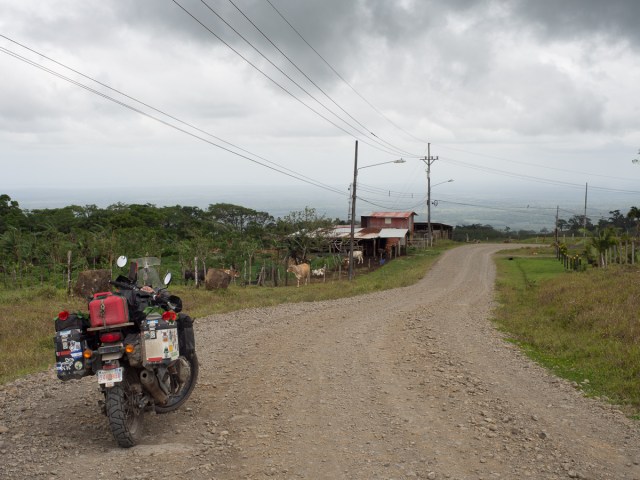
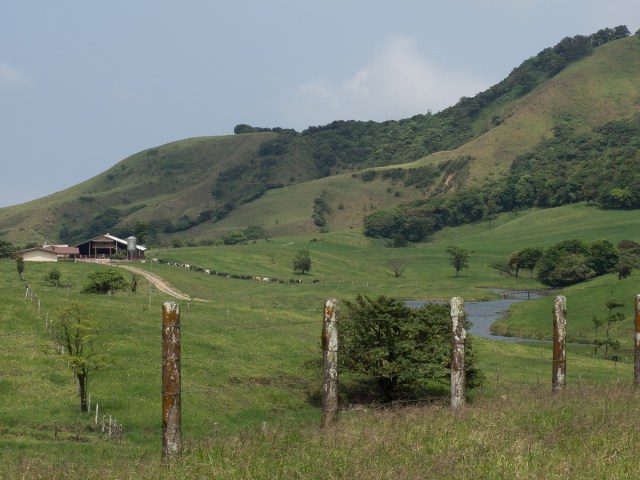
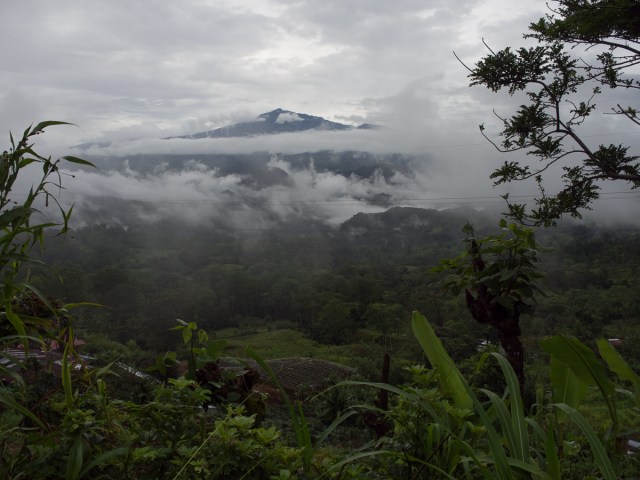
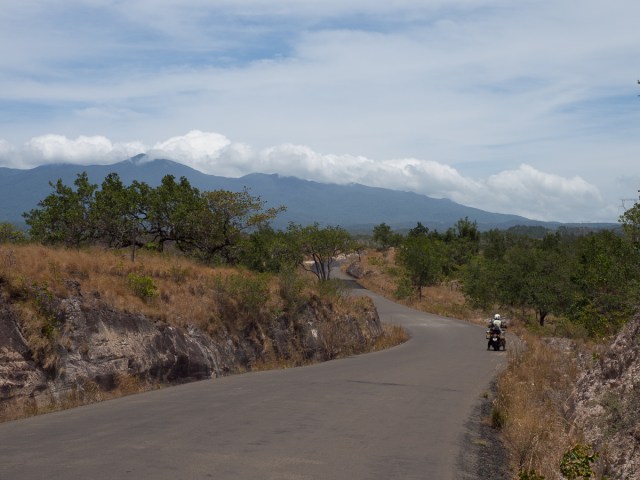
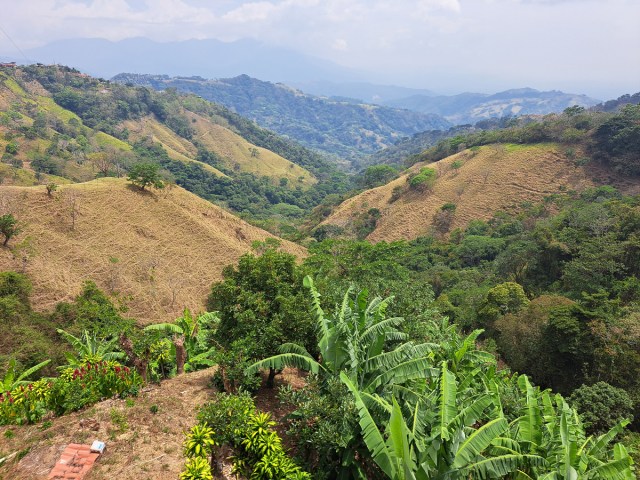
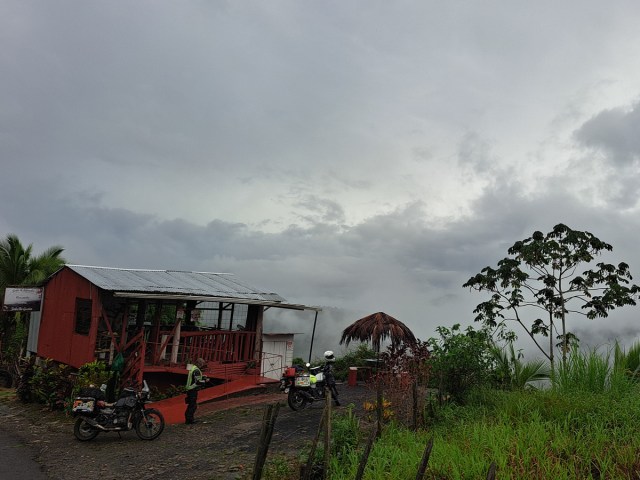
But moaning about the dual carriageway is rather missing the point about Costa Rican roads. It’s not a large country, so with two indented coasts and four mountain ranges up to 3,800m (https://lacgeo.com/mountain-ranges-costa-rica) many of the roads are twisty and steep. I don’t suppose Costa Rican bikers suffer much from “squared off” tyres. The ride from San Gerado de Dota to Puerto Jiminez was pretty much 170 miles of convolutions. Of course, a faster bike than the Him would have livened it up, but with such short sightlines at the incessant bends, going much faster might prove fatal. Often 30-40mph was ample. One thing we are seeing in CR though, first time since the USA or maybe Mexico, is locally registered “big” bikes. Whizzing past us, sometimes, but that’s fine by us, we don’t know the roads at all. Another aspect is that, curiously, as we sweat along in 35°C temperatures, some of the countryside looks like, well, Devon. Rolling hills, green grass, rickety fences, processions of cows heading for the milking shed. Curious indeed.

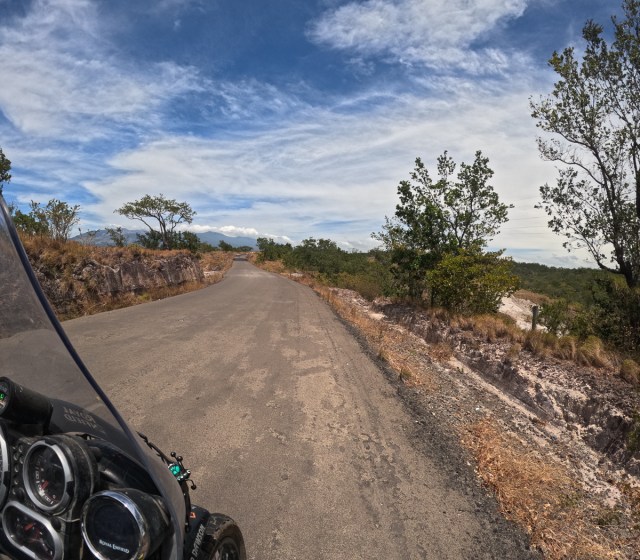
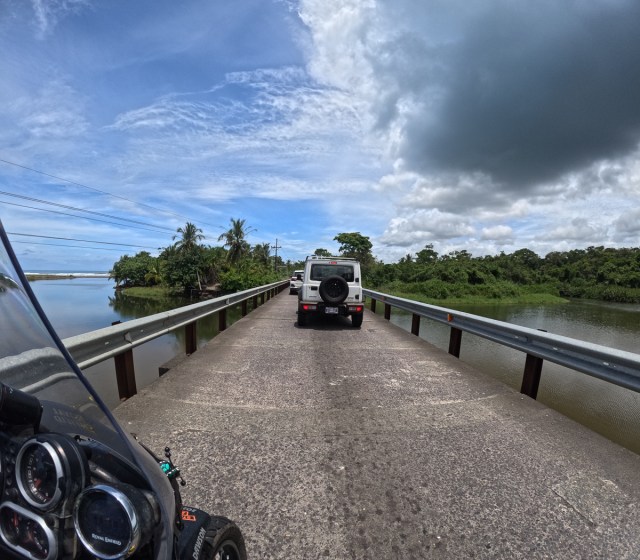
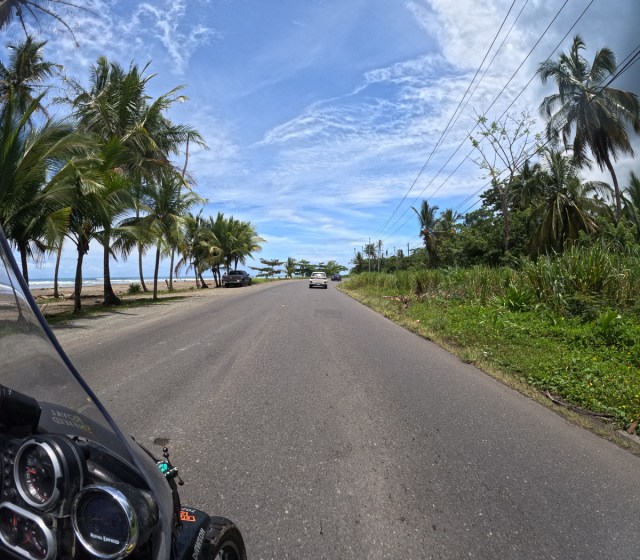


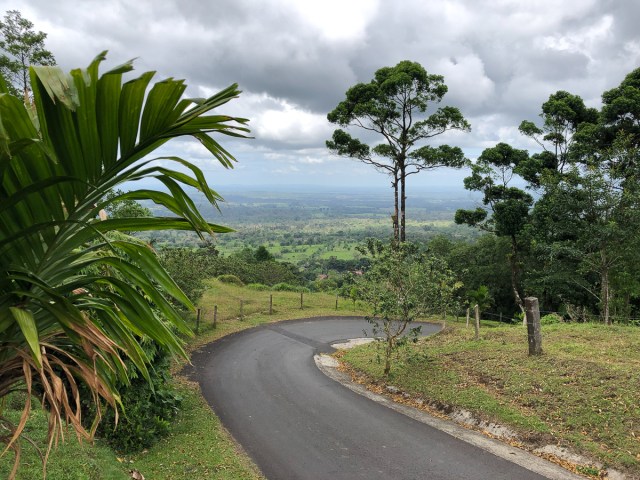
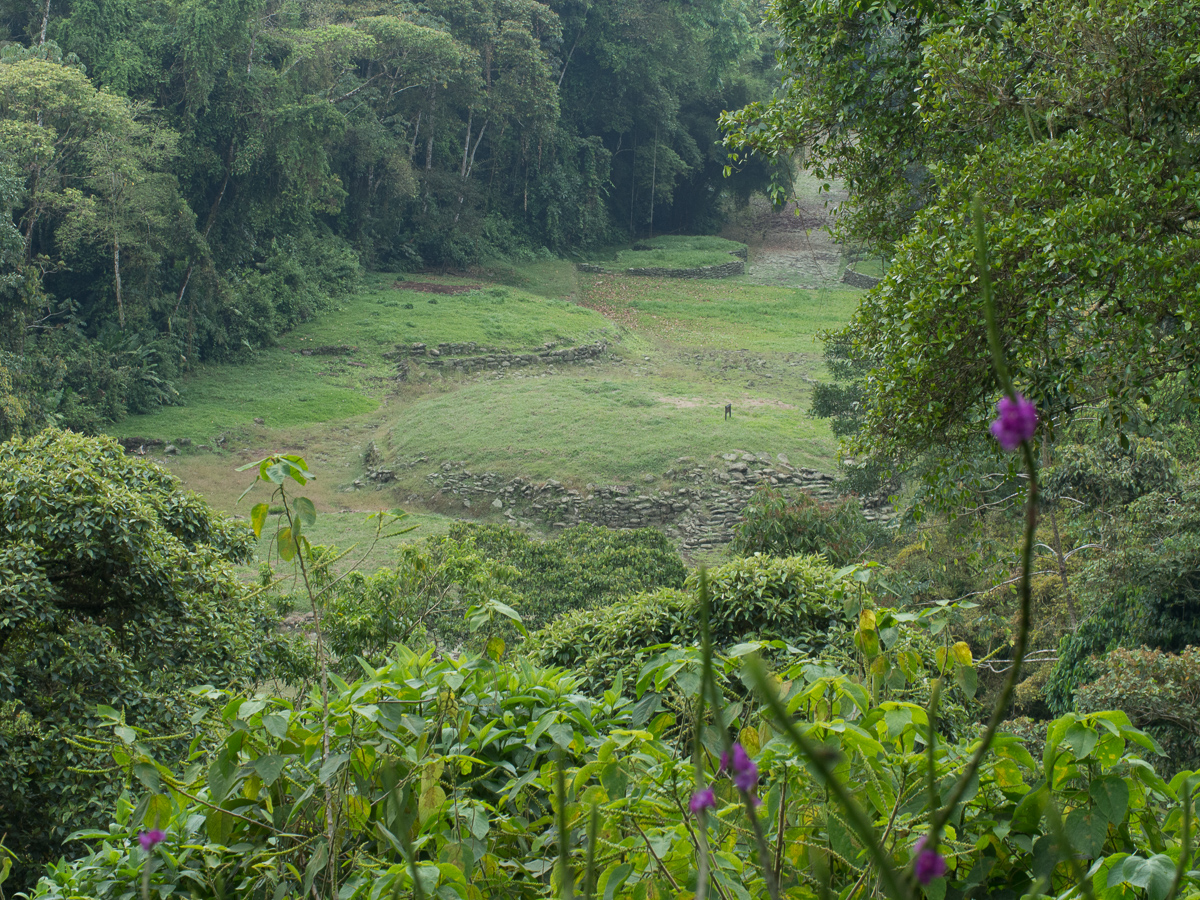
Guayab, our stopping point when returning along this road, is the site of the National Monument. Pre-Colombian is the most specific information about the people who built this city. The site is quite small compared to the Mayan ruins we’ve seen as the foundations of the buildings is all that is left together with two water cisterns and a section of road way.
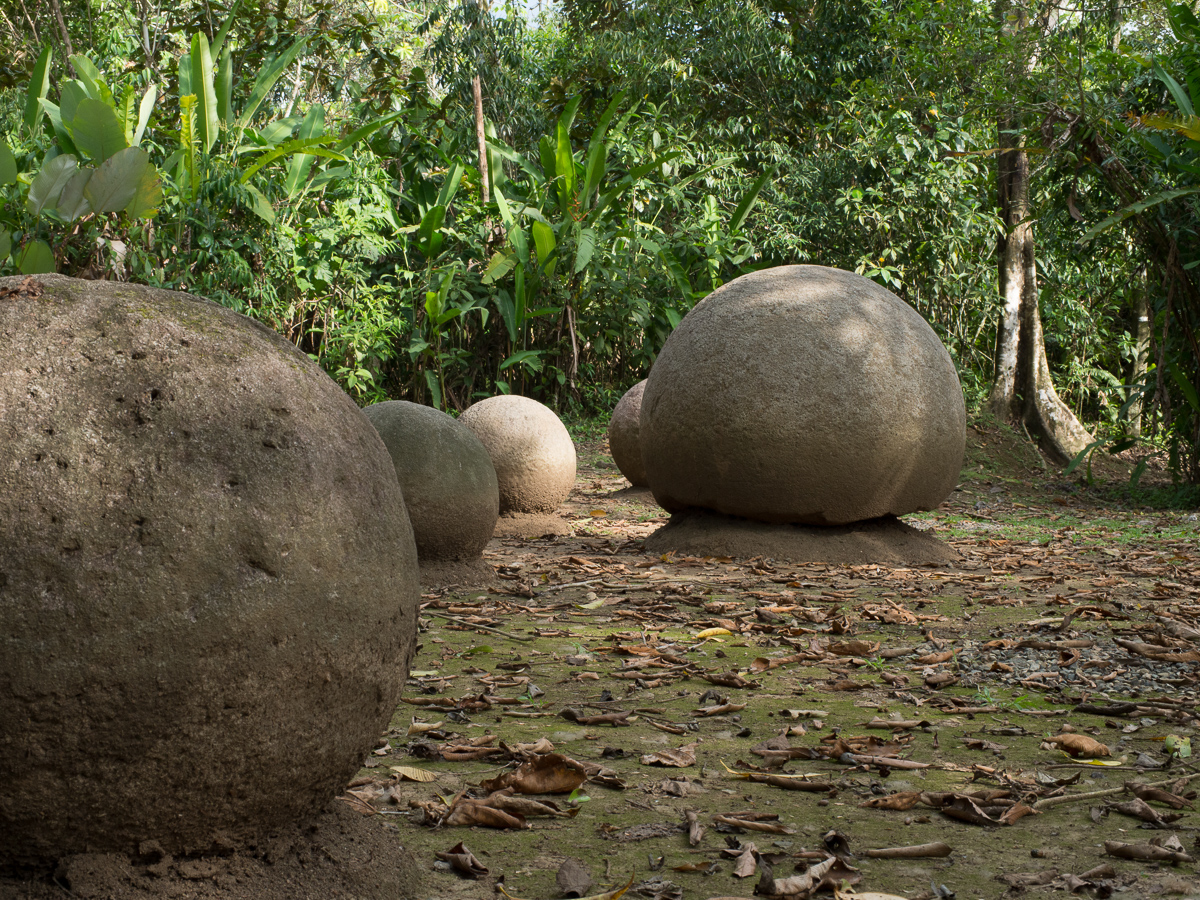
Later we were going to pass the turning to Sierpe which leads to the Finca 6 site – UNESCO listed since 2014 because it is of world significance and interest. It is again the site of Pre-Colombian civilisations dating from 200BC to 800AD and had many strong similarities to the National Monument at Guayab. They both had raised circular mounds bordered with large stones where it’s believed a large conical wooden hut was built, with a thatched roof. The significance of Finca 6 and its surrounding area of lowland was the large stone balls varying from small to 2.6m wide. The stone balls are, it is thought, a mark of prestige, power and honour when placed outside a house. Others of the balls were placed to line up with the sun or moon in a similar way to stone henges extensively found in north western Europe which also align with the summer and winter solstices. Although, similar to the henges, there is much debate as to the precise placing and use of these stone balls. Only a few are thought to be in their original positions. Certainly it must be quite an effort to reduce a large boulder to a near perfect sphere using only stone and bone tools, so they were obviously important.

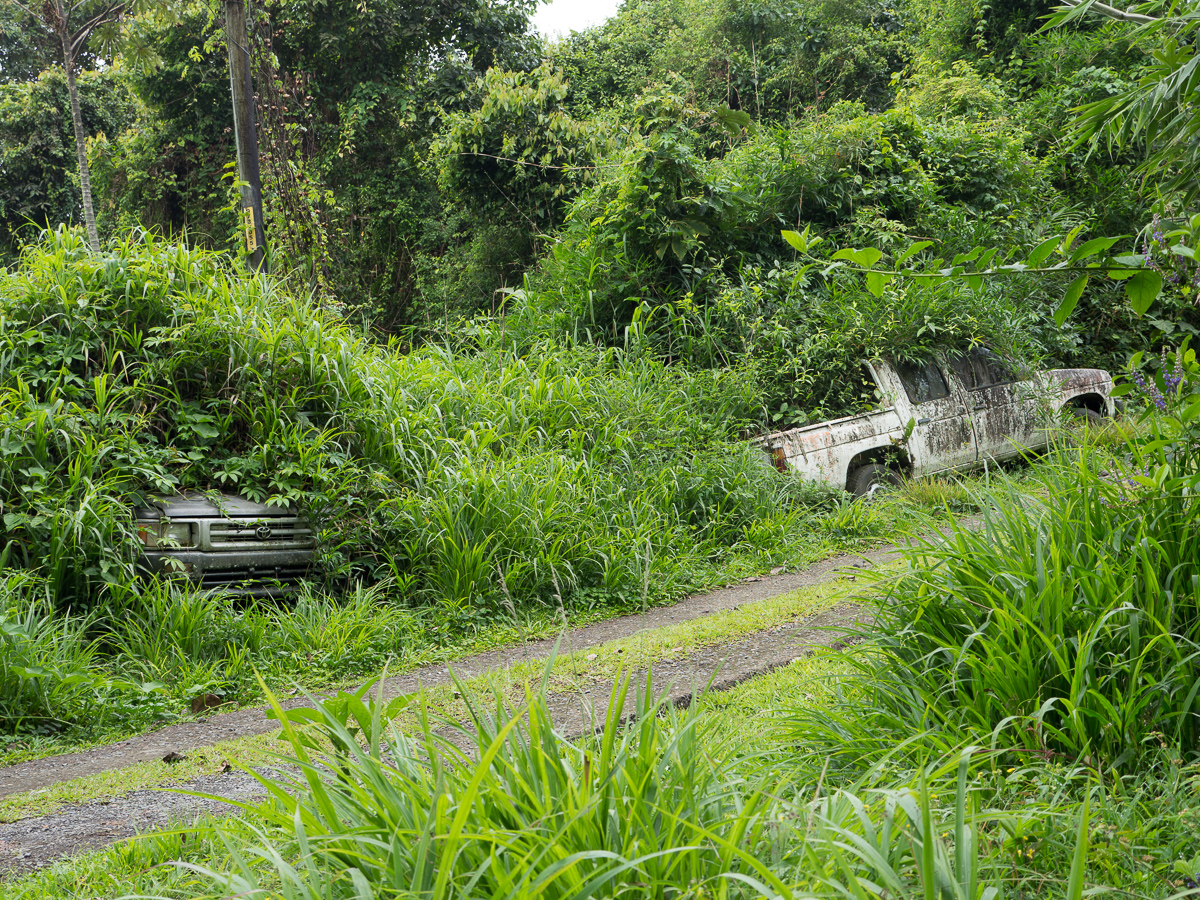
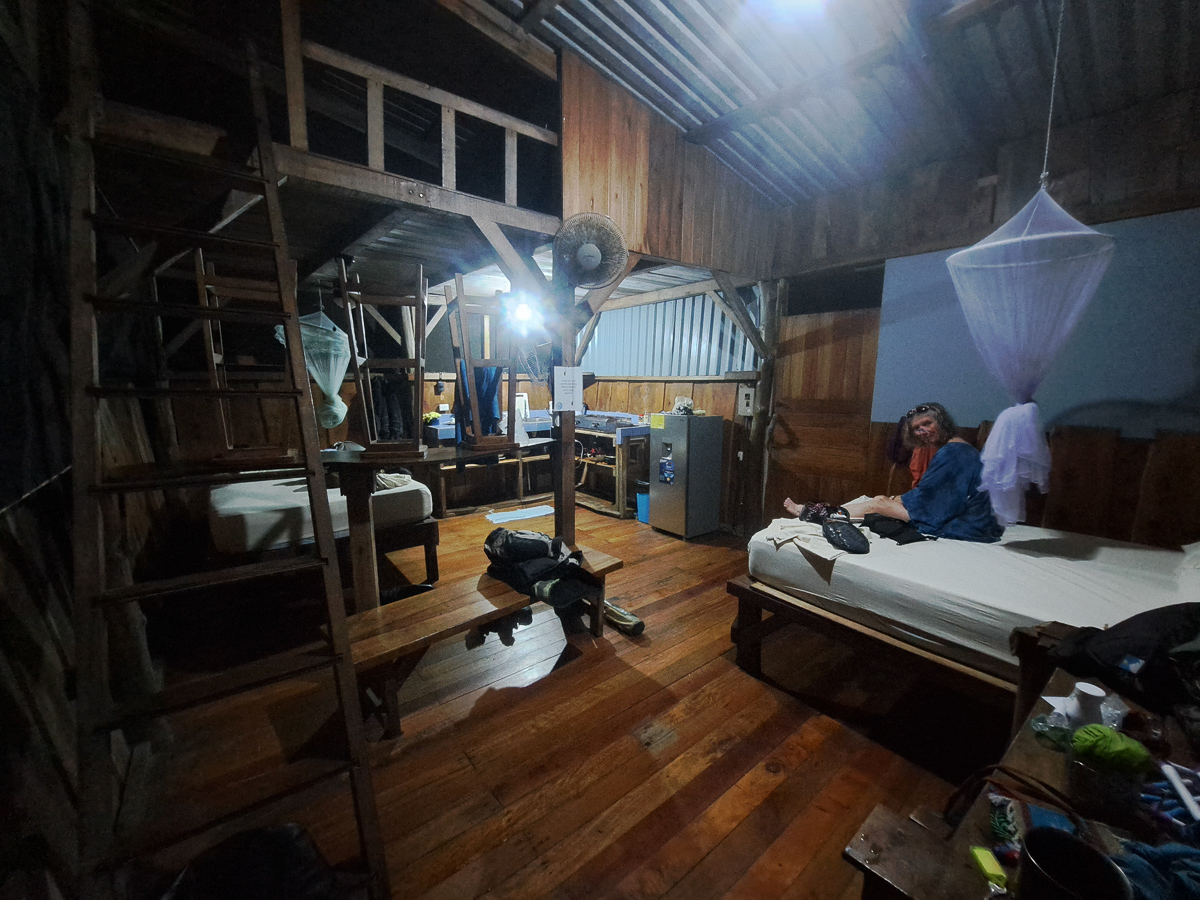
Our last port of call was to the tip of the Oso peninsula, billed as the largest expanse of untouched wilderness in Costa Rica where from Puerto Jimeniz there is a unique opportunity to explore an area of ‘untouched’ wilderness. At Surco, one tour operator, Sean the young salesman was busy selling us the benefits of a two day, over night trip to explore ‘untouched’ wilderness in the Corcovado National Park. Despite my saying that I get quite sea sick he didn’t seem to think it was pertinent to tell us that the seas are quite rough at the moment which resulted in one boat flipping a couple of days ago. He didn’t mention that either! We settled for the one day more local trip. Oh yes, and it’s Easter: Everyone is on holiday and half of the businesses are shut. But there was quite a lot of wildlife going on at the wonderfully jungly Chosa Manglar hostel we stayed at.
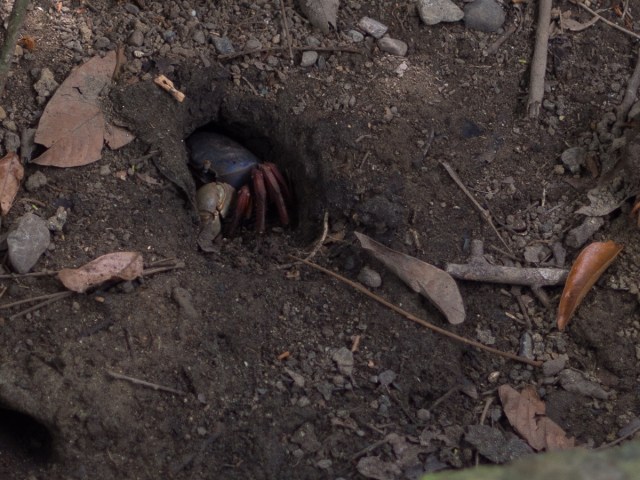
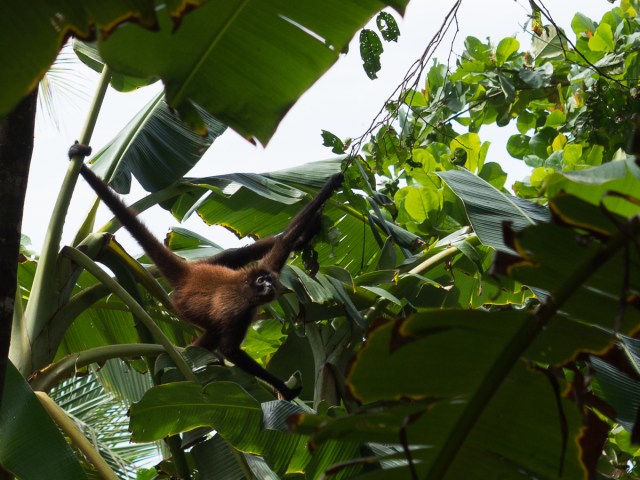
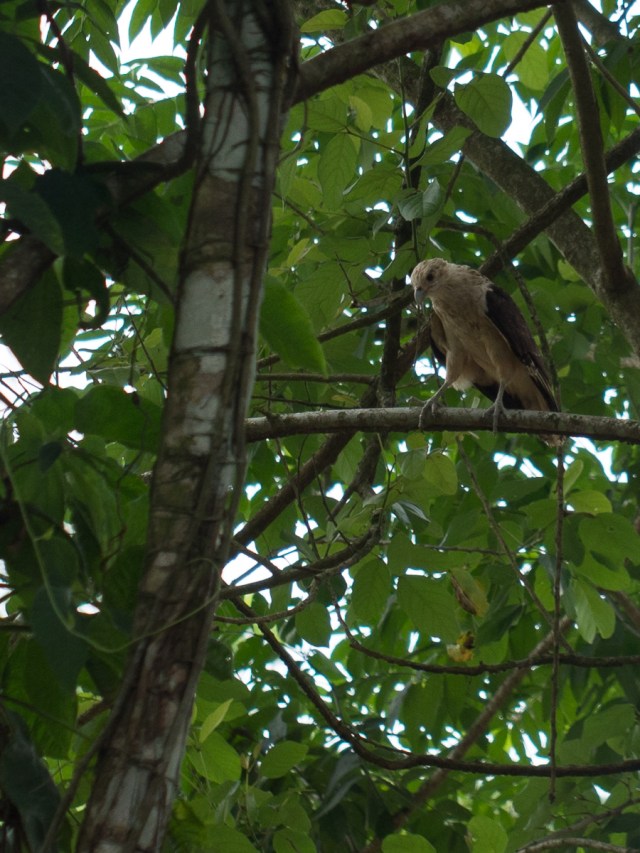

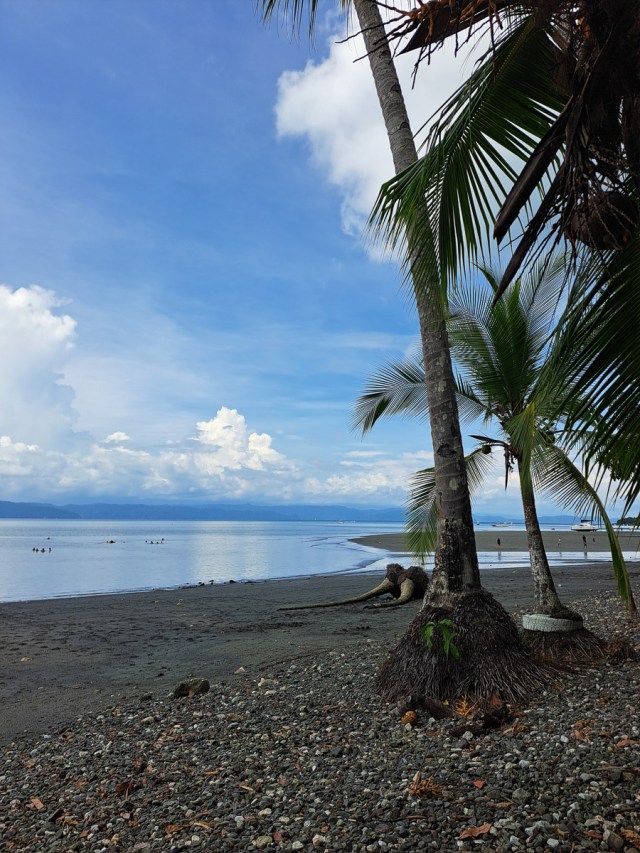

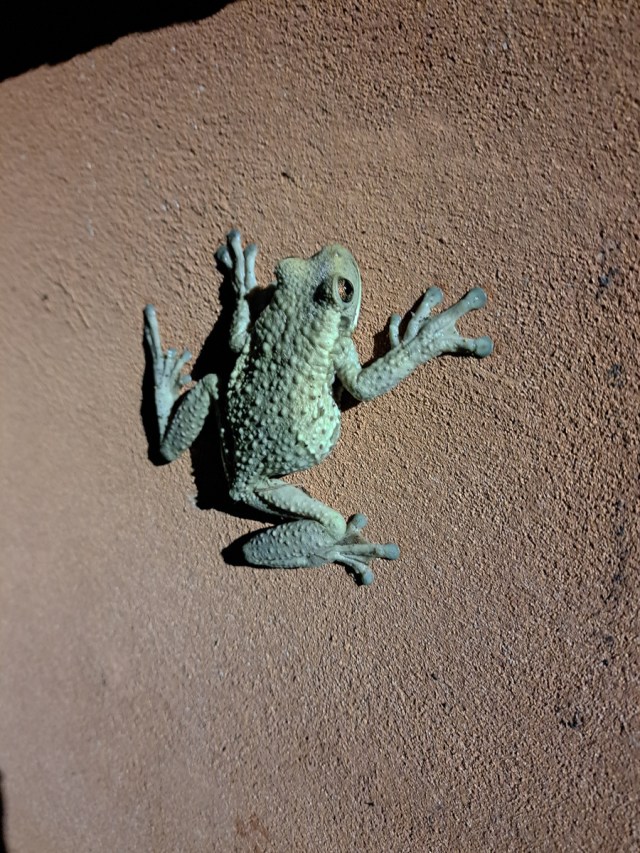
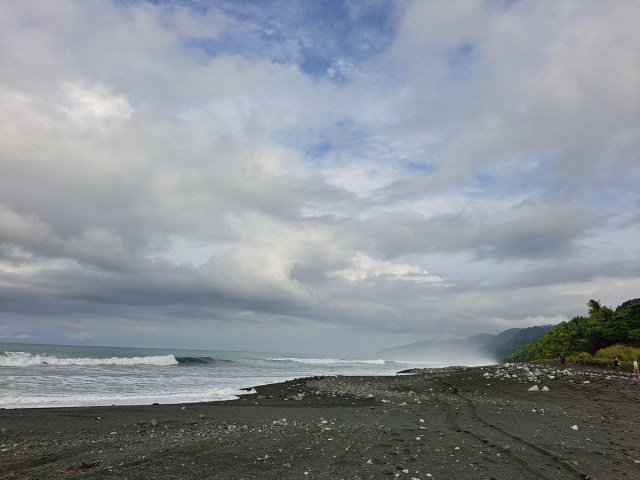
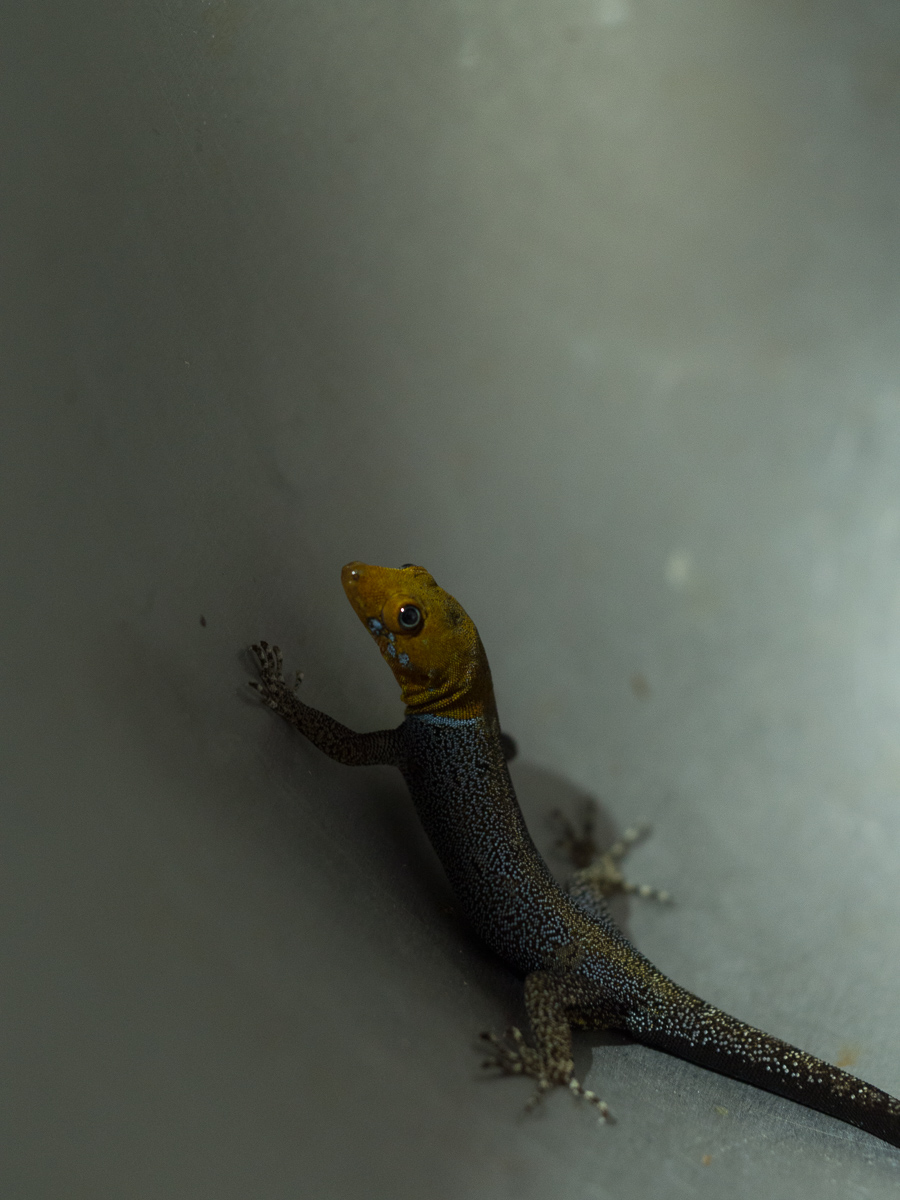
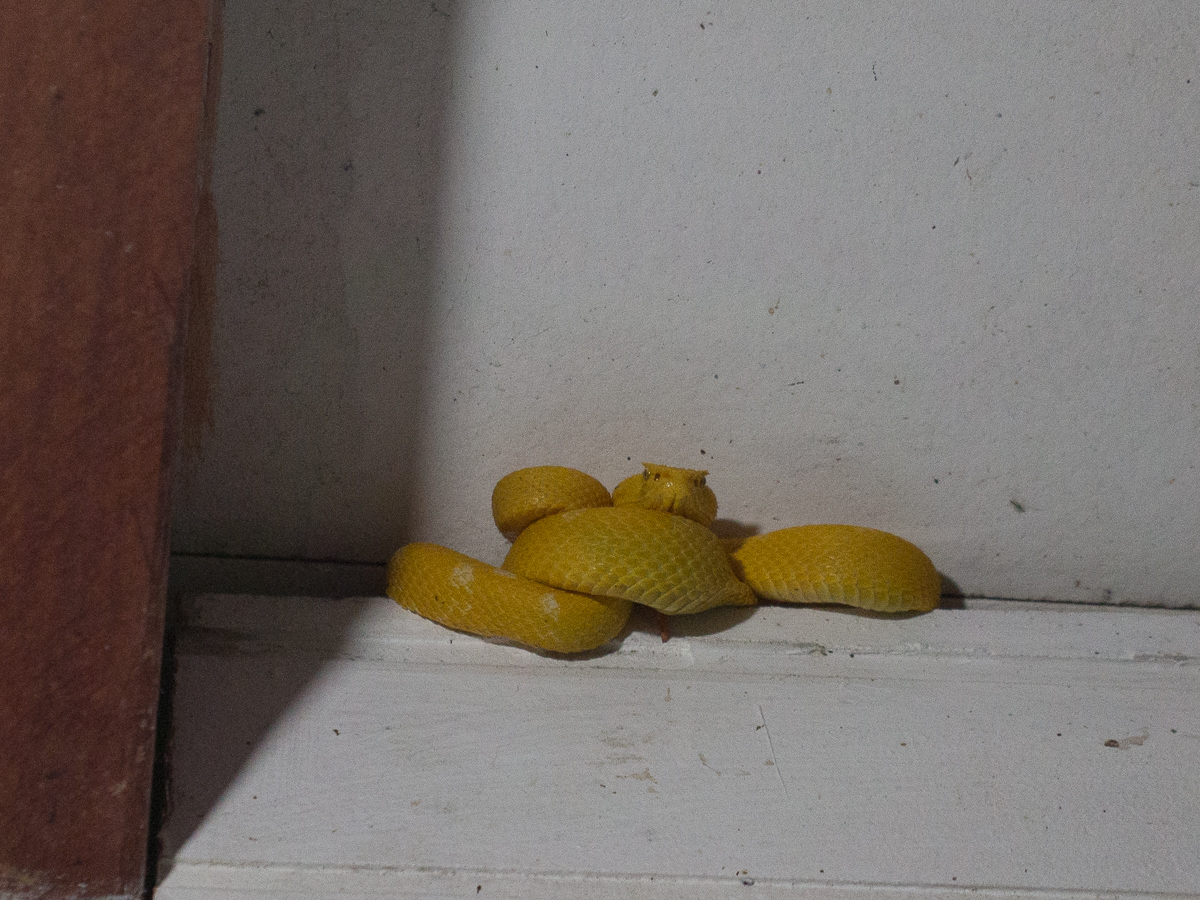
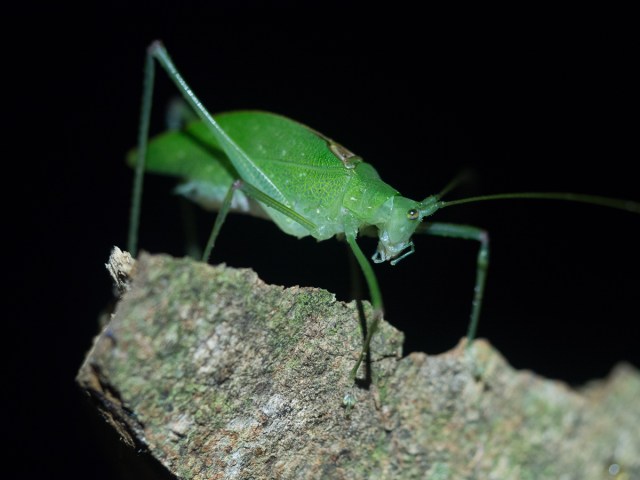
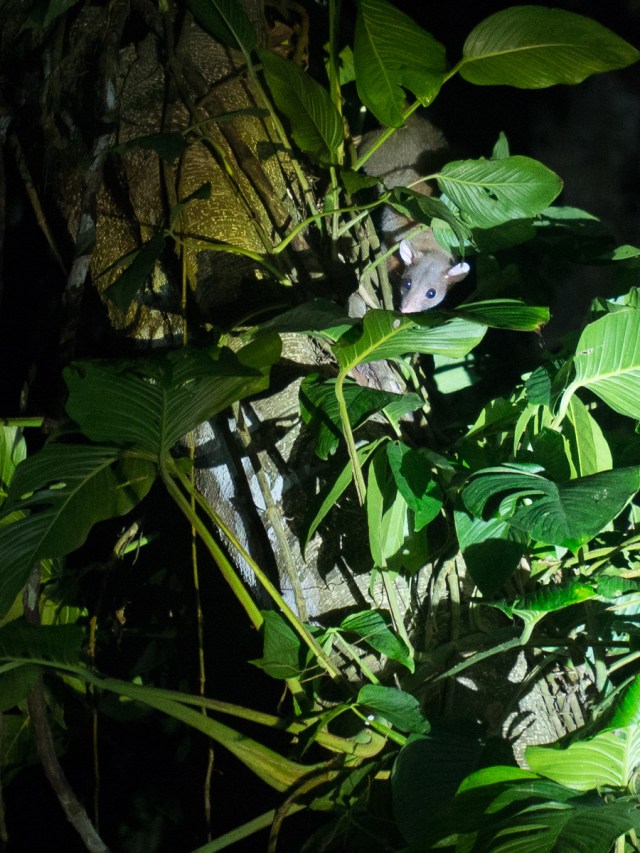
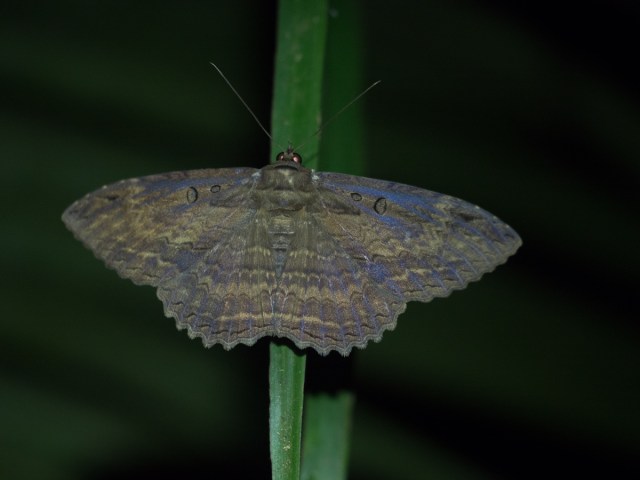
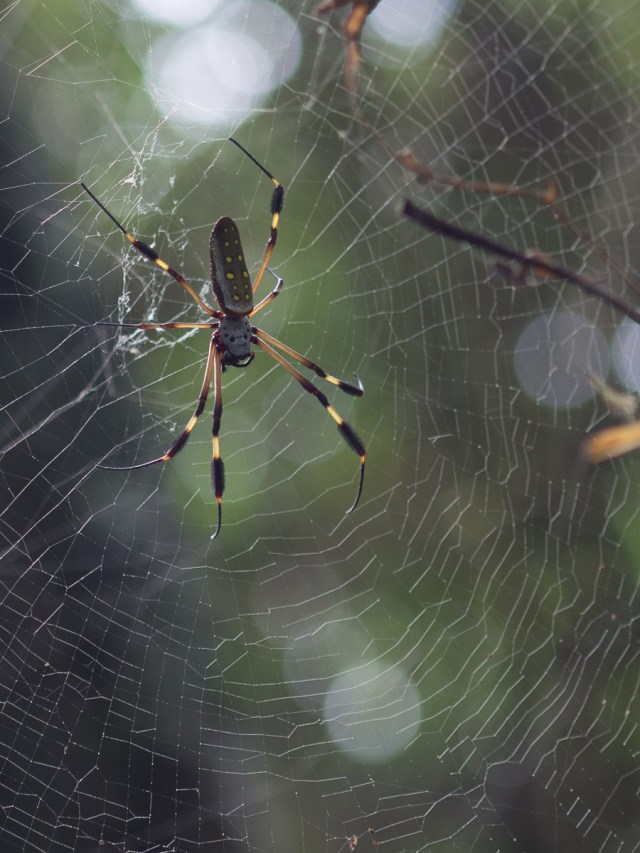
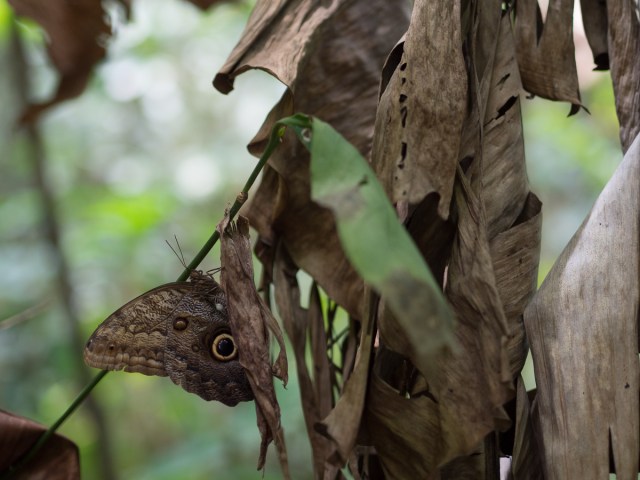
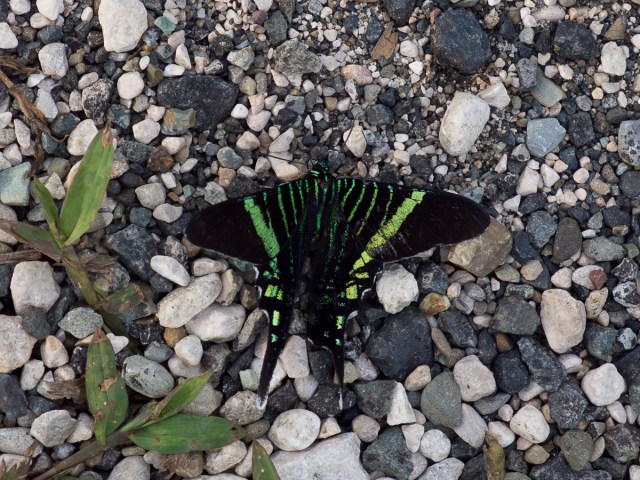
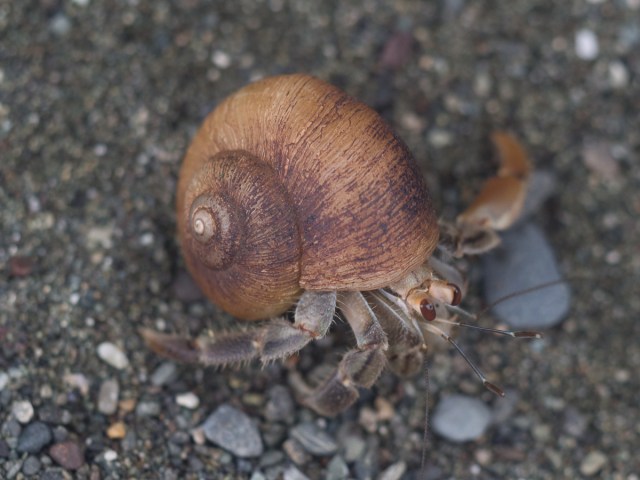
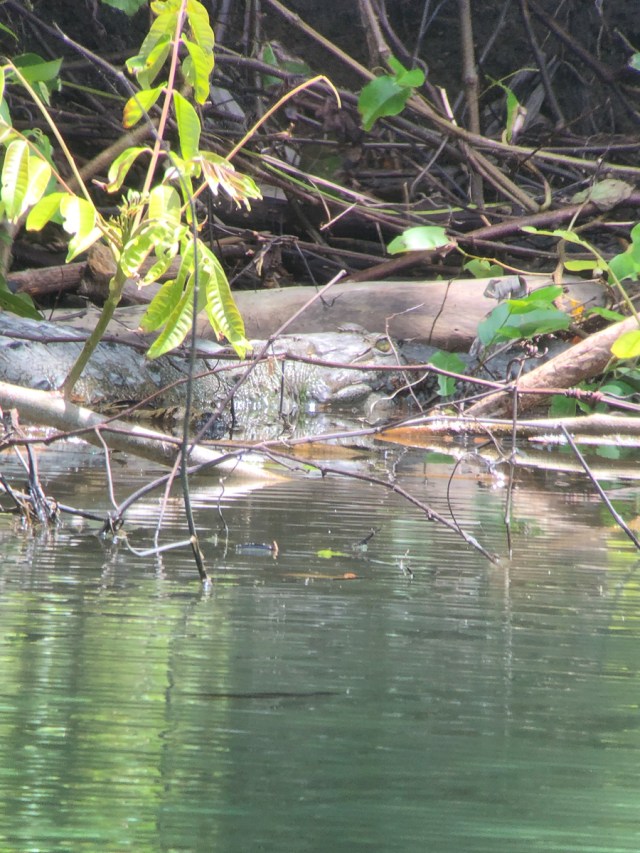
To compliment the untouched wilderness tour we took a local ‘night tour’ with the same Sean. This was a tremendous success with us seeing numerous frogs, spiders and small things, three or four mammals and a couple of birds but the piece de resistance was a fer de lance snake. One of the most deadly in Central America. Gid’s cayman is also pretty cool. And I started getting to grips with the new 60mm macro lens that was the main thing we’d collected from Jared.
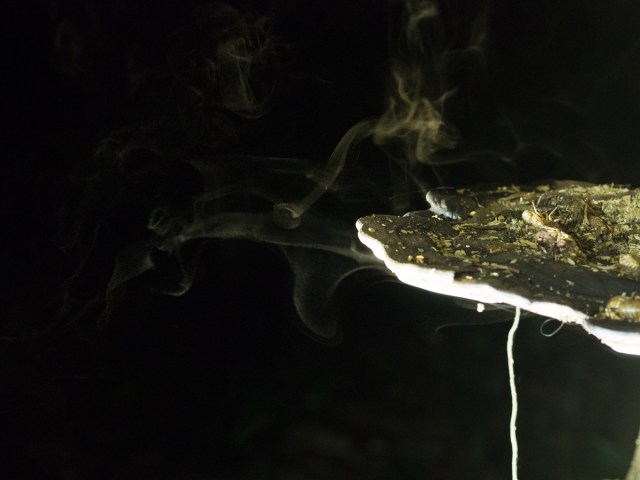
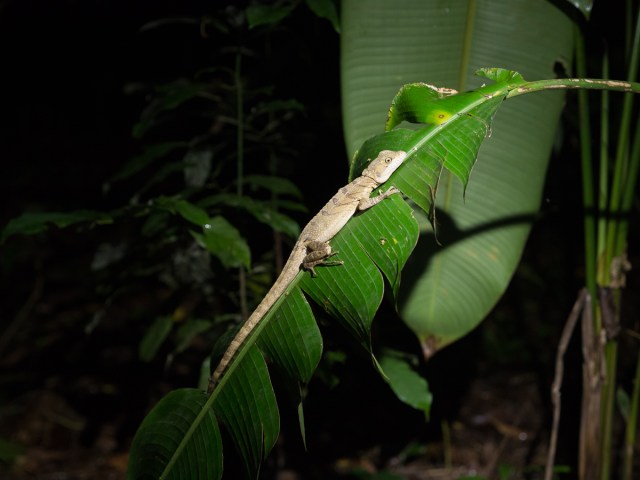
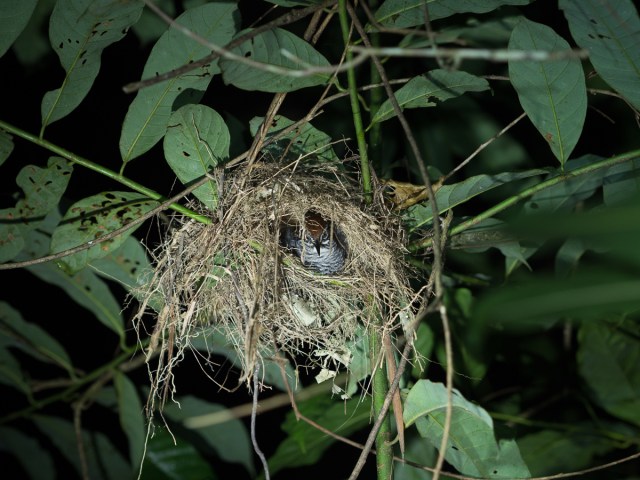
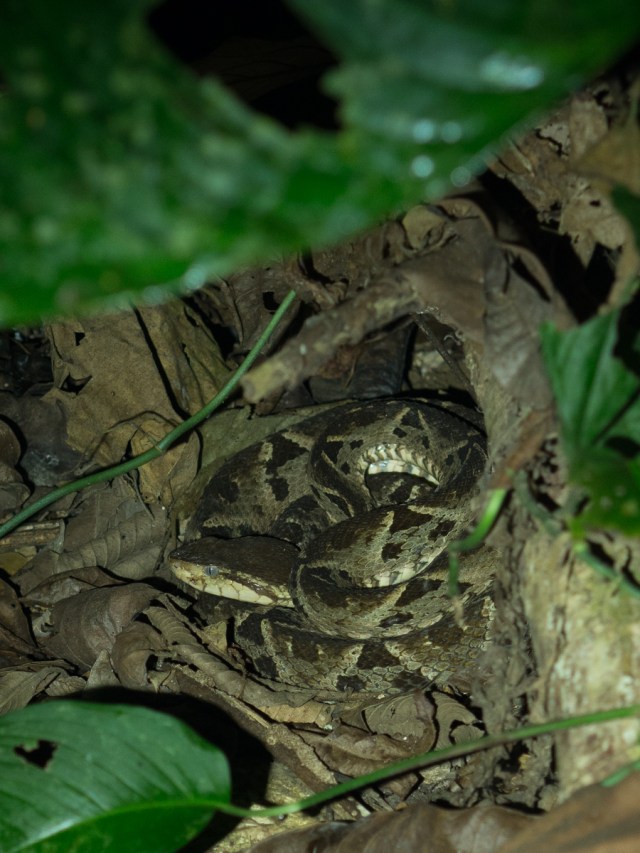
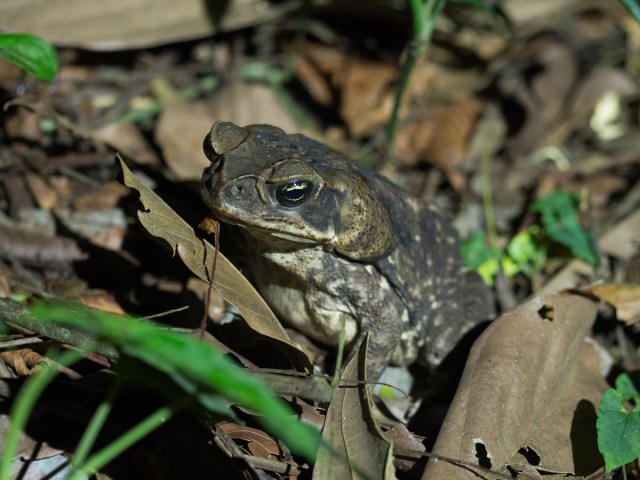
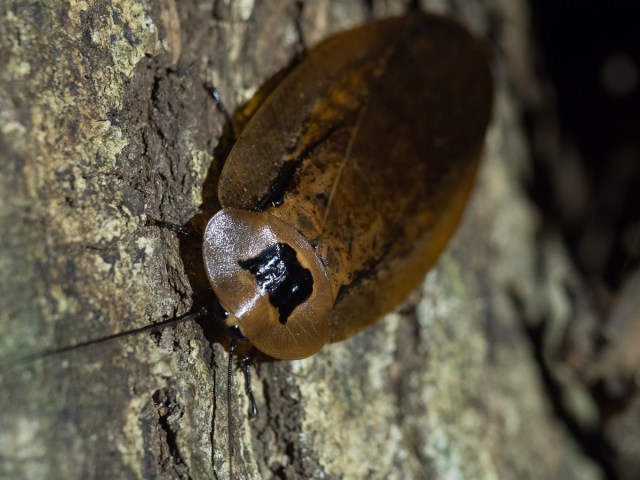
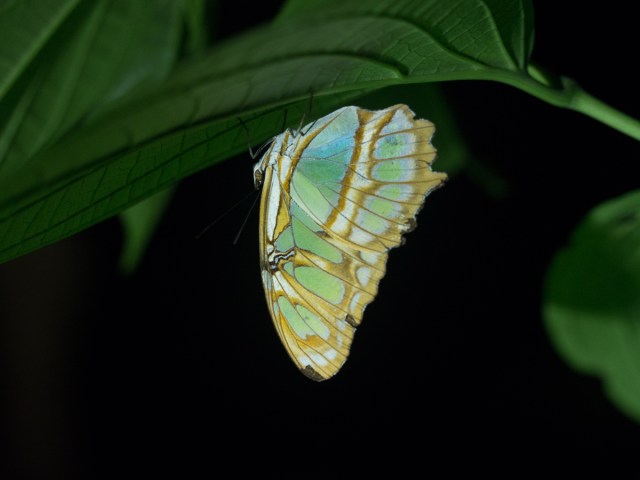
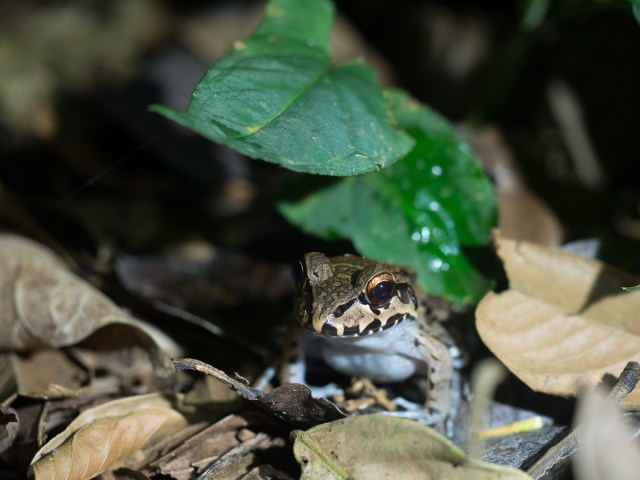
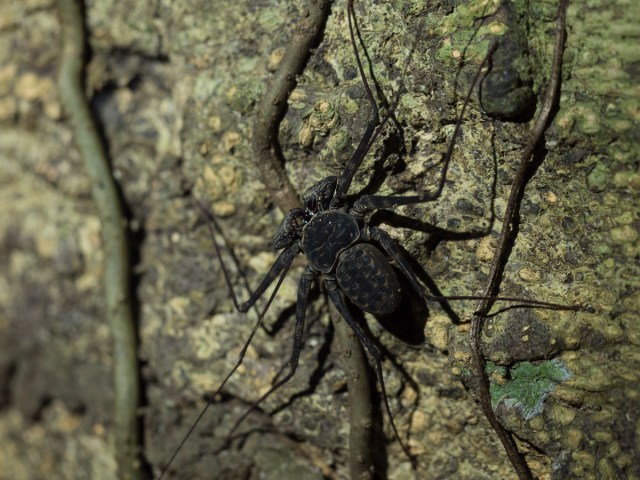
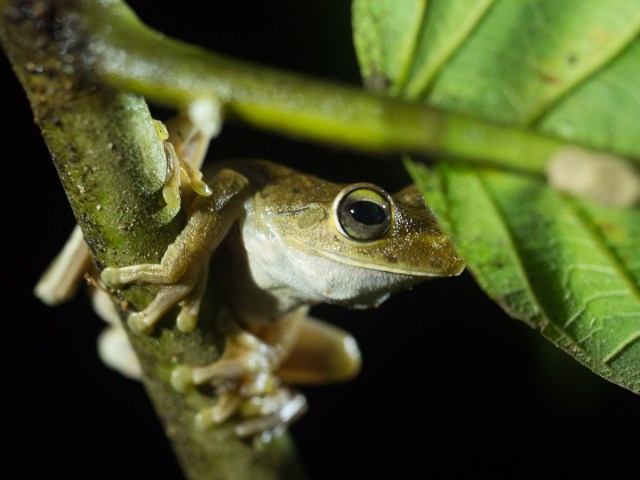

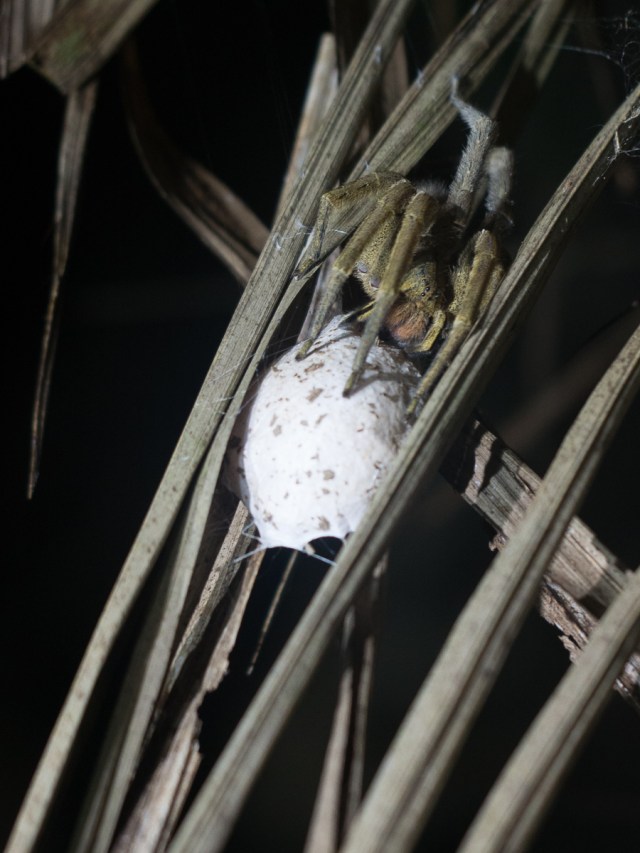

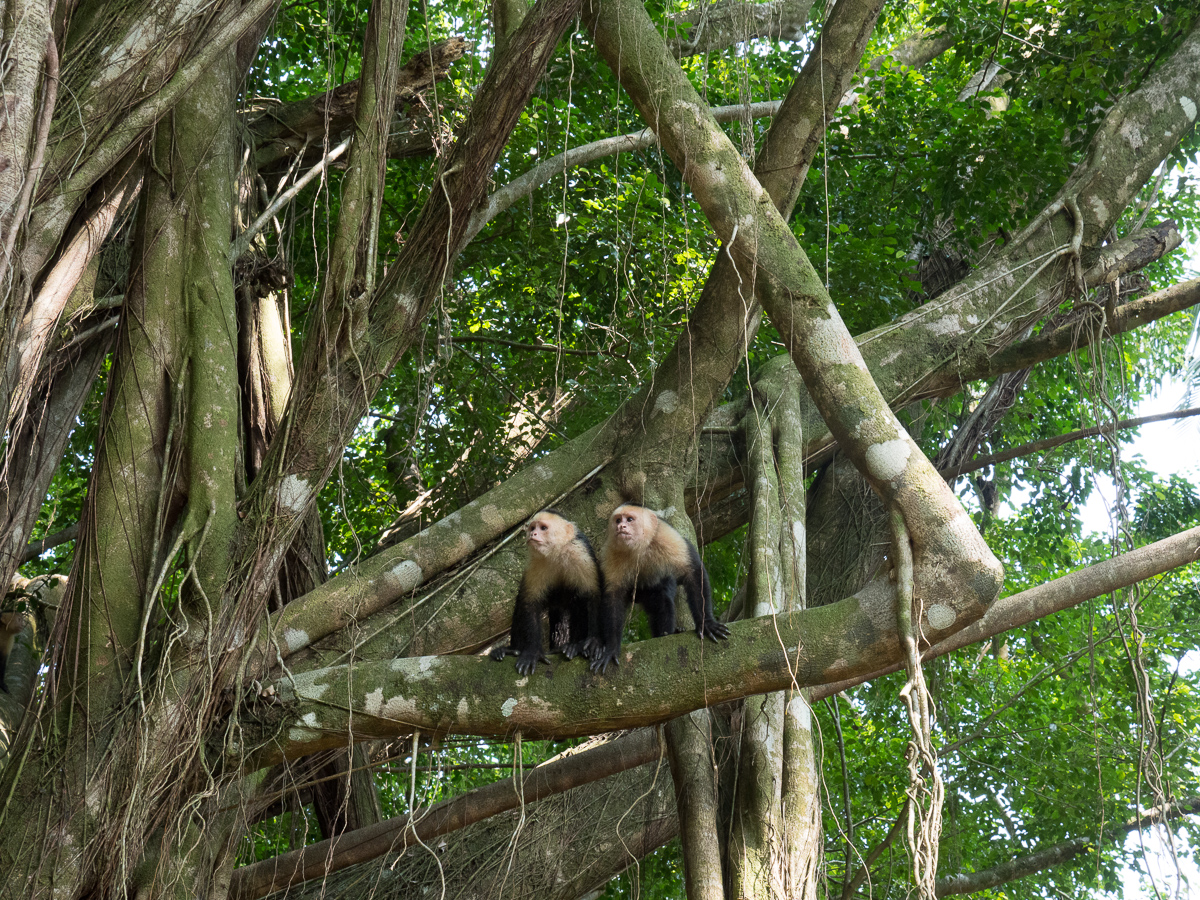
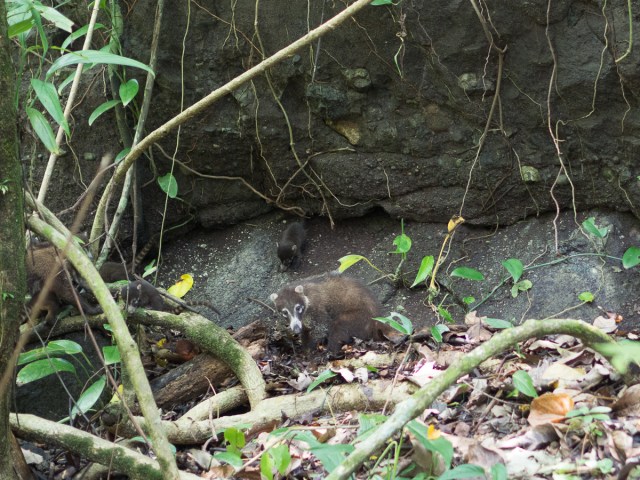
Four percent of the worlds biodiversity is in this small area of Costa Rica, the Corcovado National Park. The day of our tour we set off full of expectation. The ‘How to deal with a big cat interaction’ noticeboard raised the stakes. But let’s get real here. There were twenty or more of us split into different groups all with tour guides trying to justify their near extortionate charges. Our guide Esteban, seemed to know the area well. He was searching one spot saying that the green and black frogs are often here. Right on cue – here are two. The local animals must be very familiar with the whole routine and stay a discrete distance away unless they are quite relaxed about the whole performance. We saw families of coatis on our way out and finding them again on our return trip where I was no more than six metres away from the female and her kits. Overall it was a fun experience with the crocodile and anteater at the top of our best sightings list. The scarlet macaws and squirrel, spider and capuchin monkeys were almost omnipresent and provide excellent entertainment value as did the coatis.



 2silvercyclistsdotnet
great to read your latest adventures. Your night wildlife trip reminds me of one we did in Tasmania. Hardly saw a thing, the reason was that the wildlife knew when the trips were on and spent the time raiding the food in the campground!
LikeLike
thanks for staying with us (Chosa Manglar Nature Retreat) when you visited the Osa Peninsula. It was great to meet you and hear about your travels. Good to hear that you made it to Bogota. Pura Vida!
LikeLike